
In Our Classrooms

Year 6 Step Up and Stand Out Leadership Day
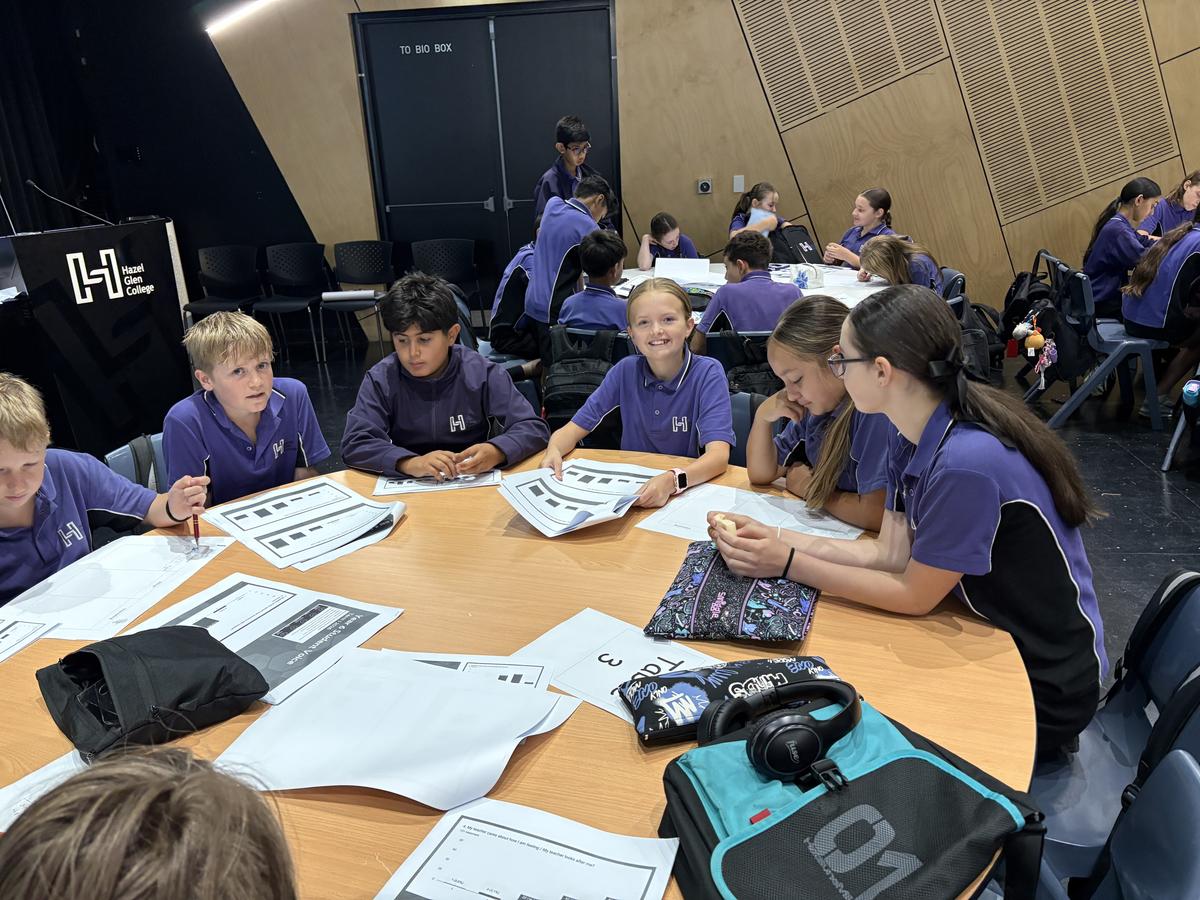
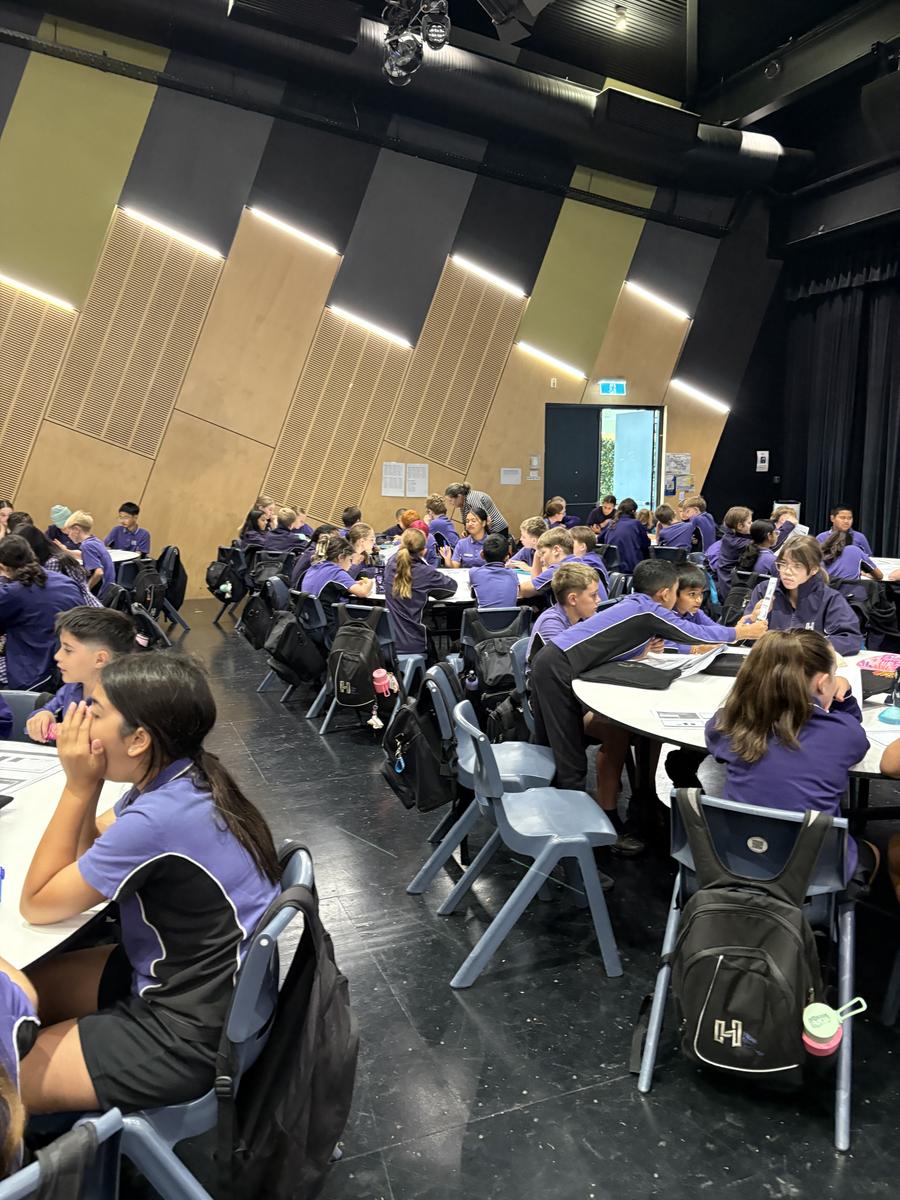
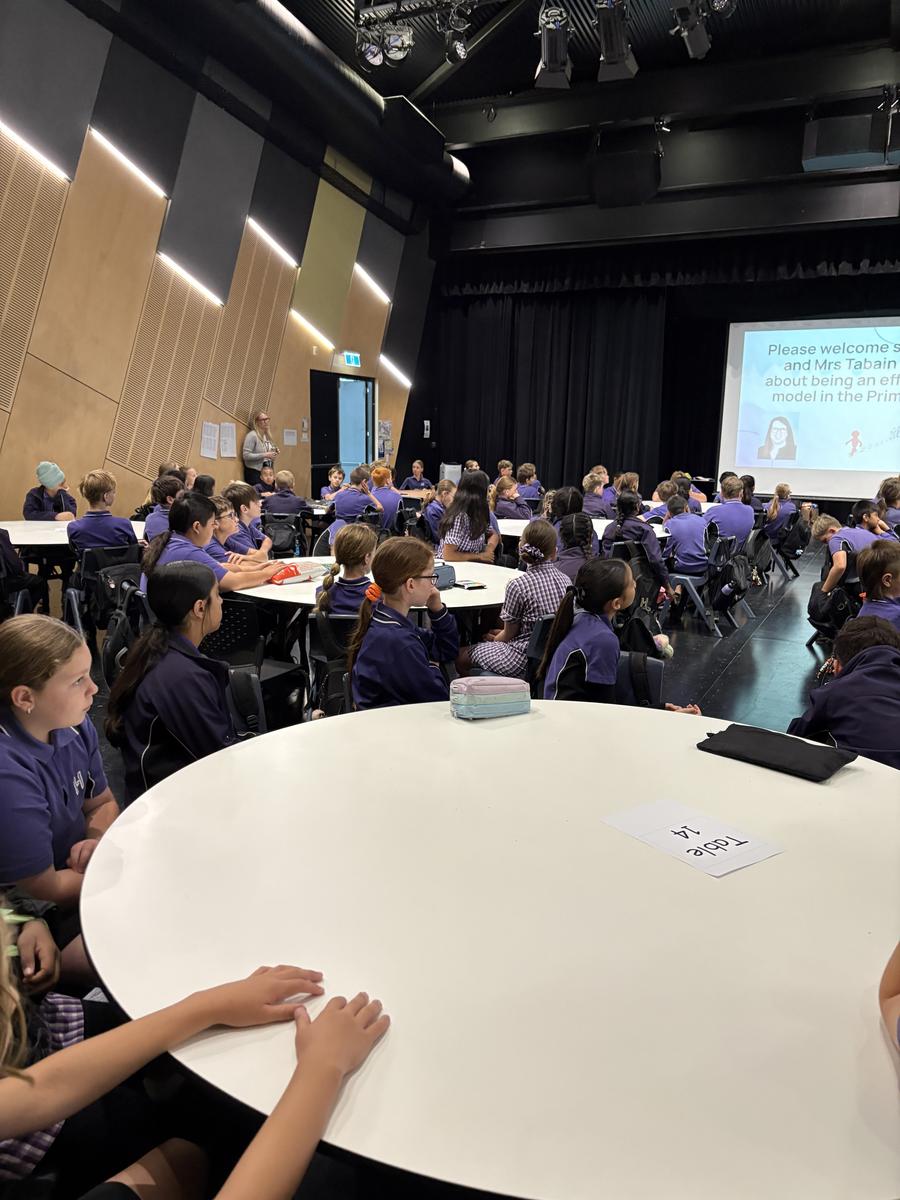
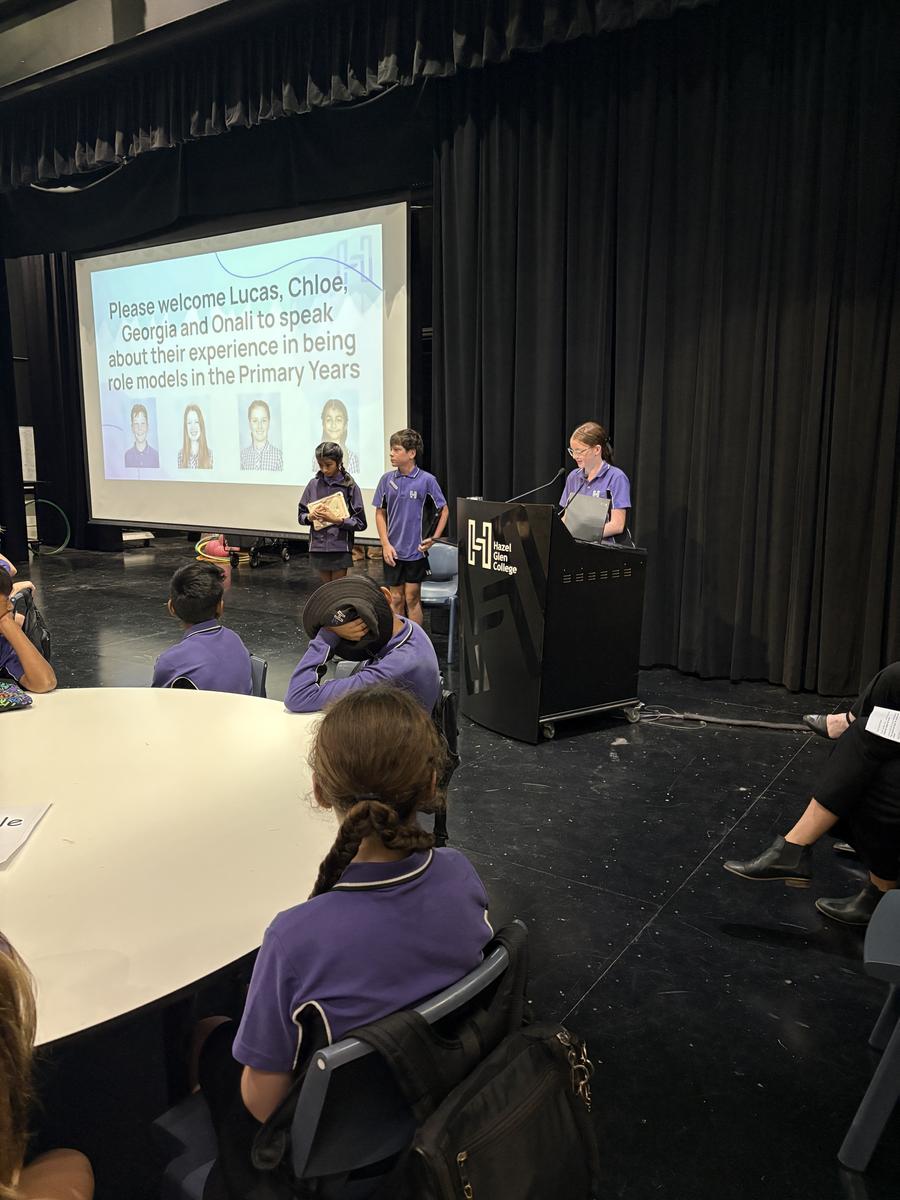
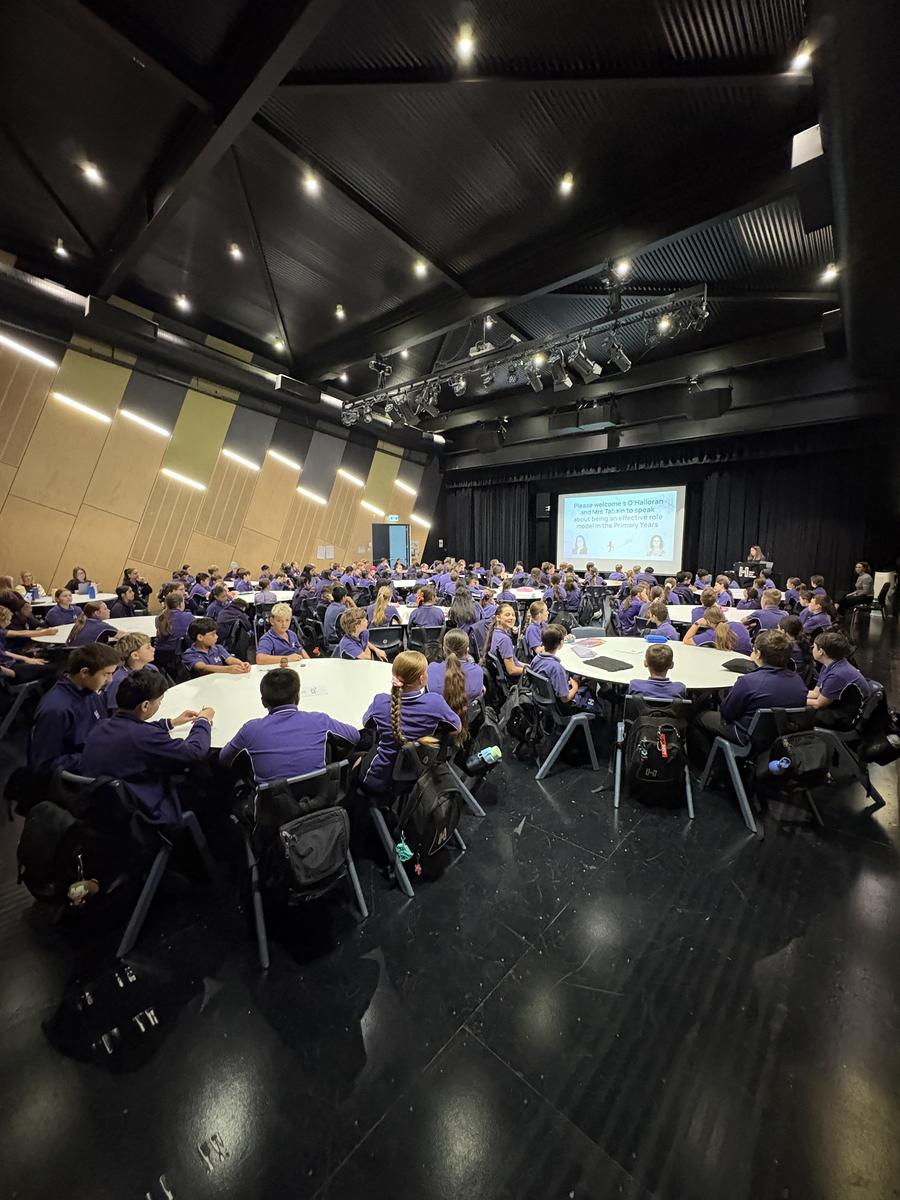
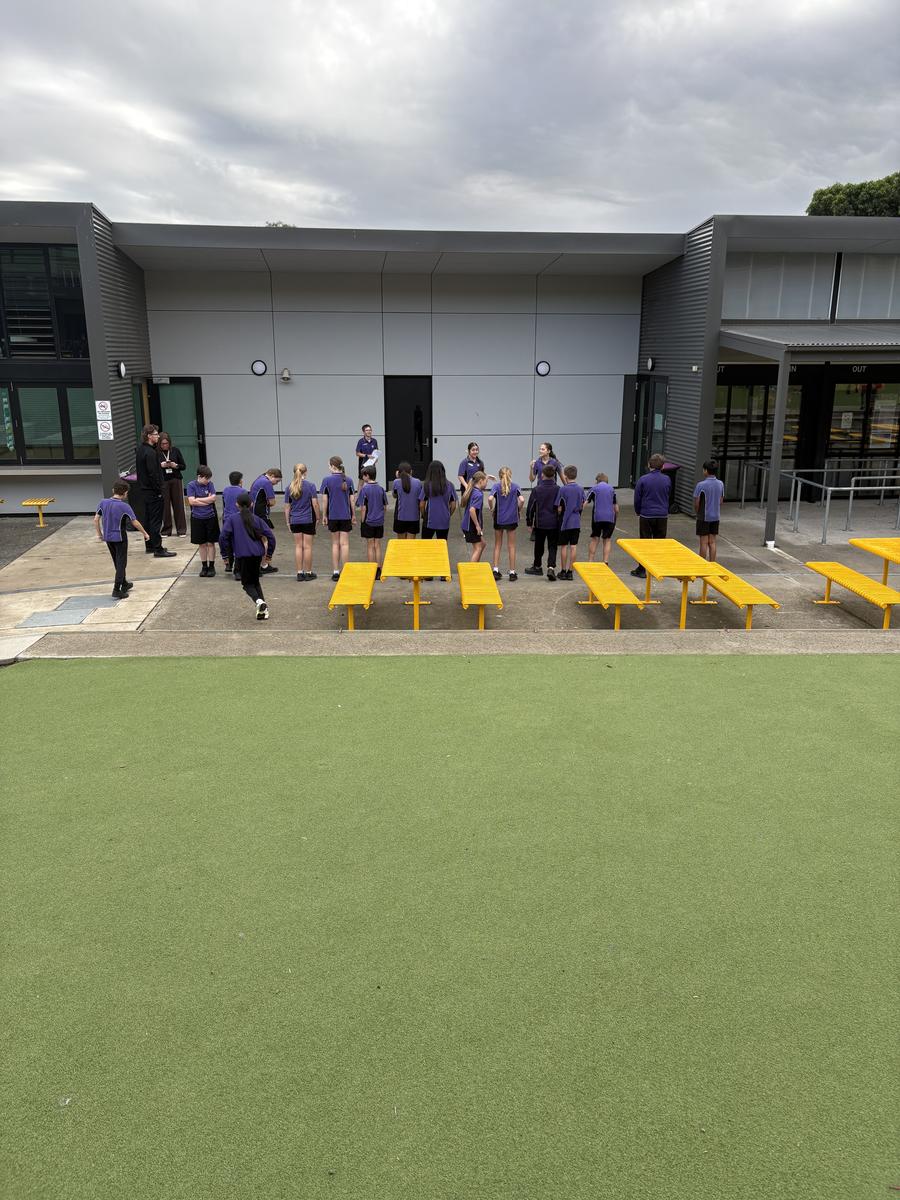
Our Year 6 students recently took part in the Step Up and Stand Out Leadership Day, an engaging and inspiring event designed to help students reflect on what it means to be positive role models within our Primary Years community. Throughout the day, students engaged in rich discussions, explored leadership qualities, shared thoughtful insights and listened to memorable speeches that celebrated what it meant to be a role model. A highlight of the day was the collaborative creation of a tile mural, symbolising the journey they have been on throughout their time in the Primary Years. The program encouraged students to consider their strengths, set intentions for the year ahead and step forward as leaders who uplift and support others.






Every Day Counts at Hazel Glen College
At Hazel Glen College, we know that strong attendance sets the foundation for student success. Being at school every day gives children the best chance to learn, grow and feel connected to their school community.
Why Regular Attendance Matters
Each school day plays an important role in your child’s learning journey. Consistent attendance helps students to:
- Build strong learning foundations by developing essential skills and knowledge across all curriculum areas
- Develop socially and emotionally through friendships, daily routines and positive interactions that foster confidence and belonging
- Maintain learning momentum, reducing gaps in understanding and avoiding unnecessary stress or overwhelm
Understanding Attendance Patterns
To help families stay informed and supported, we monitor attendance using the following categories:
- Repeated Absences: 5–10 days absent per term
- Ongoing At-Risk Absence: 11–15 days absent per term
- Chronic Absence: 16–25 days absent per term
We recognise that absences can sometimes be unavoidable, particularly due to illness. However, regular attendance and punctuality remain key contributors to your child’s academic progress, wellbeing and connection to school.
How You Can Support Your Child’s Attendance
Positive routines and early conversations can make a big difference. Families can support strong attendance by:
- Talking openly about school — ask your child how they’re feeling, what they enjoy and if anything is worrying them
- Being aware of potential challenges, such as:
- Bullying or cyberbullying
- Feeling disconnected or isolated
- Learning difficulties or feeling overwhelmed
- Low engagement or motivation
- Friendship or teacher relationship concerns
- Competing commitments
- Feeling misunderstood or culturally excluded
- Celebrating attendance achievements, reinforcing the value of consistency and punctuality
- Modelling commitment, by demonstrating responsibility and reliability in everyday life
- Encouraging participation in school activities, sports or clubs to strengthen friendships and belonging
- Establishing consistent routines, including:
- Adequate sleep
- Completing homework
- Packing school bags the night before
- Eating breakfast and arriving on time
- Planning transport arrangements (for example, walking with a friend)
Working in Partnership
Every day truly counts. If you have any concerns about your child’s attendance, we encourage you to contact their classroom teacher early so we can work together to create a supportive plan. By partnering with families, we can help ensure every student enjoys a positive, consistent and successful school experience.
If your child misses: | That equals: | or: | From Kinder to Year 12 that adds up to: | Which is the equivalent of attending until: |
1 day per fortnight | 20 days per year | 1 month per year | Nearly 1 and a half years | Part way through year 11 |
1 day per week | 40 days per year | 2 months per year | Over 2 and a half years | Part way through year 10 |
2 days per week | 80 days per year | 4 months per year | Over 5 years | The end of year 7 |
3 days per week | 120 days per year | 6 months per year | Nearly 8 years | The end of year 4 |
If your child misses: | That equals: | Which is: | And over 13 years of schooling that equates to: |
10 minutes per day | 50 minutes per week | Nearly 1.5 weeks per year | Nearly half a year |
20 minutes per day | 1 hour and 40 minutes per week | Nearly 2.5 weeks per year | Nearly 1 whole year |
Half and hour per day | Half a day per week | 4 weeks per year | Nearly 1 and a half years |
1 hour per day | 1 day per week | 8 weeks per year | Nearly 2 and a half years |
Attendance and Learning Go Hand in Hand
Regular attendance gives children the best opportunity to keep up with lessons, practise new skills and build confidence in their abilities. Being at school consistently helps students stay engaged, feel successful and develop positive learning habits. When students miss school frequently, they may fall behind, miss key learning experiences and begin to feel disconnected from their learning. Supporting regular attendance helps your child stay on track and make the most of every school day.