
Well-being News
Be Kind
Be Responsible
Be an Active Learner
Well-being News
Be Kind
Be Responsible
Be an Active Learner
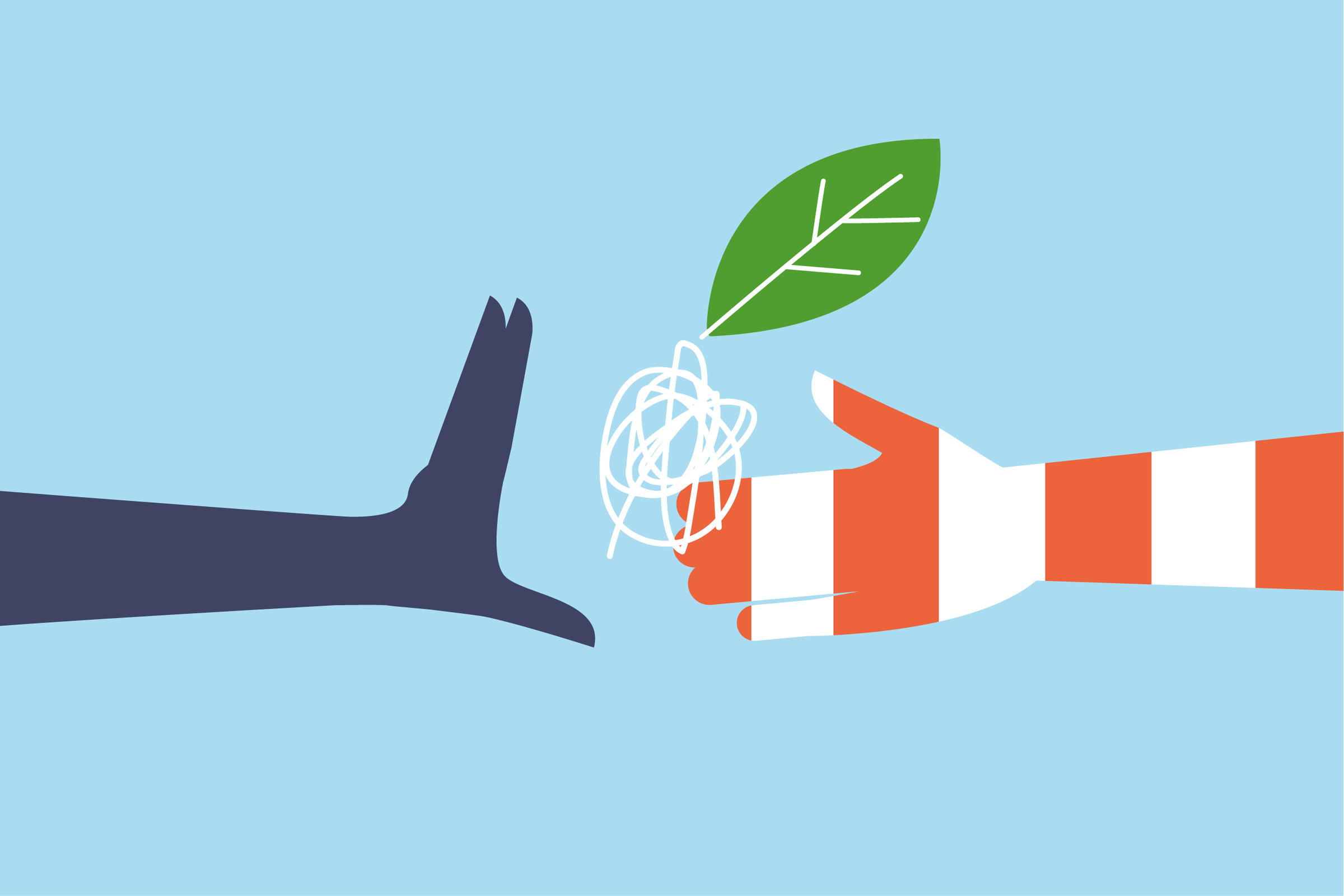
At our school, we are committed to creating a community where everyone feels safe, valued, respected, and included. One important way we can live our school value of Be Kind is by standing against racism and celebrating the diversity that makes our community strong.
This focus on anti-racism links perfectly with our learning over the past two weeks about being kind through positive intent. Students have been encouraged to consider that others may have different experiences, perspectives, feelings, and needs. When we approach others with positive intent, we take the time to listen, learn, and understand rather than make assumptions. This helps us build empathy, strengthen relationships, and create a more inclusive community where everyone feels respected and valued. By recognising and appreciating our differences, we can continue to grow our awareness of others and ensure that kindness is reflected in both our words and actions.
Racism occurs when someone is treated unfairly, excluded, or made to feel less important because of their race, culture, language, or background. Even comments that are intended as jokes can cause hurt and make others feel that they do not belong.
Being kind means more than just being friendly. It means showing respect for people's differences, listening to others' experiences, and speaking up when something is unfair. It means recognising that every person deserves to be treated with dignity and respect.
Over the coming week, students will participate in learning activities that help them:
Build inclusive classrooms and playgrounds where everyone belongs.
Families play an important role in helping children develop these understandings. Talking about kindness, respect, fairness, and inclusion at home helps reinforce the messages students are learning at school.
Some conversation starters you might like to use at home include:
Together, we can create a school community where everyone feels proud of who they are, where differences are celebrated, and where kindness guides our words and actions every day. By working together, we can ensure that our school remains a place where every student feels they belong.
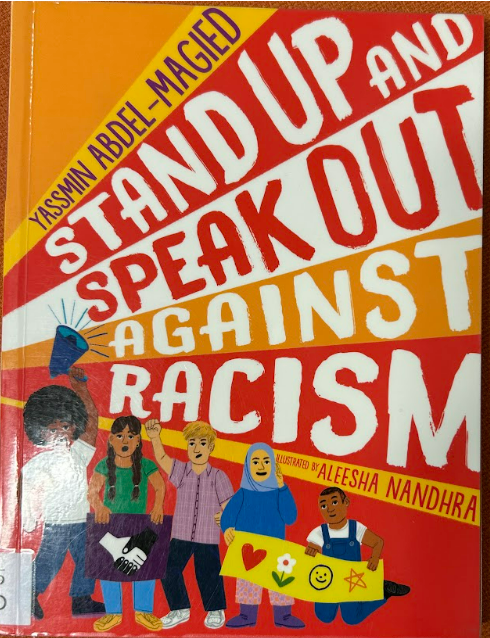
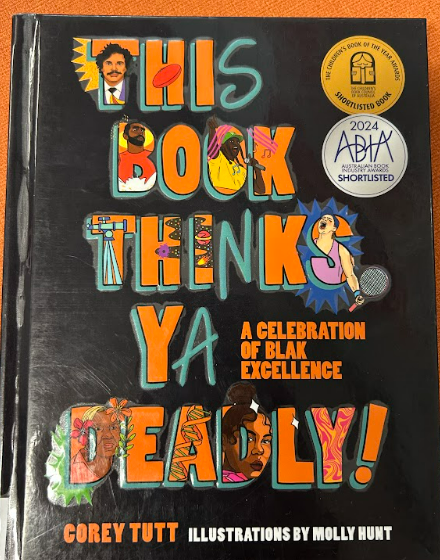
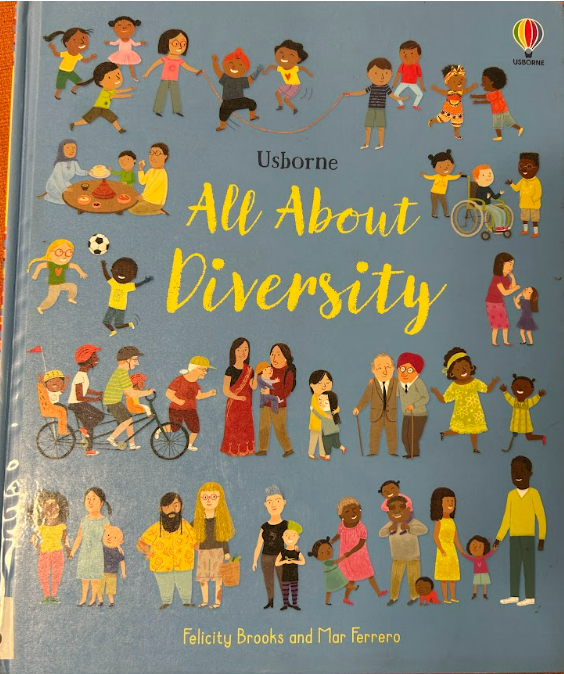
A shout out to Jess Smedley in Library, for creating awareness through books.
Johanne Abbott
Well-being