
Year 5 - Bio-Eyes Incursion
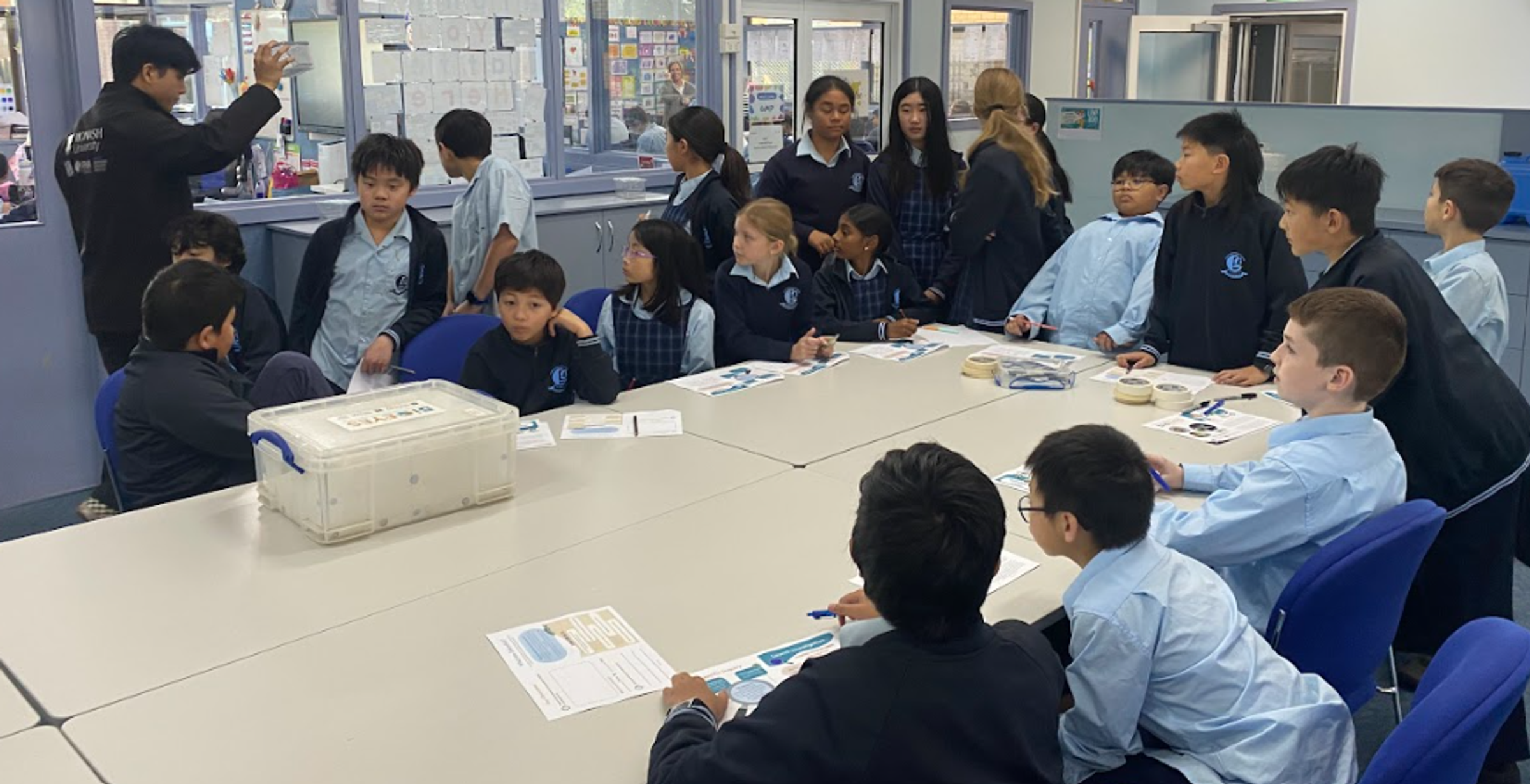
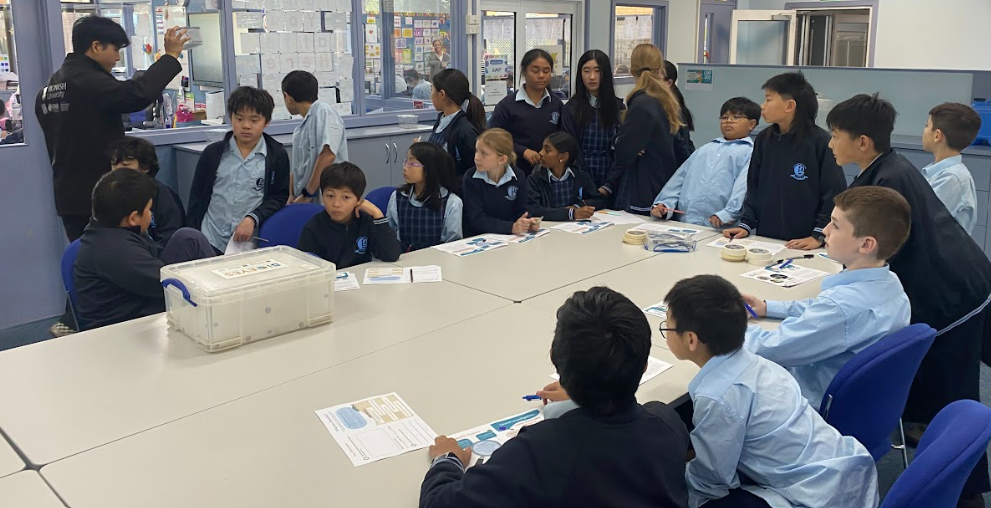
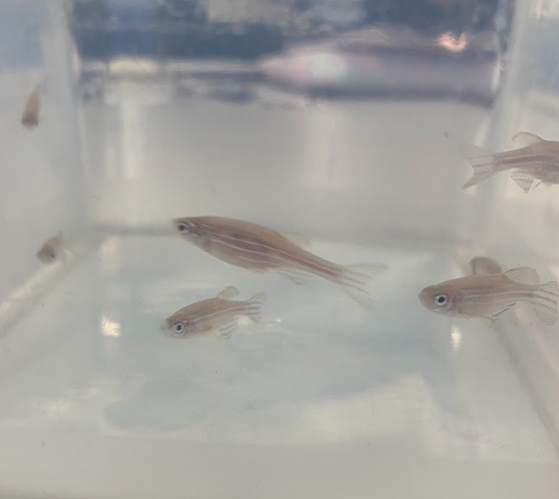
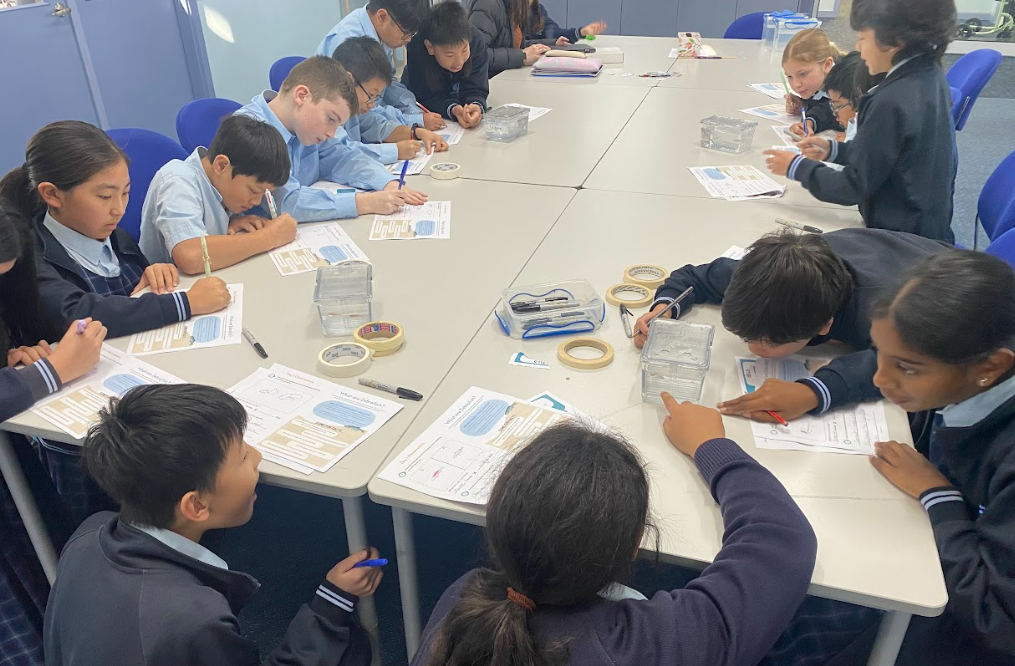
Last week, the grade fives had an BioEYES incursion. It went for Tuesday, Wednesday, and Friday. We worked with zebrafish because their DNA is very similar to that of humans. It was really fun. We also worked with a man called Denzel from Monash University.
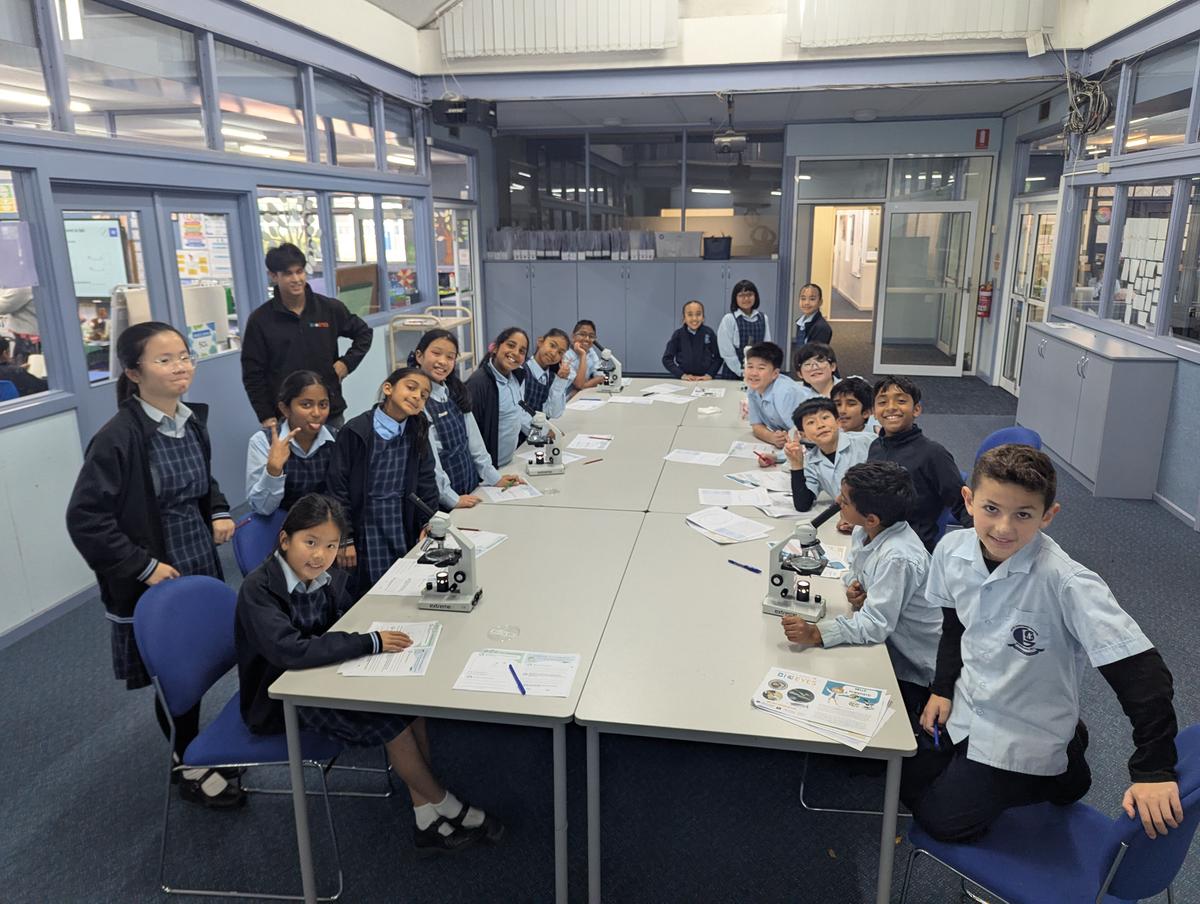
We bred zebrafish and learnt about the two different types of fish. The first was the “wildtype”, which were the females and had stripes like a real zebra. The second was the “nacre” which was the male and had no stripes. We enjoyed learning about the process of the embryos [eggs] hatching and the different elements of the embryo. We also got the chance to look at the embryos under a microscope, and the results were breathtaking. We learnt that science is also about being curious and making hypotheses about experiments. We also learnt how science can help us understand the world and help us in our everyday lives. The project was really fun and I feel like we all immersed ourselves well in the experiment.
Michaela
5MS
In Term 2, the Year 5 students investigated the life cycle of a Zebrafish.
We had a student from Monash University come to Good Shepherd to teach us about BioMedical Science.
On day one, we learnt about the benefits of Zebrafish and how there are two types of genders, Wildtype and Nacre. We received some cool booklets and also made some predictions on how many would be Wildtype or Nacre. Then we adopted our own fish for the experiment!
On day two, we used microscopes to examine the fish eggs that they had laid. We saw the fish eggs adapting and found the eggs that were starting to develop! It was so cool!
On day three, we used the microscopes again to see how the fish were growing and found out which ones were Wildtype and Nacre. It was extremely fascinating! At the end we went back into our classrooms and we took some notes and had a farewell.
Overall, we had an amazing time and it was a great experience for all of us. Many thanks to the student at Monash who gave up their time to teach us!
Rebecca & Chiara
5CL
This week was amazing with BioEYES at our school, and today this reflection will talk about what the Grade 5 community at Good Shepherd learned.
On the first day of BioEYES, we discussed what scientists used to experiment with. To our surprise, zebrafish have 70% of our DNA! That is quite a large amount of DNA, even though they don't have hands or legs. After we learned all of that, we took our dad and mum zebrafish and learned about what type of gender and type they were, such as wildtype or nacre. We chose a wildtype female and a male nacre because the types can be either.
On Day 2, we saw the eggs and took the rest out, making sure all the eggs were good and healthy. We could tell the difference by the colour. Healthy eggs are transparent, while unhealthy eggs were white and not transparent. Then we put in a special type of water to help them hatch.
Finally, on the last day of BioEYES, we saw the eggs hatch and identified the stage. The hatching stage is Stage 4, and the rest were either Stage 2, 3, or 4. For the last couple of minutes, we reviewed what we had learned at the start of the week, and then we said goodbye.
Ethan
5SZ
The BioEYES incursion we did over the course of three days was a massive opportunity to learn about biology and biomedical science. In these three days, we learned how to, and actually got to, breed zebrafish to a degree. Denzel was the person who was in charge and was teaching us. We got to look after the fish, and eventually they laid eggs.
Hugo
5SZ