
First Aid News
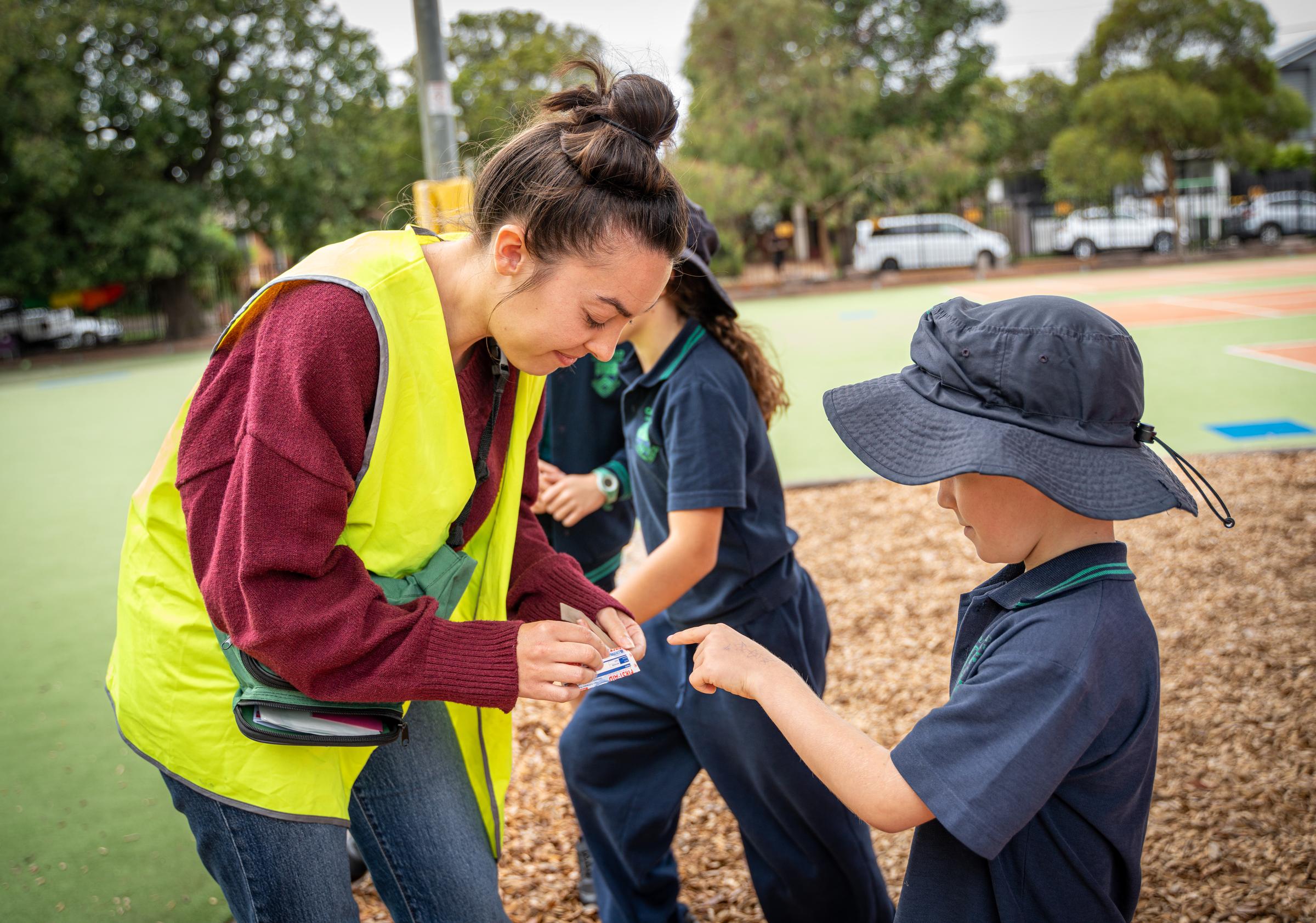
A few notes from First Aid.
Cases of Emergency or Illness.
In some cases, parents have not been contactable when their child is unwell. Please ensure you have our phone number in your phone so you can see who is calling. While we understand parents are working, it is unlikely we will call for a trivial matter.
If you cannot take the call, please ensure we have other people listed that we can contact regards your child’s health.
Medication
If your child requires medication at school, a medication authority form will be required prior to us administering any medication. The form and medication policy can be found on our website under Policies Forms and Reports.
Any medication brought to school by a student needs to be clearly labelled with: (this information is on the label from the chemist)
● the student’s name
● the dosage required
● the time the medication needs to be administered.
Students do not carry medication in their bag.
Illnesses
I have listed below just a few illnesses that have occurred at CJC over the past few years. Parents are not always aware of school exclusion requirements.
The entire list can be found at the below link.
https://www.health.vic.gov.au/infectious-diseases/school-exclusion-table
| Diarrhoeal illness | In an outbreak of gastroenteritis, exclude until there has not been vomiting or a loose bowel motion for 48 hours, and for all other diarrhoeal illnesses exclude until there has not been vomiting or a loose bowel motion for 24 hours | |
| Impetigo (School Sores) | Exclude until appropriate treatment has commenced. Sores on exposed surfaces must be covered with a watertight dressing | |
| Influenza and influenza like illnesses | Exclude until well | |
| Streptococcal infection(including scarlet fever) | Exclude until the child has received antibiotic treatment for at least 24 hours and the child feels well | |
| Conjunctivitis | Exclude until discharge from eyes has ceased | |
Shoes/Footwear
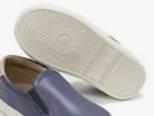
Students need to wear shoes that will allow them to run and participate in sport activities. Shoes that are non-slip and protect the ends of toes from stubbing need to be worn. Leather school shoes or sneakers are preferred items of footwear.
Thongs, open toed sandals or shoes without ankle support are not appropriate school footwear.
Please note - the very flat type of sole on shoes seems to have been involved in several student slipping incidents. Picture to illustrate.
Insurance and Ambulance cover
The Department does not provide personal accident insurance or ambulance cover for students. Parents/carers of students, who do not have student accident insurance/ambulance cover, are responsible for paying the cost of medical treatment for injured students, including the cost of ambulance attendance or transport as well as any other transport costs. Parents/carers can purchase insurance policies from commercial insurers.
Replacement Clothing
If your child has come home in some replacement clothing (accidentally wet themselves), you will have been notified of the incident via email. Please wash the clothing and return the clean clothing to First Aid (not the underwear).
Birthday Treats
If you are supplying a birthday treat for your child’s class, please adhere to the following (These instructions form part of our risk management for Anaphylaxis and Allergies).
Pre-packaged individual or
Home-made, but individual (eg cup-cakes, not a whole cake that needs cutting up).
List of ingredients must be supplied. Both options will be handed out at 3.30pm (end of the day) for students to take home and check with parents before eating.
Protecting against mosquito-borne diseases
Some areas in regional northern Victoria are experiencing a longer mosquito season this year due to recent flooding. While the overall risk is currently low, some mosquitoes may be carrying diseases that make people sick.
The best protection against mosquito-borne illness is to avoid mosquito bites. The free Japanese encephalitis vaccine is also available for more Victorians.
Free Japanese encephalitis vaccines
Japanese encephalitis virus is spread to humans through bites from infected mosquitoes. It can cause a rare but potentially serious infection of the brain.
The free Japanese encephalitis vaccine is available for:
people aged 2 months or older who live or work in eligible high-risk local government areas in Victoria
until Friday 31 July 2026, people who plan to visit high-risk areas in Victoria or interstate for outdoor recreation such as hiking, camping, caravaning or boating.
For more information:
refer to the Department of Health’s Japanese encephalitis webpage for a list of high-risk areas
speak to your GP or immunisation provider to check if your family is eligible for a free vaccine ahead of any planned travel during the coming months.
How to help prevent mosquito bites
To help protect against mosquito bites, families can:
cover up as much as possible with long, loose-fitting, light-coloured clothing
apply insect repellent that contains picaridin or DEET on exposed skin when outdoors
limit outdoor activity if lots of mosquitoes are active
clean up and remove containers and items around the home that may hold water where mosquitoes may breed.
Families with any health concerns should see their doctor or phone Nurse-on-Call: 1300 606 024 (available 24 hours).
Find out more
For more information on protecting against mosquito-borne diseases, families can refer to the following Better Health Channel pages:
Protect yourself from mosquito-borne disease, including a handy checklist to help reduce mosquito breeding sites at home and resources translated into other languages
Regards,
Trudy Warman
First Aid Officer