
From the School Psychologists
Mrs Bec Campey and Mrs Emily Reed

From the School Psychologists
Mrs Bec Campey and Mrs Emily Reed
School holidays can be a welcome chance for young people to rest and reset, yet the change in routine can sometimes leave them feeling disconnected or overwhelmed. Maintaining social connection - even through a quick message, call, or time spent with a friend - helps support their sense of belonging and wellbeing. Encouraging involvement in hobbies, volunteering, or family activities can also build confidence, purpose, and positive identity during this time away from school.
Healthy routines continue to play an important role in emotional balance. Regular sleep, nutritious eating, and daily movement can all support a clearer mind and a healthier headspace. Just as important is making room for fun and relaxation - unstructured moments where young people can simply enjoy being themselves. If you notice ongoing changes in mood or behaviour, gentle conversations and professional support may be helpful. Please see the out-of-hours mental health support lines attached with this article for more information.
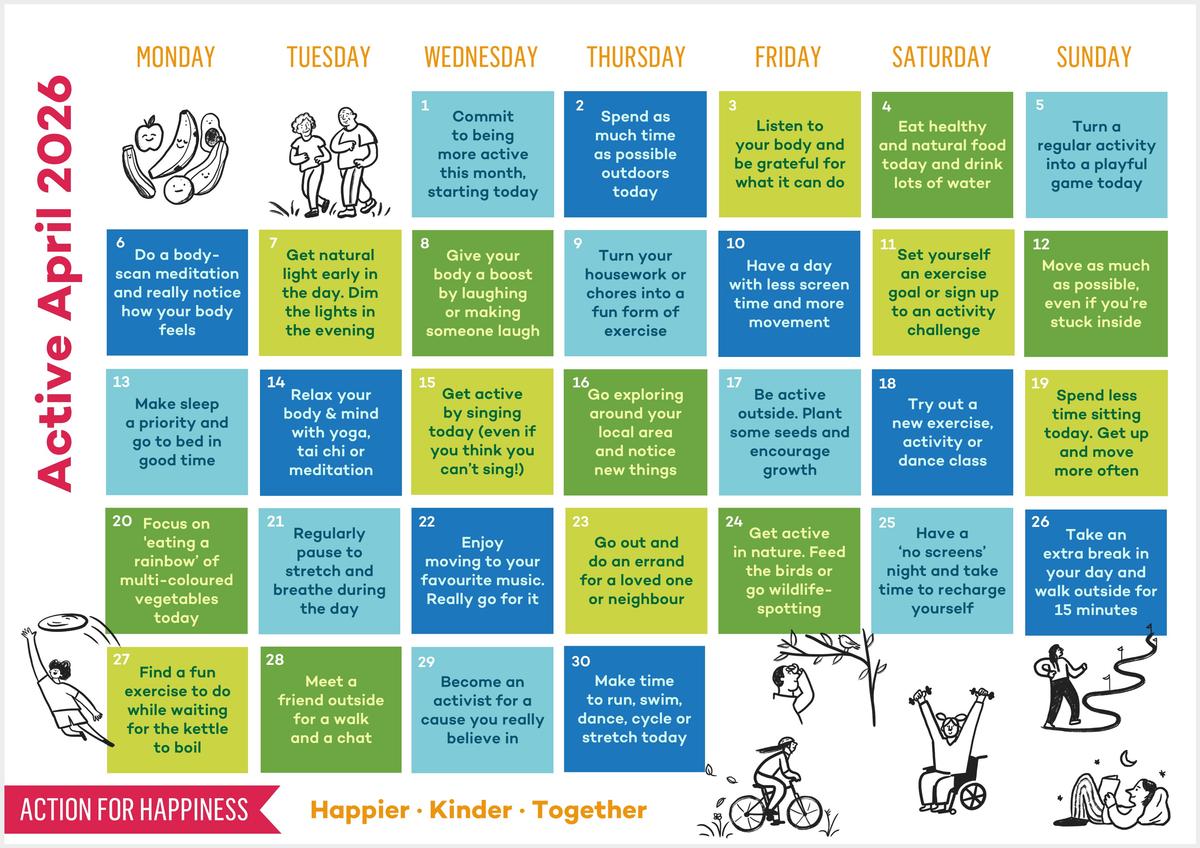
It was great to watch the students participate in the cross-country carnivals this week. As well as carnivals and organised sport, a powerful support for wellbeing is movement for enjoyment - the kind that feels natural, fun, and pressure‑free. Active April is a wonderful opportunity for families to reconnect with movement as an experience that lifts mood, calms the nervous system, and strengthens relationships.
The Active April prompts offer small, playful ideas that help us tune into our bodies in positive ways, without comparison or pressure. These moments of movement can support emotional regulation, improve sleep, reduce stress, and build confidence. This month, we encourage families to notice the simple joy that movement can bring. Every step, stretch, wiggle, or laugh‑filled moment counts - and when movement feels good, wellbeing naturally follows.
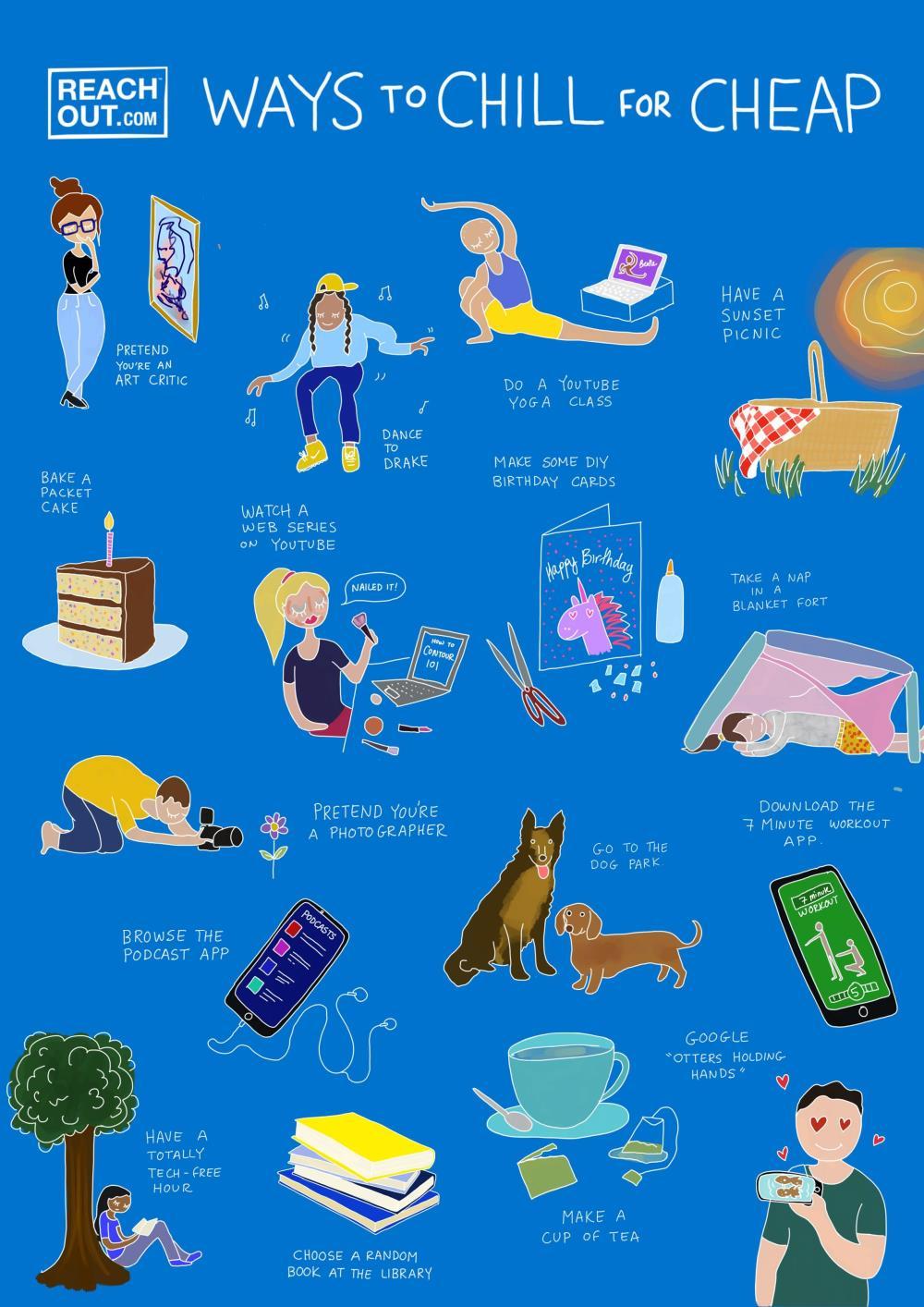
Supporting young people’s wellbeing doesn’t have to involve expensive outings or structured programs. Often, it’s the simple, low‑cost moments that make the biggest difference. A sunset picnic, a short online workout, borrowing a library book, drawing or crafting, or spending time outdoors can all help reduce stress and build resilience.
Encouraging young people to take mindful breaks, enjoy gentle movement, or spend a few minutes in nature gives their brains and bodies a chance to reset. These accessible, everyday strategies create space for calm - and remind young people that caring for their wellbeing can be both simple and enjoyable.
Emily Reed and Bec Campey
ereed@kws.nsw.edu.au ; rcampey@kws.nsw.edu.au
Upcoming parent/carer webinars that may be of interest: