
Health and Wellbeing at Rangeview

Mental Health and Wellbeing Leader Update
As we move into Term 2, students are well and truly settled back into school routines. This term provides an important opportunity to continue strengthening the skills that support positive wellbeing, including emotional regulation, social connection and resilience in learning.
Across the school, a key focus remains helping students to recognise and manage their emotions in safe and productive ways. All students experience a range of feelings throughout the school day, and part of our learning is developing strategies to respond when emotions feel big or overwhelming. These strategies may include breathing techniques, taking a short break, movement or using agreed classroom supports to reset and reengage with learning.
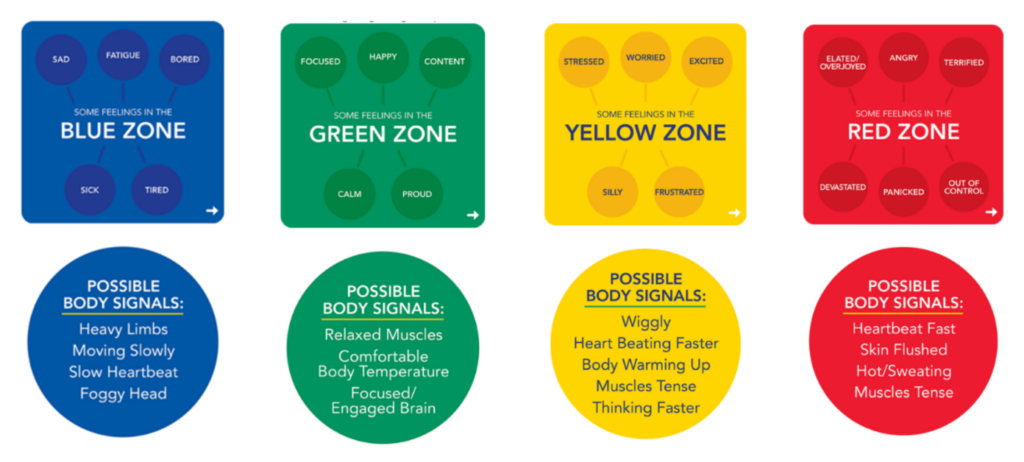
A consistent approach between home and school can be very helpful for children. Families can support this by naming emotions when they arise, for example “It looks like you’re feeling frustrated,” and by encouraging simple calming strategies such as slow breathing or taking space before responding. These small, repeated moments help children build confidence in managing challenges over time.
Another important focus this term is supporting positive friendships and respectful relationships. Primary school is a key stage for learning how to navigate social situations, including how to join in, manage disagreements and repair friendships when things go wrong. At school, we explicitly teach and model these skills, helping students to understand what respectful communication looks like and how to problem solve with others.
Families can support this learning by talking with children about their friendships, encouraging perspective-taking and reinforcing the idea that disagreements are a normal part of relationships. Supporting children to reflect on “What happened?”, “How did that make you feel?” and “What could you try next time?” can be particularly helpful.
Finally, Term 2 is a valuable time to reinforce the importance of routines that support wellbeing, including sleep, attendance and readiness for learning. Regular attendance at school helps students stay connected to learning, friendships and classroom routines, all of which contribute to both academic progress and emotional wellbeing.
We thank families for their ongoing partnership in supporting the wellbeing of all students. If you have any questions or would like further information about student wellbeing supports, please don’t hesitate to get in touch.
Warm regards,
Tegan Cant
Mental Health and Wellbeing Leader