Grade 3 Community News
Dear Grade 3 Families,
Welcome to our newsletter for Weeks 9 and 10! As we approach the end of Term 1, we are incredibly proud of the focus, resilience, and positive attitude our students have shown. Thank you for your ongoing support in ensuring students arrive well-rested and ready to participate in our morning Circle Time.
English
Text-Level Reading
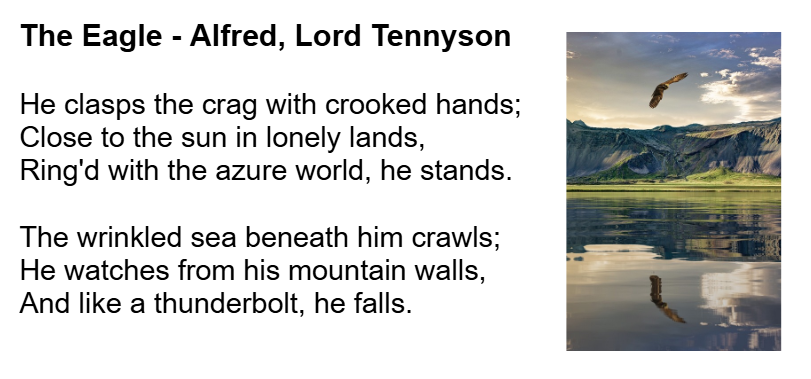
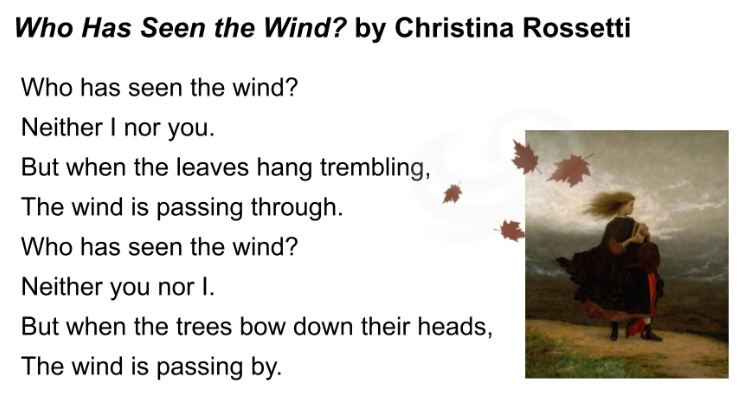
Over the past two weeks, we have transitioned into a new literature unit exploring nature and weather through poetry. Students have been reading and analysing classic poems such as "The Eagle" by Alfred, Lord Tennyson, and "Who Has Seen the Wind?" by Christina Rossetti. They have been identifying the poets' purposes, exploring character settings, and discussing how literary devices, such as similes, bring subjects to life.
Sentence-Level Writing
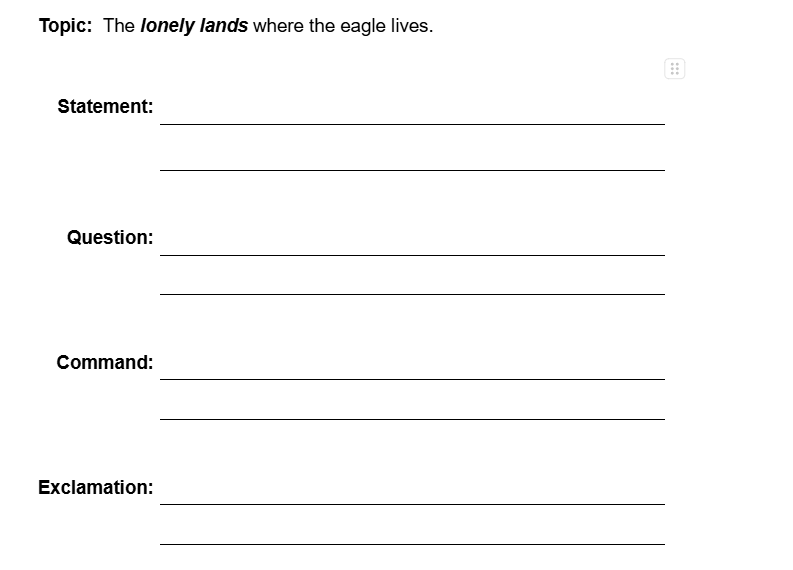
Students have been strengthening their writing by practicing sentence expansion to add key details such as who, when, where, and why. They have also been revising how to use the conjunctions because, but, and so to connect ideas effectively. Furthermore, they explored the differences between complete sentences and fragments to ensure clear, purposeful communication.
Text-Level Writing
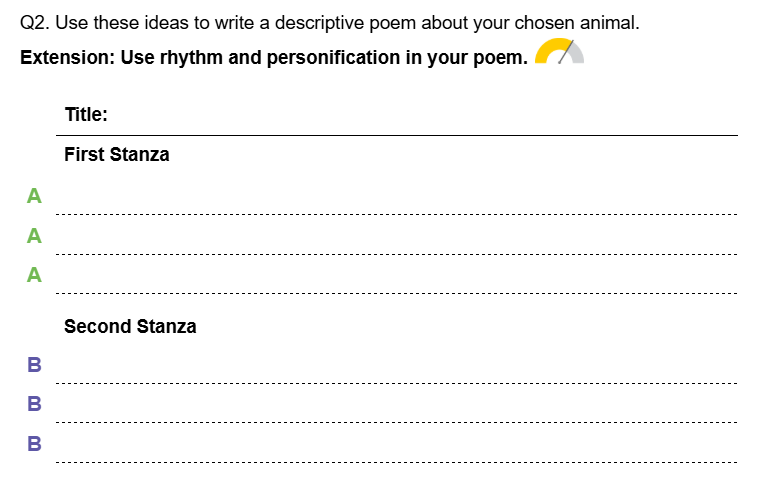
Inspired by the poetry unit, students have been planning and drafting their own animal poems. They researched the appearance and behaviour of an animal to write descriptive similes, such as "as sturdy as a boulder". During Week 10, the focus has shifted to planning and writing additional stanzas to build upon their initial drafts.
Mathematics
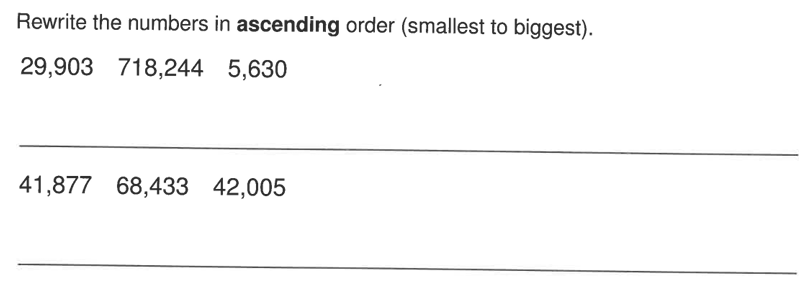
Students have expanded their number knowledge by ordering 6-digit numbers and solving missing number addition problems. They have also continued to practice the subtraction of large numbers and worked on describing and continuing number patterns. Additionally, students completed lessons on Time and Statistics.
Humanities
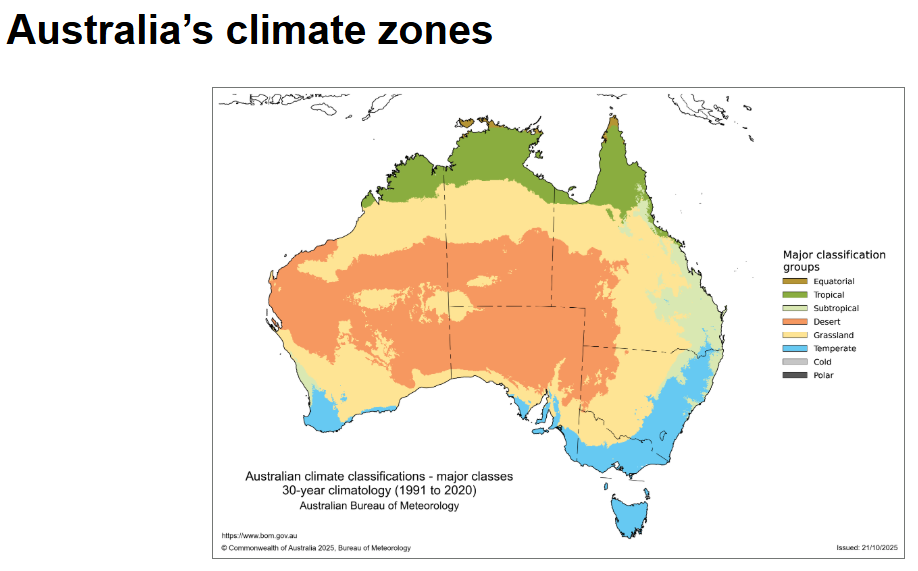
In Humanities, students have continued their unit on Climate, focusing on the world's major geographical divisions. They have been learning to identify and locate the seven continents, five oceans, the equator, and the poles on various types of maps. More recently, students have explored the different climate zones—such as polar, temperate, tropical, and dry—and have begun analysing seasonal rainfall data using graphs and choropleth maps to understand how climate affects different regions, including Australia.
School Reminders
Students are encouraged to read at home each night and ensure their iPads are charged daily.
Warmest regards,
The Year 3 Team