
Principal's Report
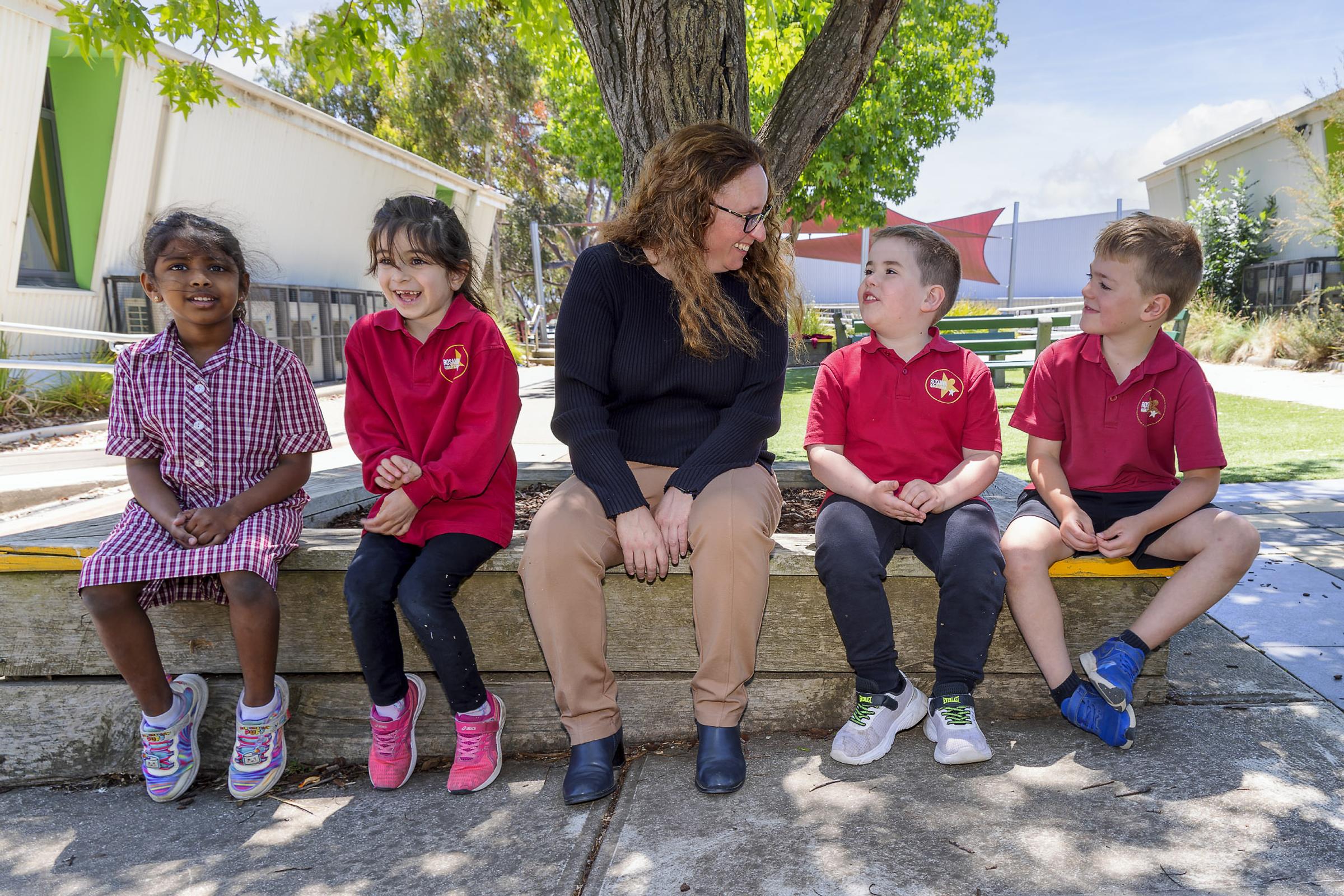
What an energetic and inspiring week it has been at Rosanna Golf Links. Our Year 5 students have absolutely stunned us with their thoughtful and engaging campaigns for the 2026 School Captain positions. The calibre of speeches this year has been nothing short of exceptional. Each student spoke with maturity, confidence and a genuine sense of pride in our school. A new addition to the process, the feature interviews with Tasleem, Denisse and myself, provided a deeper insight into each candidate and offered students a valuable opportunity to articulate their leadership aspirations in a reflective and authentic way. It has been a privilege to witness their growth and enthusiasm throughout the campaign period, and we are incredibly proud of every student who stepped forward.
Adding to the excitement of the week, Region Cricket Blast was also held on Friday, showcasing another area in which our students shine. As I write, we eagerly await the results and look forward to celebrating the efforts of all who represented RGLPS with energy, teamwork and determination. It has been a wonderful reminder of the many ways our students excel. Whether on the stage in leadership, or out on the sporting field.
Strengthening First Nations Education Through a Knowledge-Rich Curriculum
On the 30th of October Victoria took a historic step by passing a bill to formally enshrine the First Peoples’ Treaty into law. This landmark moment has generated significant discussion across the state about deepening the teaching and learning of First Nations’ histories, cultures, and perspectives in schools. For us at Rosanna Golf Links Primary School, this statewide shift aligns meaningfully with the work already underway to strengthen our knowledge-based curriculum and ensure that every student has access to rich, coherent and meaningful learning.
We are currently refining and updating our whole-school scope and sequence to ensure that reading and writing are taught explicitly through a knowledge-based approach. This means embedding rich factual content, strong background knowledge, and purposeful vocabulary instruction across all year levels. In practice, this helps students not only decode text, but also understand, discuss, write about, and think critically about what they are reading. It is particularly powerful for developing students’ comprehension, something research consistently shows is strengthened when students have broad and deep knowledge of the topics they encounter.
The timing of Victoria’s renewed commitment to teaching First Nations histories could not be more fitting for our curriculum work. As we build out our new units, we are placing a deliberate focus on incorporating accurate, respectful and meaningful First Nations content. This includes enhancing our Inquiry units, embedding Aboriginal and Torres Strait Islander perspectives across subject areas, and ensuring that students gain both factual knowledge and a deeper understanding of the cultures, stories, contributions, and experiences of Australia’s First Peoples.
Strengthening this knowledge base is not only essential for cultural understanding—it also directly supports literacy development. When students have access to rich and well-sequenced content, they are better equipped to learn the language features and writing techniques required to communicate clearly and confidently about what they read. A curriculum rich in knowledge allows students to write with more precision, draw stronger connections, and develop sophisticated comprehension.
The Treaty moment invites all Victorian schools to reflect on the truth-telling, respect, and partnership that belong at the centre of education. At RGLPS, it reinforces our commitment to a curriculum that is inclusive, academically rigorous, and deeply grounded in the knowledge students need to thrive.
We look forward to continuing to build a curriculum that honours this important moment in our state’s history while supporting every child to read, write, and understand the world with confidence.
Take care,
Kirrily Lamers
Principal