
Year Six
Dear Year Six Families,
Over the past fortnight, students have continued exploring our Unit of Inquiry, How We Organise Ourselves, with a focus on how individuals and groups influence society through communication, advocacy and democratic processes. Students have been developing their understanding of persuasive communication, political systems and active citizenship while applying their learning through reading, writing and mathematics.
Reading
In Reading, students explored a range of powerful speeches and campaign materials to analyse how authors and speakers persuade an audience. Students examined significant speeches, including Prime Minister Kevin Rudd's Apology to the Stolen Generations, Greta Thunberg's climate change speech and Malala Yousafzai's Nobel Prize acceptance speech.
Through these texts, students identified persuasive techniques and analysed how speakers use clarity, engagement, emotion and pacing to communicate their message. Students also explored campaign propaganda and political advertising, investigating how colours, slogans, images and persuasive language are used to influence public opinion. These learning experiences supported students in becoming more critical consumers of information and media.
Writing
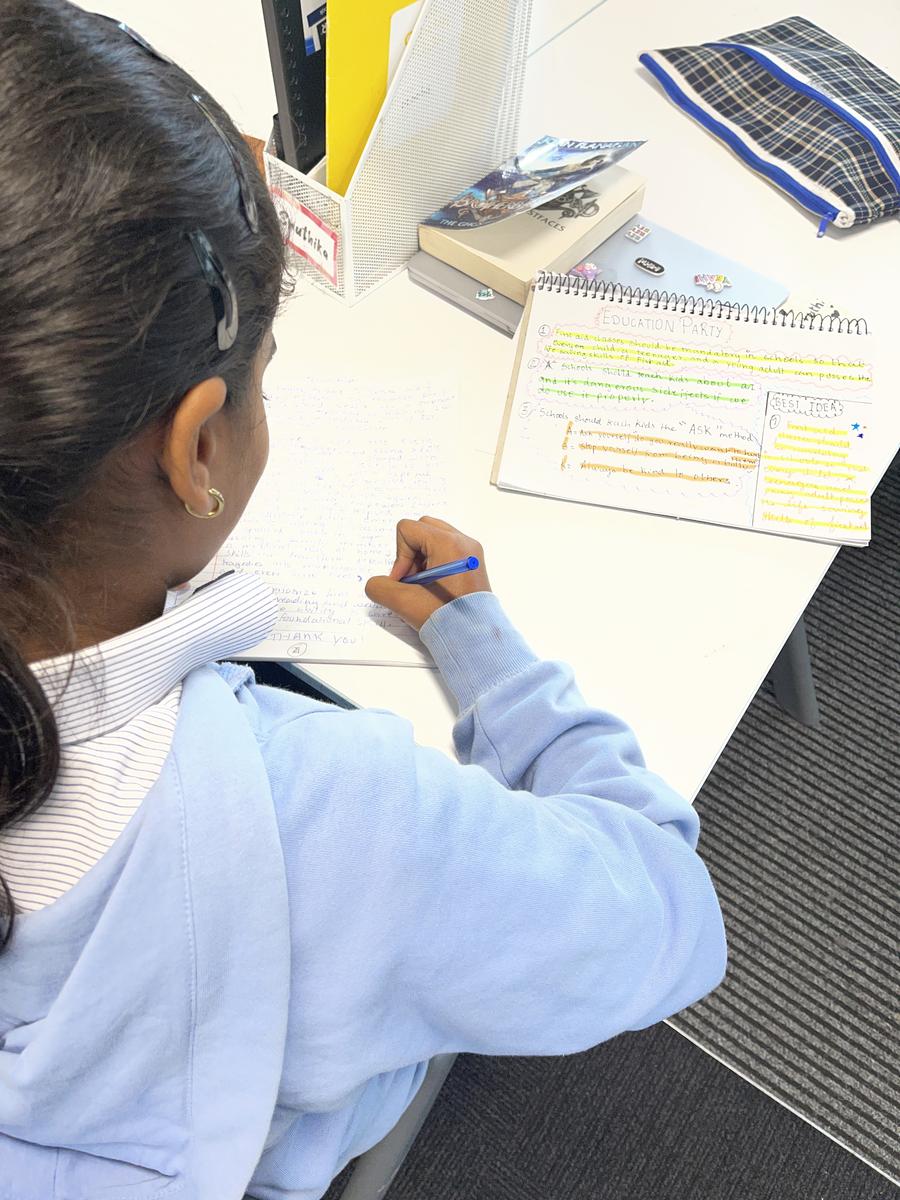
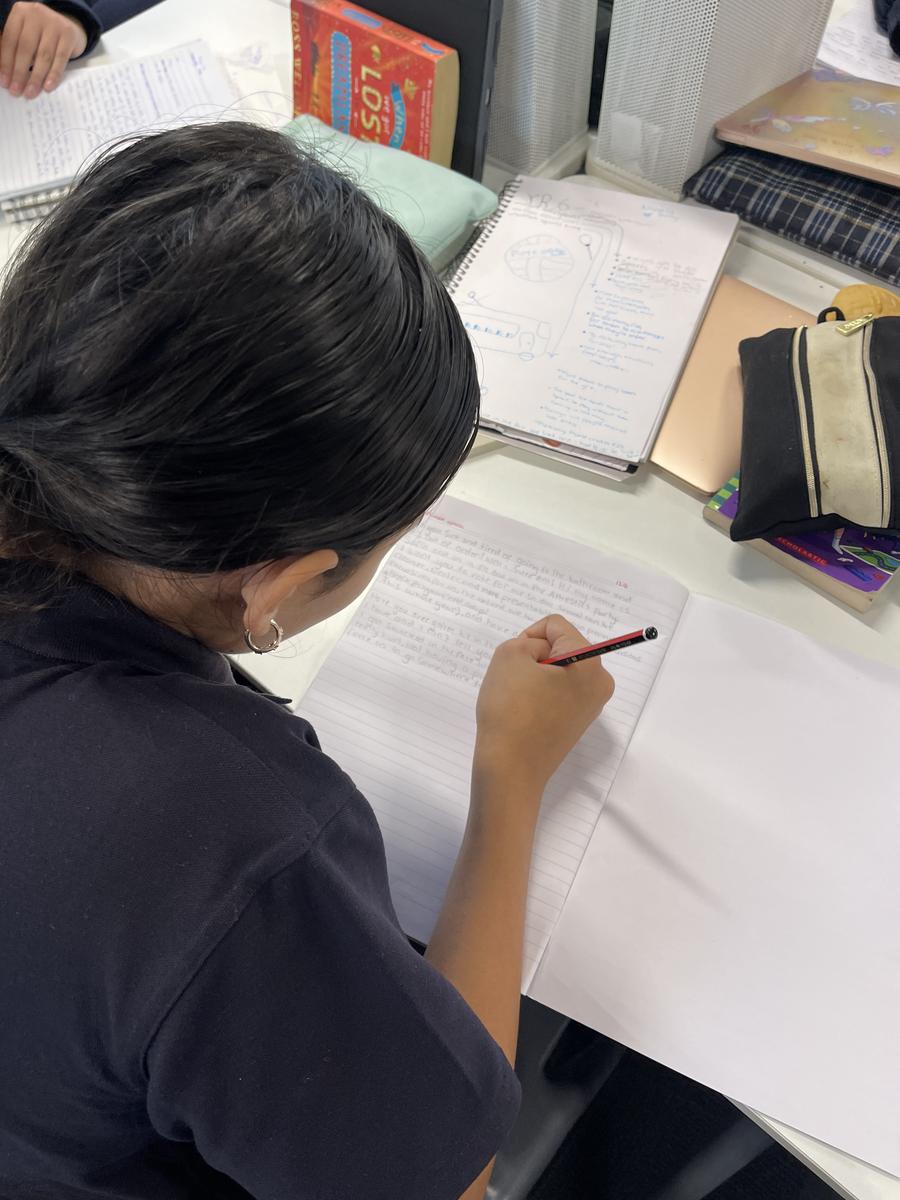
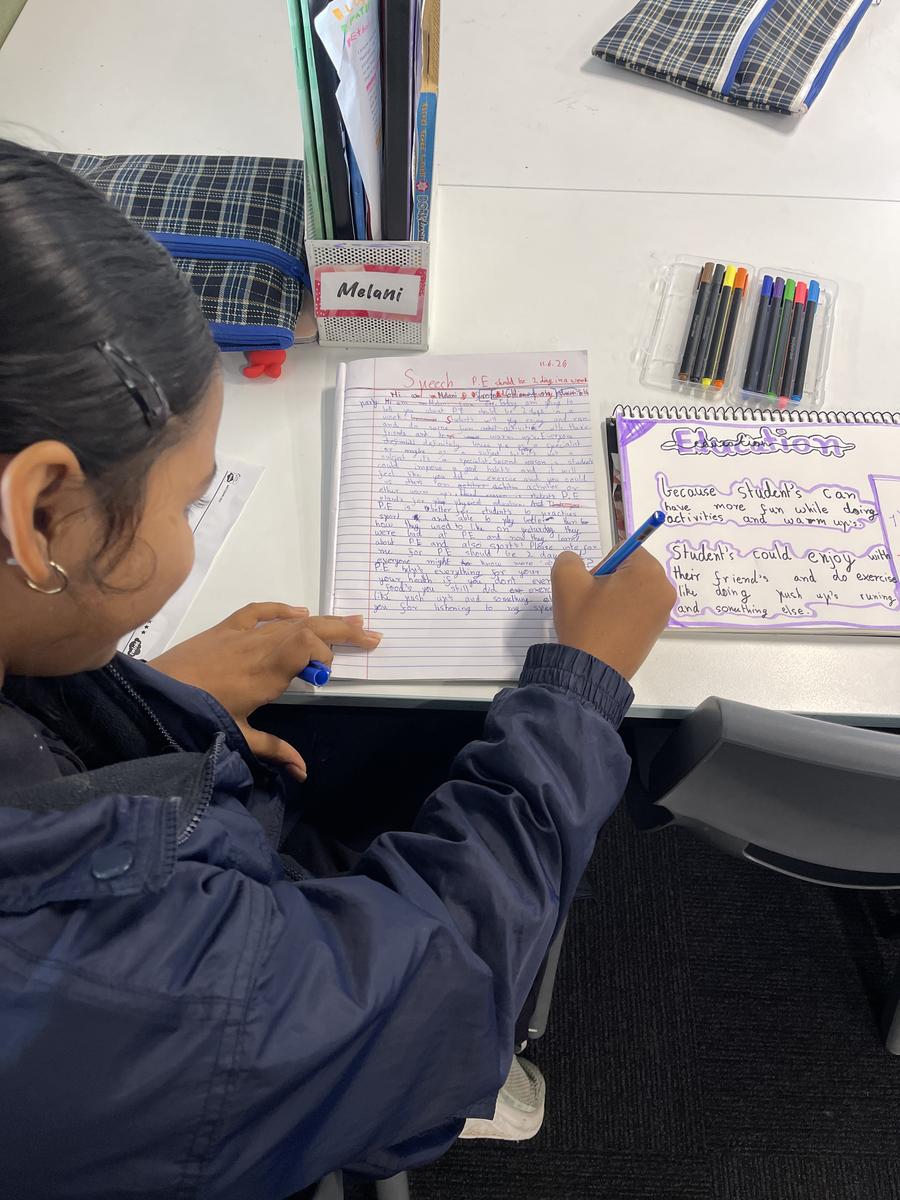
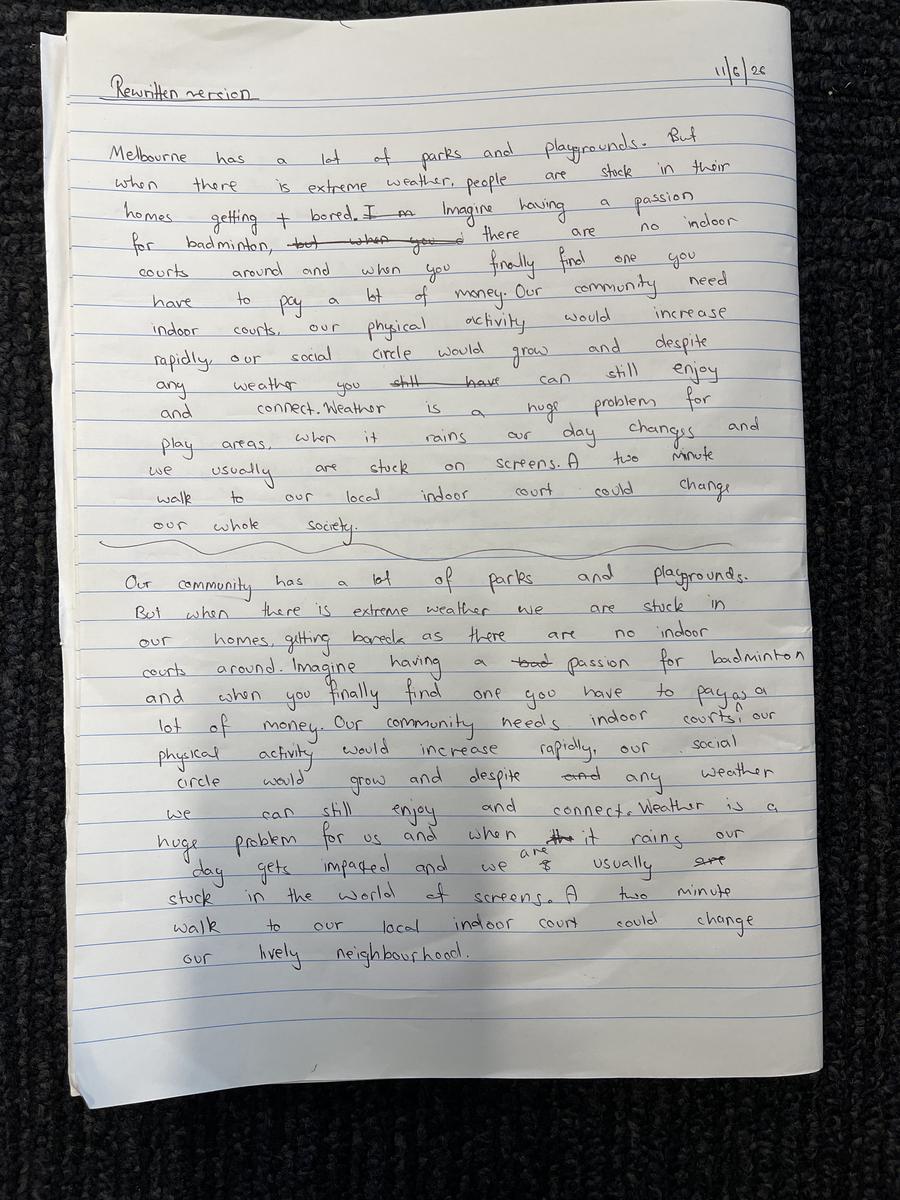
In Writing, students were introduced to the Victorian Parliament Prize and began developing their own persuasive speeches. Students analysed previous winning entries to identify effective persuasive techniques before selecting an issue they felt passionate about.
Throughout the fortnight, students researched their chosen topics, gathered evidence and developed arguments to support their position. They then drafted and refined their speeches, focusing on creating clear, persuasive messages that advocate for positive change. Students also prepared and filmed their Member Statements, applying their speaking and listening skills to effectively communicate their ideas.
We have been incredibly impressed by the passion, creativity and critical thinking students have demonstrated throughout this process and look forward to celebrating their submissions.
Mathematics
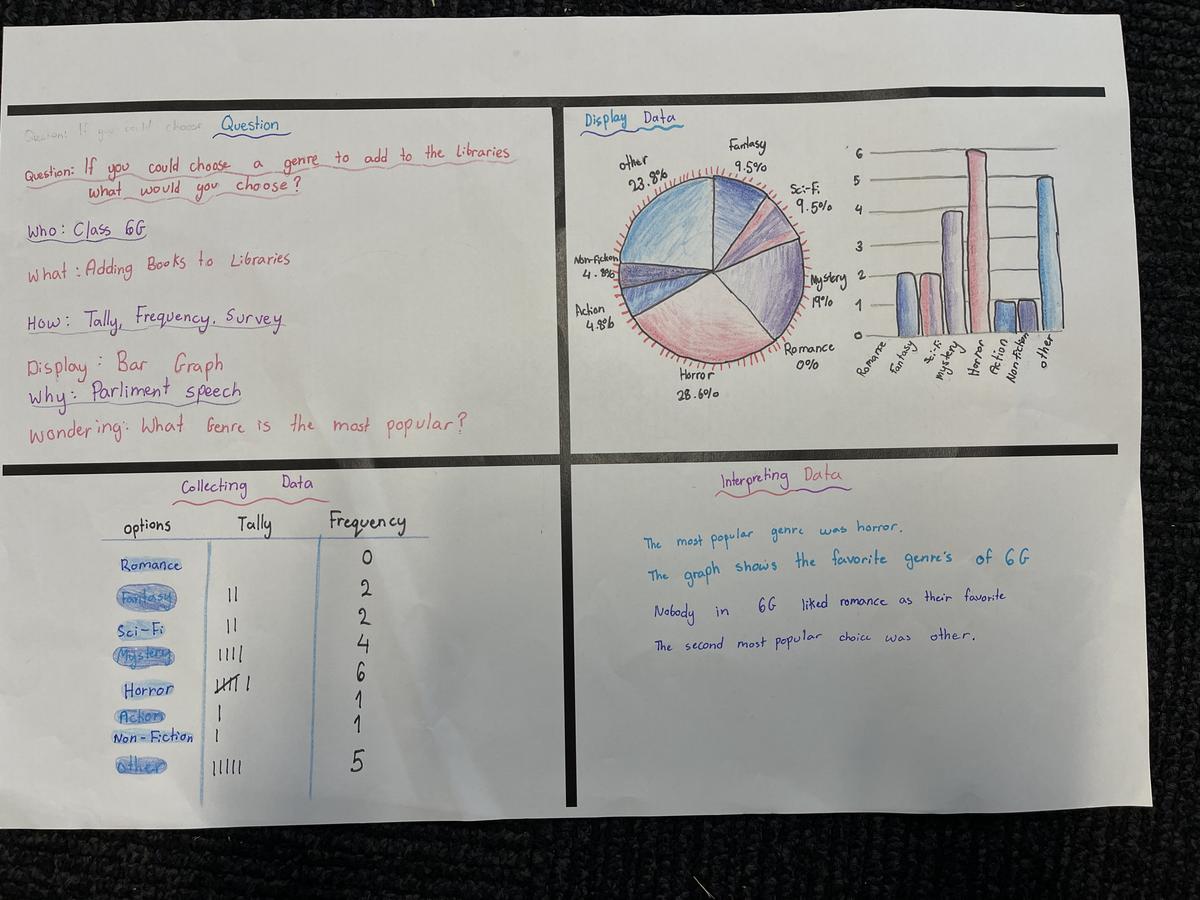
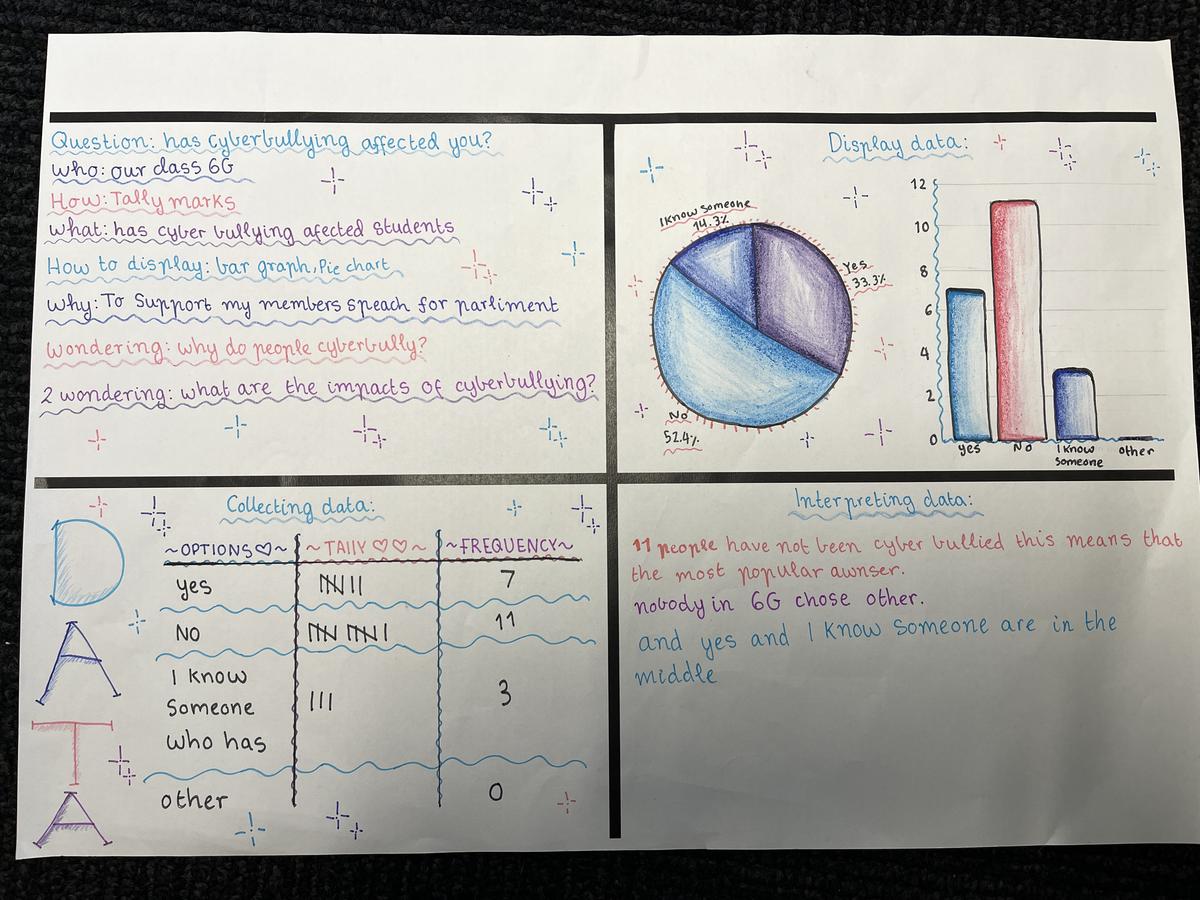
In Mathematics, students completed a Statistics investigation based on data collected from the school community. Students developed a statistical question, planned a method for collecting data and presented their findings on an A3 display.
They collected, organised and analysed data, selected appropriate graph types and interpreted the information they gathered. Students identified three interesting facts and one wondering based on their results, helping them draw meaningful conclusions from their data.
Towards the end of the fortnight, students completed a Fractions and Decimals pre-assessment before beginning their Angles unit. They practised estimating and measuring angles and explored complementary and supplementary angles through a range of hands-on and problem-solving activities.
Unit of Inquiry
Our inquiry learning continued to focus on how people participate in democratic processes and influence decision-making within communities. Through the analysis of speeches, campaign materials and political messaging, students explored how communication can be used to inform, persuade and inspire action.
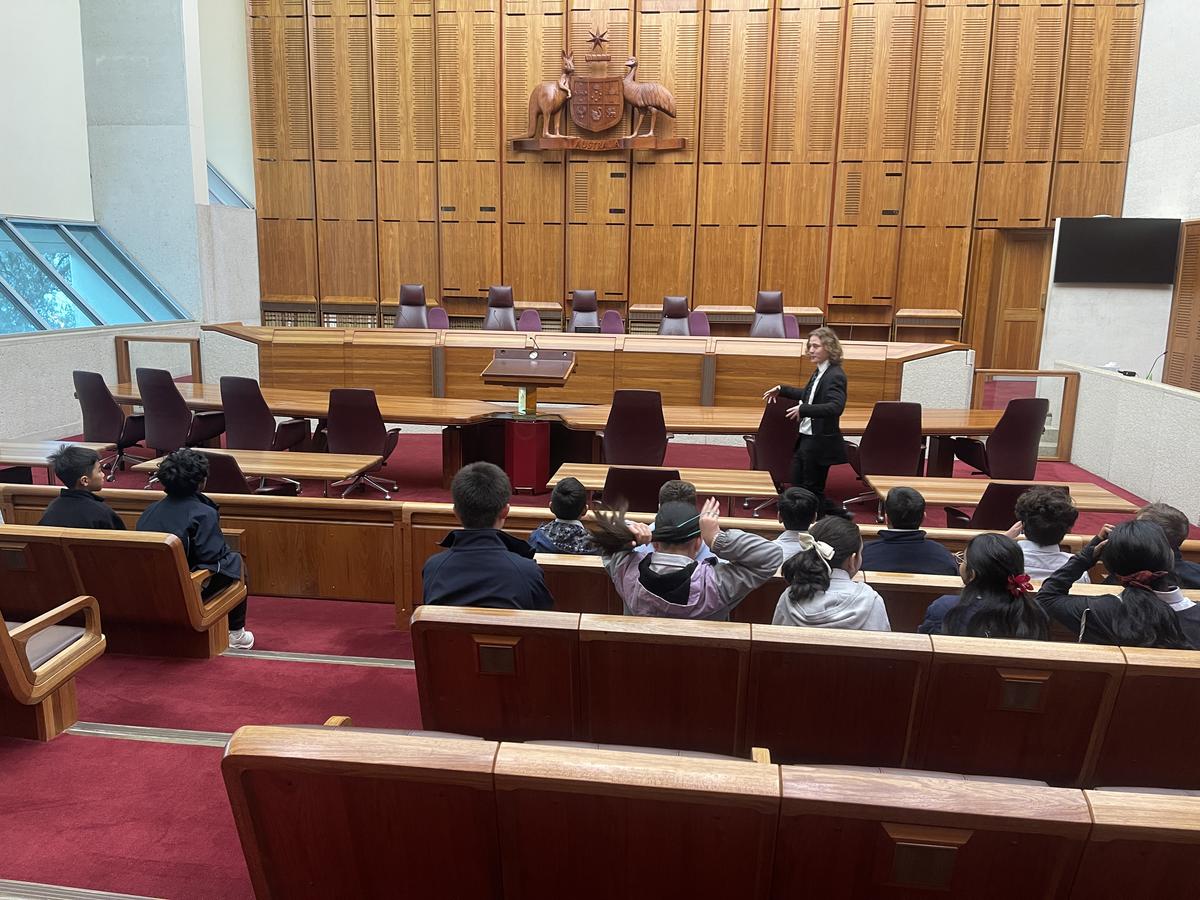
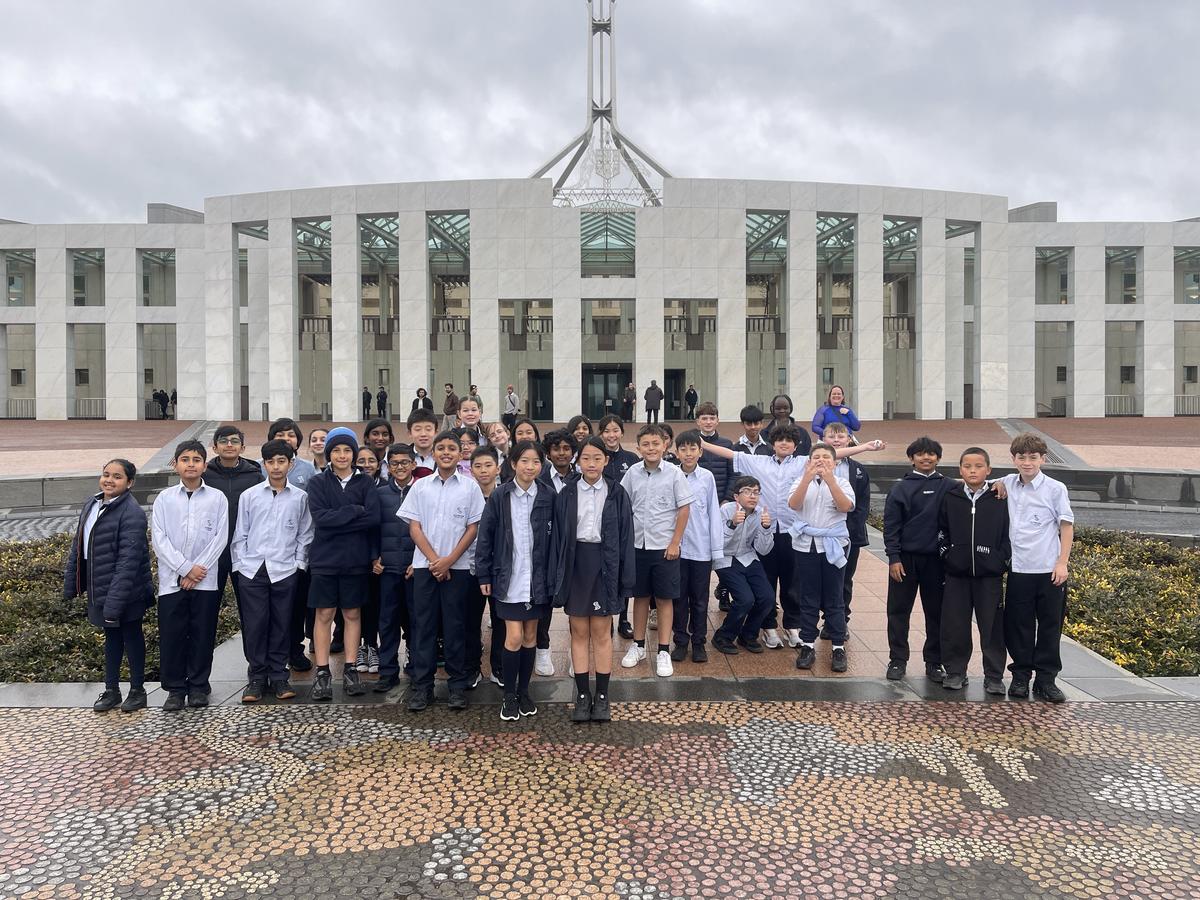
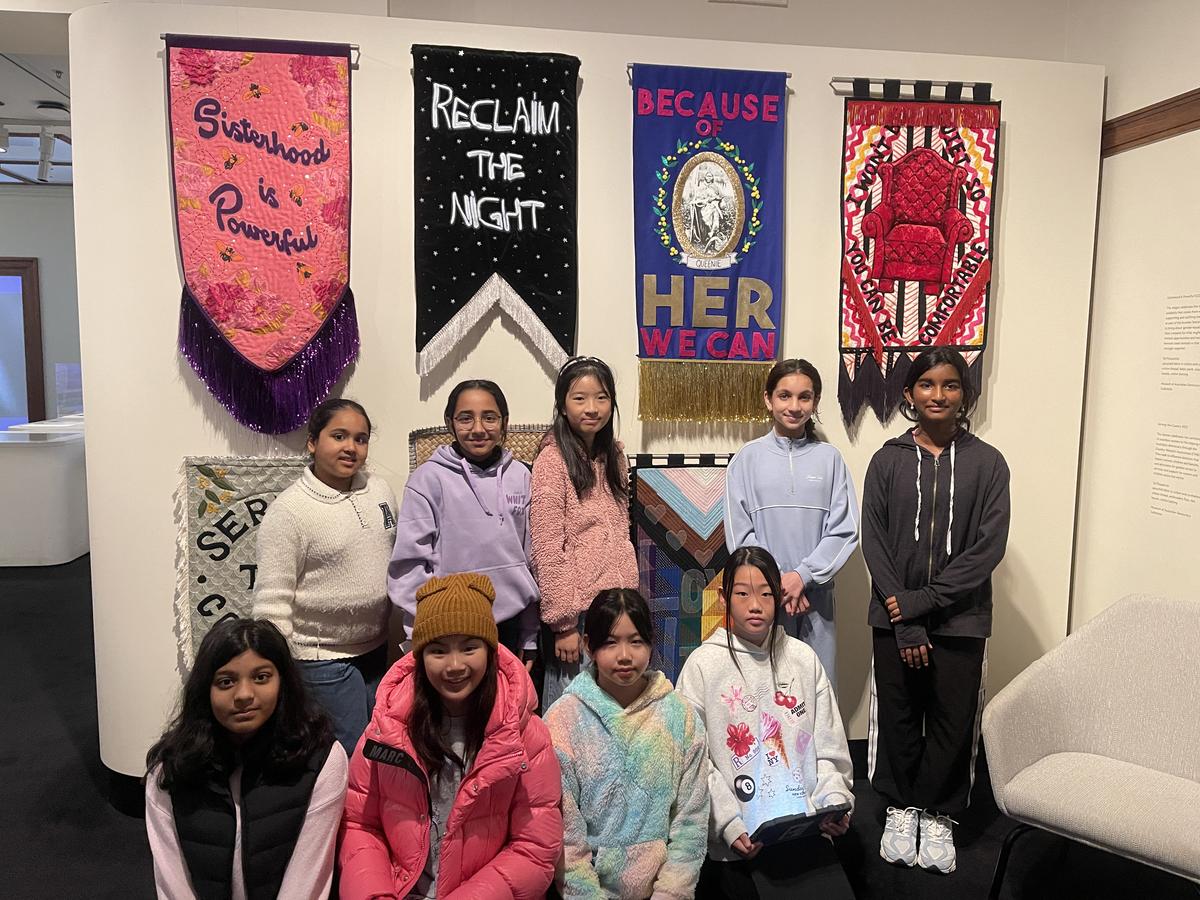
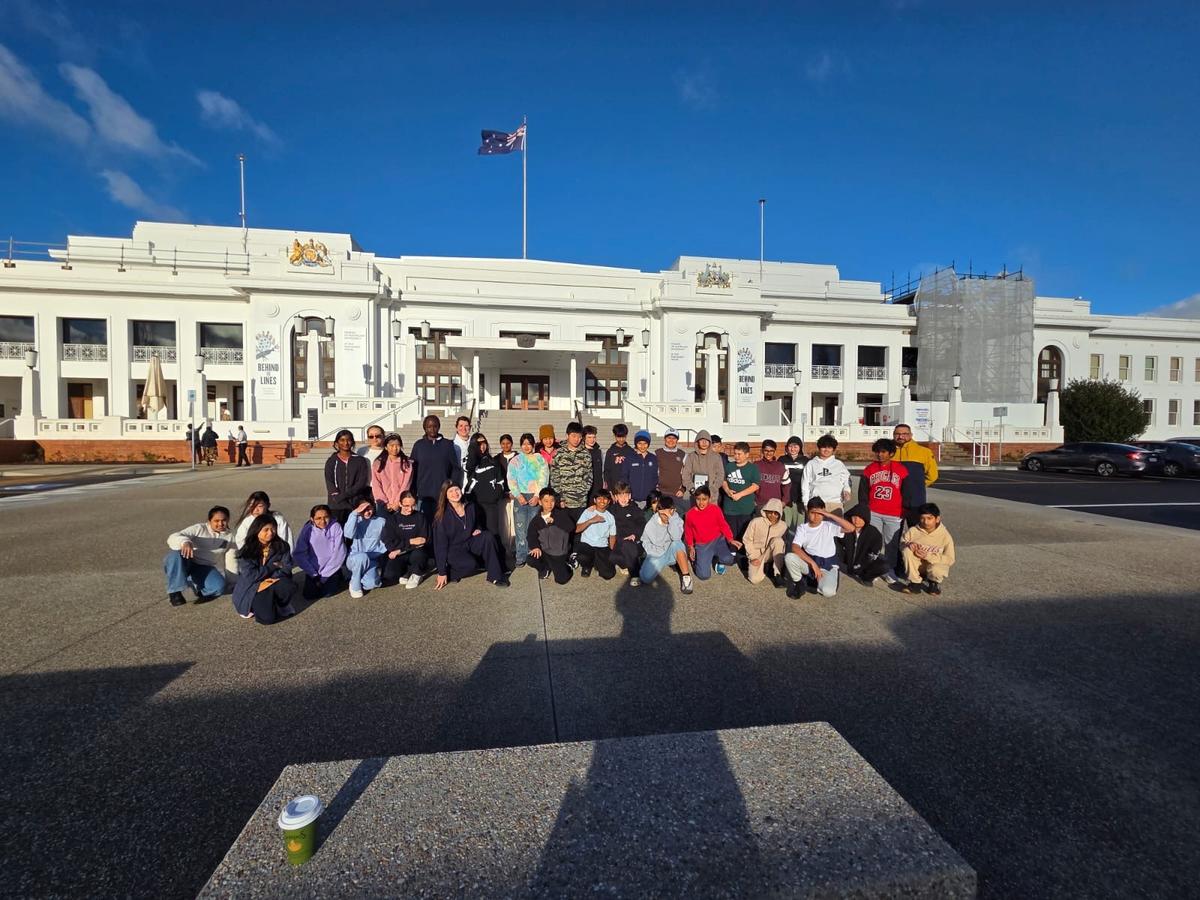
Canberra Experience 2
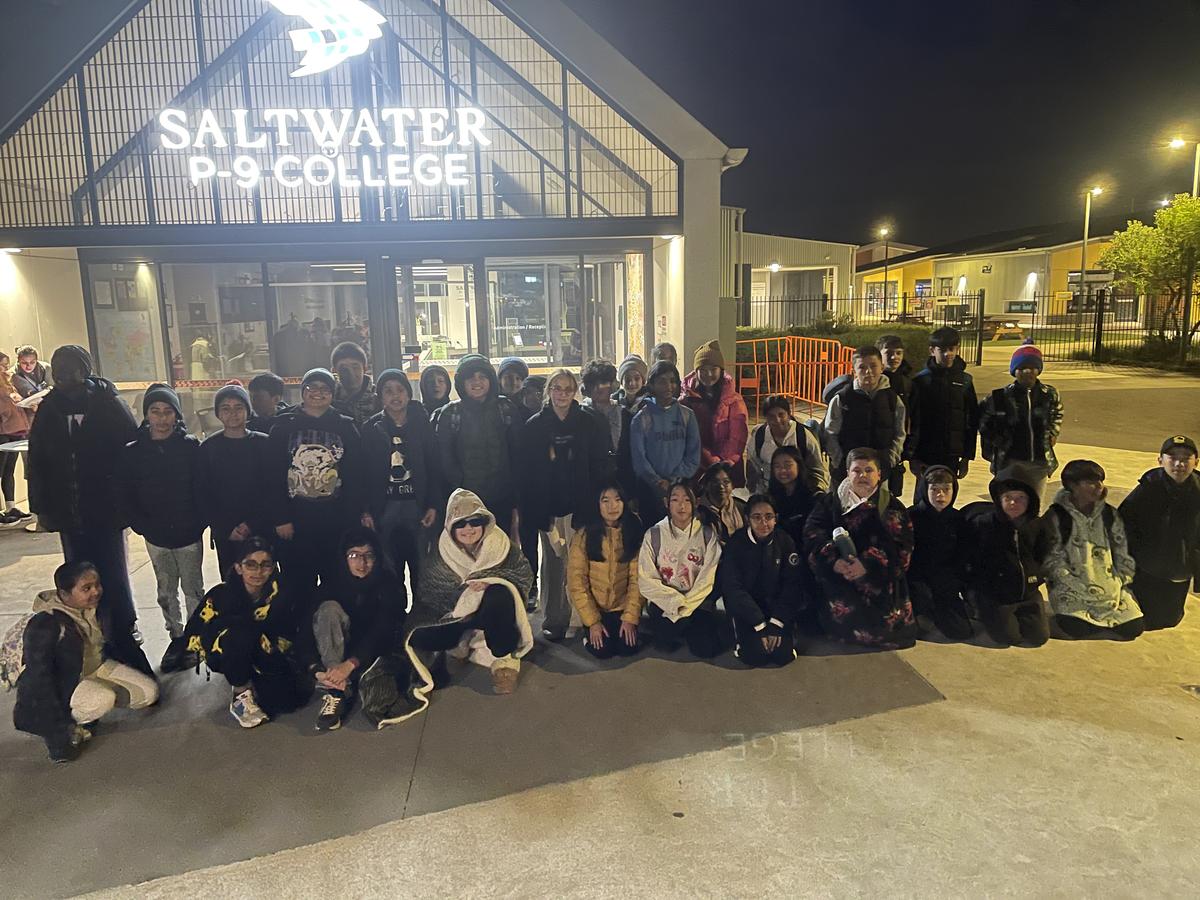
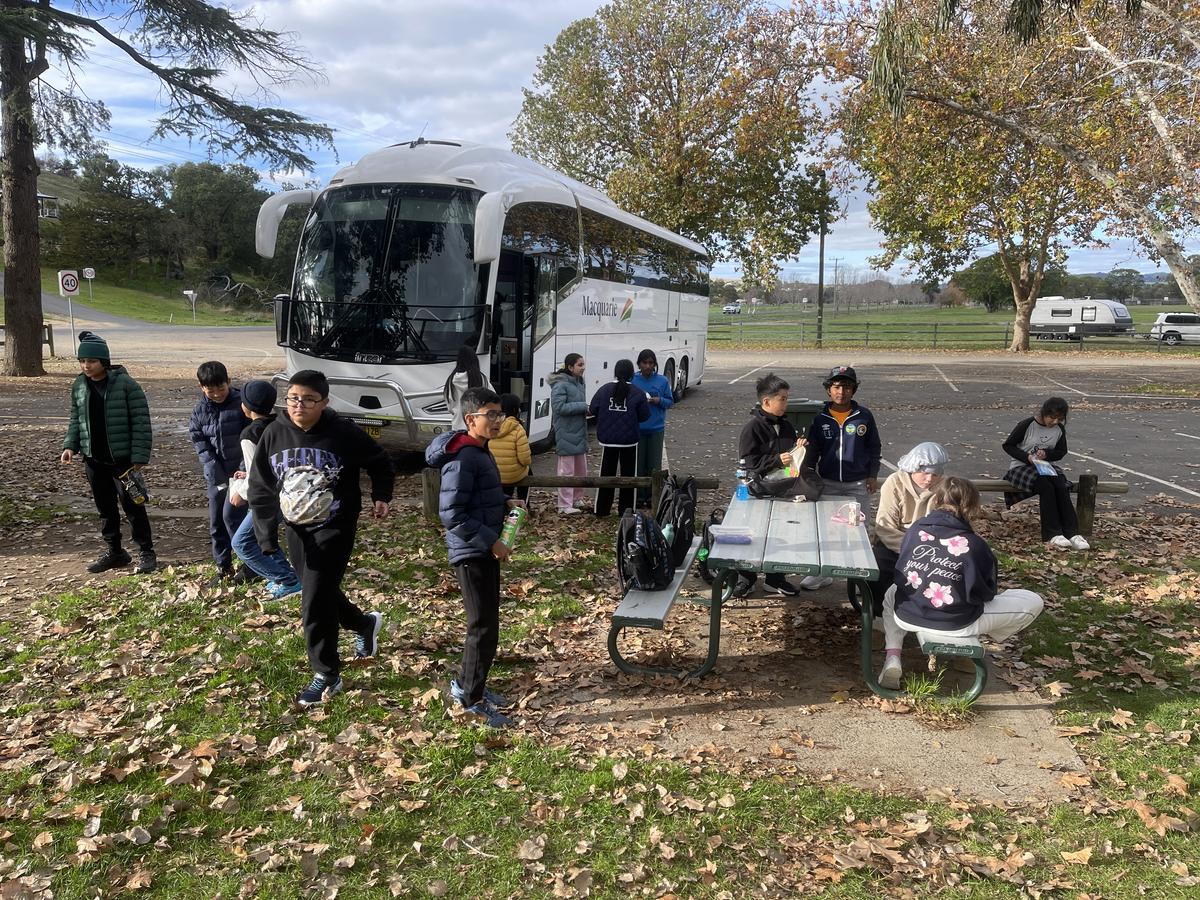
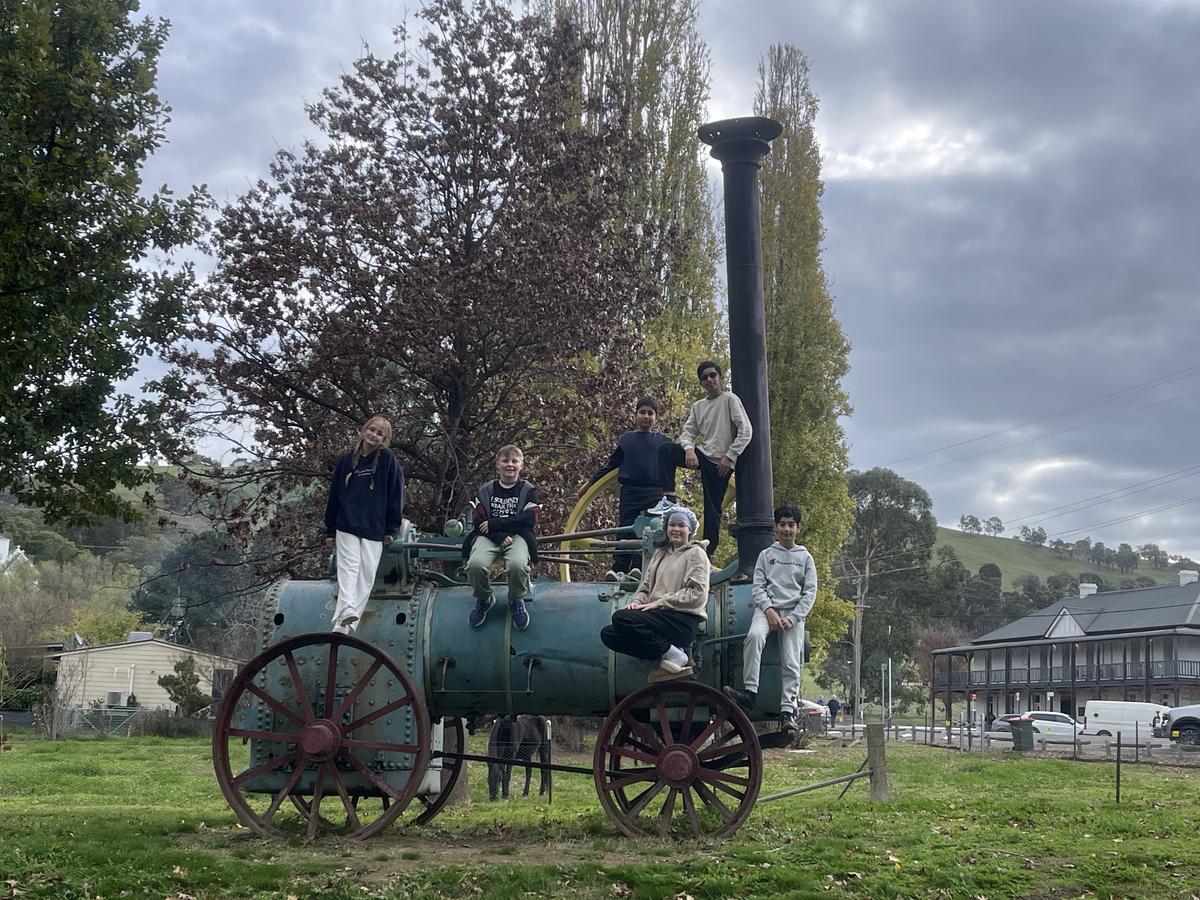
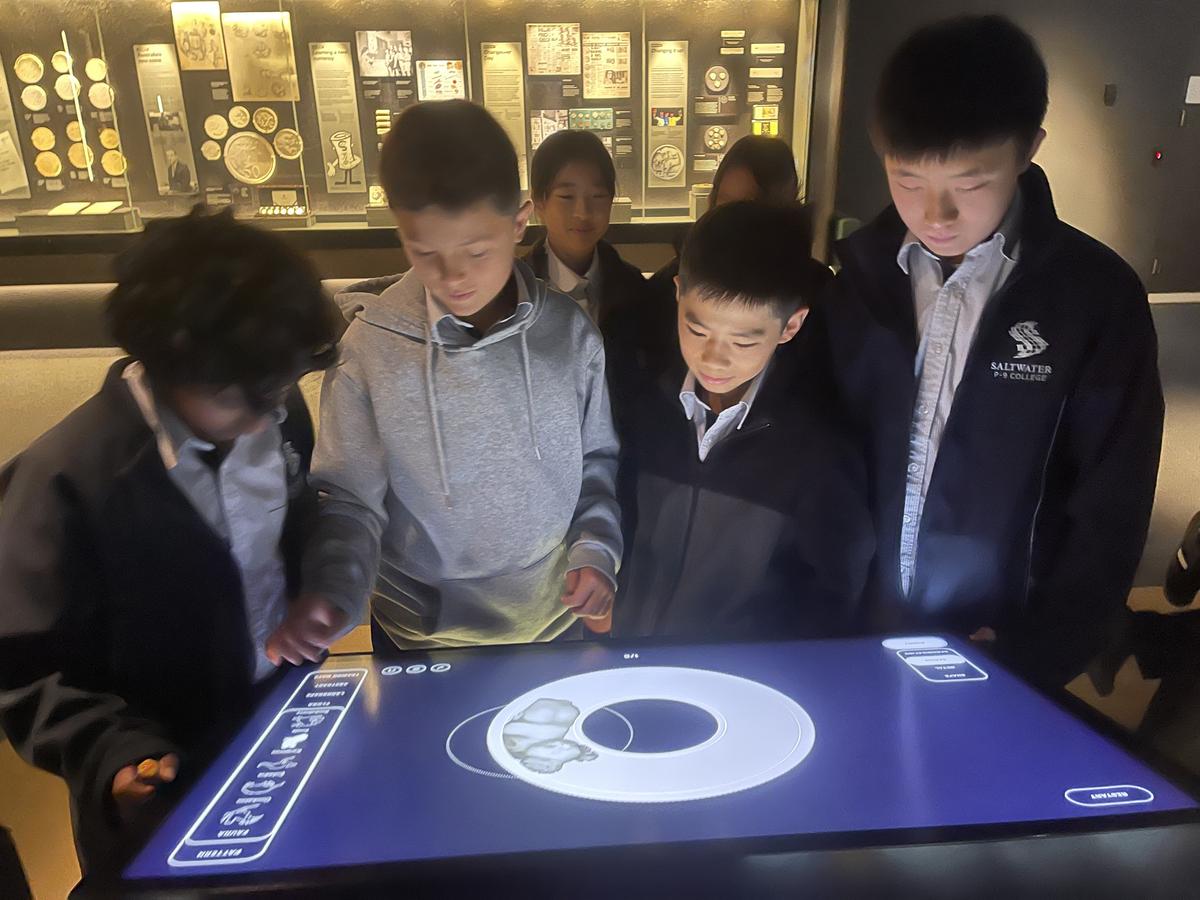
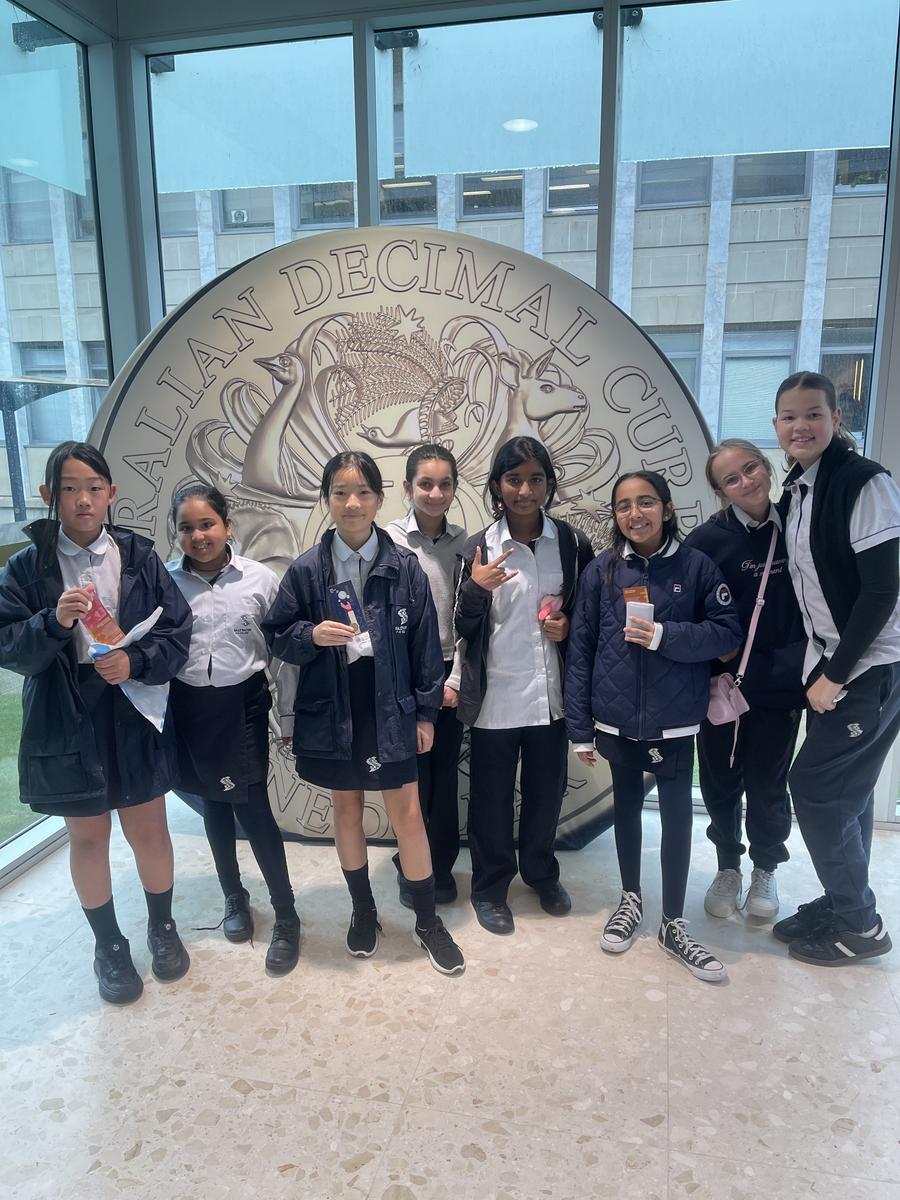
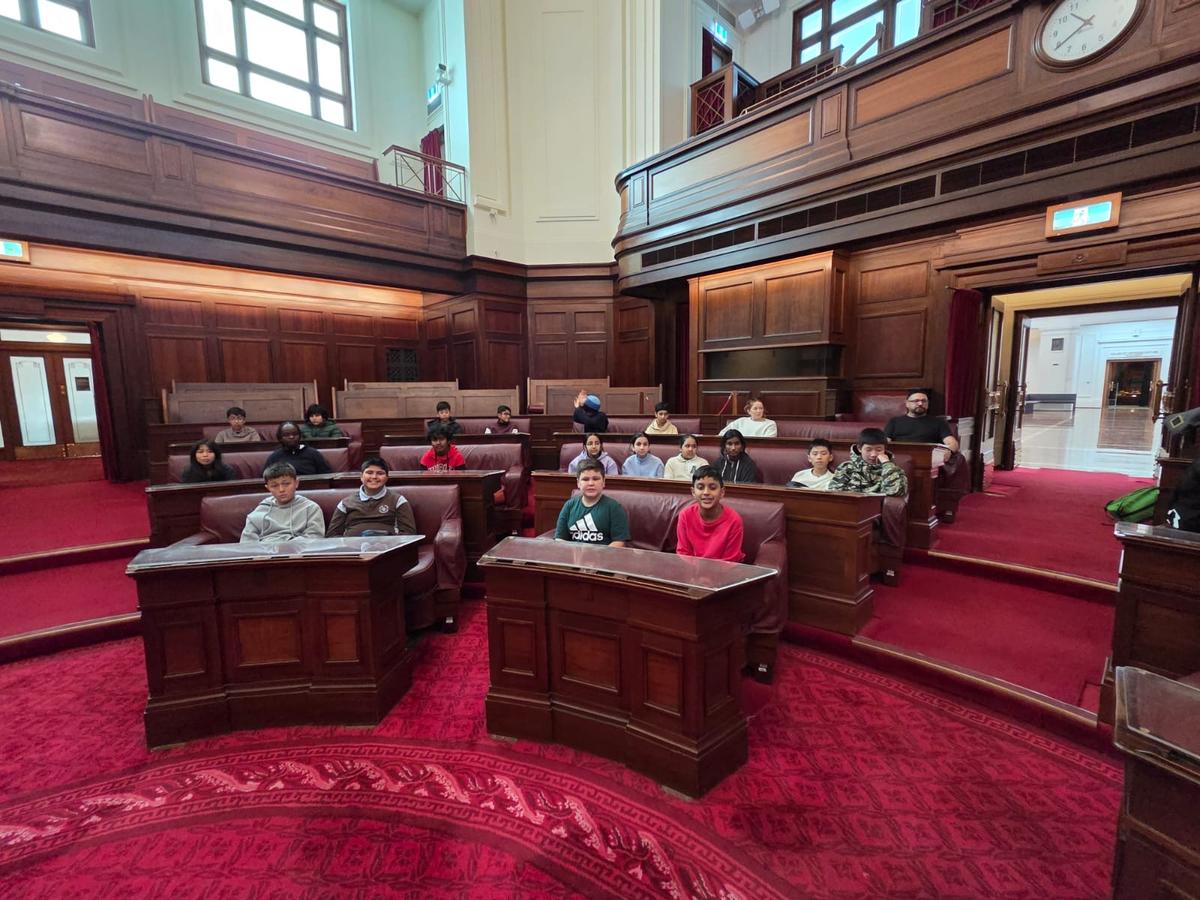
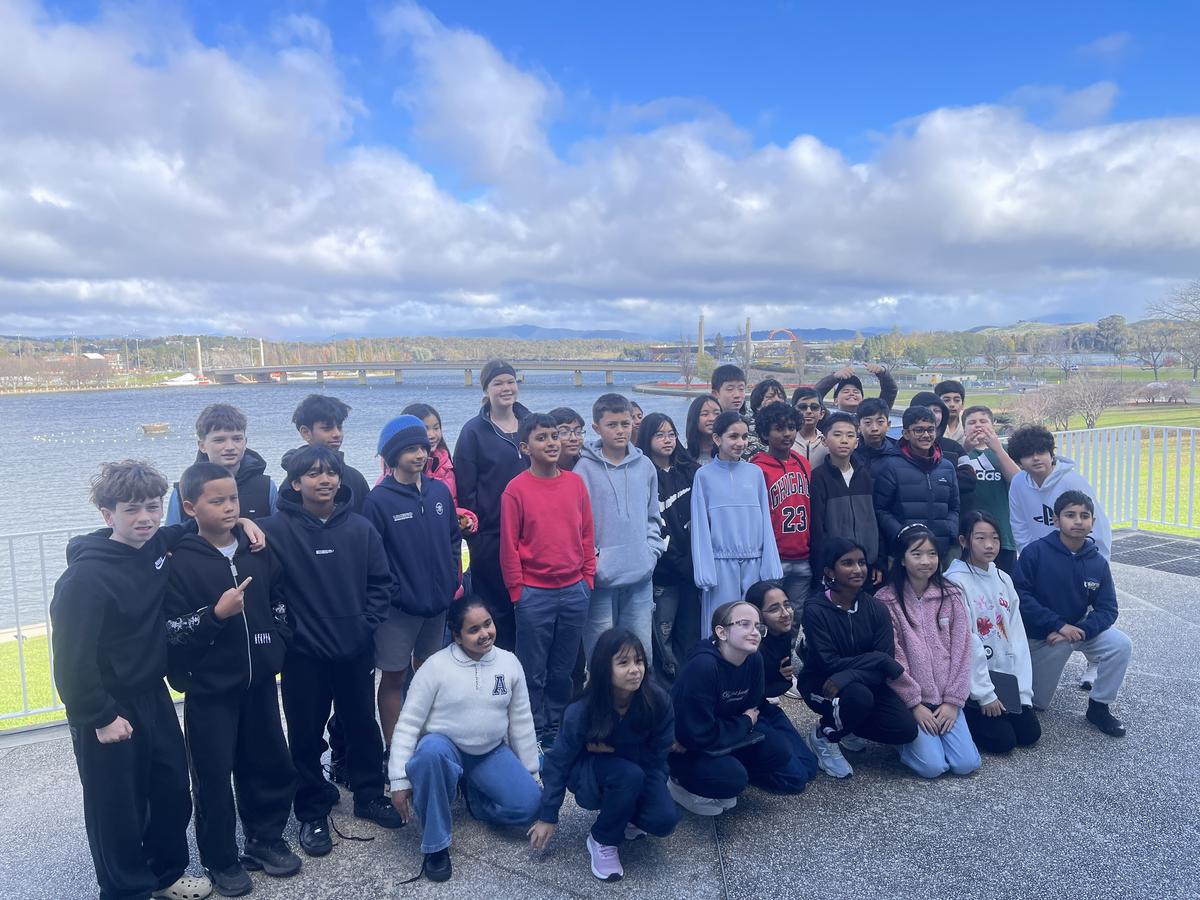
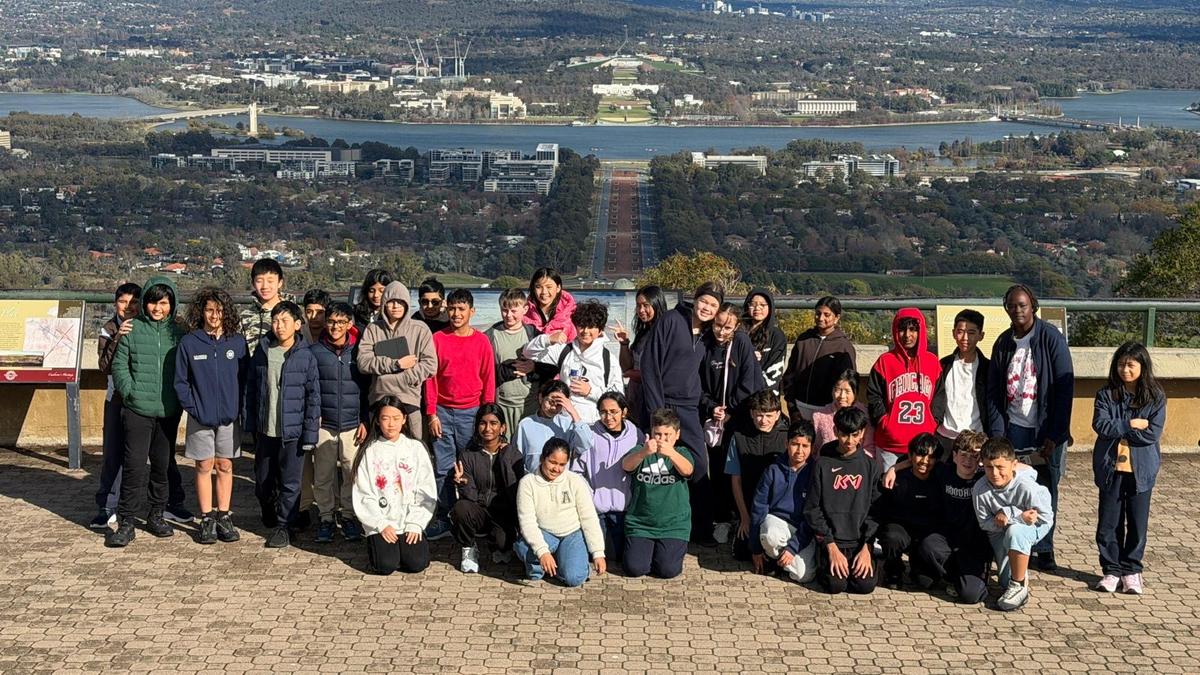
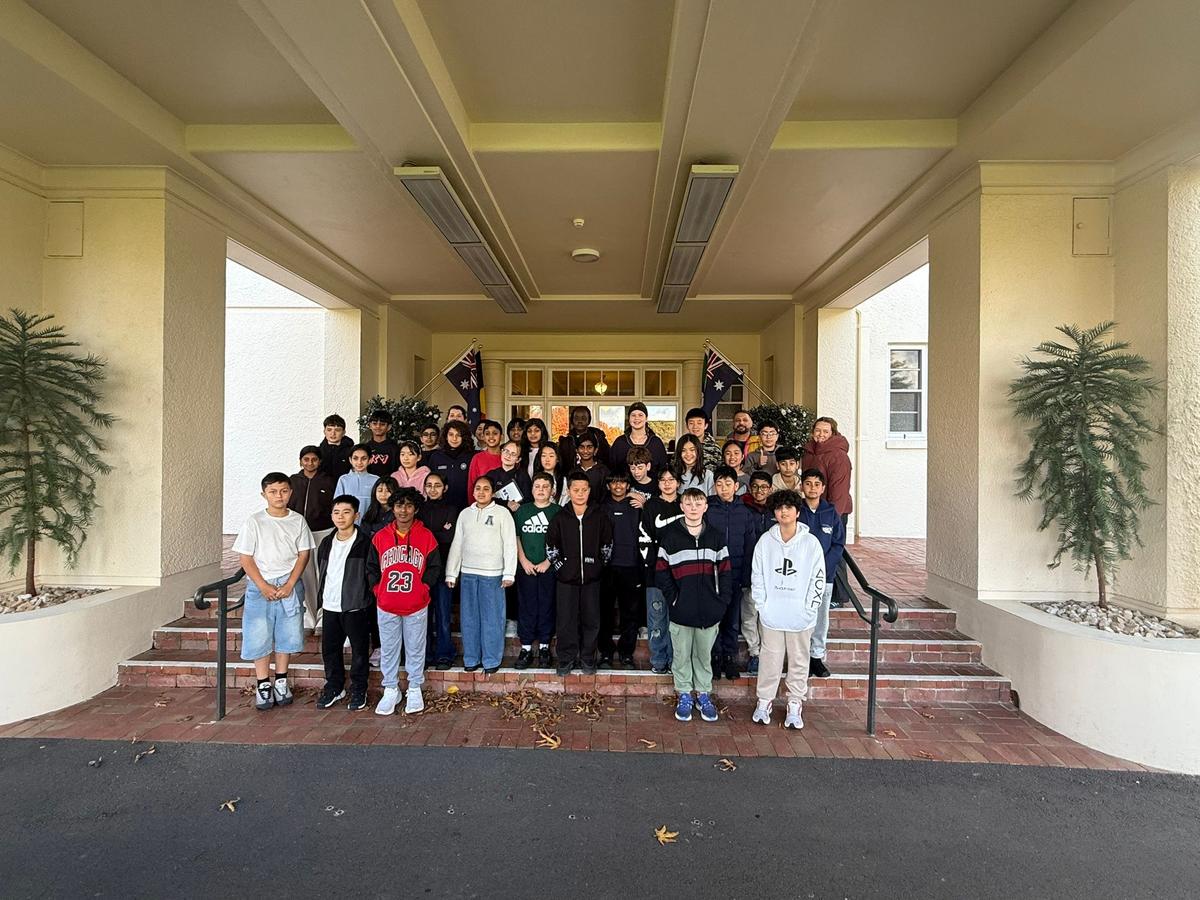
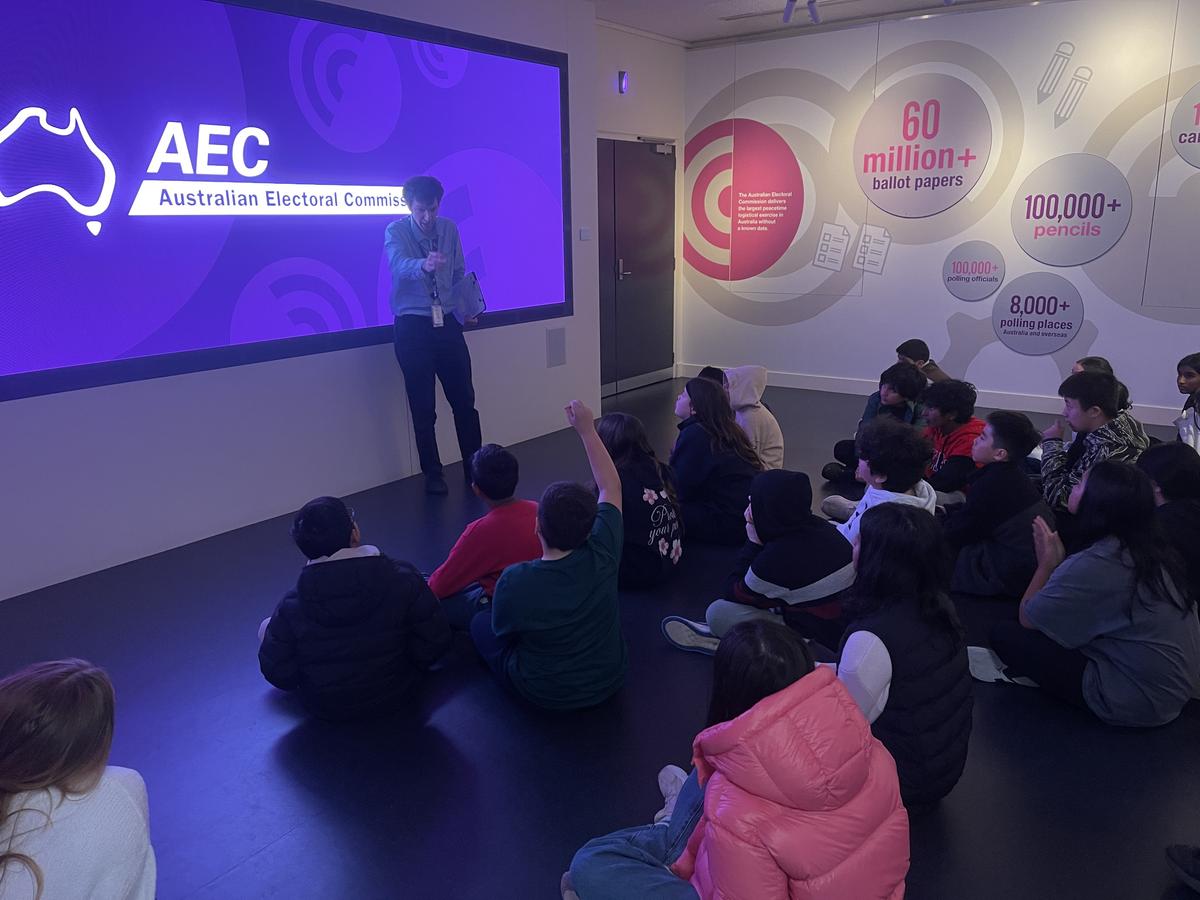
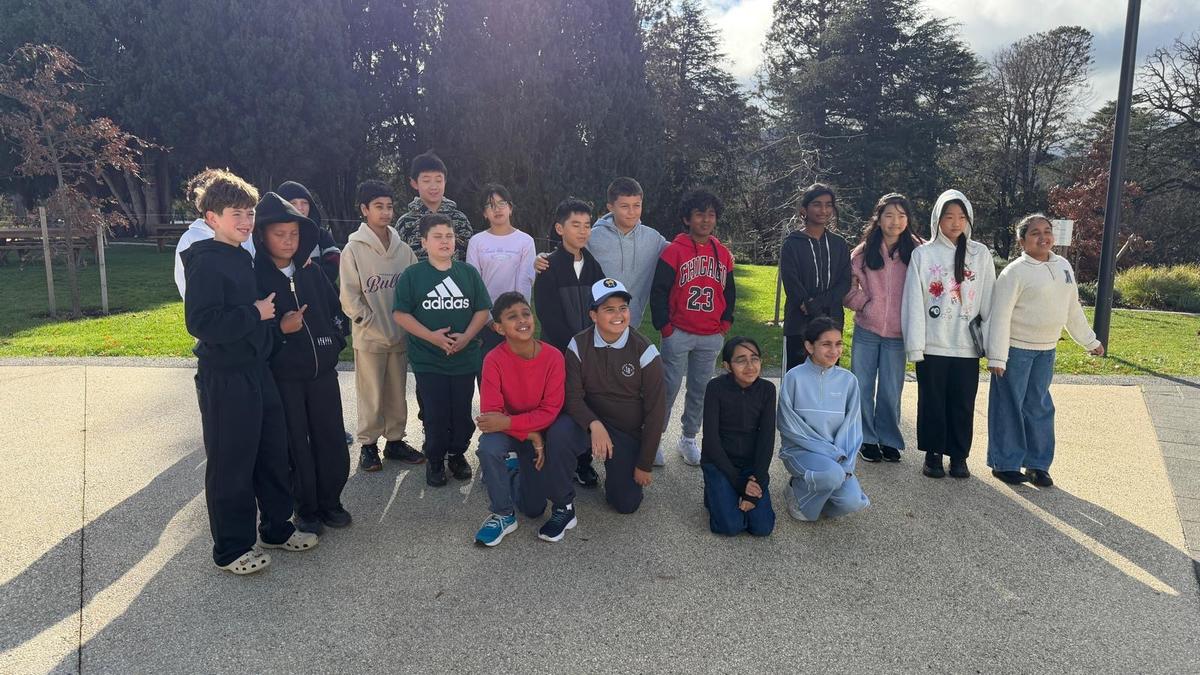
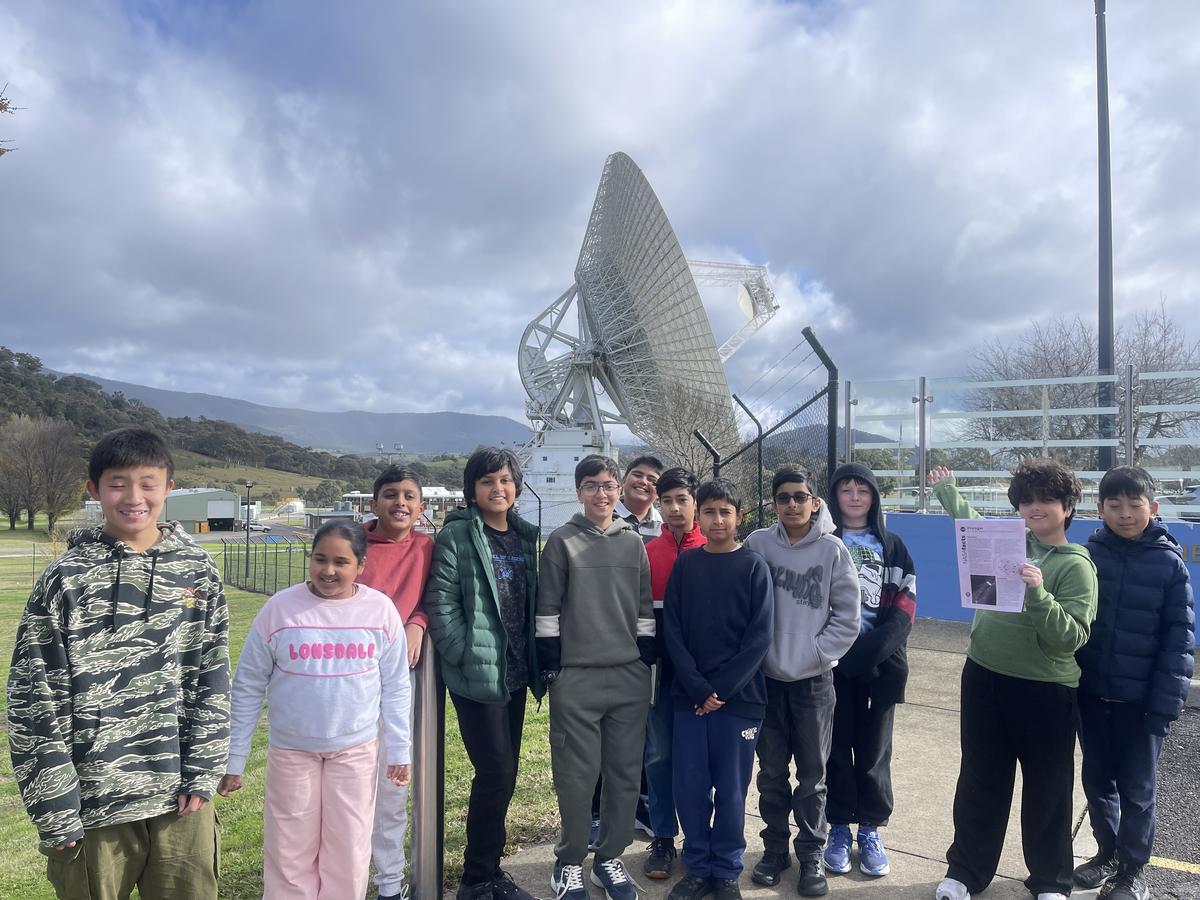
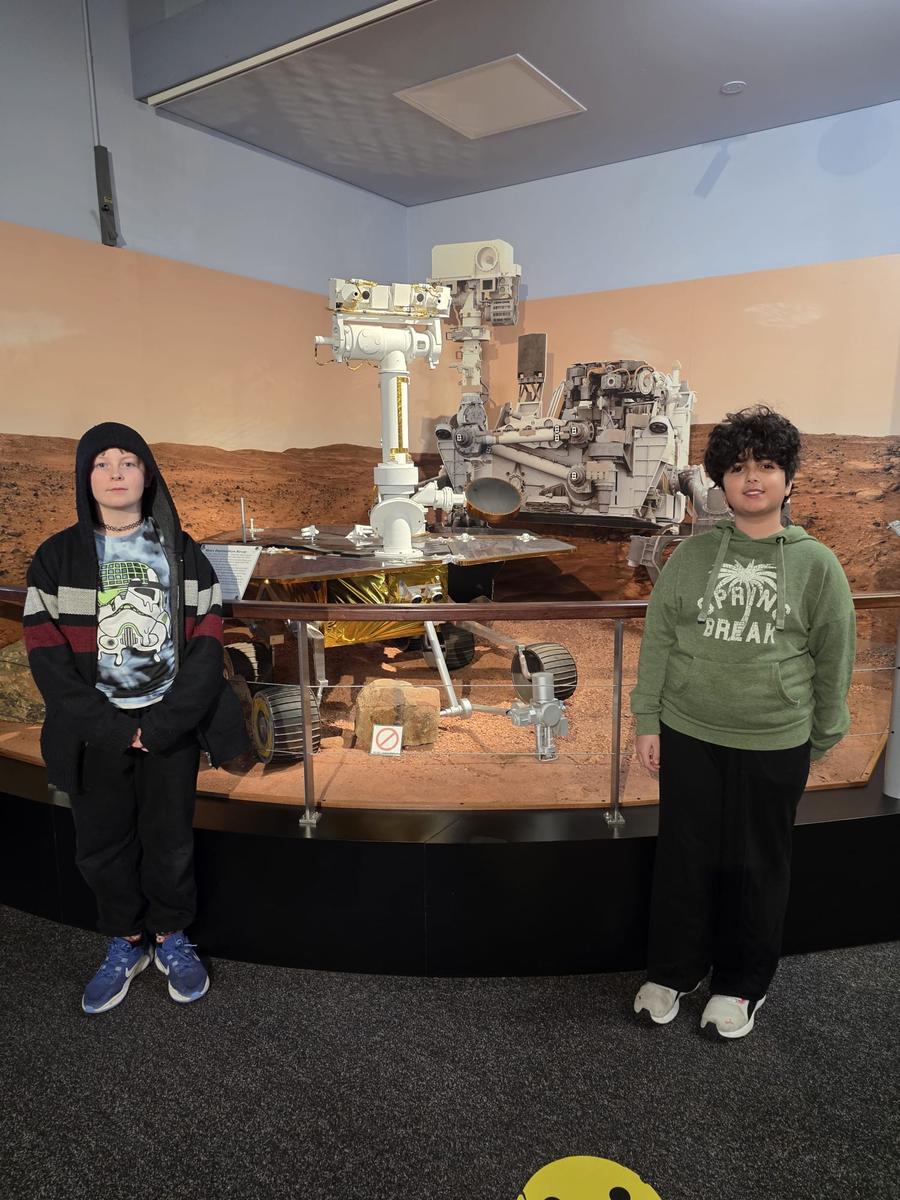
Students attended the Canberra Experience 2 presentation, which provided valuable connections to our current Unit of Inquiry. The session supported students' understanding of Australian democracy, government systems and active citizenship, while helping them make links between classroom learning and real-world political processes.
As always, thank you for your ongoing support. We look forward to sharing more of our learning with you soon.