Year Five

Dear Year 5 Families,
Over the past few weeks, Year 5 students have continued to engage enthusiastically in a range of learning experiences across Literacy, Writing, Mathematics and Inquiry. Students have demonstrated curiosity, perseverance and a willingness to challenge themselves as they developed new skills and knowledge.
Literacy
In Reading, students have been developing their comprehension skills through the use of four key reading strategies: questioning, clarifying, connecting and summarising. They applied these strategies while reading both fiction and non-fiction texts, helping them deepen their understanding and think critically about what they read.
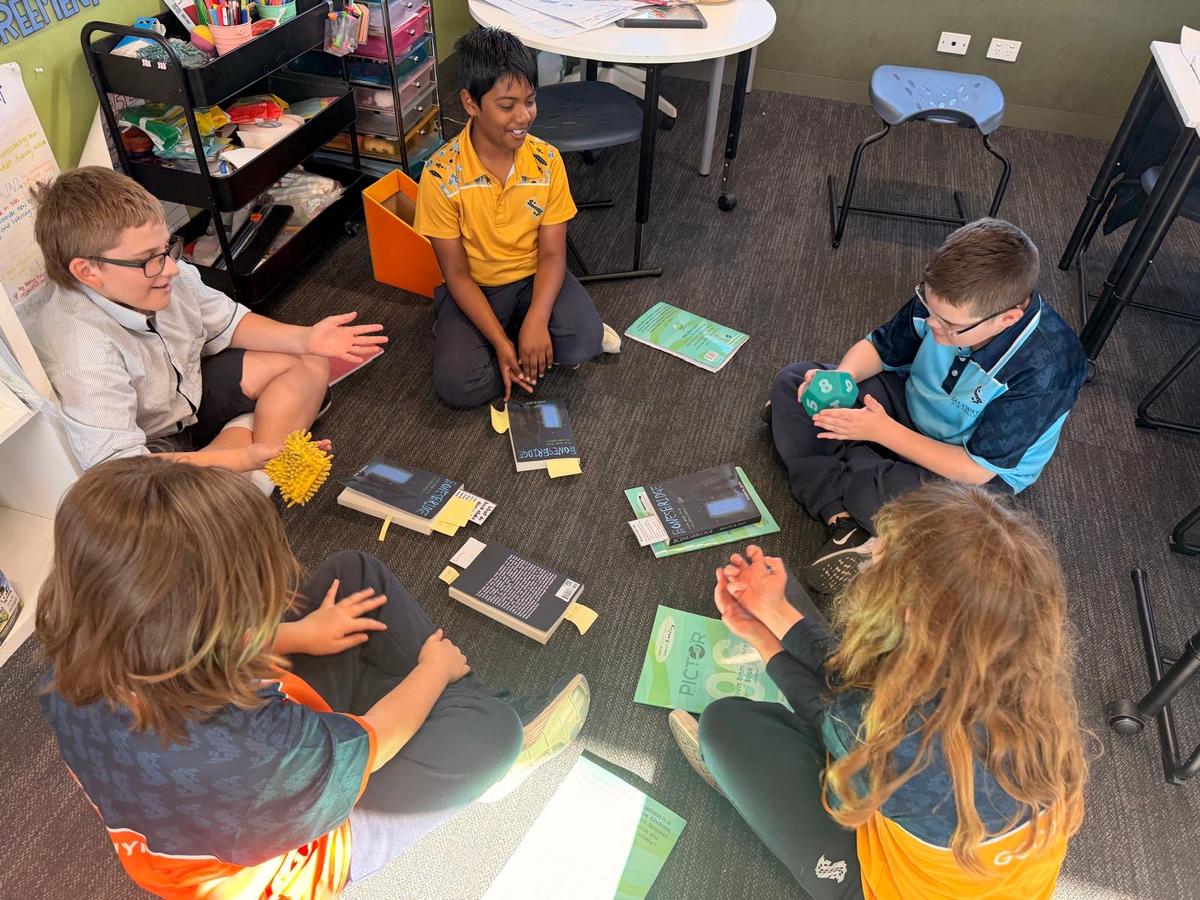
Students also began participating in Book Club discussions, where they worked collaboratively to share ideas, ask thoughtful questions and make meaningful connections to their texts. Through these discussions, students have been building confidence in expressing their opinions and listening respectfully to the perspectives of others.
As part of our reading program, students explored different genres and learned how to identify the theme of a text, considering the important messages and lessons authors communicate to readers.
Writing
In Writing, students have been learning about explanation texts. They explored the purpose, structure and language features of this text type, including introductions, sequenced explanation paragraphs and conclusions.
Students examined how authors use technical vocabulary, cause-and-effect language, and cohesive devices such as first, next, therefore, and as a result to guide readers through an explanation. They also investigated how diagrams, labels and captions can support understanding.
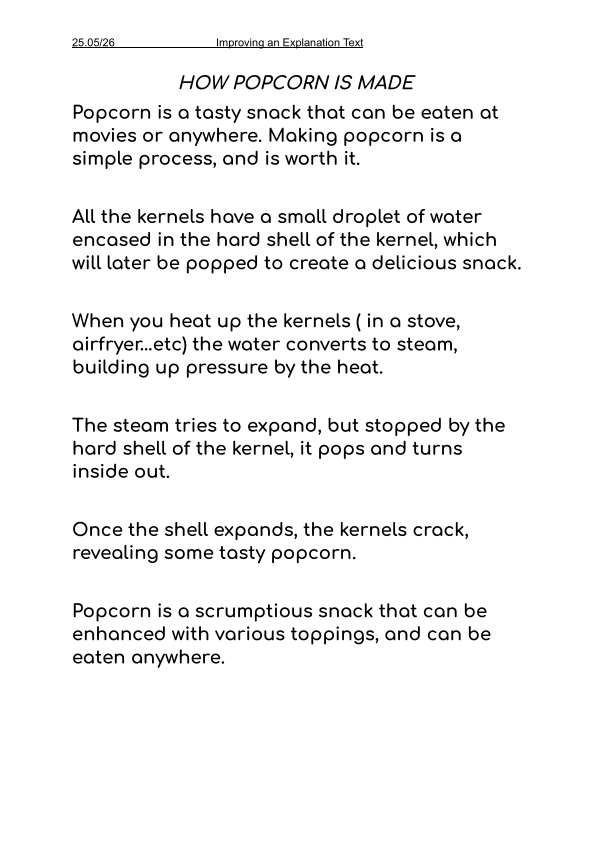
Using topics connected to Science and real-world phenomena, students planned and began constructing their own explanation texts, focusing on writing clearly for a specific audience and communicating information in a logical sequence.
Mathematics
In Mathematics, students explored a variety of concepts connected to multiplicative thinking.
They investigated:
Prime and composite numbers
Factors and multiples
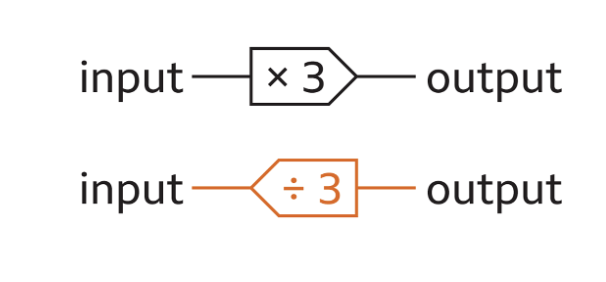
Inverse relationships between multiplication and division
Function machines and finding unknown values
Long multiplication strategies
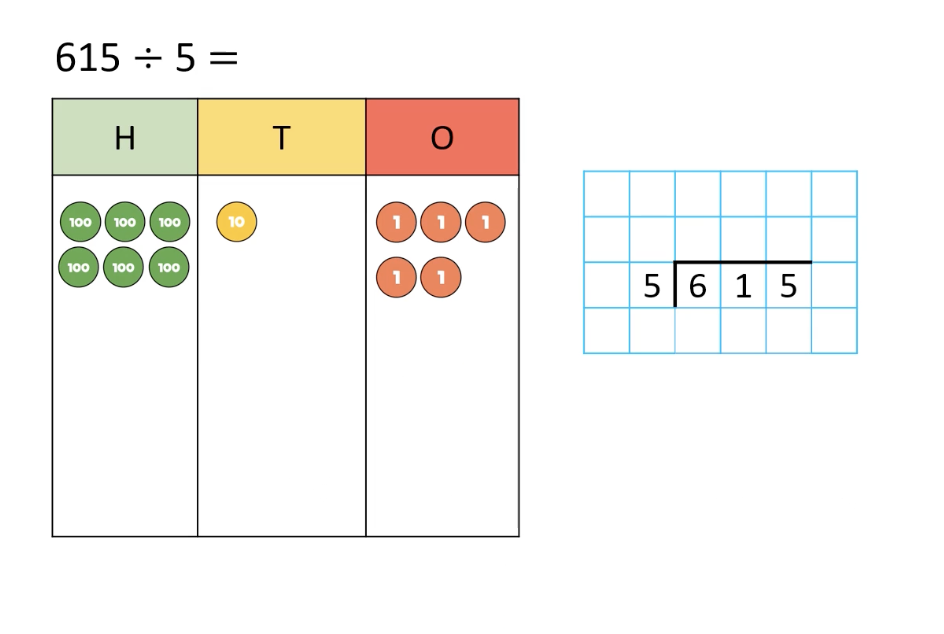
Division using area models and short division methods
Students have been encouraged to explain their mathematical thinking, use efficient strategies and make connections between different concepts. Open-ended problem-solving tasks provided opportunities for students to apply their learning in real-world contexts linked to innovation and business design.
Inquiry
Our new Unit of Inquiry focuses on the central idea:
"Communities and the environment are shaped by innovation."
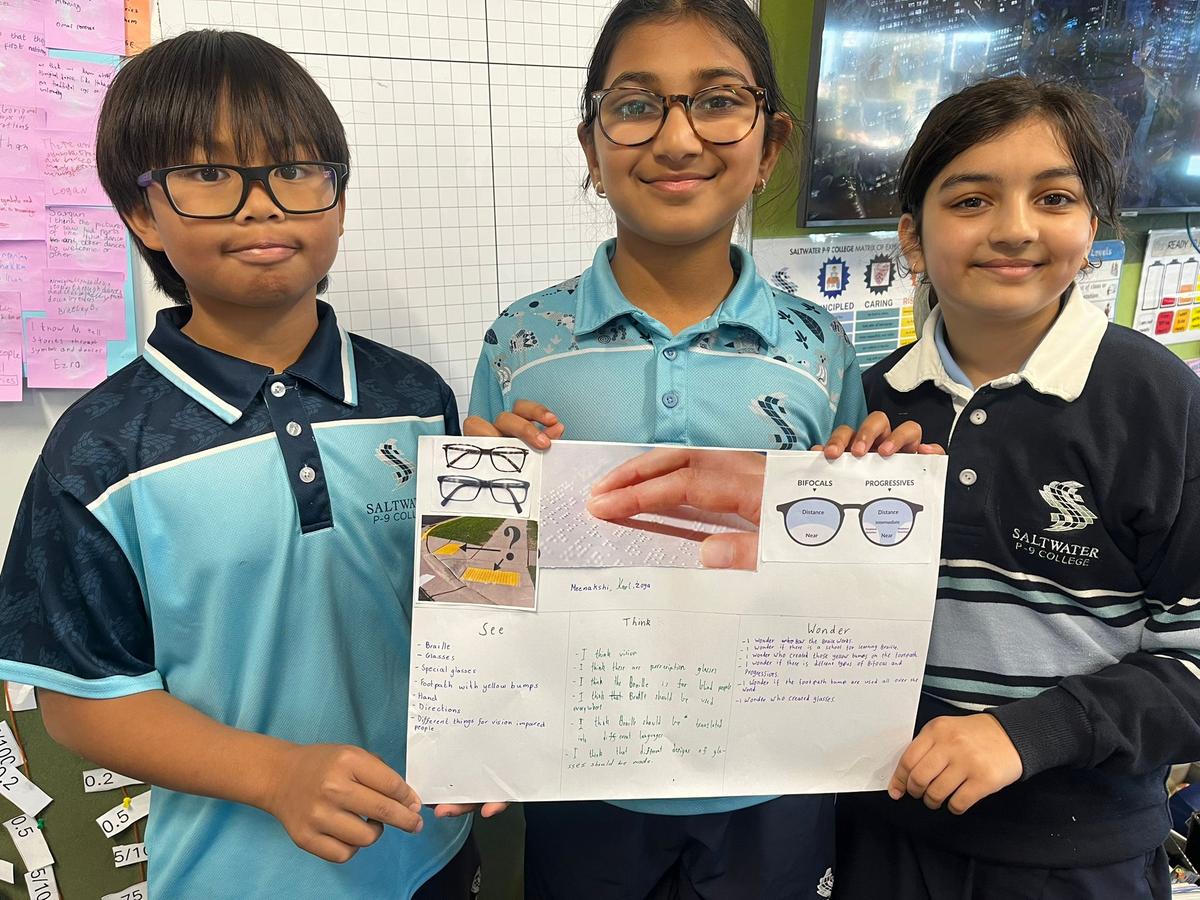
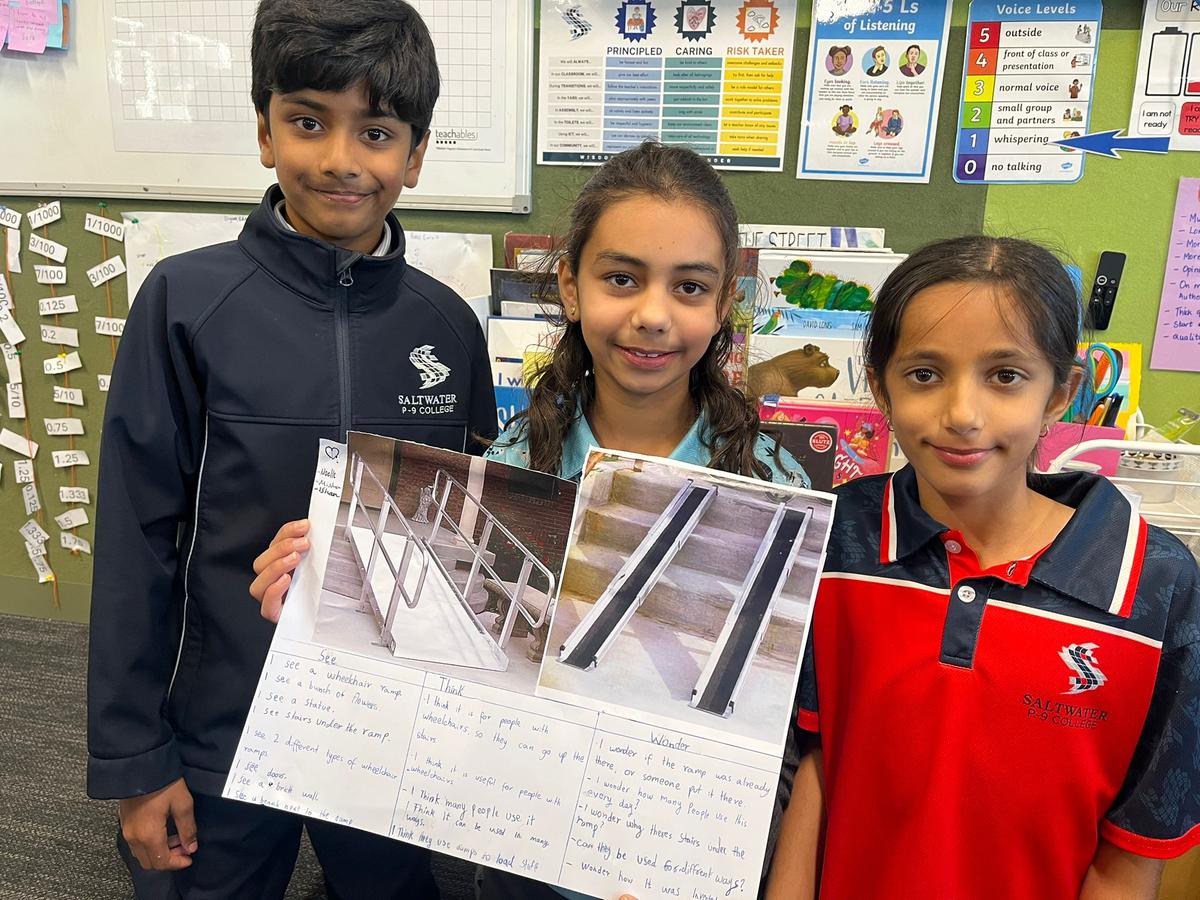
Students began the unit by participating in a provocation that sparked curiosity and generated many thoughtful questions. They used the 'Question Pencil' strategy to develop open-ended questions and explored what innovation means and how it impacts people's lives.

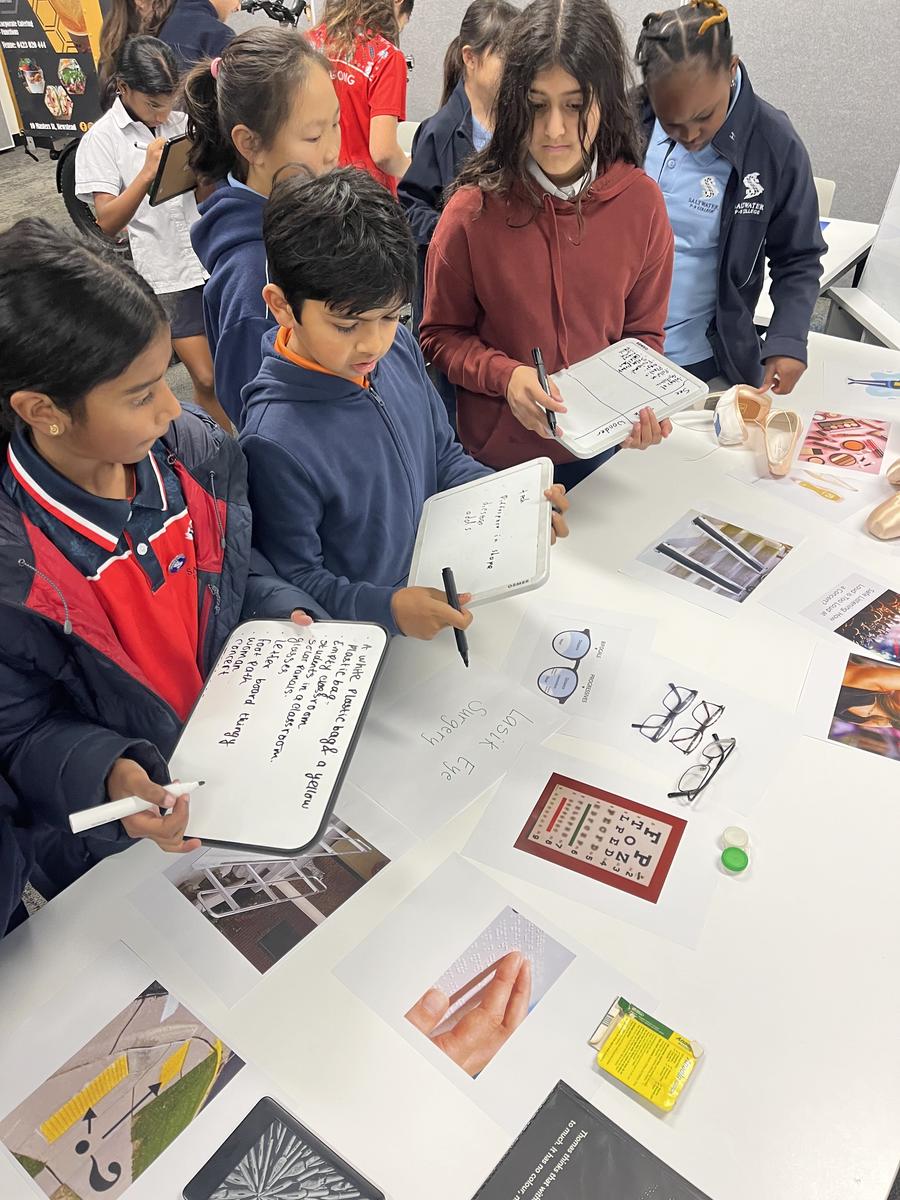
Through discussions and collaborative activities, students considered examples of effective innovation and examined how new ideas can solve problems, improve lives and shape communities.
We look forward to continuing this exciting unit as students investigate the role innovation plays in the world around them.