
Wellbeing News
Supporting high-achieving teens
High-achieving teenagers sometimes experience a form of anxiety referred to as "high-functioning anxiety". Externally, they may appear confident, successful, and put-together. Internally, they may be fueled by an intense fear of failure, perfectionism, and self-doubt, which can eventually lead to chronic stress and burnout.
The Signs to Look For:
Because such students don't exhibit typical behaviors like skipping class or acting out, their anxiety can be invisible to teachers and parents. Some indicators of high functioning anxiety include:
- The Overachievement Trap: Studying harder than necessary or over-preparing to compensate for feelings of incompetence.
- Physical Symptoms: Insomnia, chronic fatigue, headaches, or nervous tics (like nail-biting or leg bouncing).
- Difficulty Relaxing: An inability to sit in silence or enjoy their accomplishments, constantly moving on to the next "goal".
- People-Pleasing: Difficulty saying "no" or expressing negative emotions to avoid disappointing others.
Why It Happens:
High-achieving teens often link their self-worth directly to academic and extracurricular performance. Constantly striving for flawless marks or high ATAR scores can trigger intense anxiety, particularly when high expectations are self-imposed or driven by cultural (family and school) pressures
How to Support Them:
- Separate Self-Worth from Grades: Praise their effort, resilience, and problem-solving skills rather than test scores.
- Focus on the Basics: Ensure they are getting 8-10 hours of sleep. Encourage healthy boundaries around homework, social media, and downtime.
- Normalize Imperfection: Share your own past mistakes or struggles to remind them that failure is a normal, temporary stepping stone rather than a catastrophe.
Avoid comparisons to others.
If anxiety is causing significant distress, impacting health, or leading to complete emotional withdrawal, professional support can make a major difference.
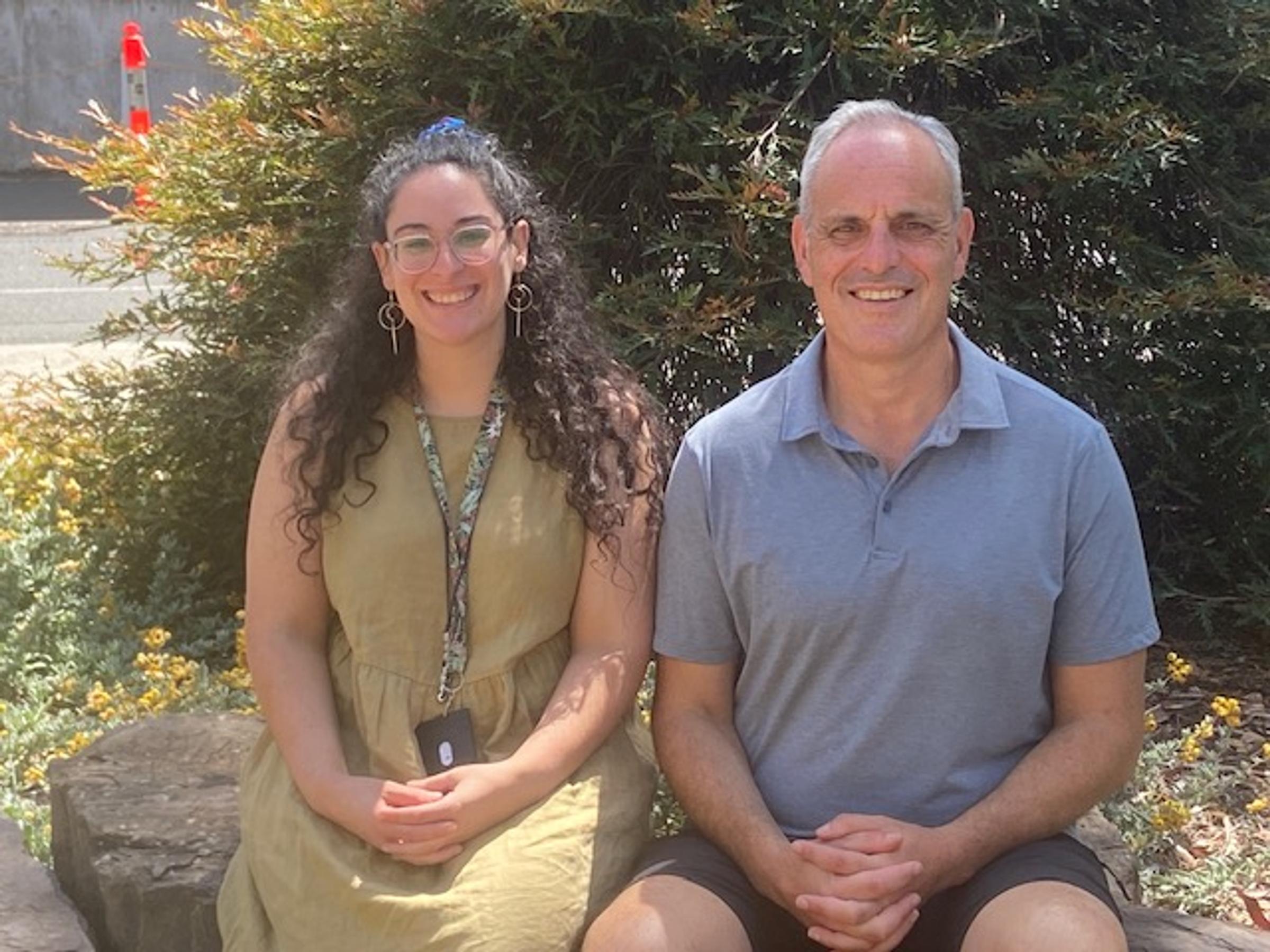
John Monash Science School has two experienced counselors - George Vlamakis and Angelique Vardis, whom students and parents can discuss these concerns with.
GP’s can build a Mental Health Treatment Plan, which heavily subsidizes sessions with a psychologist.
Wellbeing can be contacted at JMSS on george.vlamakis@jmss.vic.edu.au
~ George Vlamakis (Head of Wellbeing)
george.vlamakis@jmss.vic.edu.au