News and Excursions
what has been happening around JMSS
News and Excursions
what has been happening around JMSS
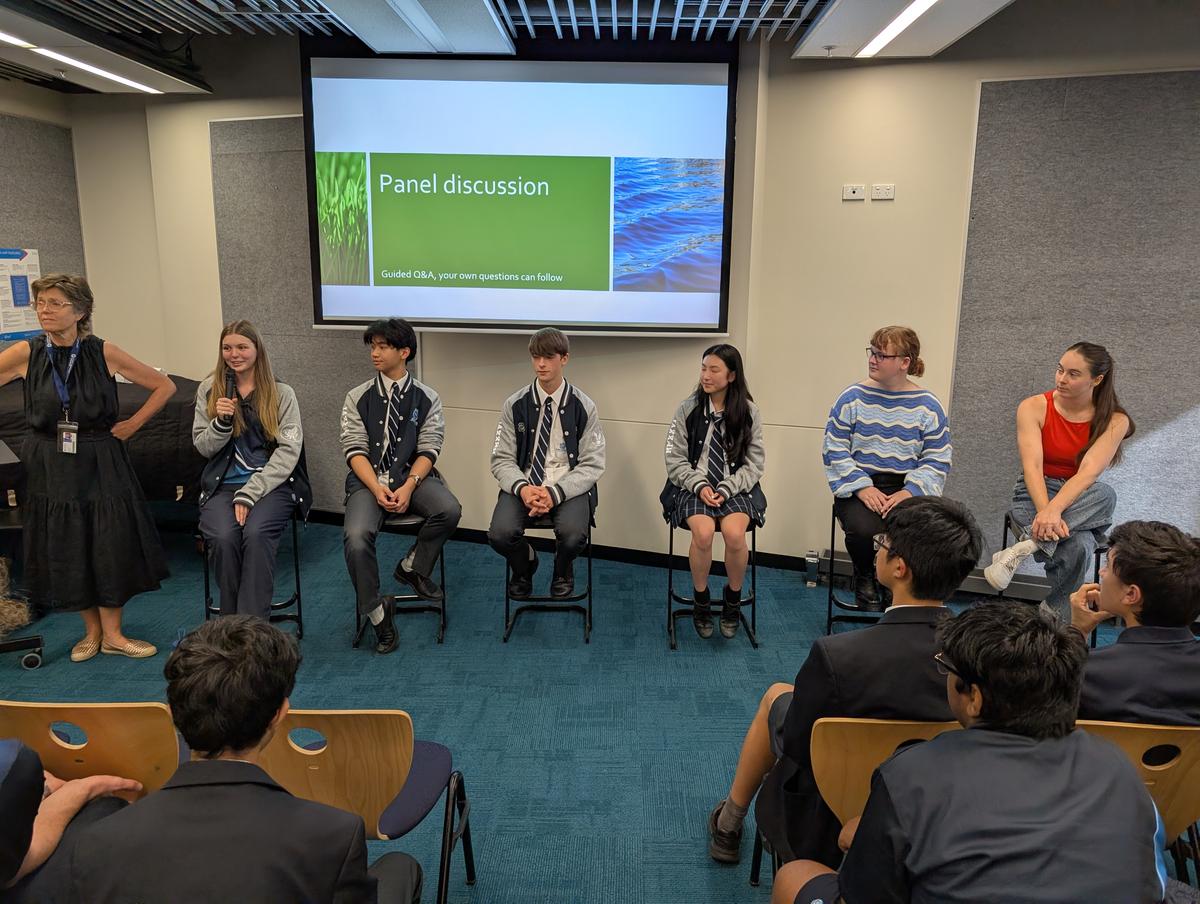
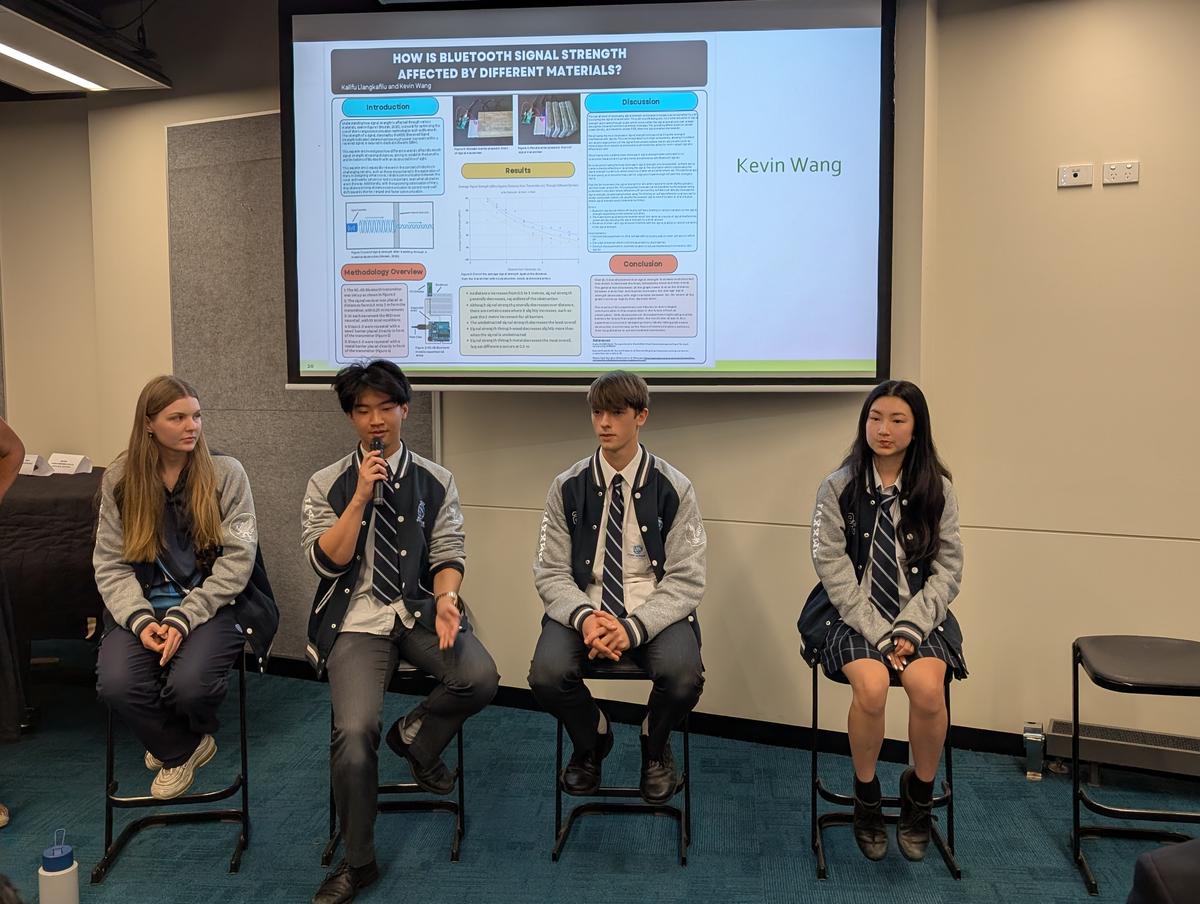
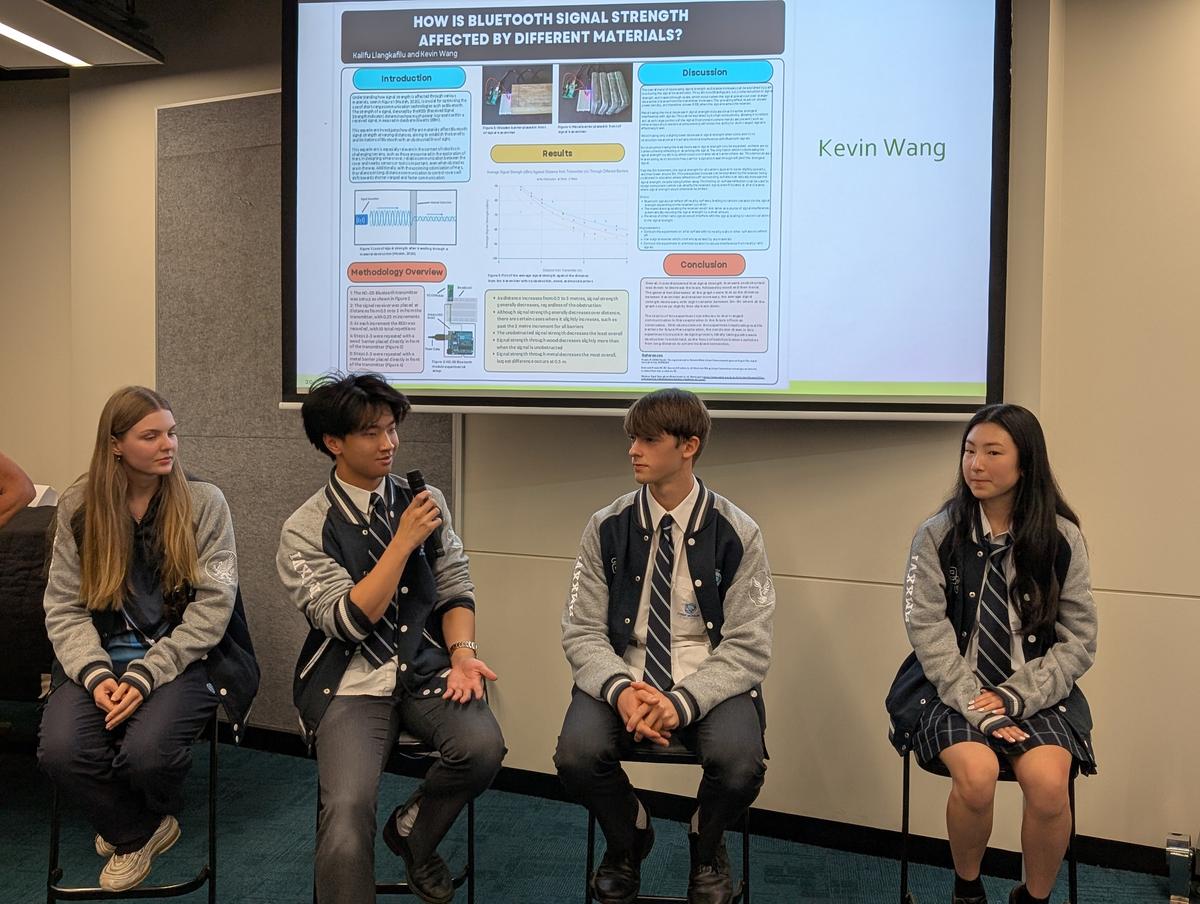
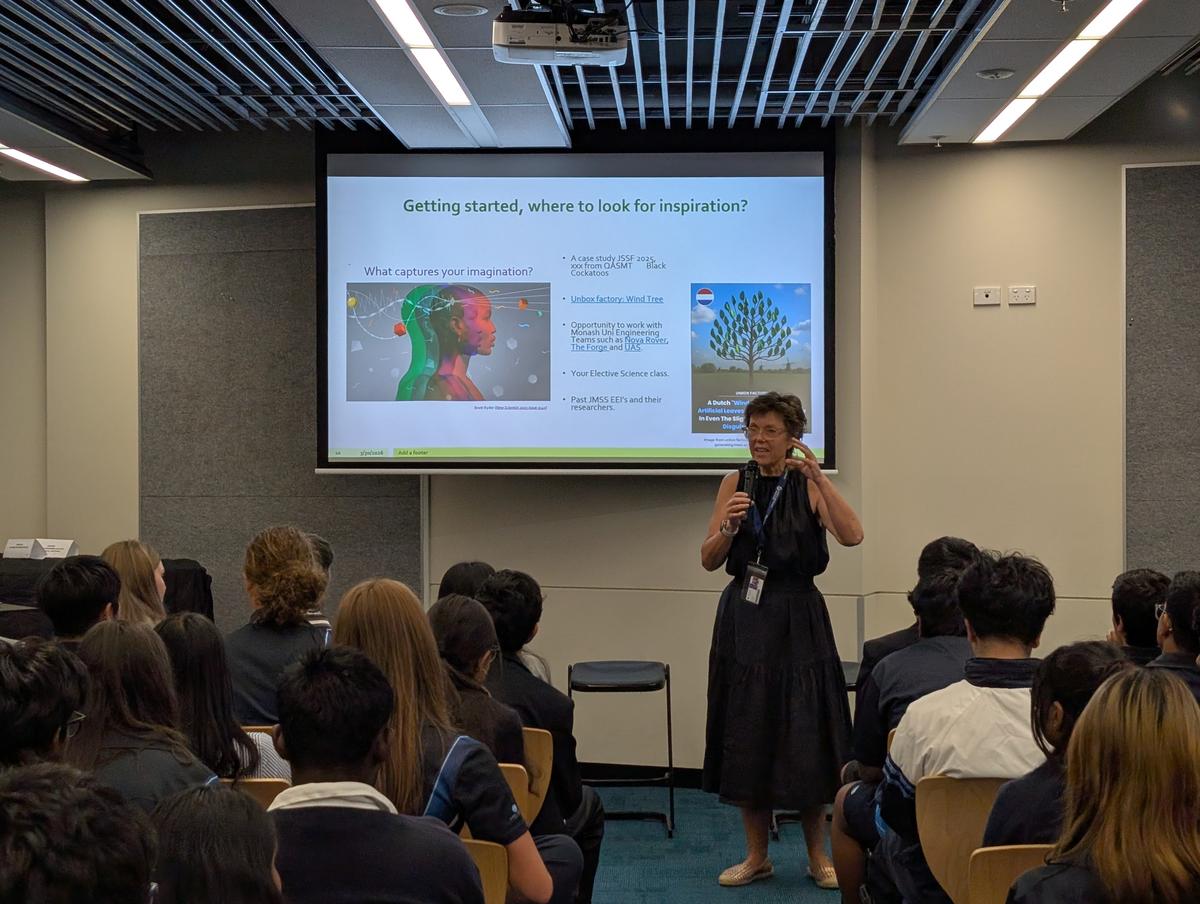
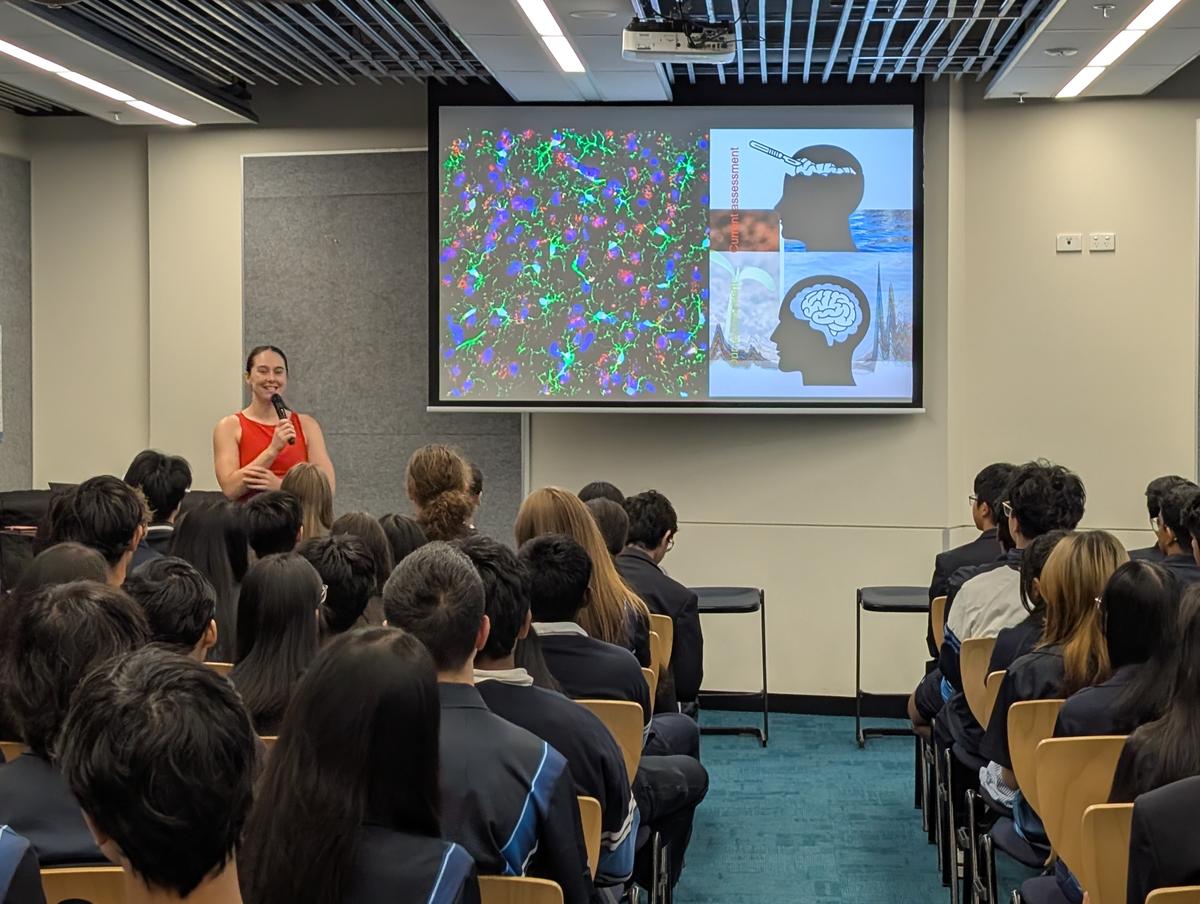
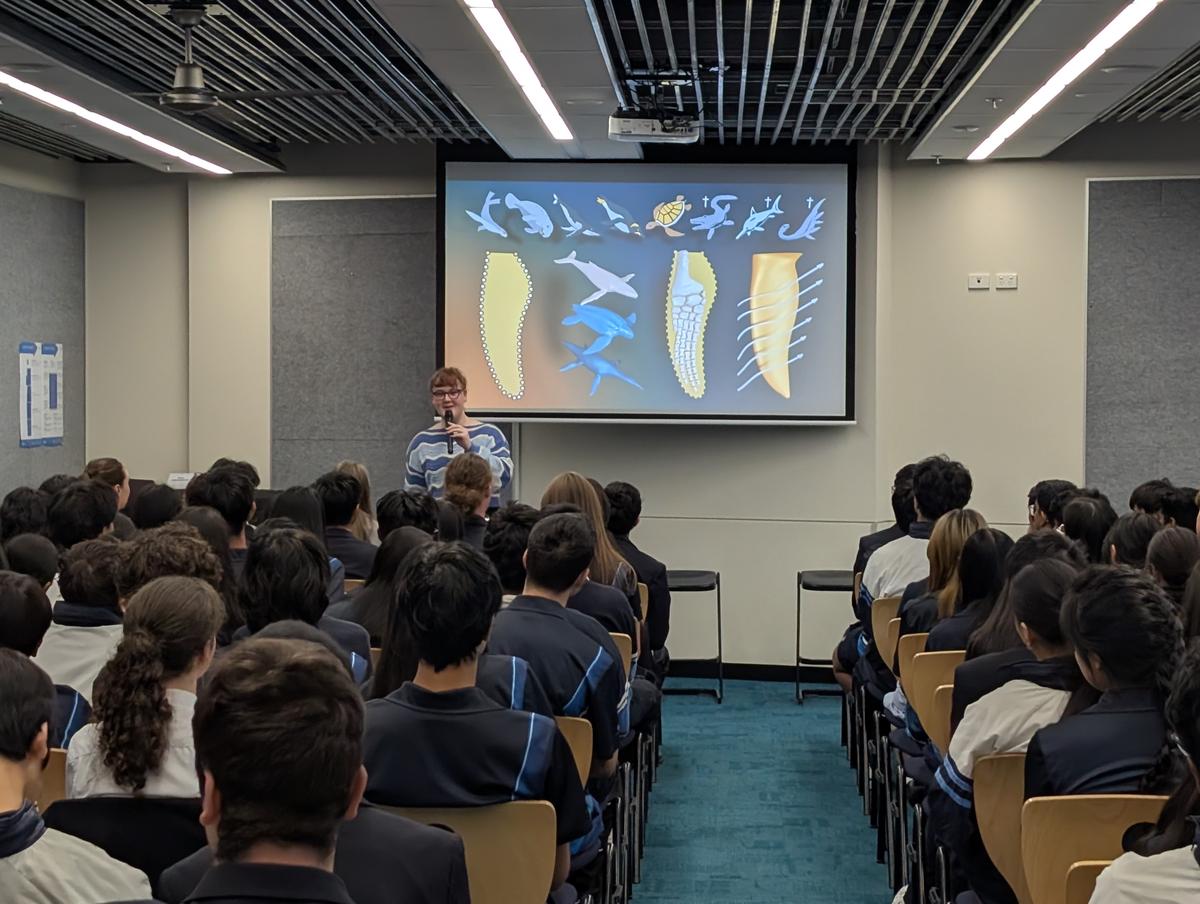
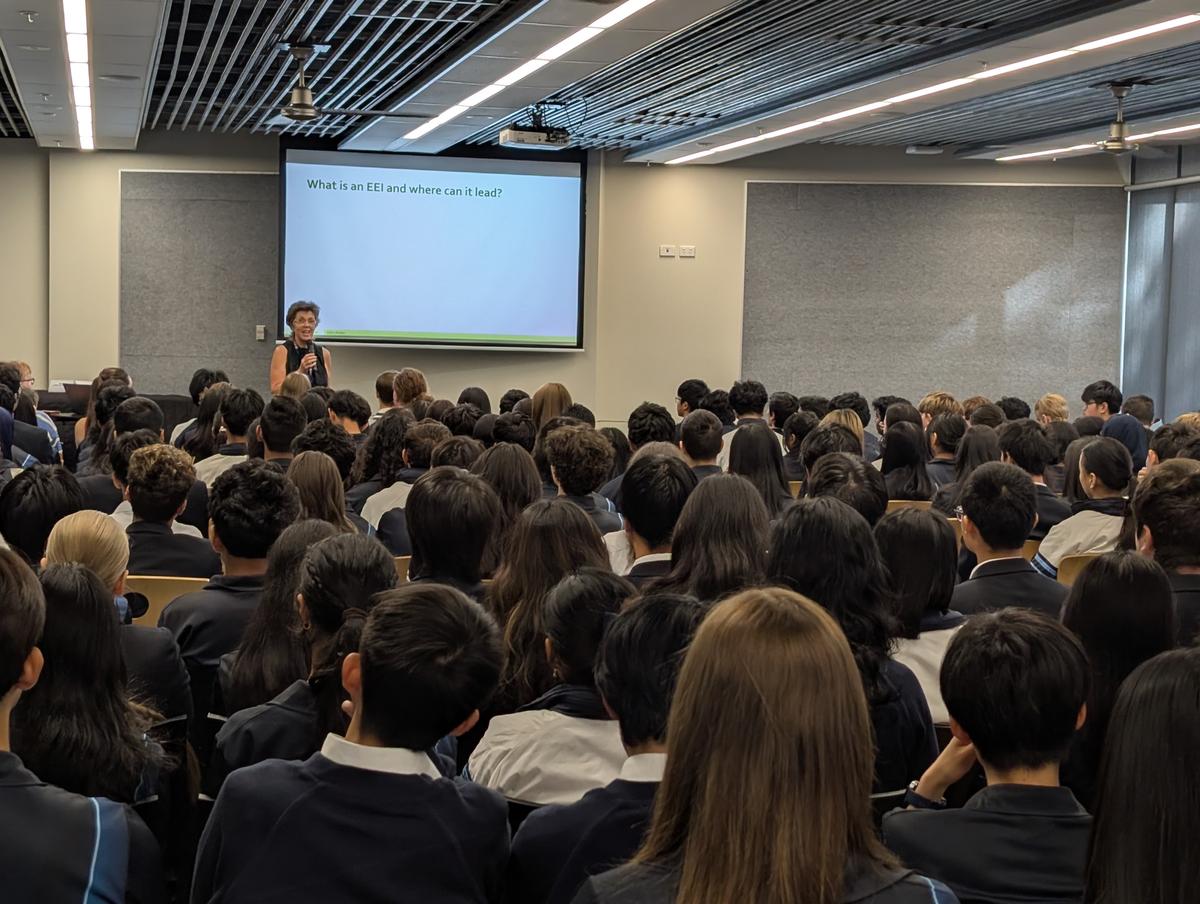
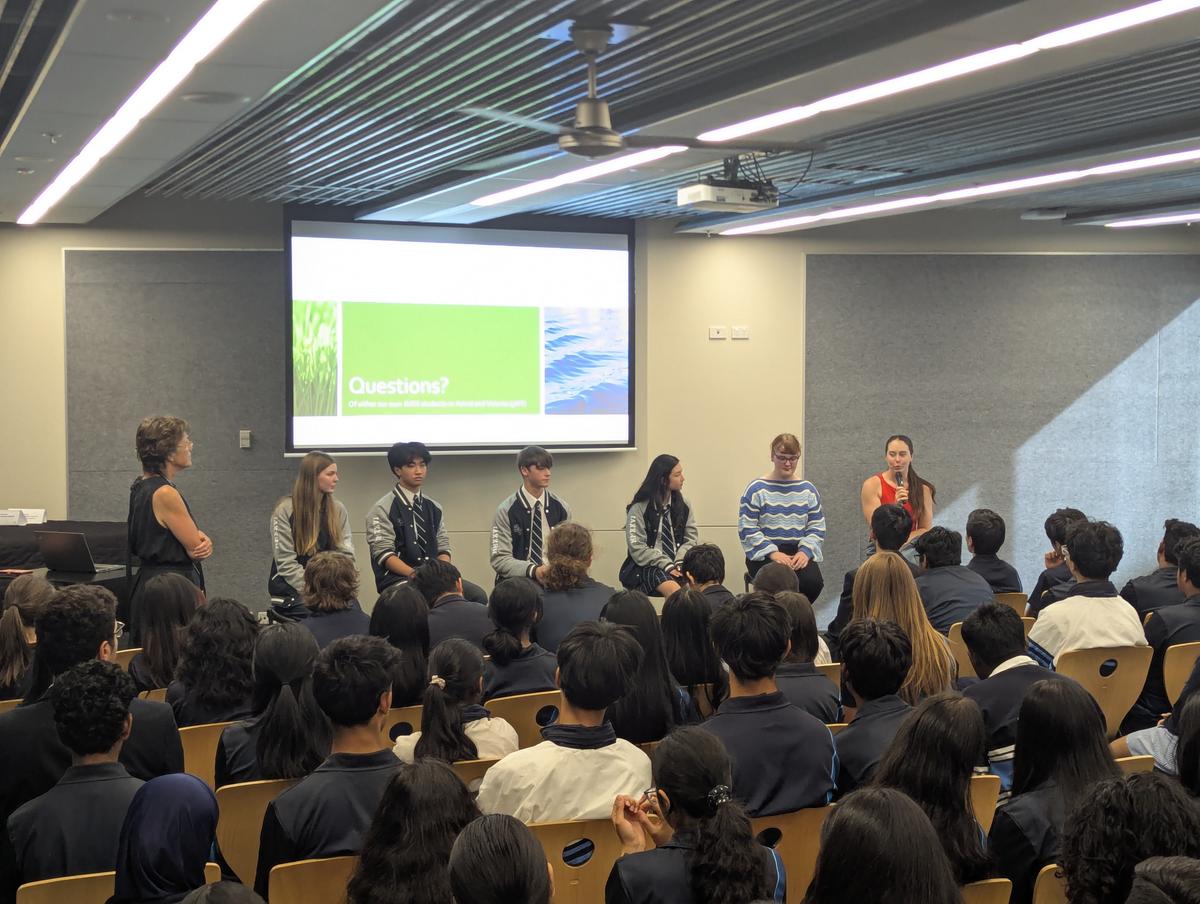
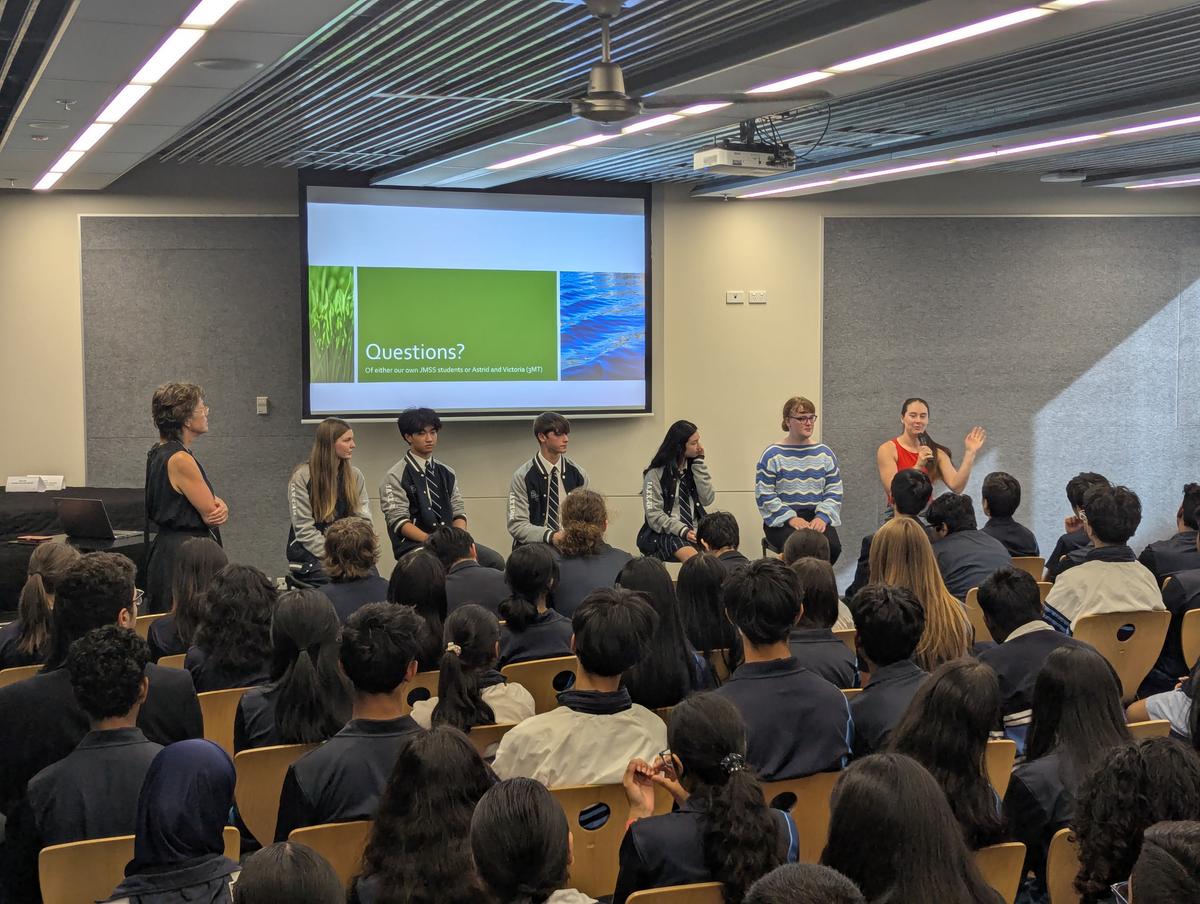
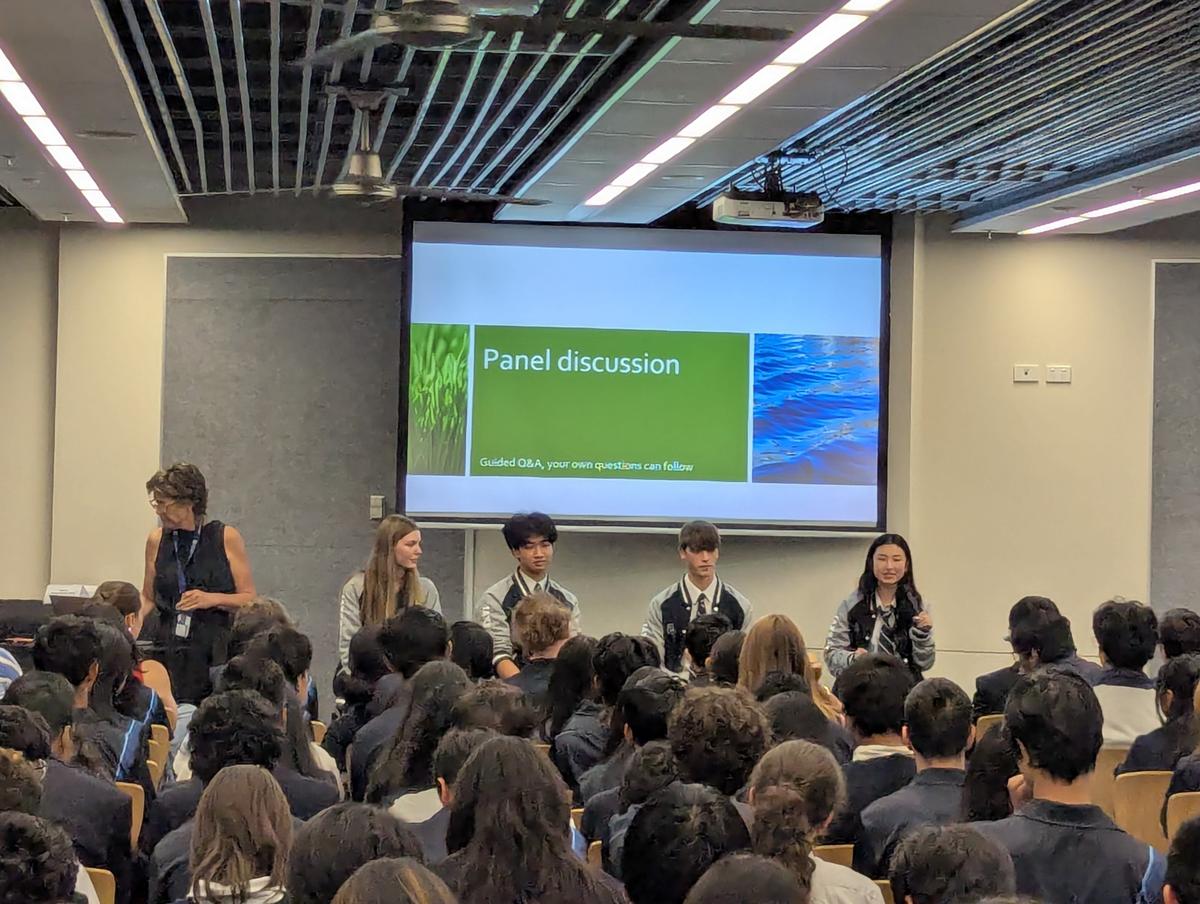
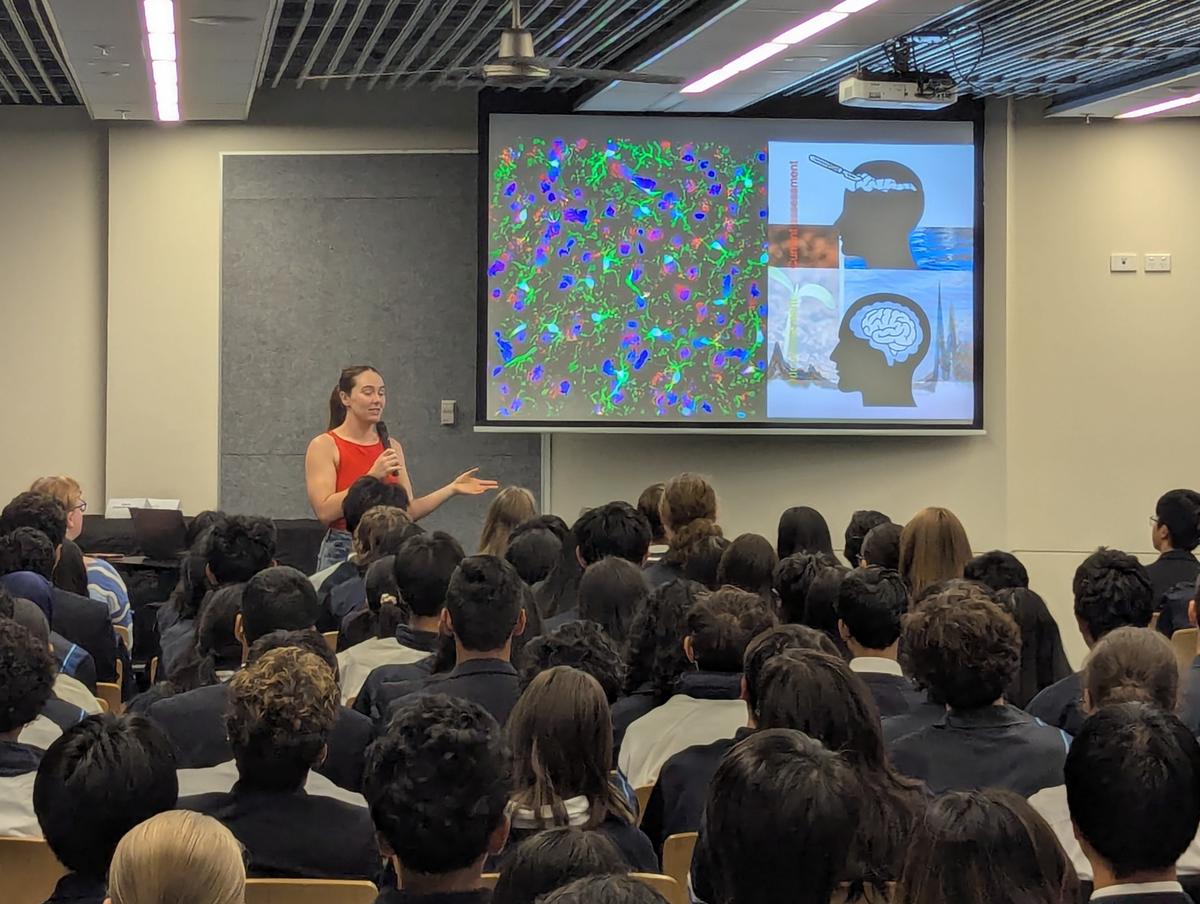
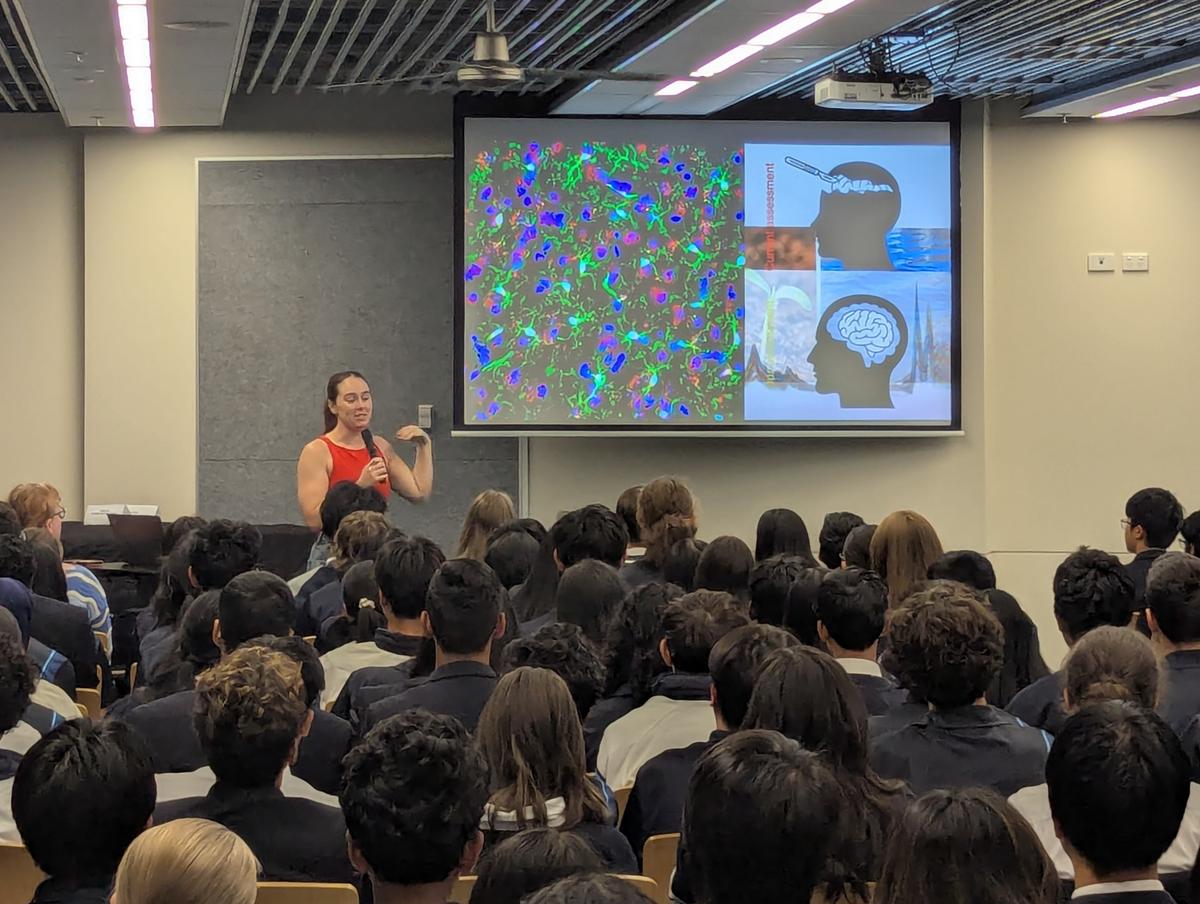
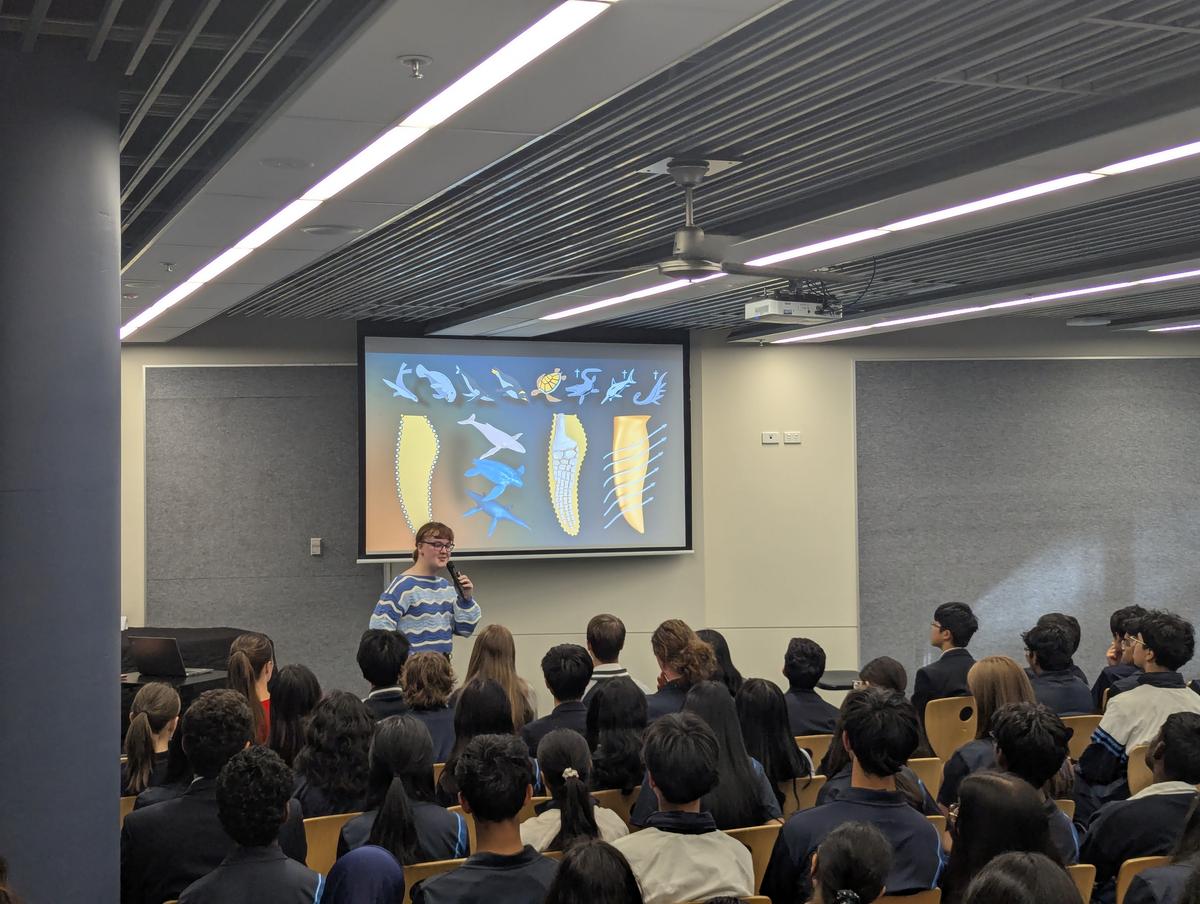
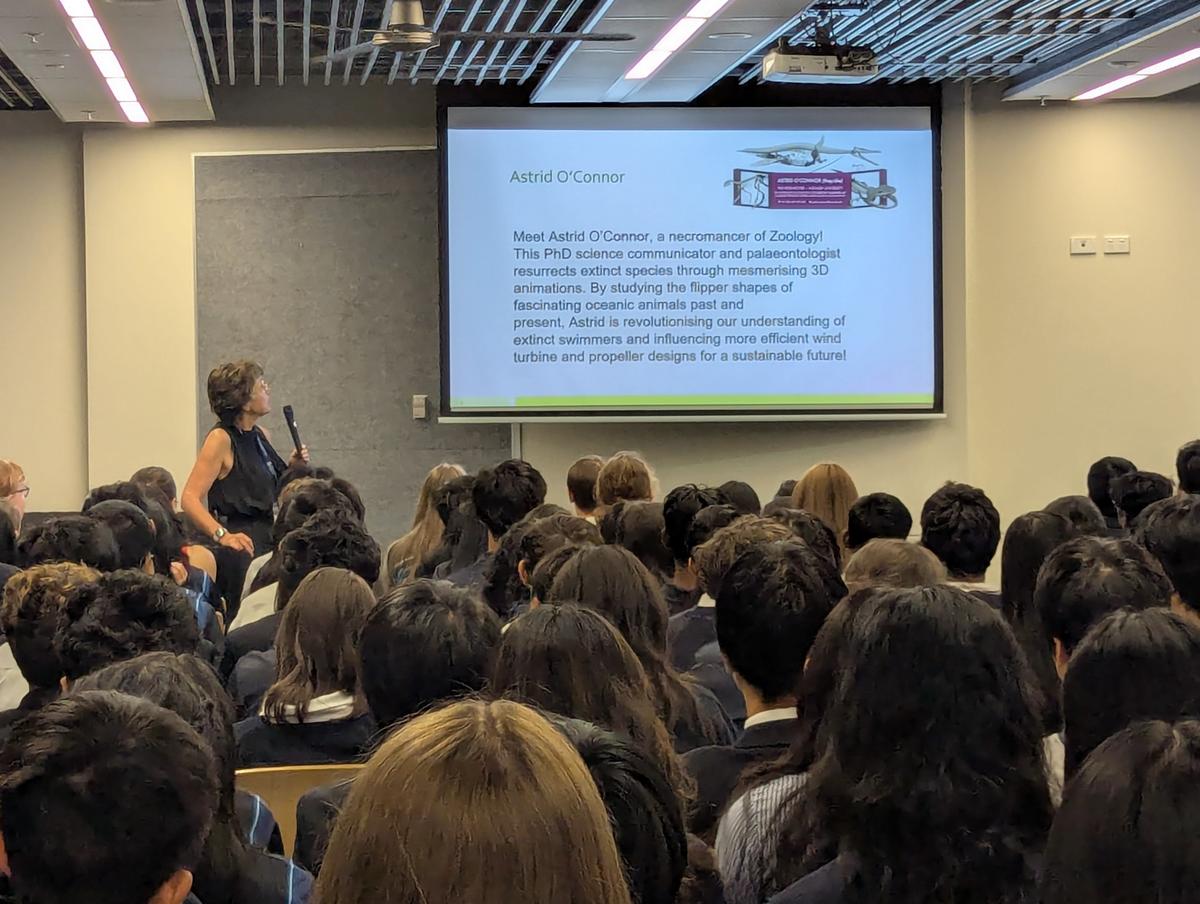
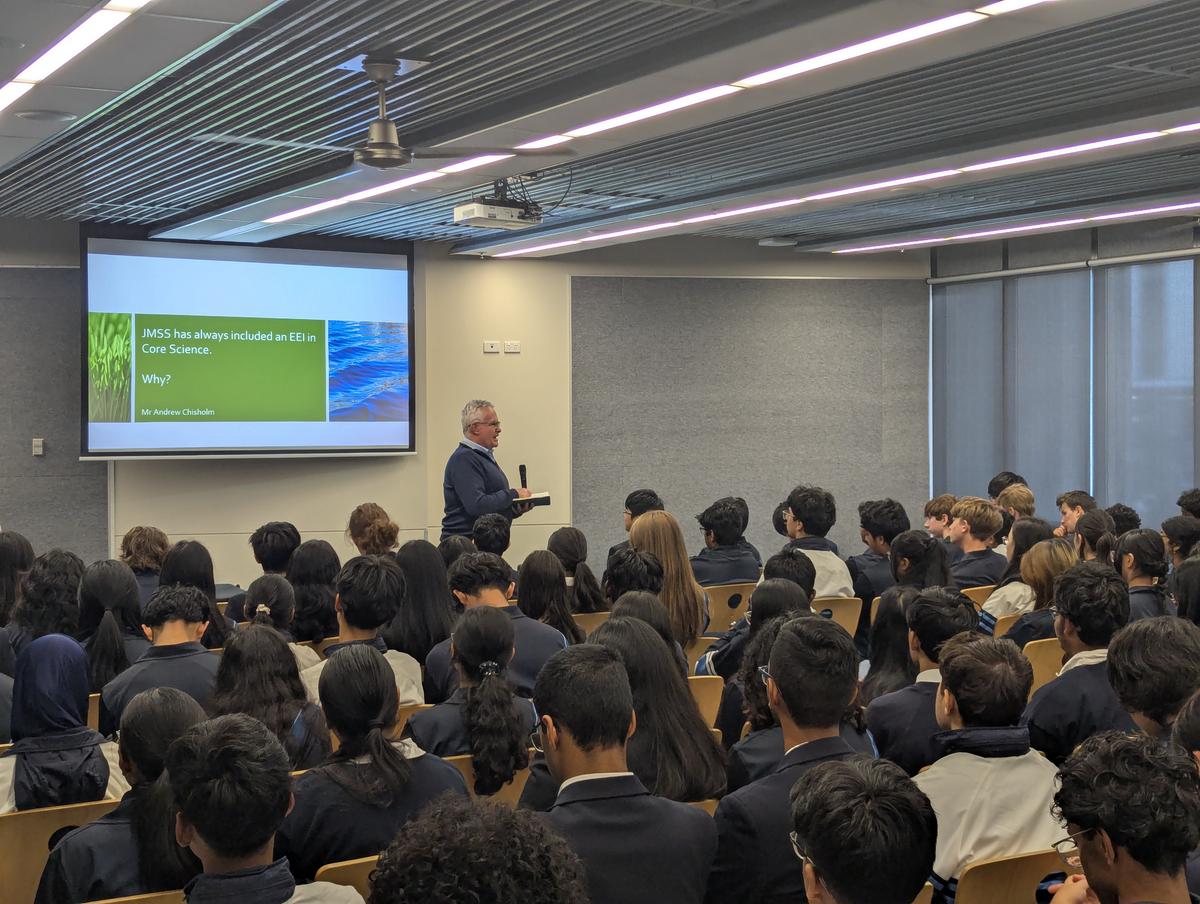
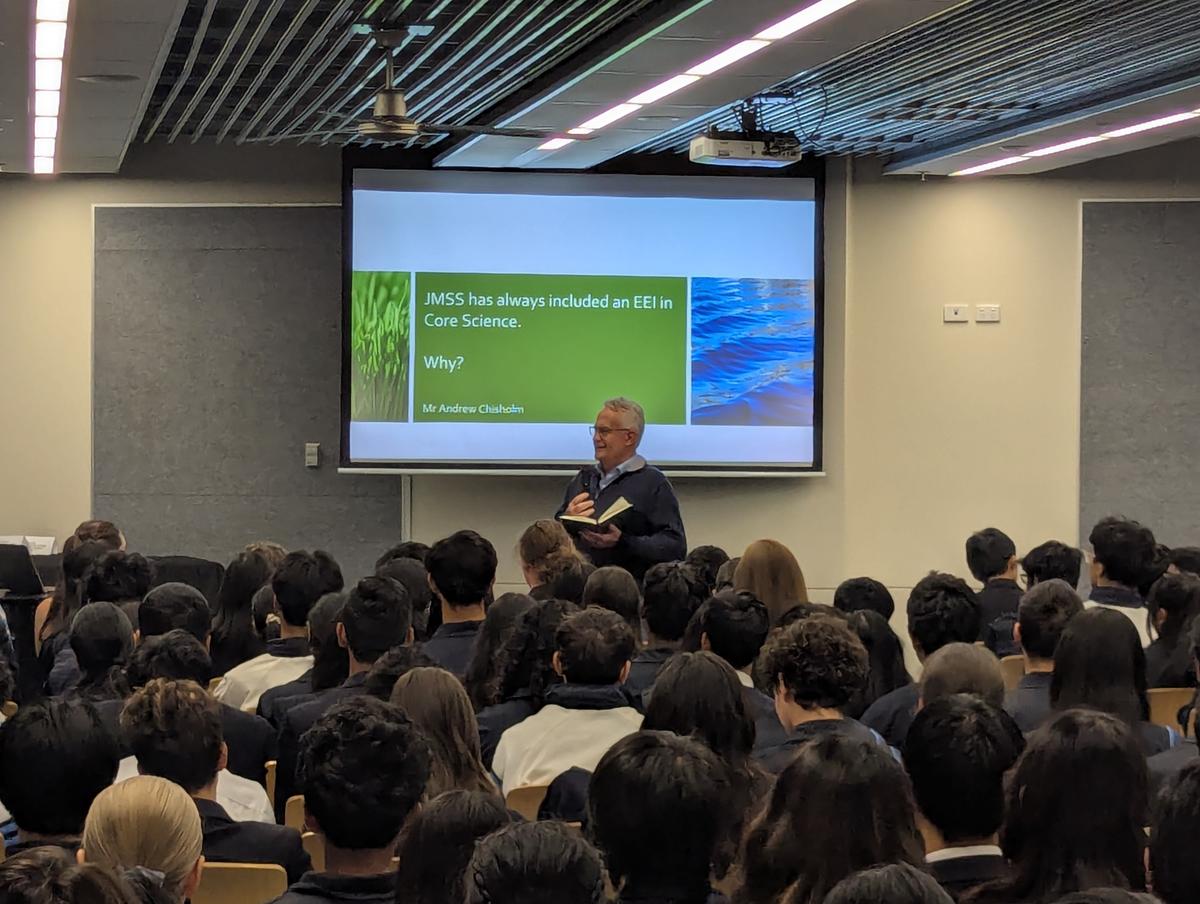
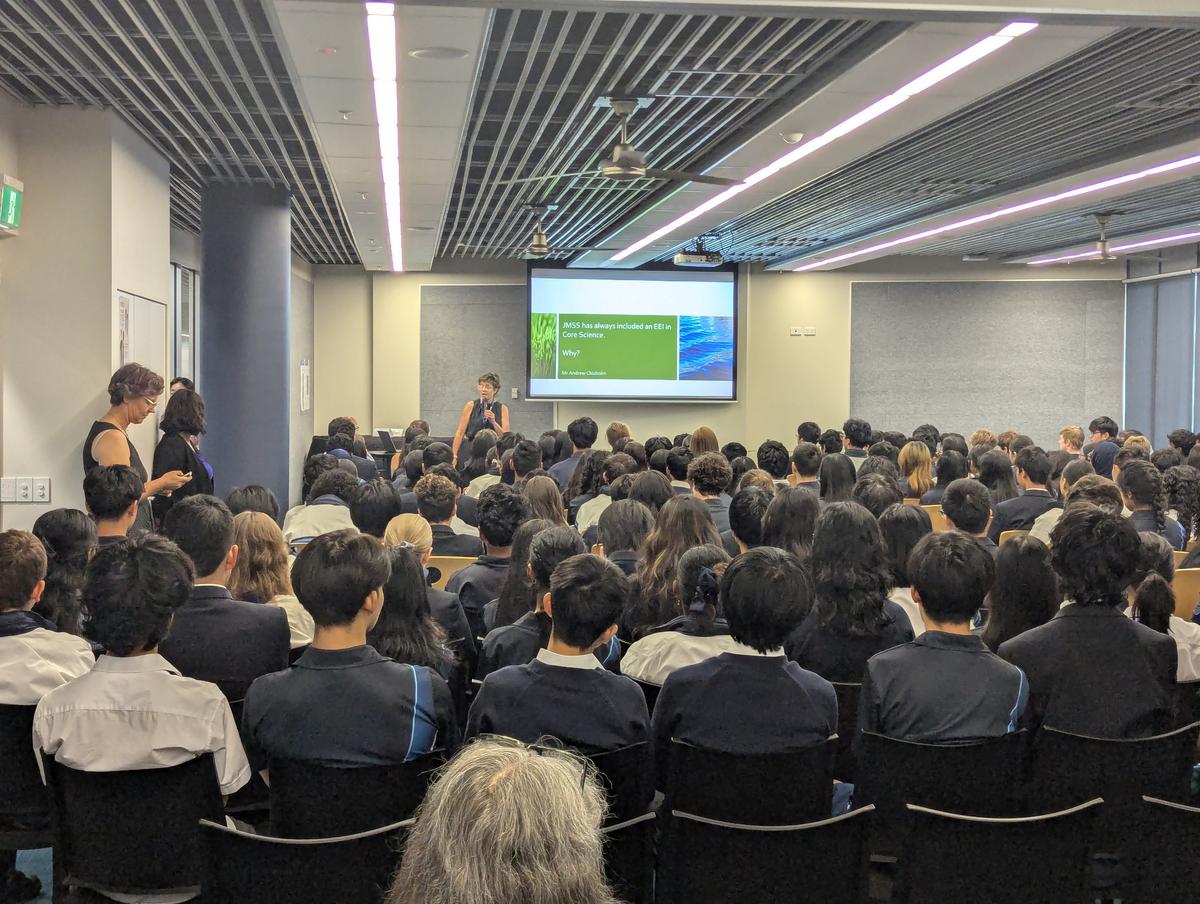
Students in year 10 were given the opportunity today to hear about the Extended Experimental Investigation (EEI) that forms a big part of their year 10 program at John Monash Science School. They heard from Mr Andrew Chisolm about the reasons behind this program which develops students into young, curious scientists. Two guest speakers from Three Minute Thesis gave a short, sharp summary of their research. Astrid O'Conner talked about her research into fin shapes of mammals and dinosaurs and how this analysis could improve wind turbines. Victoria Stock talked about her research into chemical signals of neourological disorders such as dementia. Four year 12 students also talked about their projects from year 10, highlighting the importance of choosing a project they were passionate about, the challenges of working in a group and the valuable lessons they learned about research.
~ Dr Penelope Hale
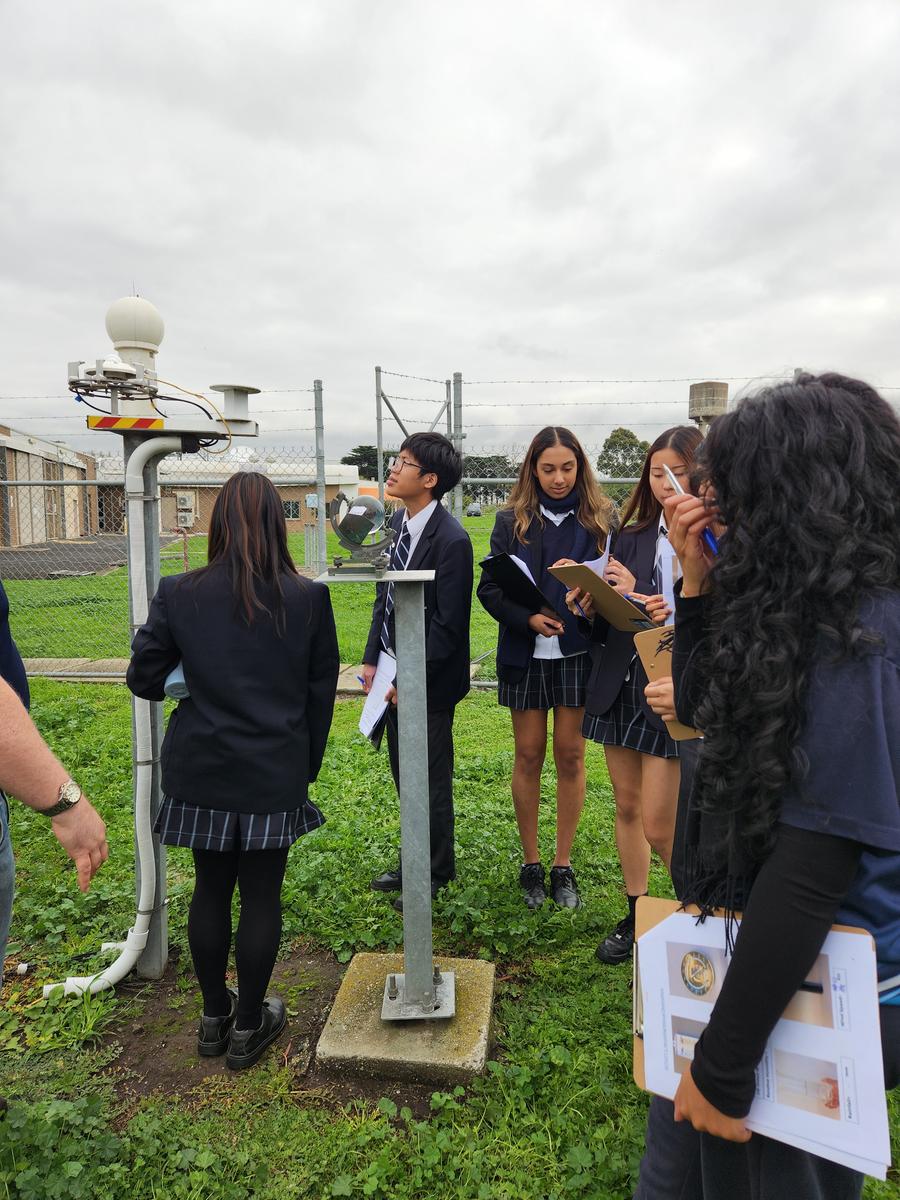
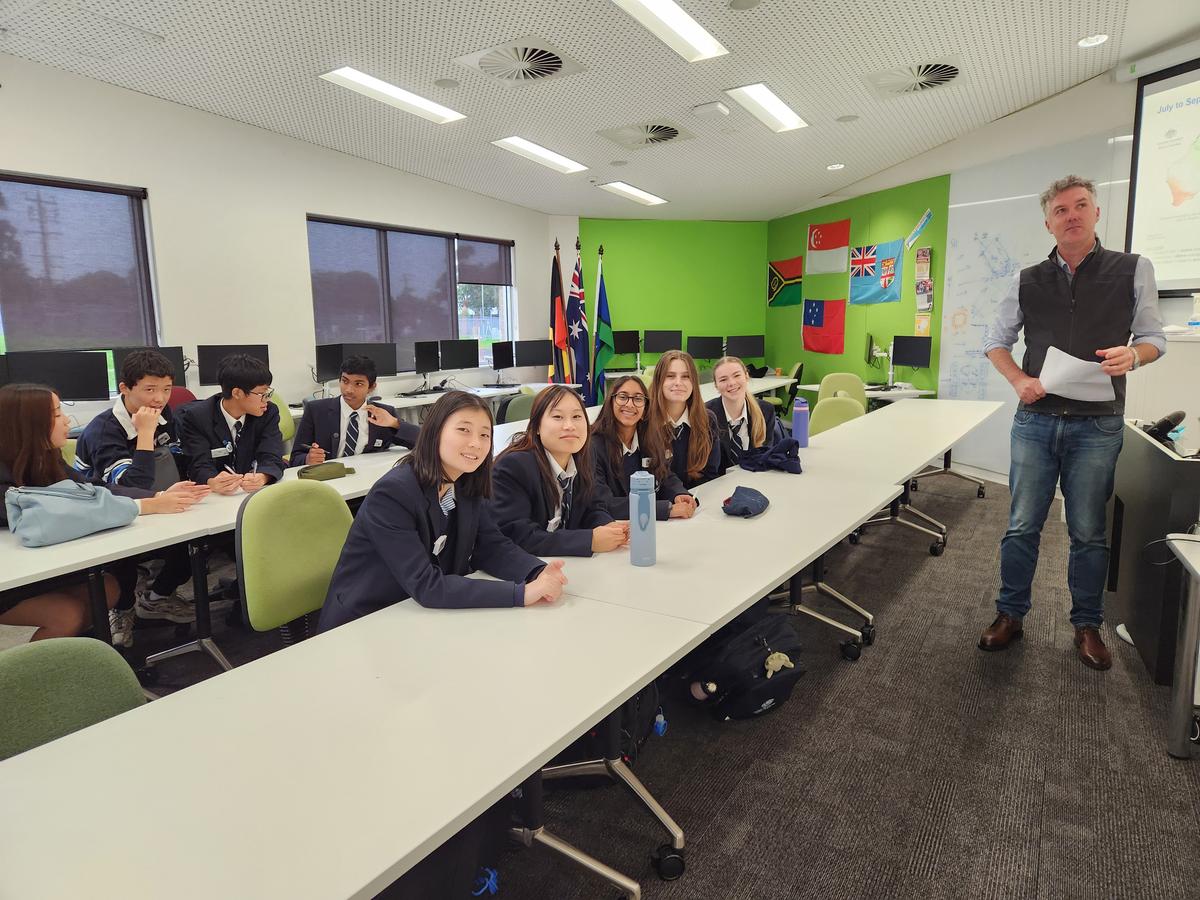
On Thursday 21 May, a group of Year 11 Geography and Environmental Science students, along with a select group of Year 10 students, had the opportunity to visit the Bureau of Meteorology (BOM) Training Centre as part of an Industry Immersion program. The program was designed to introduce students to future career pathways and occupations through sessions showcasing in-demand skills alongside industry experts.
Students with an interest in meteorology, climate science, and specialised electrical industries were able to explore a range of career and pathway opportunities within the climate and meteorology sectors through a variety of engaging activities led by BOM staff.
During the visit, students learned how to read weather instruments, observed the launch of a weather balloon into the atmosphere, and had the opportunity to ask questions of BOM employees working in a range of remote locations, including Willis Island on the Great Barrier Reef, Davis, Casey, and Mawson Stations in Antarctica, and Central Australia.
Students were particularly fascinated by the experiences shared by staff stationed in Antarctica, which quickly became the most popular topic during the Q&A sessions.
The visit provided students with valuable insight into the diverse career opportunities available within the meteorology and climate science industries and was an engaging and memorable experience for all involved.
~ Adriana Abels
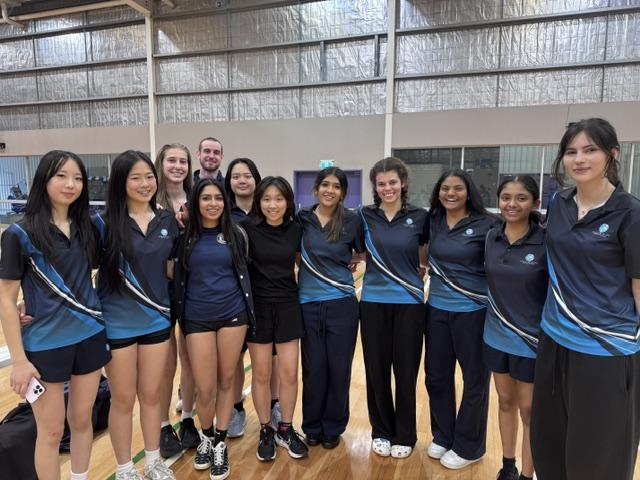
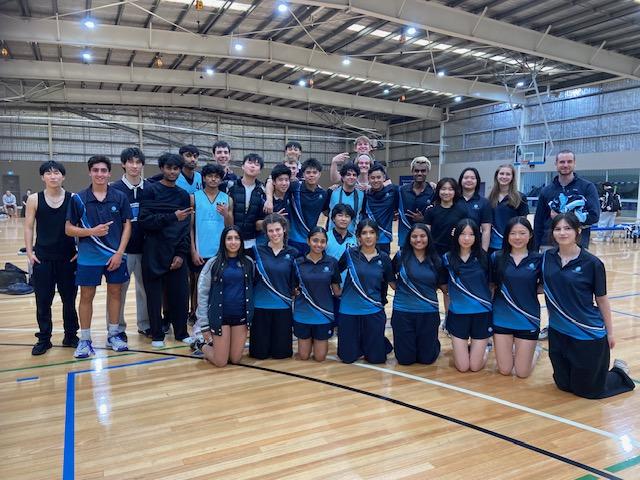
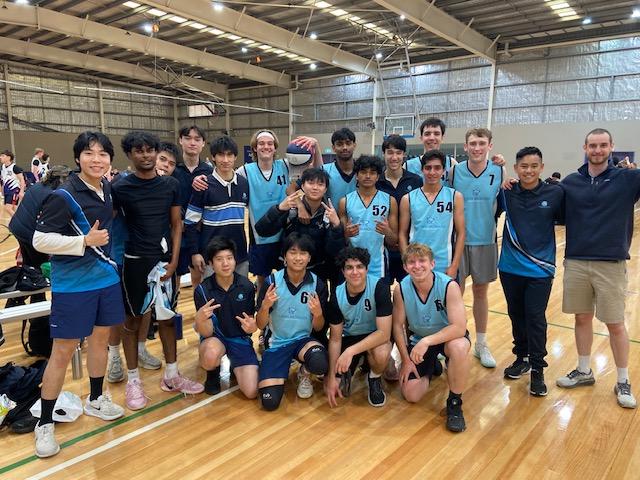
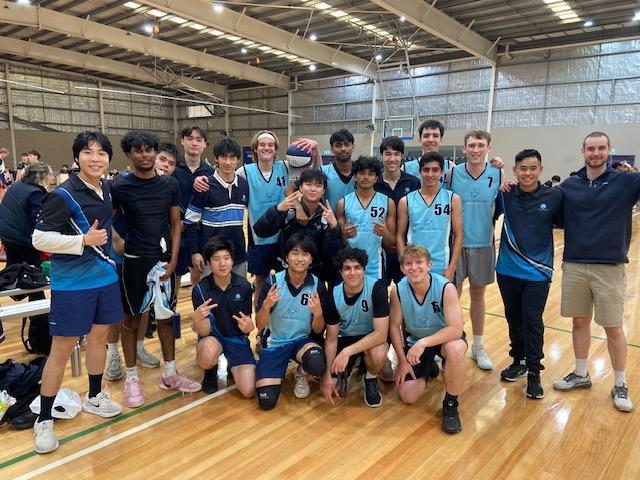
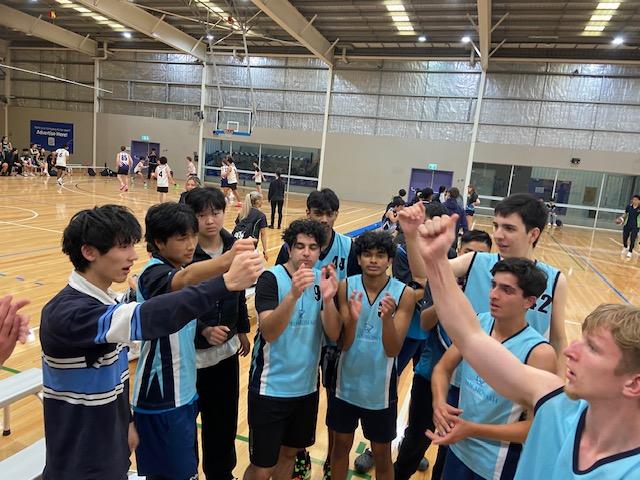
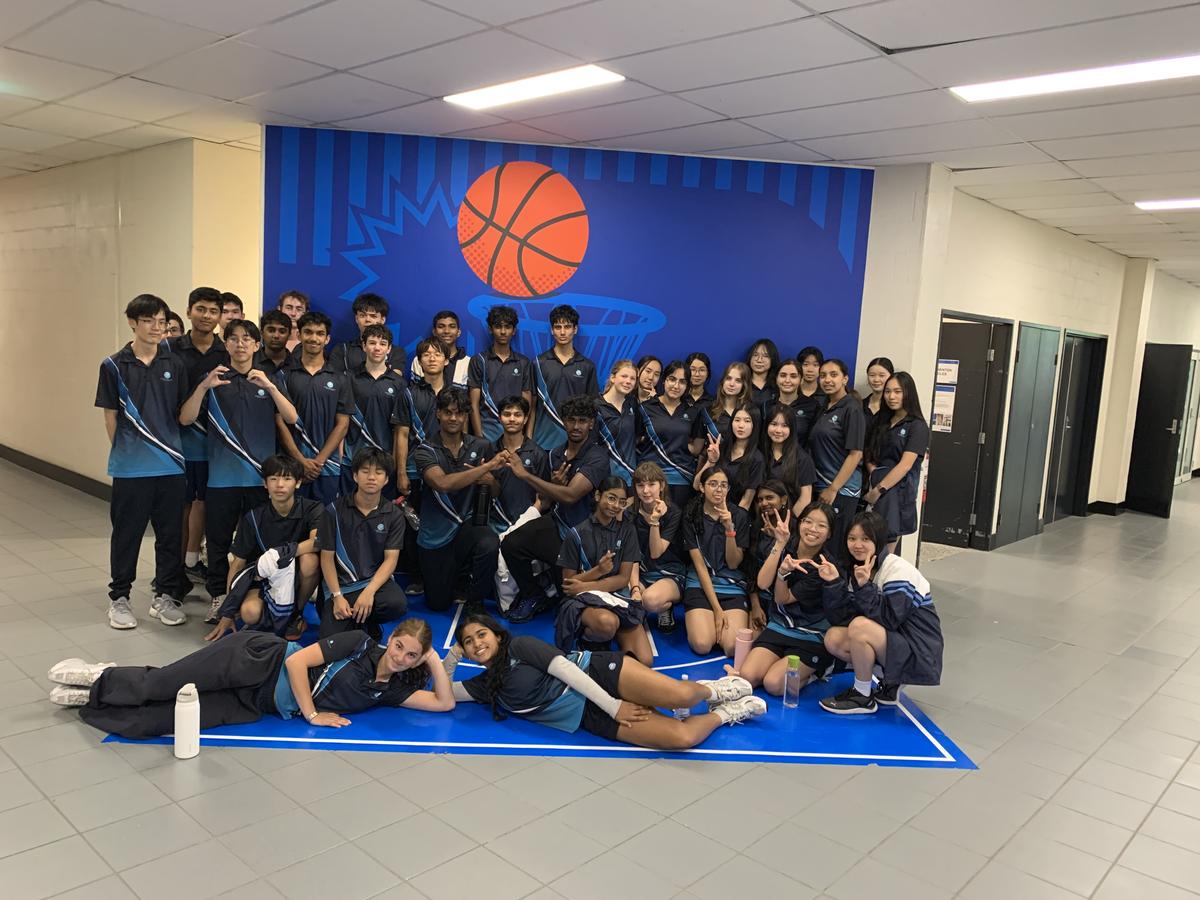
On Wednesday afternoons in Semester One, Years 10 and 11 Co-curricular Program students enjoy an afternoon of physical activity at Monash Rec to burn up some energy and help provide a healthy balance in their academic school life.
Sport Group choices have been: basketball, indoor and outdoor soccer, badminton, volleyball, ultimate frisbee, tennis and more!
We have also formed a very popular Bollywood Dance group in the Fitness Studio with guest instructors.
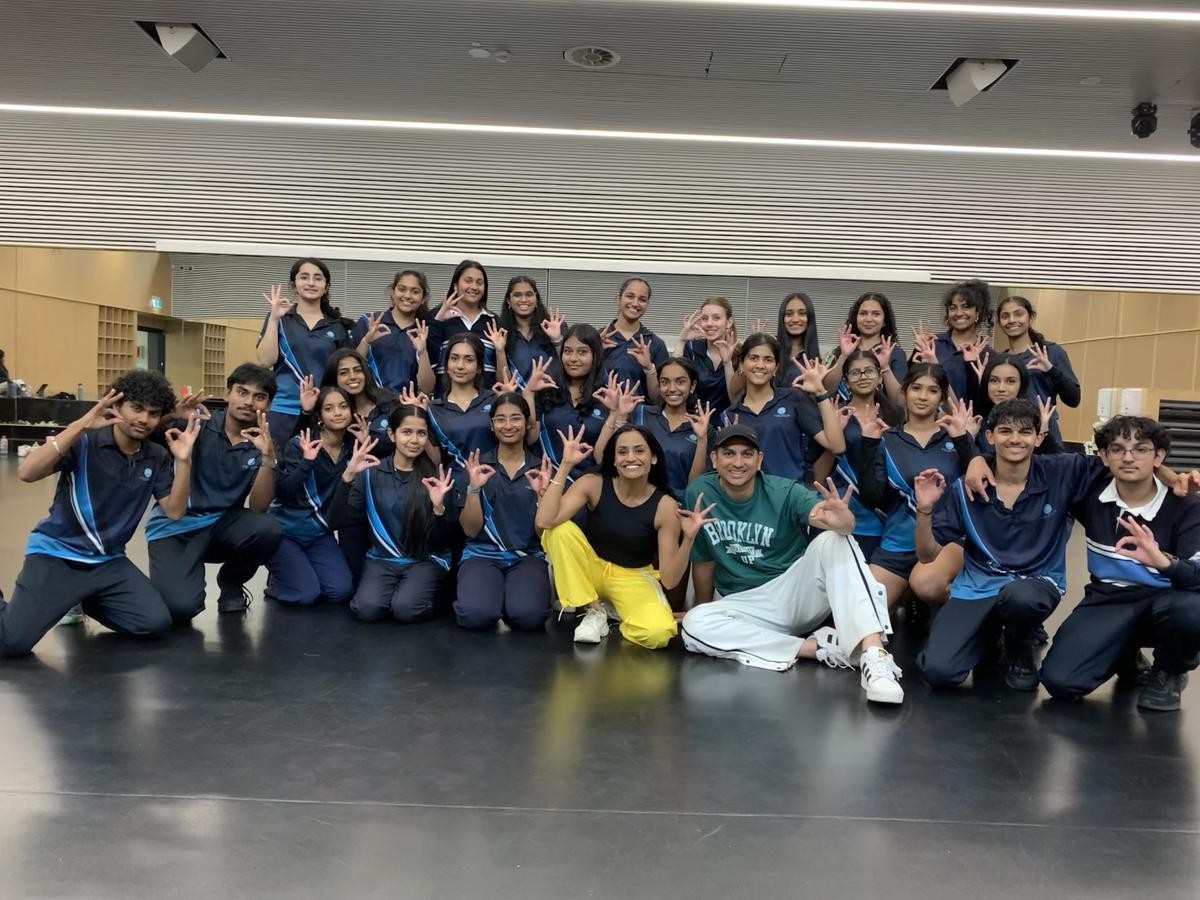
A big thanks to George Vlamakis (Wellbeing Leader) for facilitating all the bookings and staffing for Co-Curricular Sport and Bollywood and our Alumni Team Leaders who have made Wednesday afternoons even more amazing!
~ Katherine Anderson
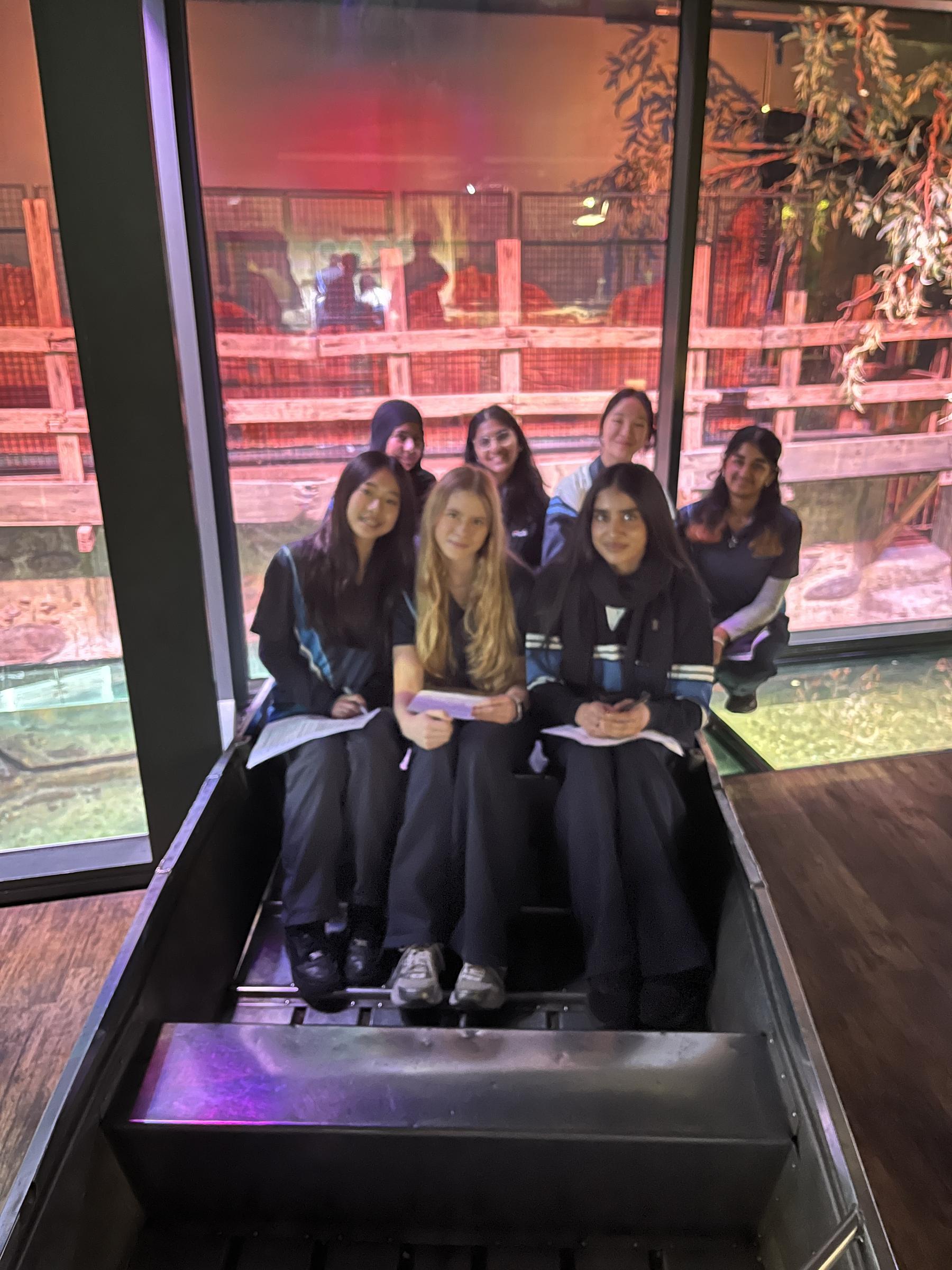
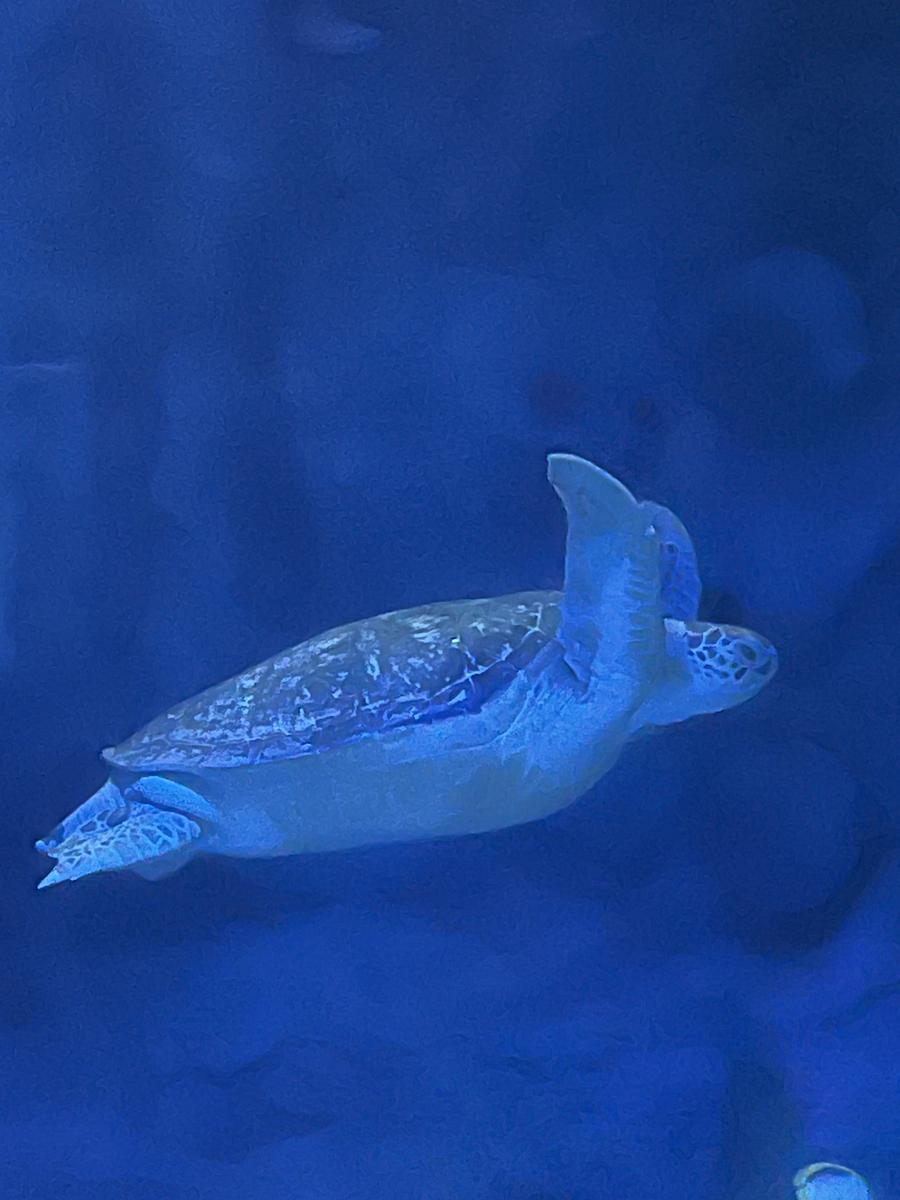
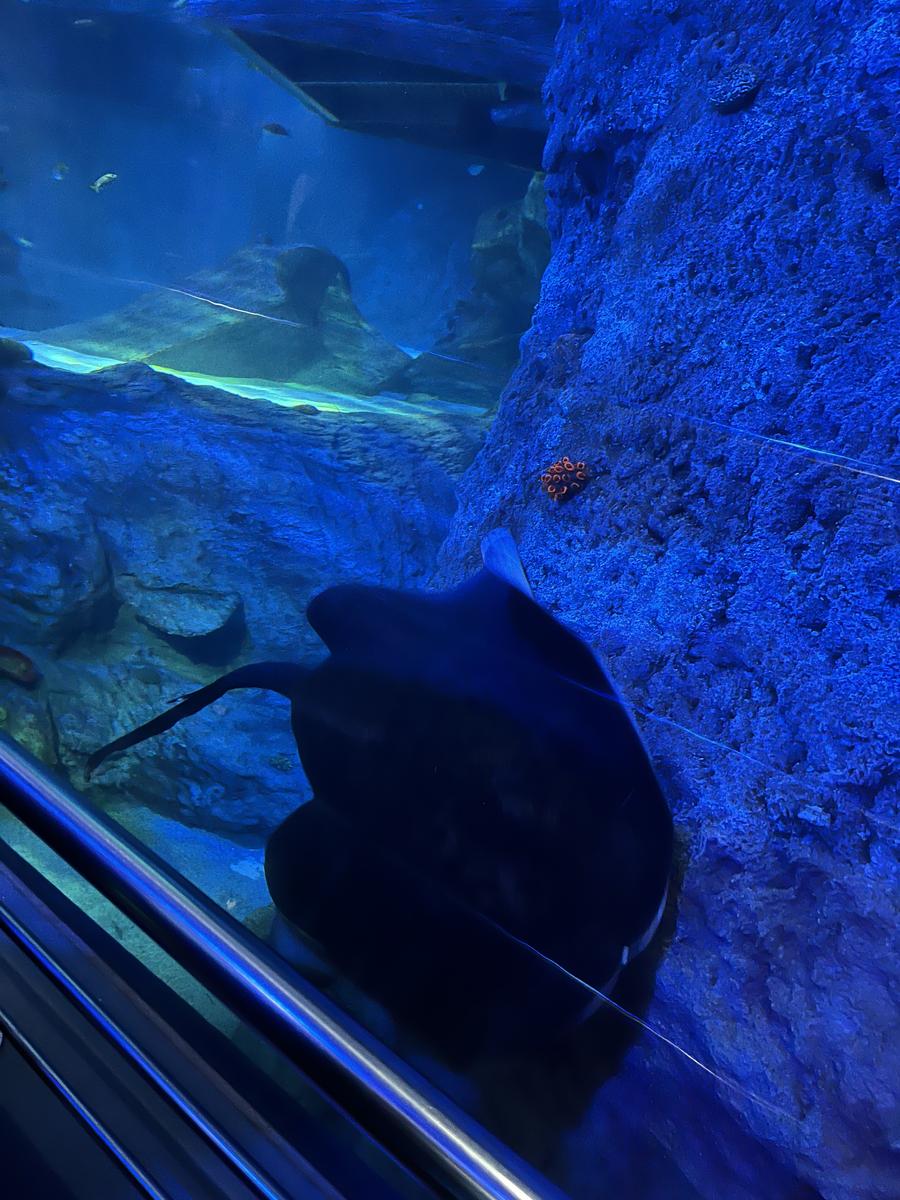
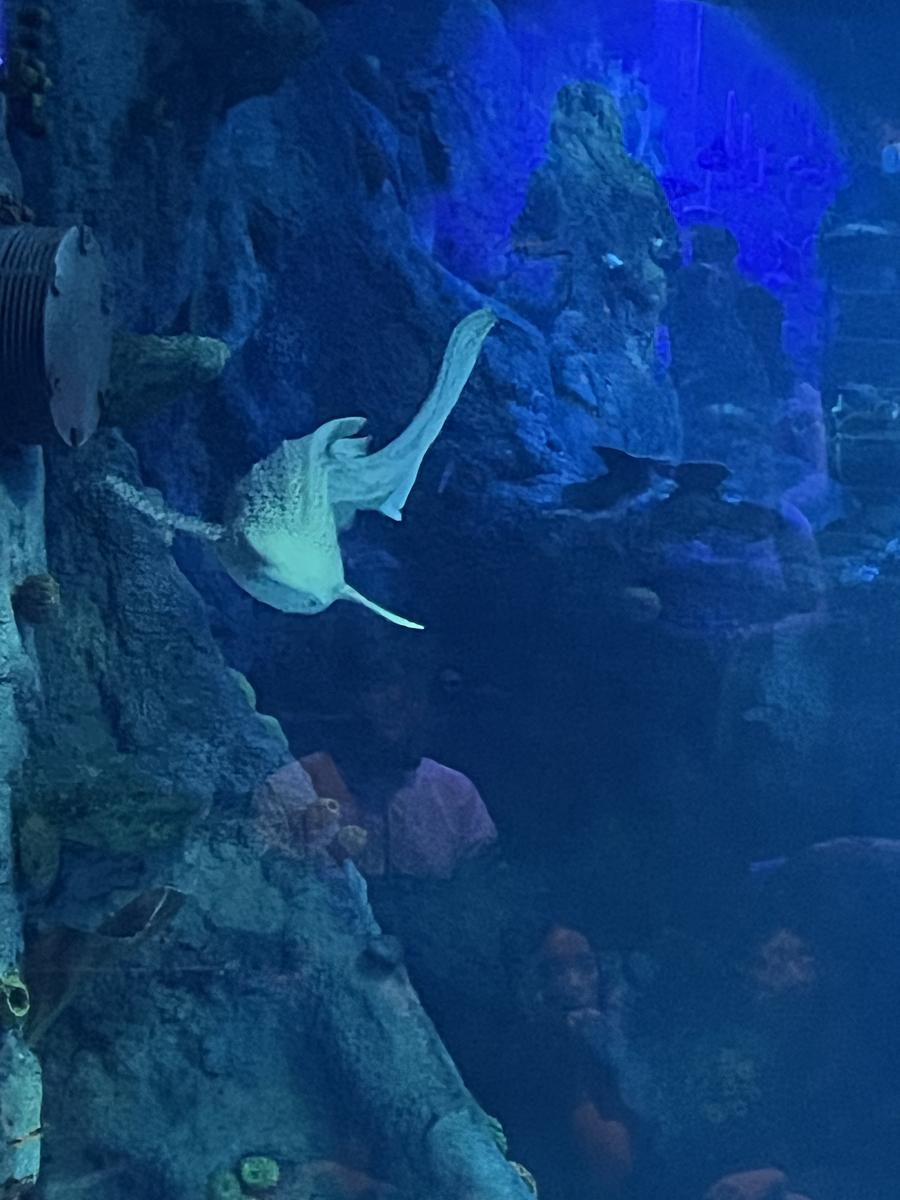
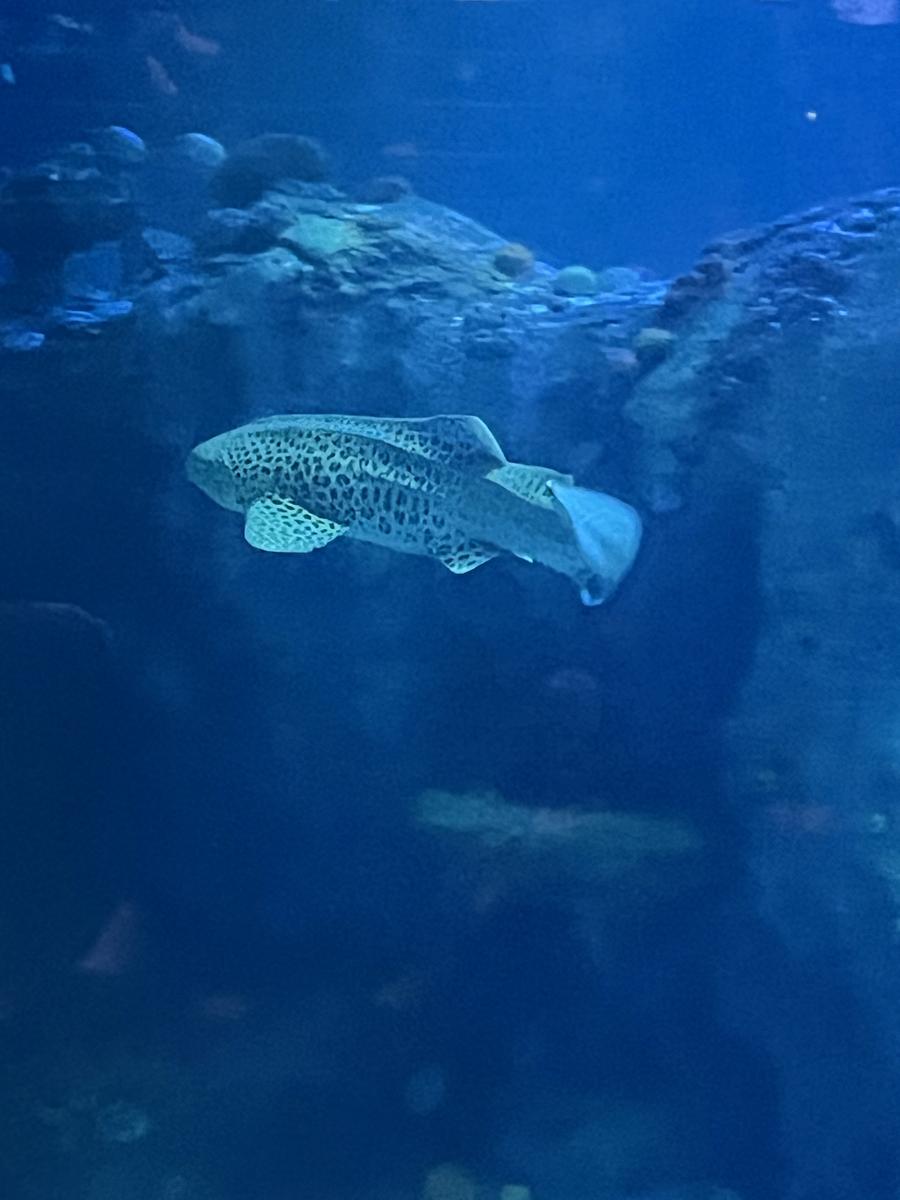
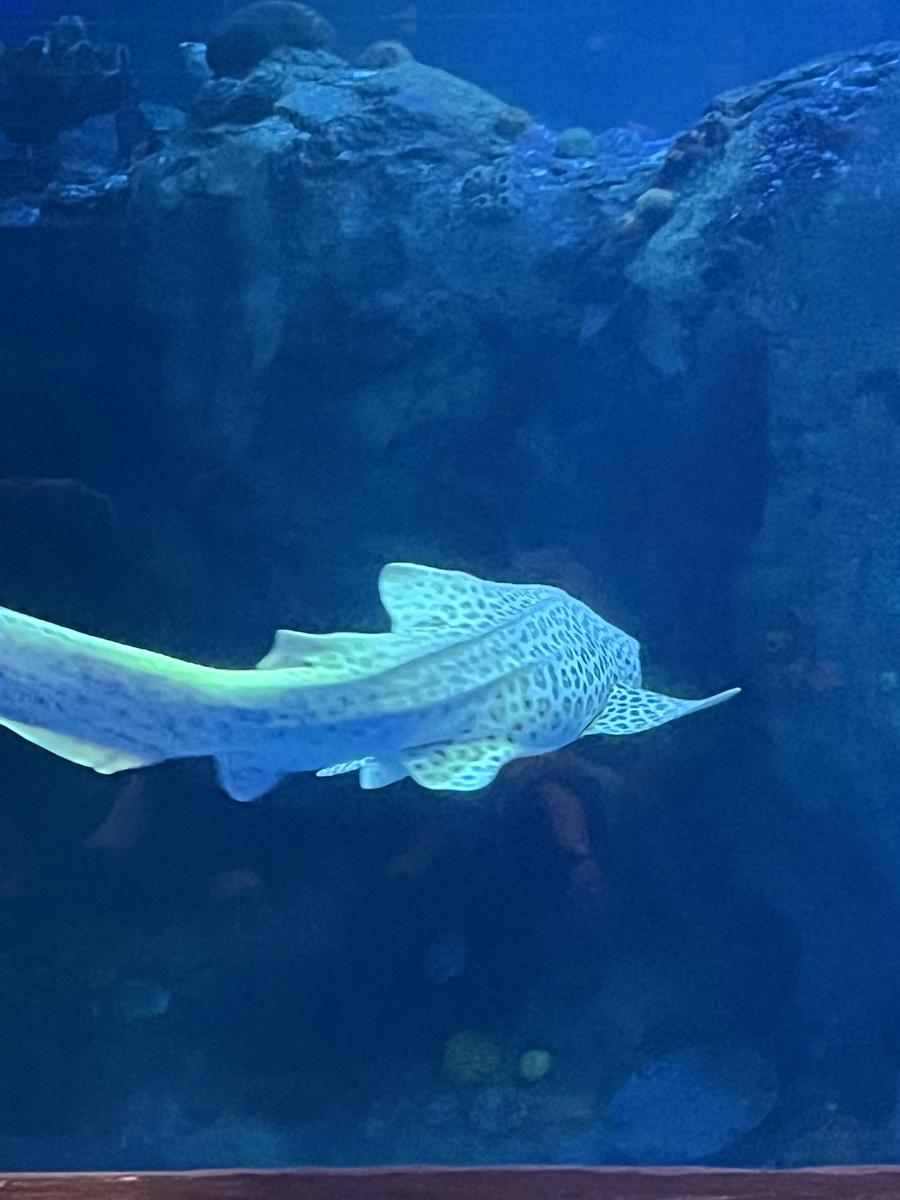
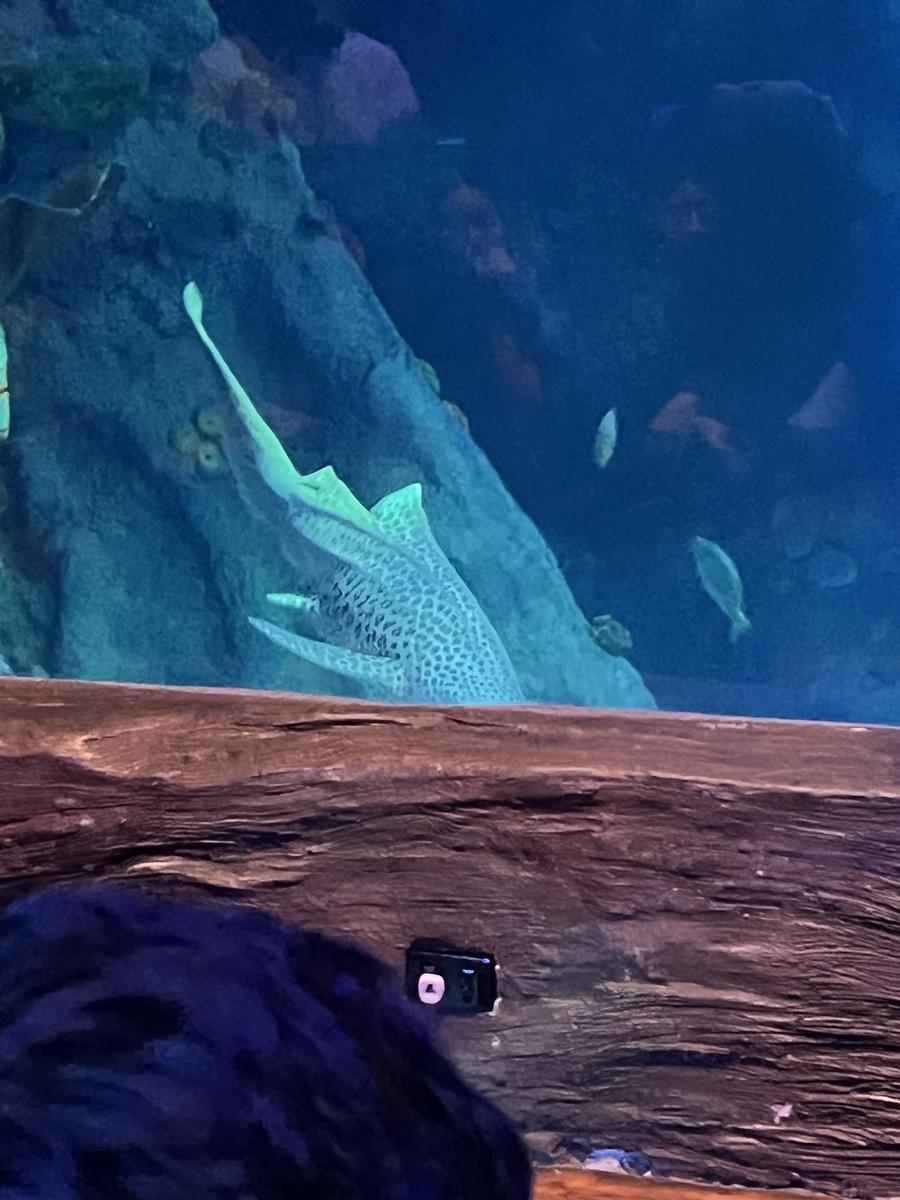
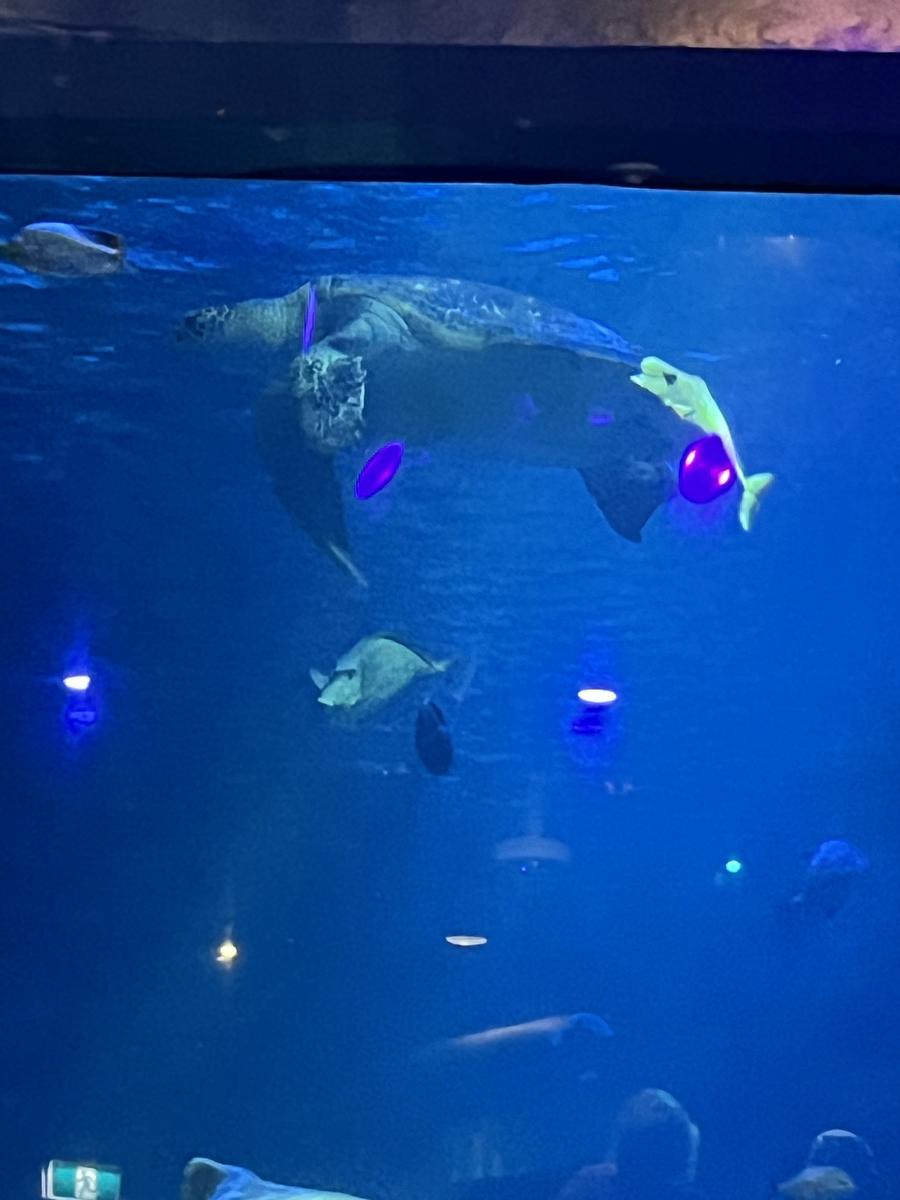
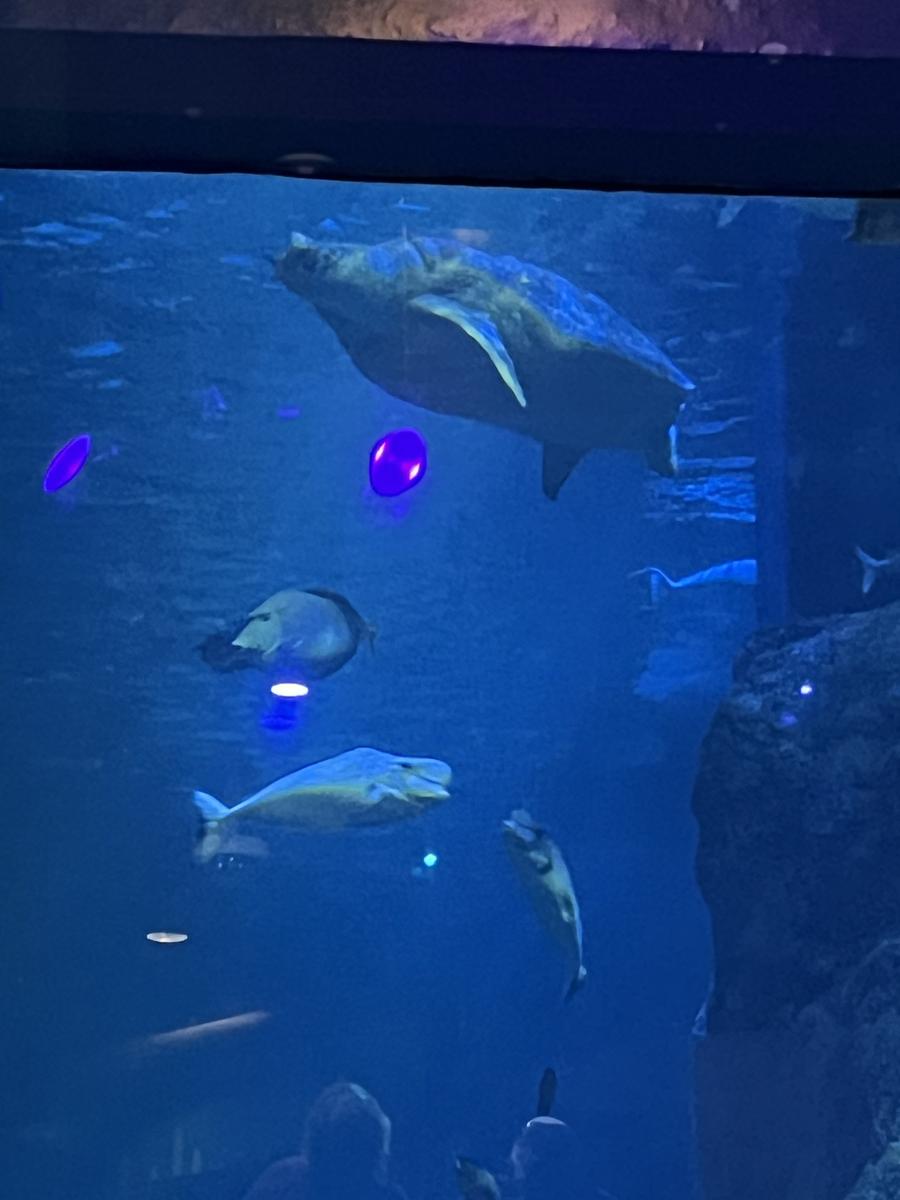
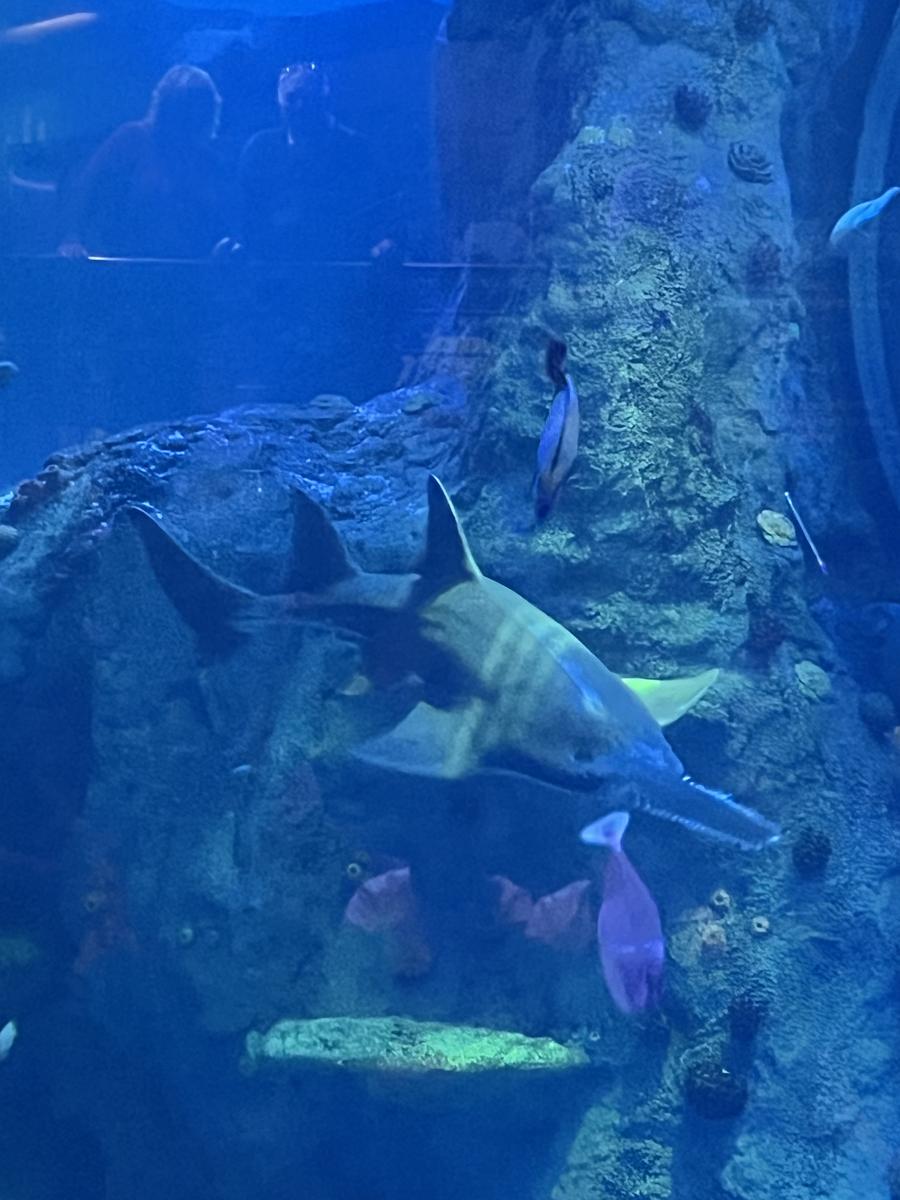
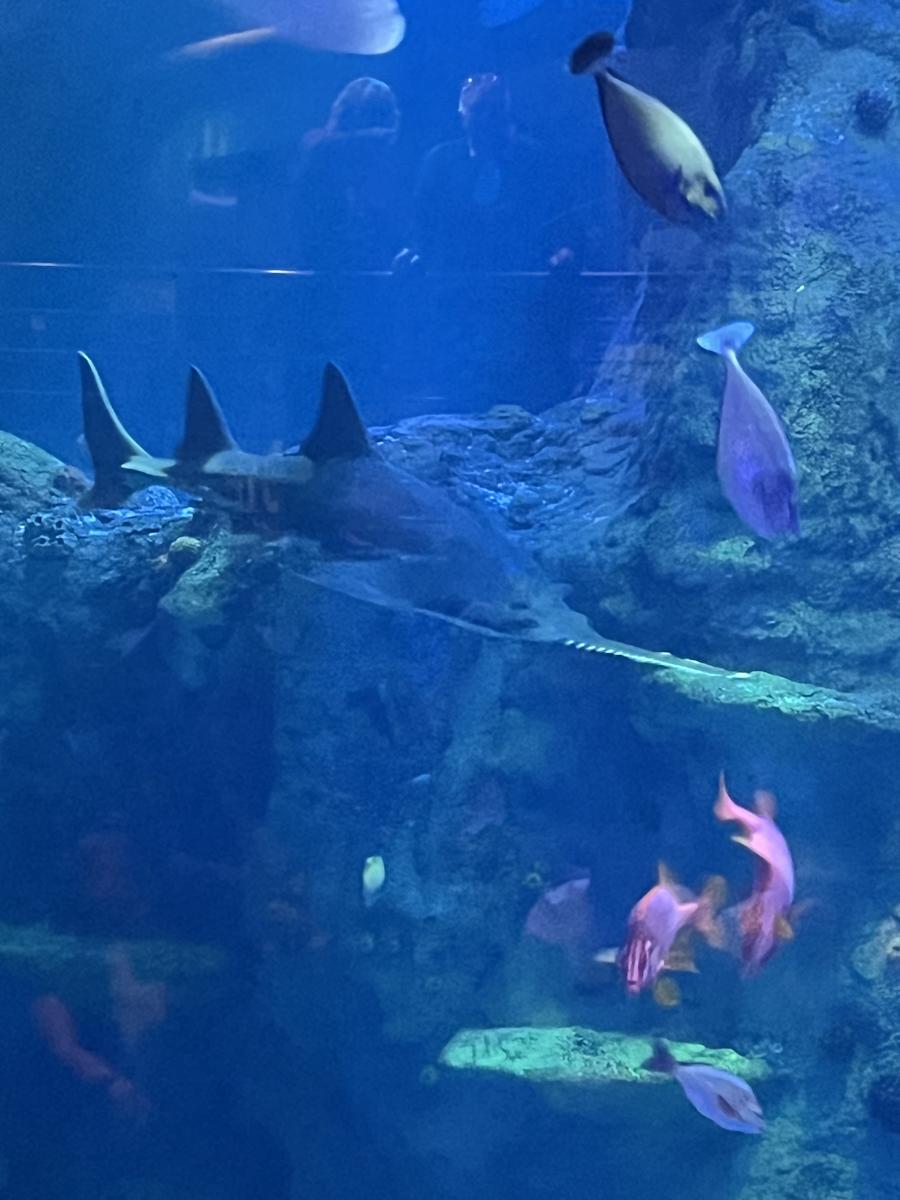
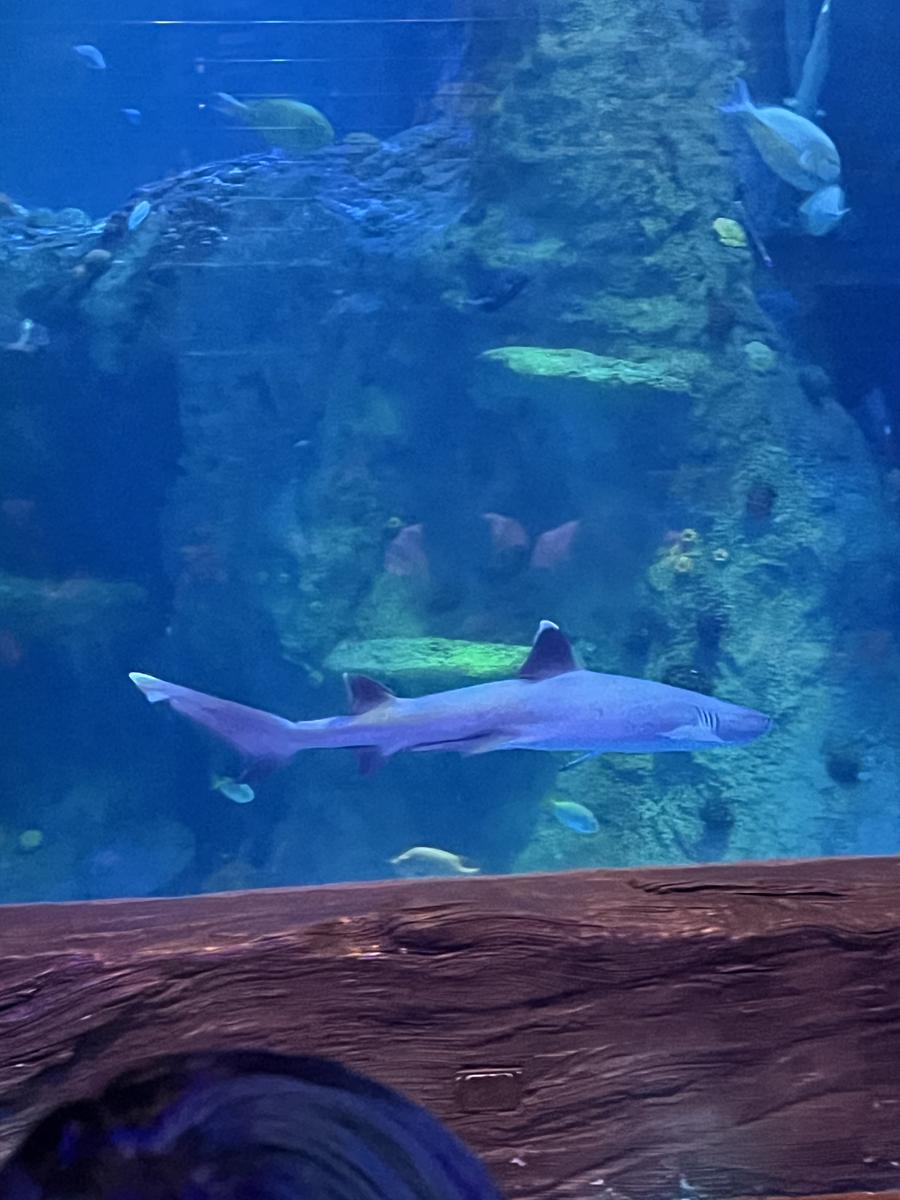
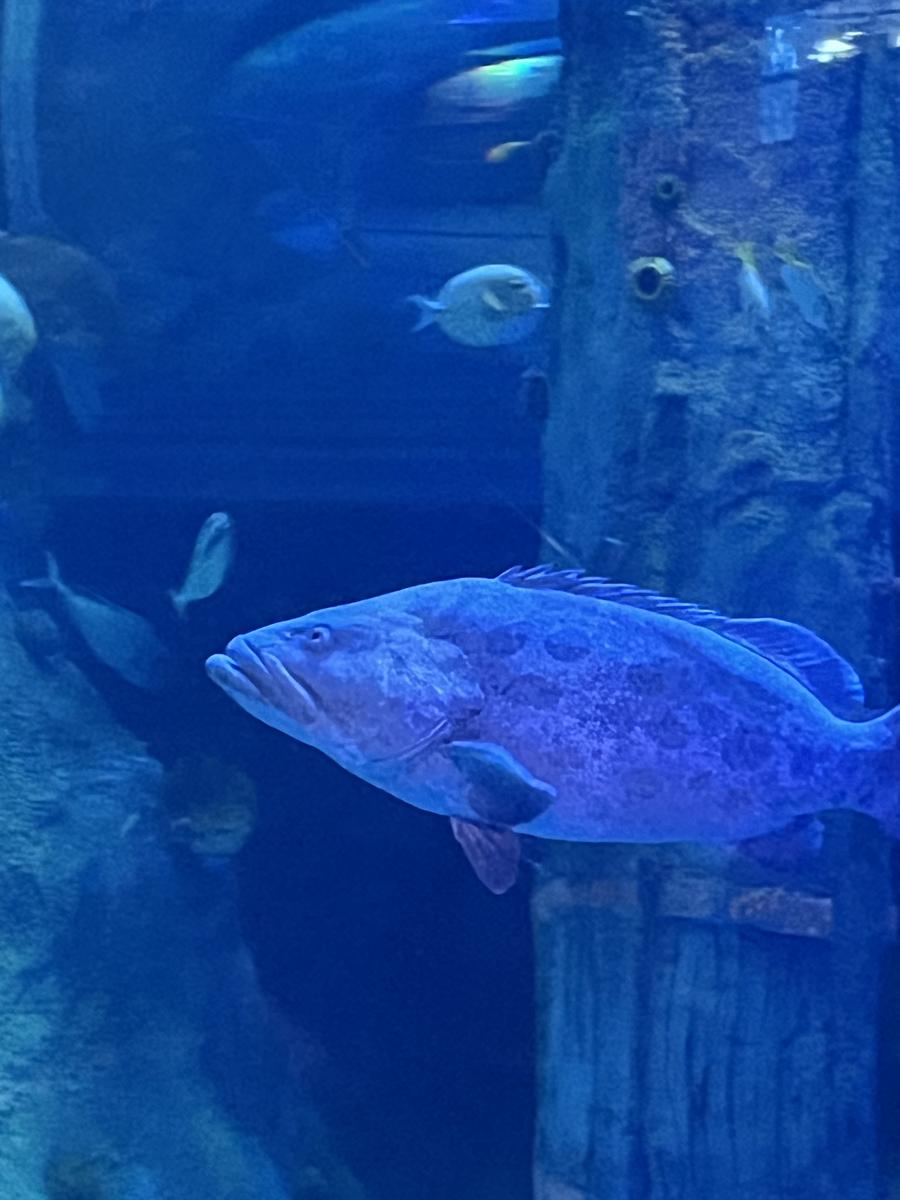
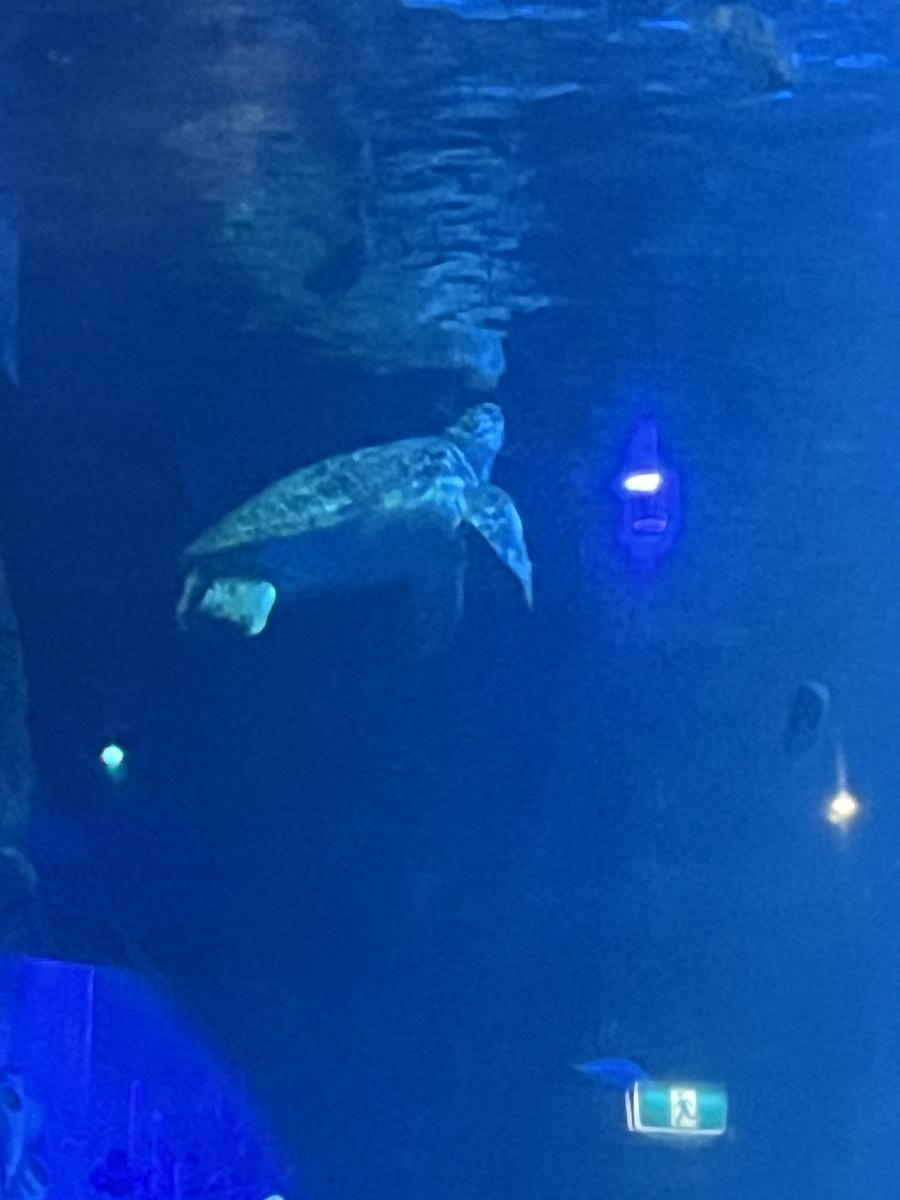
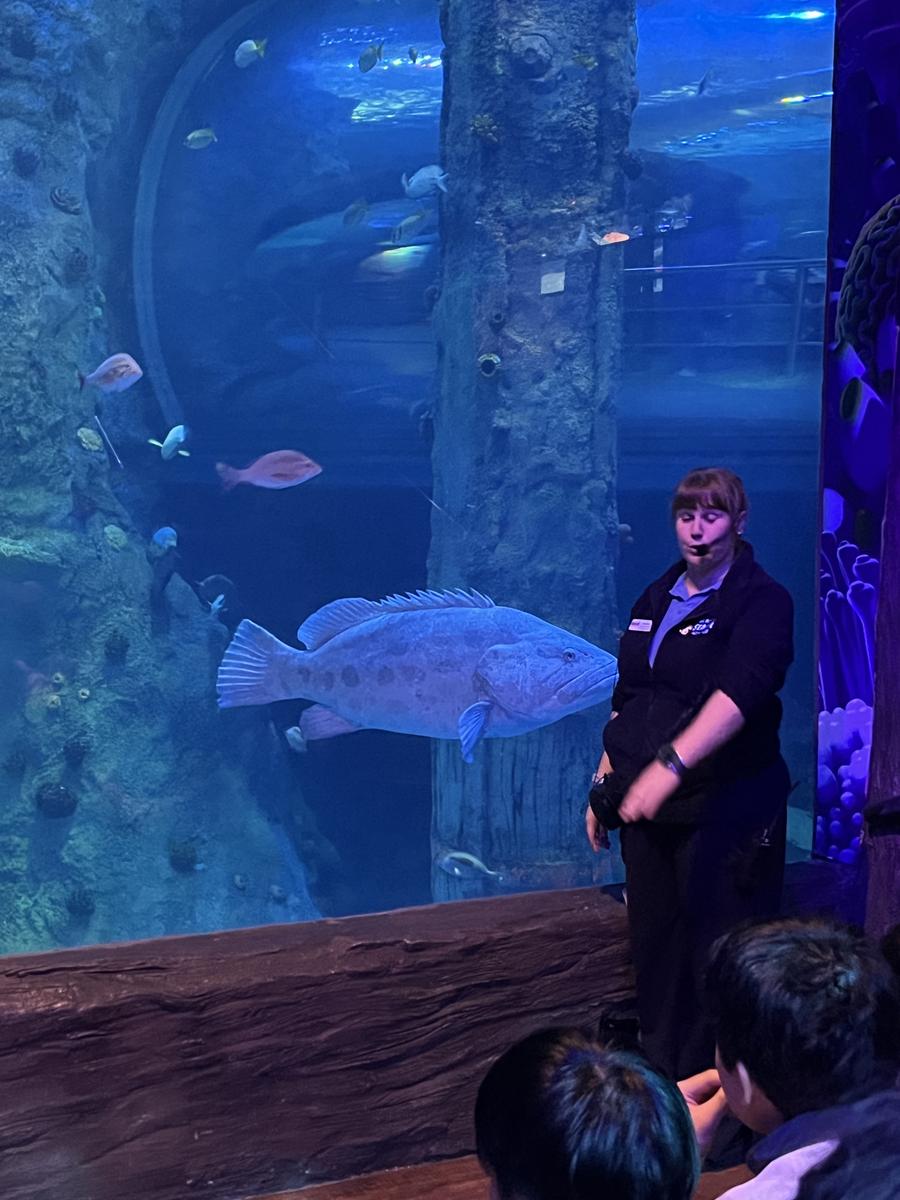
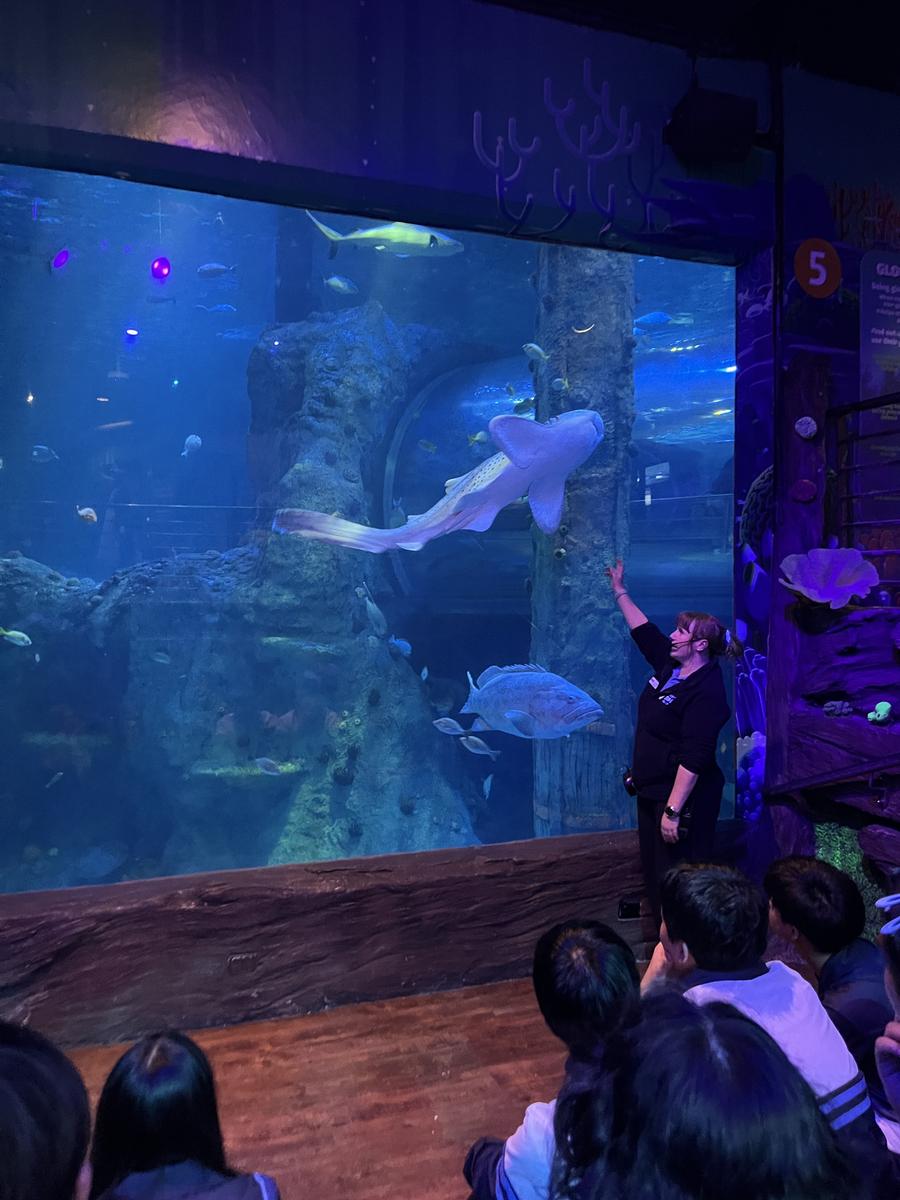
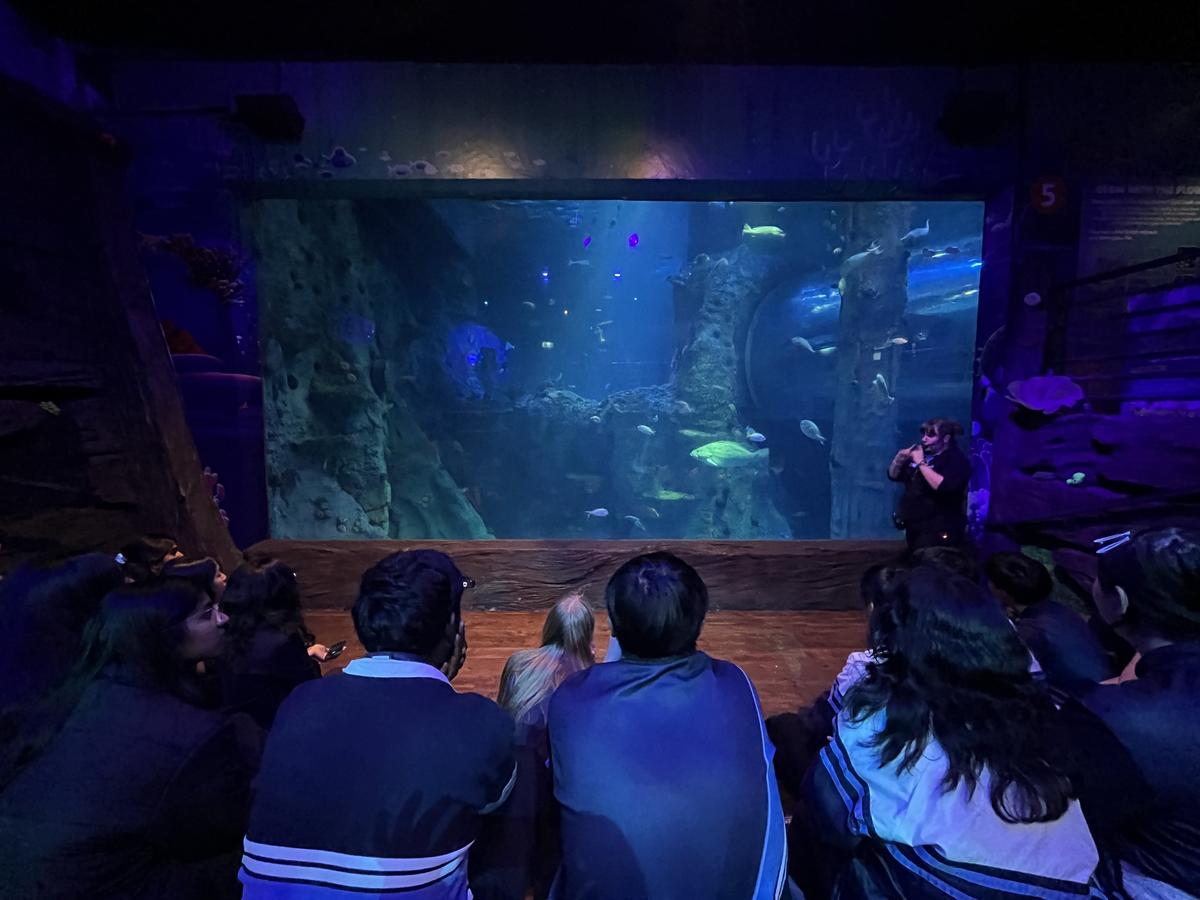
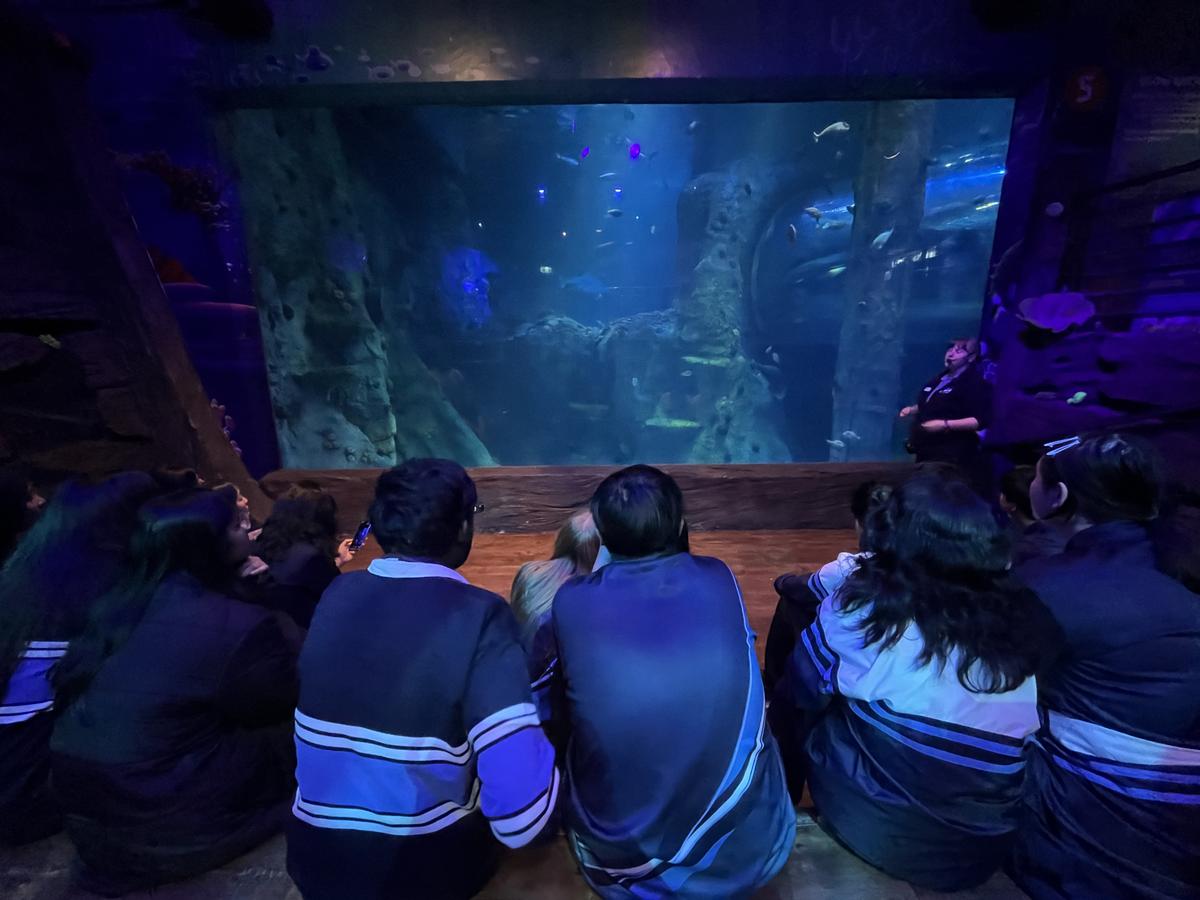
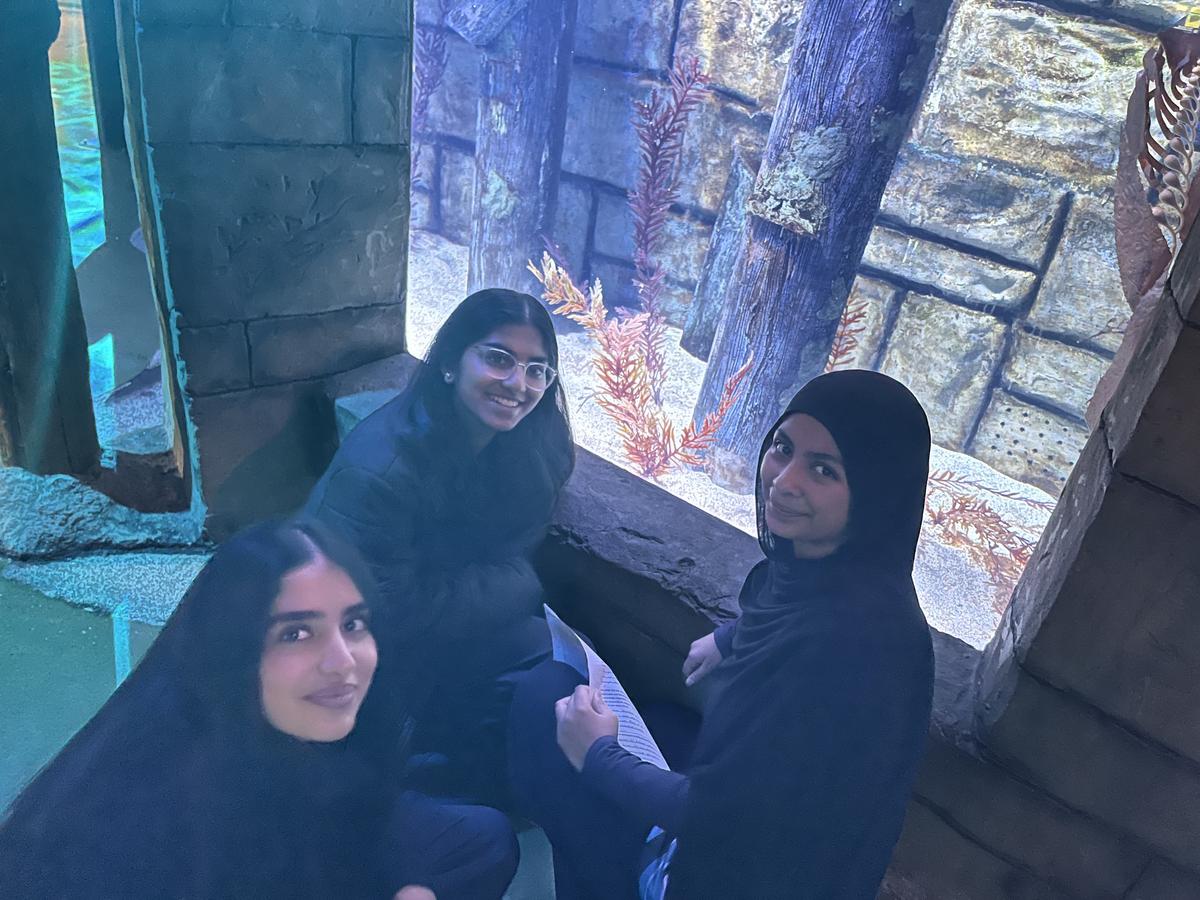
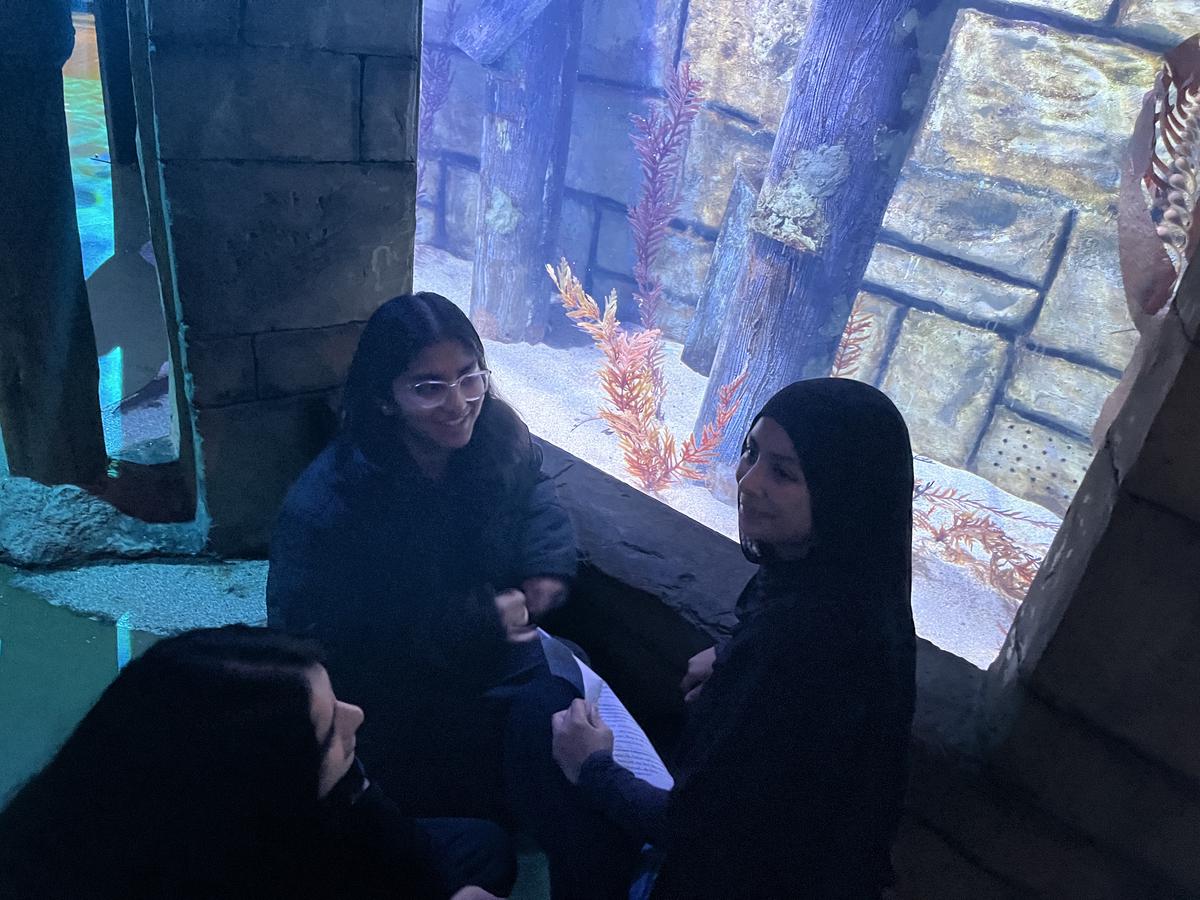
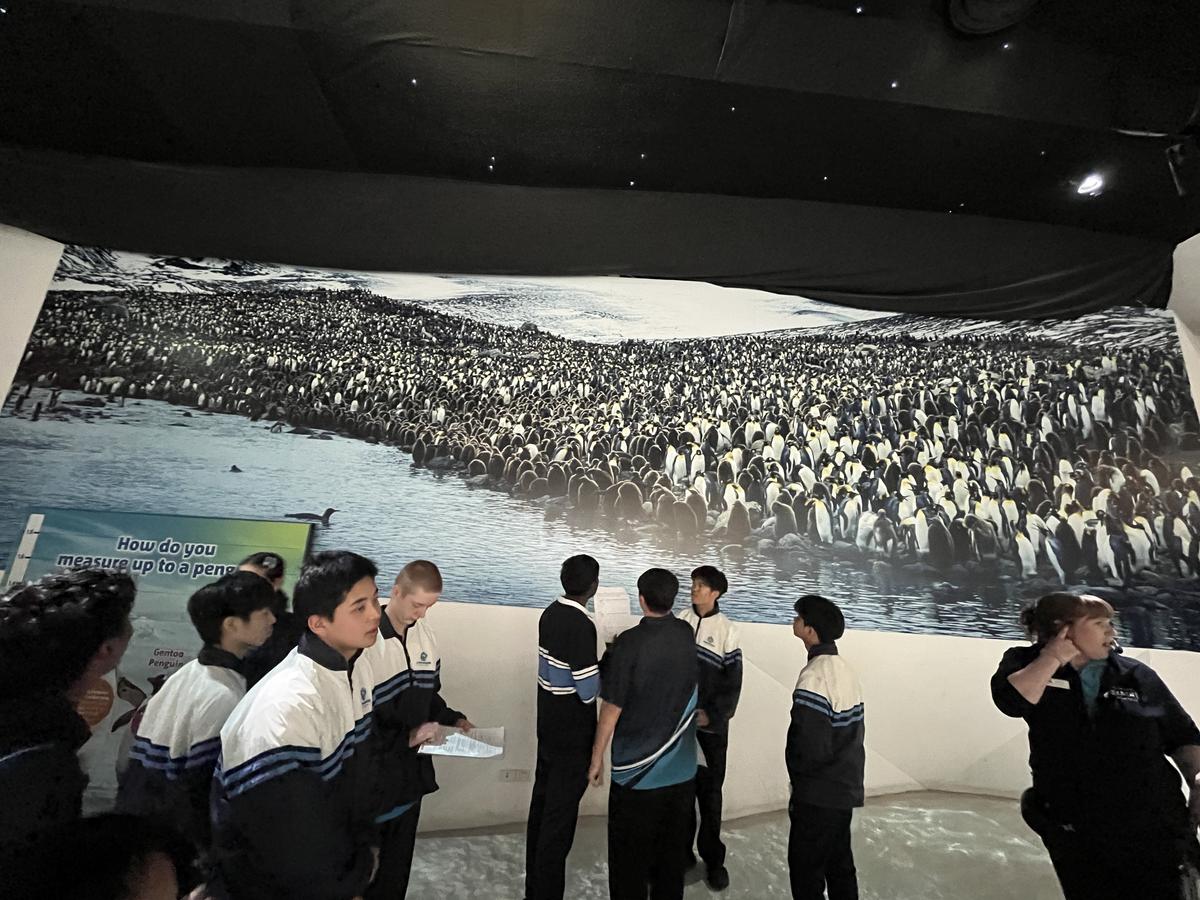
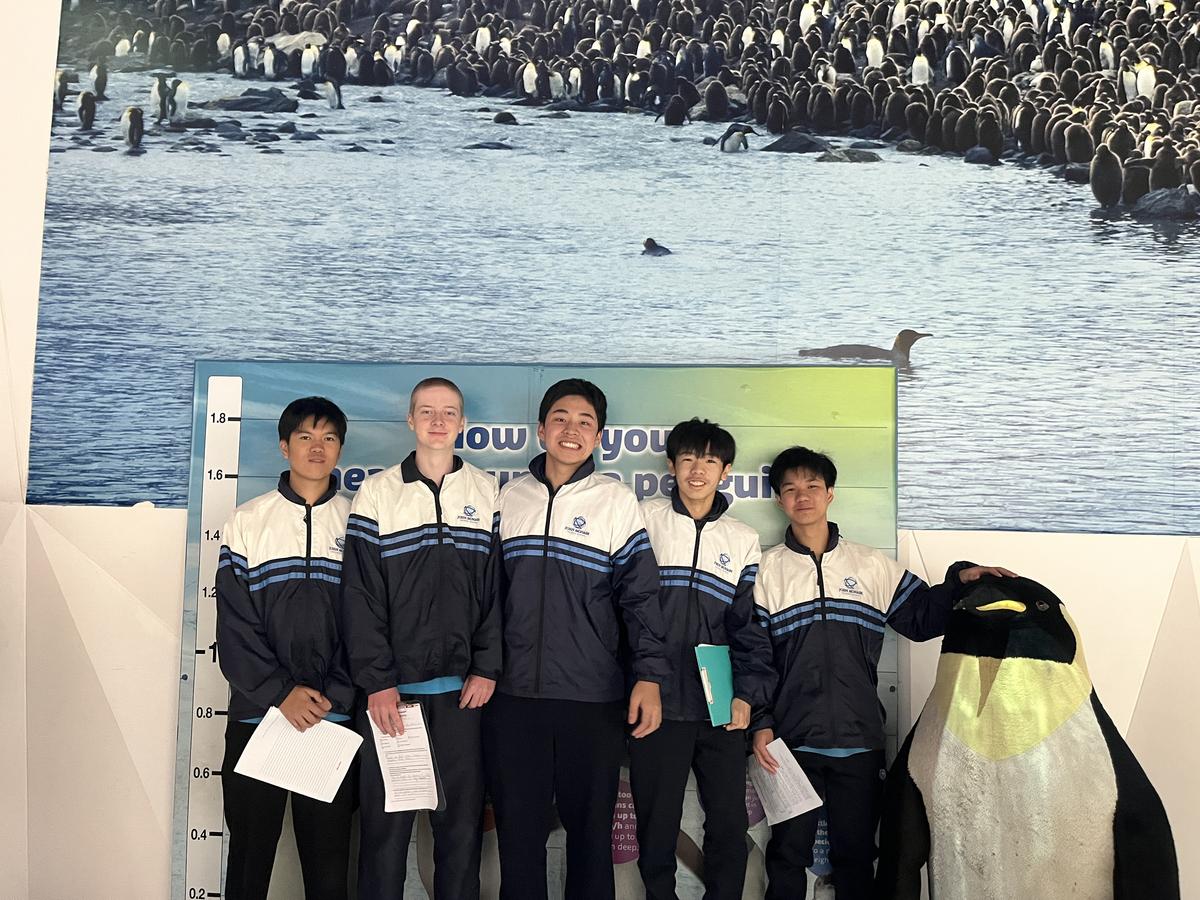
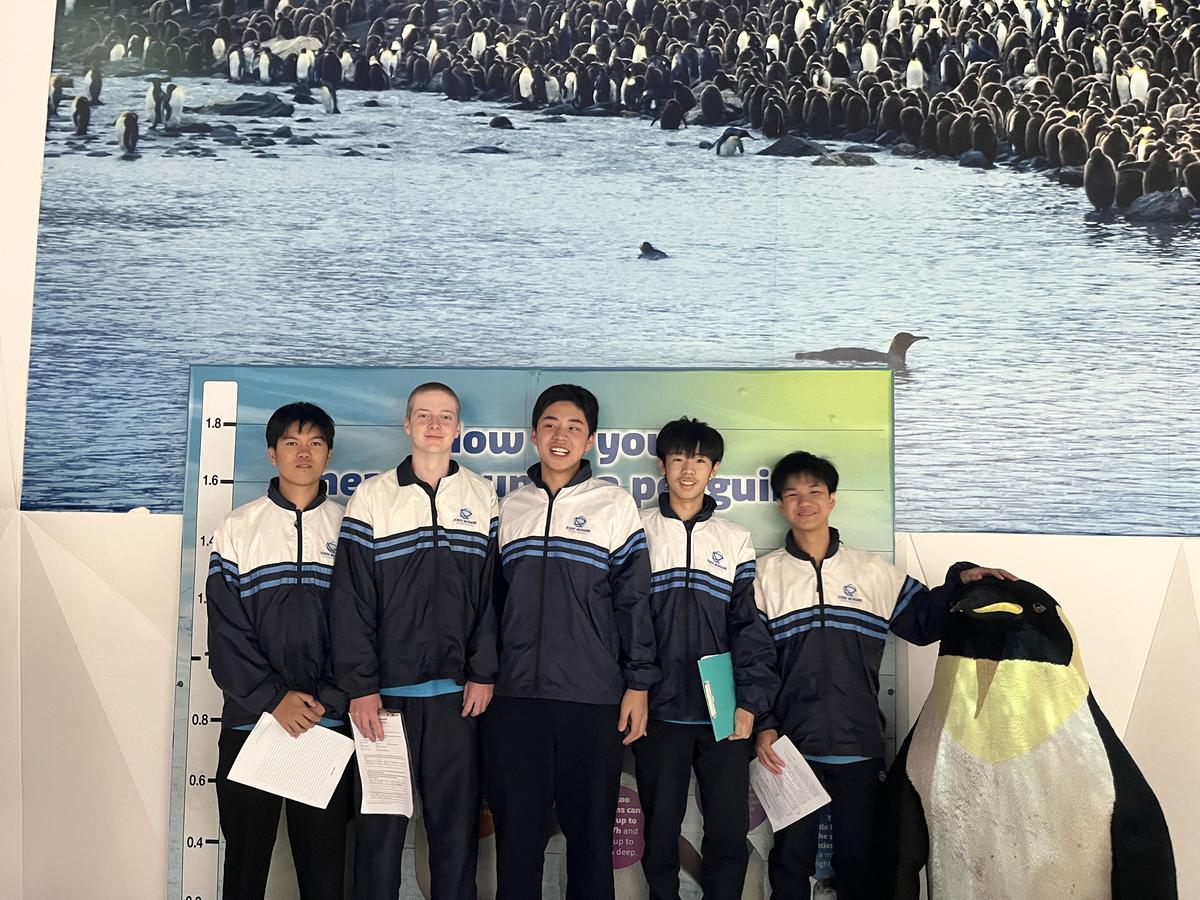
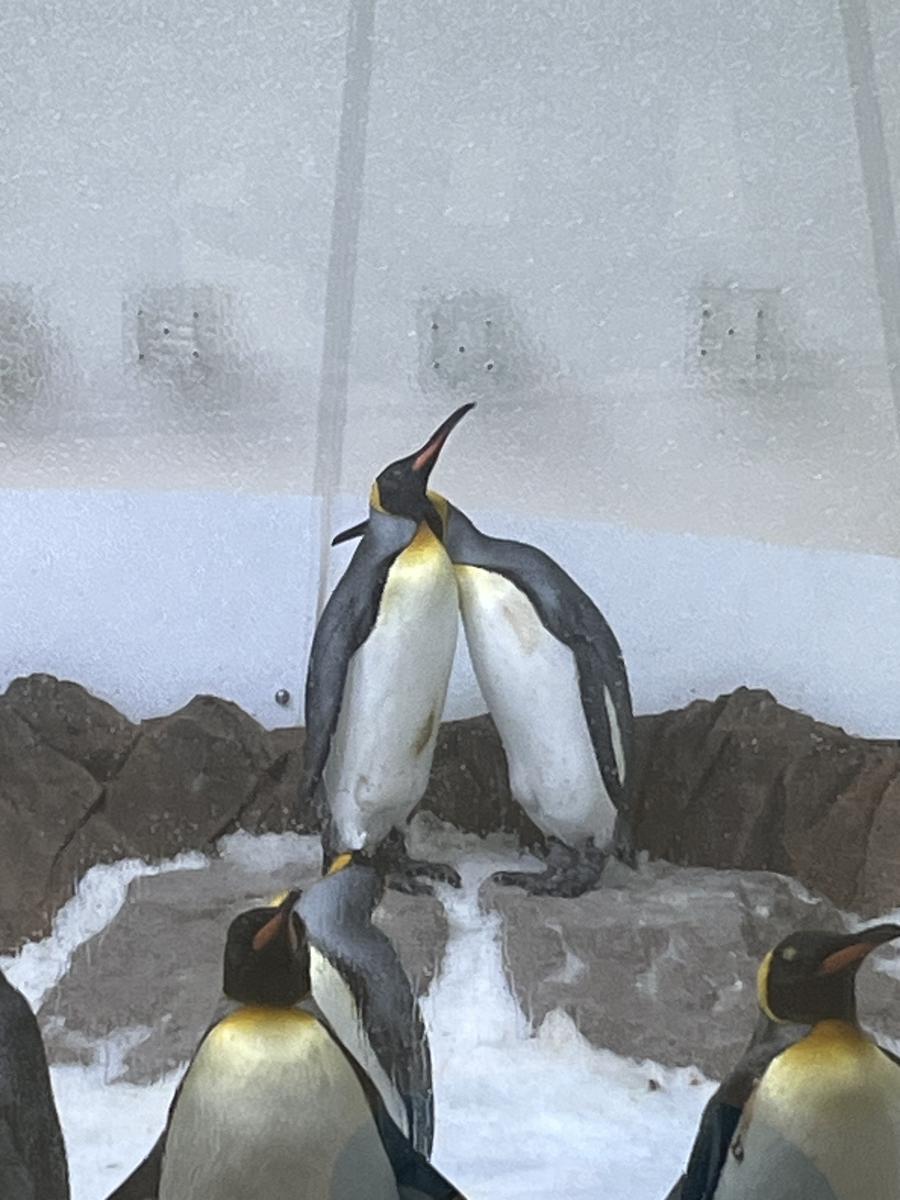
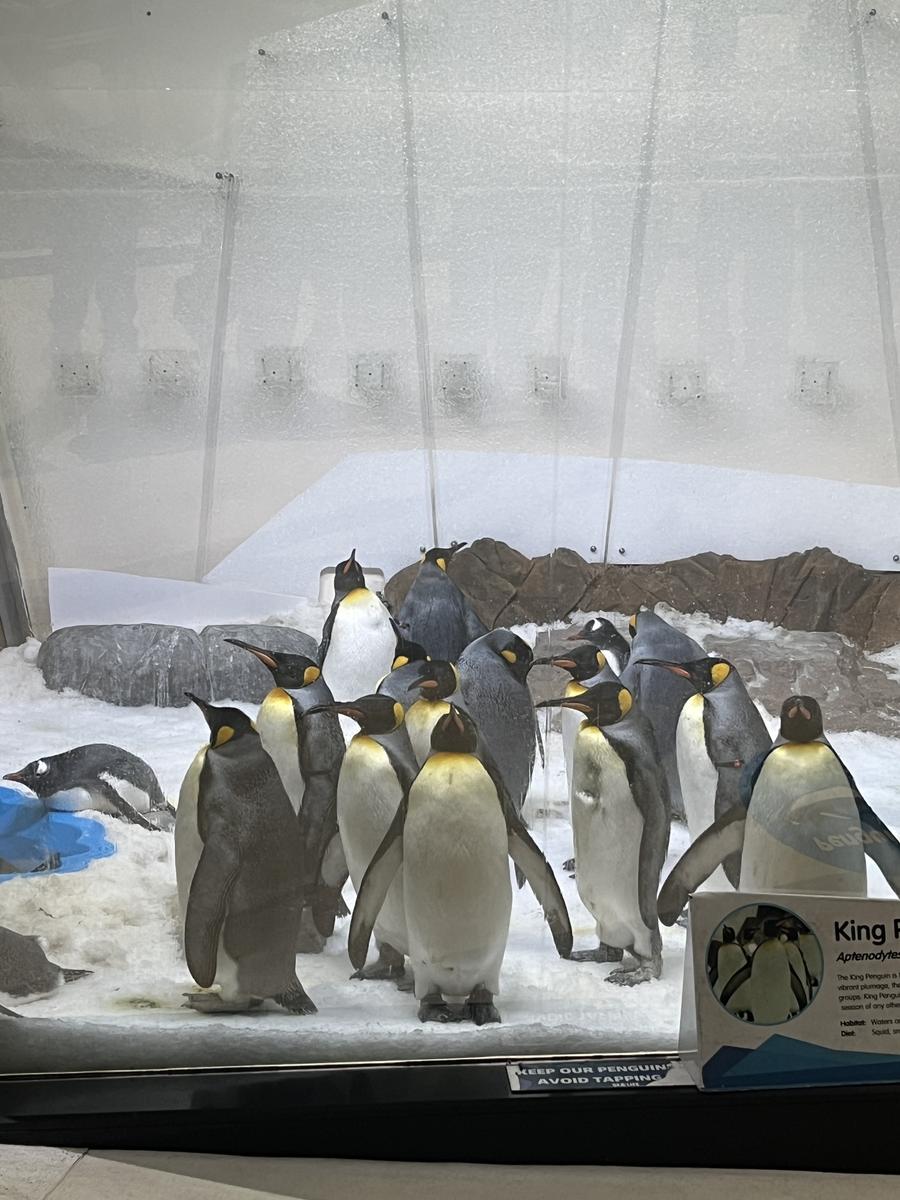
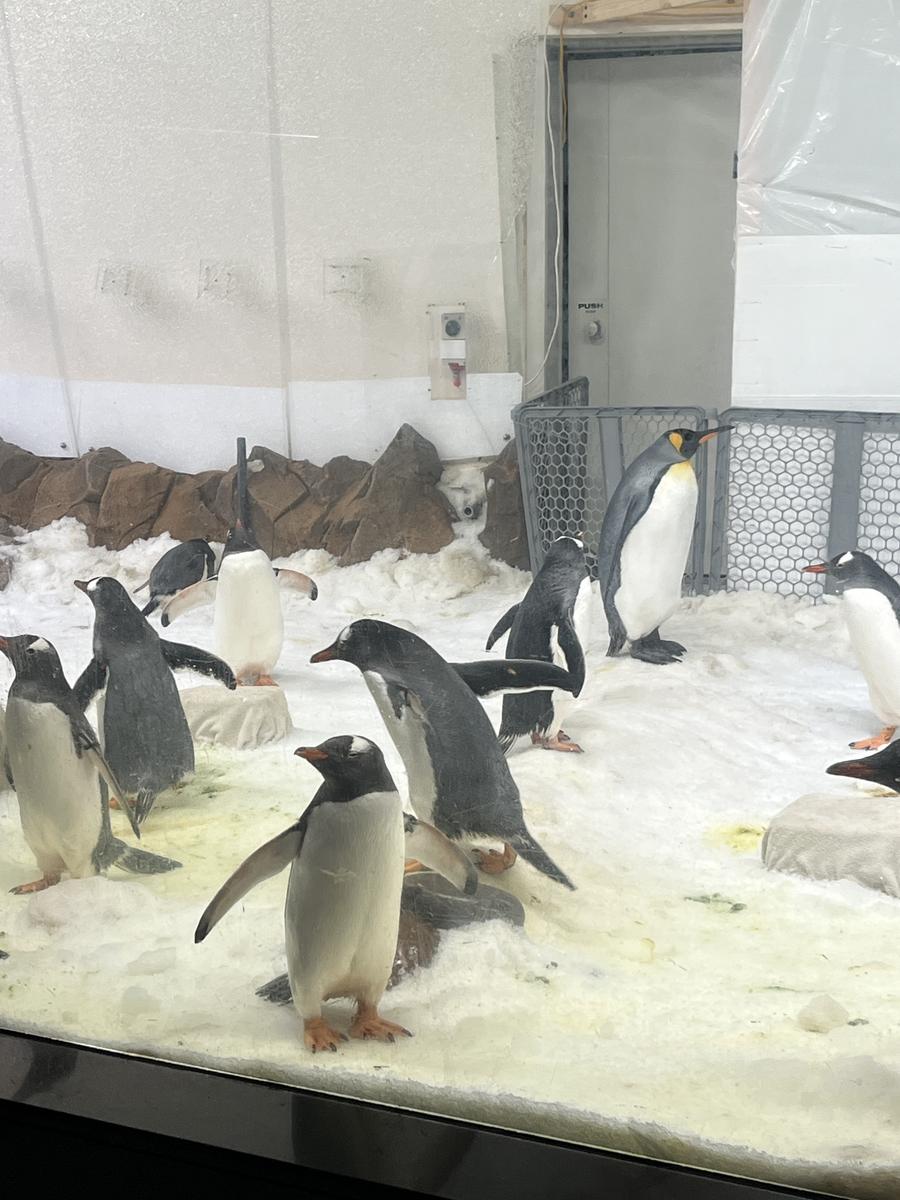
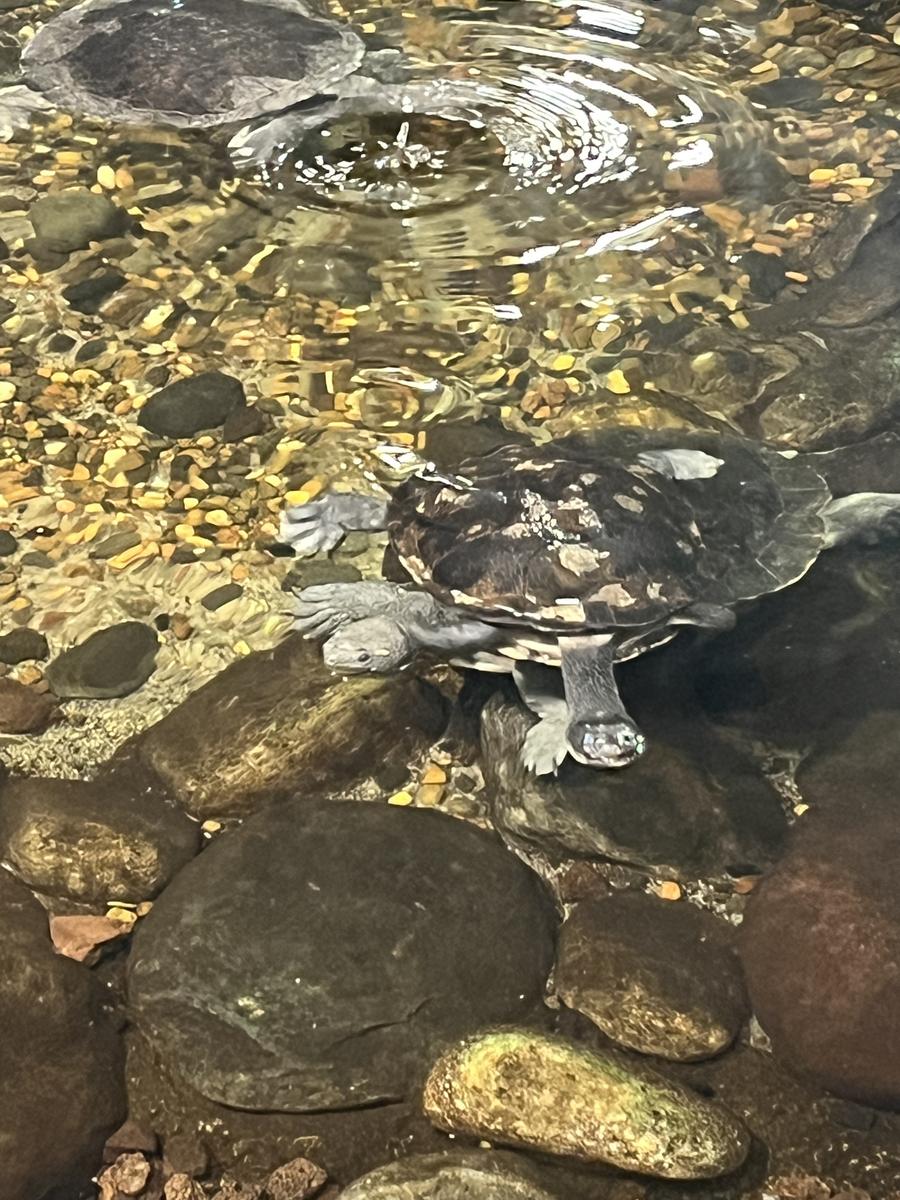
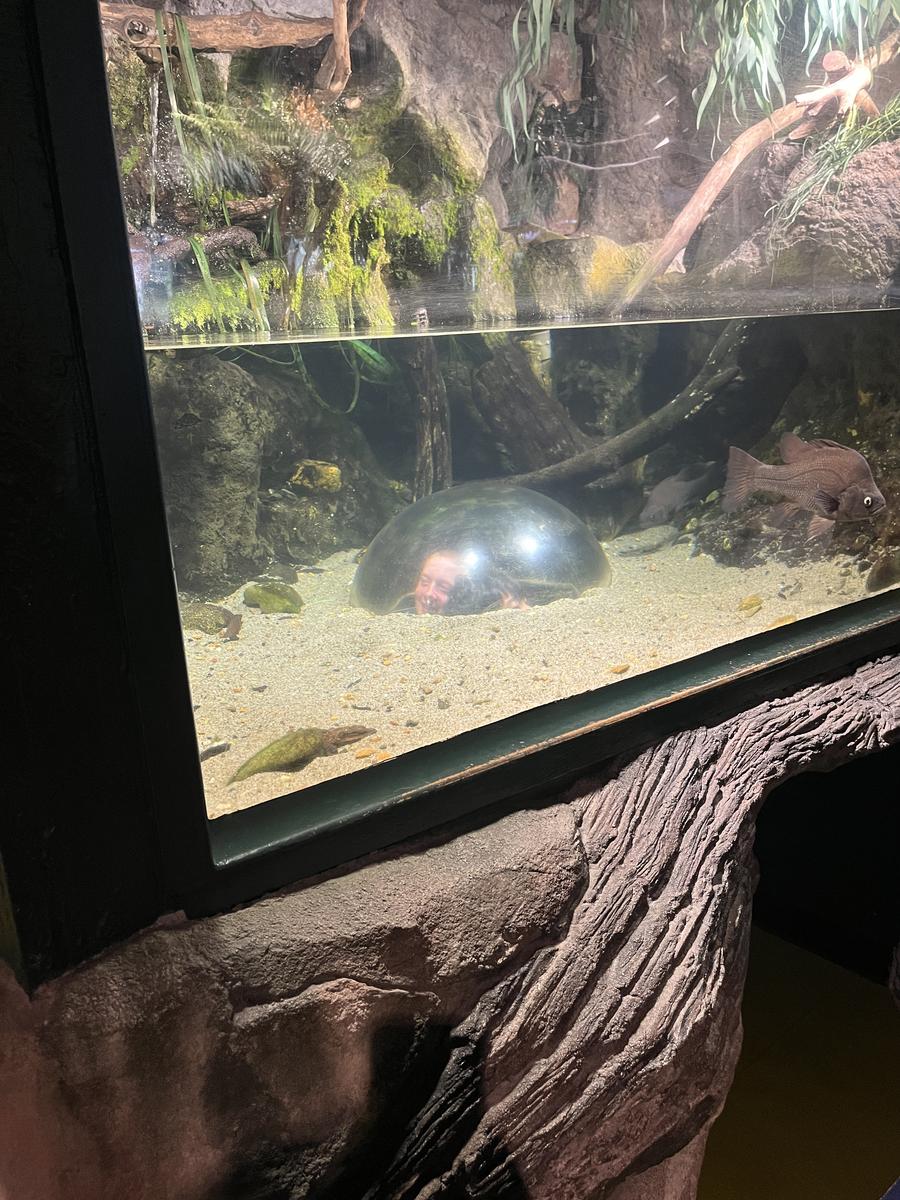
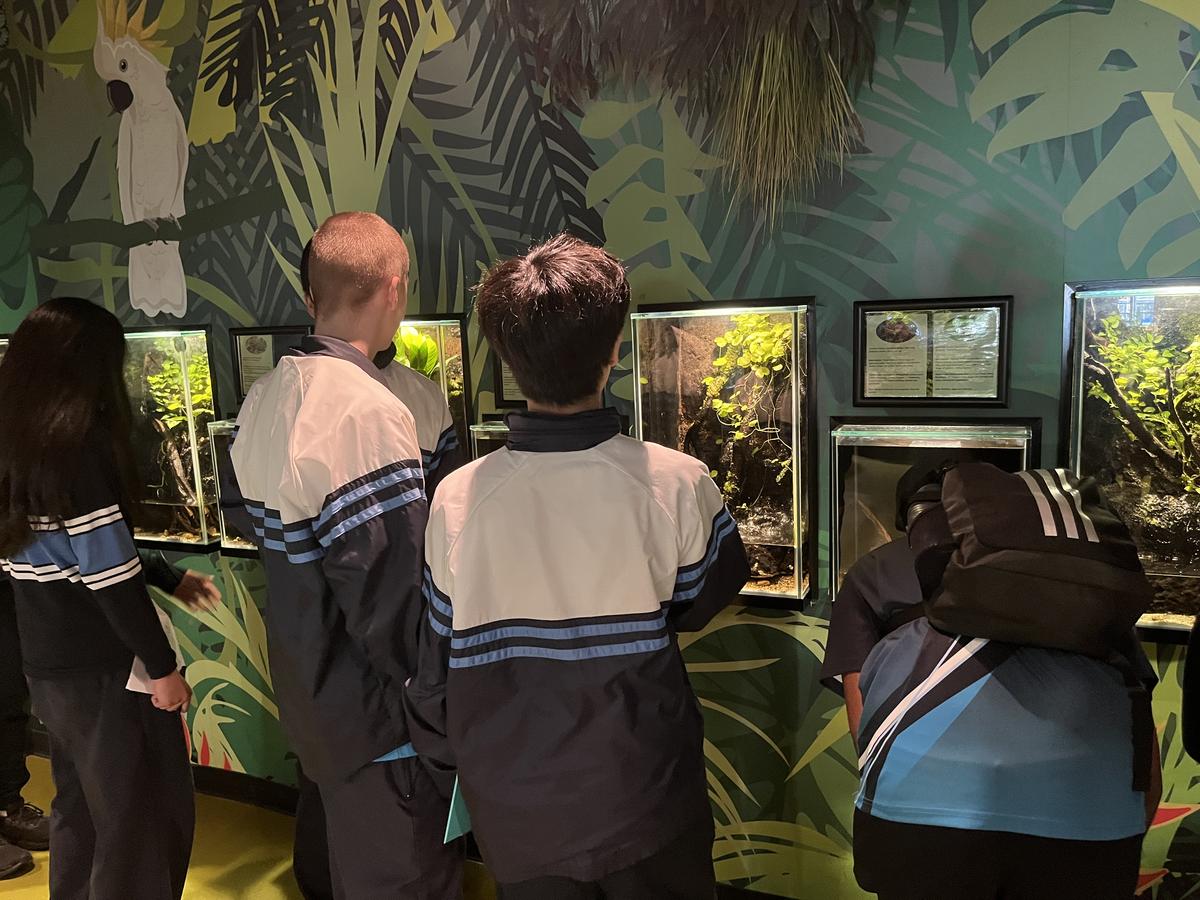
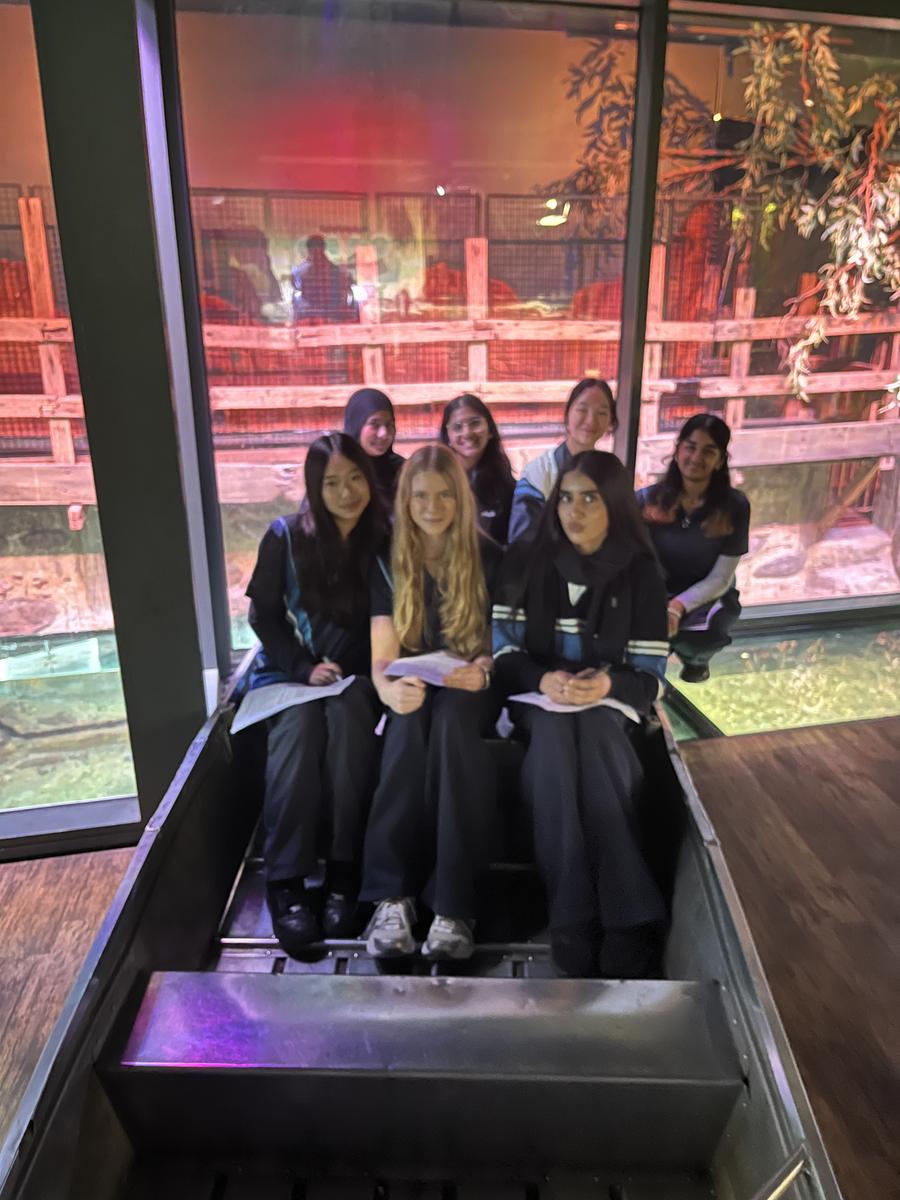
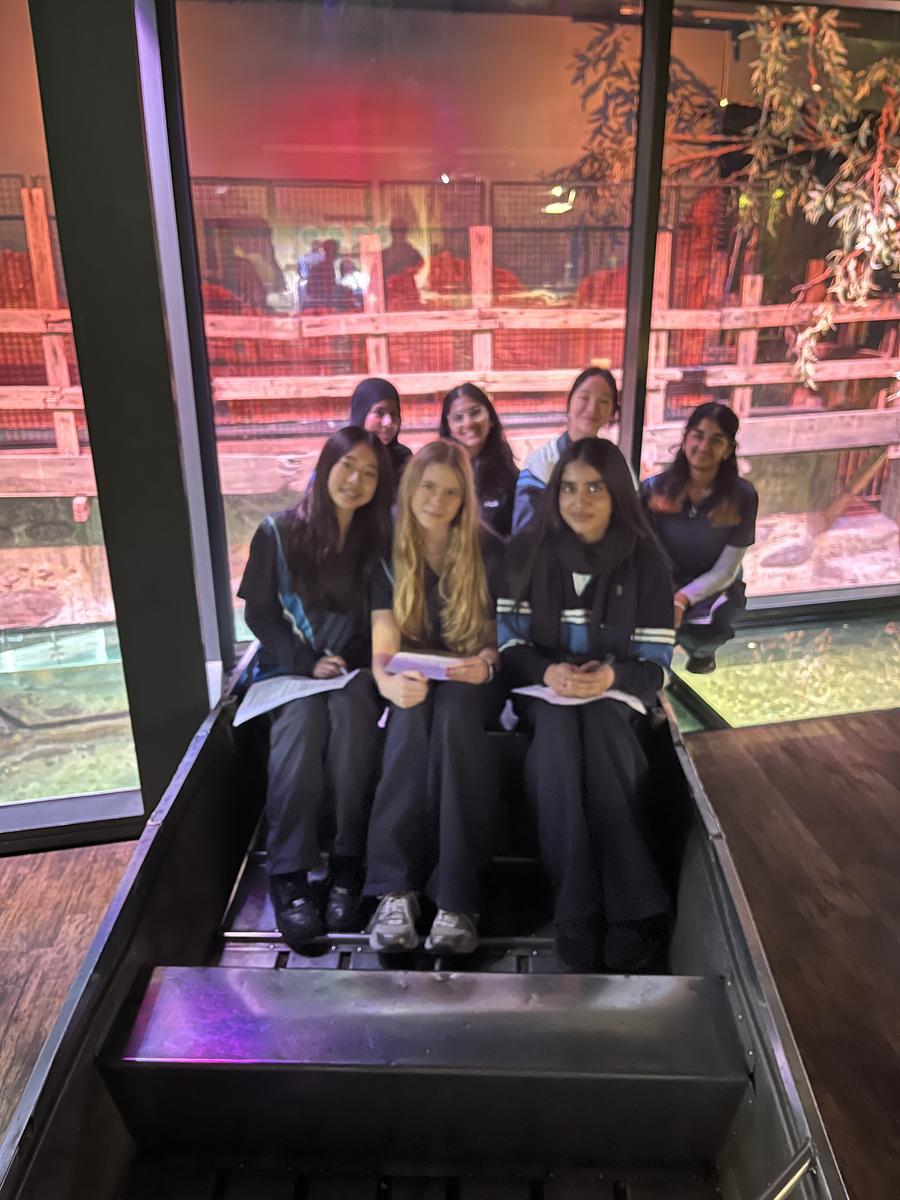
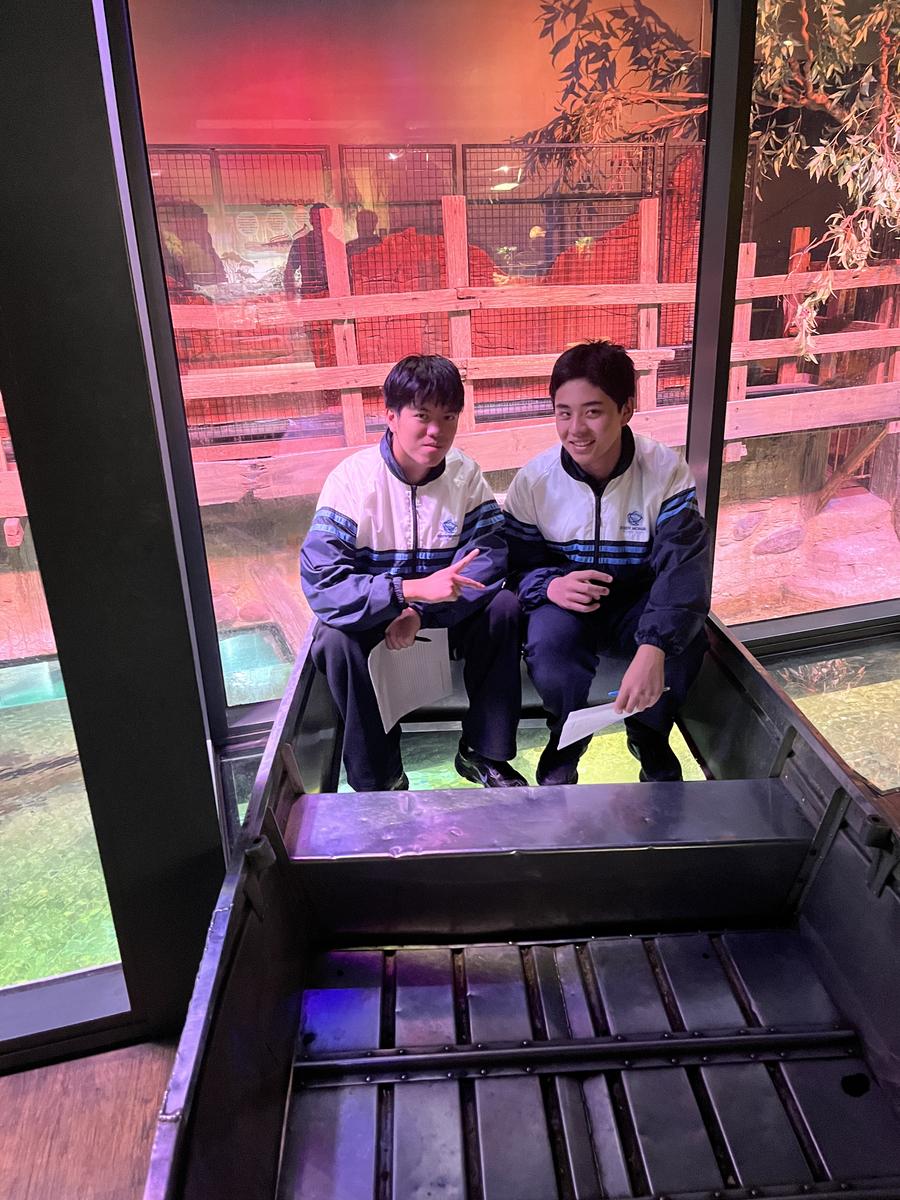
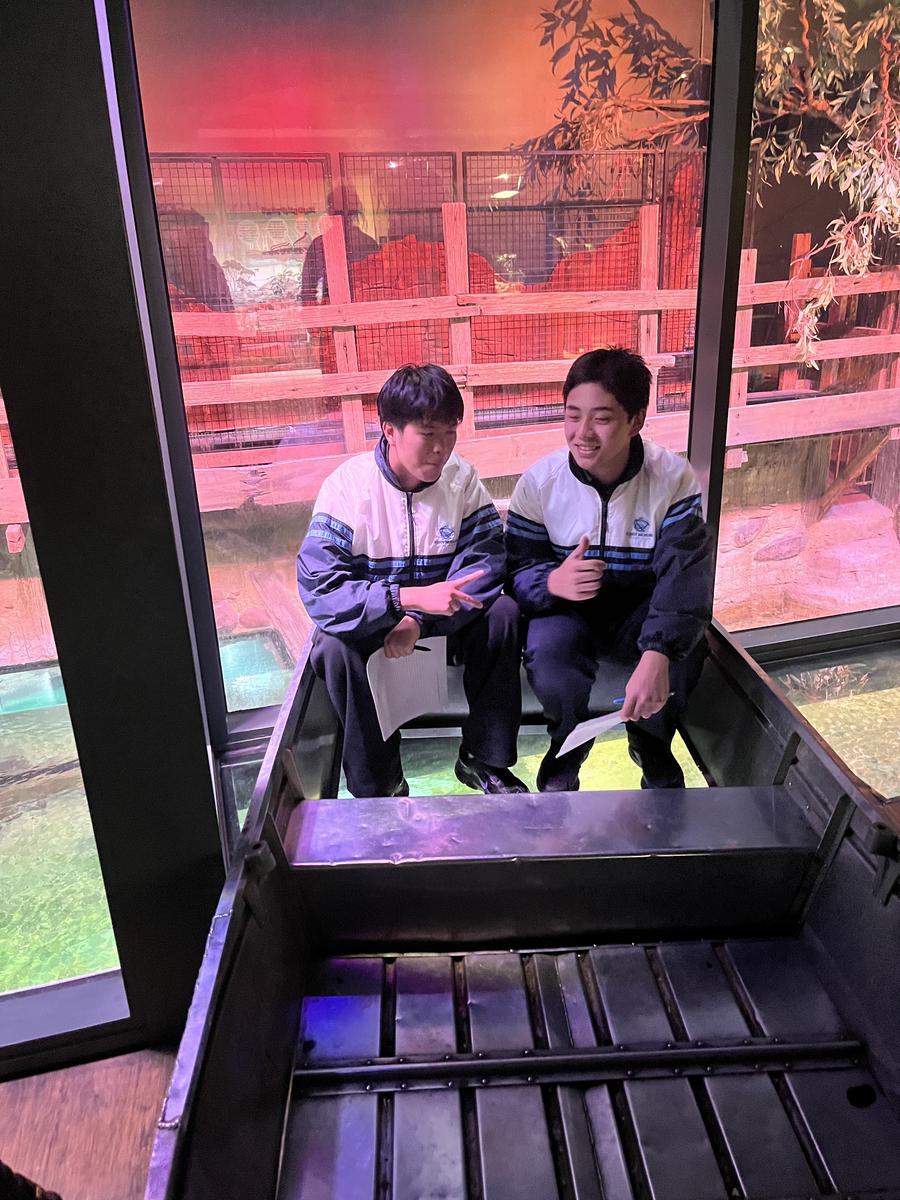
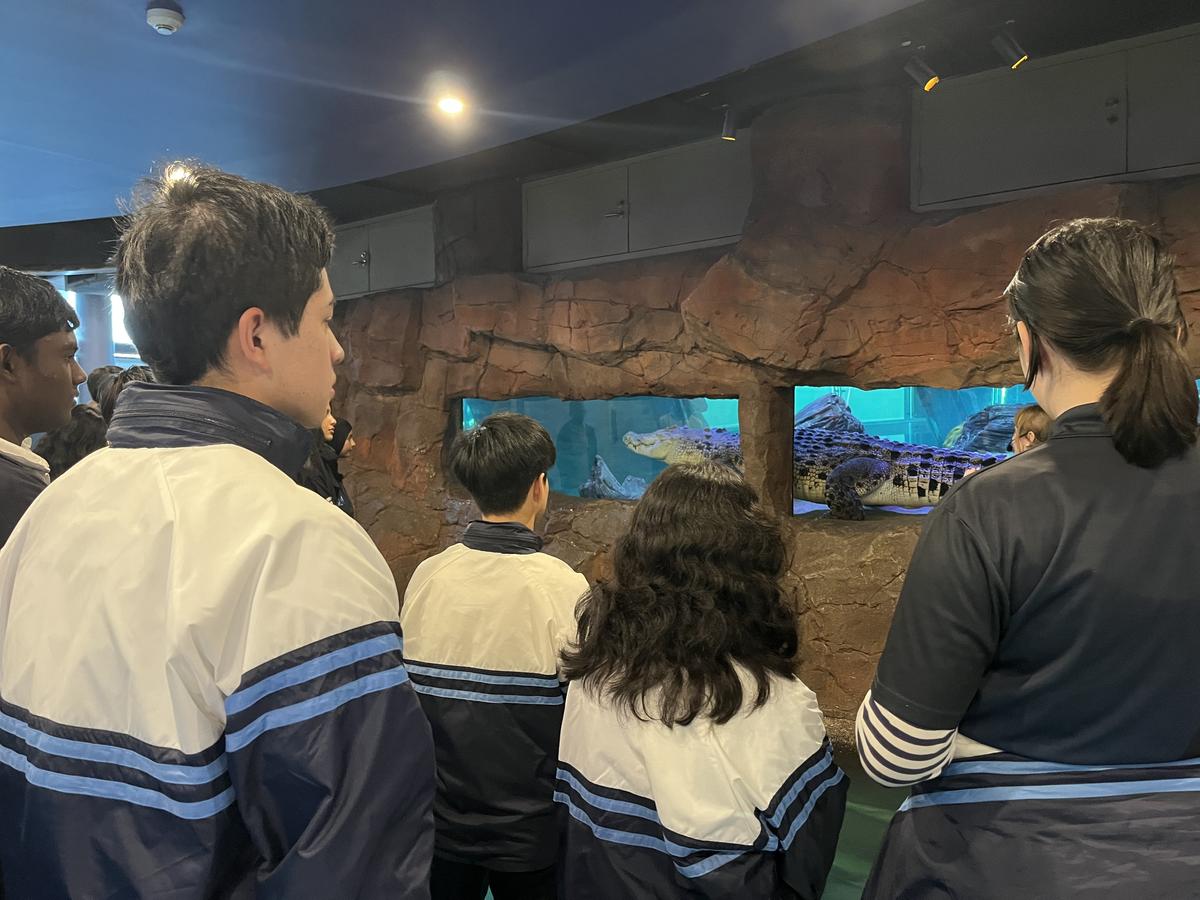
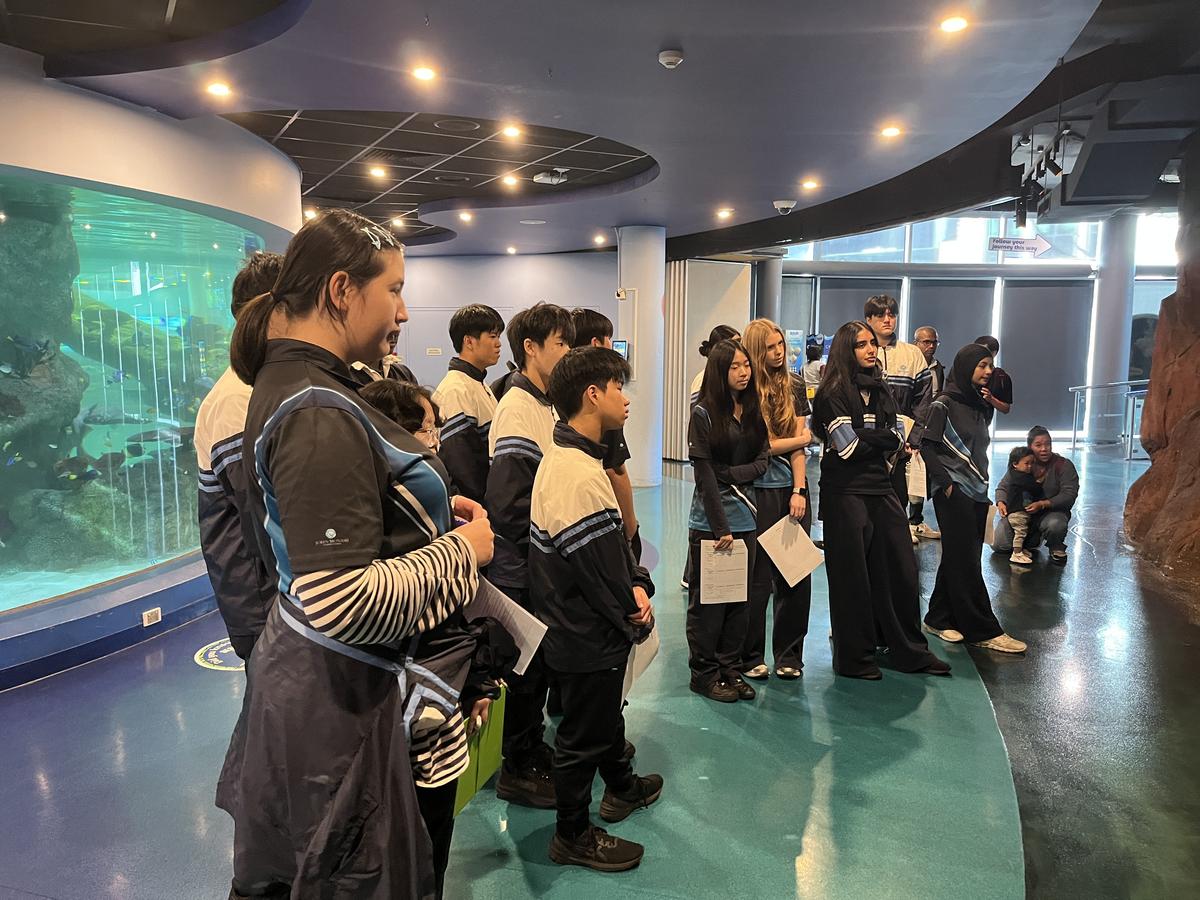
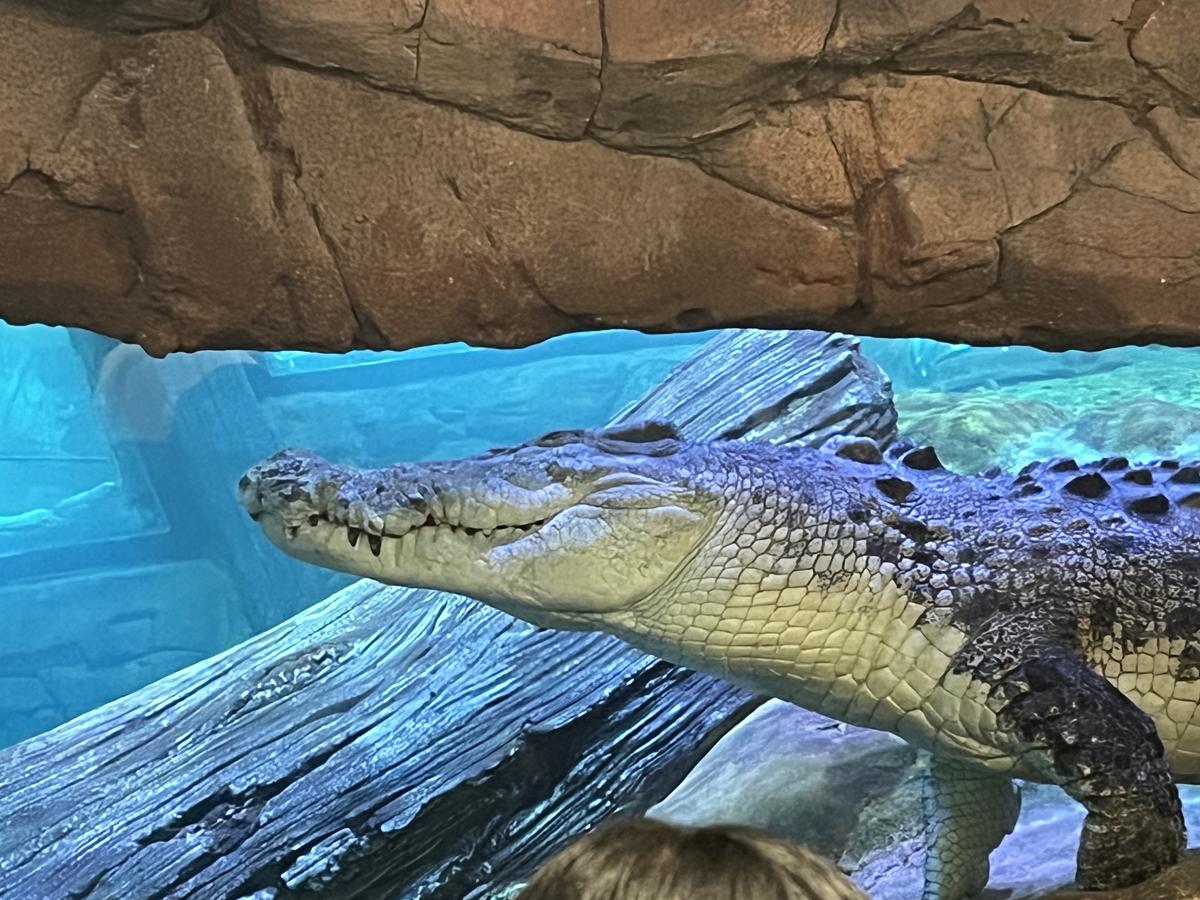
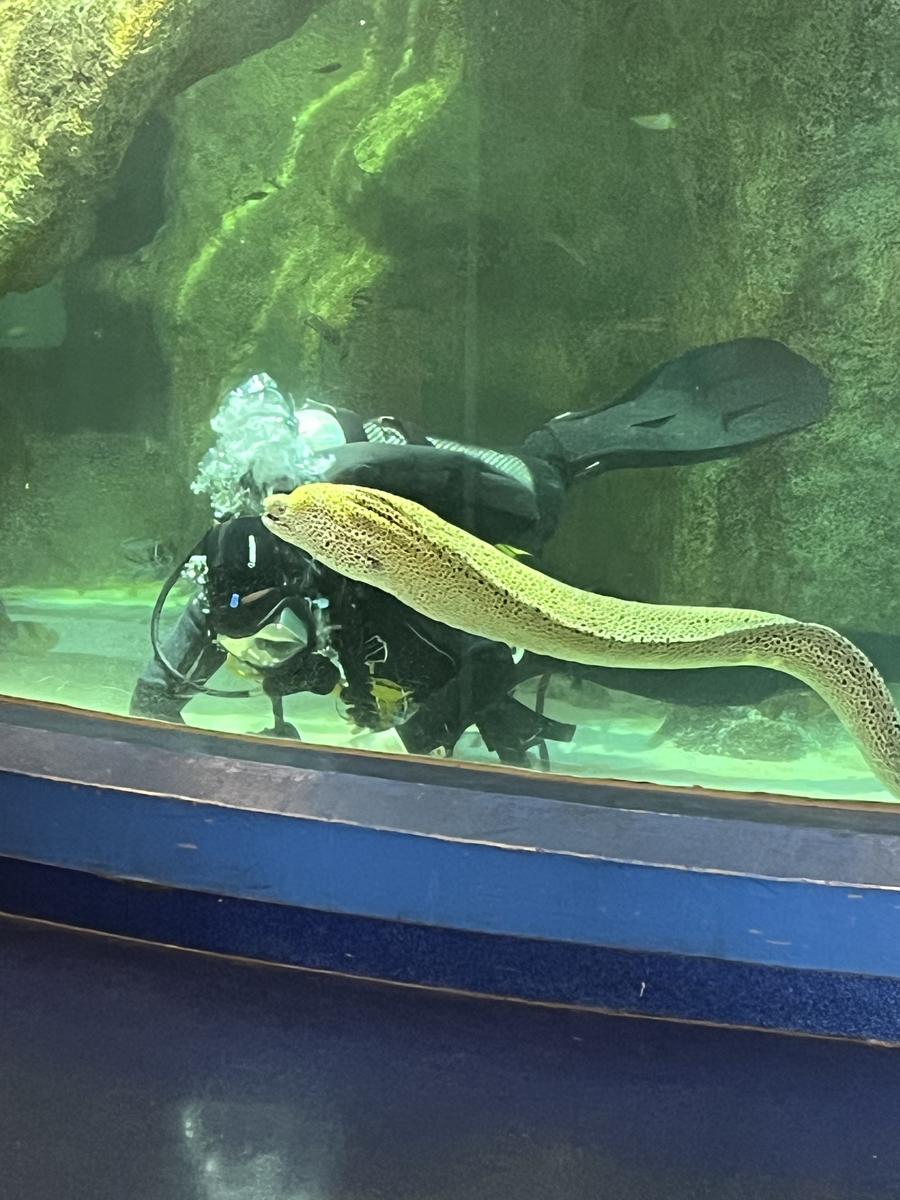
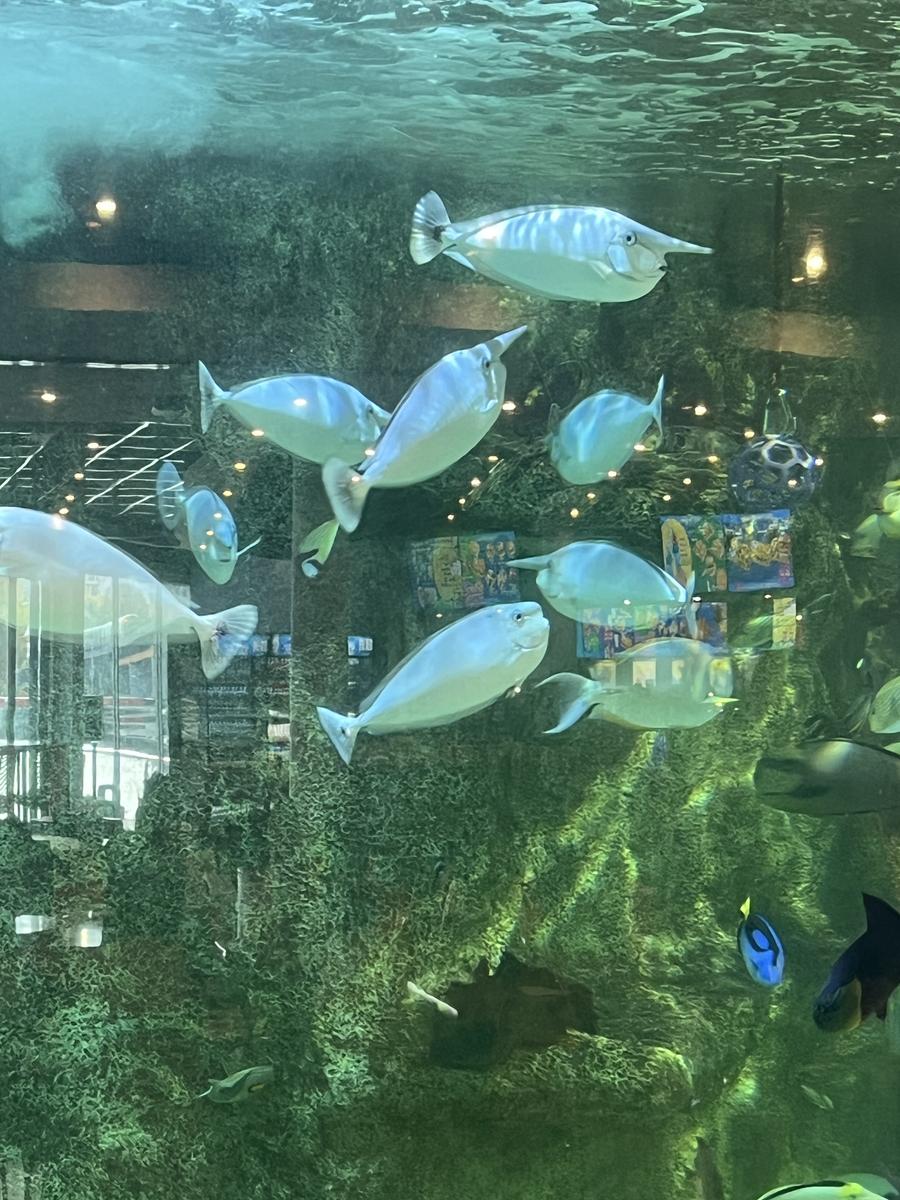
Last Thursday, we had the opportunity to visit Sea Life Melbourne Aquarium as a part of our aquatic fieldwork studies. The excursion gave a very fascinating look into what lies beneath the waves and the efforts taken to protect it!
We were taken on a guided tour exploring the meaning and purpose of conservation, the challenges marine communities face, and the actions we can take to better care and protect our natural environments. We also got to see, up close, the incredible variety of sea creatures that depend on these healthy habitats. The experience gave us so much to think about, and it was a vivid reminder of just how interconnected marine life is!
The excursion has already helped spark some great discussions back at school, and we're looking forward to continuing to explore these topics in the future. Thank you to Sea Life Melbourne Aquarium for having us and for such a fun and memorable experience!
~ Nivedya Benoy
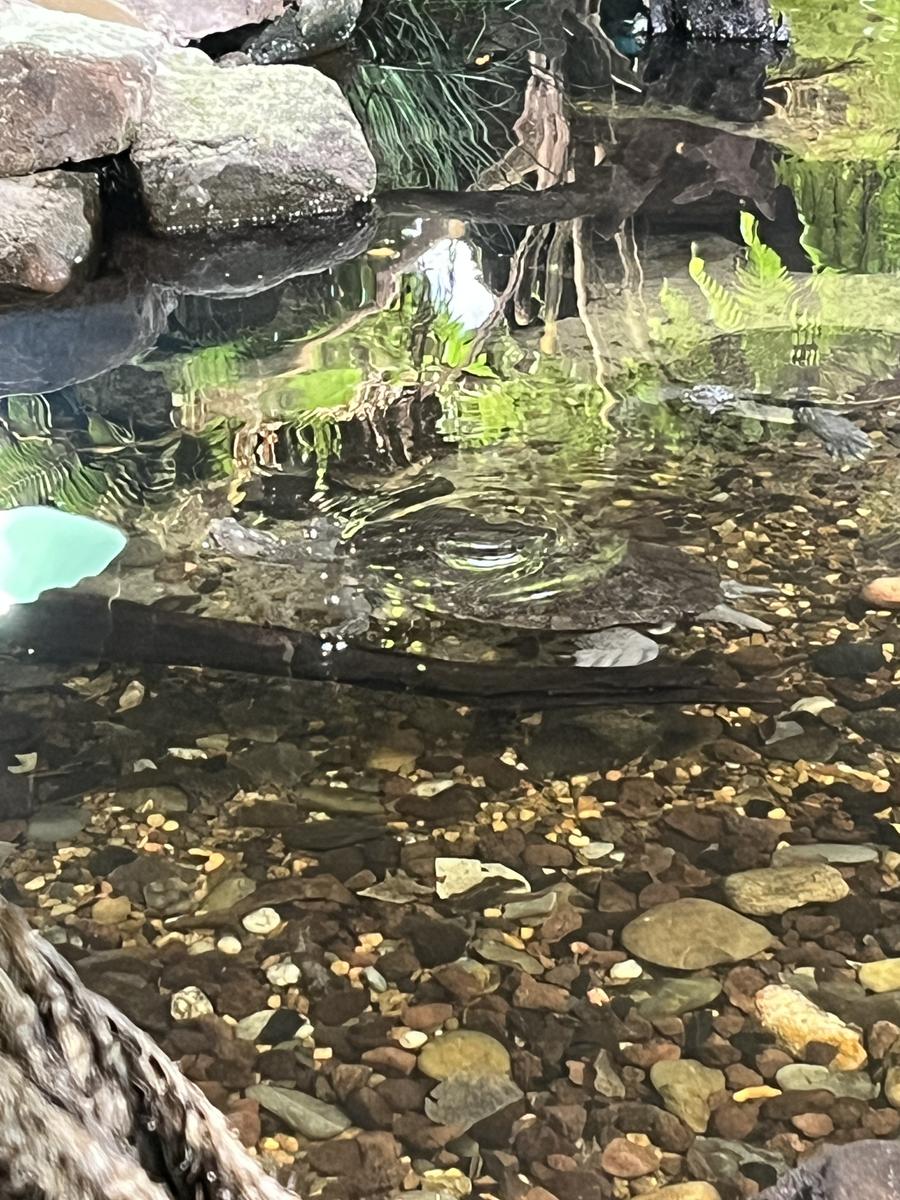
On Thursday, 30 April 2026, a group of our Terraforming Mars students, Angel Chakravrthi, Leo Apter, Sangeeti Brahmachari, Sonya Markowsky, and Sritshti Gupta, joined me on a trip to La Trobe University in Bundoora to take part in the Growing Beyond Earth (GBE) launch day, in collaboration with Plants for Space.
The event centred on how plants could be grown and harvested in space to support future lunar and Mars missions, serving not just as a source of nutrition, but as a way to bring comfort and support the mental well-being of astronauts on long journeys from home. We engaged in a variety of hands-on activities, from testing salad ingredients for macronutrients such as fats, proteins, and carbohydrates, to experimenting with how familiar foods, like chips and juice, could be recreated using simple, space-proven plants like spinach.
By the end of the day, we had gained a rich understanding of what it takes to cultivate plants beyond Earth, and just how creatively food can be reimagined to keep astronauts both nourished and mentally well on the missions ahead.
~ Tian Yu
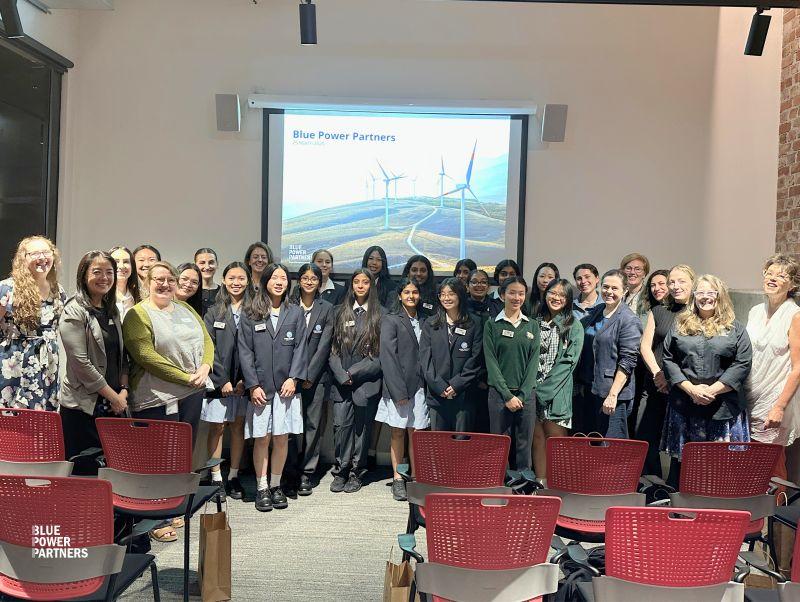
On the 25th of March, 10 students from JMSS and 5 Mount Waverley Secondary College students attended the Women Powering Clean Energy event hosted by Blue Power Partners.
As part of the Monash Tech School Clean Energy Engagement program, women from the Blue Power Partners renewable energy corporation presented their roles and responsibilities in the clean energy sector and explained the process of constructing a wind farm from ideation to decommissioning.
It was insightful to see how each person's expertise led to a career they may not have even considered during their time at school or even at university. The versatility of each person’s career path served as a real world example to students of career options without boundaries, and reassured students that it is okay to have a flexible career path whilst encouraging students to stay open-minded to any opportunities.
The day then concluded with a networking lunch, providing a valuable opportunity for students to ask their own questions about the clean energy sector, career paths and the STEM involved. Overall it was a valuable, eye-opening experience for students to explore potential careers in STEM and an insight to real world project planning, design, implementation, construction and operation of a wind farm.
We are very grateful to Blue Power Partners for their generous commitment of time and people resources, to Monash Tech school for inviting us and Ms Grainger for organising the excursion and accompanying us.
~ Avani Sharma
Over the past several weeks, 33 JMSS students have been preparing for Round 1 of the Australian Brain Bee Challenge, a national neuroscience competition for Year 10 students run in partnership with the Australian Neuroscience Society. The syllabus is demanding by any measure: neural anatomy, the chemistry of synapses, memory and learning, sleep, addiction, stroke, Parkinson's disease, Alzheimer's disease, and current research on neuroplasticity. The official study guide draws on material more commonly encountered at first-year university level, and our students have worked through it on top of their regular Year 10 commitments. They have met before and after school, quizzed one another through lunch breaks, worked through diagrams together, and shown a level of intellectual engagement well beyond what the competition itself requires.
16 of the 33 students have progressed to Round 2, a result we are very proud of and among the strongest JMSS has recorded in this competition. Round 1 is a written examination sat nationally, and advancing requires a placing in the top tier of competitors across the country, so for nearly half of our cohort to clear that threshold is a significant achievement. What has been most pleasing, however, is the manner in which the group approached the challenge: collaboratively, generously, and with a shared enthusiasm for the material itself rather than for the ranking. Round 2 moves into more demanding territory, including practical neuroanatomy and patient diagnosis tasks, and we wish our 16 students every success as they prepare for it. Whatever the outcome, all 33 participants have come away with a substantially deeper understanding of the human brain, and they deserve to be commended for their curiosity, discipline, and collegiality throughout.
~ Rapha Kempler