Music News
Music News:
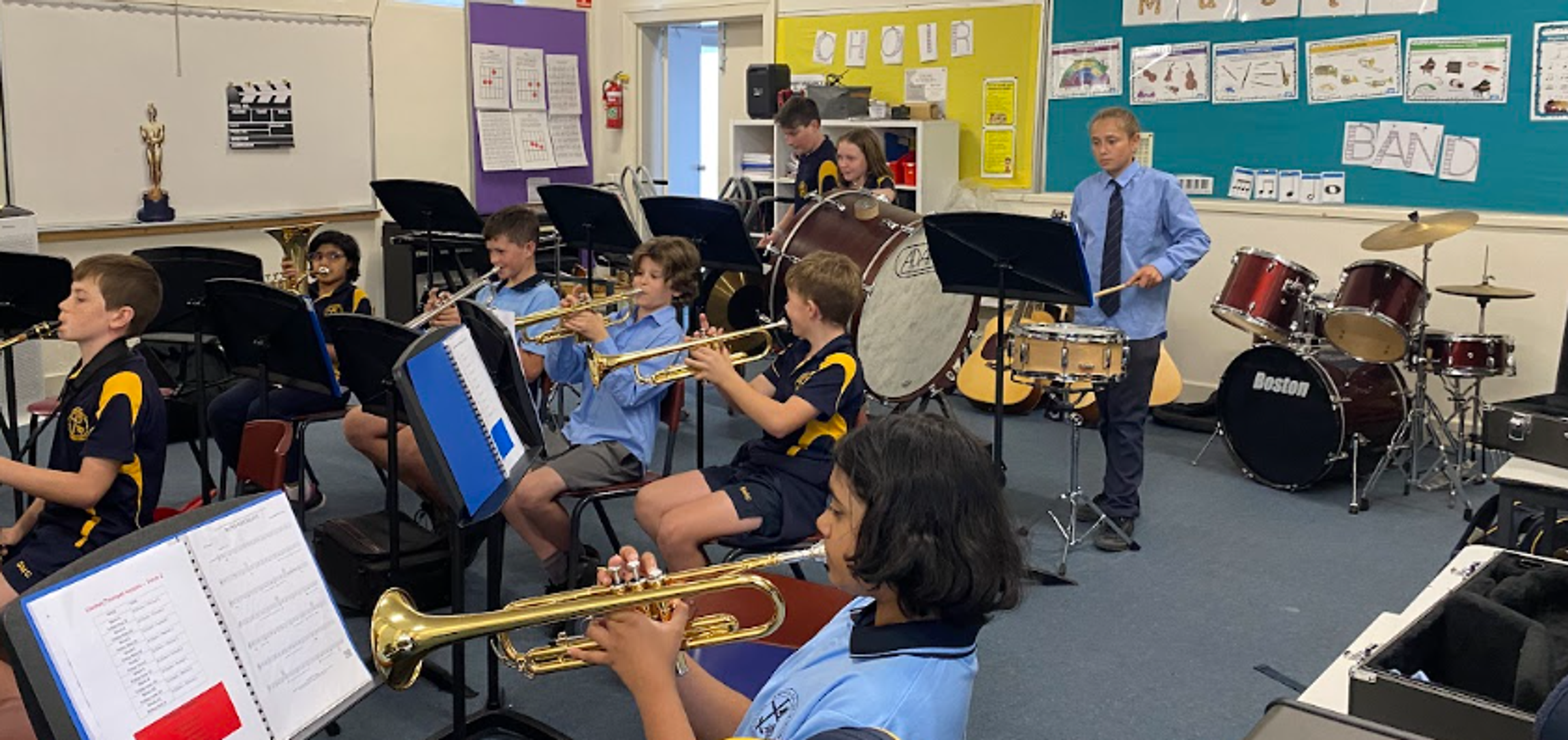
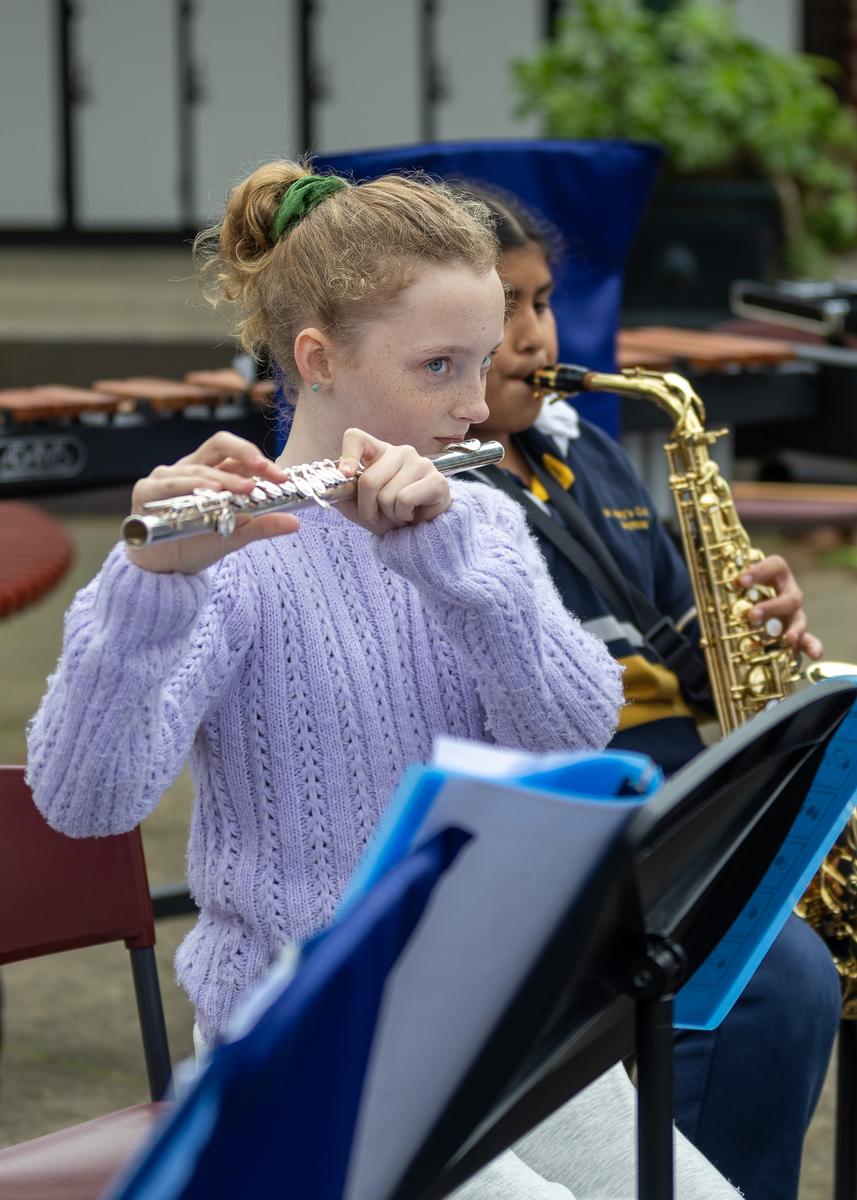
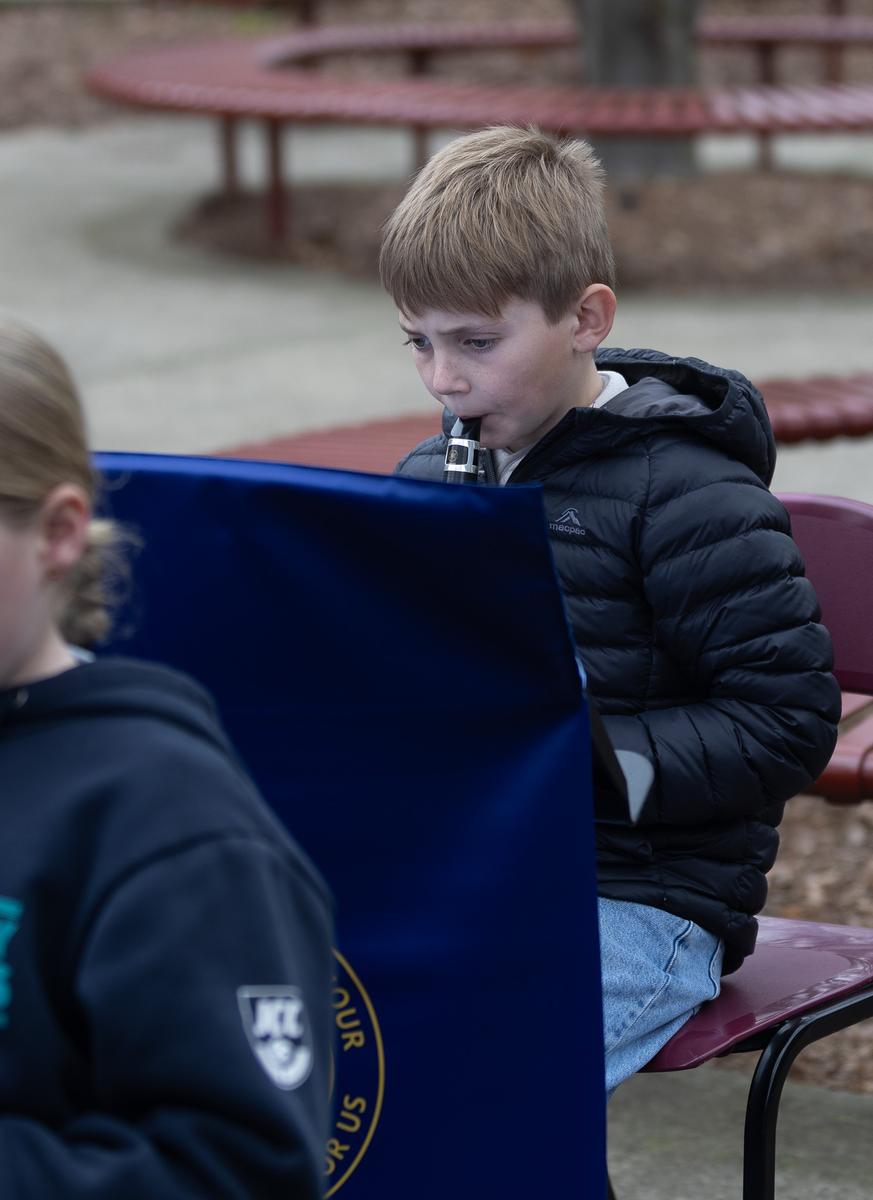
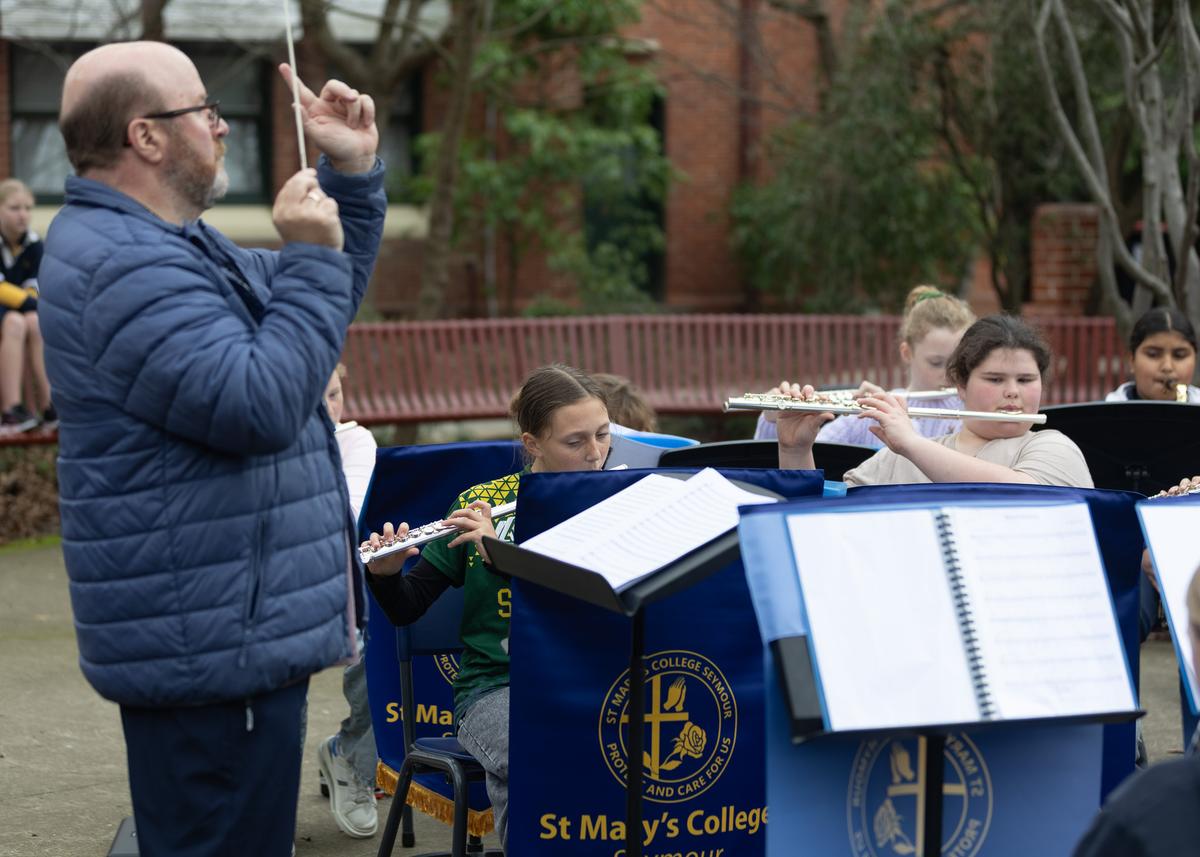
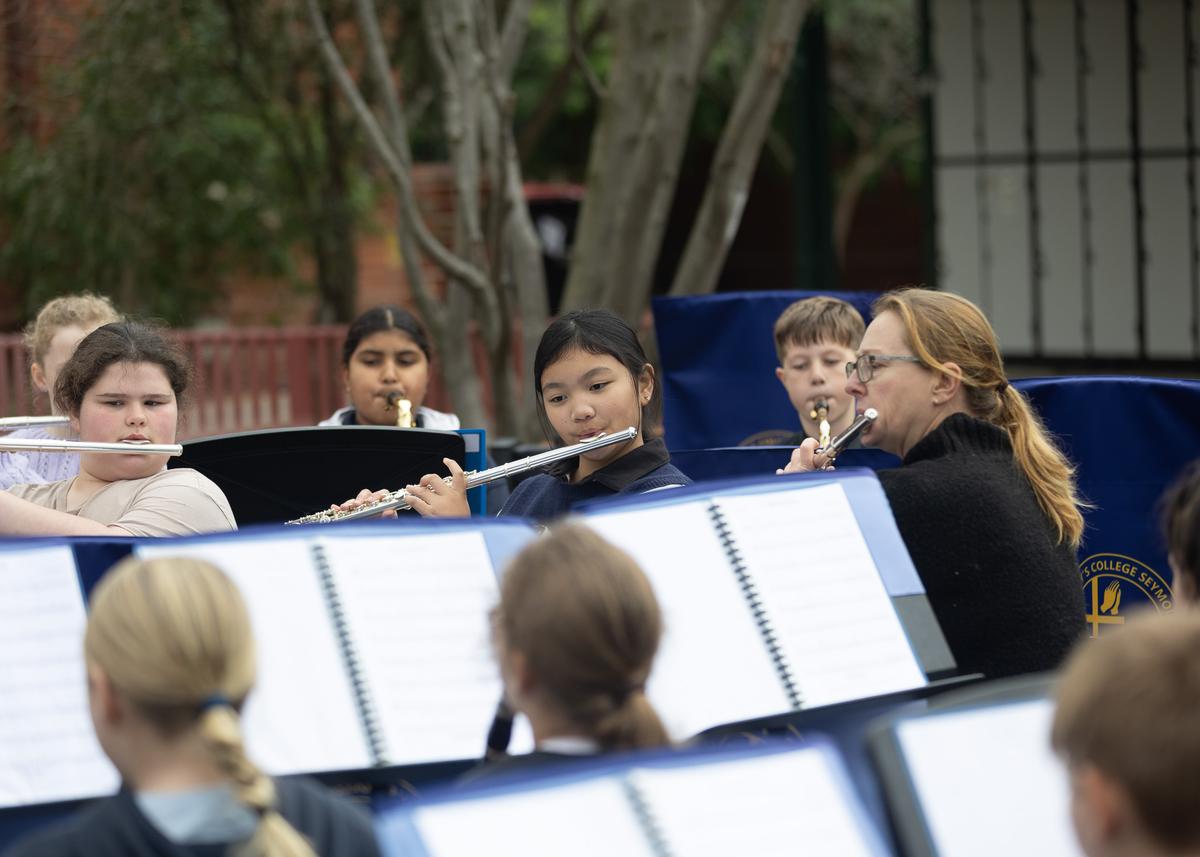
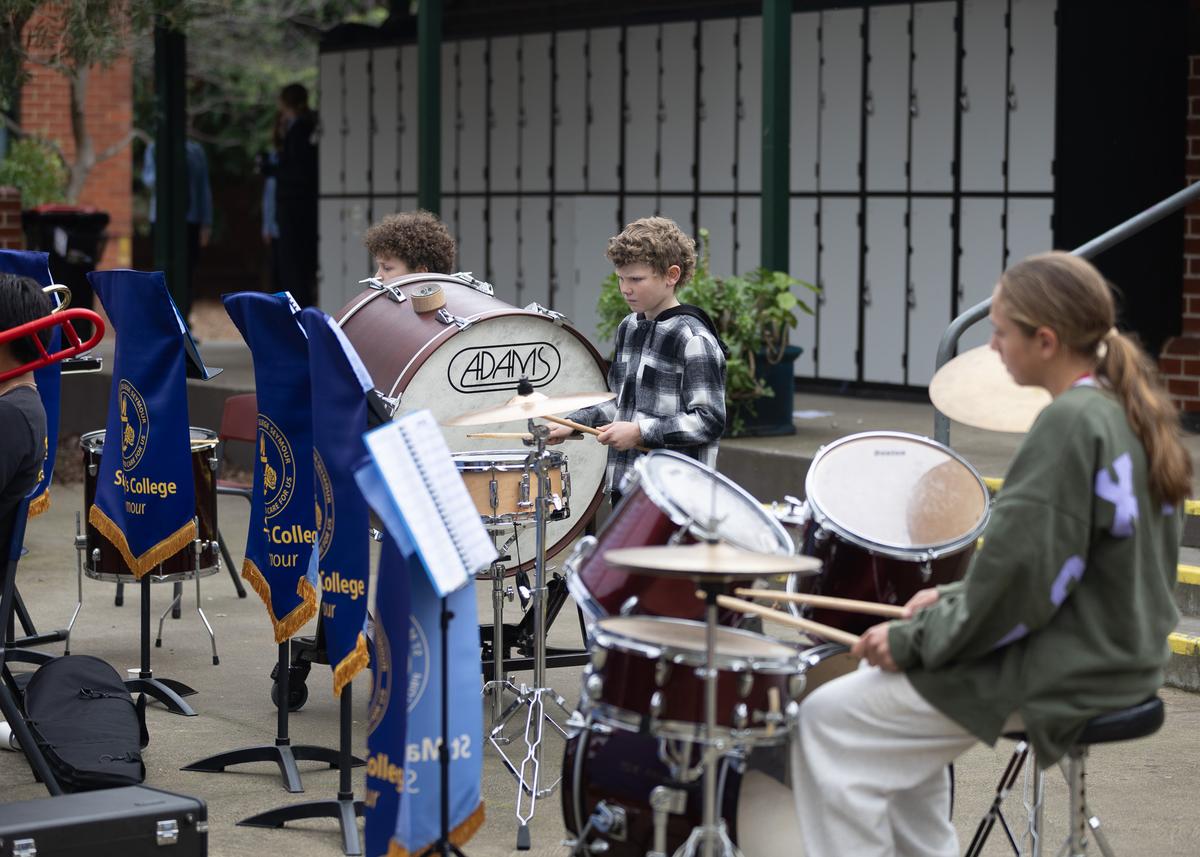
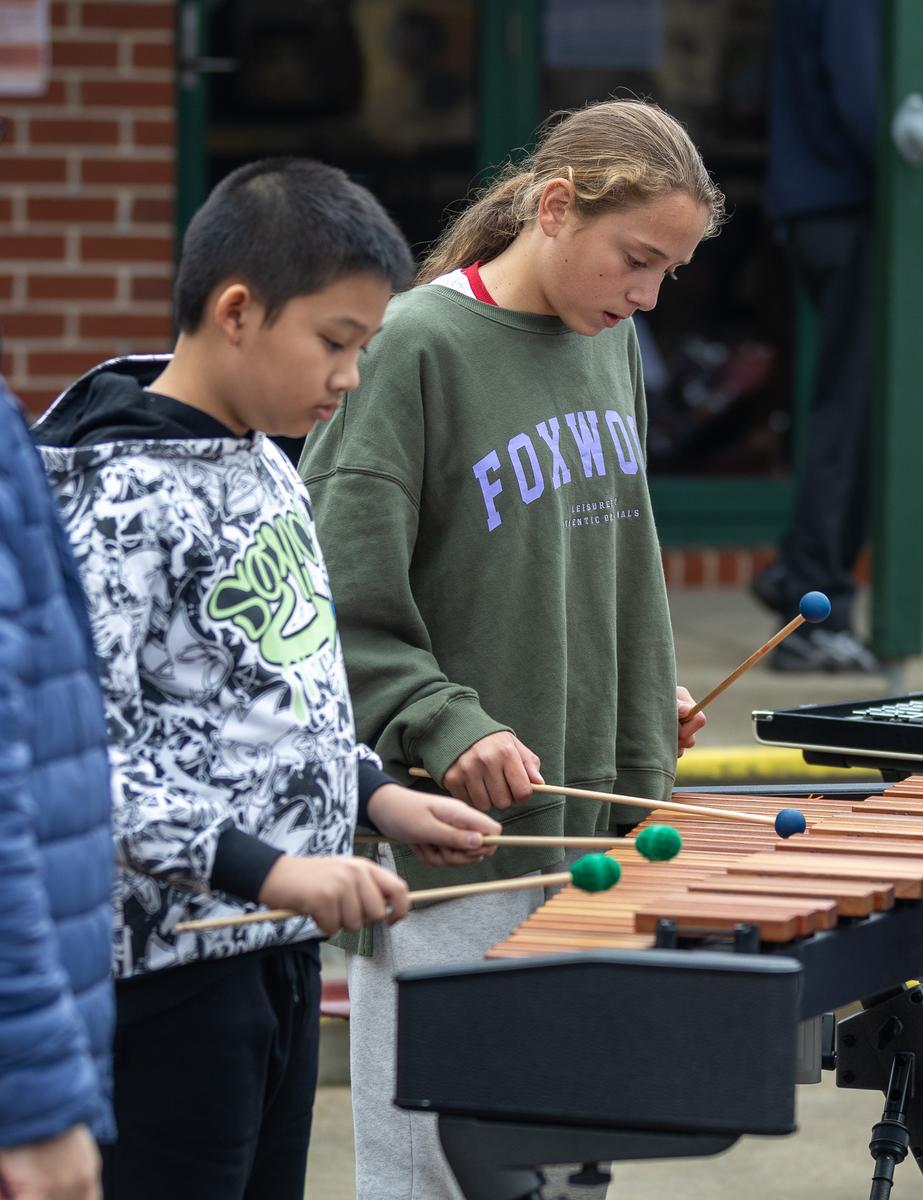
This week, St Mary’s College Instrumental and Choir Students enjoyed their Special Music Celebration Day on the 25th of June. Students attended rehearsal for Band and Choir, participated in team building exercises and games and of course enjoyed a special pizza lunch. Well done to all our St Mary’s music students for your hard work and practice so far this year.
Primary Music:
Making Music Click: The Magic of "Sing It, Clap It, Play It!"
Have you ever wondered what actually happens inside the music room when your child steps inside? Today, we want to share a quick peek behind the curtain at one of the methods we use in the Primary Music classroom to help children understand and love music: the Kodály Approach.
It relies on a wonderfully simple, three-step secret that transforms abstract musical notes into pure fun: Sing it, Clap it, Play it!
Here is how we use this magic formula in the classroom to build your child's musical brain.
Sing It (Hearing the Music)
Before we ever hand a child an instrument, we start with the most natural instrument they have—their own voice!
How it works: We sing simple, catchy folk songs and games. By singing, children learn to hear the pitch (how high or low a note is) and catch the melody in their minds.
- The Benefit: If a child can sing a tune, it means they truly hear it and understand it on the inside.
Clap It (Feeling the Rhythm)
Next, we take that song and move it into our bodies.
How it works: We clap the rhythm of the words, stomp the steady beat, or move around the room.
The Benefit: Music isn't just something you look at on a page; it’s something you feel. Clapping builds muscle memory. It teaches children how long or short notes are by physically experiencing them.
Play It (Making the Magic Happen)
Only after the children have the music in their voices and their bodies do we introduce the instruments in the music room!
Melodic Instruments (Xylophones, Glockenspiels): Because the kids already know the melody from singing it, finding the right bars to strike on a xylophone feels like a fun puzzle they already know how to solve.
- Rhythm Instruments (Drums, Shakers, Tambourines): Because they’ve already clapped the rhythm, their hands naturally know exactly when to hit the drum or shake the maraca.
Why This Works So Well
When students learn music this way, they aren't just staring at confusing symbols or notation on a whiteboard and feeling stressed. Instead, they are playing games, moving their bodies, and making music instantly accessible.
This step-by-step success builds confidence. They don't just learn how to play an instrument; they develop a deep, lifelong appreciation for music because they truly understand how it is put together.
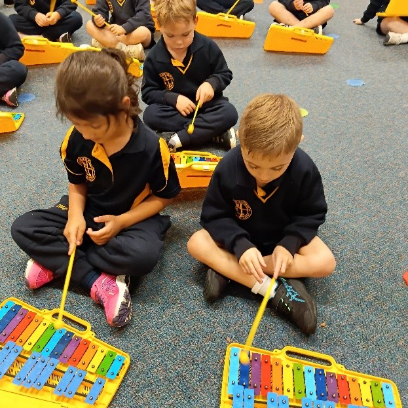
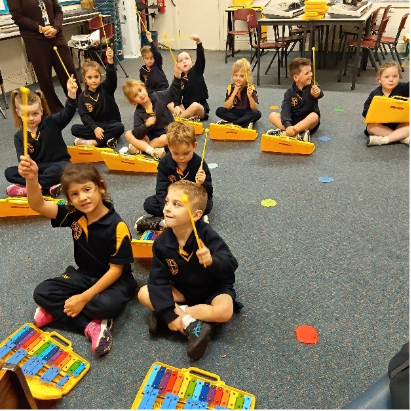
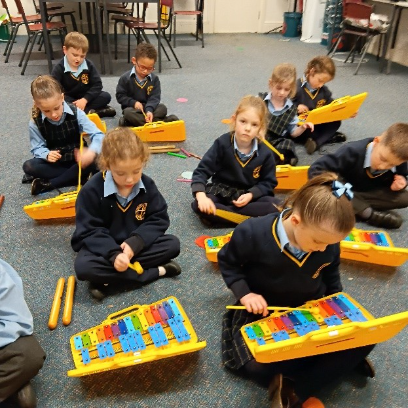
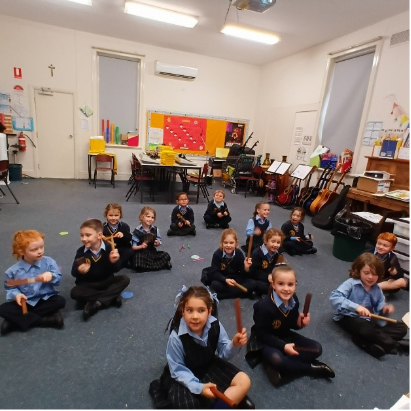
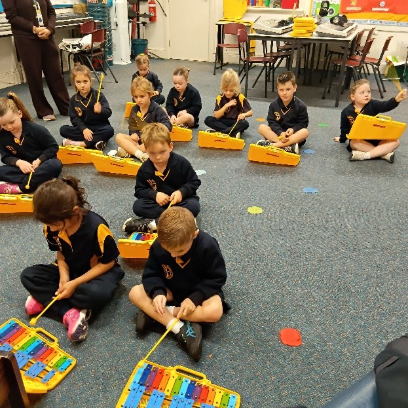
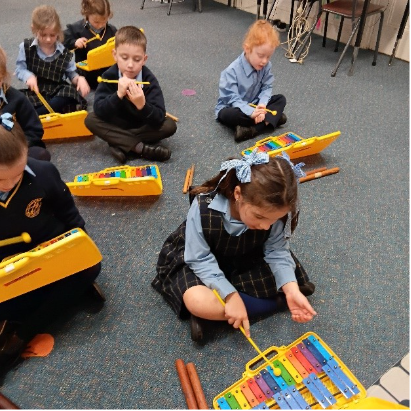
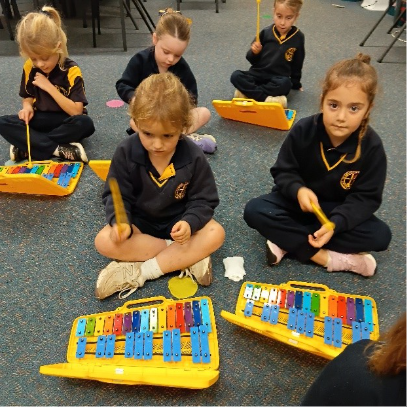
Here are photos of the Foundation students in Performing Arts class this term!
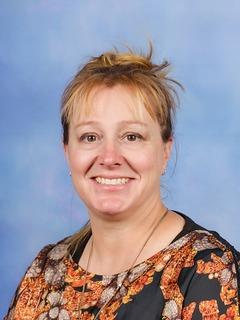
Ms. Nicolle Cheriton
nicolle.cheriton@smseymour.catholic.edu.au

Mr Matthew Dudfield