Family Engagement

Supporting Children With Big Feelings
Berry Street Education Model Focus: Emotional Regulation and Calm Responses
At St Joseph’s Mernda, we understand that children experience a wide range of emotions throughout the school day. Some feelings can be big, overwhelming and difficult for children to manage on their own. When children feel calm, safe and supported, they are more likely to make positive choices, engage in learning and build healthy relationships with others.
Emotional regulation is the ability to notice, understand and manage feelings in a safe and appropriate way. This is a skill that children develop over time, with support from trusted adults. Just like learning to read or solve a maths problem, learning how to manage big feelings takes patience, modelling and practice.
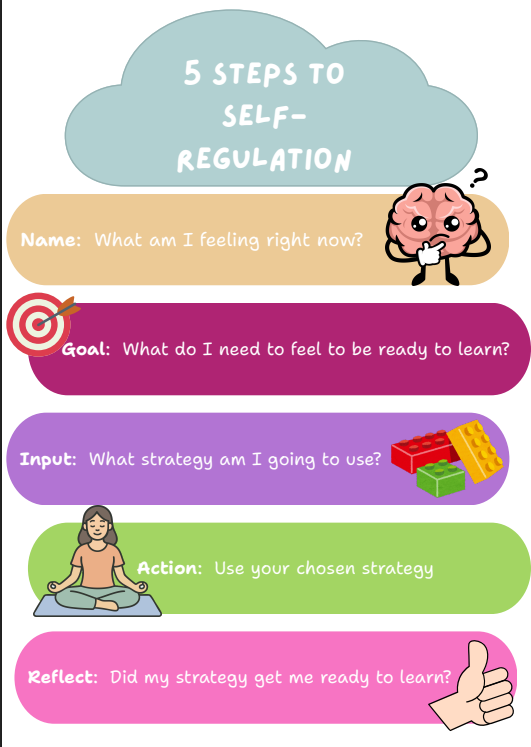
At school, we use calm and consistent responses to support students when they are feeling overwhelmed. Through the Berry Street Education Model, staff focus on helping students feel safe, connected and ready to learn. This may include using a calm tone of voice, giving students time and space, offering simple choices, using predictable routines, and supporting students to name how they are feeling.
When children are experiencing big feelings, they may not be ready to problem-solve straight away. In these moments, adults can help by staying calm, reducing extra talking, and giving the child time to settle. Once the child is calm, staff can support them to reflect on what happened, repair relationships if needed, and practise a more positive choice for next time.
Teachers also support emotional regulation through regular classroom routines. This may include brain breaks, movement opportunities, breathing strategies, check-ins, visual supports, social stories and reminders before transitions. These strategies help students understand their emotions and learn safe ways to manage them.
Families can support this work at home by using calm and predictable responses when children are upset. This might include giving children time to calm down, naming the emotion they may be feeling, using simple language, and reassuring them that big feelings are normal. Helpful phrases might include, “I can see you are feeling upset,” “Let’s take a moment,” or “We can talk about this when you are calm.”
It is also important for children to see adults modelling regulation. When adults pause, take a breath and respond calmly, children learn that feelings can be managed safely. Over time, these small moments help children build confidence, resilience and independence.
By working together, home and school can help children understand their emotions, respond safely to challenges and feel supported through big feelings. When children feel safe and connected, they are better able to learn, grow and thrive.