
Learning and Teaching News
NAPLAN Grades 3 & 5
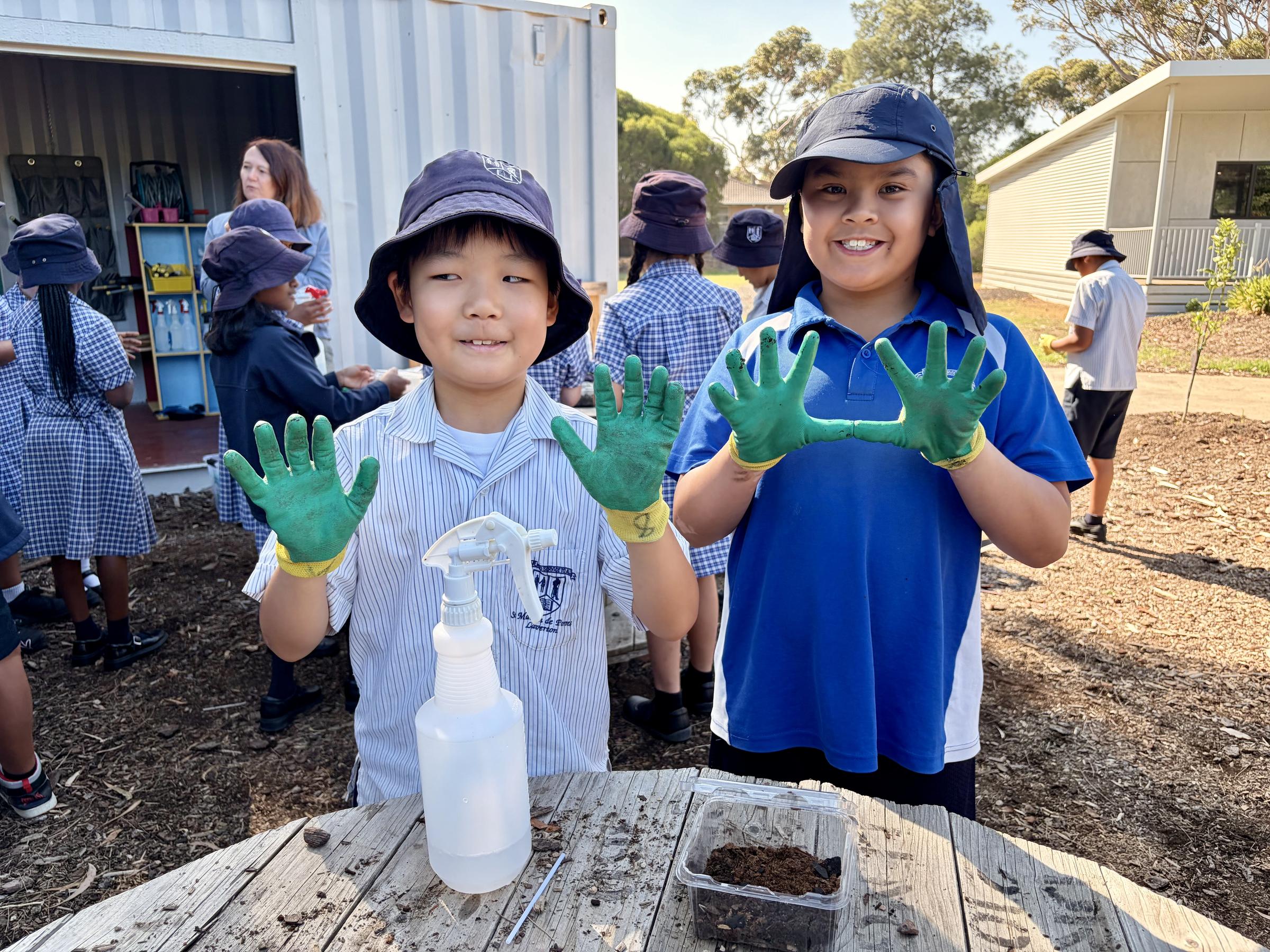
Over the last few weeks, our Grade 3 and Grade 5 students have been exploring a mini Inquiry unit called Test Wiseness. This unit helps students understand how they can help themselves during test situations and feel confident using the tools available in the NAPLAN online environment. Students practised using features such as audio functions, scrolling, highlighting, zooming in and out, finding key words and rereading information.
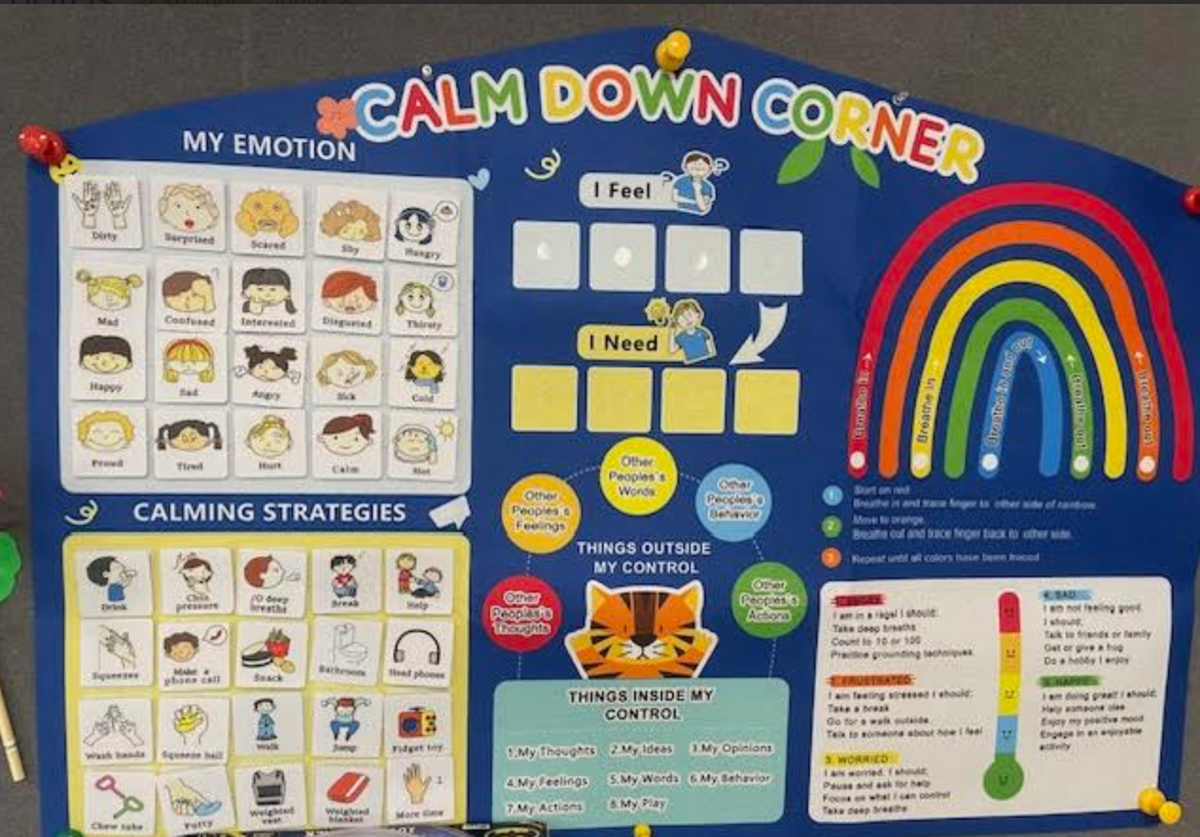
Just as importantly, we’ve been talking about how to stay calm, manage feelings and approach challenges with a positive mindset. We remind all students that NAPLAN is only one small part of their learning story — it is one of many ways we can recognise students' strengths and set future goals.
We’ve added some information from the ACARA website to help families.
What can I do to support my child?
Students are not expected to study for NAPLAN. You can support your child by reassuring them that NAPLAN is a part of their school program and reminding them to simply do their best. Some explanation of NAPLAN is useful to help students understand and be comfortable with the format of the tests. However, it is not necessary for parents and carers to do this.
ACARA does not recommend excessive preparation for NAPLAN or the use of services by coaching providers.
Naplan Schedule
Date | NAPLAN Assessment |
|---|---|
Wednesday, 11th March | Writing |
Thursday, 12th March | Reading |
Monday, 16th March | Language Conventions |
Wednesday, 18th March | Numeracy |
Inquiry in Prep / One / Two
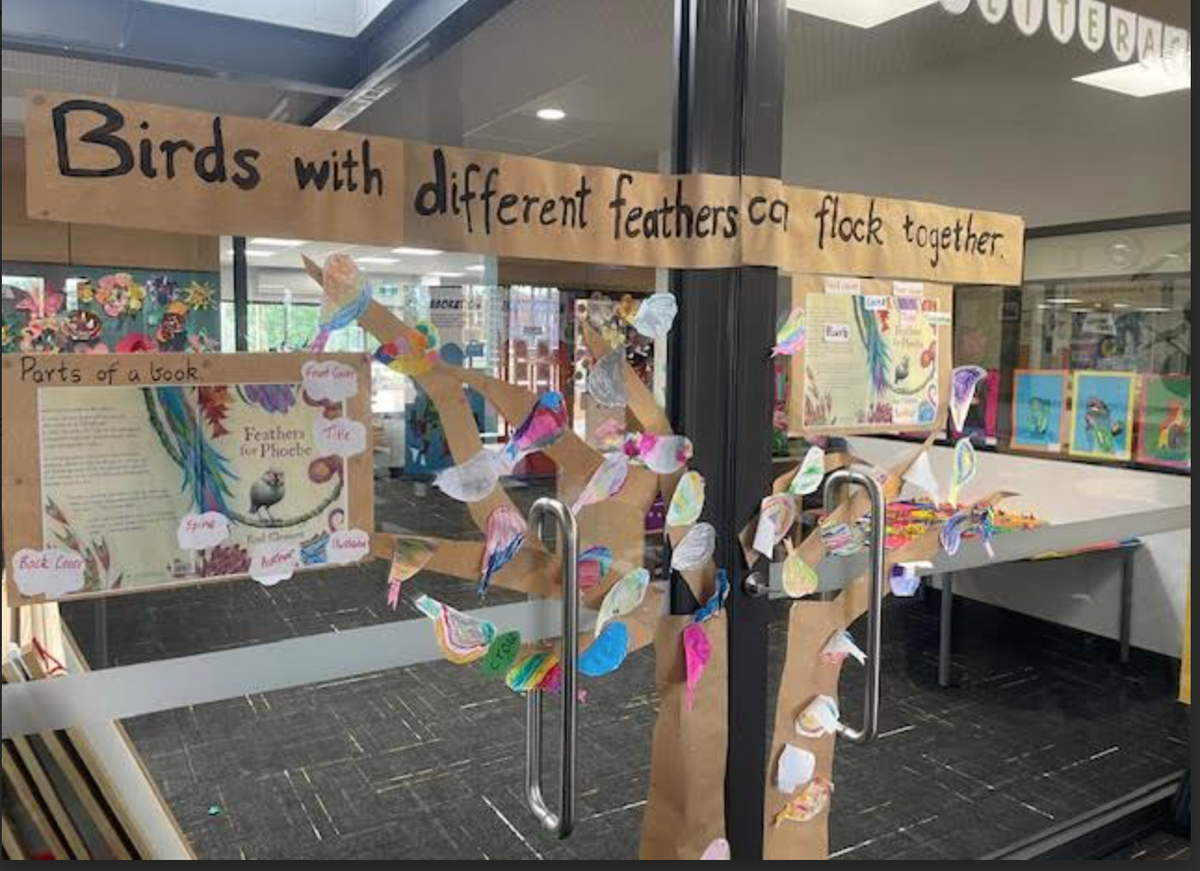
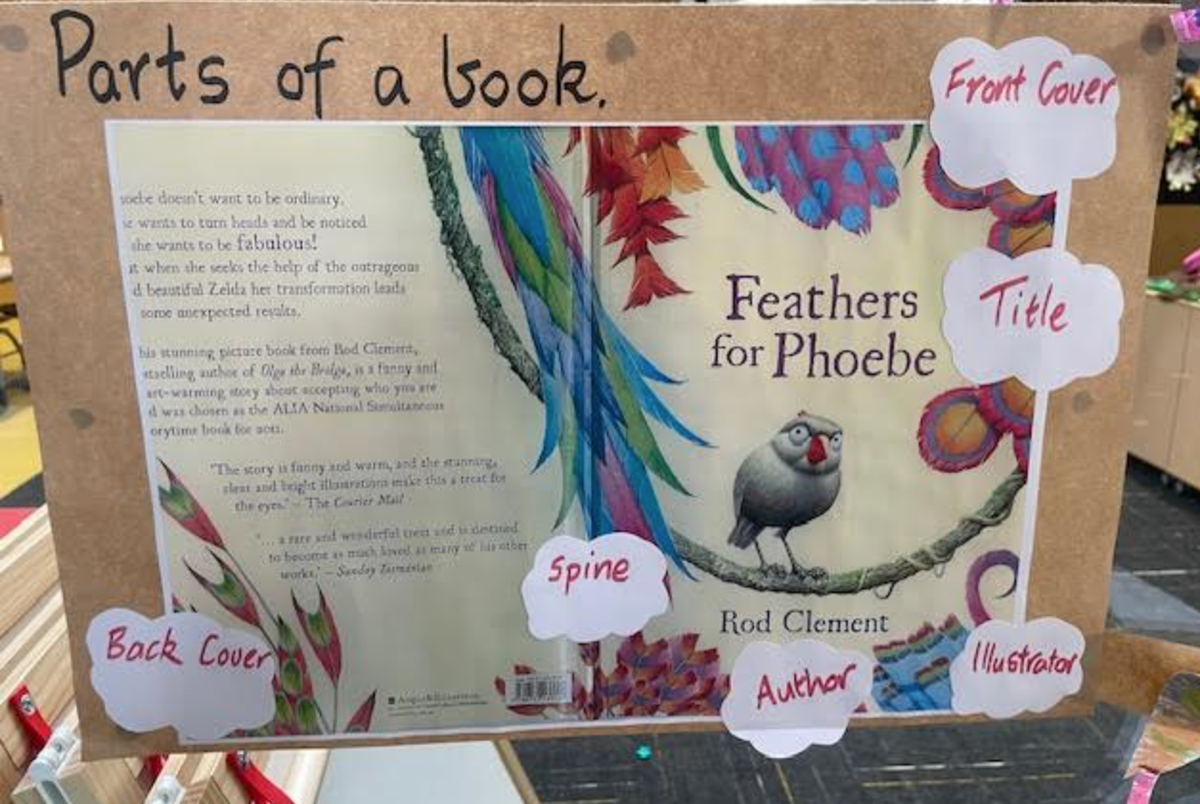
Our Prep/ One /Two students have been doing a wonderful job exploring Health and Wellbeing as part of their Inquiry learning this term. Through lots of picture books, discussions, play and hands‑on activities, students have been learning about themselves, their feelings and the ways we build positive relationships with others.
So far the students have been learning that:
People can be similar and different in many ways — in appearance, interests, families and culture.
Everyone is unique, important and valued.
Feeling a sense of belonging helps us feel safe, connected and ready to learn.
People experience different emotions such as happiness, sadness, anger, fear and excitement.
Listening, sharing and taking turns are important skills we can practice and use with our peers.
Including others is important so others feel welcome.
Asking for help is important when we need it.

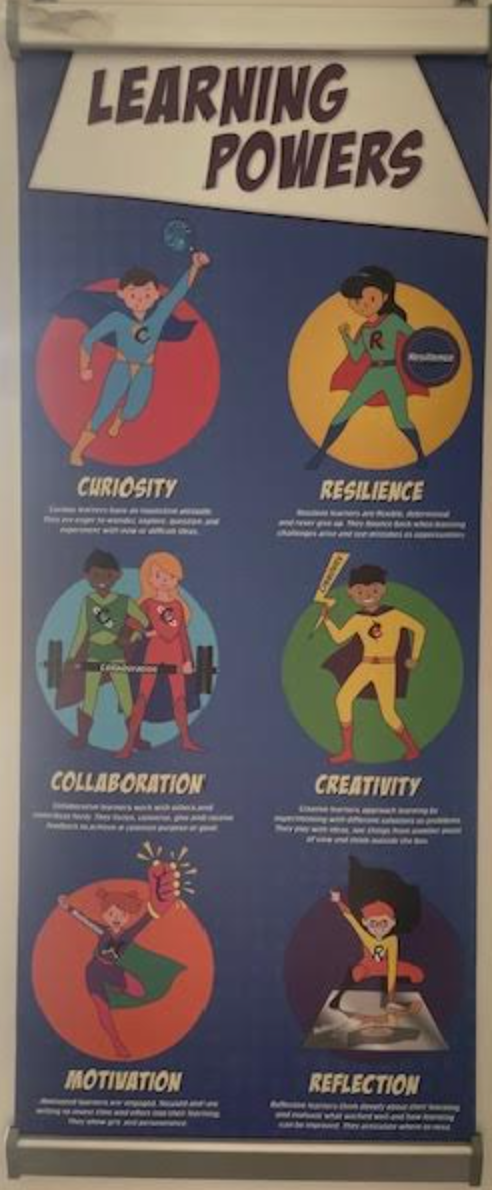

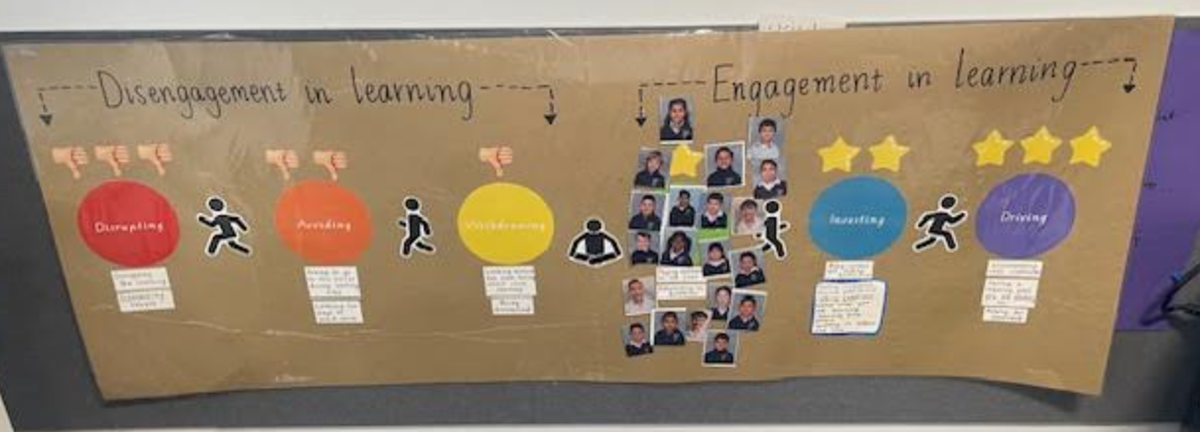
Students in Grade 1/2 have also begun learning how to track their own engagement during learning time using Amy Berry’s Engagement Continuum. Students are developing the language to notice:
when they feel focused, curious and ready to learn
when their attention drifts or their body feels unsettled
what strategies help them re‑engage, such as taking a breath, asking for help, or changing where they sit
This early self‑awareness helps students build independence, confidence and a strong sense of ownership over their learning

Kathy Blythe
Learning and Teaching Leader