
Wellbeing

WHAT WE DO IN WELLBEING
BREAKFAST CLUB
Served daily in the Wellbeing space from 8.00am every morning and offered to all students
WELLBEING LUNCH
Available to all students, lunch items are served each day from our purpose-built
servery window outside the Wellbeing space between 1.25 - 1.50pm
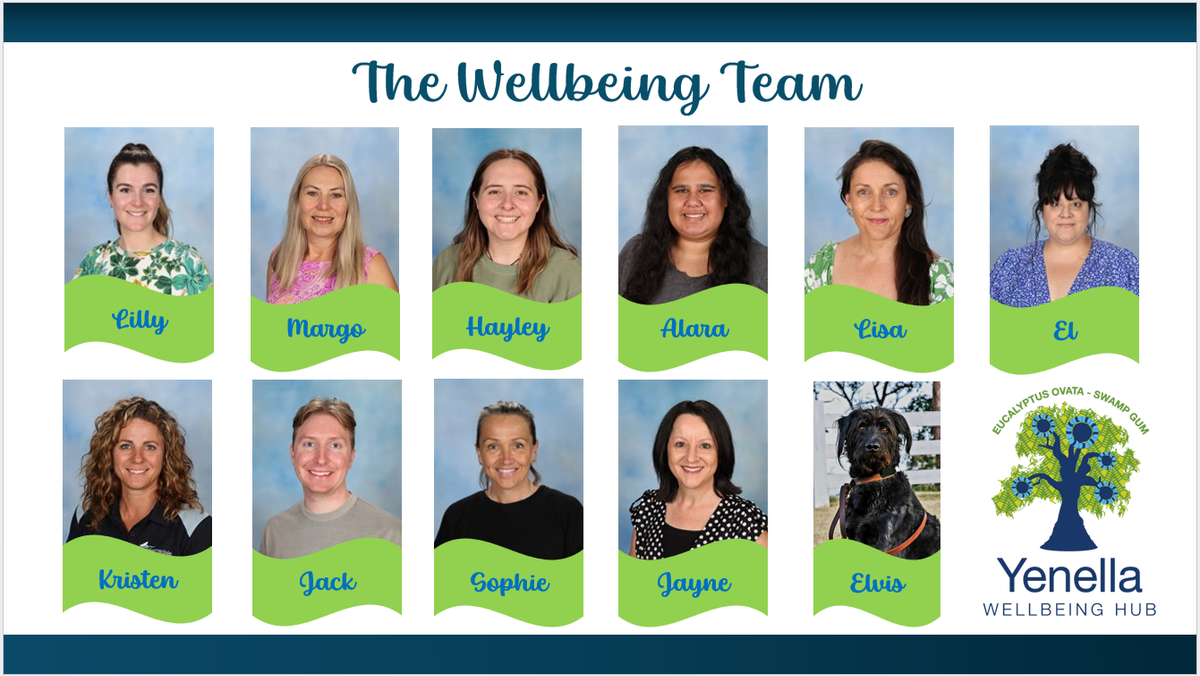
ELVIS - SCHOOL THERAPY DOG
Elvis is a Keldoodle (Kelpie X Poodle) and one of the school therapy dogs here at BSC.
His calm, gentle manner helps to reduce anxiety and stress in students,
as well as enhancing social-emotional skills.
He NEVER refuses a pat so swing by Wellbeing to say hello!

-------------------------------------------------------------------------------------------------------------------------------------
ONE-ON-ONE COUNSELLING
Facilitated through a Hub referral process
DOCTORS APPOINTMENTS
In partnership with Gippsland Lakes Complete Health, the College runs the Doctors in Secondary Schools (DiSS) Program. Once a week, we have a qualified doctor and nurse onsite conducting appointments in a dedicated clinic. This service is available to all students at no charge and parents/carers are able to also attend appointments.
SCHOOL NURSE
Working in close collaboration with the Wellbeing team, School Nurse, Sophie Brown attends the College two days a week. Sophie’s role is imperative in helping to promote health and raise awareness of the importance of healthy lifestyle choices for all students. She is available to speak with students one-on-one or in a group setting.
AOD (Alcohol & Other Drug) SUPPORT
AOD Youth Outreach run through Gippsland Lakes Complete Health supports young people between the ages of 12-25, and here at the College, we have an AOD worker onsite fortnightly to provide support for alcohol and/or drug use – including vaping. Supports offered include counselling, assistance with withdrawal/reduction of alcohol/other drug use; support if you become involved in the legal system because of alcohol/drug use; information, education and other resources.
SEASONS FOR GROWTH PROGRAM
Seasons for Growth is a small group education program that supports young people to develop the knowledge, skills and attitudes to understand and respond well to experiences of change, loss and grief.
FOR ANY MORE INFORMATION REGARDING ANY OF OUR SERVICES PLEASE CONTACT THE WELLBEING TEAM via wellbeing@bairnsdalesc.vic.edu.au
-------------------------------------------------------------------------------------------------------------------------------------
FREE UPCOMING WEBINARS FOR STUDENTS/PARENTS/CARERS
Curated by PROJECT ROCKIT, in partnership with the Telstra Foundation
These free online webinars are designed to support educators, parents, carers,
and young people with practical advice and expert insights on the challenges
young people face online today.

Fake, Fact or AI?
Helping young people navigate a world where not everything
they see, read, or hear online is what it seems.
- Date: Tuesday, 19 May 2026, 7:00 pm AEST
- Location: Online | Free to attend
Perfect for: Parents, educators, and carers
In one hour, you'll walk away with:
- Understand what misinformation, disinformation, and AI-generated content actually look like in a young person’s everyday online world
- Build confidence in talking to children and young people about questioning what they see online without creating anxiety
- Explore practical tools and habits that strengthen digital media literacy at home and in the classroom
- Understand how generative AI is shaping the information landscape and what that means for the children in your care
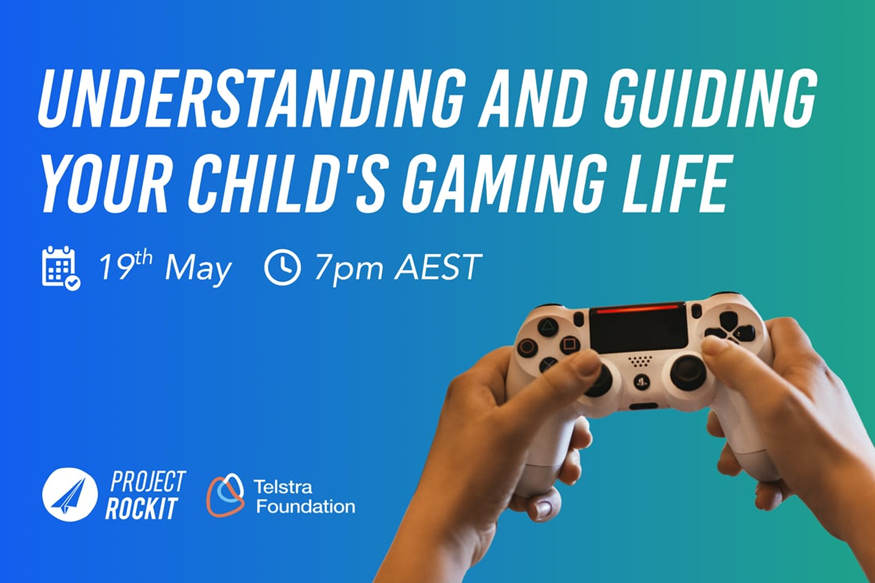
Understanding and Guiding Your Child's Gaming Life
Moving from conflict to conversation. How to support healthy gaming habits without the constant battles.
- Date: Tuesday, 2nd June 2026, 7:00 pm AEST
- Location: Online | Free to attend
Perfect for: Parents, educators, and carers
In one hour, you'll walk away with:
- Understand why games are so compelling for children and young people, and what needs they may be meeting
- Recognise the difference between passionate gaming and patterns that might need gentle support or intervention
- Explore strategies for setting boundaries collaboratively so children feel heard, not just restricted
Build confidence as a parent, carer, or educator to engage meaningfully with a young person’s gaming world
-------------------------------------------------------------------------------------------------------------------------------------

TALKING WITH YOUR TEEN ABOUT MENTAL HEALTH
The following information is for parents/carers who do not need help with a crisis or emergency. If you need help right away, see our emergency help page.
This can help if:
- you’re worried about your teen’s mental health, but are not sure if it’s serious enough to get help
- you want to know how to get advice or support for your teen’s mental health
you want to know what kind of mental health support services for teenagers and young people are available.
Knowing how to approach the issue of teen mental health can be difficult. They may not recognise that there’s something wrong, or you may wonder whether the issue is serious enough for you and your young person to get help. The good news is that there are a lot of options for help and support, depending on what your child’s needs are and what they’re ready for. Getting help early for your teen's mental health will give them the best chance of managing any problems before they become more serious.
When do teenagers begin struggling with mental health?
Most mental health difficulties in young people can appear between the ages of 11 to 25, while the brain is going through a process of rapid development. Around 1 in 4 young people have experienced a mental illness by the time they’re 25. It’s important to look out for signs of mental health or emotional problems in your child from an early age and during adolescence. When mental health conditions are treated and managed early, the episode of illness is likely to be less serious and have a shorter duration.
Mental health conditions are generally episodic, which means that your child will likely experience periods of being unwell in between stretches of time where they seem to be doing better. Learning to spot the signs that your teen is feeling unwell early will mean that you’ll have the best chance of managing their wellbeing and getting them the support that they need.
Common barriers teens seeking support for their mental health experience
Unfortunately, only around 30% of young people who experience psychological distress actually get the help they need. This can be due to a number of reasons, including:
- not recognising or accepting they may have a mental health difficulty
- not believing their problem is significant enough to seek help
- being unwilling to talk about their problem because of the stigma attached to mental illness
- not believing that anything or anyone can help
- environmental factors like cost, distance, inflexible opening hours and long wait times
close adults and friends not noticing or recognising the signs and symptoms, and therefore not supporting the young person to seek advice.
When to get help for your teen's mental health
Knowing when to get help for your child can be difficult. At times, the signs of mental health problems can be similar to the ‘ups and downs’ of being a teenager. It’s not always easy to tell the difference between ‘normal’ teenager behaviour and when there might be something else going on.
Mental health difficulties will surface differently for everyone. As a parent, you have an important perspective - you’ve spent years with your child getting to know their patterns of behaviours and emotions. You’re well placed to spot when your child’s own ‘normal’ has changed, or if they’re acting differently than usual. Remember to trust your instincts. If you think there might be something wrong, it’s best to chat with your teen and raise your concerns.
Not everyone who experiences distress or goes through a tough time has a mental health problem. Sometimes, your teen might be experiencing distress due to a life event, such as loss of a loved one, difficulties at school or changes at home.
If your teen is going through a tough time and is finding the way they are feeling isn't improving even with the support of family and friends, then speaking to someone can be helpful, even if what they are experiencing isn’t a mental health issue.
How to help your teen with their mental health
There are many different ways to find help for your teenager, and one way isn't necessarily better than another. Different approaches will work for your child differently. Sometimes it’s a combination of approaches that works best. The first thing to do is to have a conversation with your teen and find out more about what’s going on. Things to remember when having a supportive conversation:
- take a curious approach and be open to hearing their point of view. You might start the conversation saying, ‘I’ve noticed that you seem really down recently, how are you going?’
- take it seriously and actively listen to what they are telling you
- be positive in approaching the situation and support them to take a first step
- be your child’s greatest advocate in getting the right help for them
be optimistic that you will get through this together.
Even if your teenager doesn’t open up at first, you’ll have shown that you’re concerned and are there for them. When they’re ready, they’ll know that they can come to you. Once you and your child have acknowledged there may be a mental health difficulty going on, it's time to look at different support options for your teen's mental health.
Can talking about mental health make things worse for your teen?
Open, non-judgmental mental health conversations with teens can show that you care and value your teen’s experiences. If you’re worried that talking to them about their mental health might make things worse or put a strain on your relationship, it can be helpful to plan how you’ll bring it up. Keep in mind that your role is to communicate care and support, listen, and reassure them that experiencing mental health challenges is nothing to be ashamed of. If you’re still concerned about starting the conversation, discussing your options with a trained counsellor or parent coach can help you figure out your next steps and how best to approach your teen. You can also check out our glossary of services, people and terms related to mental health.
Article Credit# ReachOut Talking with your teen about mental health: Starting conversations & what to expect
-----------------------------------------------------------------------------------------------------------------------------
GOOD HYGIENE
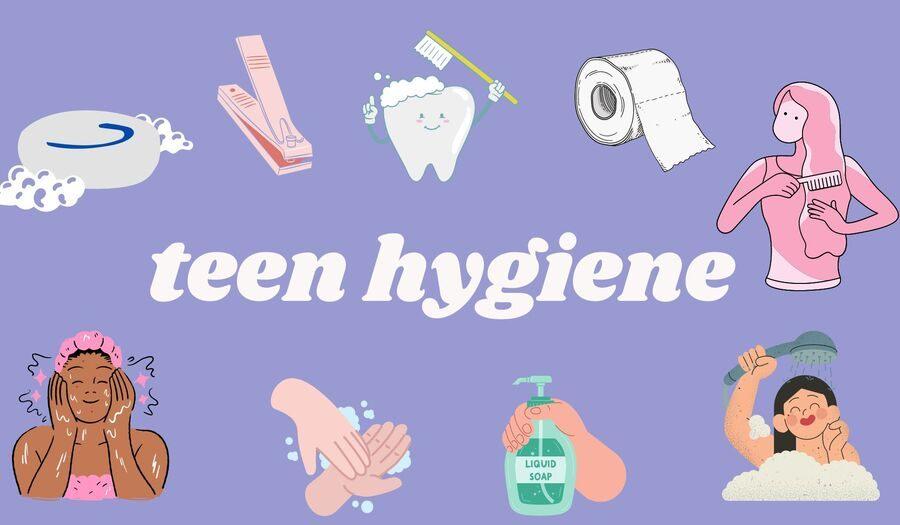
Good personal hygiene is crucial for teens due to the rapid physical changes they experience during puberty and adolescence, as well as for their overall health and well-being. This includes practices like regular showering, oral care, handwashing, and managing body odor. Good hygiene also plays a significant role in boosting confidence and self-esteem during this often-challenging time.
Why is good personal hygiene important for teens?
Physical Changes:
Puberty brings about hormonal fluctuations that can lead to increased oil production, sweat, and body odor, making hygiene even more important.
Health and Immunity:
Hygiene helps prevent the spread of germs and illnesses, which is vital during adolescence when teens are often more active and exposed to different environments.
Confidence and Self-Esteem:
Feeling clean and well-groomed can significantly boost a teen's self-confidence and sense of self-worth.
Social Norms and Acceptance:
Adhering to good hygiene practices helps teens navigate social situations and integrate into the social norms of their peers.
Preventing Health Problems:
Good oral hygiene can help prevent cavities and gum disease, while regular showering and grooming can prevent skin infections and other health issues.
Essential, healthy habits for teenagers:
- Regular showering or bathing - at least once a day, especially after physical activity.
- Washing hands frequently: before and after meals, after using the restroom, and after being in public places.
- Brushing teeth twice a day and flossing once a day to maintain oral health and prevent cavities.
- Using deodorant or antiperspirant to combat body odor
- Washing hair regularly and keeping it clean and well-groomed.
- Keeping fingernails and toenails clean and trimmed.
- Changing clothes daily: Wearing clean clothes to prevent the buildup of bacteria and body odor.