
Assistant Principal's Report
Katrina Spicer - Mental Health, Wellbeing and Inclusion.

Assistant Principal's Report
Katrina Spicer - Mental Health, Wellbeing and Inclusion.
Emotional regulation is the ability to identify and manage your emotions.
As children grow they learn to name and manage their emotions. Often children just absorb this information as they grow, but families and schools can teach these skills as well. At WHPS we use The Resilience Project curriculum to teach emotional literacy.
The ability to regulate emotions is a developmental skill. Most children learn to regulate their emotions in an age-appropriate manner, e.g. it is normal for a two-year-old to have difficulty with big emotions, but if your child reaches school age and meltdowns and emotional outbursts are still occurring regularly, it might be a sign that they have difficulty with emotional self-regulation.
Emotional regulation is the ability to manage your emotions and behaviour, to resist highly emotional reactions, to be able to calm yourself down when you get upset and to handle frustration without an emotional outburst. Learning to regulate emotions is an essential life skill, leading to improved wellbeing outcomes, better resilience and stronger inter-personal relationships.
Emotional Regulation is not to be confused with suppressing or eliminating emotions.
As human beings, it is important that we feel our emotions. Regulating emotions means to feel, but also to be able to manage the intensity or duration of an emotion rather than changing it completely, and not allowing ourselves to become completely overwhelmed or consumed by big emotions.
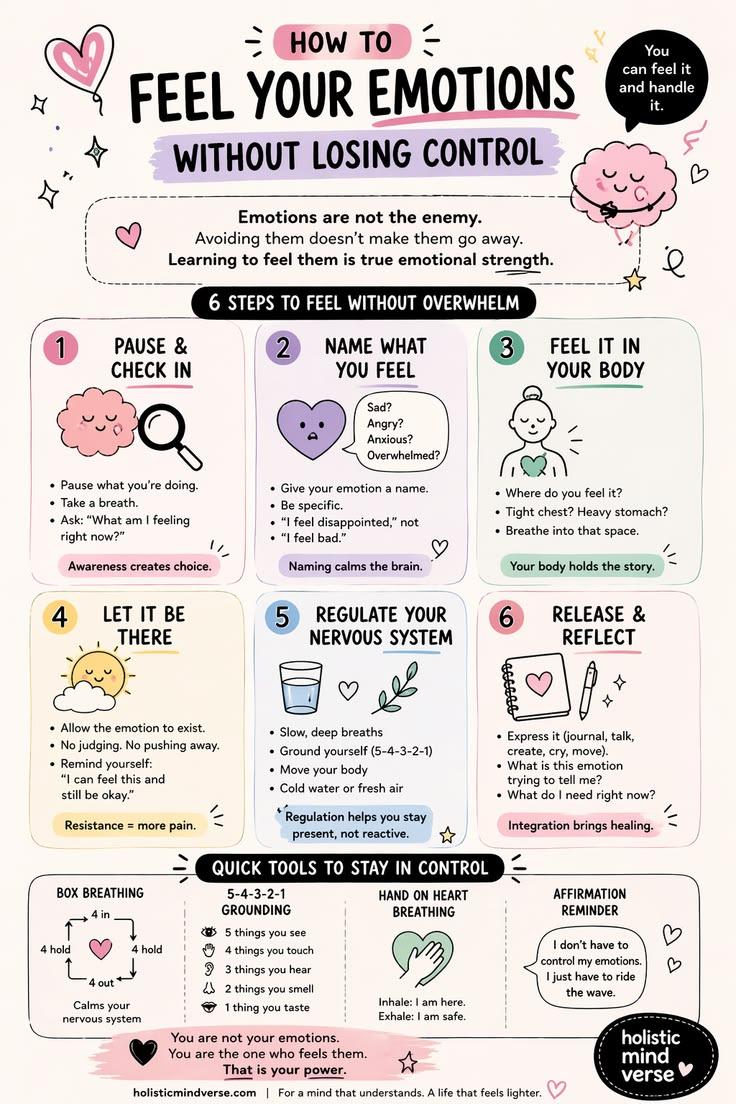
Emotional Regulation Skills
Just like any skill that is learned, it takes practice to master emotional regulation. You can support your child by discussing the strategies that you use to stay calm in stressful situations. Do not protect your child from, or avoid the situations where your child may experience heightened emotions, but rather sit beside them and co-regulate with them when they do, modelling and leading by example. As your child's emotions begin to rise, discuss what is happening in their body, where they feel the emotion, and what they can do to calm themselves before the emotion becomes overwhelming.
If they reach overwhelm, bring your child back to calm before you discuss what happened. A dysregulated brain cannot listen effectively and certainly cannot engage in a long winded discussion!
Why is Emotional Regulation Important?
Being able to regulate emotions is important since our emotions are closely connected to how we think and feel. Our thoughts and feelings help us to decide how best to respond to a situation and what action we should take. Essentially, emotional regulation can influence behavior.
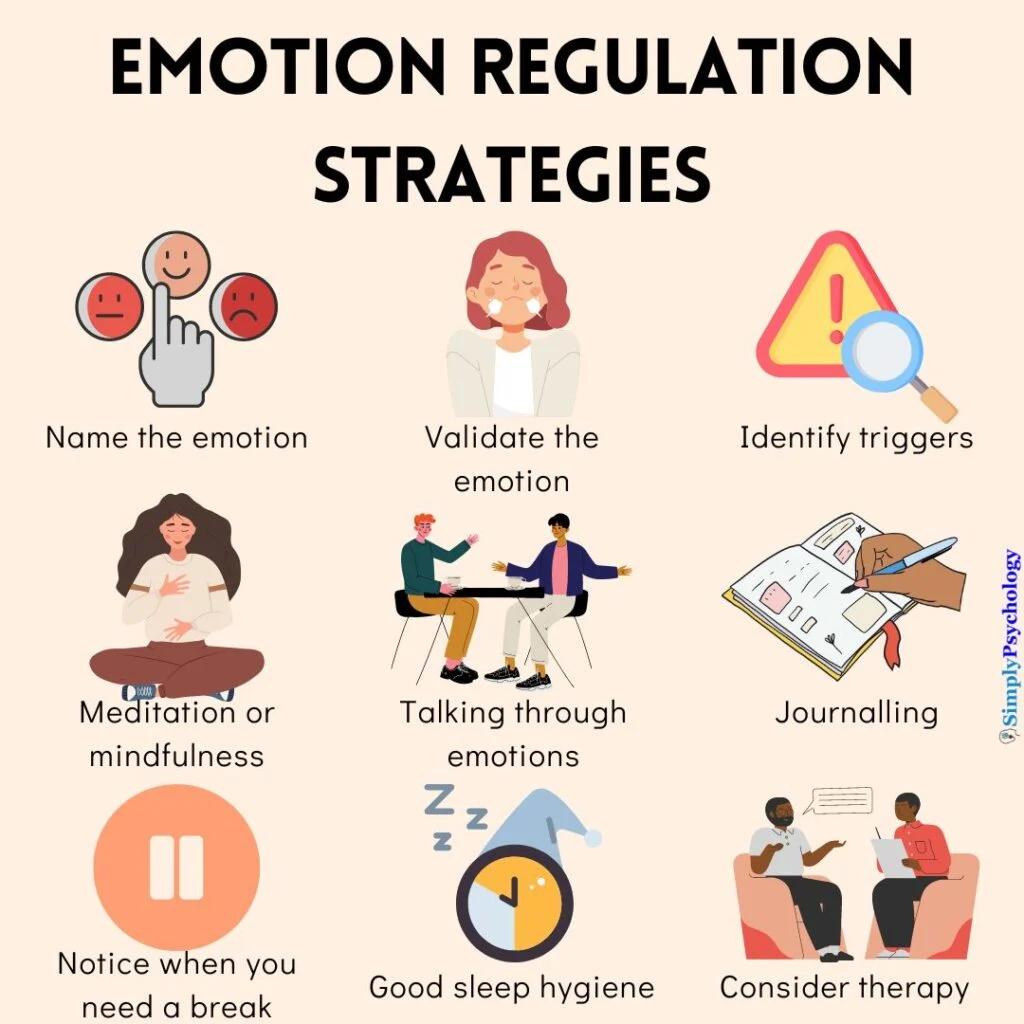
Teaching your child the skills to regulate their emotions means that, instead of acting impulsively and doing something that may be regretted later, they are able to make thought-out choices.
This can mean that they can learn to manage relationships with others, problem-solve, and have better control over their mental health.
Children with ADHD or Anxiety may find it particularly challenging to manage their emotions, and may need additional help to develop skills and strategies to regulate their emotions.
If you have concerns about your child's ability to regulate their emotions, please speak to your child's GP.
Katrina Spicer
Assistant Principal for Wellbeing and Inclusion
katrina.spicer@education.vic.gov.au

By Dr Justin Coulson
Writer Derek Thompson recently shared a metaphor via his Substack… and it won’t leave me alone. It wasn’t about parenting – but it’s something every parent needs to hear.
Thompson described a game where we have a pitcher of water. On the table in front of the pitcher are dozens of cups that want water. The game is to pour the water into the cups in a way that is satisfying to us but that also gives the right cups the right amount of water.
Why would the cups want or need water? Those cups each have labels: work, children, partner, screens, dishes, regret, worry, and so on. And the water? It represents something we only have so much of: attention.
It’s a simple idea, but with devastating implications.
As parents, we know which cups matter most. It’s obvious. We’re “supposed” to put our attention into our children. They’re our priority. We’re “supposed” to fill our partners’ cup, our health cup. Plus there’s our work (because the rent or mortgage has to be paid. We need food on the table).
But then we do a reality check. Our screen time app tells us we’ve spent 75 minutes on social media while we know we have only spent eleven minutes talking with our son or daughter. We’ve poured energy into an argument with a stranger online but had nothing left for our spouse at dinner. We’ve ruminated about work frustrations all weekend but can’t remember the last unhurried conversation we had with our child.
Thompson tells us our attention tells the truth our mouths won’t say.
I see this in my own life constantly. After a social media post about a provocative topic, I spent days absorbed in online criticism – essentially having arguments with people I’ll never meet (while my actual family sat across from me, watching me pour water into other cups than the ones that matter most).
There are a couple of things that make this hard though. First, we’re wired to respond to urgency, not importance. The ping gets our water. The deadline gets our water. The conflict gets our water. When things are ok, we don’t focus on them so much. So… if the kids are doing fine, they get less water. Second, we have so many distractions – most of them on our screens.
This means that we’re not putting our attention where it matters most.
Some people say “you can’t pour from an empty vessel”. That’s true to a degree… but attention is always being put somewhere. In this game (or metaphor), it’s not about our energy. It’s about attention. And that’s a choice. Every time.
The research on presence keeps pointing to the same truth: children need us fully there. They need our engaged attention. They develop secure attachment not through perfect parenting but through consistent presence.
Too often, what gets our attention is an algorithm designed to keep us perpetually elsewhere. We’ve normalised interrupted conversations, half-listened stories, and questions answered while scrolling. We’ve accepted being physically present but mentally absent as just “how life is now.”
How many times have you sat down to “just check this notification” or to “quickly send off a reply” or to “watch this thing someone sent me real quick”, only to find yourself still glued to the screen 40 minutes later? (And then to be mad at everyone for not picking up the slack because “I just needed some down time?)
It doesn’t have to be like this – and it shouldn’t be like this.
YOUR ENERGY FLOWS WHERE YOUR ATTENTION GOES.
What’s getting your attention? Because that’s what’s getting your attention.
This is a conversation about two things: priorities (also known as value), and intention.
If you’re reading this and feeling guilt – take that as a signal. A good news signal. That guilt is pointing you in the direction of improvement! It’s our brain’s functional way of correcting and improving. It’s resilient!
The even better news is Thompson’s metaphor means that because attention actually is renewable, tomorrow morning, your pitcher is full again. You get another chance. The game doesn’t end because you lost today or yesterday.
So try this: tonight, before bed, ask yourself one question: Whose cup did I fill today?
Not whose cup you meant to fill. Whose cup actually got your water. Was it the podcast? Or your child? Was it the latest news story about an issue you can’t control in any way? Or was it your partner or spouse?
Ask, whose cup did I fill today? And then ask what needs to change tomorrow. Pour your water (attention) with intention.
Not sure how? Maybe you silence notifications during school pickup. Maybe you establish one screen-free hour each evening. Maybe you stop treating every work email as urgent. Maybe you choose boredom over scrolling. Maybe you just start noticing where your attention actually goes instead of where you wish it went.
Your kids aren’t measuring your intentions. They’re measuring your presence. Not the 30 seconds of distracted “uh-huh” while you finish a text. The moments when they have you – your eyes, your focus, your water.
Everything else is just noise we’ve mistaken for necessity.
