
Novel Studies
Literacy Update
Novel Studies
Literacy Update
Two newsletters ago, Paul wrote about our senior students’ novel studies and shared the books they are currently reading:
Paul’s “homework” for families was to ask their children about the books they were reading and the connections they could make between the stories and real-world events. I trust that there have been lots of fun and engaging conversations happening at home.
As a Year 4 teacher, I have had the privilege of seeing how much our students are enjoying their class novel. We have also received very positive feedback from Year 4 families about the novel and the learning that has taken place around it. I wanted to build on this and share a little more about what our senior students have been doing through novel study and how it supports their literacy learning.
What is novel study?
A novel study is a structured approach where a class reads a full-length book together over several weeks. The novel becomes an anchor for developing reading and writing skills, building vocabulary and exploring deeper ideas and themes.
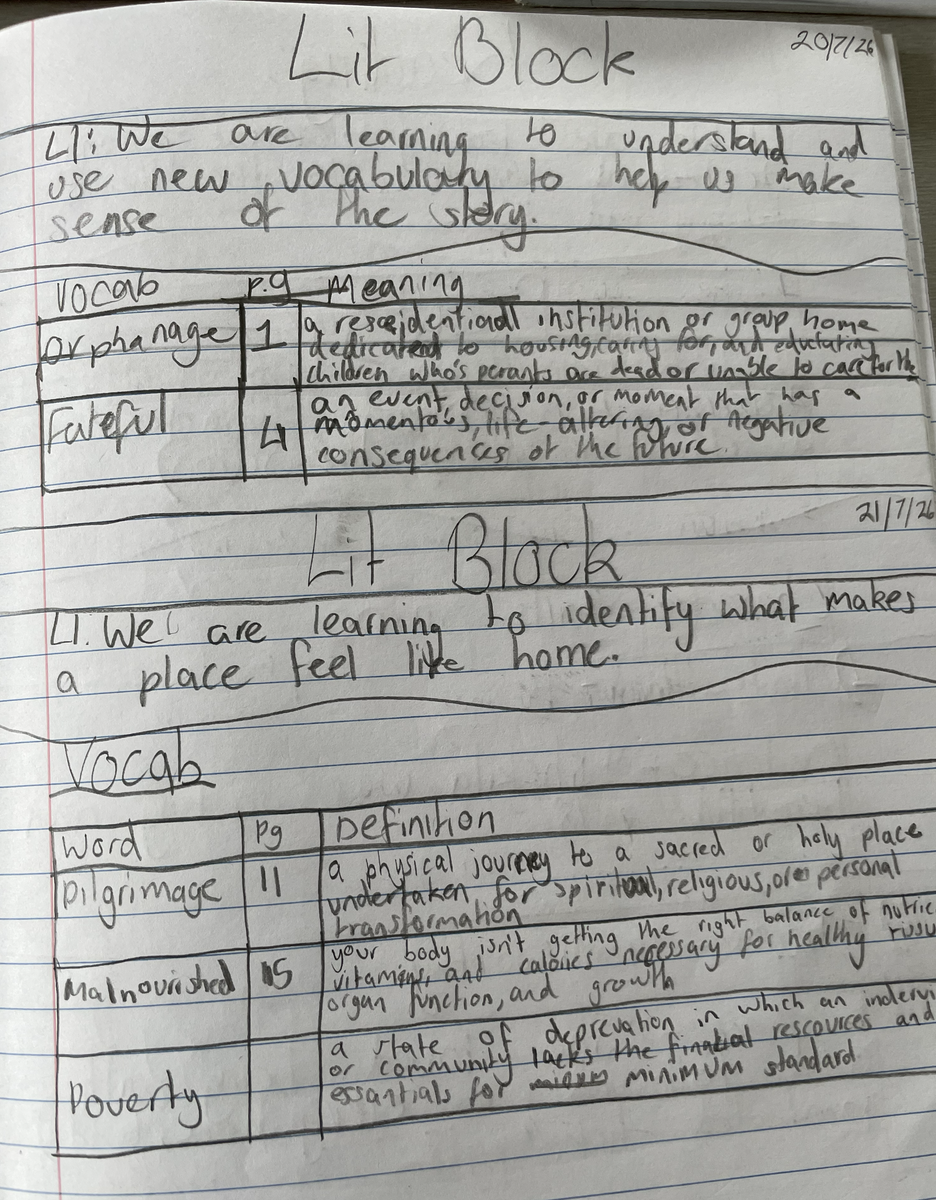
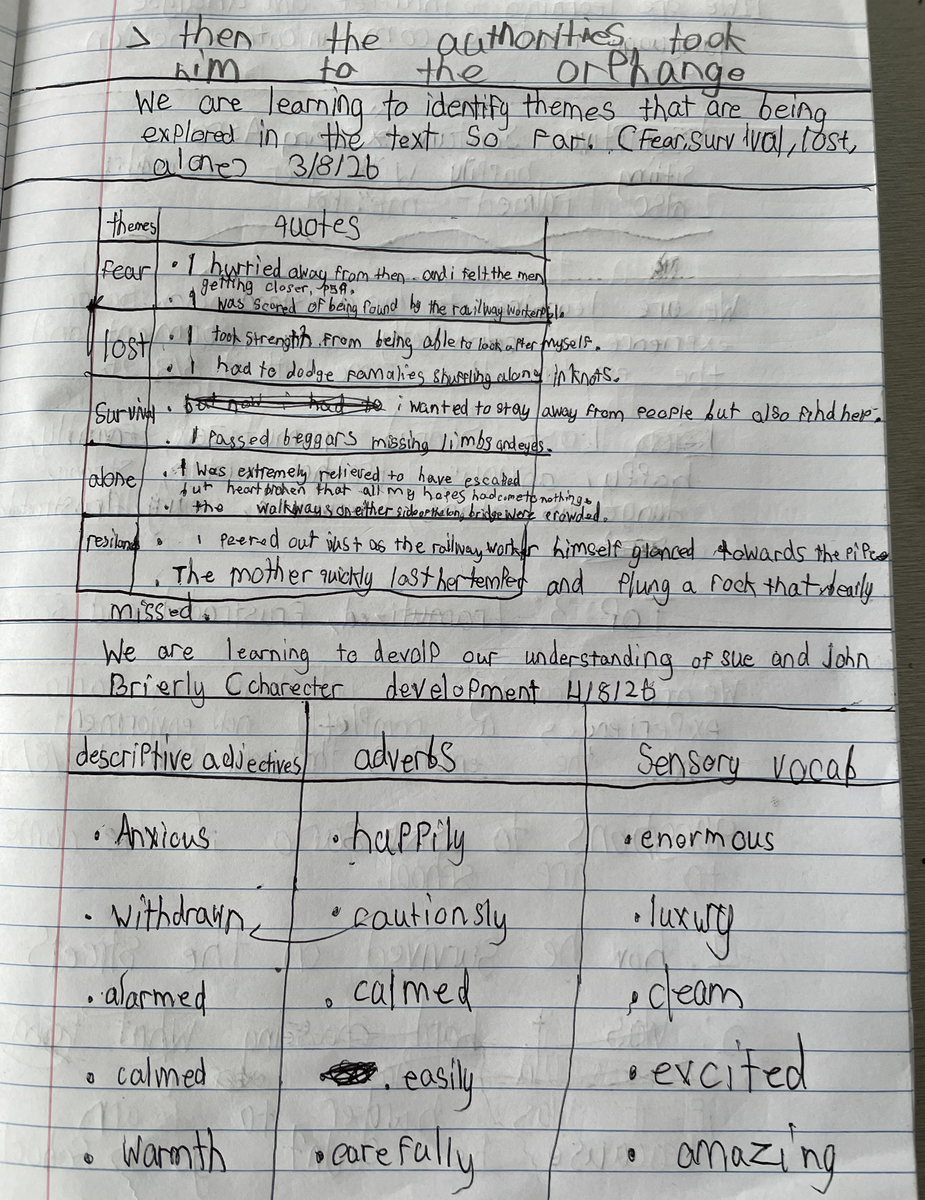
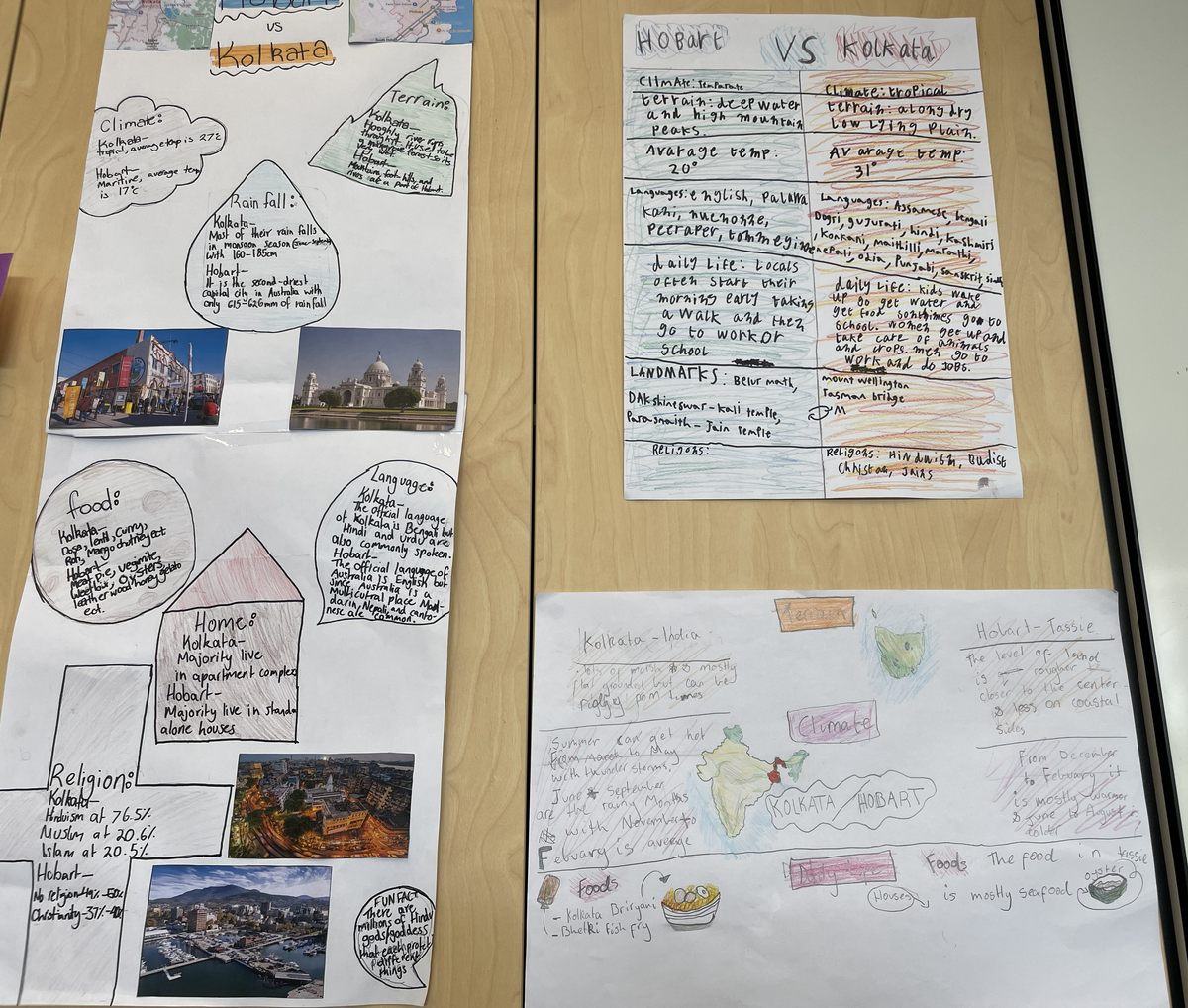
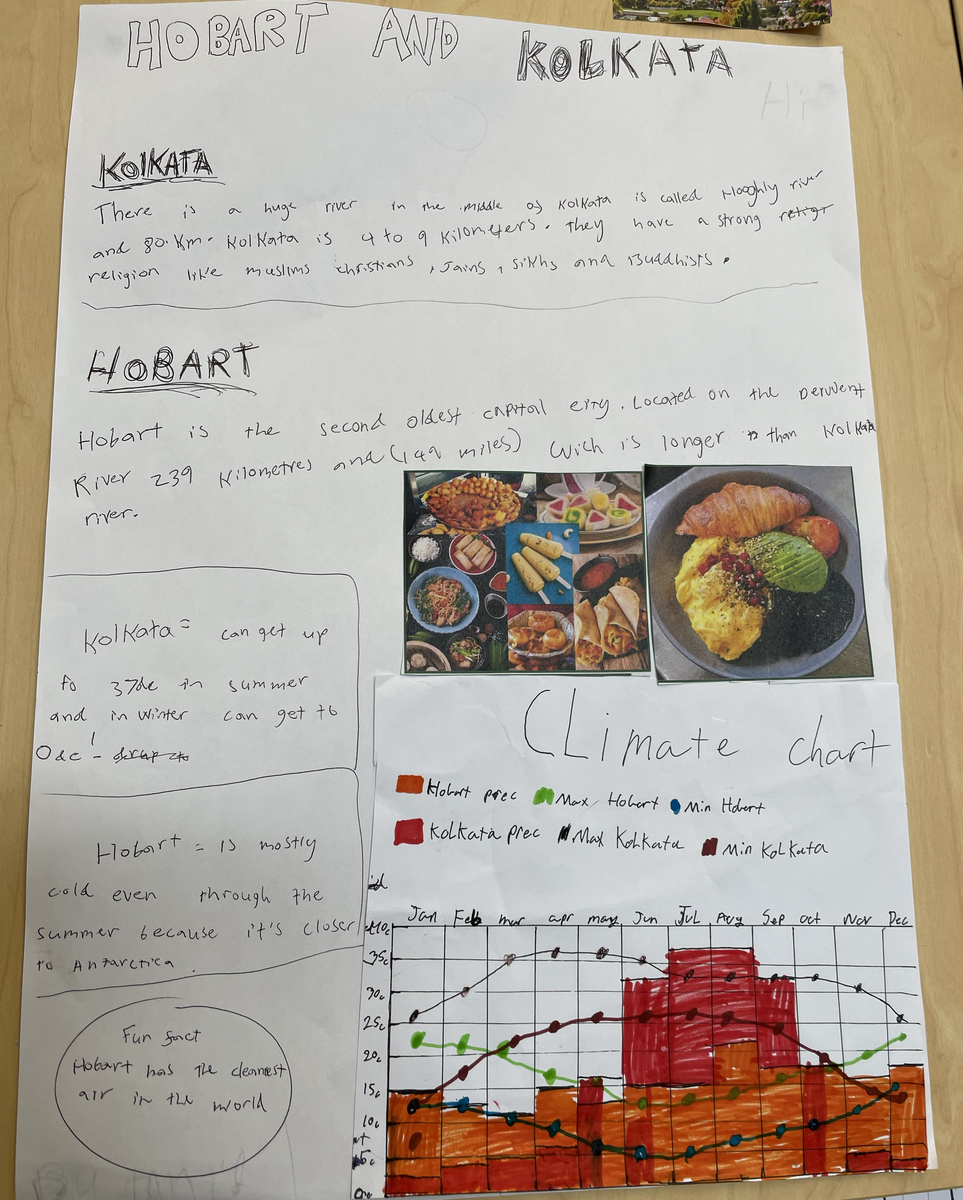
With teacher guidance, students move beyond simply understanding what happens in the story. They explore characters, settings and themes, make connections to their own experiences and the wider world, learn new vocabulary and investigate relevant historical, cultural and factual information connected to the novel.
Why are we doing novel study?
Since last year, the implementation of the Daily Literacy Block at FPS has had a positive impact on the consistency and coherence of literacy instruction across the school. Our structured literacy approach draws on the Big 6 of Literacy—oral language, phonological awareness, phonics, fluency, vocabulary and comprehension—alongside explicit writing instruction. Novel study complements this approach by providing a rich, shared context in which students can apply and connect these skills through an engaging text.
Furthermore, the Australian Education Research Organisation (AERO) highlights the importance of reducing unnecessary cognitive load while keeping students engaged in meaningful learning. Novel study provides an opportunity to bring many aspects of literacy learning together through a shared, engaging text.
Throughout the term, students become immersed in their novel and explore a range of learning connected to it. They investigate the setting, characters, themes and vocabulary, as well as the historical, cultural and real-world events that relate to the story. This provides rich opportunities for students to develop their comprehension, writing, vocabulary, critical thinking and discussion skills.
Most importantly, students have a shared experience that gives them something meaningful to talk, read and write about. Rather than learning these skills in isolation, students can apply them in a context that they are interested in and understand. This allows students to engage in writing without having to generate ideas and content from scratch, reducing their cognitive load and allowing them to focus more fully on developing and expressing their ideas effectively.
How can families support literacy skills, especially writing at home?
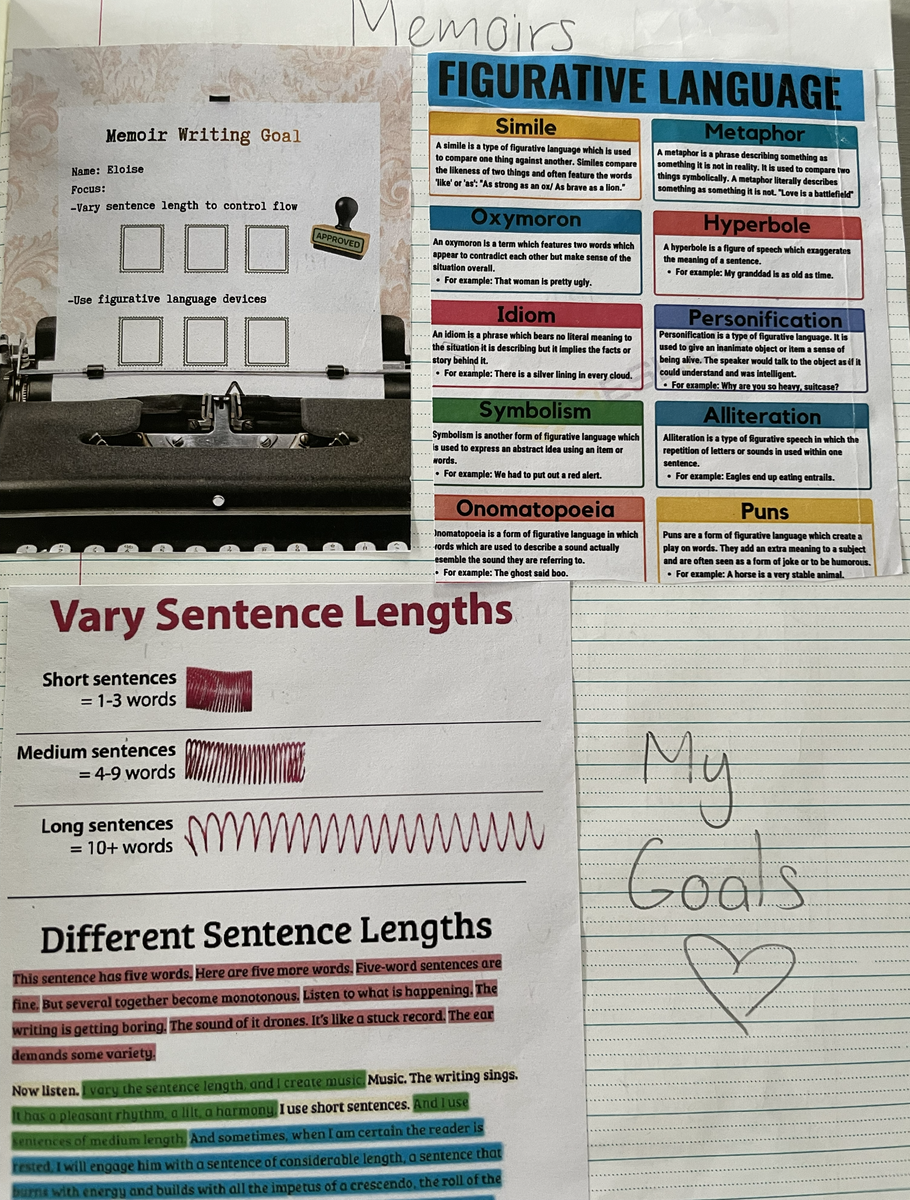
Families can also support writing at home by drawing attention to interesting vocabulary and encouraging children to use precise words when explaining their ideas. Providing authentic opportunities to write, such as writing a book review, email, journal entry, story, instructions or response to something they care about, helps children see writing as a purposeful way to communicate. Most importantly, writing support at home does not need to feel like extra homework. Reading, talking, questioning, sharing ideas and encouraging children to reread and improve their writing are simple ways families can help strengthen the skills students are developing through their novel study.
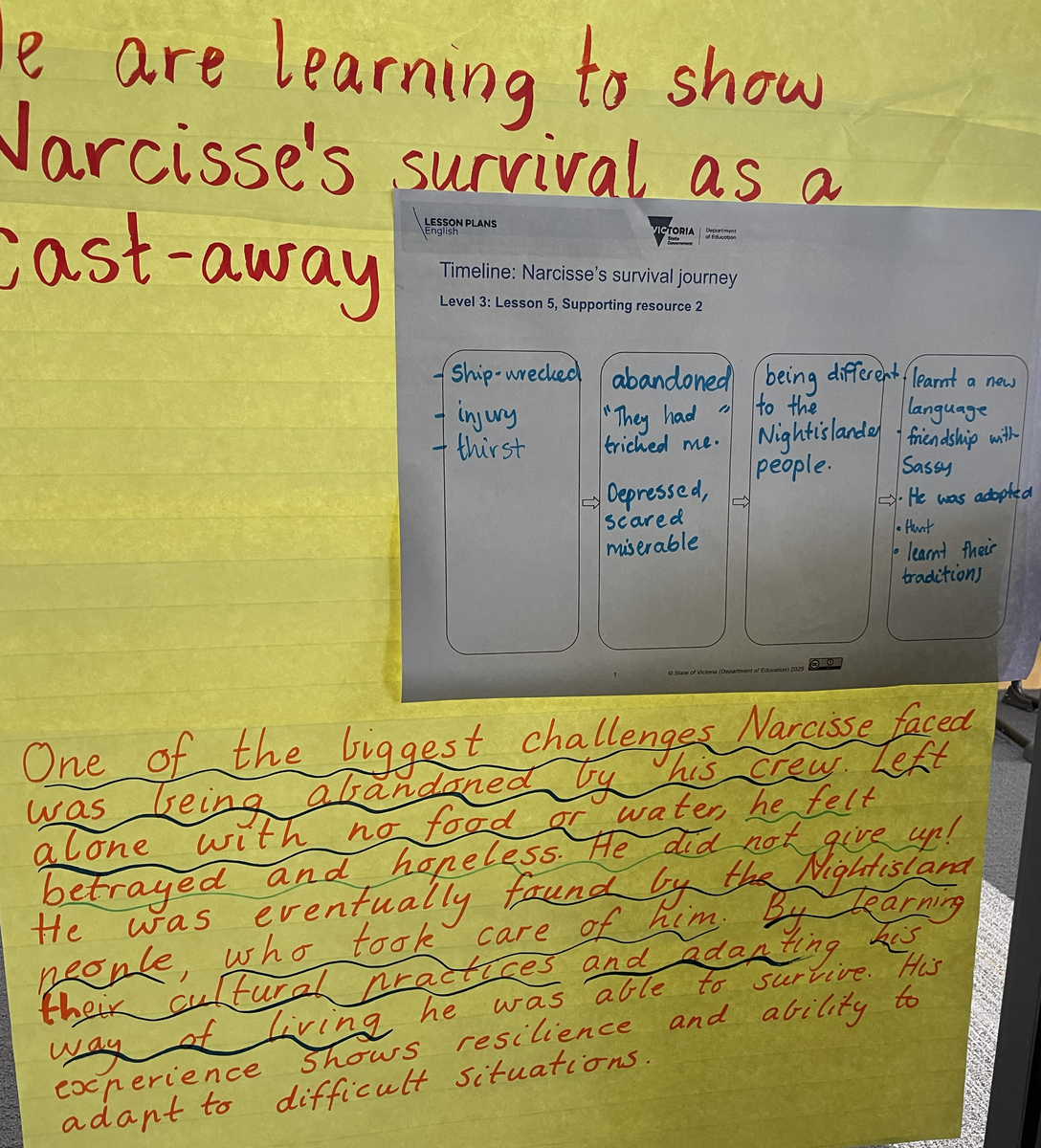
Below are some reflections written by our students about their class novels.
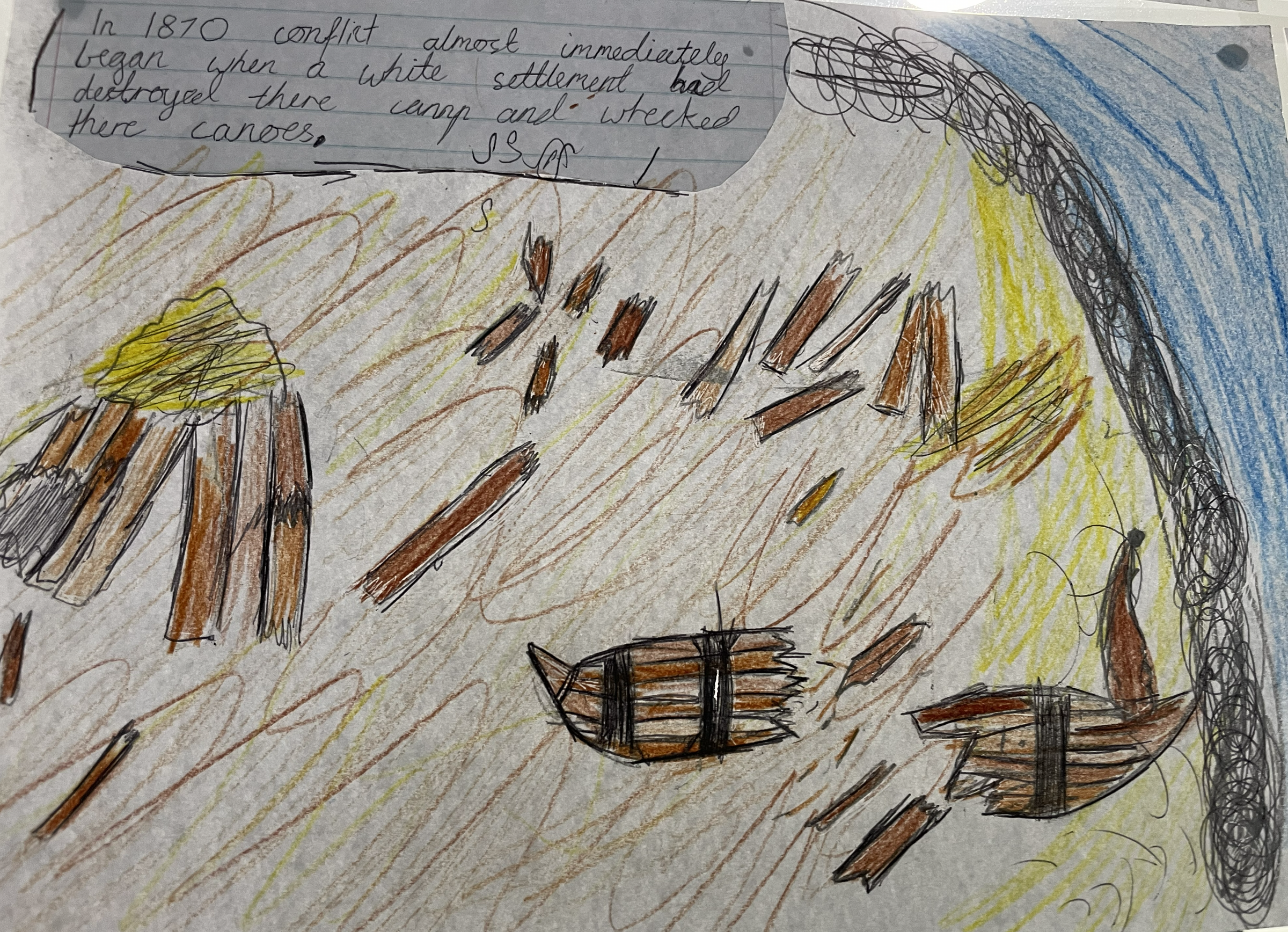
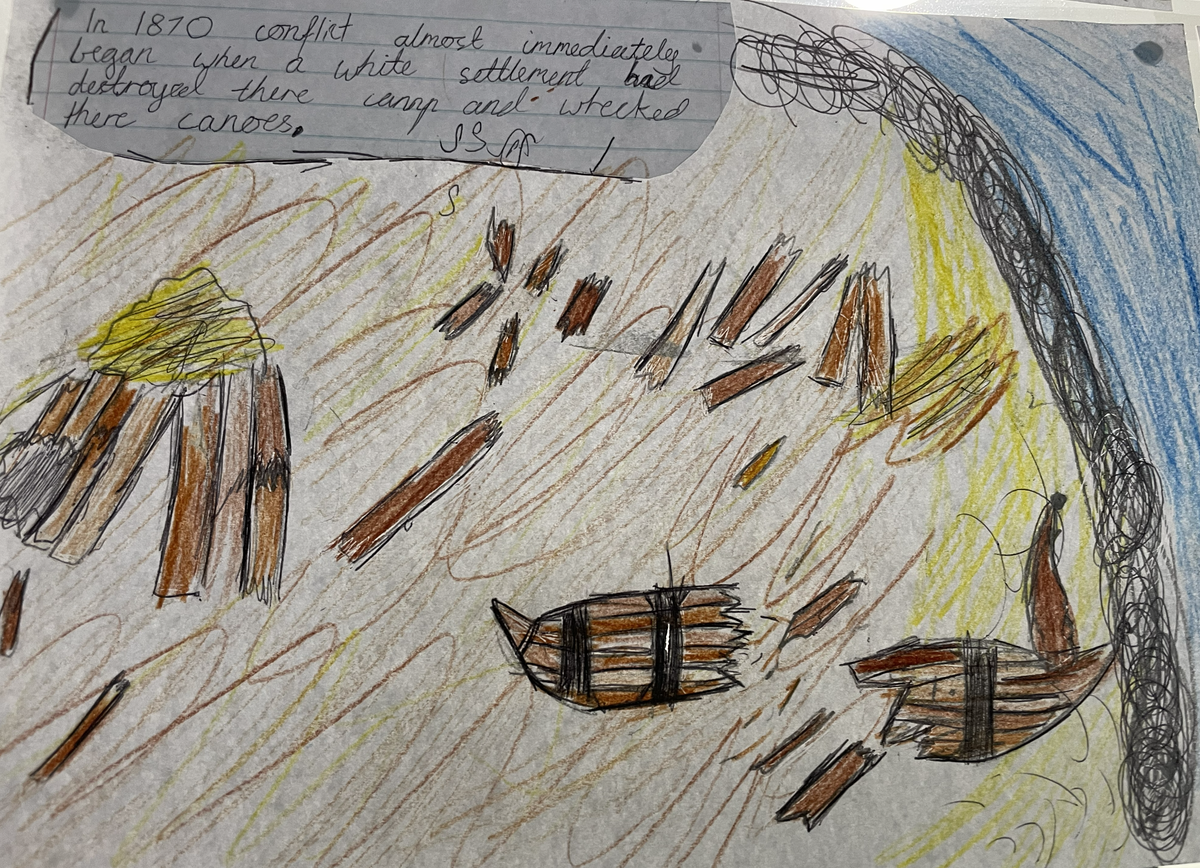
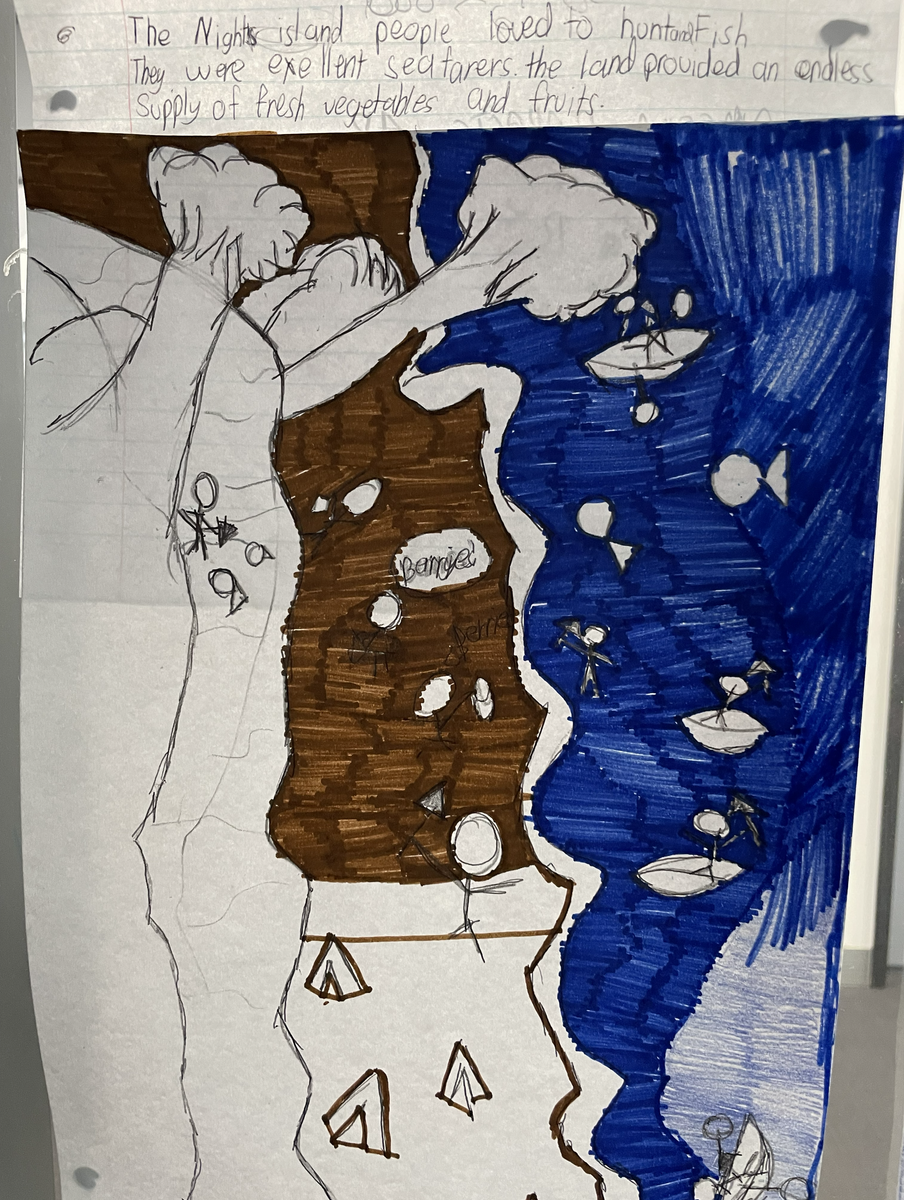
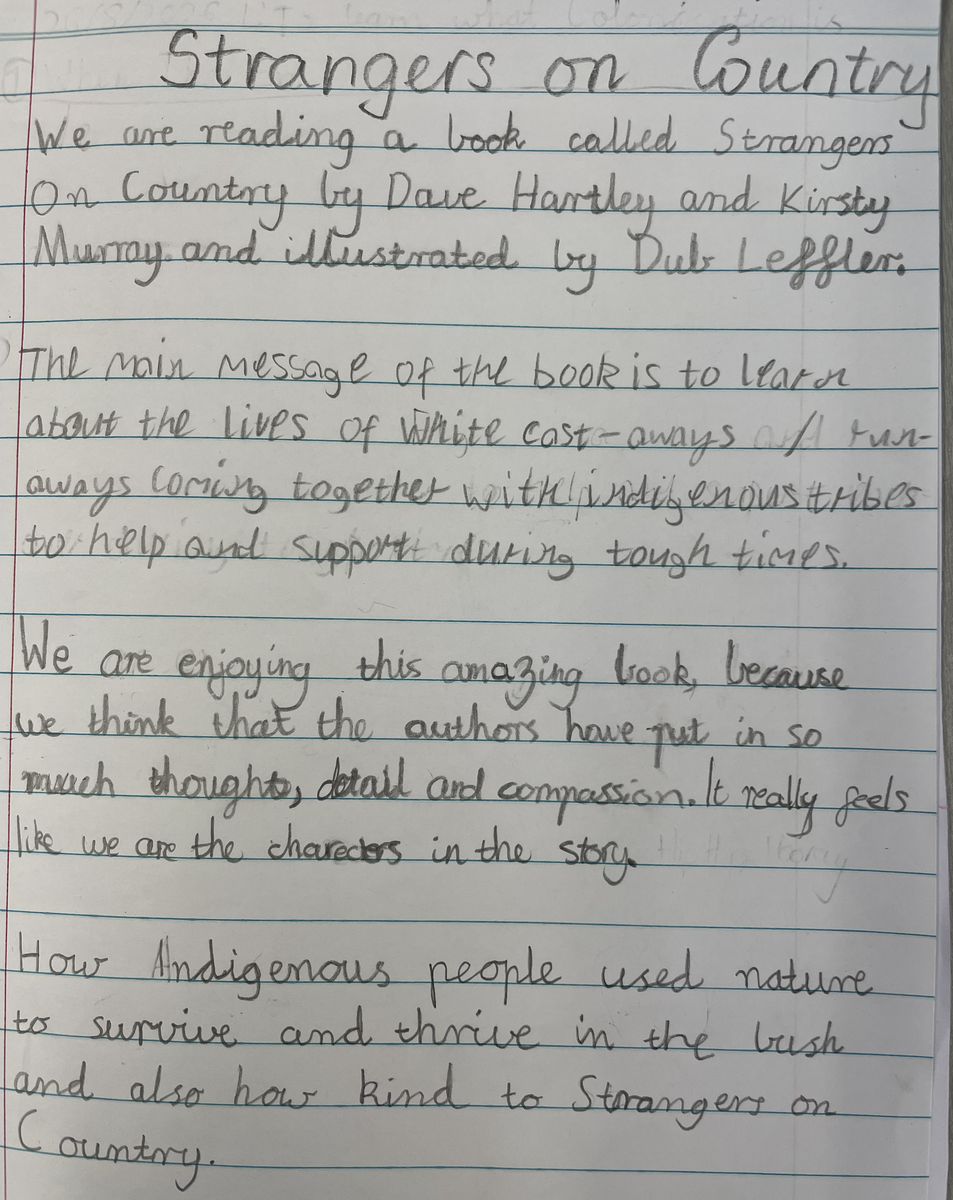
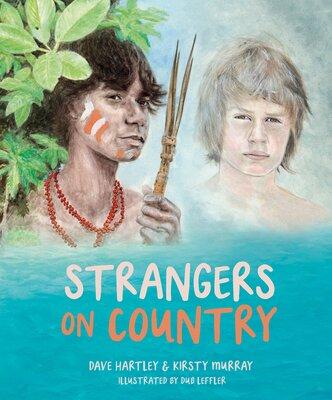
Year 4s’ reflection on Strangers on Country
Year 5s’ reflection on Bindi
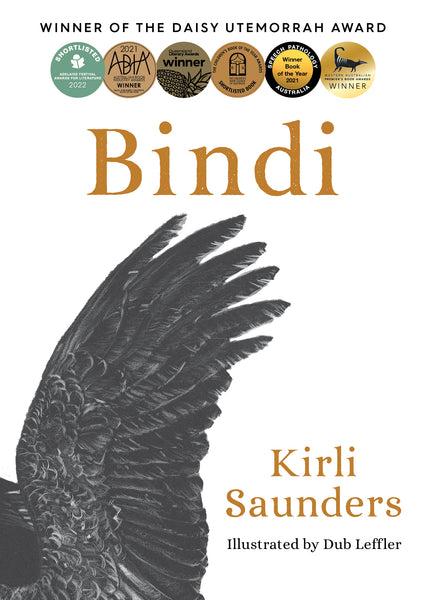
Bindi is a verse novel about a 11 year old Aboriginal girl called Bindi. She is an art lover, horse rider, hockey player and she doesn't really like maths. The story is about Bindi’s relationship with the land and earth. When she fractures her wrist she feels trapped. Later in the story she finds a baby black cockatoo (or garrall) who has broken its wing. The story follows the journey Bindi and the Garrall both take of healing and recovery. Throughout the story a bush fire burns. The community is nearly reduced to ashes and Bindi's family home is one of the houses still standing.
The rest of the story is filled with people opening their doors to strangers and friends who have lost belongings and the feeling of safety. The community is supported and cared for but also people draw attention to the ever lasting effect of fire on rural communities.
Bindi shows that bushfires can have an effect on anyone who experiences it whether it was near them or far away. The aboriginal language from where Bindi lives is woven through the text and at the back of the text is a list of words with the Aboriginal words with the English words next to them. Bindi is a great book and I would recommend it to anyone who wants to learn more about the Aboriginal cultures of Australia.
Written by Jemima W, 5C
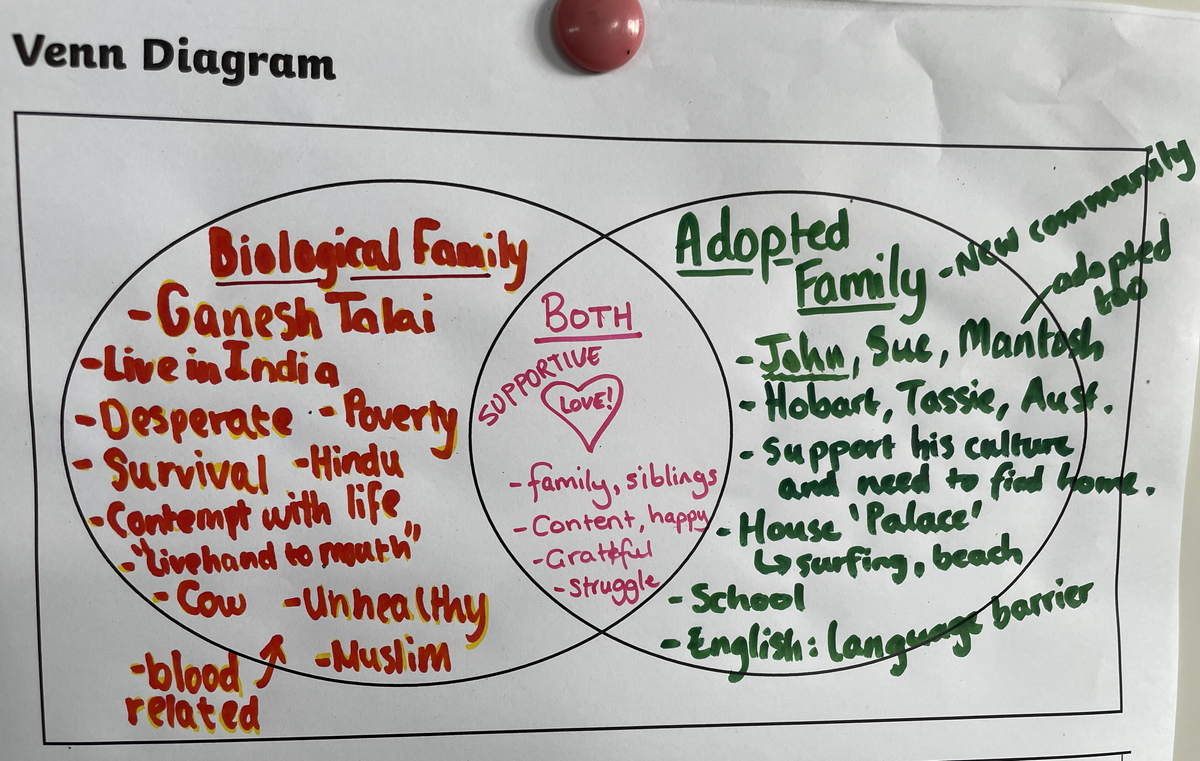
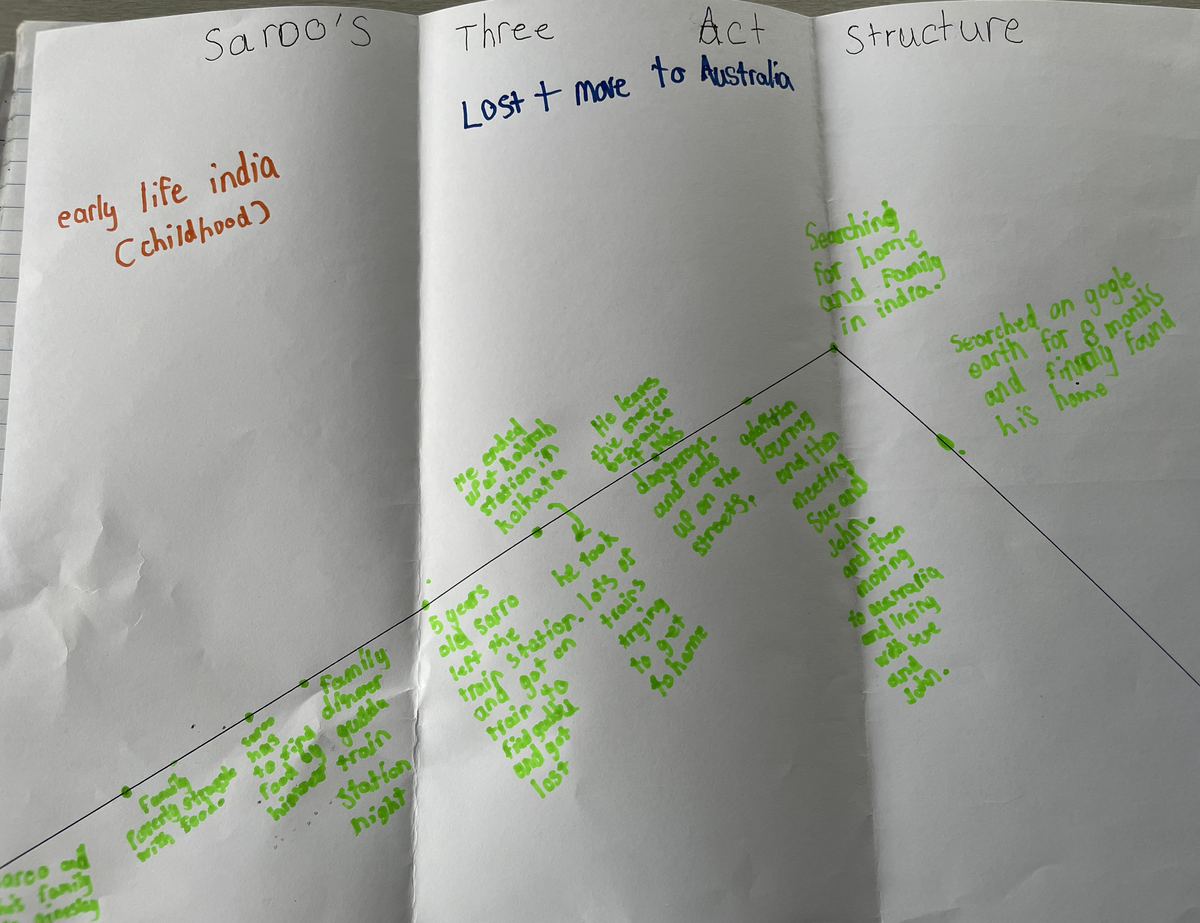
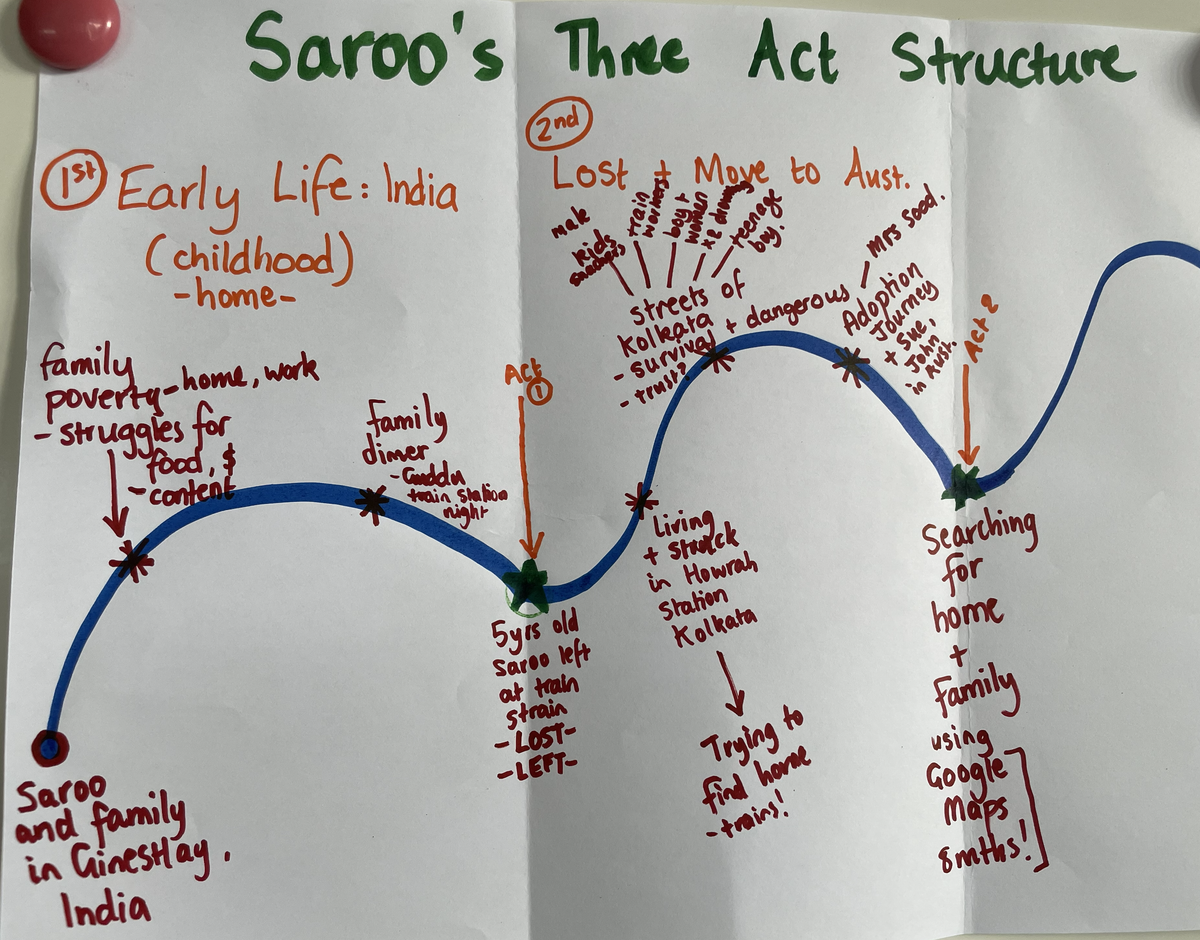
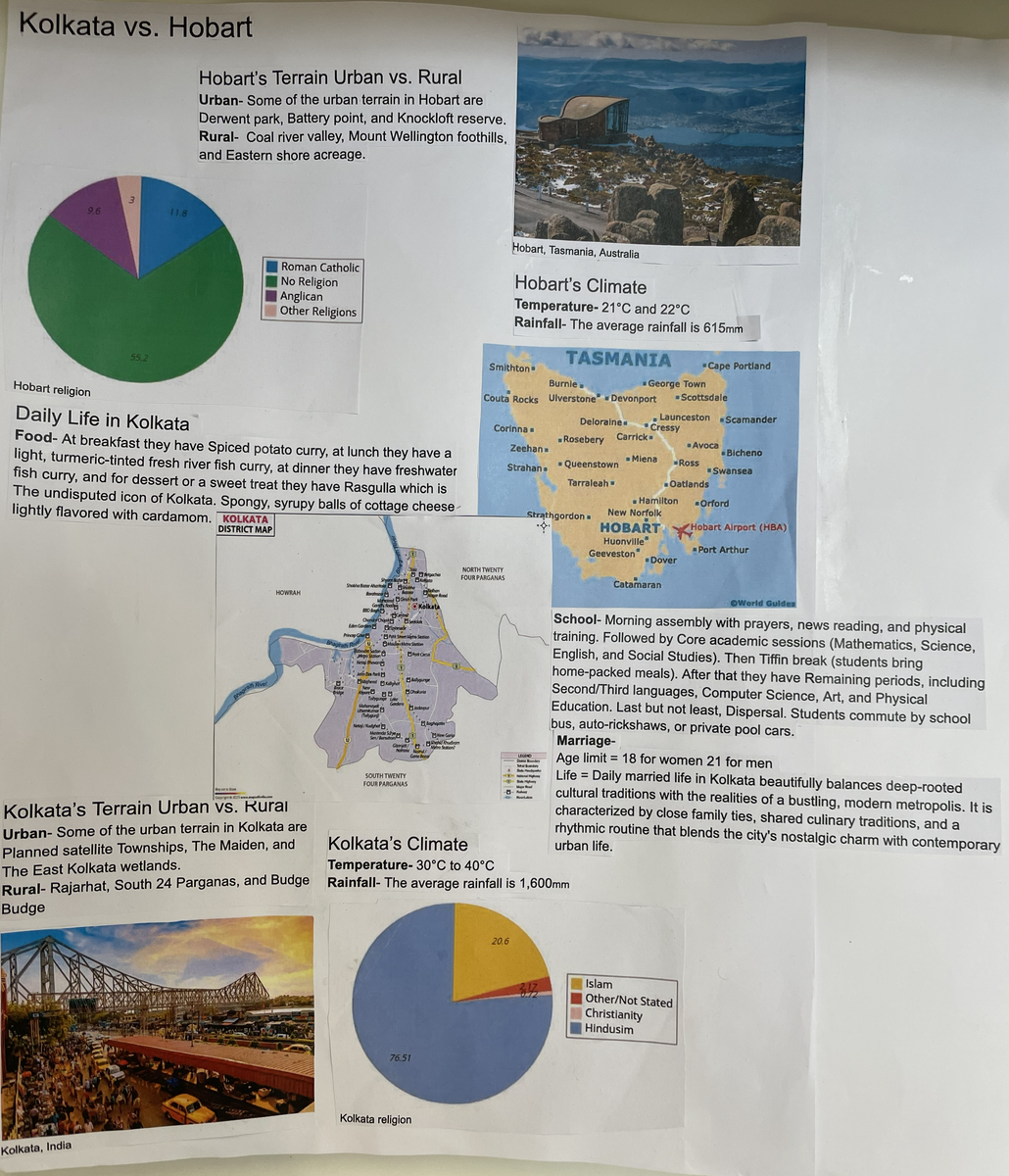
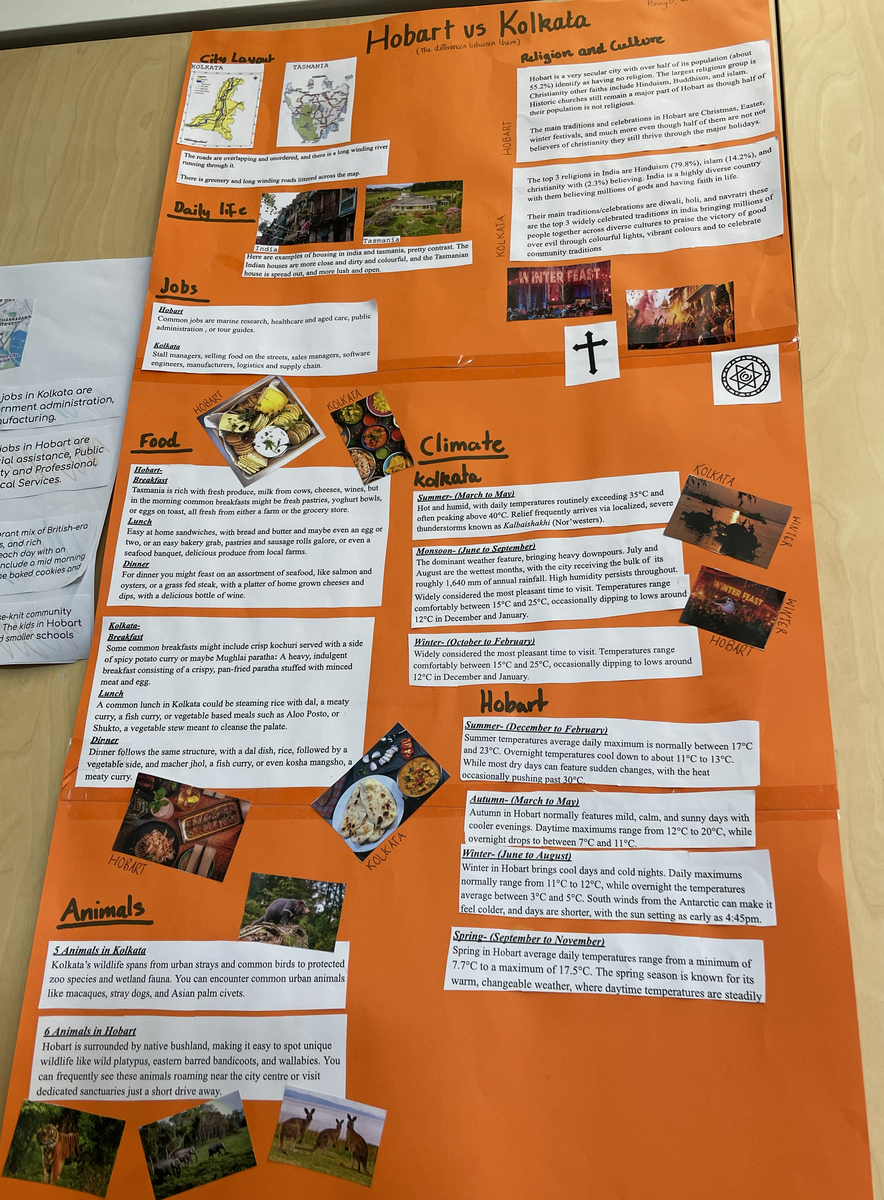
Year 6s’ reflection on Lion: A Long Way Home
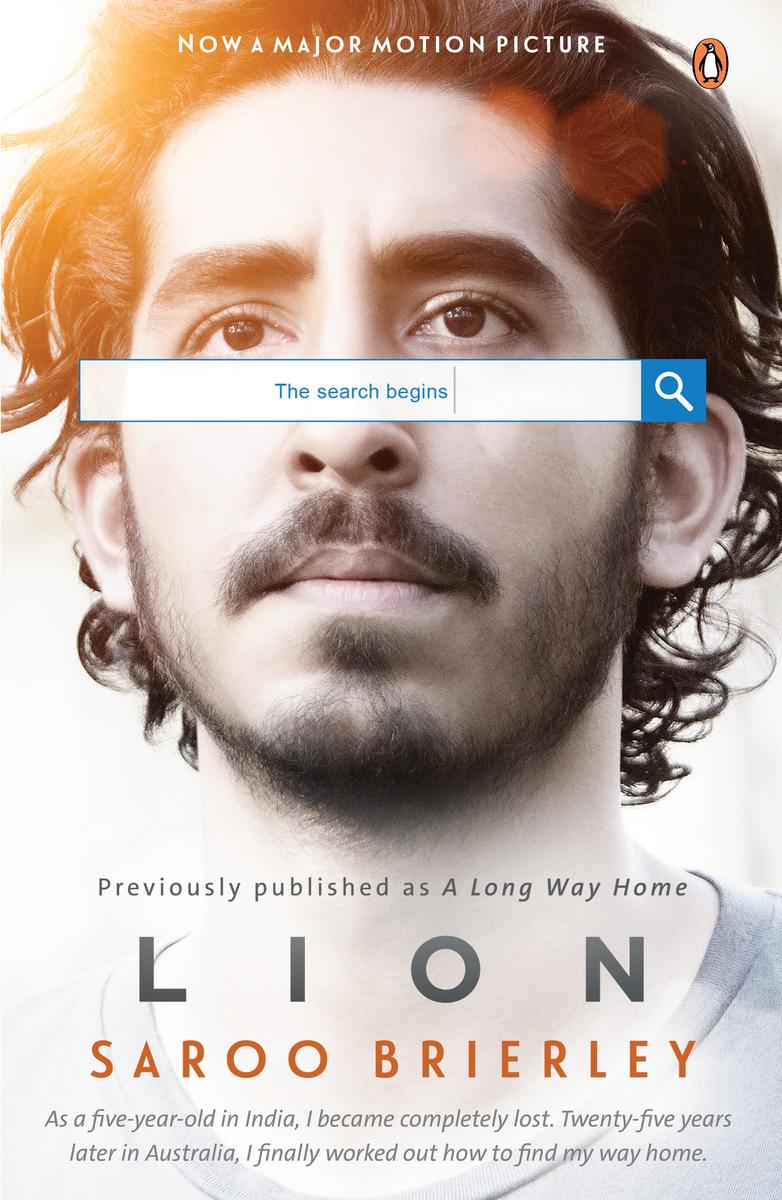
This term we are reading the book Lion by Saroo Brierly, a book about the author who gets lost as a boy on the streets of Kolkata, India. He eventually gets adopted by the Brierly’s who live in Hobart, Tasmania. Saroo longs to go back to his childhood home and searches for his family for multiple years using Google maps.
We are enjoying this book because we think it's very interesting and fun to read, and we would love to read this book again in the future. It's very inspiring. We have learned the importance of persistence and staying resilient while we were reading this book.
Written by Alina M & Ava M, 6B
Binh Hoang
Literacy Learning Specialist