WHAT'S BEEN HAPPENING (2of 2)
ANCIENT LANDSCAPES AND TRADITIONS ON THE BASS COAST
BY JAMES MATHEWS (Head of Enviro & Outdoor Education Teacher)
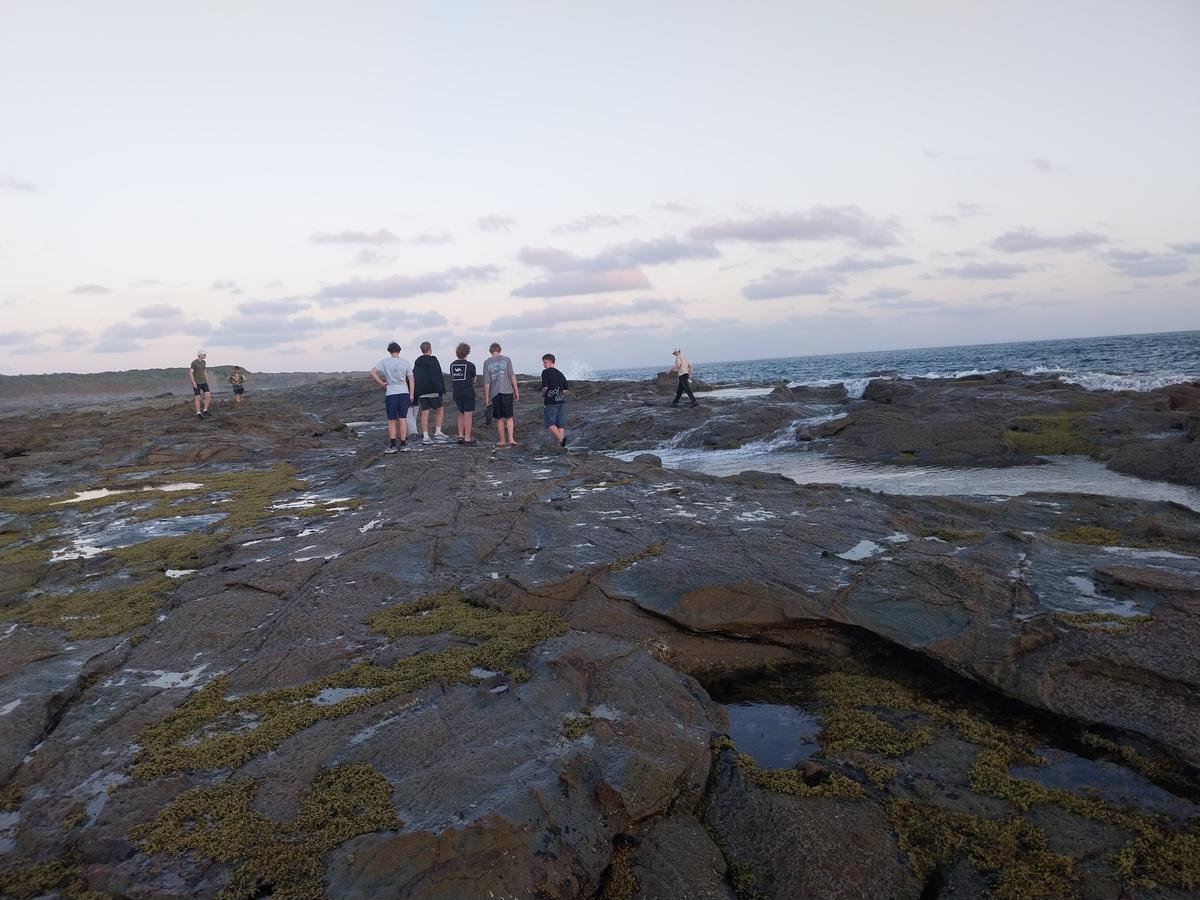
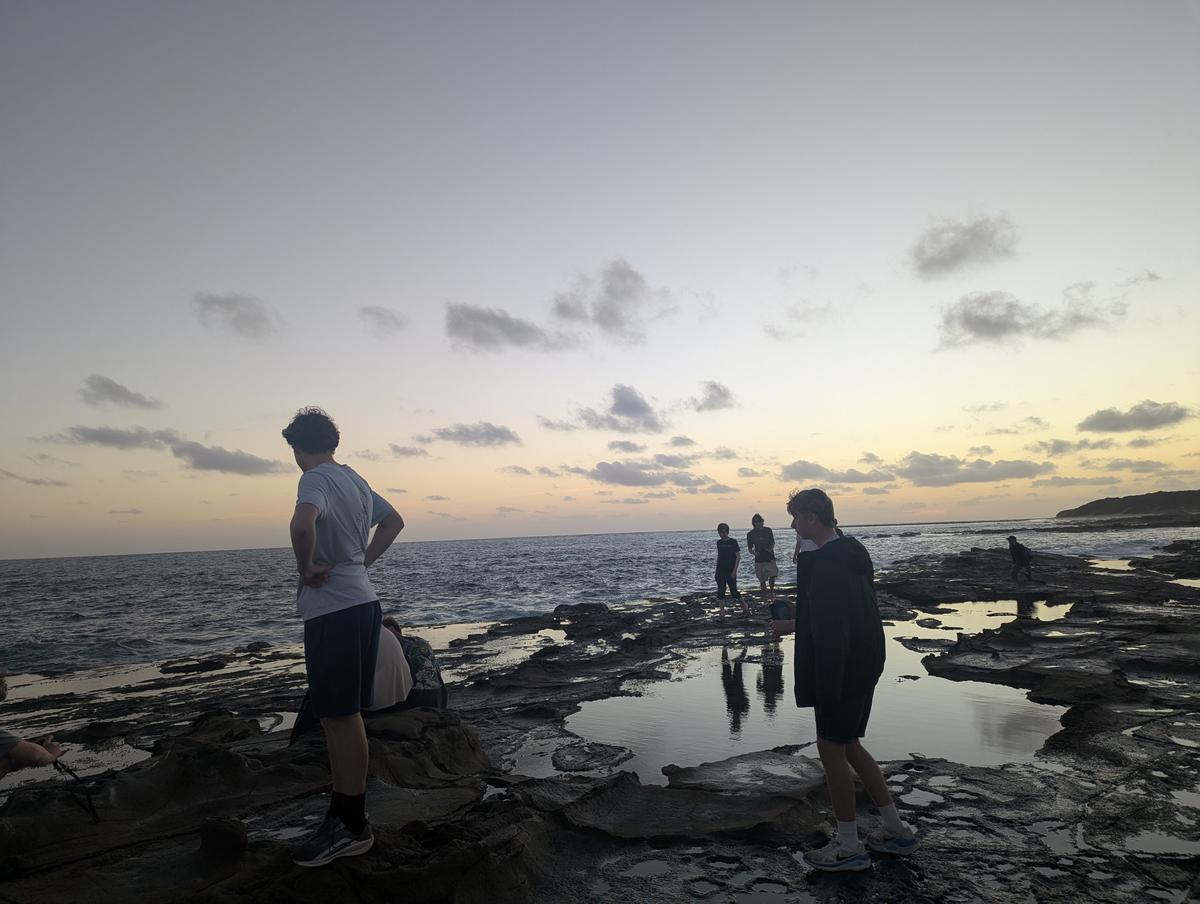
On the Bass Coast, particularly around Cape Paterson, you can find a landscape formed through volcanic activity. Standing out on the rock platforms around the holiday park, there you will find locations of rock formations that are made through two types of volcanic activity: volcanic vents and dykes.
A volcanic vent is your standard volcano that we would think of with a tube coming up the middle to transport the lava from the Earth's inner layers to the surface or crater. The volcanic dyke is a long fracture in the rock where the lava flows out in this split along the surface.
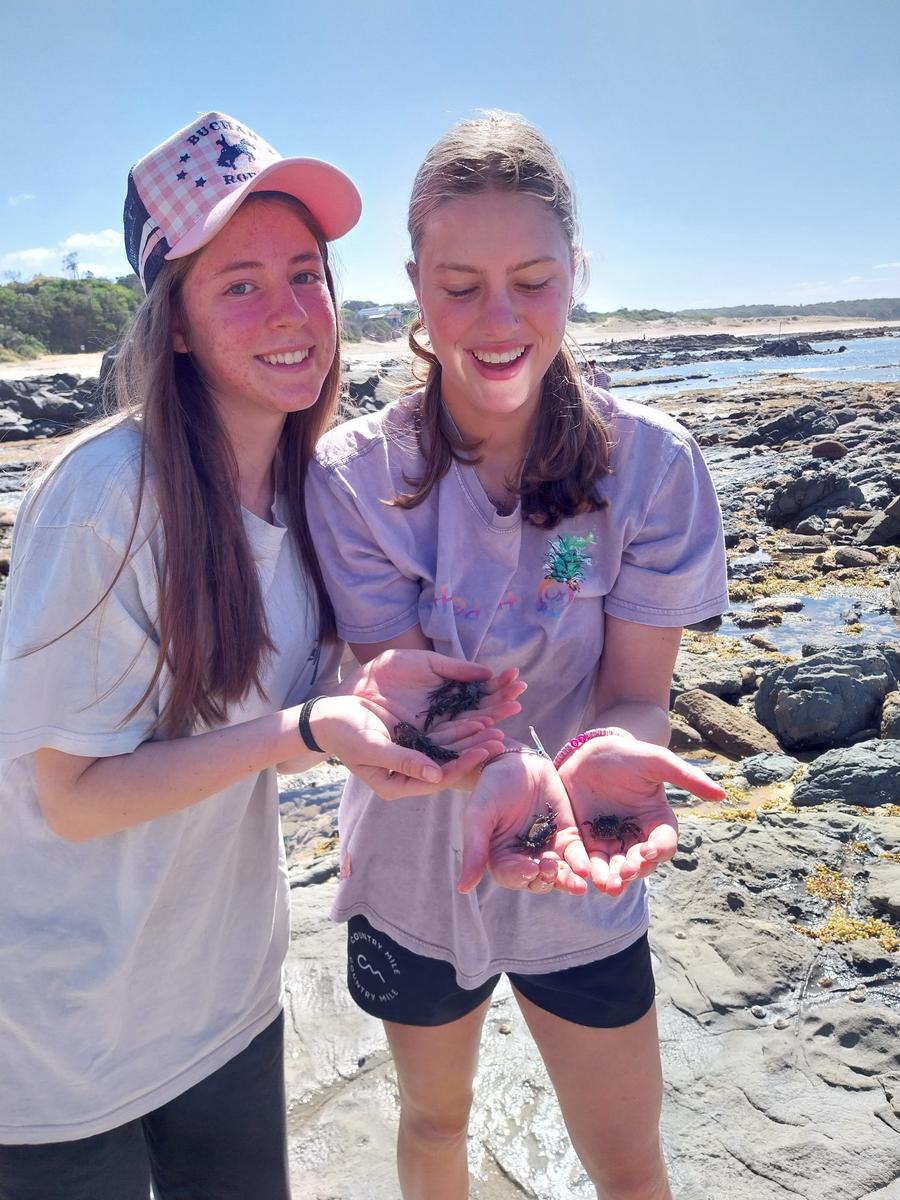
As my VCE Outdoor and Environmental Studies class and I were standing on this rock platform, we saw what looked like a bunch of rocks and rock pools. Our tour guide Mike Cleeland, famed palaeontologist and dinosaur discoverer, illuminated our imagination and we were able to see through his guidance these clues pointing us to discover the ancient landscape that was before us. What amazed me the most about this was the variety of ways in which our incredible country was formed geologically, and the beauty that can be seen in each of these formations; being volcano and hand-formed at the same time.
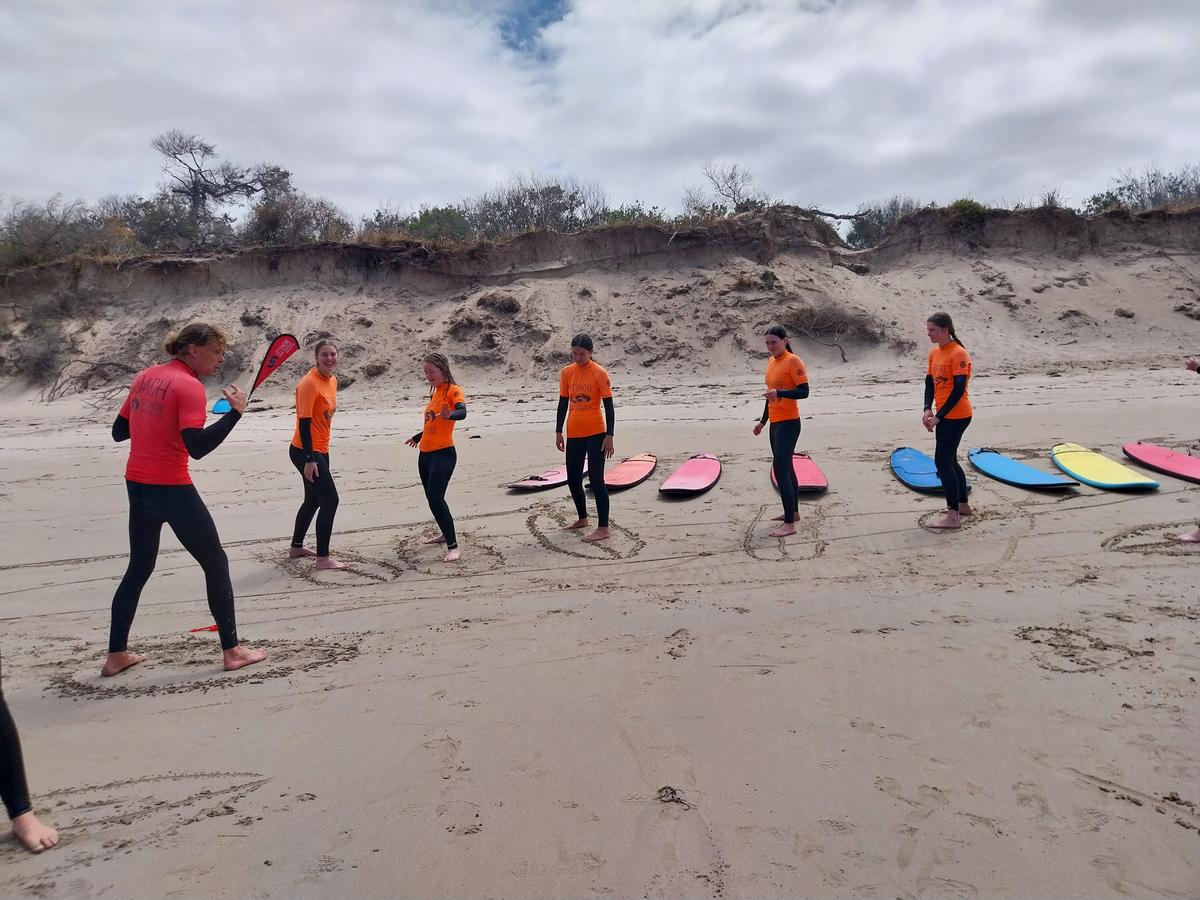
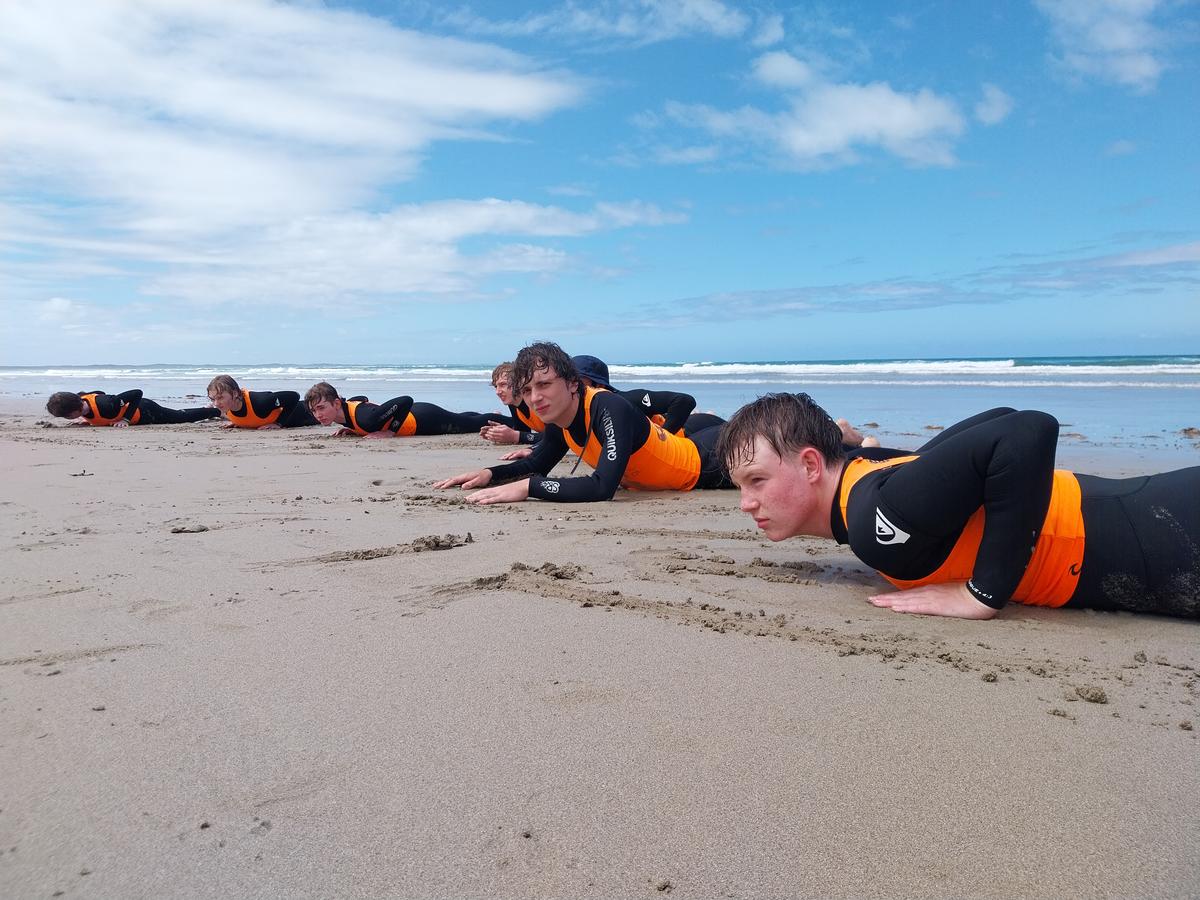
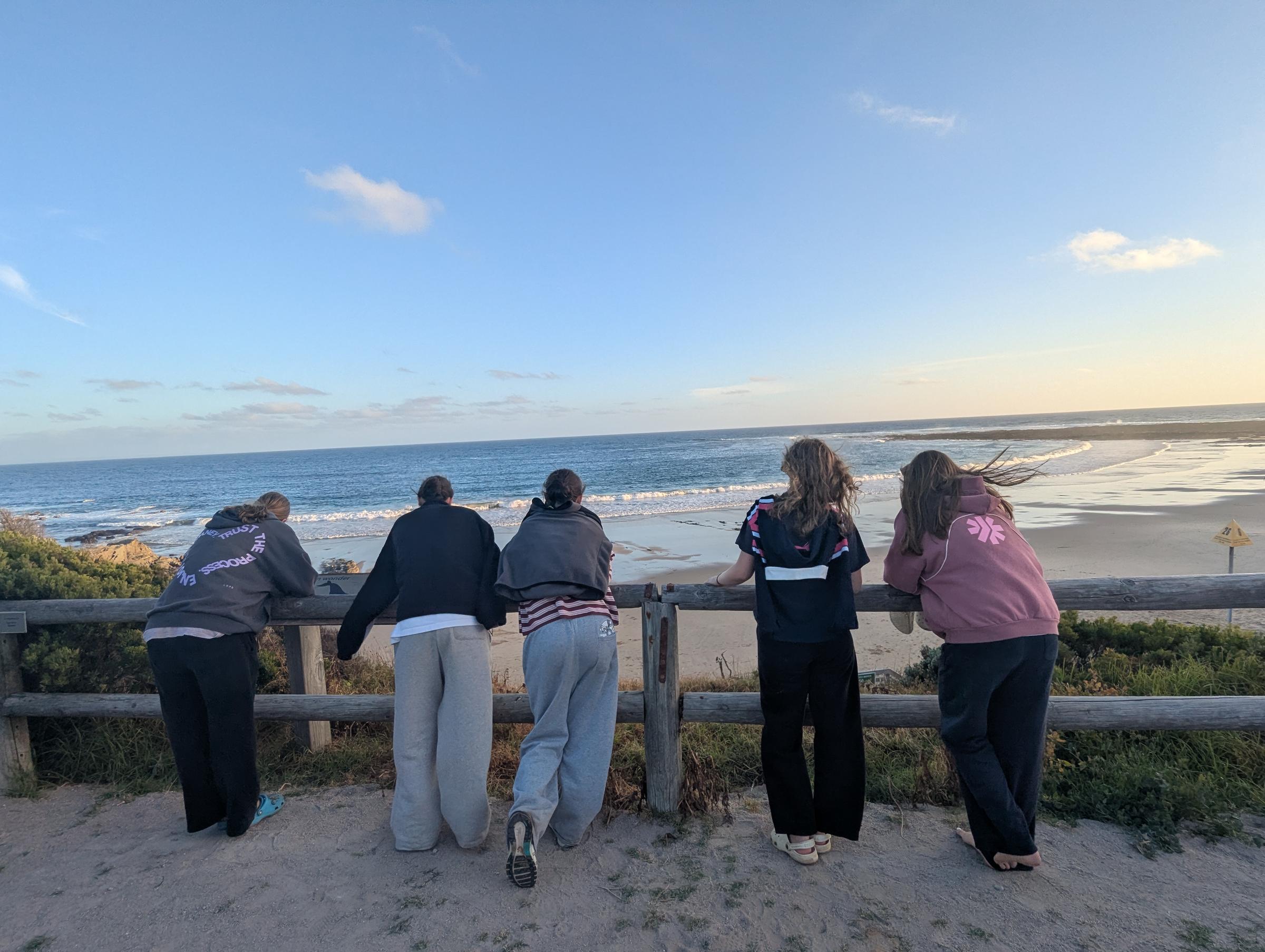
The VCE Bass Coast camp trip is designed to help students understand our environmental history and point them to realising our historical relationships with the environment, so it is filled with action-packed experiential learning activities, including a surfing and stand-up paddleboarding lesson, coal mine tour, an Indigenous walk and a rock pooling/geological walk with our palaeontologist friend. I was incredibly impressed with these students as they took these activities in their stride and compiled notes about each activity. Here I could clearly see these students are creating a learning culture of encouraging each other to journal in the field with the purpose of deepening their learning through this activity.
During the Indigenous walk, our Bunurong guide informed us of the meaning of three types of wood used in their smoking ceremony. The Black Wattle was burned for the community, the Mana Gum was burned for the elders and the Cherry Ballart was burned for the youth. We thanked our guide for helping us understand this ancient tradition that helped them come together as a people.
In reflection of this trip, I thought about the things that have drawn my VCE students together as a group, the shared outdoor experiences in surfing, the historical tours, camping out and the communal journaling. Our own community as a class here was being created, developed and nurtured as we developed our own traditions to consolidate our group effectiveness on the landscape of outdoor education.
However, if we think about the whole of BHCS, this is really what our whole community is about. We gather together each day on this ancient land formed by the hands of Jesus, He is our creator and we believe in His ancient tradition, that is, namely; He died and rose again so that we may have life… and not only this but we believe, so that we will have life to the full. Our community is based around this, and remembering Him continually together will always draw us closer.