Teaching and Learning

Learning at Caulfield Primary School
Presented by our School Improvement Team Leaders

Olivia Gibson (Literacy English Learning Specialist)

Asami Onda (Numeracy Learning Specialist)

Takako Morita (Bilingual Leader)
We are excited to introduce a regular “Learning at Our School” feature in our school newsletter. Each edition, one of our curriculum leaders will share insights into teaching and learning across the school, highlighting what students are exploring in the classroom and how we support their growth.
This edition is about the importance of first language literacy.
As a proud bilingual school, we celebrate and value all languages and cultures within our community. In Term 1, classroom teachers conducted a survey to learn about the languages spoken at home by our students and families. The results highlighted just how multilingual our school community is, with 63% of students speaking a language other than English at home. Altogether, our students speak 29 different languages, including English.
The Victorian Department of Education encourages families to speak, read and write with their children in their home language. Research shows that maintaining and developing a child’s first language helps them to:
- succeed in learning at school
- build a strong sense of identity and cultural connection
develop their English language skills.
It is important to remember that children learning English as an additional language are not disadvantaged by speaking another language at home. In fact, a strong foundation in a first language often supports the learning of additional languages.
There are many simple ways families can support language development at home:
- Sing songs, talk, play games and read together in your home language.
- Use your home language during family outings, celebrations and everyday conversations.
- Continue speaking your home language even if your child responds in English, as this helps them understand and appreciate both languages.
Support homework discussions in your home language. For example, understanding mathematical concepts in a first language can help children transfer that knowledge into English.
Through my own teaching experience, I have seen many students achieve success in learning Japanese because they had strong literacy skills in their first language. Maintaining a child’s cultural and linguistic heritage is a valuable gift that will benefit them throughout their lives.
We encourage all families to continue talking, reading and sharing stories with your children in your home language.
Takako Morita (Bilingual Leader)
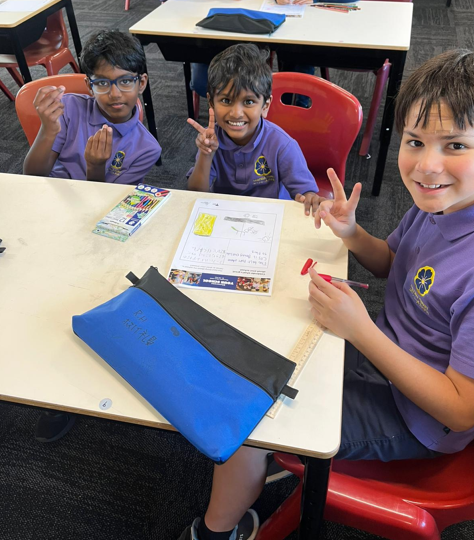
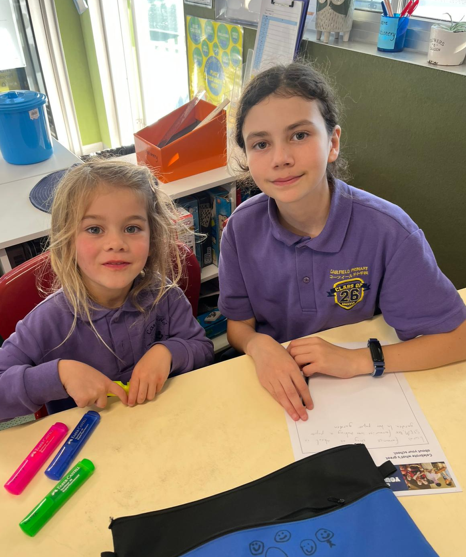
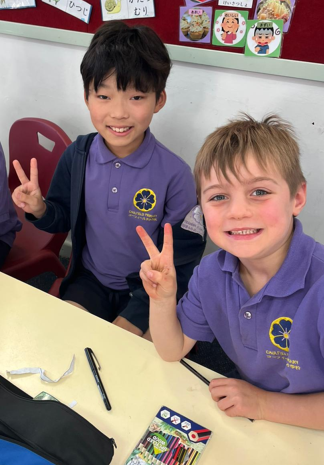
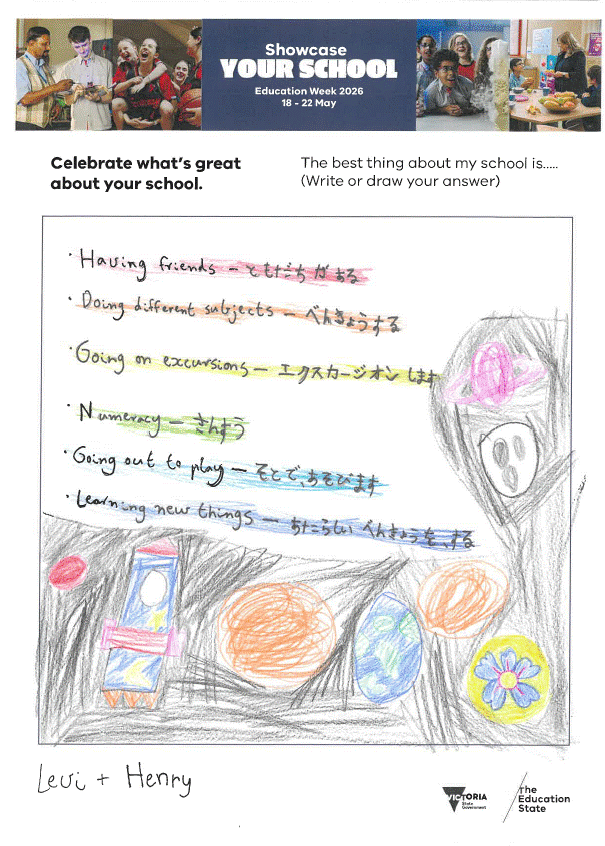
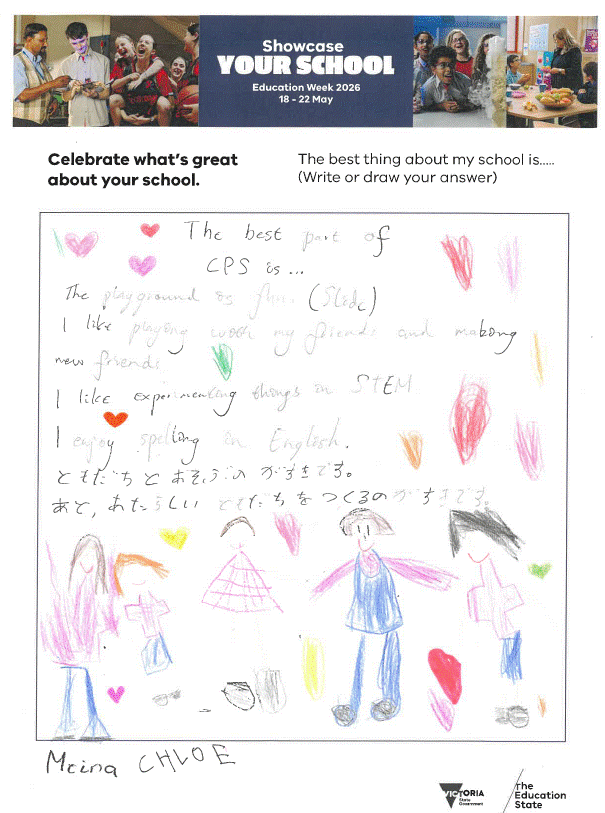
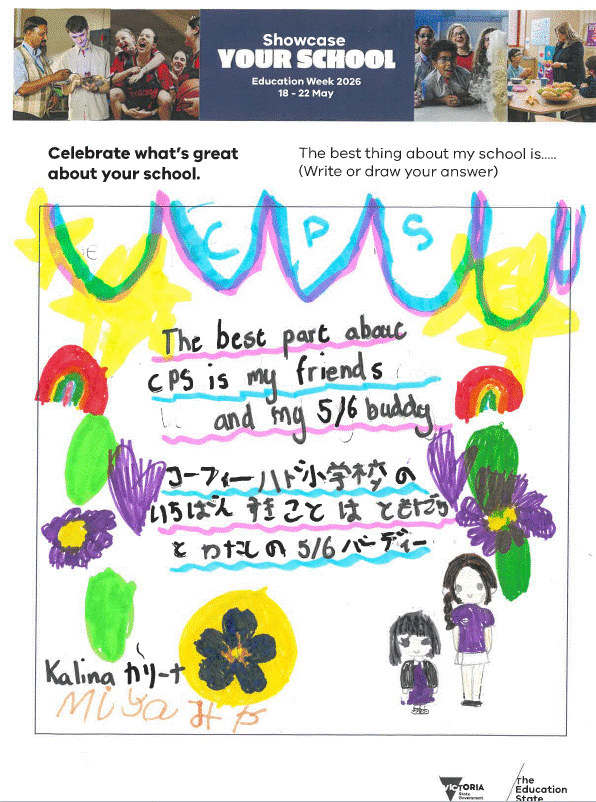
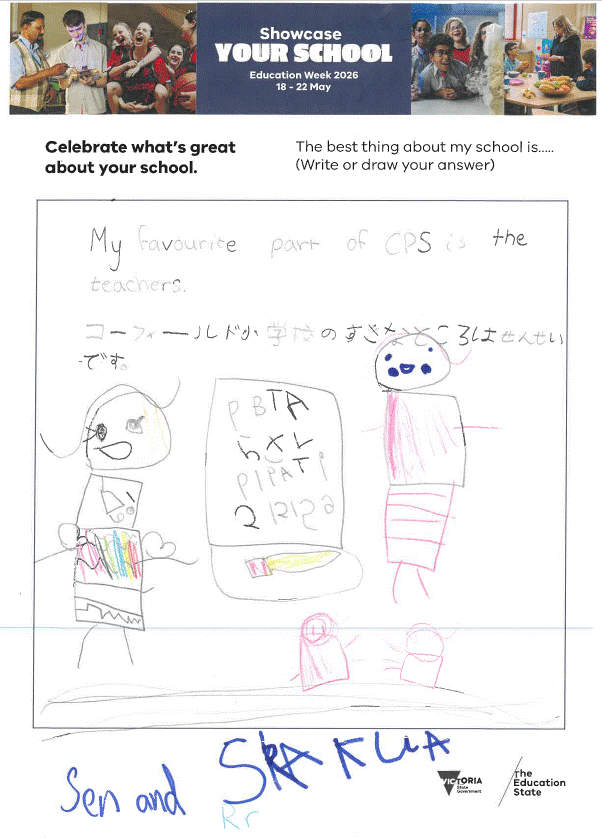
Last Tuesday, our Year 5/6 students worked together with their Prep buddies as part of the 2026 Education Week theme, “Showcase Your School.”
The students discussed what they love about Caulfield Primary School, and the older students supported their buddies by helping them draw pictures and write sentences. Together, they created some wonderful posters showcasing the many things that make our school special.
It was lovely to see students across year levels working collaboratively, showing kindness, responsibility, and care for one another throughout the activity.