
Wellbeing
Fiona Dandie & Robert Pain
Wellbeing
Fiona Dandie & Robert Pain
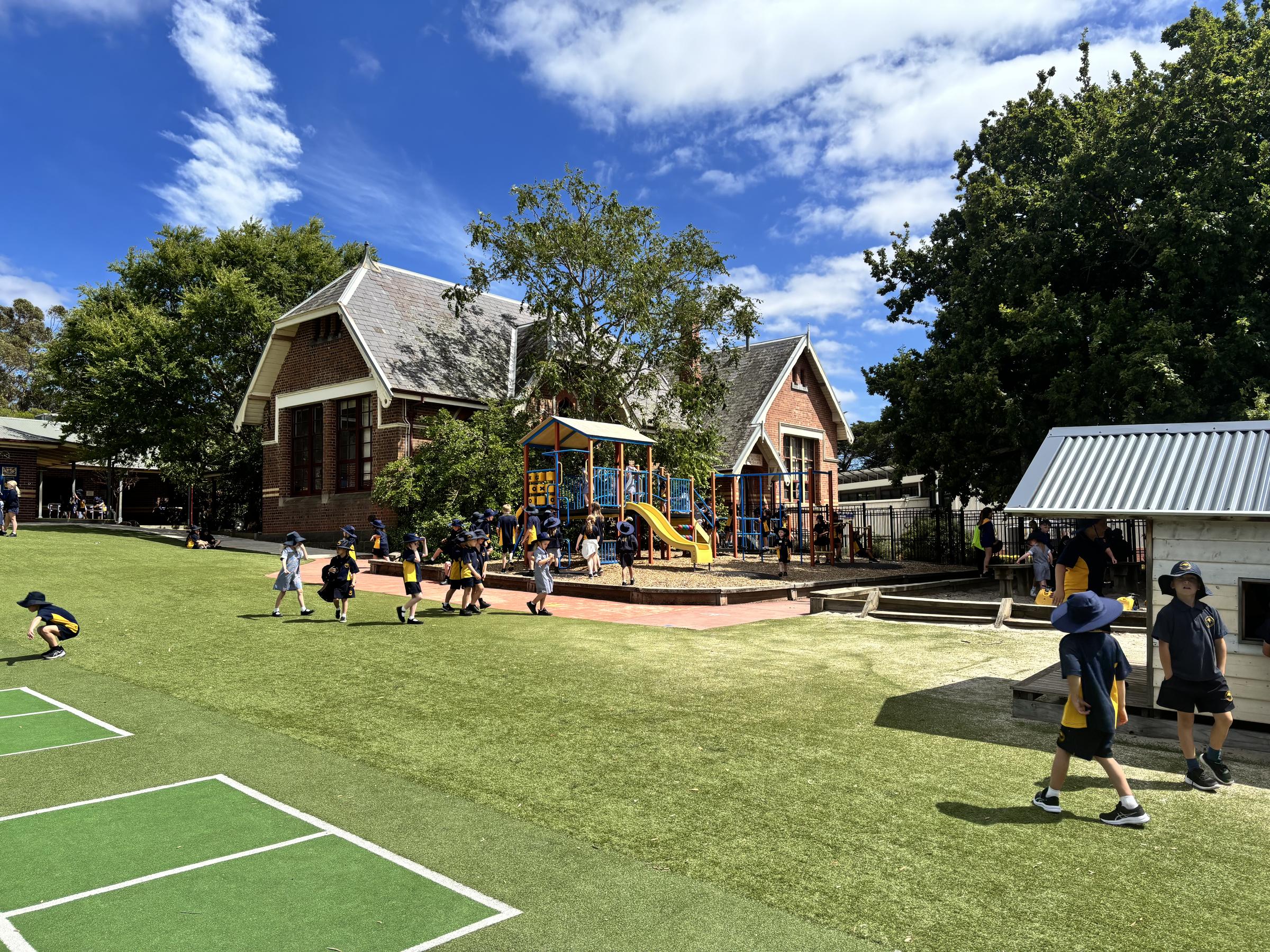
At Whittlesea Primary School, staff recognise the importance of providing specific feedback to all students. Positive reinforcement is one of the many effective classroom practices that research shows has the greatest positive impact on learning and behaviour. These proactive strategies assist teachers in increasing the time available for instruction (teaching) and decreasing the amount of time spent discouraging inappropriate behaviour.
Below are some of the ways that staff at WPS use positive reinforcement with their students:
4 to 1
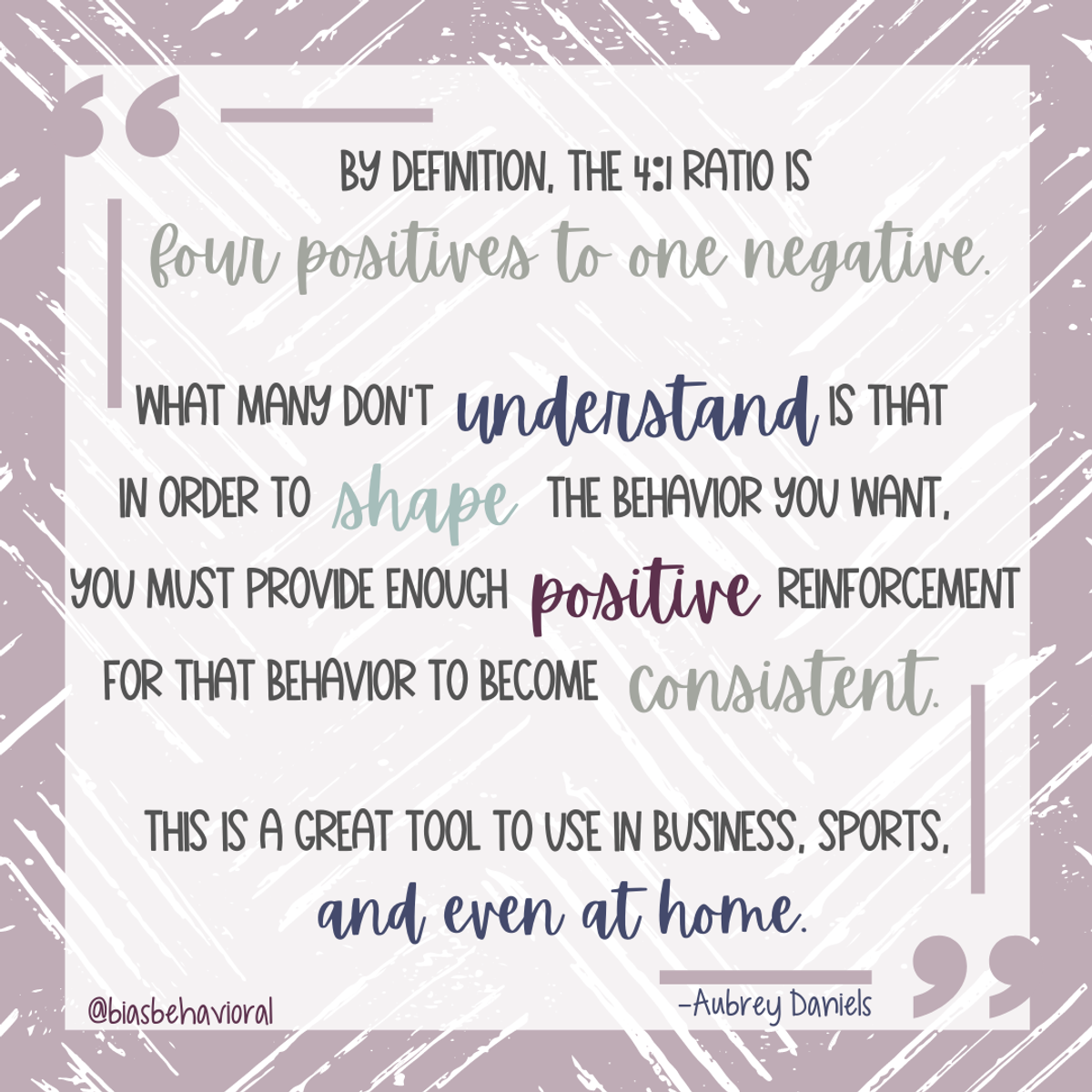
Teachers use 4 positives to 1 corrective interaction. Recognising students for following rules, directives, and directions, as well as participating, is one of the most effective tools for managing, promoting, and discouraging inappropriate behaviours. Research indicates that you can improve behaviour by 80% by pointing out what someone is doing correctly.
House Tokens
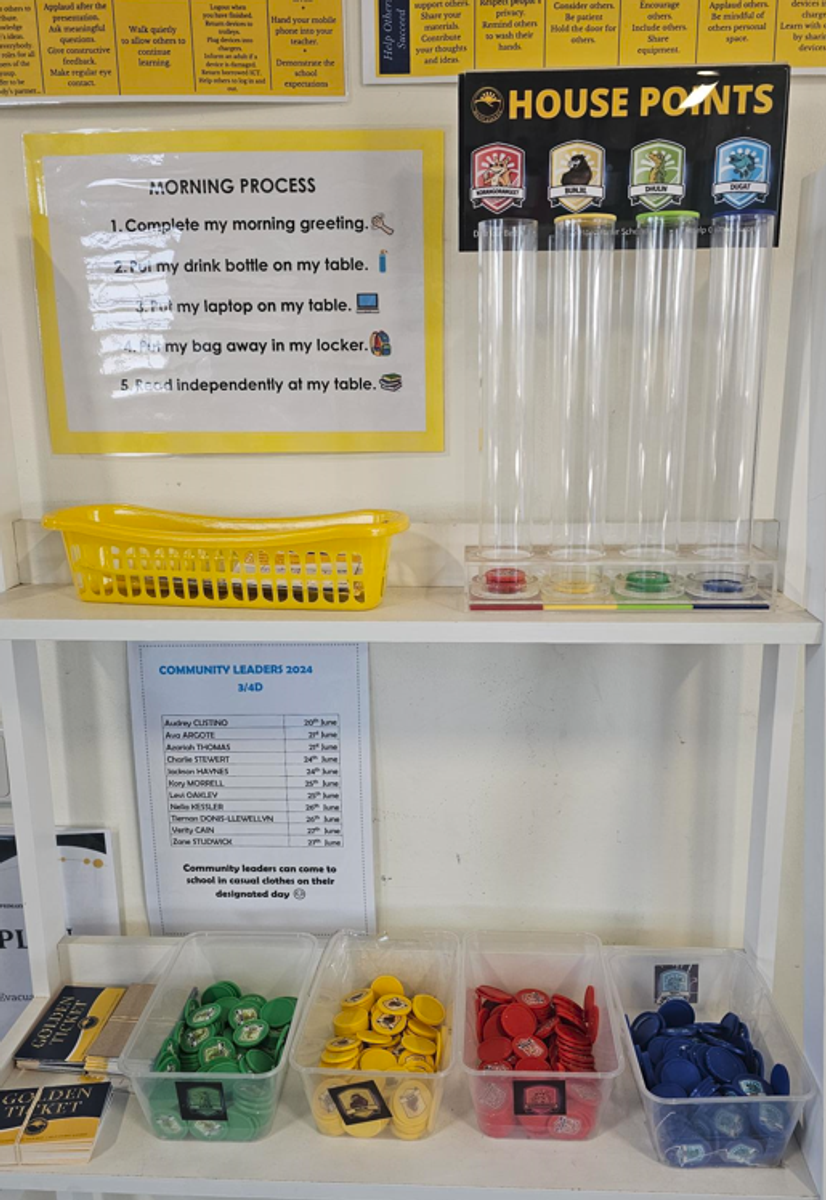
House Tokens are a part of Whittlesea Primary School’s Tier 1 positive reinforcement systems. Staff hand out house tokens when students demonstrate positive school behaviour expectations. House tokens are collated each week by House Captains and added to an ongoing recording sheet. At the end of each Term, the house with the most tokens is part of a ‘House Reward’ to be decided by House Captains and the Wellbeing Team.
Golden Tickets
Golden Tickets are also a part of Whittlesea Primary School’s Tier 1 positive reinforcement systems. Staff hand out Golden Tickets when students have demonstrated exemplary school expectations. Golden Tickets acknowledge the positive behaviour displayed by a student. Golden Tickets can be redeemed at Whittlesea World on designated days.

Star of the Week Award
Each week, staff select one student from each class to receive a Star of the Week Award. Teachers may give awards for the following examples:
● Displaying behaviours in line with our school expectations
● Academic achievement
● Sporting achievement
Specialists Award
Each week, one class from each specialist area is nominated to receive the Specialist award based on their achievement across the Specialist areas.
Learning Legend Award
Each month, one student in each year level is recognised for outstanding achievement in learning. These awards are presented at the school assembly.
Principal's Awards
Staff are asked to nominate any student who has gone above and beyond expected expectations, performance or excellence to receive a Principal's Award. These are presented to the nominated students at our school assembly.
Other Acknowledgement Systems
Each classroom may have its own positive acknowledgement system, which is tailored to the class's context and designed specifically for the class.
These may include:
● Verbal praise
● Stickers/stamps
● Positive Compass Recognition
Whittlesea Gems - Positive feedback for staff
Staff at WPS are encouraged to recognise the achievements and hard work of their peers by nominating them for a Whittlesea GEM. WPS Gems are sent to all staff every fortnight.
Fidget tools are becoming a helpful support in many classrooms. Some children need small hand movements to help their brains stay focused and calm during learning. Fidget tools can help students keep their “Wise Owl” brain in charge and ready to learn.
At school, students are taught that fidget tools are for learning, not for play.
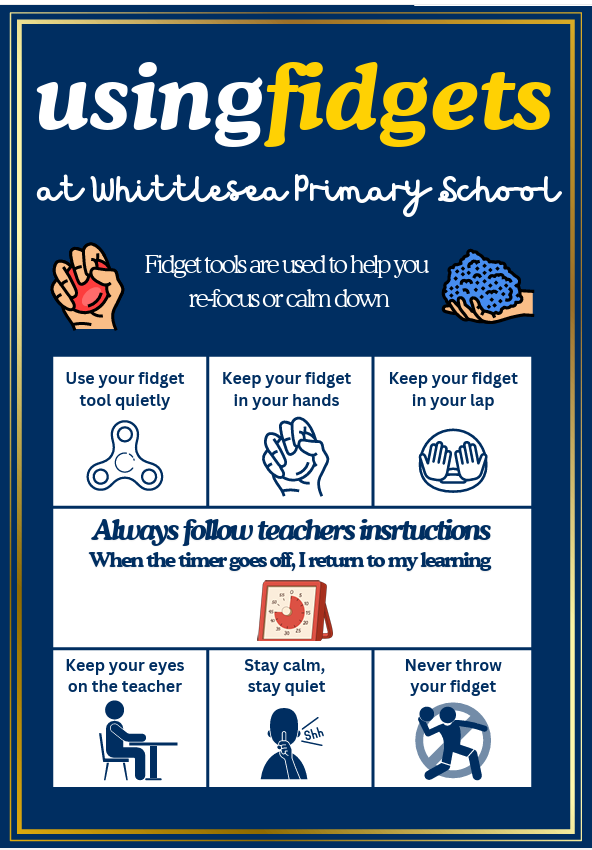
Not everyone needs a fidget tool. For some students, using a fidget can actually make it harder to concentrate. Teachers help students decide whether a tool is helping them learn or becoming distracting. Research is showing that many items that are marketed as fidget tools are really toys that have a negative effect on concentration and attention.


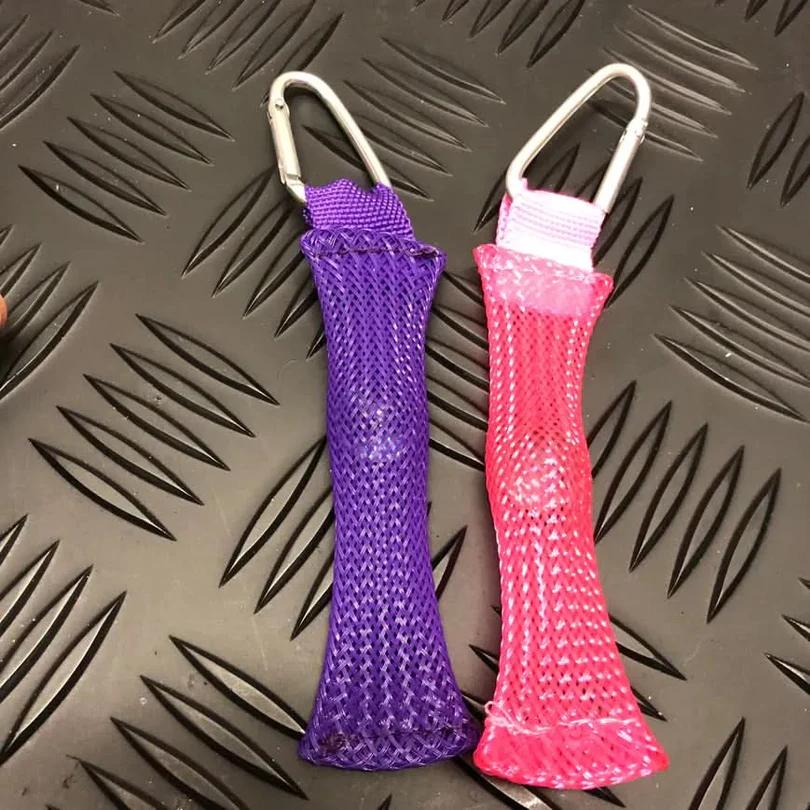
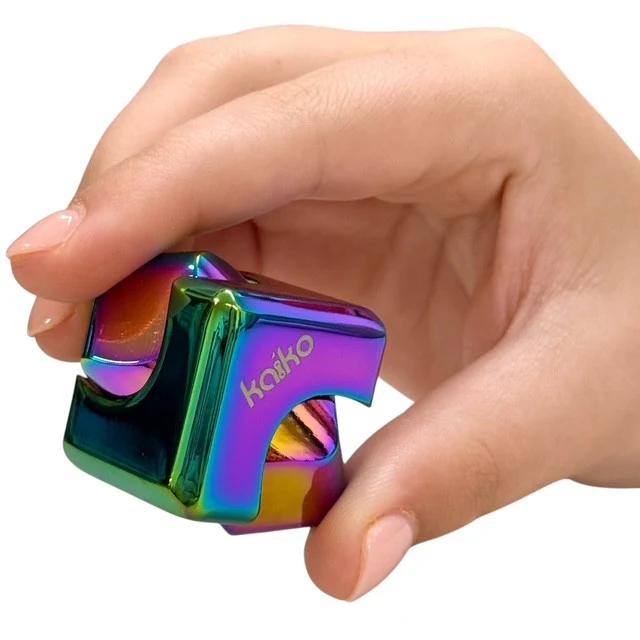

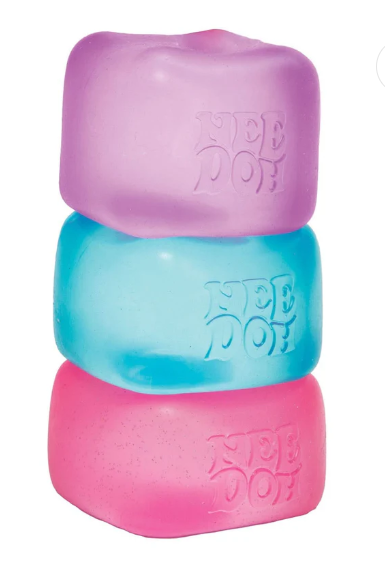
Families can support the appropriate use of fidget tools by:
By working together, we can help students use fidget tools respectfully and successfully to support calm, focused learning environments.