
Health

Microplastics and your health
Using fewer plastics benefits your health and the environment.
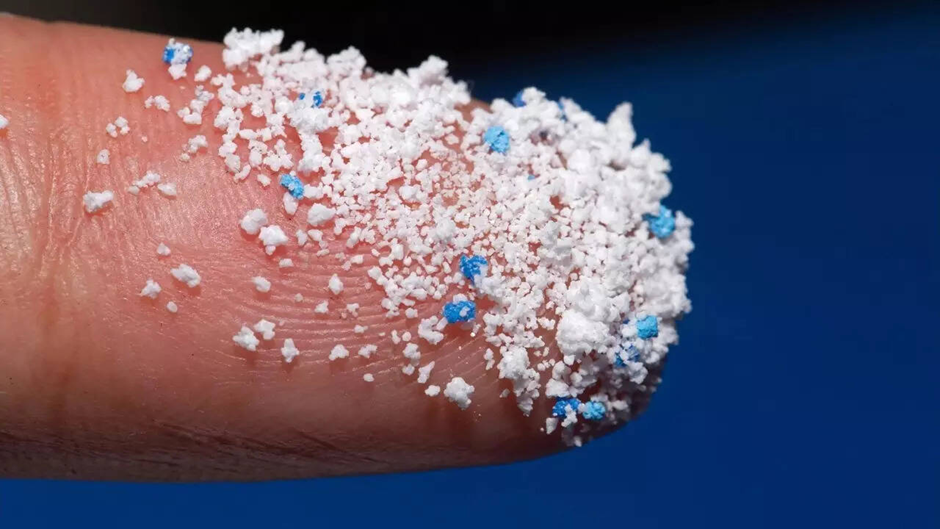
Microplastics are tiny pieces of plastic that are less than 5mm in diameter. These little particles of plastic can be found in water, air, and soil, and the stomachs of some marine and land animals.
Although microplastics have been found in human tissue, the long-term health impacts are still unknown.
Reduce your exposure to microplastics
There are many things you can do to reduce your exposure to microplastics and plastic in general.
Use glass, ceramic or stainless-steel containers
- Store food and make your lunches in glass or stainless-steel containers.
- Use glass, ceramic, or stainless-steel bottles or cups for drinking or for your takeaway coffee.
Reused glass jars can be an affordable option to replace plastic containers and plastic wraps.
Use a stainless steel or glass kettle
Avoid using plastic kettles.
Use fewer plastic products
- Use reusable bags instead of single-use plastic.
- Buy loose produce that is not sold in plastic.
- Cut back on bottled water and sodas.
- Limit your use of plastic cutlery, plates, and plastic wrap.
- Use stainless steel or wooden/bamboo cooking utensils instead.
Use reusable beeswax/fabric food wraps or fabric bags.
Wash food thoroughly
Wash foods such as rice, grains, and fresh produce thoroughly in water before using.
Use wood or bamboo cutting boards
Limit the use of plastic cutting boards.
Drink filtered tap water
Consider installing a water filter on your home taps.
Don’t heat plastic
- Avoid microwaving or heating food or water in plastic.
Avoid plastic cooking utensils.
Wash plastic by hand
If you must use plastic, wash it in the sink rather than in the dishwasher, where heat can cause plastic to break down.
Avoid dishwashing tablets wrapped in plastic
Use plastic-free tablets.
Choose natural fabrics
Pick clothes made from natural fibres, such as cotton or wool, rather than polyester or nylon.
Use plastic free toothbrushes
Consider using alternatives to nylon-bristle toothbrushes.
Dispose of plastic thoughtfully
While avoiding plastic use is best, it can be hard to avoid plastic completely. Clean plastic bottles, tubs and containers can be recycled in yellow top bins in Western Australia. Scrunchable plastics, plastic lids, meat trays, coffee cups, and takeaway food containers can’t be recycled in home recycling and should be placed in landfill red top bins.
Read more information on recycling and waste (external site).

Judy Buckley
College Nurse