Glen Education Brighton
Embedding a Culture of Safety: A Holistic Approach to Child Safe Standards
By Martine Spurrier, Early Childhood Teac
Since my early teaching days child safe standards have increasingly evolved via embedding safer cultures within kindergarten settings through practice, training, documentation, education and governance. There are 11 Child Safety Standards that provide a model whereby to incorporate a Child safe holistic approach. The standards begin with governance and the instrumental procedures we put in place from macro to micro environments.
As educators we strive to be pro-active in order to provide children with a safe, nurturing and protective learning environment.
From the early onset the Glen Brighton team sat with the children and collectively brainstormed daily practices and guidelines we could embed to keep each other safe in the kindergarten space. The children brought to the fore a plethora of ideas from being kind, turn taking, not hurting each other through to no running in the room. This process allowed for the empowerment of the children’s voices in the process.
Though these goals remain a work in progress it lays the expectations and foundations on which to scaffold and educate young minds. Safety then becomes a layered evolving part of the program practice. As teachers we address child safety standards through daily routines from supervision, hygiene, road safety, nutrition, body safety and sun smart education and practice.
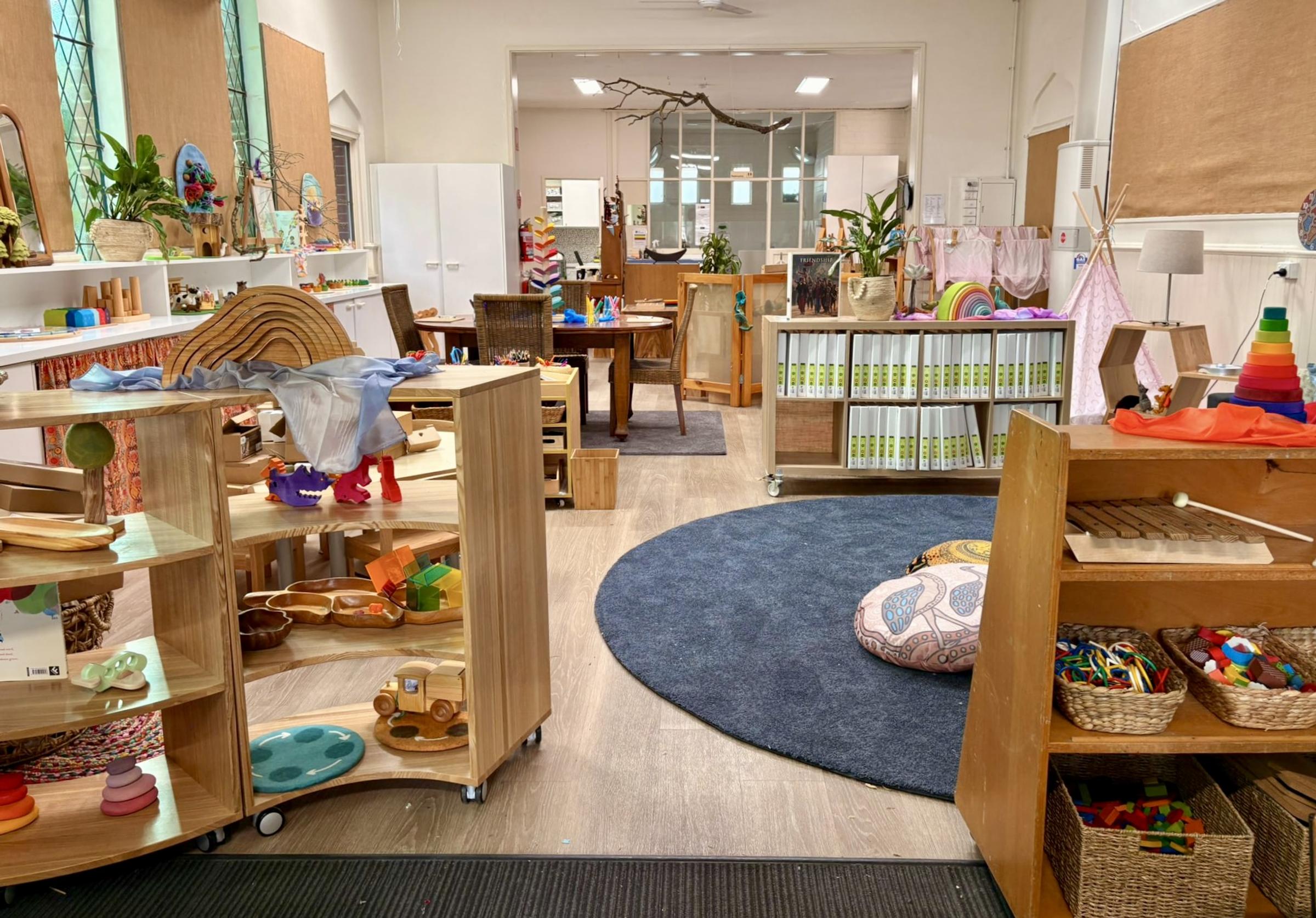
Child safe practices also occur in a less transparent way, both individually and culturally. Individual child safe standard are achieved through a child’s wellbeing and inclusion in a kindergarten setting. Inclusion can be achieved by catering to individual learning styles whether creative, cognitive, sensory or design oriented. The physical environment lends itself to a range of quieter spaces through to larger more social hubs creating belonging for all personalities and learning styles. Cultural and disability inclusivity is fostered through books, posters, dolls, group discussions and invitations to children and families to impart and share their cultures and knowledge fostering new understanding and appreciation for similarities and differences.
Documentation processes such as the “getting to know you” information sheets, and teacher observations all lend themselves to building a broader understanding of each child and their family dynamic. Policy and governance provide a skeletal framework on which to incorporate “child safe standards”. Furthermore the relationships educators forge with children build a sense of safety and trust. It is through these affiliations that children begin to impart their likes, dislikes, fears, achievements and wishes. In doing so we build a bigger picture of the children as a whole.
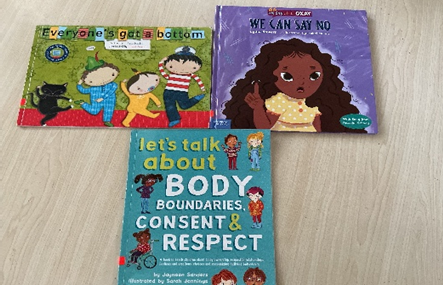
Unfortunately there is a darker element to child safe standards that has increasingly come to light pertaining to matters surrounding, mandatory reporting, personal body boundaries, consent and stranger danger. What I find extremely confronting is the notion that 9 out of 10 child offenders are known to the victim/s. As an area of pertinent interest to me I have incorporated several social stories that address these very topics. When I read these stories I love seeing the captivation and engagement of the children as they absorb this crucial information.
In term 2 Glen Brighton have utilized government funding to source KIDSROAR a professional child protection organization to further educate the children about child safety.
The children will learn to
identify their feelings and nominate 5 safe people they consider safe in the event of impending danger. Not only will educators attend training but an online forum will be offered to parents.
For me “ GOVERNANCE AND EDUCATION” are the keywords as it is the vehicle for cultivating knowledge so we can ALL become more pre-emptive, forward thinking an active citizens. Thus helping to foster prevention and a safer world for our youth.