
Learning & Teaching News

This year I was very excited to be starting a new job as a teacher at St Peter’s College, Cranbourne Campus. Having taught at my last school for thirteen years, I felt like I was stepping outside my comfort zone, however, I was ready to embrace this new challenge and was looking forward to meeting new teachers, students and parents.
Now into Term 2 of my journey, I would like to share with you some tips for continued growth and self-development.
Achieving Growth Beyond the Goal
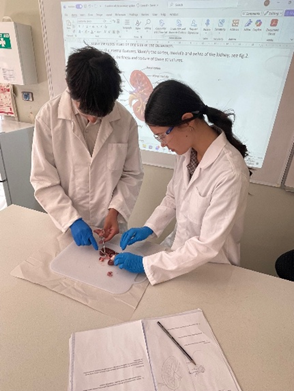
As a new teacher to the school, the goal isn’t just about getting through the first week or establishing control over the classroom; it’s about developing effective teaching strategies and forging meaningful connections with students, their parents and other teachers. The same goes for students: their goals are not limited to attending class, completing chapter questions, passing tests or submitting assignments. Students can step outside their comfort zones—by taking risks in their learning or speaking up in class—to help them reach their potential. Students in my Year 11 Biology class have been learning about how the human body functions. It has been so rewarding to see the students apply themselves to their learning and welcome me so warmly as their teacher. One key moment was when all the students embraced the new experience of conducting a kidney dissection to further understand how blood is filtered in humans. And no, they were not human kidneys, sheep kidneys are very similar is size and much more easily available!
The students worked in collaborative pairs to develop their skills and understanding together. Achieving these small wins in every class makes students more resilient and productive, in addition to preparing them for future challenges.
Parents can encourage their child by acknowledging the discomfort that comes with trying new things but also emphasizing the value of those experiences. For example, a parent might say, “I know it feels a bit scary to speak up, but remember, it’s okay to make mistakes. Every time you try, you’re getting better!” Parents can also help by practising with their child at home—perhaps by role-playing classroom situations or discussing topics they might encounter in class. This can prepare students for those moments when they need to step outside their comfort zone. Additionally, praising their efforts, not just the outcome, can reinforce the importance of trying, learning, and growing through challenges.
Building Self-Confidence
For both teachers and students, the process of pushing boundaries leads to increased self-confidence. This newfound confidence spills over into other areas of life. Students often feel anxious about navigating unfamiliar social or academic situations. At St Peter’s College the pastoral period each cycle is one way that students can discuss and build interpersonal skills, from overcoming challenges like making and keeping new friends in Year 7 to facing new situations such as consent in our Year 12 sessions, students develop holistically with their peers to support their emotional and intellectual development. Talk regularly with your child about what they are discussing and experiencing in their pastoral periods. Questions like “What was the topic for today’s lesson?” or “Did that make you wonder about anything?” can be a great way to break the ice with your child and potentially open them up to deeper conversations about their ideas, concerns and how they are coping.
Expanding Perspectives
Each term, students challenge themselves to learn about themselves, how they learn and how they are a part of their school community. They are exposed to diverse ideas, cultures, and teaching styles each day and are also expanding their own worldviews. This is a critical experience for parents to encourage in their children, as it helps students discover new interests, develop empathy, and understand the diversity of their world.
There are so many activities for students to get involved in here at St Peter’s College. Keeping up to date with SPACE is a great way to prompt students to expand their perspectives and sign up for new activities such as SIS Debating, praying the rosary in the Chapel, FIRE Carrier meetings, SIS Sports, Performing Arts productions. Getting involved builds further connections and can make all the difference between a good day and great day!
Taking Ownership of the Journey
The learning environment brings together teachers and students in an educational journey where both have the ability to learn and grow together. Student efficacy improves through access to learning pathways that consider student ability, learning styles and knowledge, and developing interventions to assist every student to make progress.
Students develop self-efficacy when they are surrounded by positive learning relationships both at school and at home. While at school, teachers are making learning relevant, challenging and involving students actively in their learning to increase student confidence and self-belief.
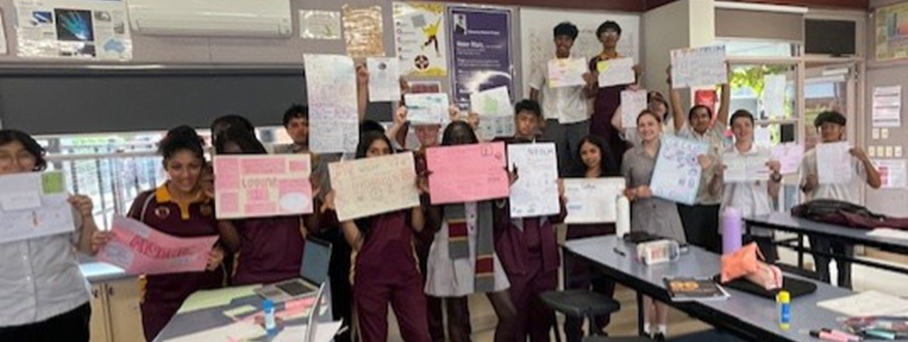
At home, parents can connect the learning with real life experiences happening afterschool, on weekends or during term breaks.
Stepping out of the comfort zone helps both teachers and students develop self-agency. Teachers learn more about their own teaching style and how they can shape their impact on students. Students, too, learn about their own strengths and areas for improvement. By embracing new challenges, they become active participants in their own learning and growth. For parents, understanding this process and supporting their children through it—by helping them see challenges as opportunities for growth—can make all the difference. The journey may be tough at times, but stepping out of the comfort zone is where the real transformation happens.
Ms Rosalie Harding
Pedagogical Coach