
Deputy Principal
Kristen Waldron

Deputy Principal
Kristen Waldron
"Action may not always bring happiness, but there is no happiness without action." - William James
As the academic term progresses, it's not uncommon for students to find themselves grappling with a lack of motivation. The initial excitement of a new semester or school year may wane, and the demands of coursework, SACs, and co-curricular activities can begin to feel overwhelming. In such moments, it becomes crucial for students to tap into a powerful source of motivation: intrinsic motivation.
Intrinsic motivation refers to the internal drive to engage in an activity for its own sake, rather than for external rewards or pressures. It involves a genuine interest in and enjoyment of the task at hand, as well as a sense of personal satisfaction derived from mastering a skill or achieving a goal. Unlike extrinsic motivation, which relies on external factors such as grades, praise, or rewards, intrinsic motivation comes from within and is often associated with greater persistence, creativity, and overall well-being.
For students, cultivating intrinsic motivation is essential for several reasons:
Sustainable Learning: When students are intrinsically motivated, they are more likely to approach their studies with enthusiasm and curiosity. They are driven by a genuine desire to learn and grow, rather than merely to earn good grades or avoid punishment. This intrinsic drive sustains their engagement with the material over the long term, leading to deeper understanding and retention of knowledge.
Increased Resilience: Intrinsic motivation fosters resilience in the face of challenges and setbacks. When students are driven by their own internal goals and interests, they are better equipped to overcome obstacles and persevere in the pursuit of their objectives. Instead of being discouraged by failure, they see it as an opportunity for growth and learning, which ultimately strengthens their resilience and adaptability.
Enhanced Creativity: Intrinsic motivation encourages students to approach problems and tasks with creativity and innovation. Freed from the pressure to simply regurgitate information or meet external expectations, they are more likely to think critically, explore alternative solutions, and take intellectual risks. This creative mindset not only enriches their learning experience but also prepares them to tackle complex challenges in the future.
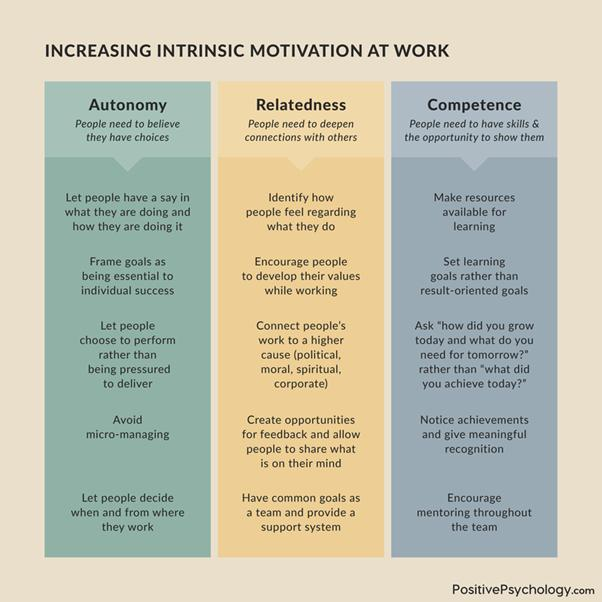
Greater Satisfaction: Perhaps most importantly, intrinsic motivation leads to a deeper sense of satisfaction and fulfilment. When students derive pleasure from the learning process itself, rather than just the outcomes, they experience a greater sense of autonomy, competence, and relatedness—the three key components of intrinsic motivation identified by self-determination theory. This intrinsic satisfaction not only fuels their academic success but also contributes to their overall well-being and happiness.
So, how can students cultivate intrinsic motivation in their academic pursuits? Here are some strategies to consider:
Find Personal Relevance: Connect the material you're studying to your own interests, goals, and values. Seek out topics that resonate with you on a deeper level and explore how they relate to your personal experiences and aspirations.
Set Meaningful Goals: Identify specific, achievable goals that are personally meaningful to you. Whether it's mastering a difficult concept, completing a challenging project, or pursuing a passion project outside of class, having clear objectives can provide direction and motivation.
Foster Curiosity: Approach learning with a sense of curiosity and wonder. Ask questions, seek out new perspectives, and engage actively with the material. Cultivate a growth mindset that views challenges as opportunities for learning and improvement.
Embrace Autonomy: Take ownership of your learning journey and make choices that align with your interests and values. Explore different learning strategies, seek out resources that resonate with you, and advocate for yourself when it comes to selecting courses or projects.
Cultivate a Supportive Environment: Surround yourself with peers, mentors, and role models who encourage and inspire you. Collaborate with others who share your interests and passions and seek out feedback and guidance to help you grow and develop.
Intrinsic motivation is a powerful force that can drive students to excel academically, creatively, and personally. By cultivating a genuine interest in learning and embracing the inherent satisfaction of intellectual growth, students can unlock their full potential and thrive in their educational endeavours. So, as the semester progresses and challenges arise, remember to tap into your intrinsic motivation—it may just be the key to unlocking your success.
The following is taken from the website The Vital Importance and Benefits of Motivation (positivepsychology.com). Whilst it references the workplace, it is equally relevant to educational settings.
Students may begin Term Two in either their summer or winter uniform. By Monday, 4 May, all students need to be in winter uniform.