
From the Head of Senior School
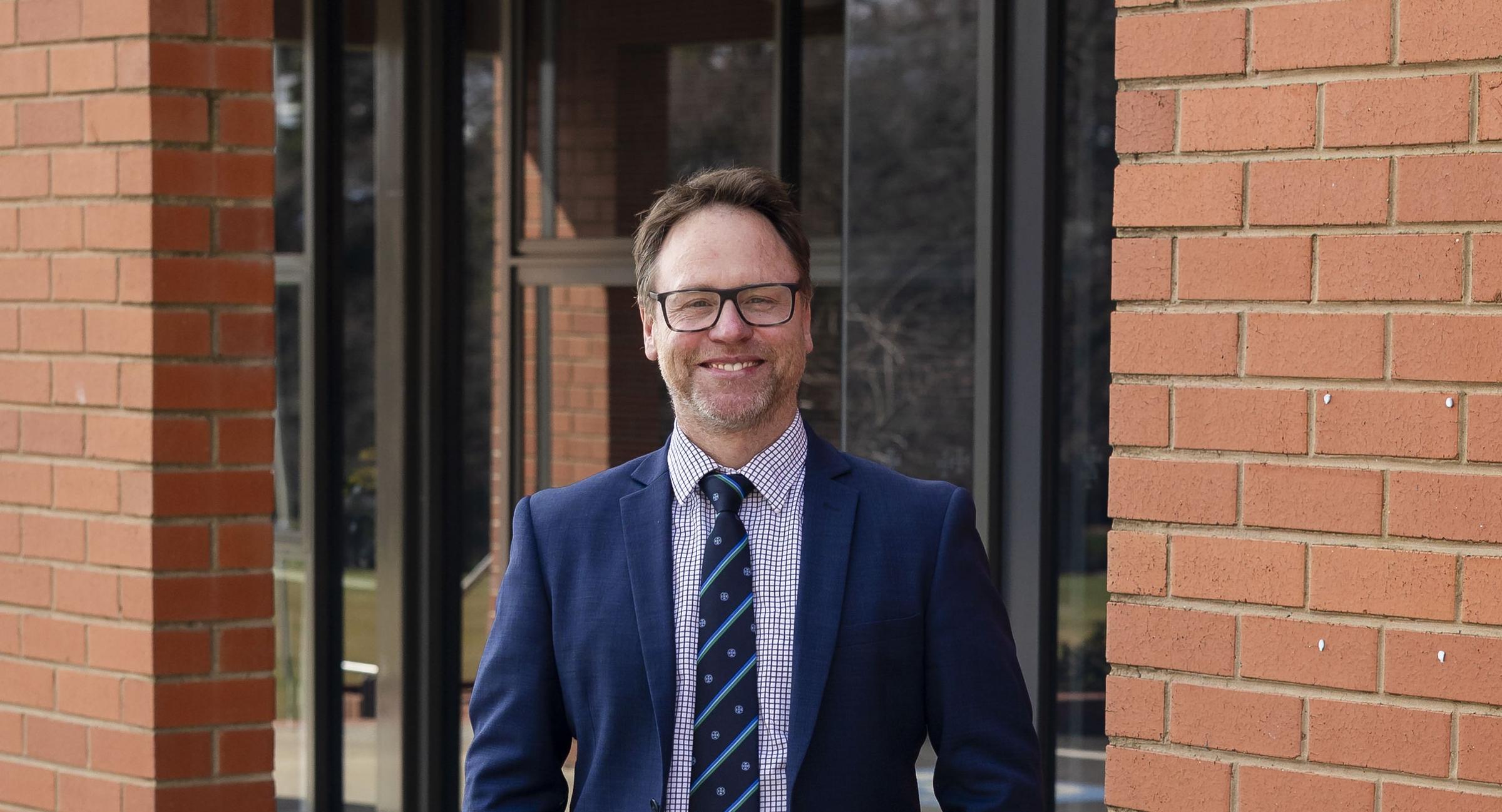
Mr Trent Chapman, Executive Director - Head of Senior School
From the Head of Senior School
Mr Trent Chapman, Executive Director - Head of Senior School
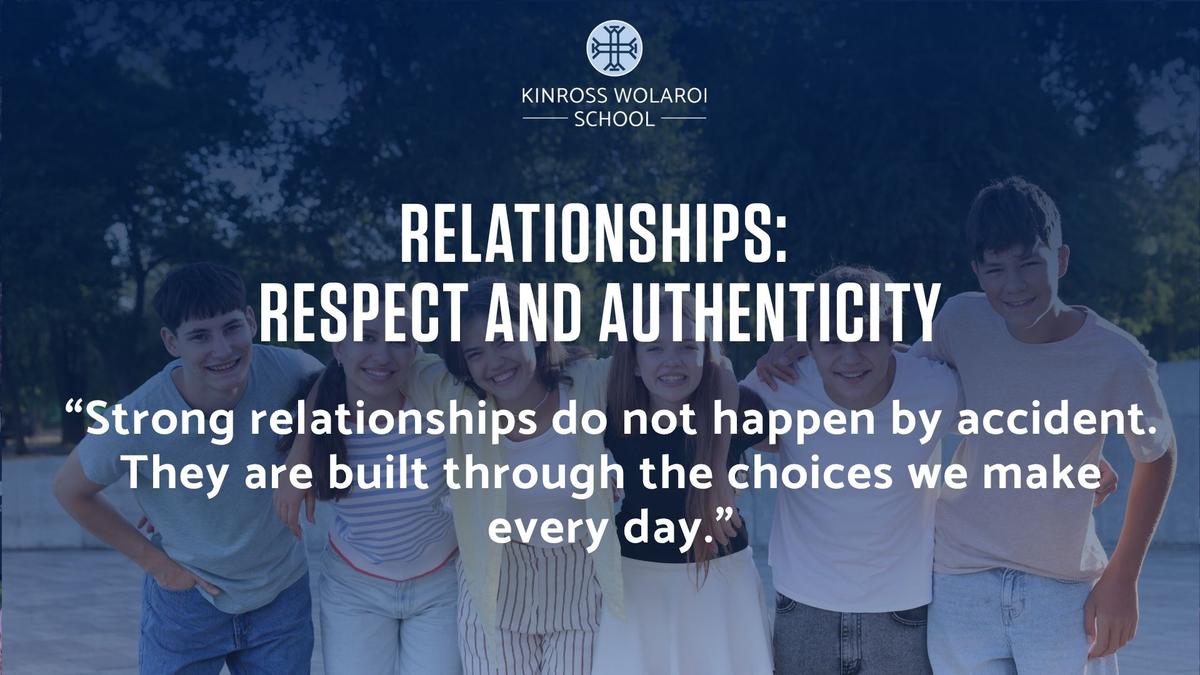
Strong relationships do not happen by accident. They are built through the choices we make every day: how we treat others, how we communicate, how we respond when things do not go our way, and whether our actions consistently reflect our values.
At Kinross Wolaroi School, we want our students to develop not only academic capability but also the character and interpersonal skills that will serve them throughout life. Our Graduate Profile identifies six key attributes: Authentic, Adaptable, Empathetic, Collaborative, Creative and Independent. These qualities are not separate from our values; they are how those values are expressed in daily life.
Authenticity
One attribute that is particularly important in today's world is authenticity. Young people navigate a growing number of environments, including school, sporting teams, social settings and online spaces. While expectations may vary across these contexts, character is demonstrated when values remain consistent regardless of who is watching. Authenticity is about being the same person in every setting and allowing personal values to guide decisions, behaviour and relationships.
Modern culture often places significant emphasis on image and perception. Social media can encourage carefully curated versions of ourselves, making it easy to focus on how we appear rather than who we are. Yet strong relationships are not built on image. They are built on honesty, consistency and trust. Character grows through hundreds of small decisions, and over time those decisions shape both our reputation and our relationships.
Respect remains one of the foundations of a healthy community. It is demonstrated in everyday actions: listening attentively, including others, showing empathy, avoiding gossip, disagreeing respectfully and choosing to speak directly with people rather than about them. These seemingly small moments contribute significantly to a culture where individuals feel valued, supported and understood.
Inclusion
Inclusion is another essential part of respectful relationships. A strong community is not defined by everyone thinking the same way but by treating one another with dignity, even when perspectives differ. True belonging occurs when people feel seen, respected, safe and known. Whether in classrooms, sporting teams, boarding houses or friendship groups, each member of our community has the capacity to contribute to an environment where others can flourish.
The greatest influence on a school culture is often found in the smallest acts of kindness: welcoming someone into a conversation, offering encouragement, standing beside a person who feels alone, or choosing not to participate in behaviour that diminishes others. These moments may appear insignificant at the time, but they often have a lasting impact.
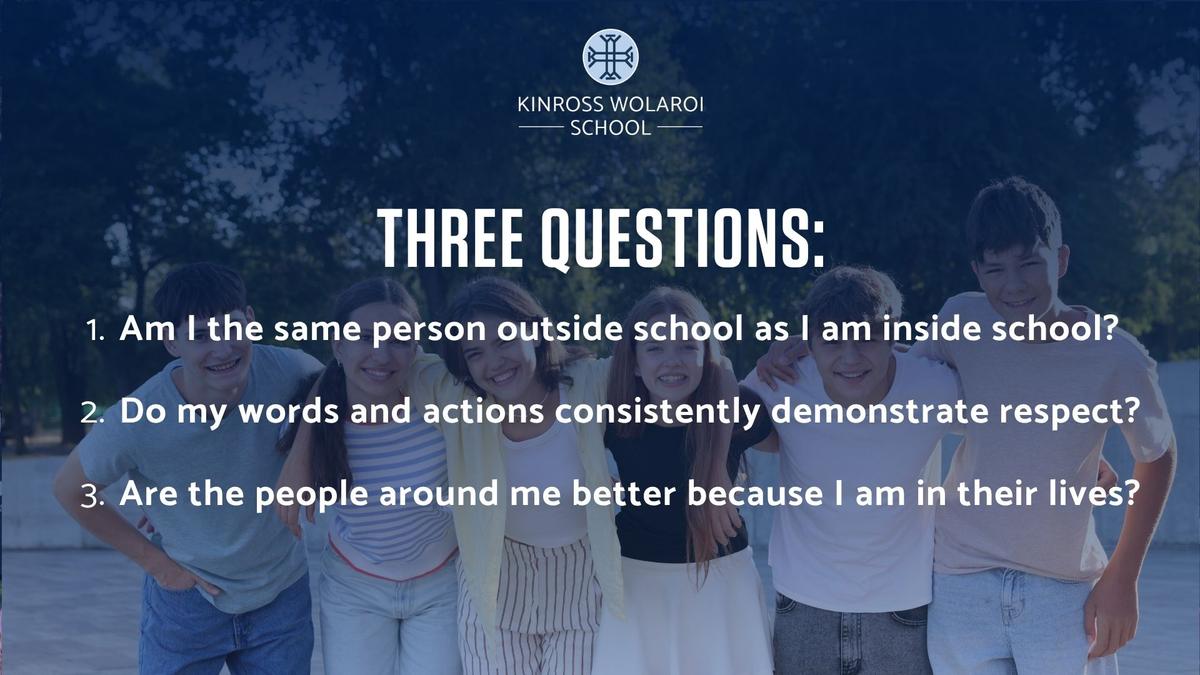
As families and schools work together to support the growth of young people, reflection plays an important role. Three simple questions can help guide conversations at home: Am I the same person outside school as I am inside school? Do my words and actions consistently demonstrate respect? Are the people around me better because I am in their lives? These questions encourage students to consider how their choices influence both their own character and the wellbeing of those around them.
Ultimately, communities thrive when people choose authenticity, practise respect and build relationships grounded in trust. When values are lived consistently, relationships deepen, individuals flourish, and a stronger, more connected community emerges.