From the Principal
Mr Timothy Kelly

From the Principal
Mr Timothy Kelly

Our children are growing up in a technological environment unlike any before it. Digital technology is woven into everyday life, influencing how children learn, play, communicate and explore the world.
A recent report from the Australian eSafety Commissioner, Growing Up Online: Parenting Young Children in the Digital Age, offers valuable insights into how Australian families are navigating this reality and highlights both the opportunities and challenges of childhood in an increasingly connected world.
The study surveyed more than 2,000 Australian parents of children aged 3 to 10 and found that internet use is now a normal part of childhood. Nearly all children in this age group (97%) had been online at some point, with most accessing the internet through tablets, smart televisions, smartphones and gaming consoles. Importantly, many parents are actively involved in managing this access, with over half reporting that their children only go online when supervised.
While screen time often attracts negative headlines, this report reminds us that digital technology can provide significant benefits for young people. Parents overwhelmingly reported that their children use the internet for entertainment and fun, but also for learning and exploration. Educational games, literacy programs, online learning platforms, music, podcasts and information searches all feature prominently in children's online experiences. Many parents recognised that the internet helps their children learn about the world, develop new skills, foster creativity and pursue personal interests.
At the same time, the report found that parents have genuine concerns. Two-thirds described feeling worried, cautious or anxious about their child's online activities. Common concerns included excessive screen time, exposure to age-inappropriate content, online predators, cyberbullying and the possibility that online activities may displace other important aspects of childhood, including sleep, physical activity, homework and face-to-face relationships. More than half of parents reported being concerned about the amount of time their child spends online.
One of the most reassuring findings is that parents are not standing still in the face of these challenges. Most families are actively supporting safe online behaviour through a combination of supervision, clear rules, monitoring and open conversations. The vast majority of parents have rules in place about when, where and how children use devices, while many also use parental controls to limit access to inappropriate content and manage screen time. Just as importantly, many parents are talking regularly with their children about online safety, personal information, respectful interactions and what to do when something online makes them uncomfortable.
The report highlights a particularly important message for schools and families alike: keeping children safe online is not simply about limiting access. It is about helping young people develop the knowledge, judgement and resilience they need to navigate digital environments confidently and safely. Children benefit when trusted adults take an active interest in their online lives, engage with them in conversations about what they are seeing and experiencing, and model healthy digital habits themselves.
The findings also remind us that online safety is a shared responsibility. Parents have a critical role to play, but schools, governments and technology companies also contribute by providing education, resources and safer digital environments for children. As technologies continue to evolve, particularly with the emergence of artificial intelligence and new online platforms, ongoing education and partnership between home and school will become even more important.
For families at Kinross Wolaroi School, the report provides a timely reminder that technology is neither inherently good nor bad. Rather, its impact depends largely on how it is used. By maintaining open dialogue, setting age-appropriate boundaries and encouraging balance between online and offline experiences, we can help young people enjoy the benefits of the digital world while developing the wisdom and character needed to navigate it safely.
As educators and parents, our shared goal is not to raise children who simply avoid risk, but young people who are equipped to engage thoughtfully, responsibly and confidently with the opportunities and challenges of a connected world.
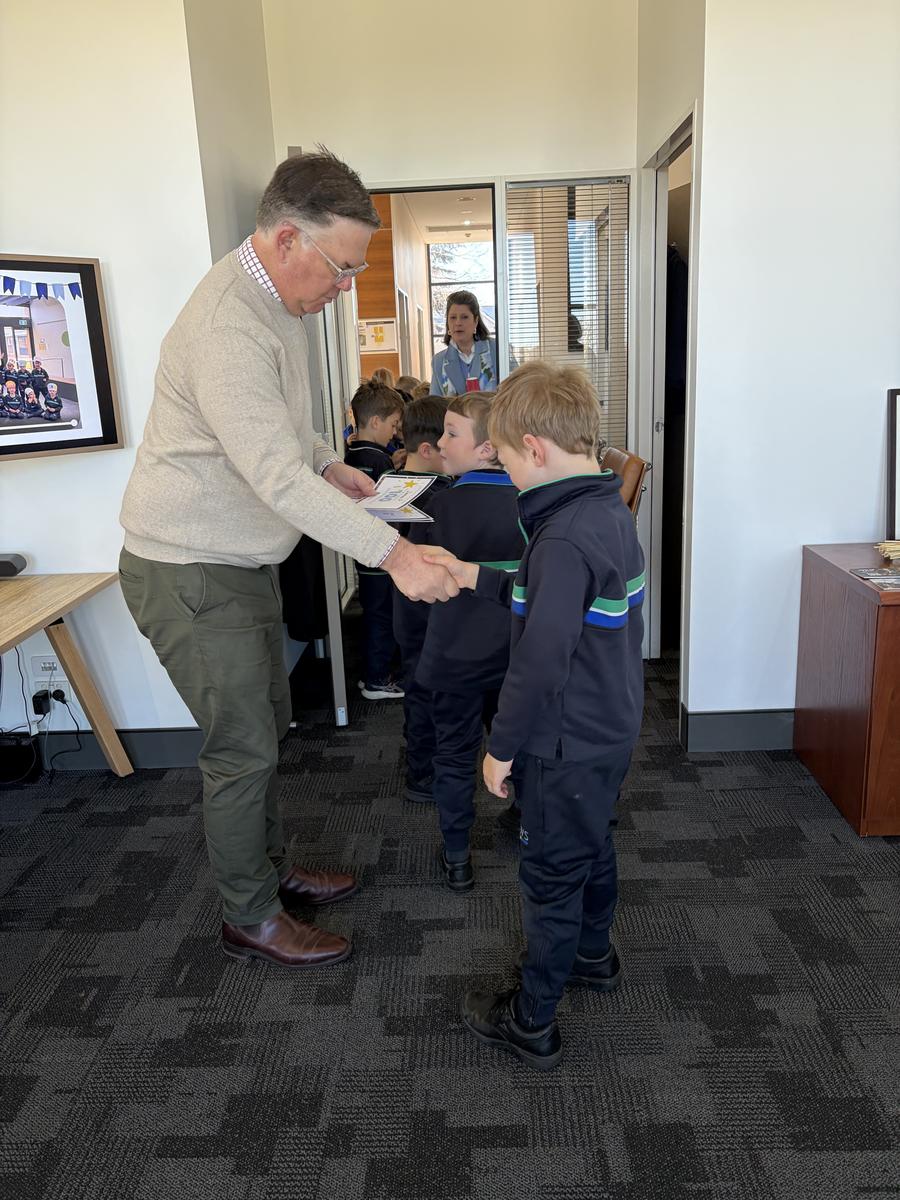
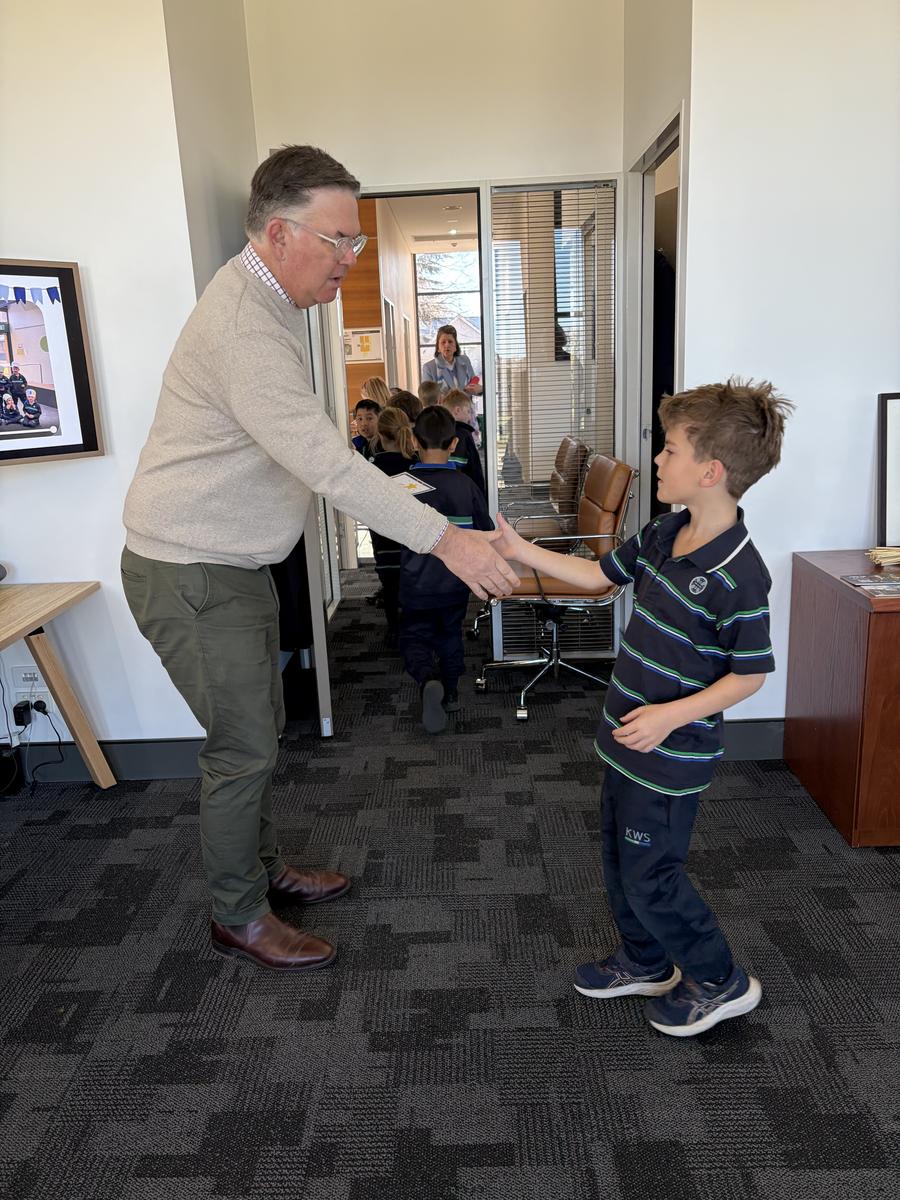
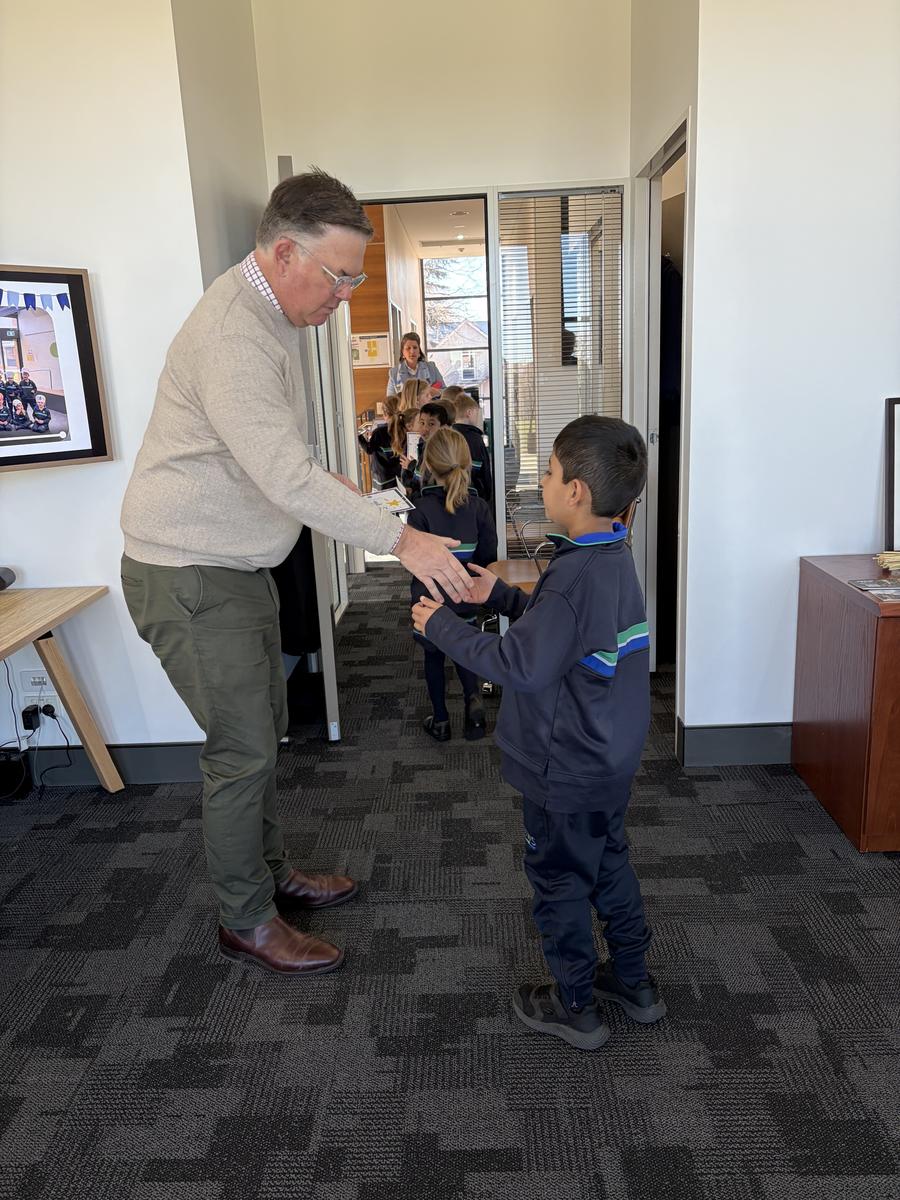
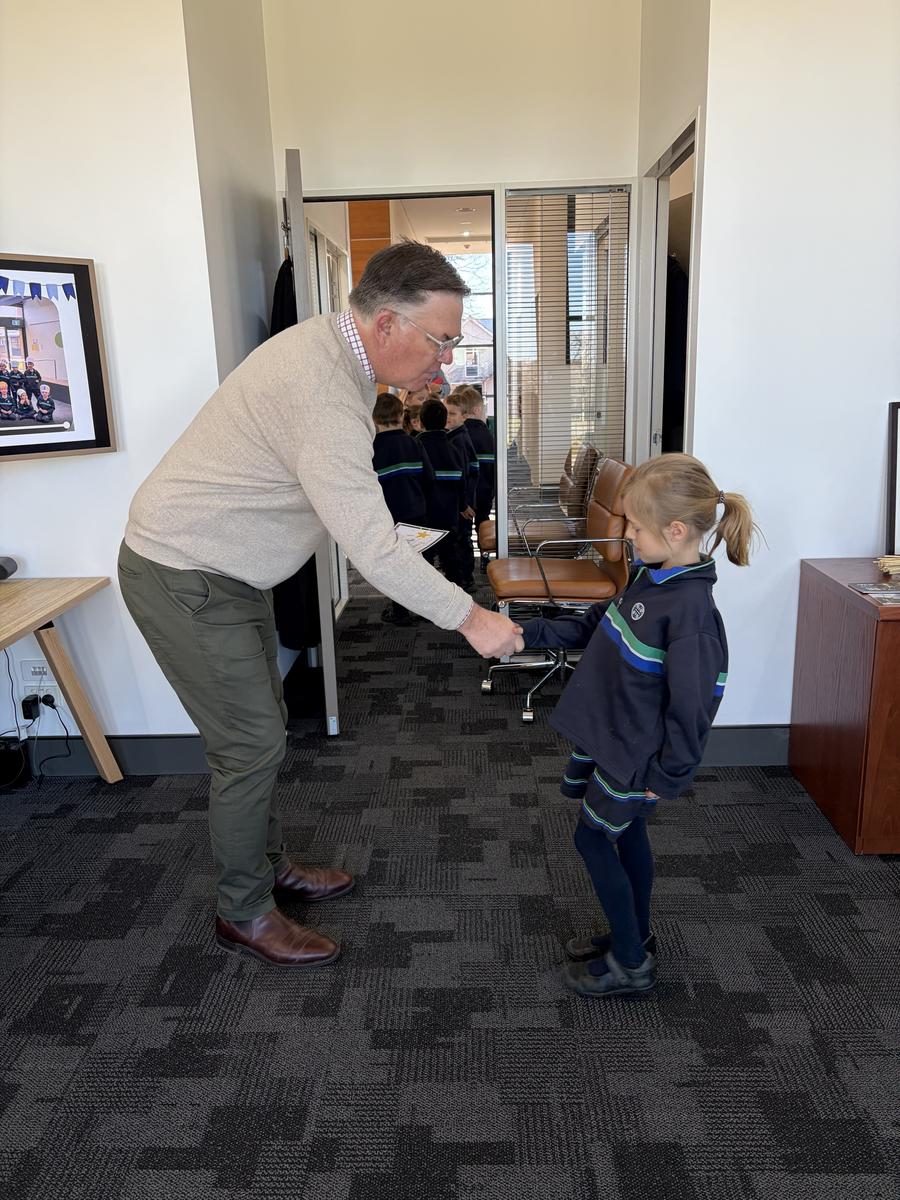
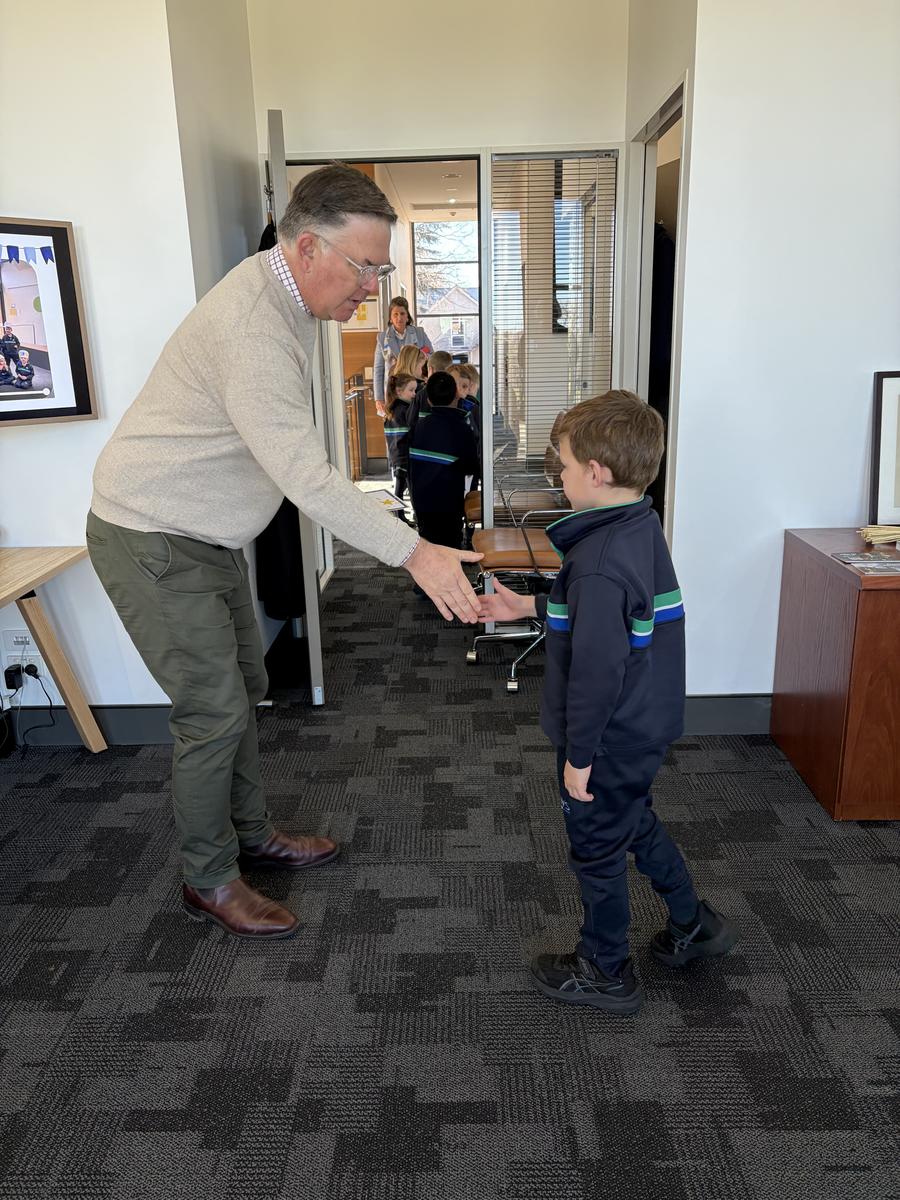
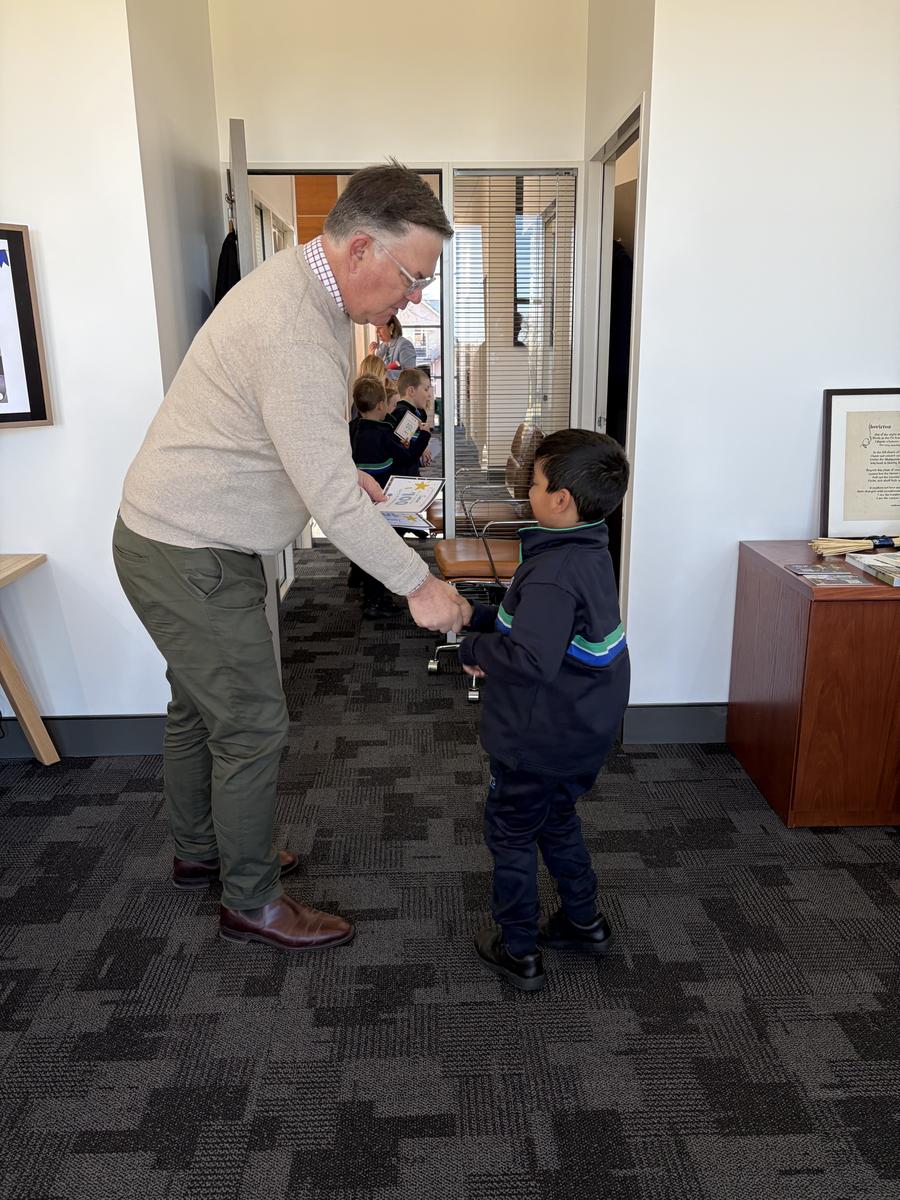
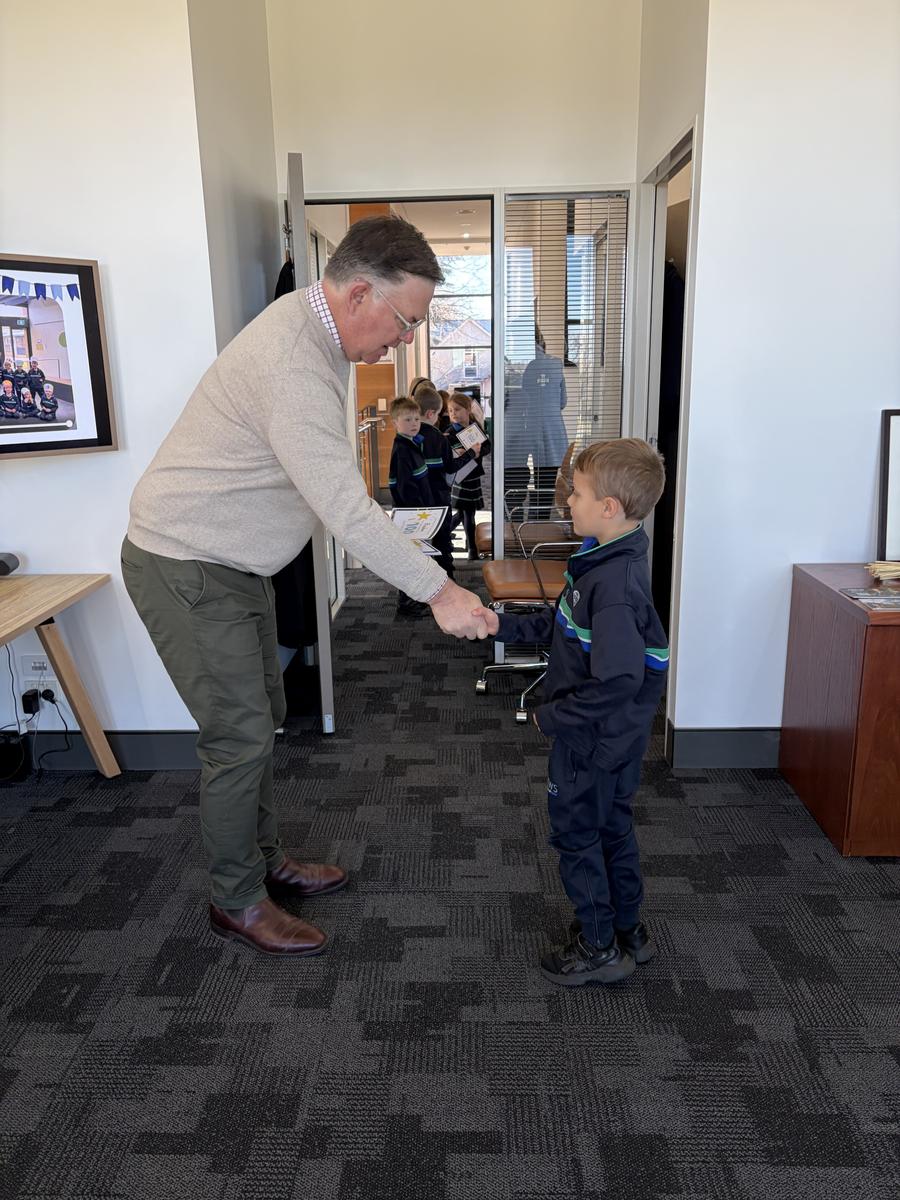
Last week I had the pleasure of welcoming our Kindergarten students to my office as they celebrated their first 100 days of Kindergarten. In their best uniform and full of excitement, they proudly shared what they have learned, achieved and enjoyed during their first 100 days at Kinross Wolaroi School.
Their curiosity, confidence and enthusiasm were on full display, and it was wonderful to hear about the friendships they have made and the many new experiences they have embraced. Congratulations to our Kindergarten students on this special milestone. We are so proud of all you have accomplished and look forward to seeing you continue to grow and thrive throughout the year.