
Teaching and Learning

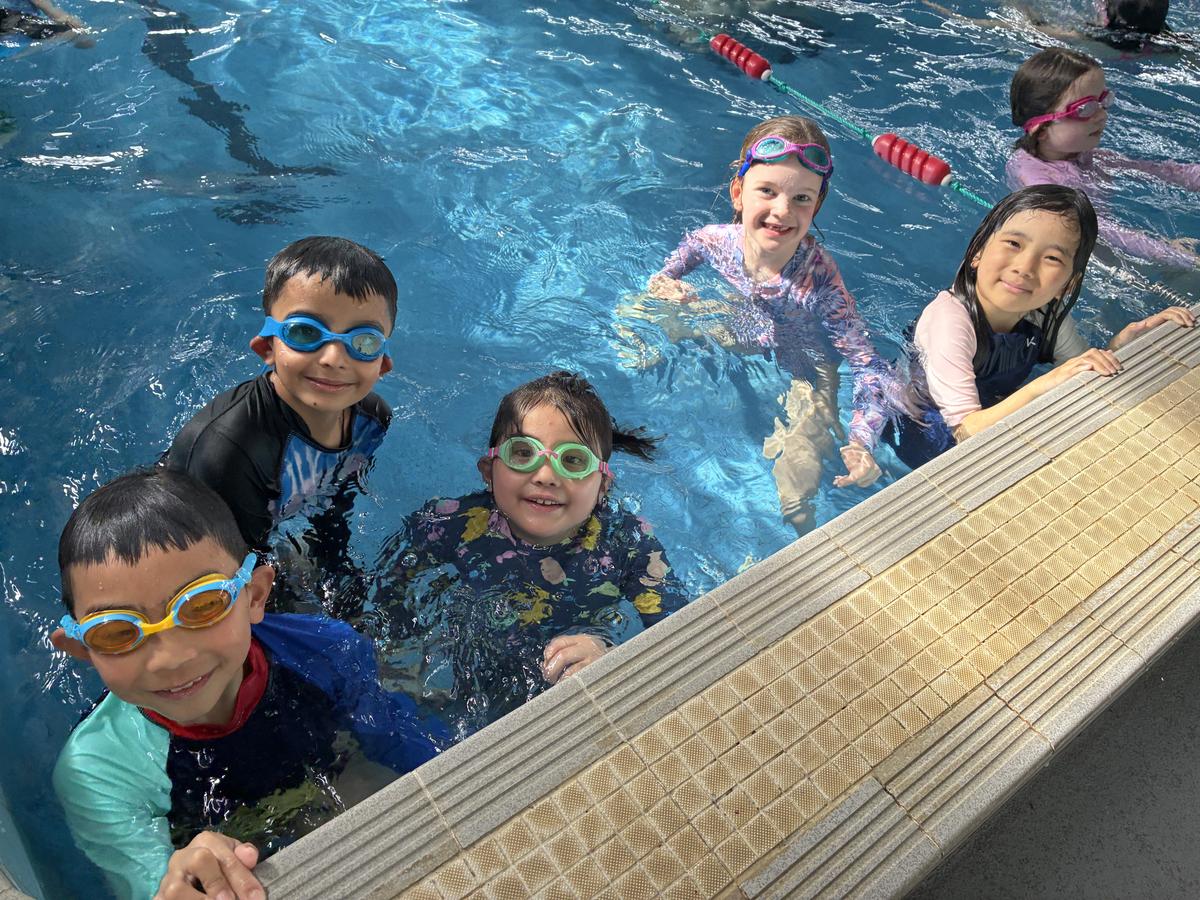
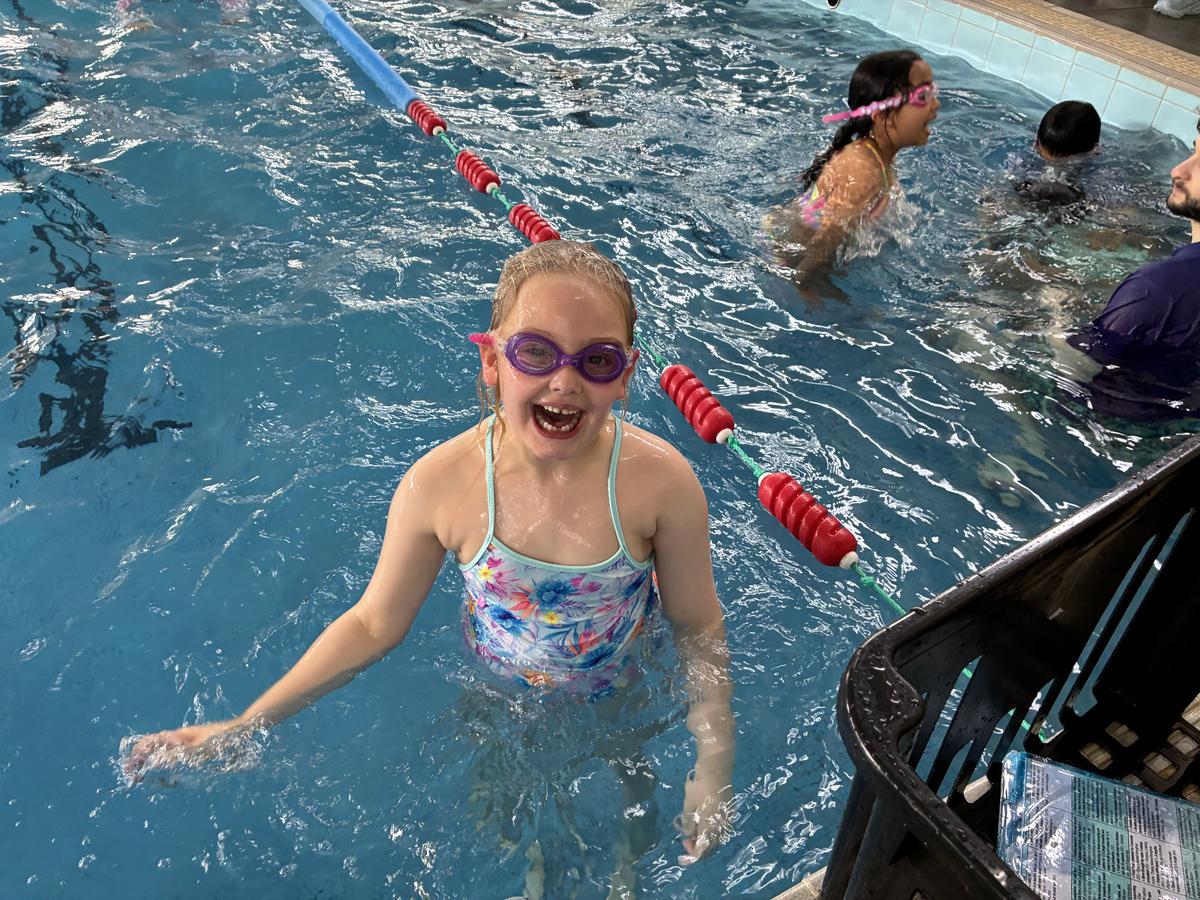
1C, 1R and Level 2 Swimming

The Victorian Curriculum 2.0 Health and Physical Education curriculum in primary school years includes swimming and water safety in an aquatic setting. By the end of primary school, it is anticipated that students should be able to demonstrate the knowledge and skills in the Victorian Water Safety Certificate.
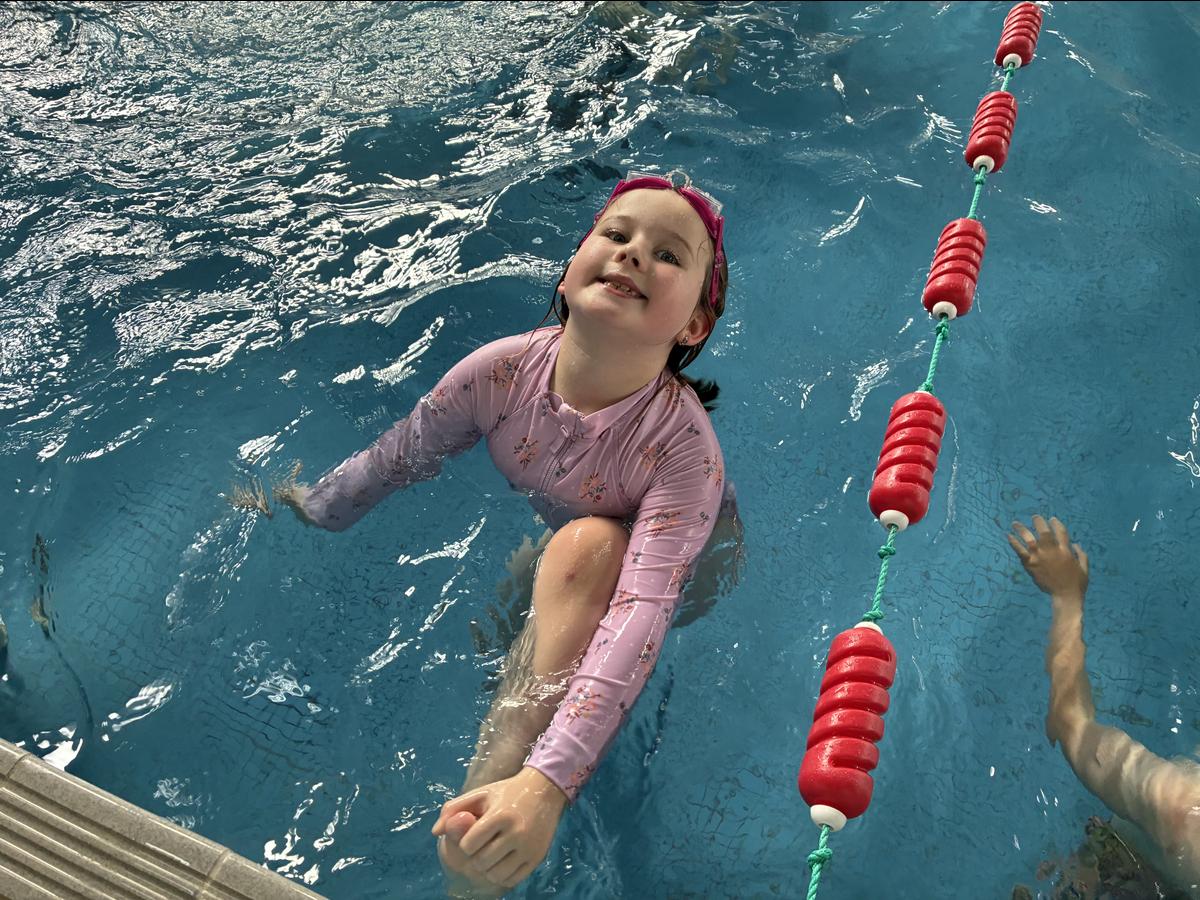
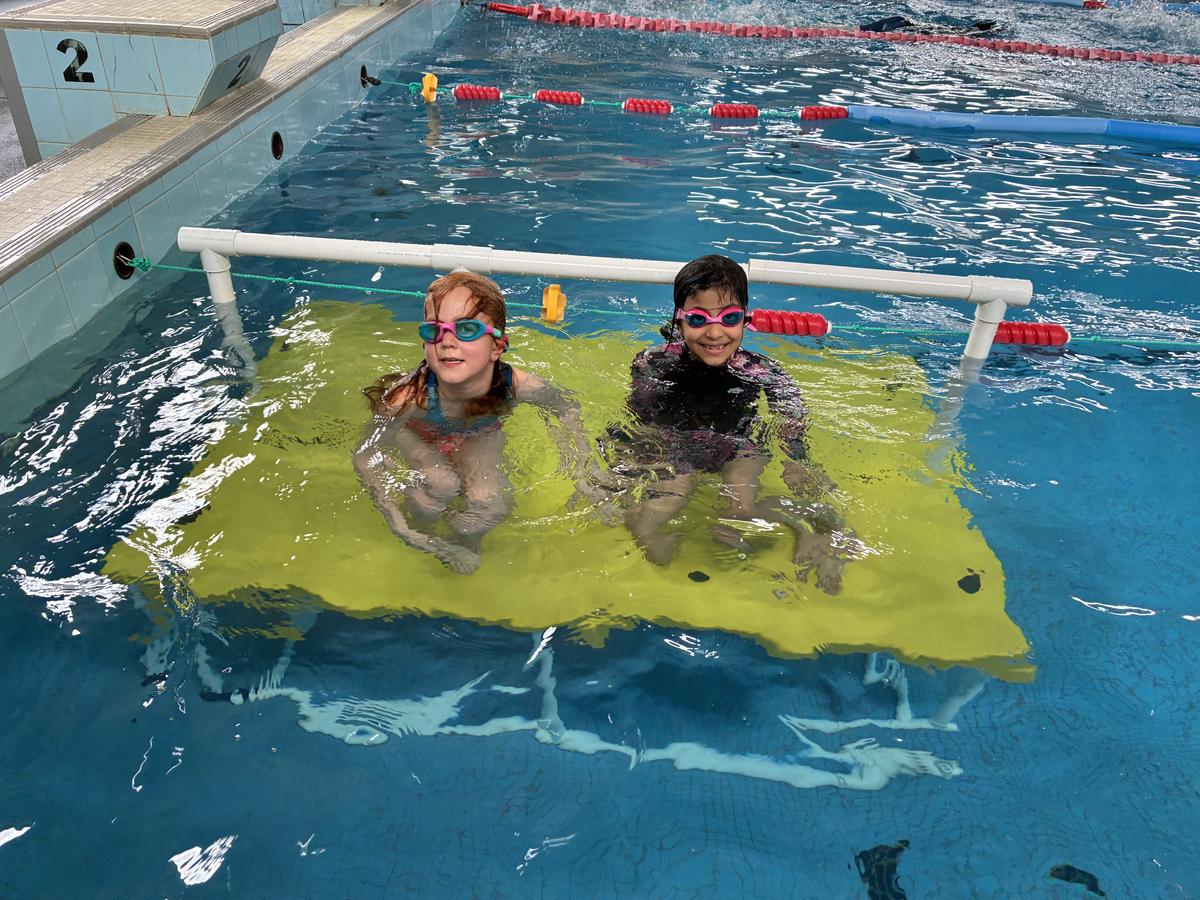
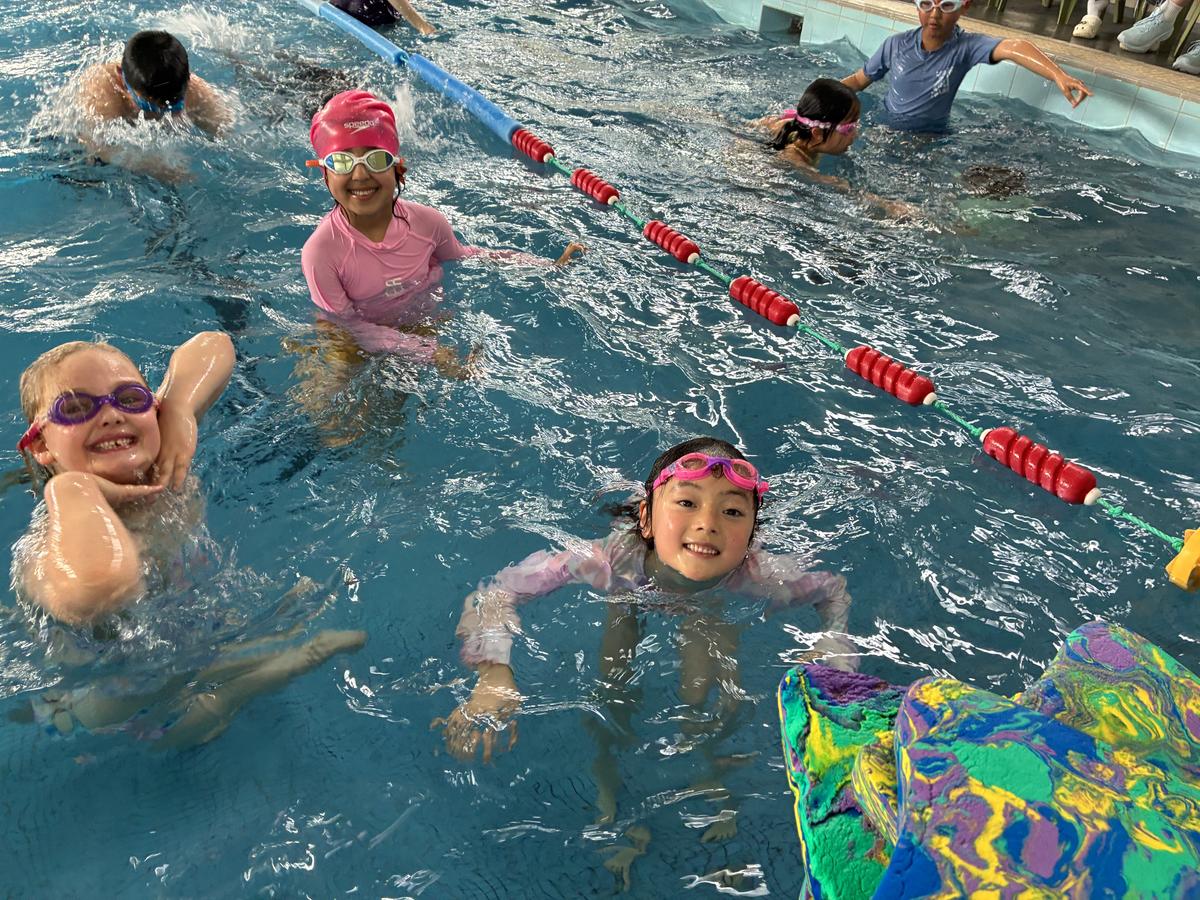
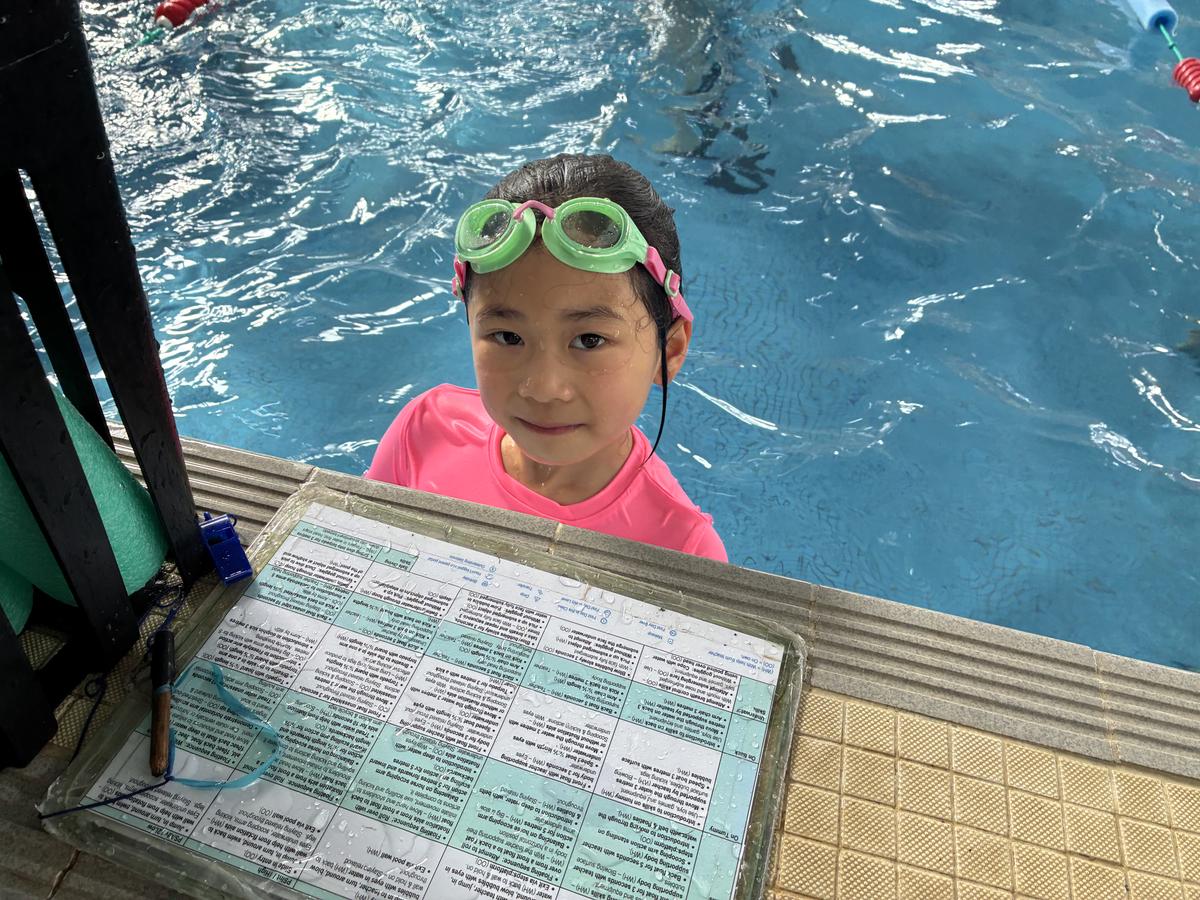
From Monday 1st September until Friday 5th September, students in 1C , 1R and Level 2 attended Healthways in Ringwood to participate in an intensive 5 day swimming tuition program facilitated by qualified swimming instructors.
Thank you to our wonderful parent helpers and our dedicated staff for making this valuable program possible.
Indigenous Literacy Day
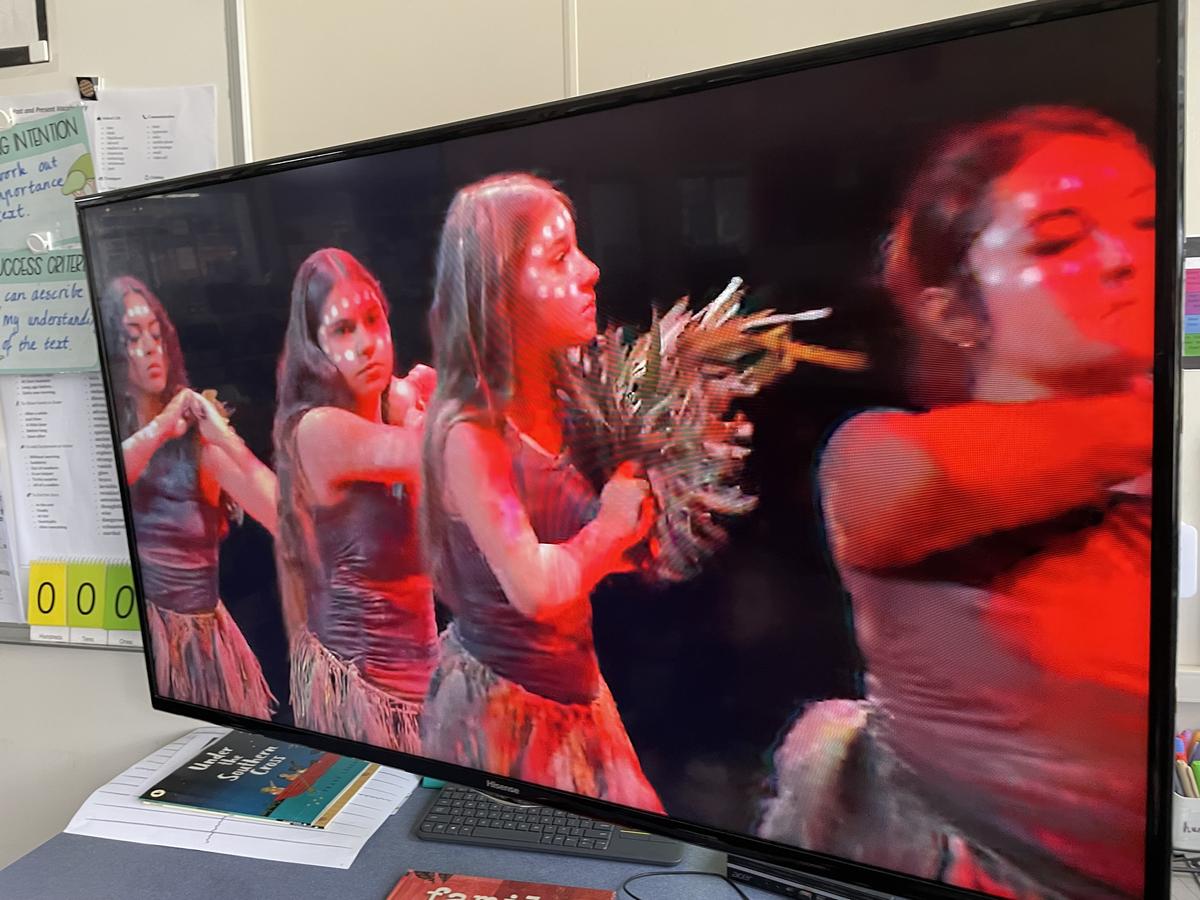
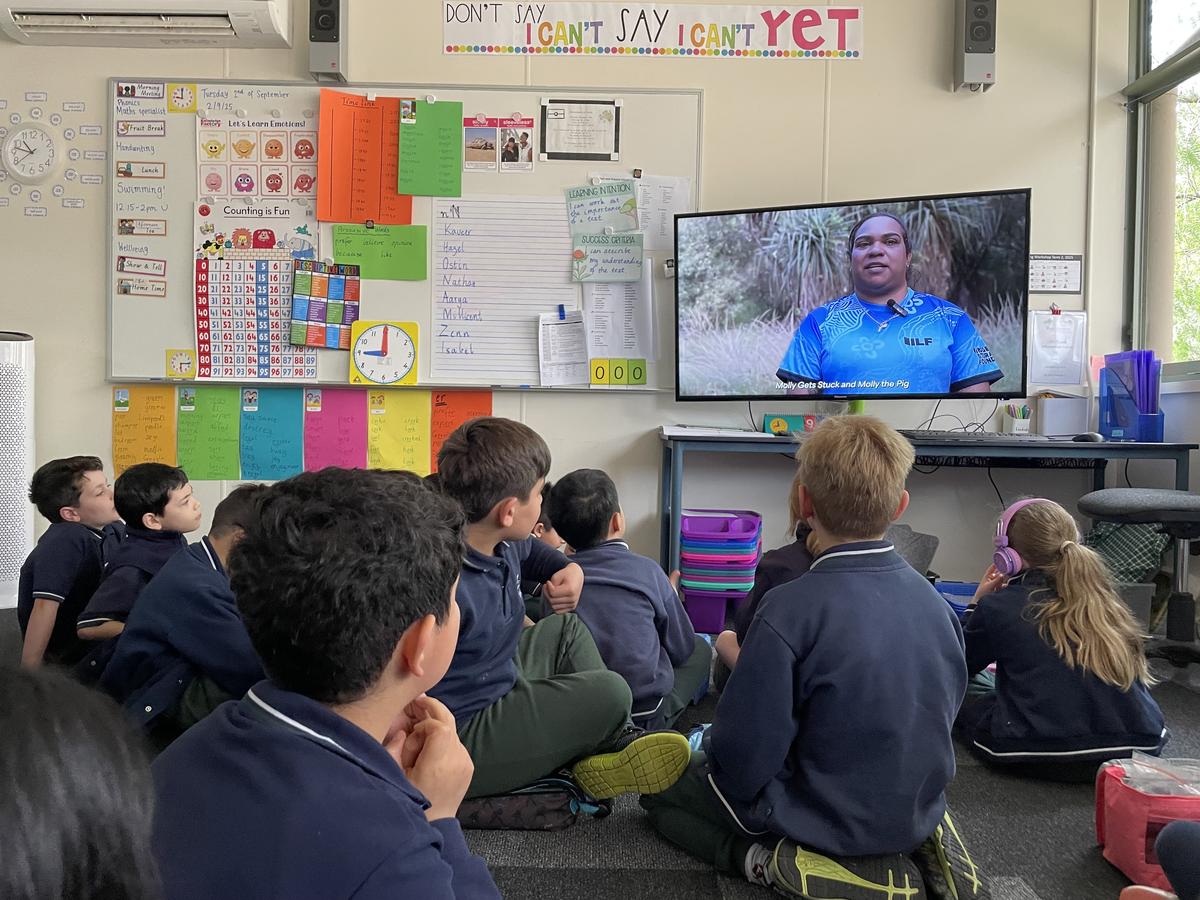
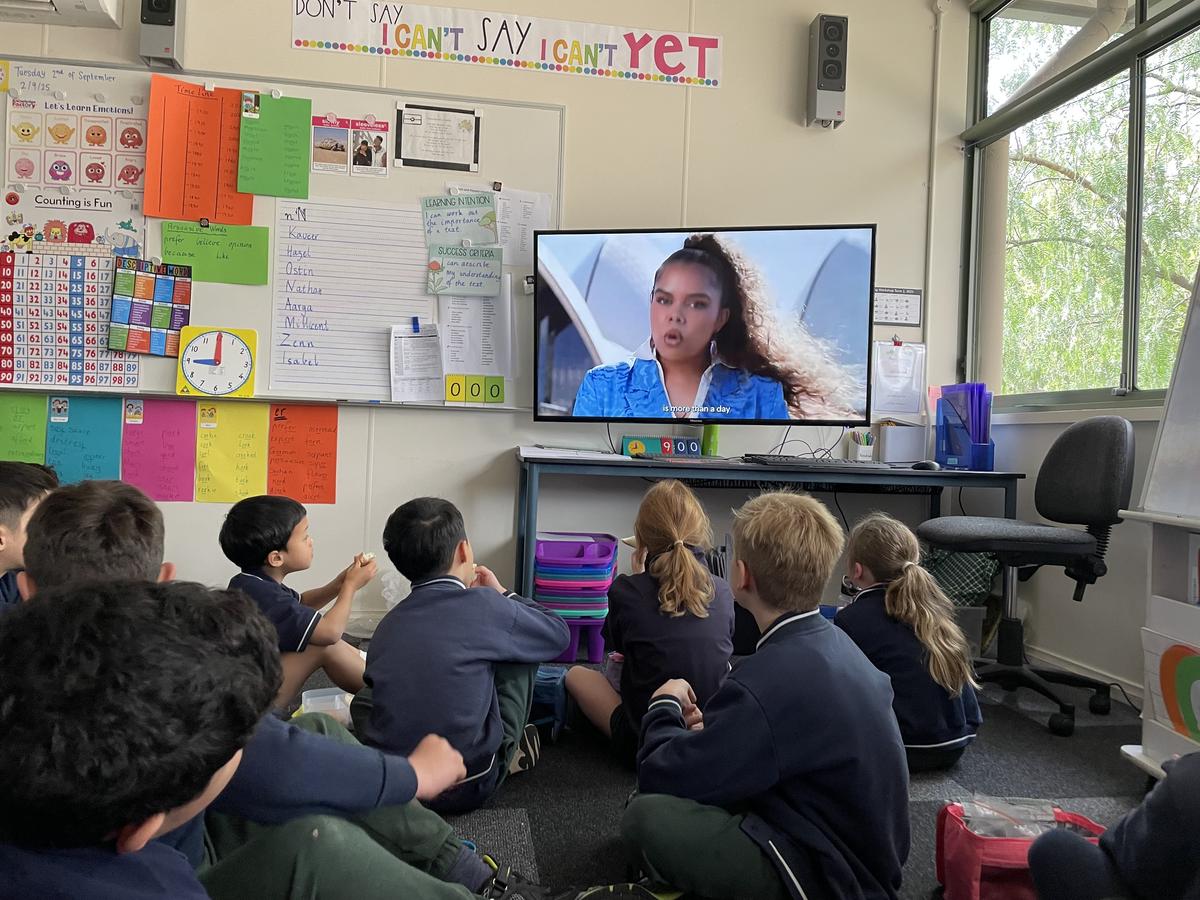
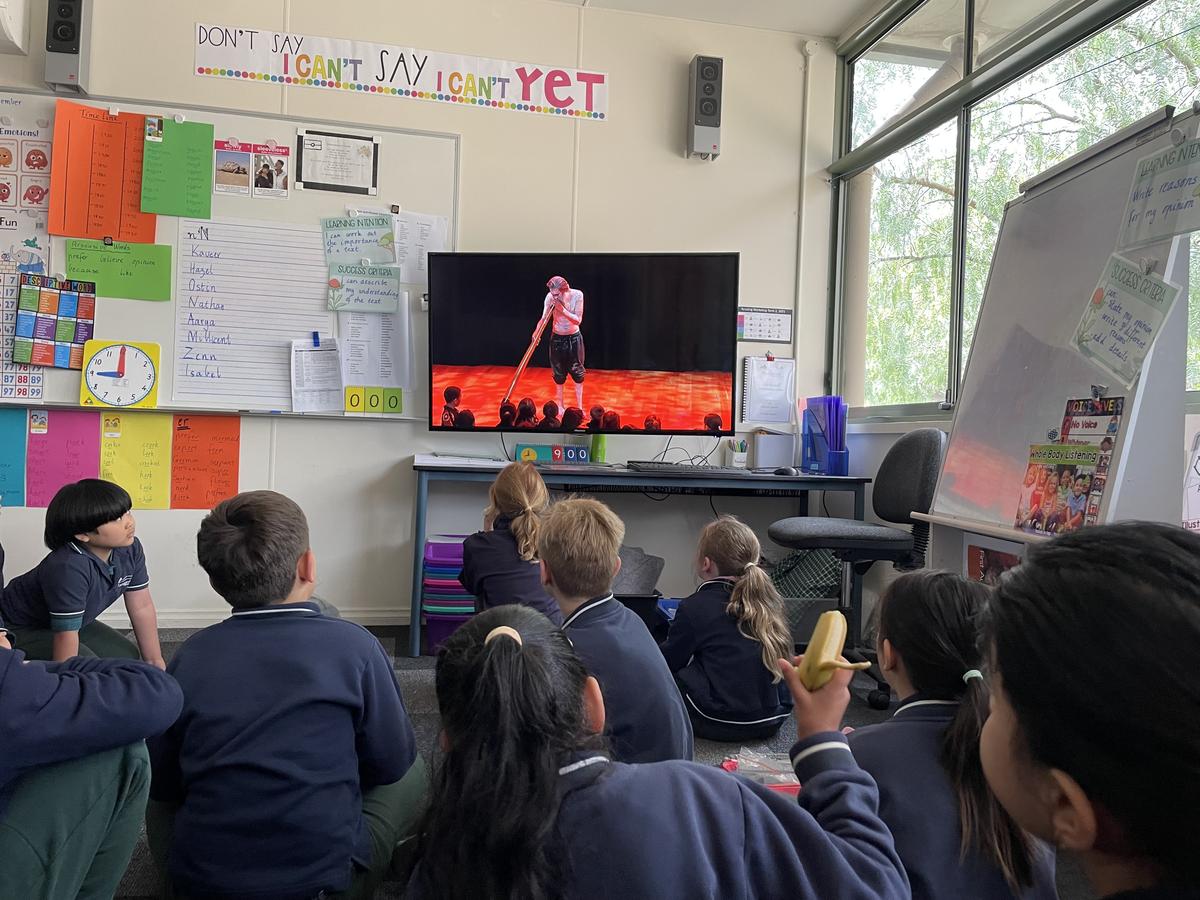
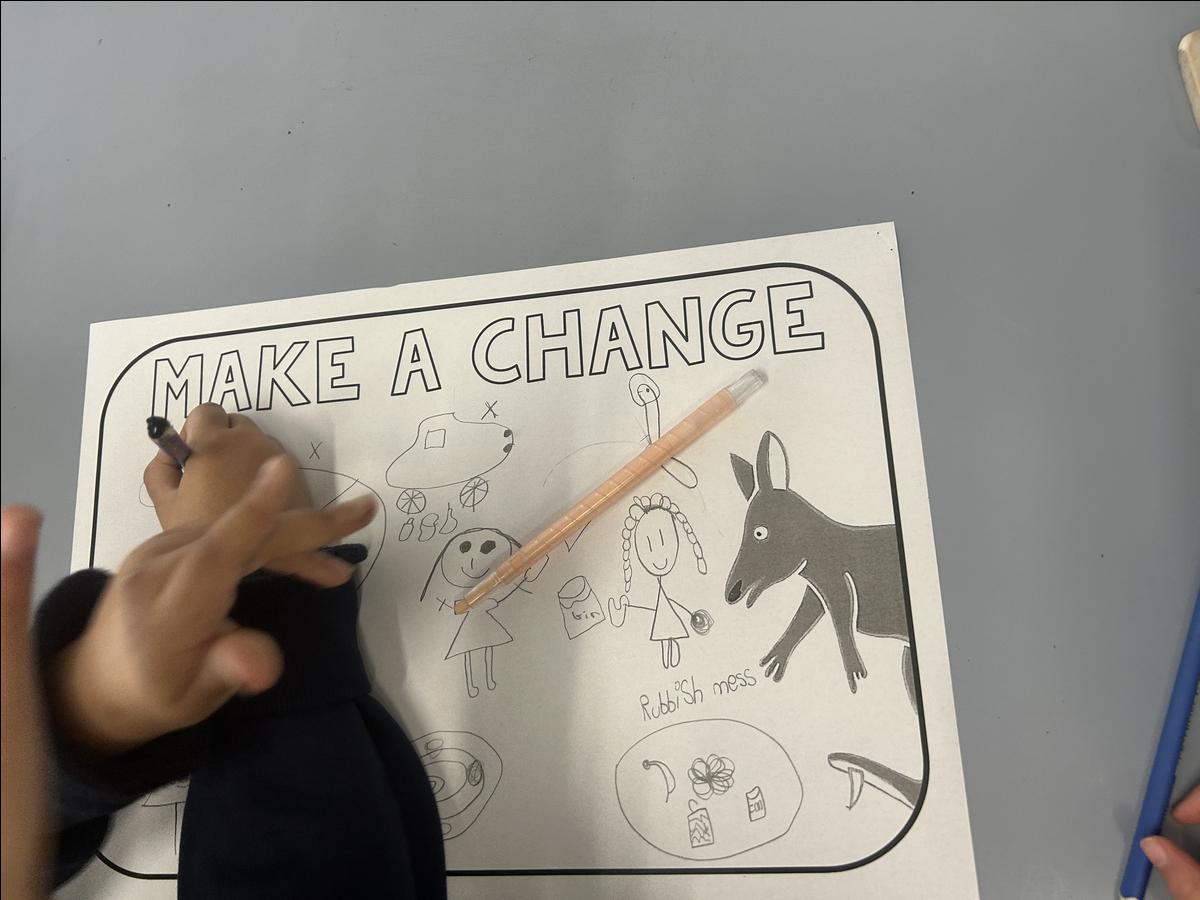
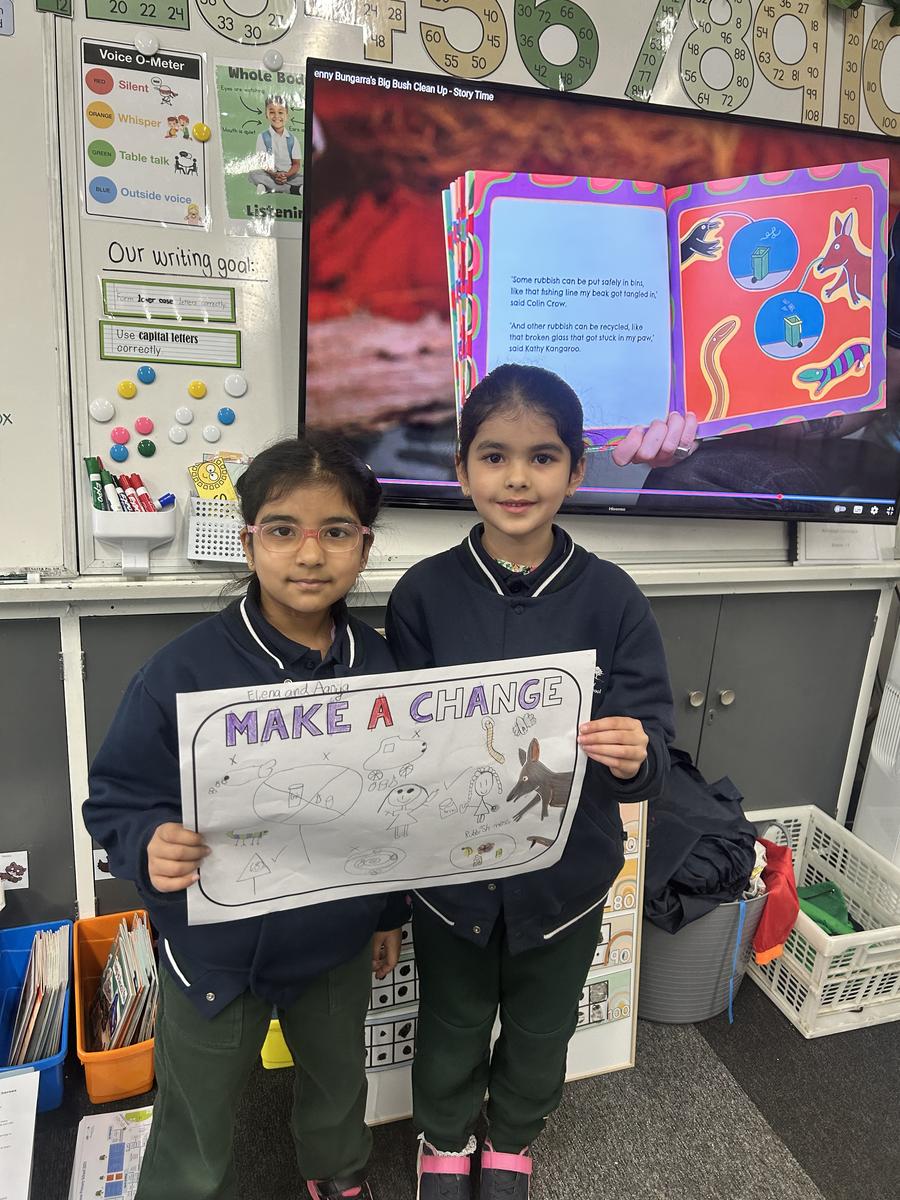
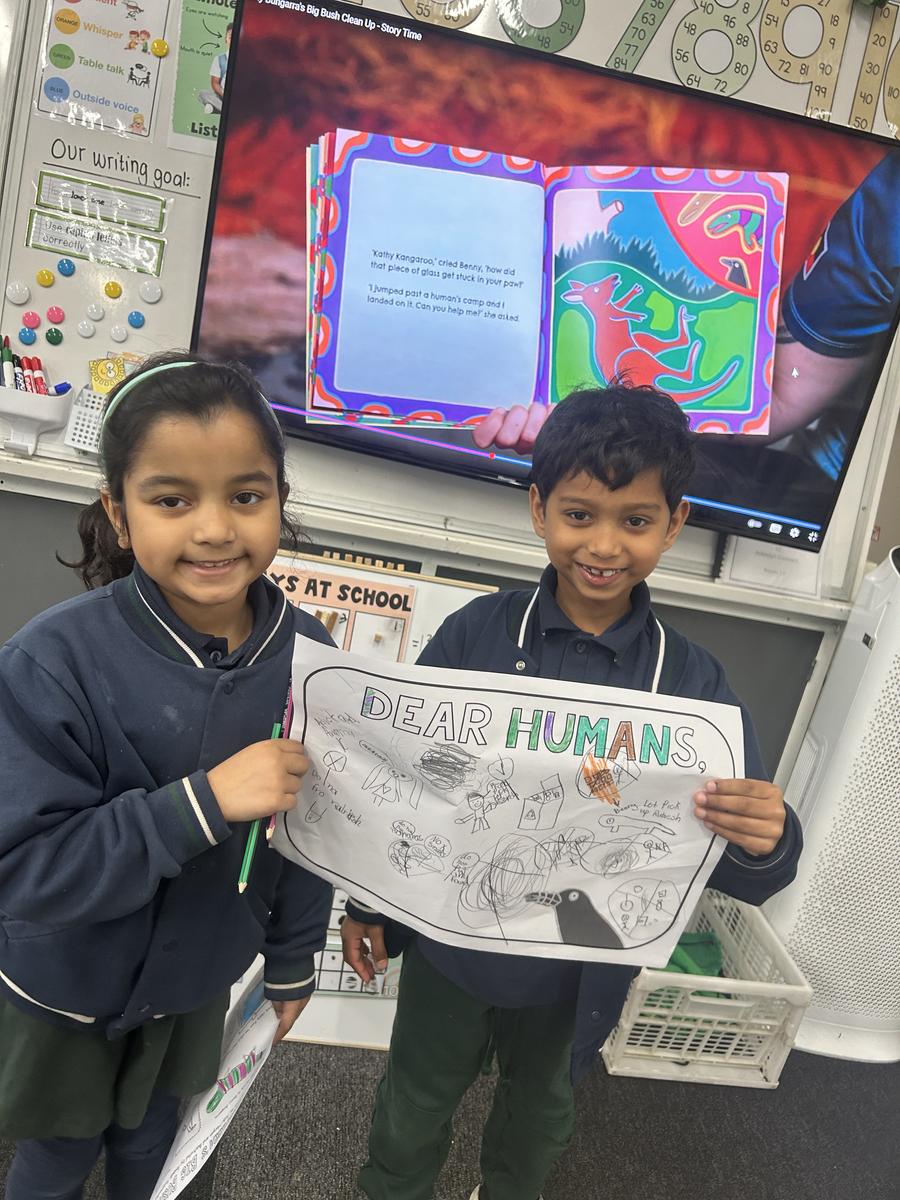
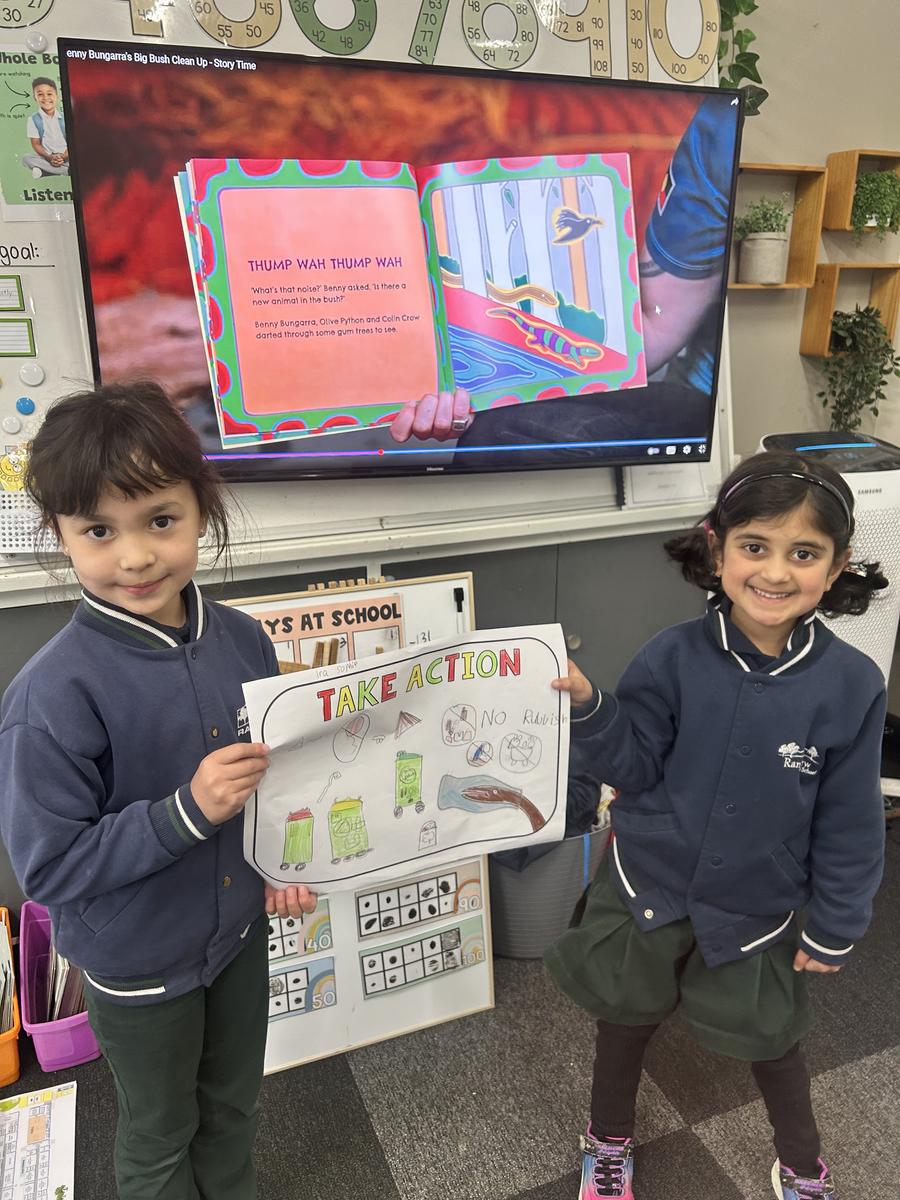
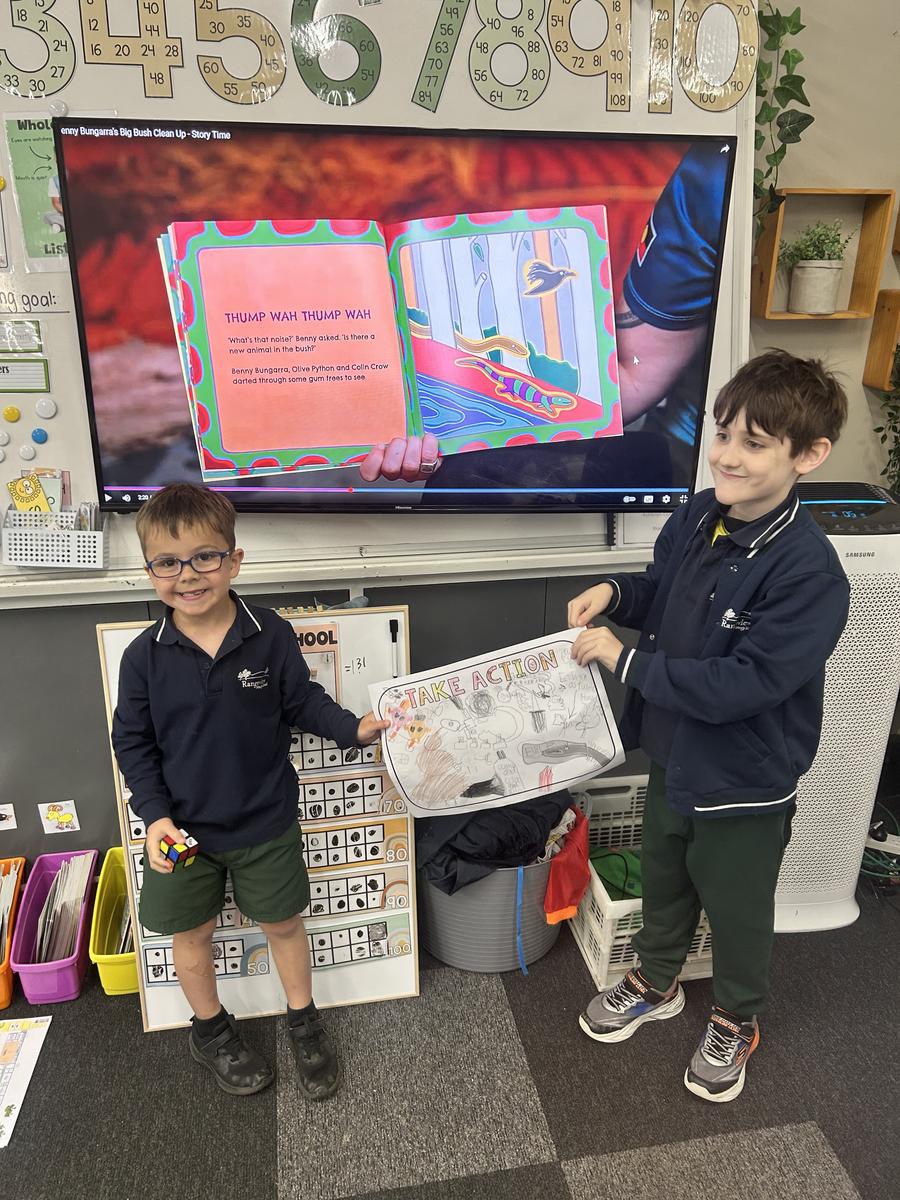
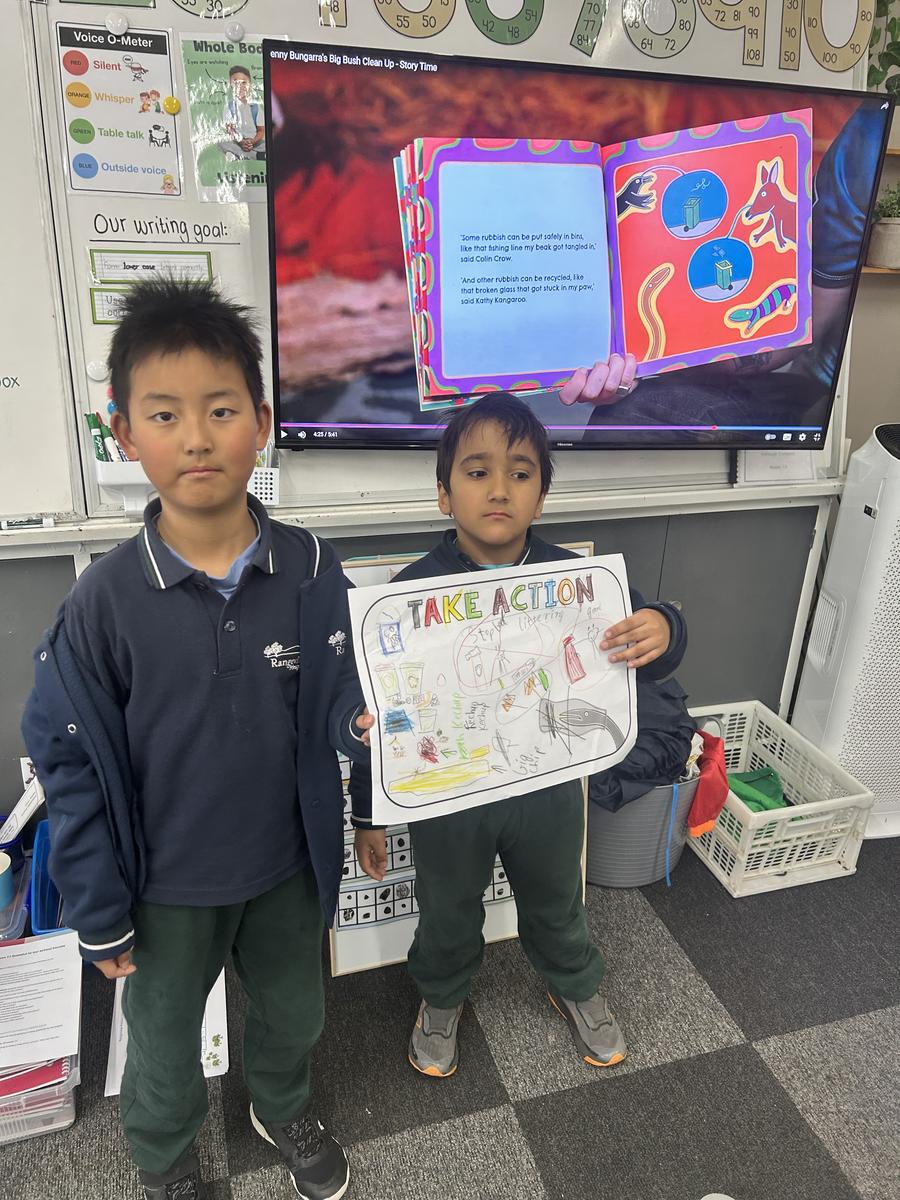
Indigenous Literacy Day was celebrated at Rangeview on Wednesday 3rd September. The theme for this year was: Strength in our Stories - For Now and Future Generations and a the day wonderful opportunity for classes to integrate First Nations perspectives.
Students participated in a range of activities including the reading of books and learning activities. At 10.30am a19 minute film was live streamed and then following this, there was a 45 minute live stream of the Indigenous Literacy Day at the Sydney Opera House.
Thank you to Jennifer Bonte and Kyla Petrilli, our school Marrung Leaders for helping to organise the wonderful activities for students to participate in in this day.
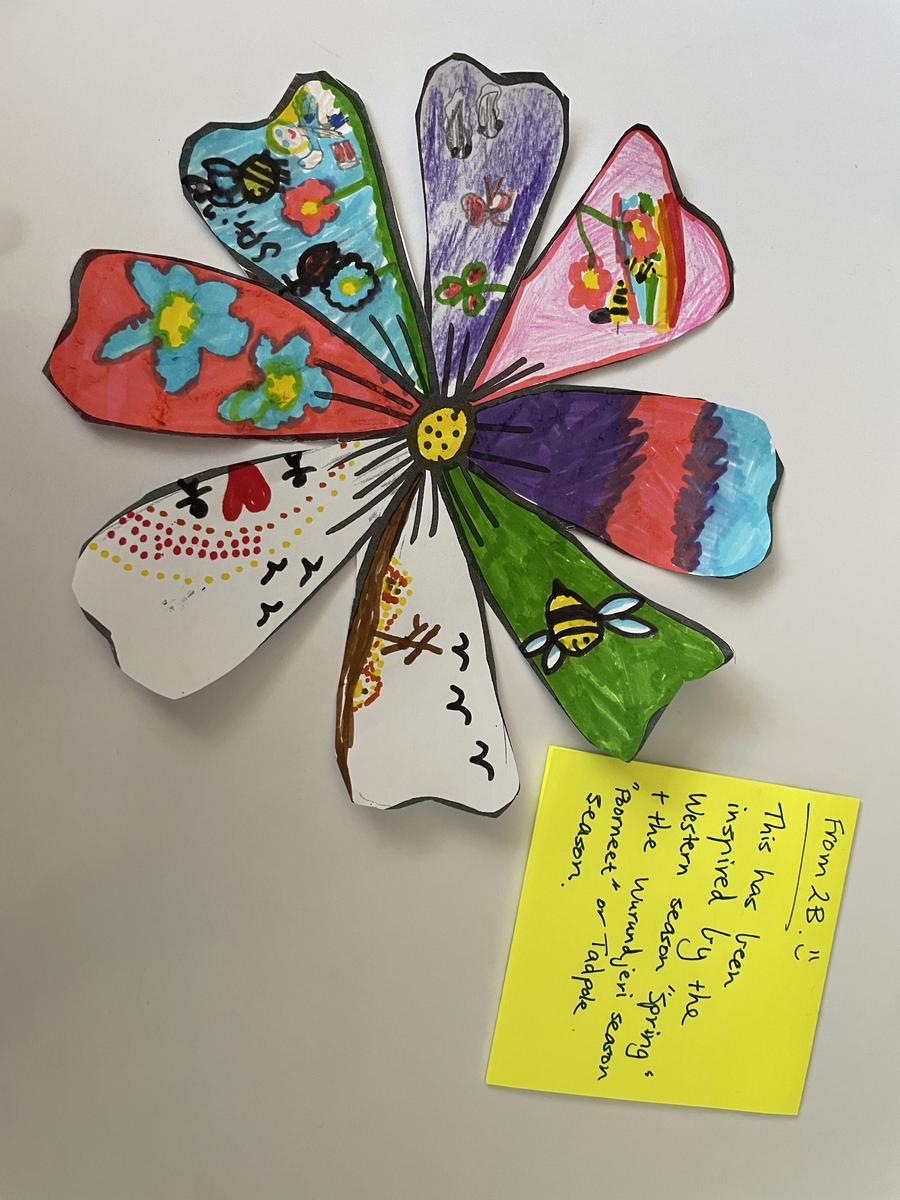
Some of our photos include our flower for the display that represented both the Western ‘Spring’ and Wurundgeri season ‘Poorneet’.
Teaching Team Planning Days
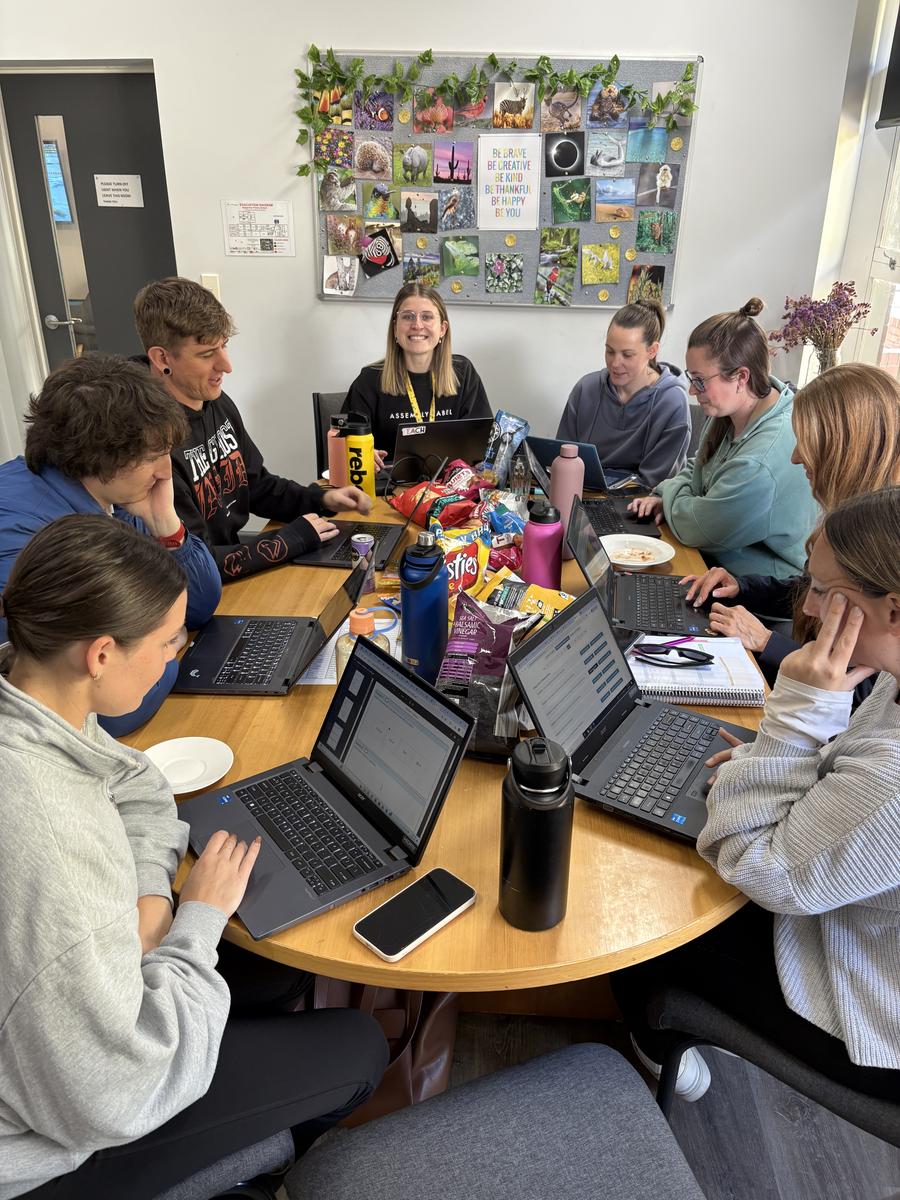
Each term at Rangeview our teachers take park in a planning week. Our specialist timetable is modified during this week so that teaching teams can meet for a day to collaboratively plan the learning that will take place for their students in the following term. For this reason, your child may come home and discuss how all of their Specialist classes (Music, Art, Physical Education, German, Maths, Digitech) happened on the same day for the week.
On this day, teachers will analyse the Victorian Curriculum 2.0 to ensure that prepared lessons cover the curriculum content, and also organise the wonderful learning events that take place over the term.
POW - A Fun Maths Game Invented by a Level 6 Student
POW is an easy maths game for practising all kinds of number facts that combines an ideal balance of maths, strategy, agency and luck and can be adjusted to suit various abilities or focus facts. You can play POW using readily available materials such as paper or mini-whiteboards and dice or a deck of cards. POW is an adaptation of “Noughts and Crosses” and can be a two-player game or you can play in teams, with each game taking about 5-10 minutes.
The game was invented by one of our very creative Rangeview students, Isabelle (now in Level 6) and has been regularly used and enjoyed in our QuickSmart program over the past year. Isabelle has now offered to share her game with the wider Rangeview community. See the rules below if you’d like to give it a try!
WHAT YOU WILL NEED TO PLAY POW
- Find an opponent OR play with a partner against another team of two.
- Each player/team will need a piece of paper/whiteboard on which will be written ten maths questions to ask your opponent.
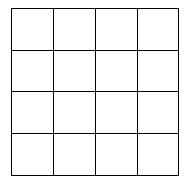
- You will also need a separate piece of paper/whiteboard which will serve as the POW game-board – construct a 4x4 grid on this to make the simple POW game-board.
- You will also need one ten-sided dice. If this is not available, you can use randomly drawn cards from a standard deck of cards (discard picture cards and replace number cards/shuffle each time a card is drawn) or use a website such as random.org. (It is not recommended to substitute with a six-sided or other dice as this will disrupt the balance of the game).
Grab a pen/marker and you are ready to start!
THE STEPS TO STARTING A GAME OF POW
- Each player will need a page with ten maths questions numbered down the page from 1 to 10, that they will be using to quiz their opponent. The teacher/parent should set boundaries on what types of maths questions should be included, so that they are relevant and easily achievable for the opposing student.
- The teacher/parent could provide the list of maths questions for each student, however students often enjoy making up their own questions to quiz each other with. With younger students, you could play with addition or subtraction facts. In QuickSmart we often use times tables facts, which could be mixed times tables or focusing on just “times 4” if that is what we are learning. More advanced students can tackle any type of “mental maths” question that can be worked out quickly.
- Opponents do not need to have the same type/level of questions. For example, if playing with siblings, the younger child could be answering addition questions with the older child answering fraction questions. Or if the opponent is a parent, let the child make up “really hard” questions for you to answer – they love this!
- Once the questions are ready to go, decide which player goes first (eg. with a dice roll) and decide which symbol each player will use on the POW “4 by 4” game grid (eg. noughts versus crosses)
HOW TO PLAY POW (THE RULES OF THE GAME)
- Player A rolls the ten-sided dice (or alternative). Whichever number it lands on will determine which numbered maths question from the list of ten that Player B will then ask Player A to answer. Eg. roll a 9, you must answer question #9.
- If Player A answers correctly (maybe allow two attempts?), then Player A will place a mark (nought or cross) onto the POW “4 by 4” game grid in whatever position is desired. Player B must cross off the question from their list once Player A has answered it, as it cannot be used again.
- Take turns back and forward as above. If a player rolls a number corresponding to a maths question they have already answered, then they must miss a turn. This introduces an element of luck that keeps the game fair and interesting.
- The objective of the game is to be the first player to achieve “Four-in-row” noughts or crosses on the POW game-board (can be horizontal, vertical or diagonal). Players must try to block opponents whilst also attempting to form their own row of four.
Occasionally a “stalemate” may happen on the POW game board where it becomes impossible for either player to form a row-of-four to win. If this happens, you can either declare a “Draw” and start again OR strike an agreement with your opponent to each move a “nought” or “cross” so as to allow each a fresh chance of making four-in-a-row.
AND THAT’S HOW EASY IT IS TO HAVE FUN LEARNING WITH THE GAME OF POW!!
Kate McLeod
Assistant Principal
Teaching and Learning