Mental Health in Primary Schools (MHiPS)
Amy Carter
Mental Health in Primary Schools (MHiPS)
Amy Carter
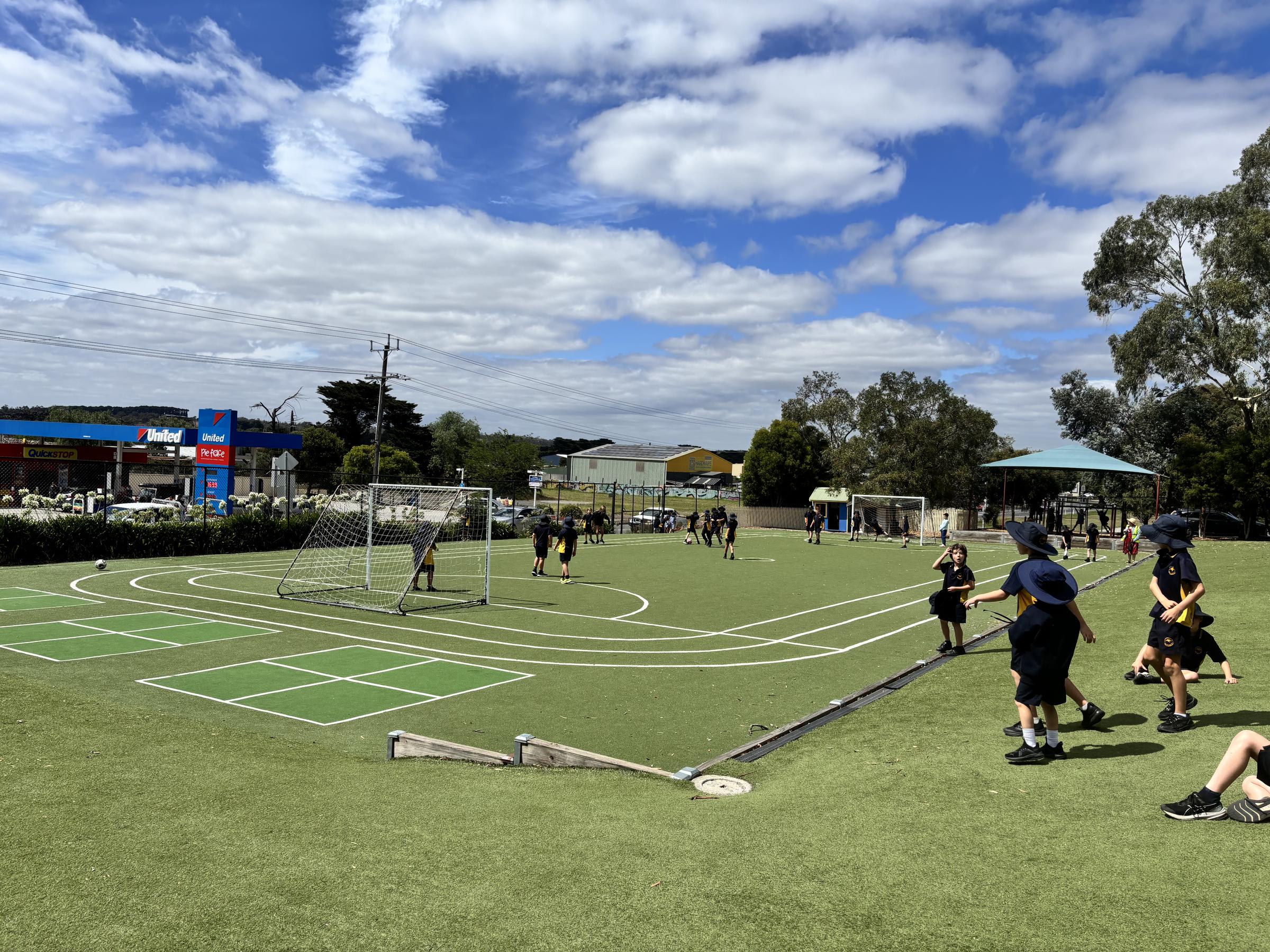
Regular exercise plays a powerful role in supporting children’s mental health. It benefits not only their bodies, but also their brains, emotions and overall wellbeing.
Boosts Mood
When children exercise, their brains release “feel-good” chemicals like endorphins and serotonin. These help reduce stress, sadness, and frustration and increase happiness and calm.
Reduces Anxiety and Stress
Physical activity lowers cortisol levels. Running, jumping, playing sports, or even going for a walk gives children a healthy outlet for releasing built-up tension and worry.
Improves Focus and Learning
Exercise increases blood flow to the brain, helping with concentration, memory and problem-solving. This can support children in the classroom, particularly those who struggle with attention or regulation.
Builds Confidence
Learning new physical skills, such as riding a bike, mastering a dance move, or scoring a goal, helps children feel capable and proud. This sense of achievement strengthens self-esteem.
Supports Emotional Regulation
Active play helps children manage big emotions. Movement provides a safe way to process anger, excitement or nervous energy.
Encourages Social Connection
Team sports and group activities promote friendships, teamwork and a sense of belonging, all key protective factors for mental health.
Improves Sleep
Children who are physically active tend to sleep better. Good sleep is essential for mood stability, resilience and overall emotional wellbeing.
In short, regular physical activity acts as a natural mood booster, stress reliever and confidence builder. Even 30 to 60 minutes of active play each day can make a meaningful difference to a child’s mental health,