Young First Nations Leaders: baring djuwima
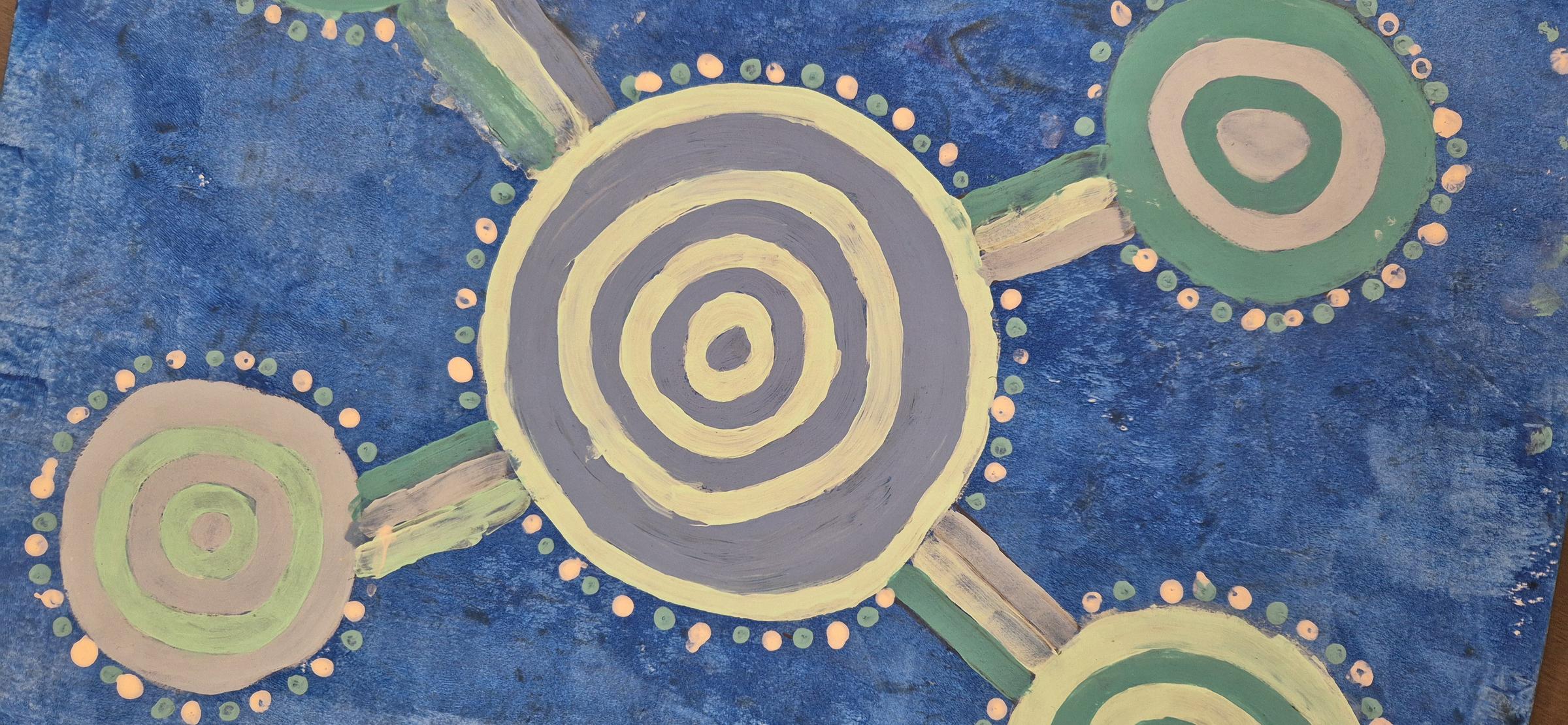
Did You Know? Exploring Bush Tucker
Did you know that many delicious and nutritious foods grow naturally in Australia’s native landscapes? These traditional foods, known as bush tucker, have been used by Aboriginal and Torres Strait Islander peoples for thousands of years. Our baring djuwima students had an opportunity to smell some of these plants to decide what they might like to plant in our bush tucker garden at school. See below what they thought about them.
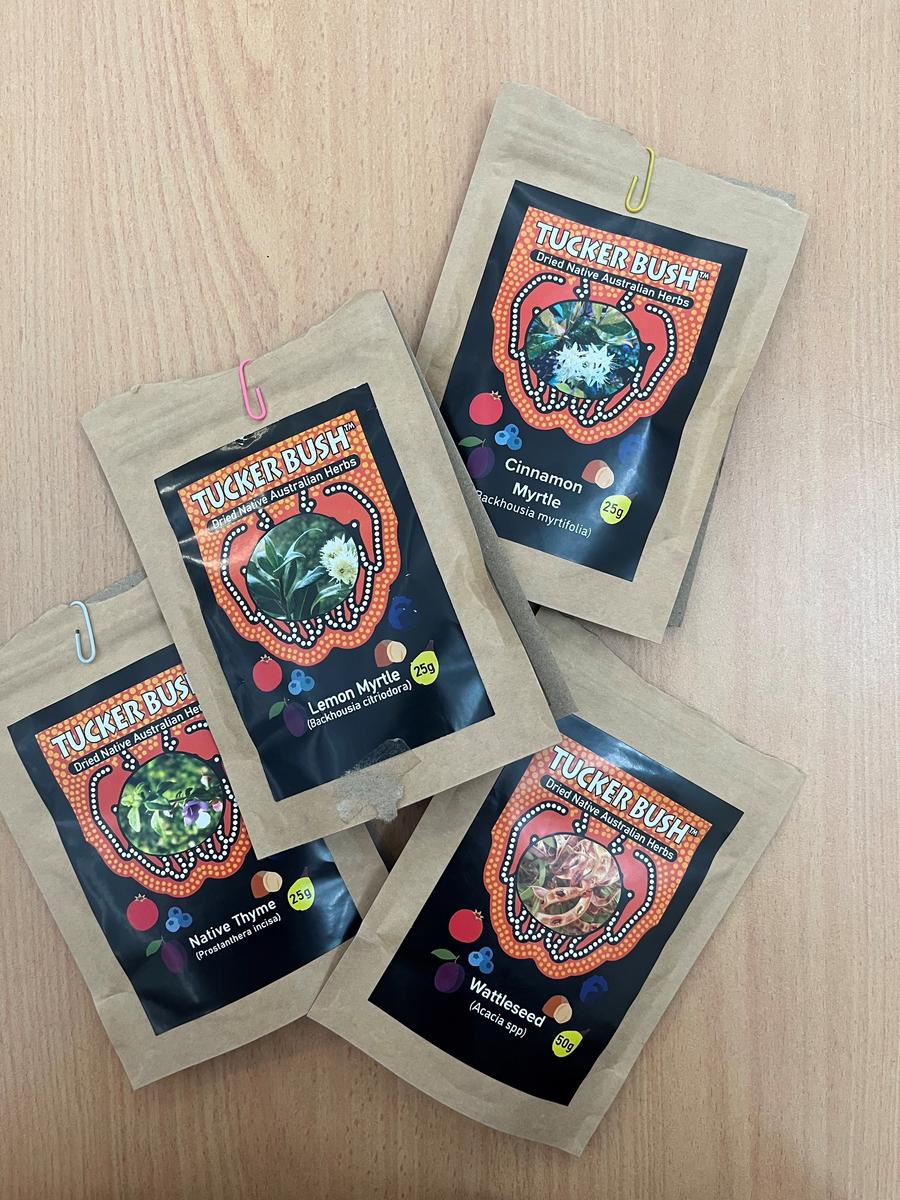
Wattle Seed comes from Australia’s national floral emblem, the wattle tree. The roasted seeds have a rich, nutty flavour similar to coffee, chocolate and hazelnuts, and can be used in baking, breads and desserts.
Lemon Myrtle is a fragrant native leaf with a strong lemon aroma. It’s often used to flavour teas, desserts, sauces and even seafood and chicken dishes.
I really liked the smell of the Lemon Myrtle because it smelled like lemon-y cough lollies - Willow
I smelled like lemons - Charlee
Lilli Pilli produces bright pink or red berries that taste sweet with a hint of tartness. They are perfect for jams, jellies and sauces. We are growing this plant in the Green Nest.
Mountain Pepper comes from a native rainforest plant. Both the leaves and berries have a spicy flavour and are often used as a pepper substitute. We are growing this plant in the Green Nest.
Saltbush is a hardy Australian plant whose soft leaves have a naturally salty taste. It’s often used to season meats or added to dishes for extra flavour. We are growing this plant in our bush block.
Bush tucker plants are not only tasty, but they also help us learn about Australia’s rich cultural heritage and the importance of caring for our native environment.
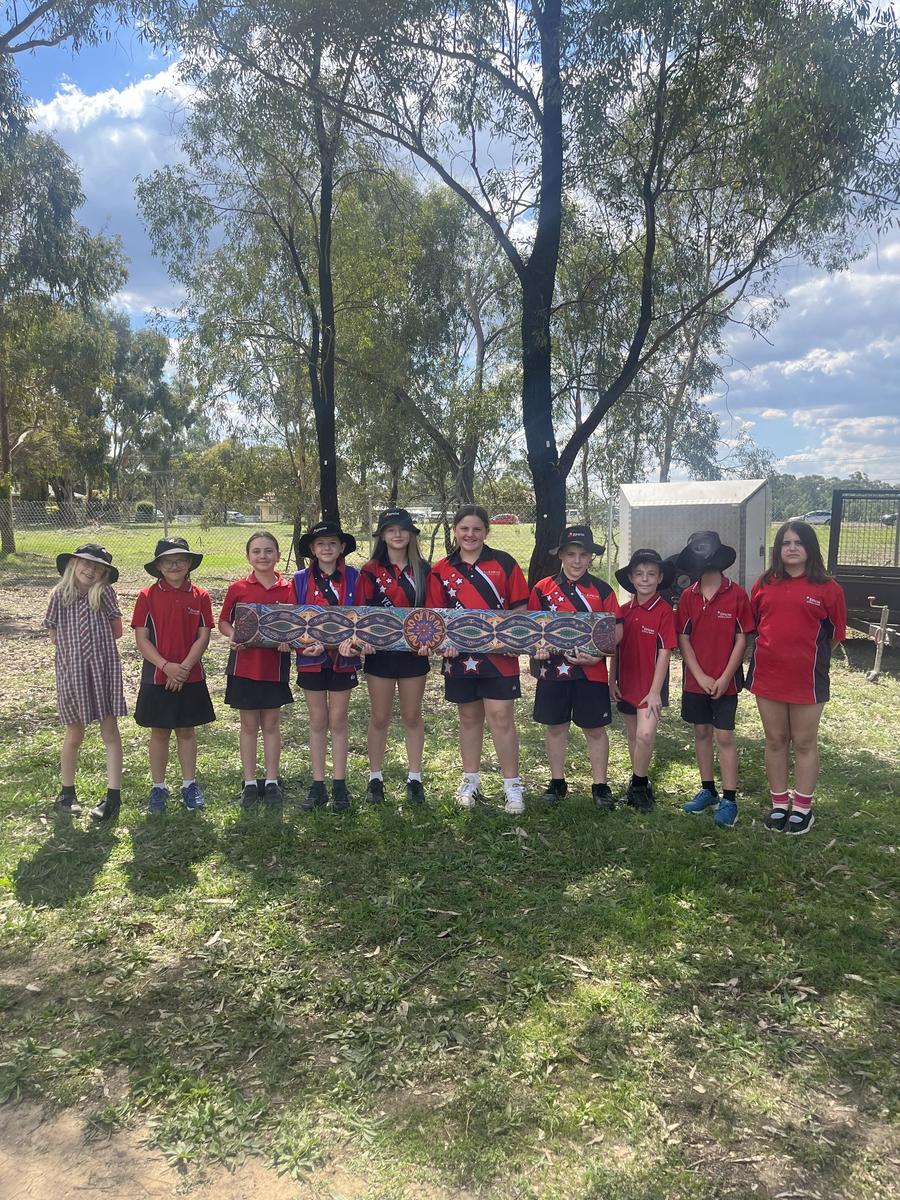
Introducing our baring djuwima leaders
Bush Tucker Day
This term we were lucky enough to spend a day with the baring djuwima students developing our knowledge of different Bush Tucker plants. We explored around our school- realising we have way more native, edible plants than we realised. Head to TuckerBush if you are interested in buying your own plants or herbs and spices.
Today my favorite bit of the day was making the chips out of salt bush leaves (which we picked from the Bush Block). We also made damper with cinnamon myrtle which is dried native Australian herbs. We also smelled some dried native Australian herbs such as Wattleseed, native thyme, cinnamon myrtle. They all smelled amazing but my favorite was the lemon myrtle because it smelled like a eucalypt lolly. It can help with your headache and hurtful throat- Stevie
Lemon Myrtle is a native aboriginal source of food and attracts small bugs. You can use it for tea or perfume and when you touch it, it smells like lemon. Kobi
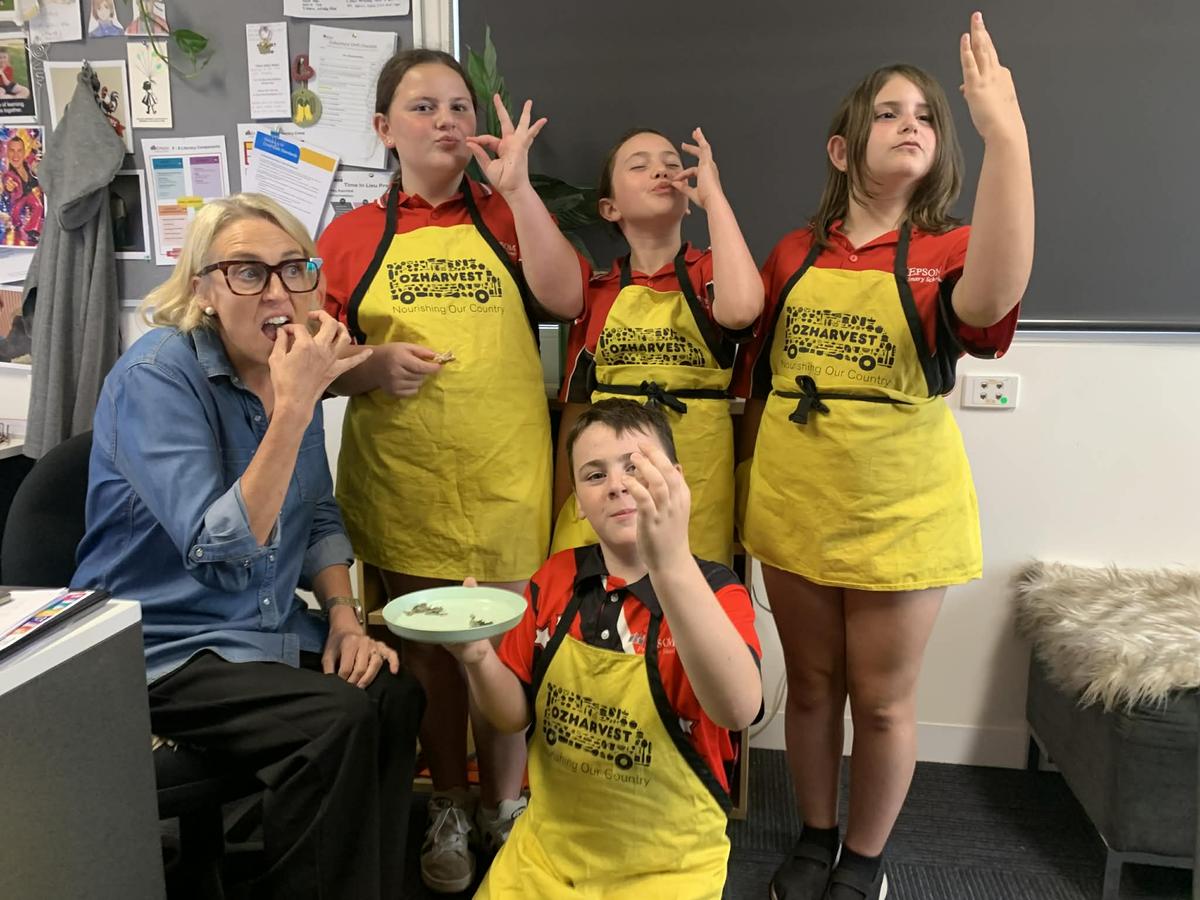
Sharing our salt bush chips with Mrs Ladd
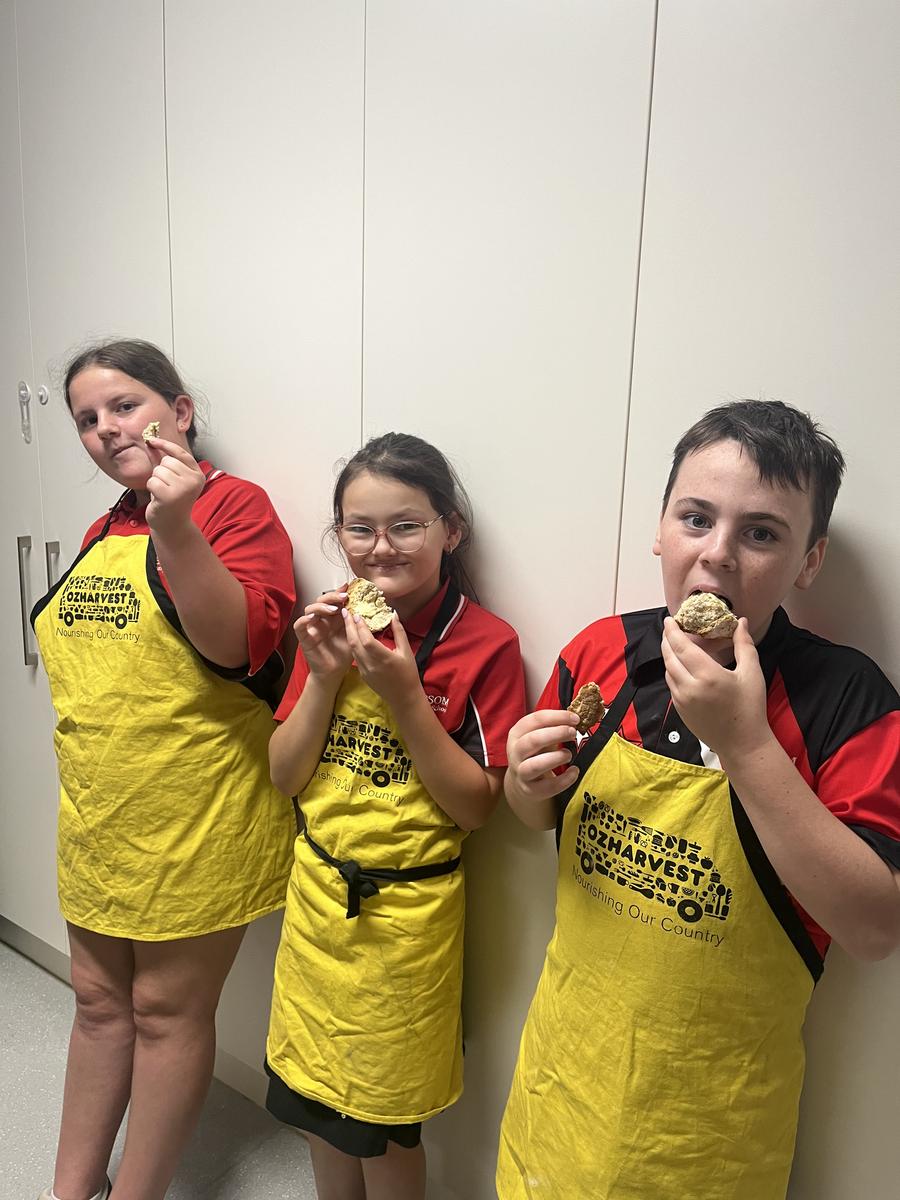
Tasting the damper!
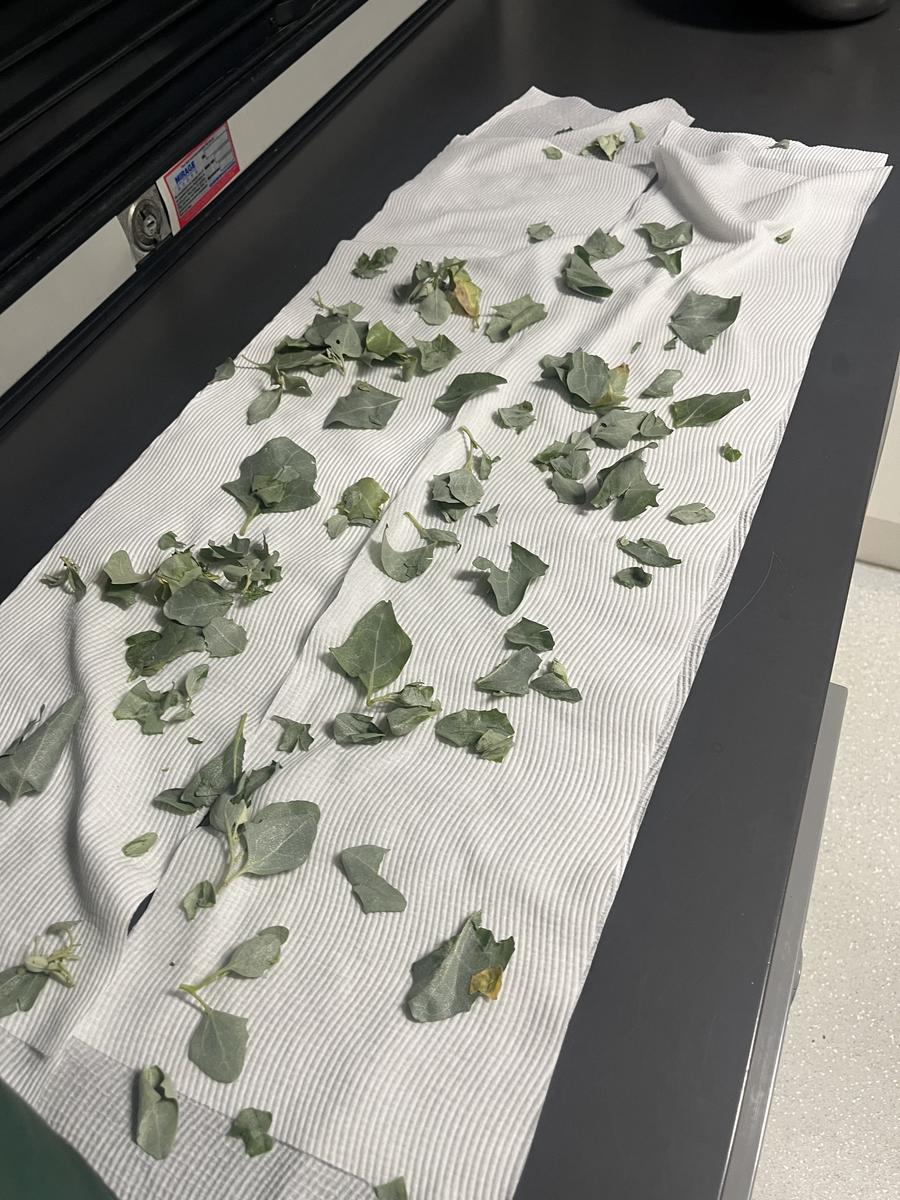
Washing and drying the salt bush leaves so they are ready to be cooked.
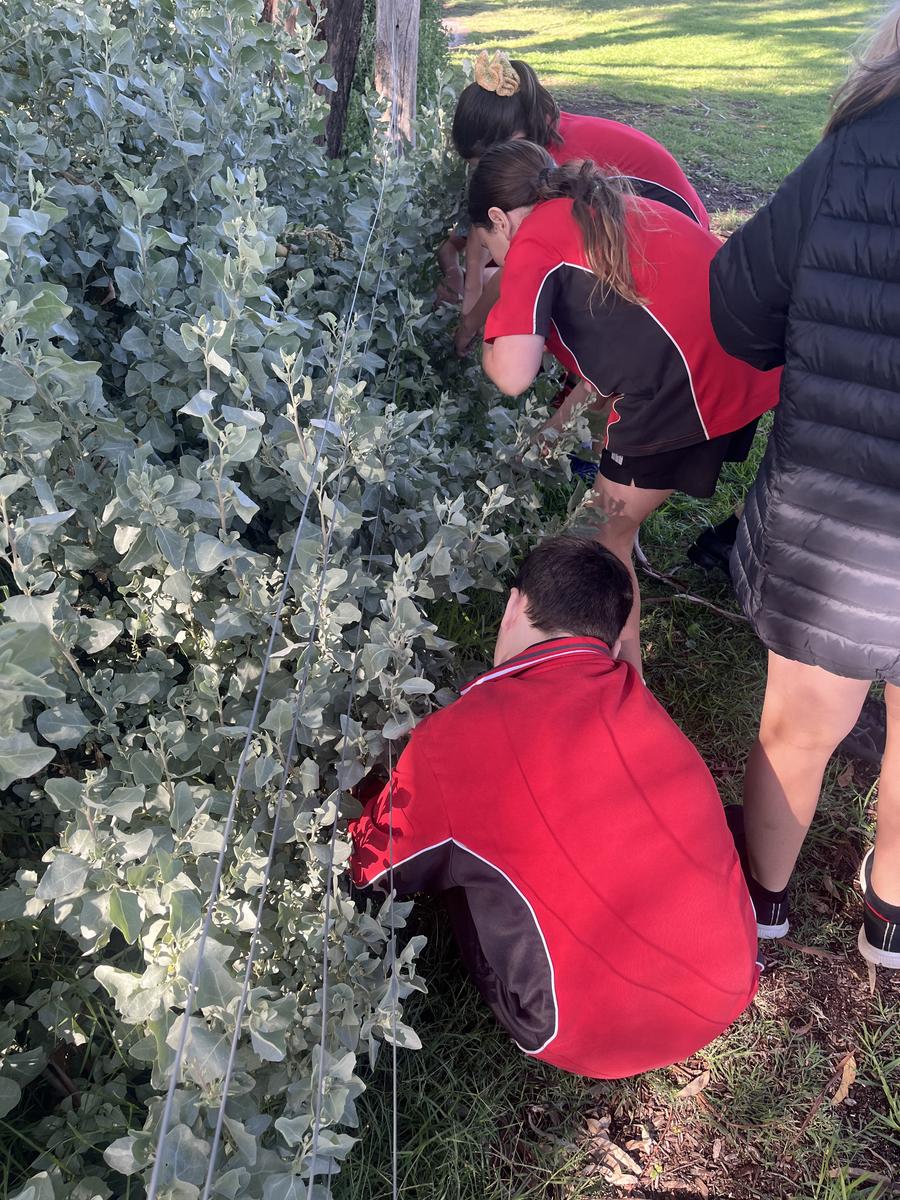
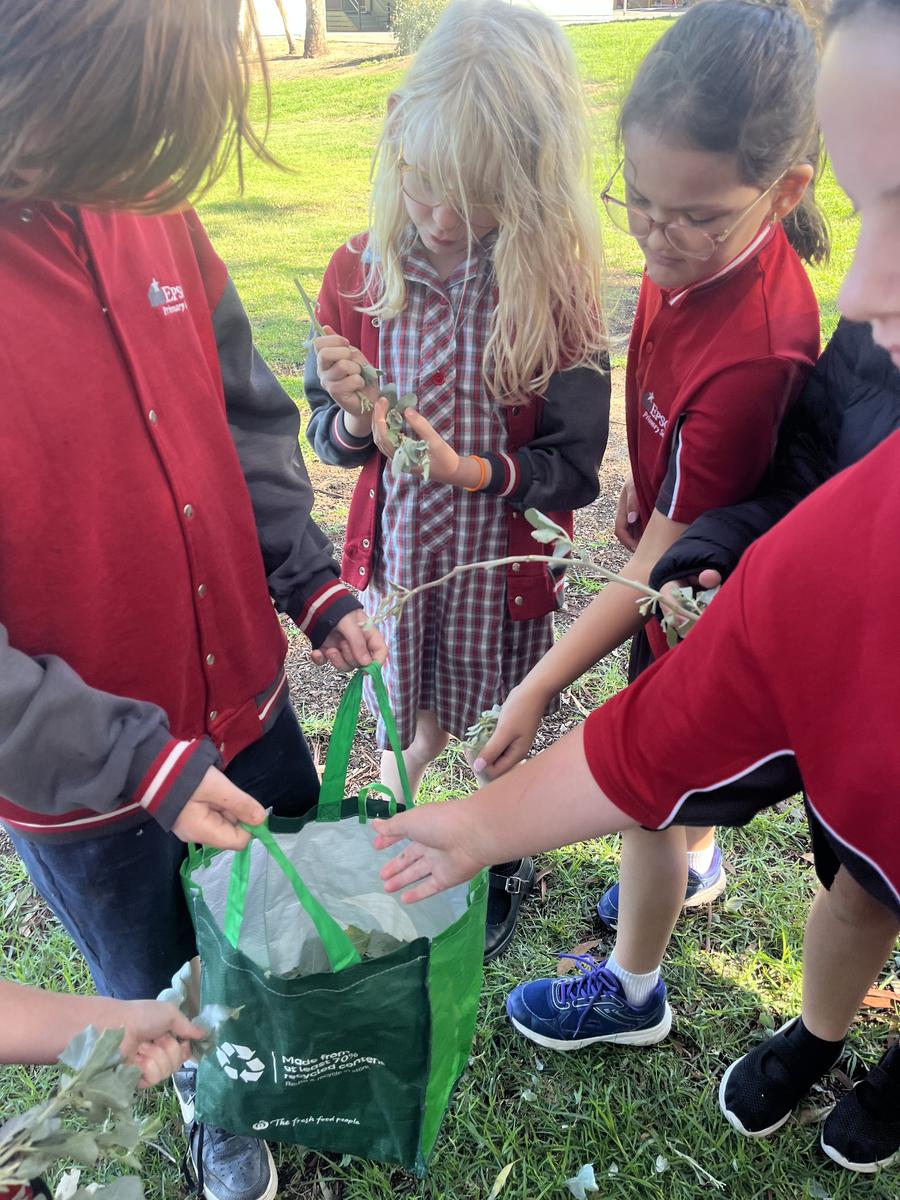
Picking the saltbush for our chips!
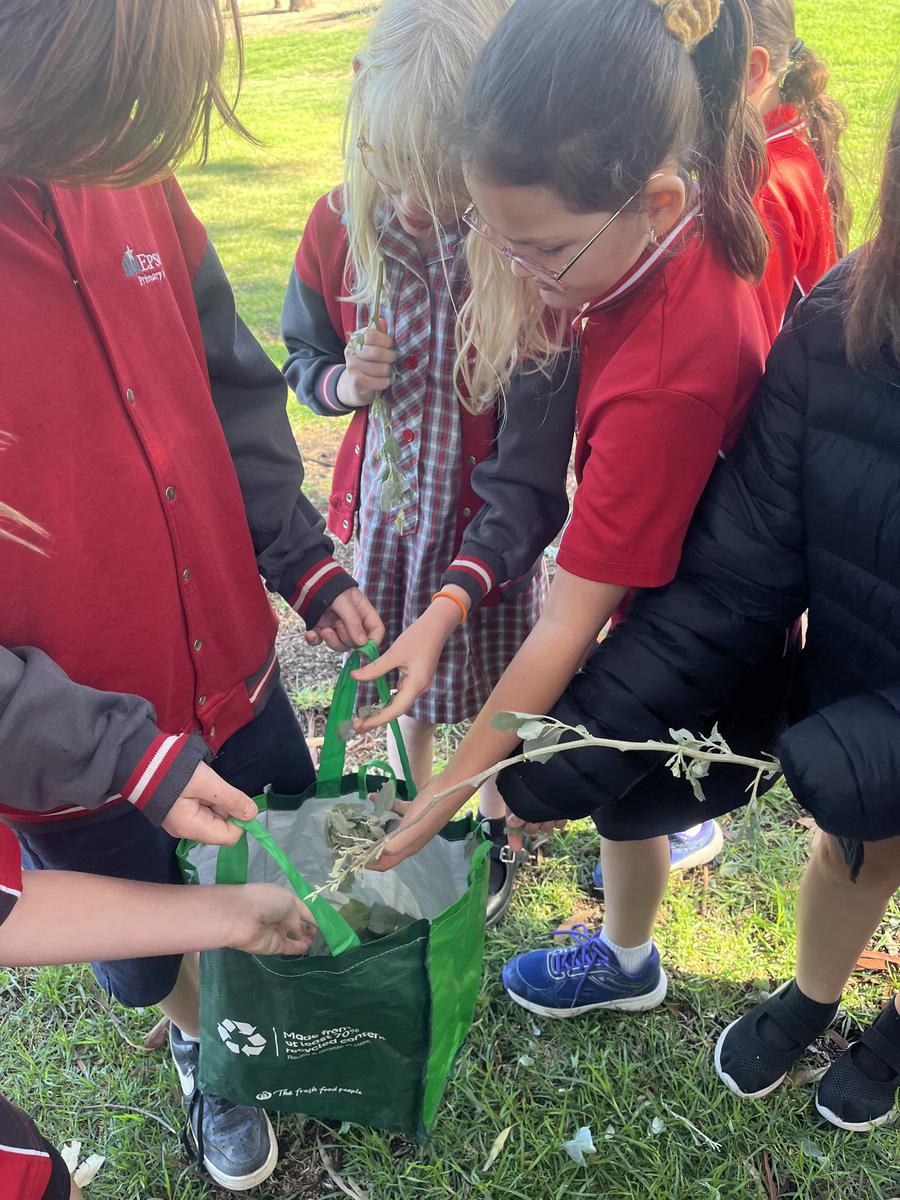
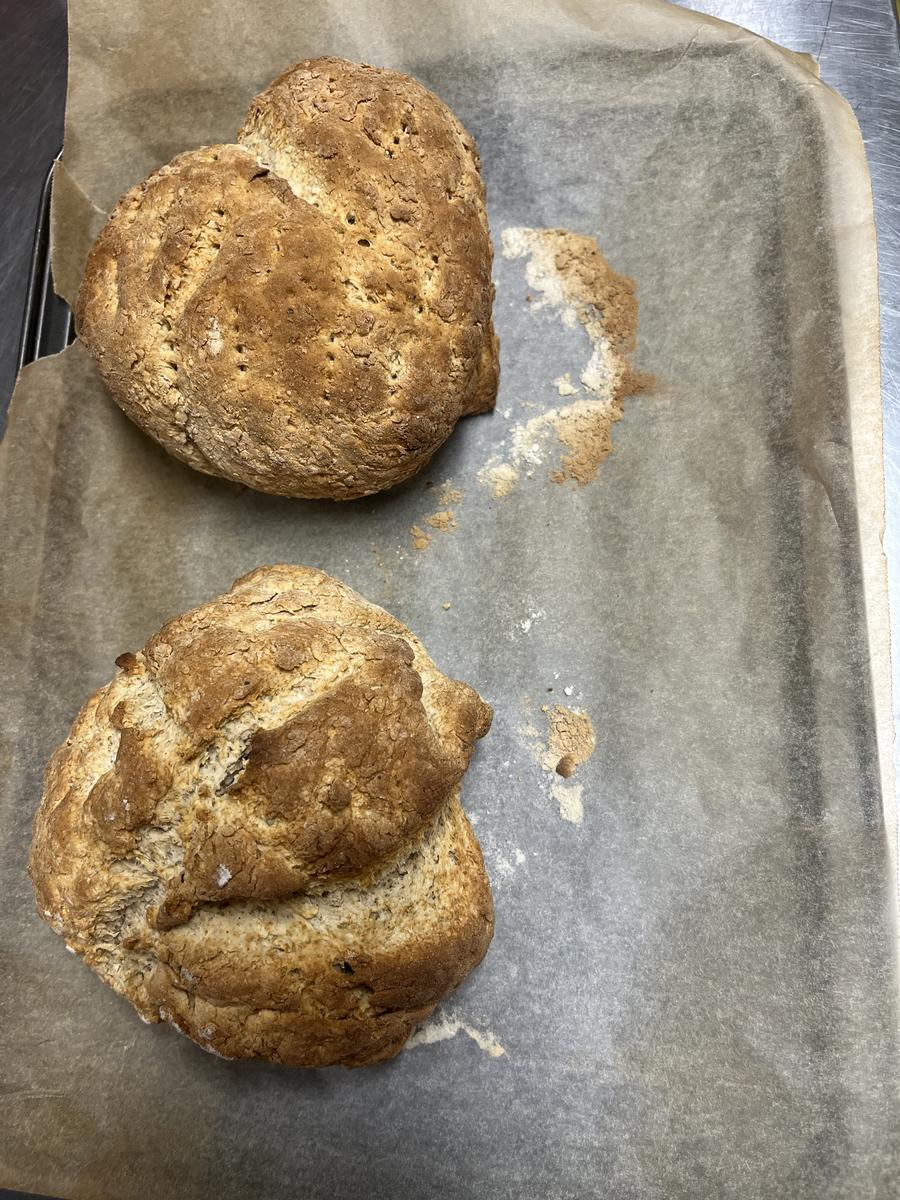
Cinnamon Myrtle Damper
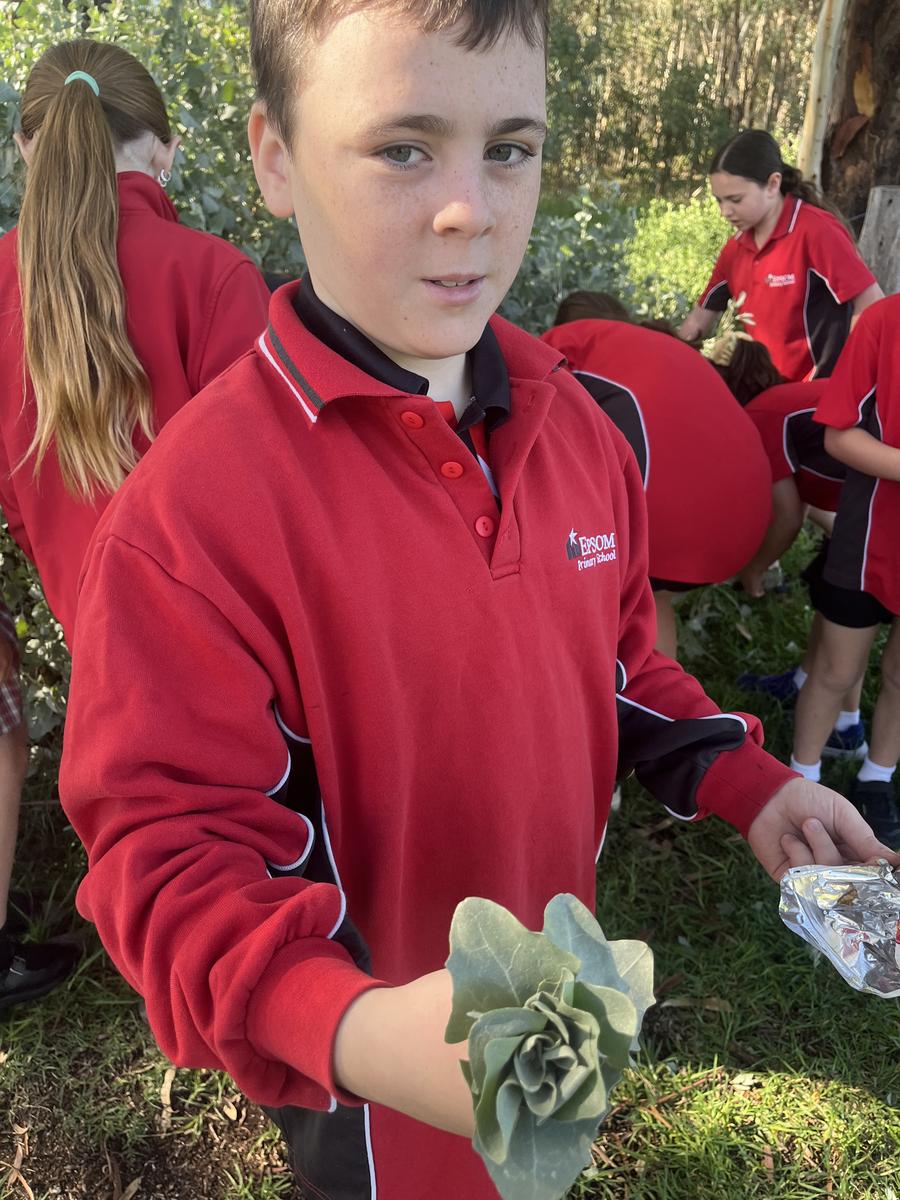
Sharing our salt bush chips with Mrs Ladd
Tasting the damper!
Washing and drying the salt bush leaves so they are ready to be cooked.
Picking the saltbush for our chips!
Cinnamon Myrtle Damper
Understanding the Djarra Seasons
On Dja Dja Wurrung Country (Djandak) in central Victoria, including areas such as Bendigo and the surrounding region, the year is traditionally understood through six seasonal “times”. These seasons are guided by observations of the natural world — such as the flowering of plants, animal behaviour, water levels, and changes in weather. This knowledge system helps people understand when food is available, when animals breed, and how to care for Country.
From December to March, Country is in Barramul (Emu) and Milakuk (Lightning) Time. This period is associated with warmer weather, summer storms, and important changes in the landscape. During this time, emus form pairs and, after the eggs hatch, the male emu takes on the role of raising the young. The season reflects both abundance and respect for the natural cycles of animals and plants.
This season is also a reminder that nature is dynamic. Thunderstorms and lightning signal shifts in the environment, while plants set seed and wildlife adapts to the warmer conditions. For Djaara people, paying attention to these signs helps guide sustainable harvesting and care for the land.
Learning about the Djaara seasonal calendar helps us better understand the deep cultural knowledge held by Traditional Owners. By observing the rhythms of Country - the animals, plants, water and skies - we can develop a stronger connection to the environment and appreciate the wisdom that has guided life on this land for thousands of years.
Djarra hold ceremonies throughout the year to mark the changing of seasons, featuring smoking ceremonies and discussions on seasonal knowledge. The next event will be in the Hargreaves Mall on April 1 @ 12pm. This event will mark the transition into Murna (Yam Daisy) and Ngarri (Black Duck) time.
Bush Tucker Garden Update
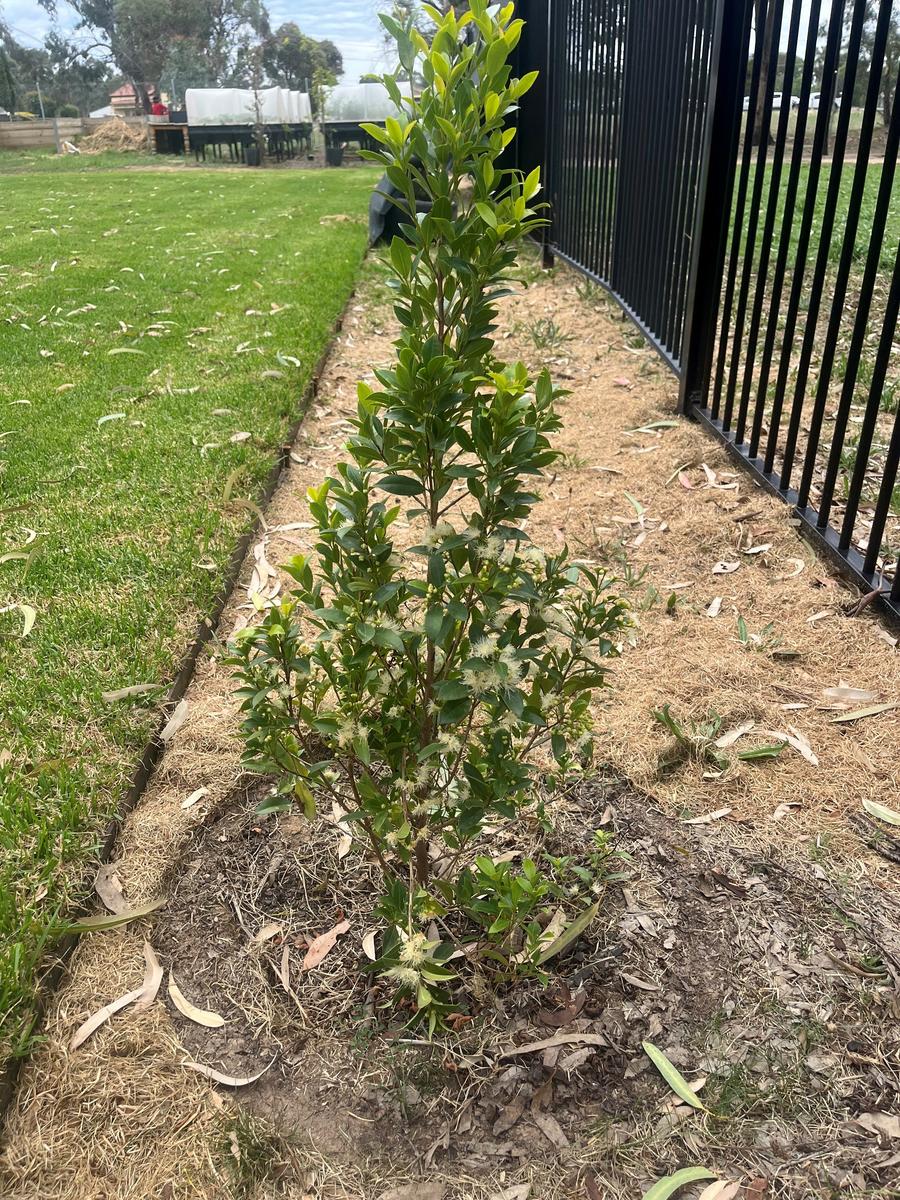
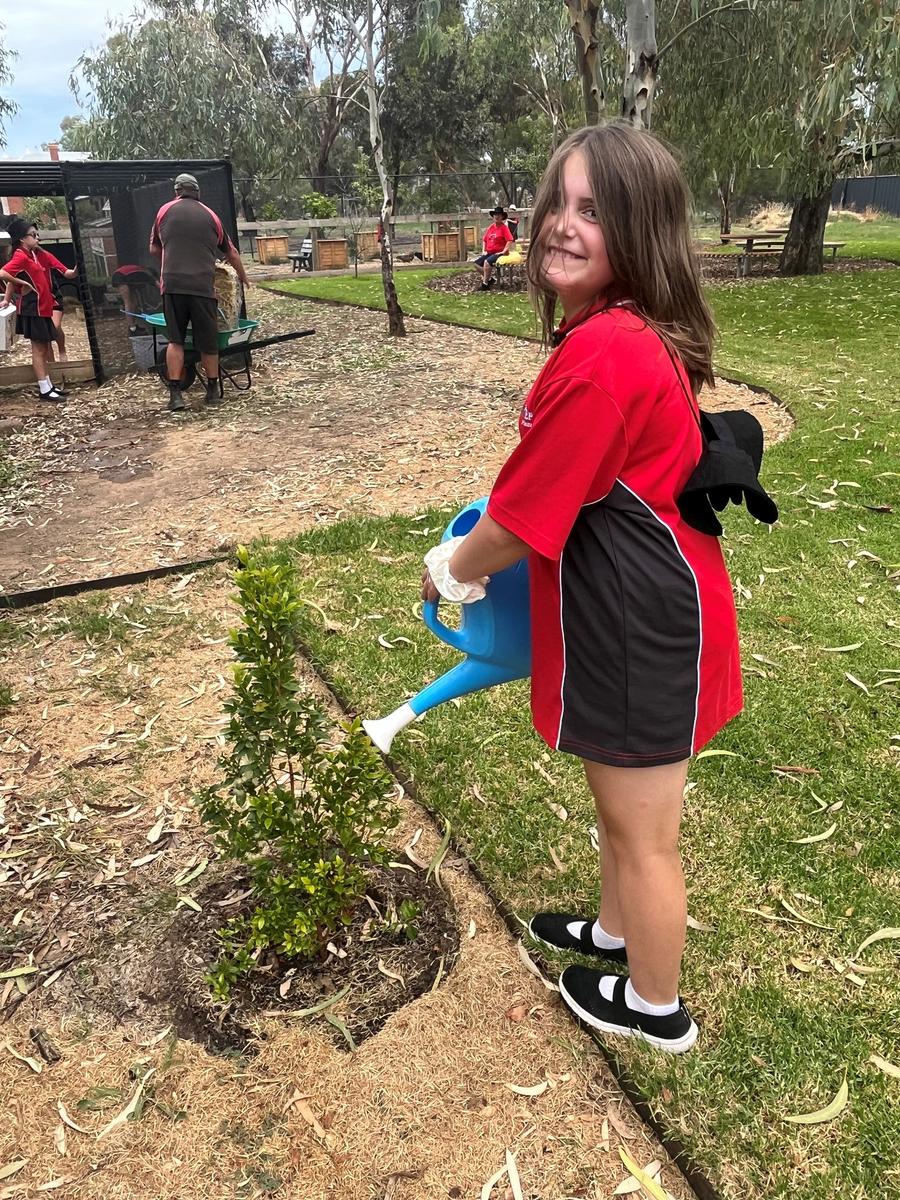
This term, the students have been keeping the Mountain Pepper and Lilli Pilli alive by watering them throughout the week. We have been excited to see the Lilli Pilli grow taller and have even noticed some flowers appearing. We are hoping some berries aren't too far away. We can't wait to try them and maybe make a jam with them!
Something exciting is coming....
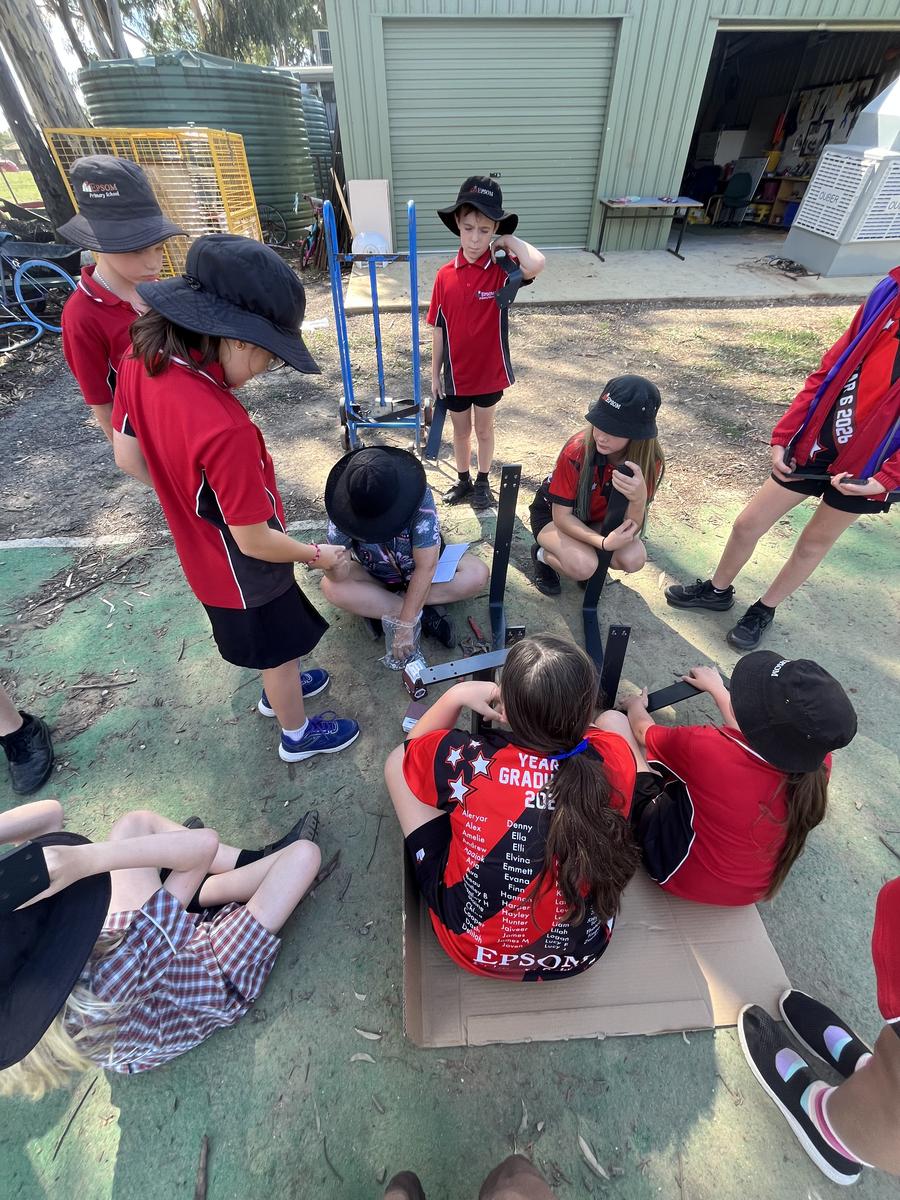
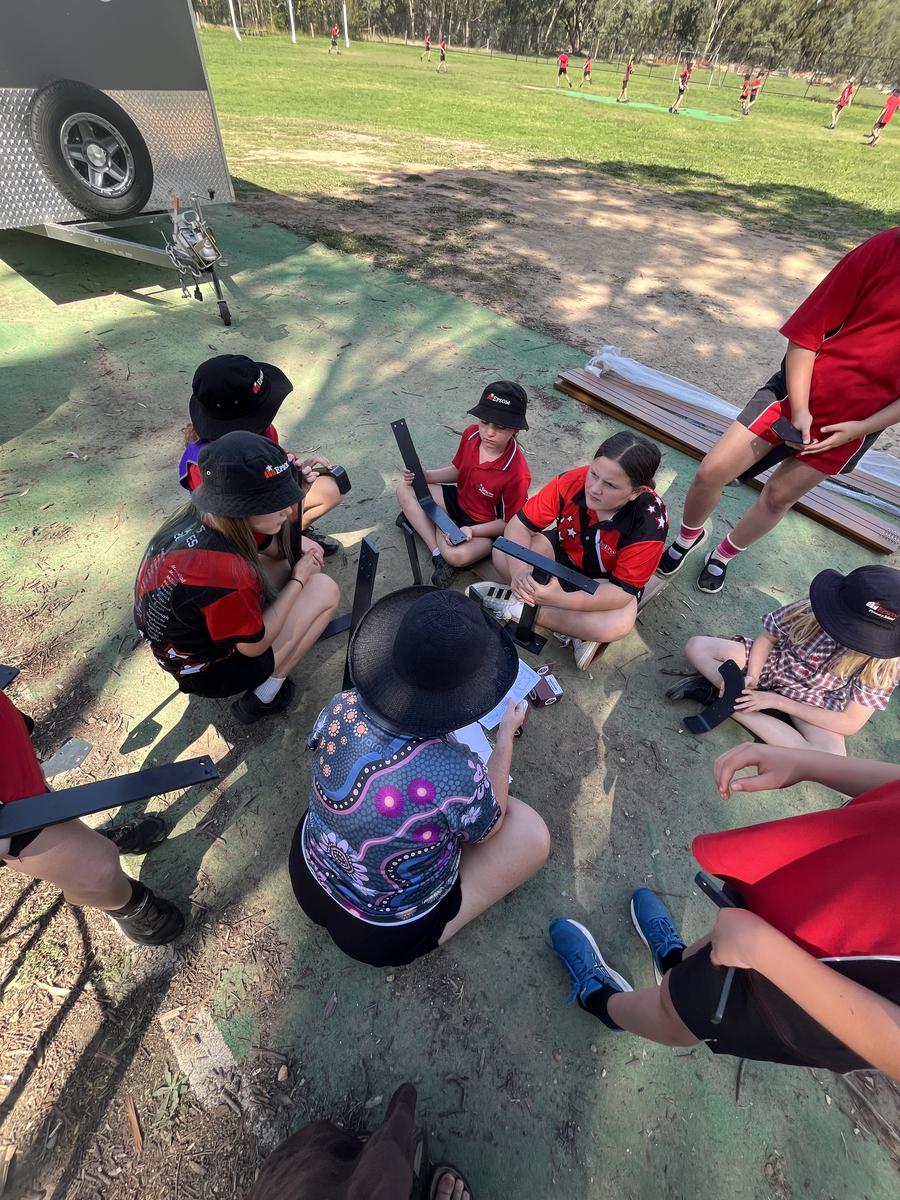
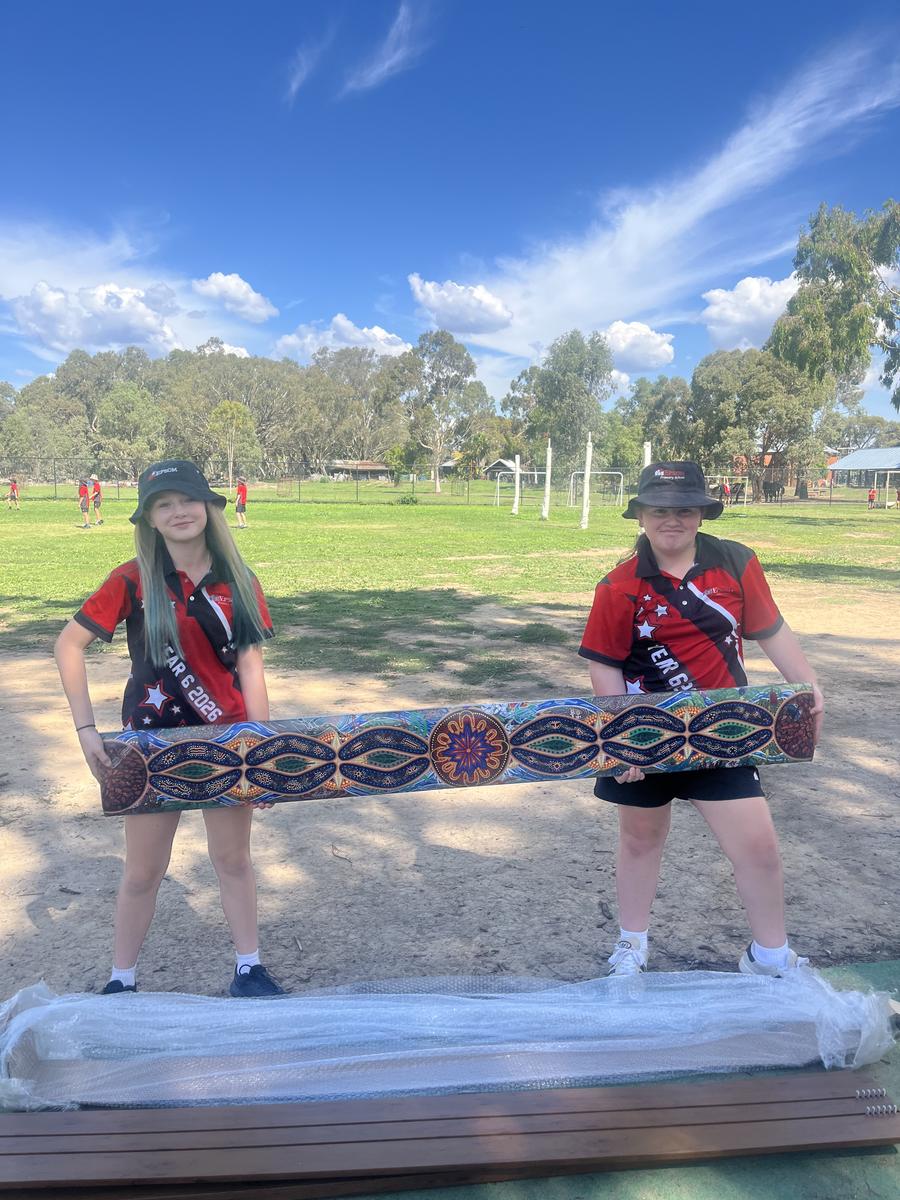
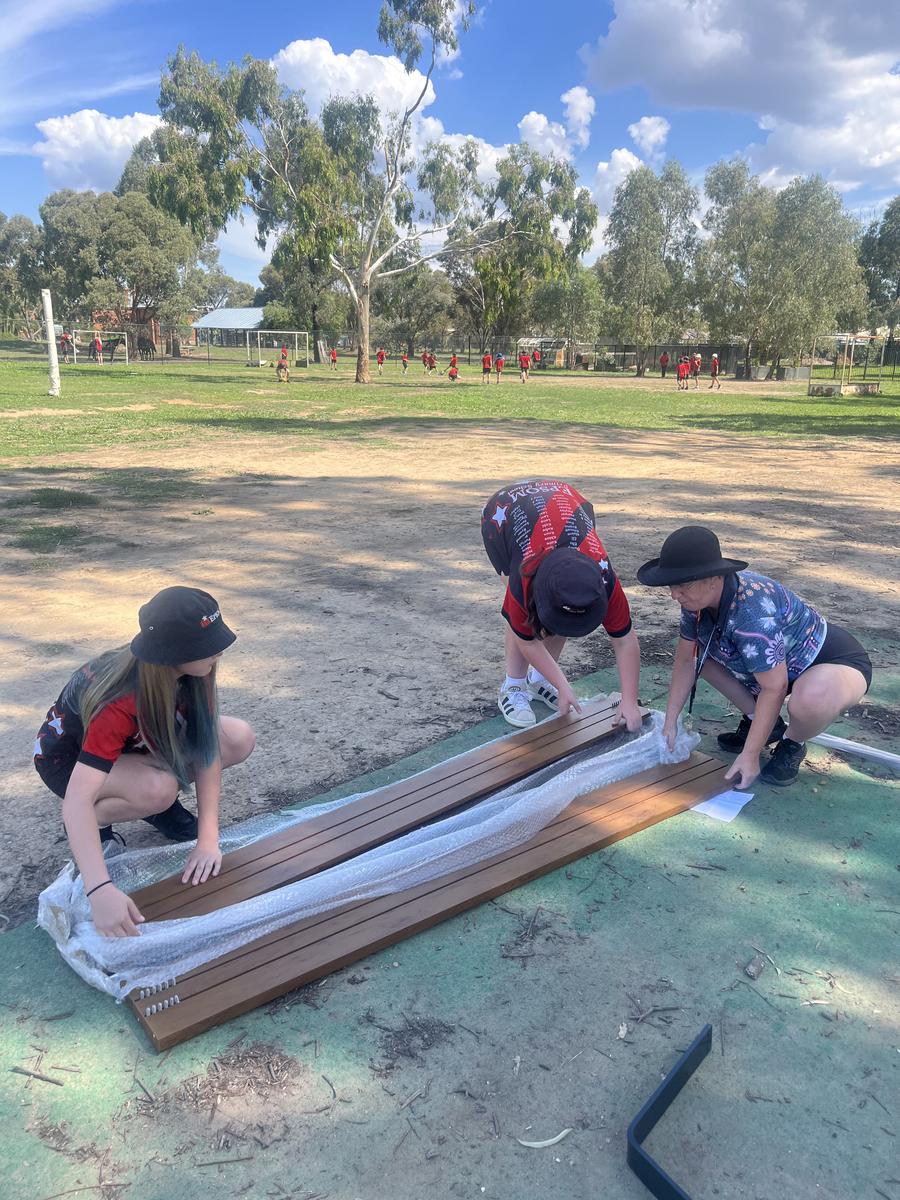
Our school recently received an Outdoor Furniture grant that provided us with some amazing bench seating from Felton Industries. These benches feature stunning Indigenous Art by Brett Parker, Billyara. The baring djuwima students have begun putting them together with the help of Mr I, and we can't wait to see them in a special place within our school. Watch this space!