
Wellbeing
Help end digital violence against women and girls
16 Days of Activism is a global campaign calling for an end to gender-based violence. It runs annually from 25 November to 10 December, and this year the spotlight is on digital violence, which includes:
- image-based abuse
- deepfakes
- cyber abuse and trolling
- online threats
- sexual harassment
- doxing
- cyberstalking
- grooming
Women are more likely than men to be the target of sexual and gendered abuse that happens online or uses digital technology – especially if they’re in public or online-facing roles, such as activists, journalists, politicians and human rights defenders.
You can help prevent digital violence by registering for our webinars, or by using our online resources to spot the signs and support those impacted.
Register for our dedicated webinars
We’re hosting a series of webinars focused on empowering Australians to recognise and respond to online abuse. These sessions will provide practical advice and tools to help people stay safe, supported and in control when navigating digital spaces. Please note: These sessions are designed for people 18 years and over.
Introduction to tech-based abuse: Knowing how to respond
Tuesday 25 November 2025, 2:00pm AEDT
This 60-minute session is for anyone who wants to understand how to support someone experiencing online abuse, including in situations of domestic and family violence.
Recognising online coercive control in young people’s lives
Monday 1 December 2025, 12:30pm AEDT
Designed for parents and carers, this 45-minute session explores how tech-based coercive control impacts young people and the red flags to look for.
Influencers, ideology and impact: How algorithms influence and reinforce harmful beliefs
Tuesday 9 December 2025, 12:30pm AEDT
This introductory 45-minute session is for parents, carers and youth-serving professionals. It offers practical strategies to help young people build more positive and safer online feeds.
Resources for young people
It’s important we support children and young people to understand and recongise online gender-based abuse so they can safely speak out against it and report it. Share these resources with young people in your home and community:
- What is love bombing?
- I’m being pressured to send nudes
- My nudes have been shared
- How to deal with tech-based abuse in families or at home
How to recognise tech-based abuse
Domestic, family and sexual violence can also happen online or through digital technology. This includes forms of tech-based coercive control. Some common signs and behaviours include:
- harassing or threatening online behaviours
- cyberstalking, such as tracking activities or movements online
restricting or controlling online communication.
Our resources can help you deal with this form of abuse. This includes links to advice about how to get help, as well as safe ways to stay connected with your family, friends and community.
Resources for workplaces: sexual harassment
Workplace sexual harassment is often a form of gender-based violence and covers a range of behaviours that create a risk of harm at work. Women are at particular risk of experiencing workplace sexual harassment both off and online. Explore our resources on how to deal with online abuse in the workplace, including sexual harassment, developed by eSafety and Safe Work AustraliaExternal link.
-------------------------------------------------------------------------------------------------------------------------------------
Therapy Dogs
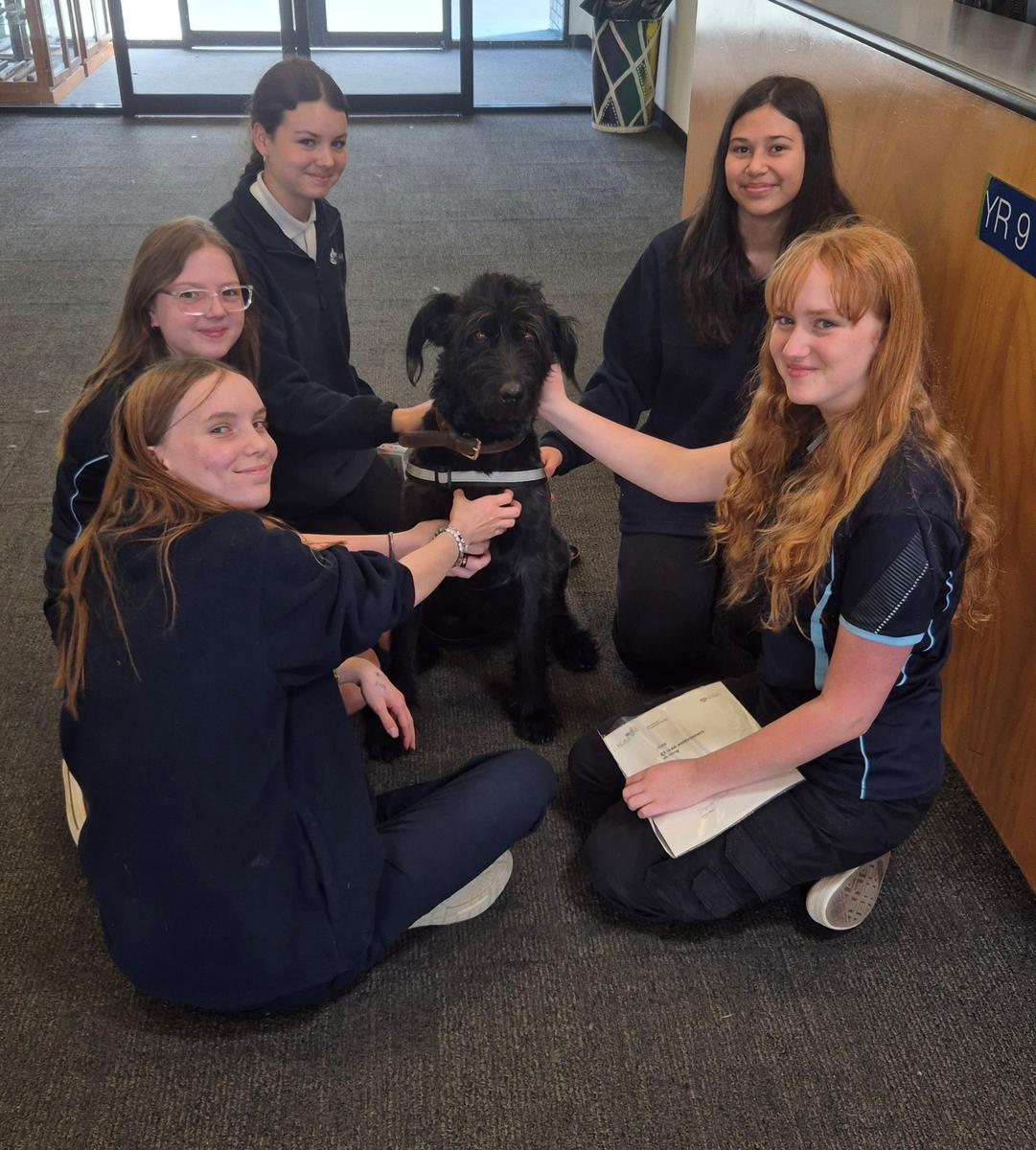
Pictured above is ELVIS, one of the school therapy dogs, soaking up the pats from some adoring Year 9 students. Elvis can usually be found in the Wellbeing space or around the school grounds, and his relaxing, gentle manner helps to make all students feel safe and secure.
Therapy dogs can play a significant role in the school setting, supporting students struggling with anxiety and stress, providing a sense of connection and helping alleviate feelings of loneliness, and encouraging positive social interactions between other students and staff.
-------------------------------------------------------------------------------------------------------------------------------------
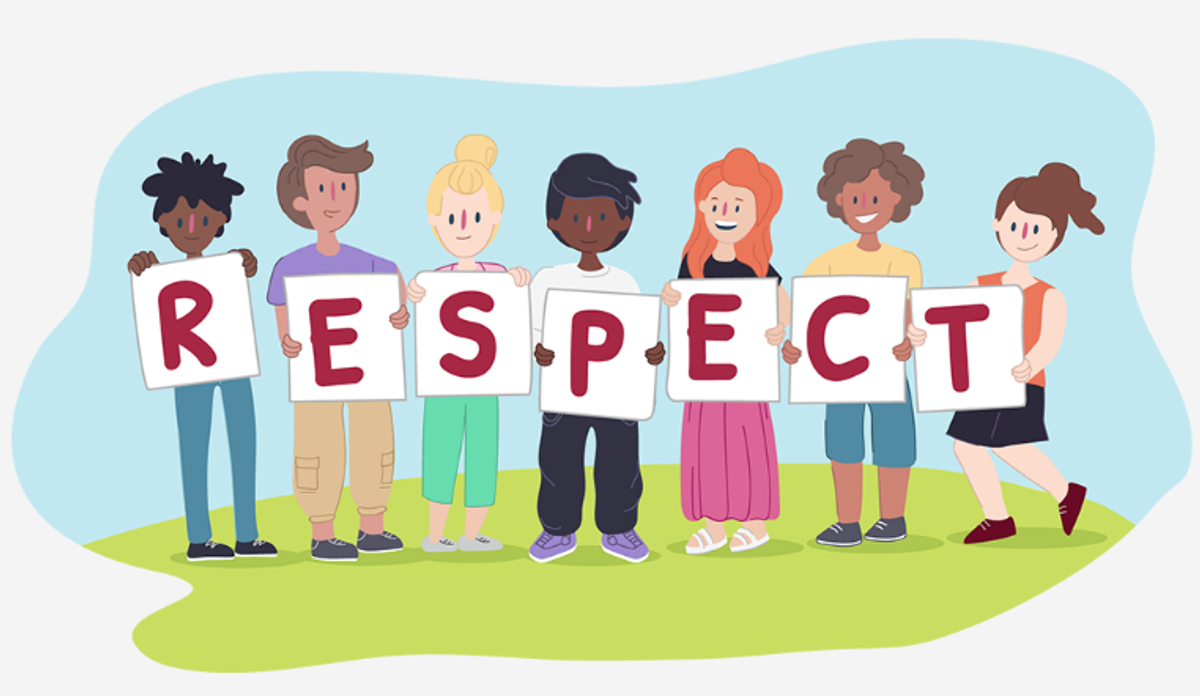
Respect is the glue that holds your relationships together. Learn ways to be respectful and know what to do when somebody isn’t respectful toward you.
Why is respect important?
Giving and receiving respect from others is important because it helps us to feel safe and to express ourselves. Being respected by important people in our lives growing up teaches us how to be respectful toward others. Respect means that you accept somebody for who they are, even when they’re different from you or you don’t agree with them. Respect in your relationships builds feelings of trust, safety, and wellbeing. Respect doesn’t have to come naturally – it is something you learn.
What does respect look like?
Think about all the different situations in life where you have to get along with others – how do you know if there’s respect in your relationship?
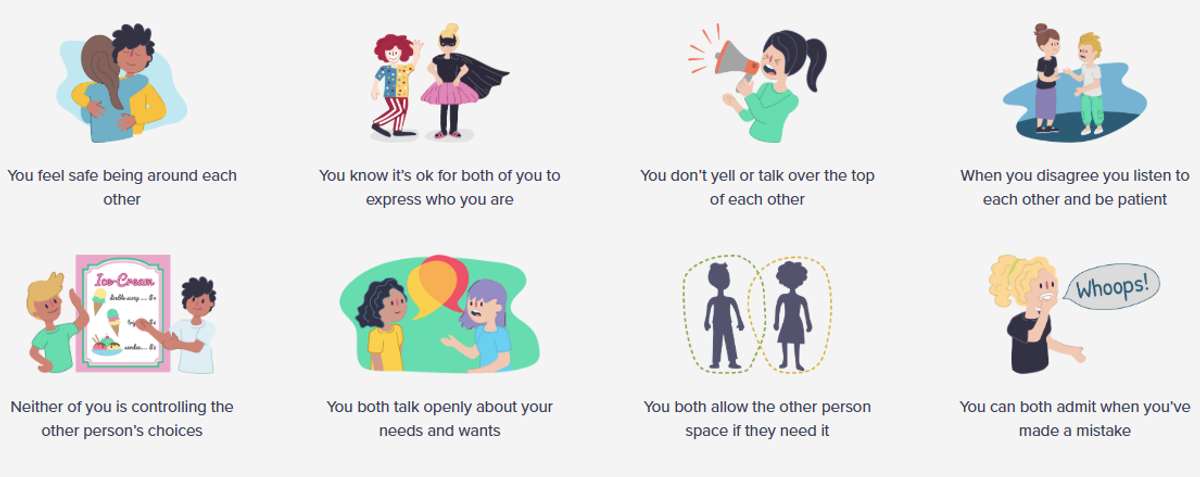
Signs of a disrespectful relationship
Unfortunately, not all friendships or relationships are mutually respectful. Sometimes, you might find yourself dealing with toxic behaviours from friends/family/intimate partners or even experiencing emotional abuse. Here’s what disrespect can look like:
- Being ghosted, ignored or given the ‘silent treatment’
- Being criticised or insulted
- Being humiliated, punished, blamed or threatened
- They lie, make up rumours or do other actions designed to hurt you or your reputation
- Your thoughts and feelings being dismissed or minimised
- Weaponised insecurities – they bring up stuff or highlight stuff you’re uncomfortable/ embarrassed about or told them in secret
- You feel like the stuff you say is always ‘wrong’
They make everything about them
I'm being disrespected ... what can I do?
Sometimes we find ourselves not feeling respected by other people, including our family or friends. While it’s not always possible to change somebody and make them respect you, there are some things you can try:
- Show people what respect looks like by being respectful yourself
- Communicate clearly – they may not realise how you feel
- Set some boundaries/stand up for yourself
- Spend time with people who are respectful and make you feel safe
- Tell the person what they are doing isn’t ok and be specific
- Talk to somebody you trust like a parent, teacher, or counsellor
- Try to understand their point of view
- Give that person a chance to change their behaviour toward you
It’s ok to end friendships with people if they can’t be respectful and you don’t feel safe around them
Don’t forget to have respect for yourself too!
Self-respect means accepting yourself as you are. It’s not about being perfect – it’s about knowing that you’re deserving of respect simply for being you. Self-respect also means being part of respectful relationships and not putting up with disrespect. Ending a relationship that isn’t respectful is a way of respecting yourself. You’re not alone!
Kids Helpline is here to listen, support you, and share tips and ideas about how to have respectful relationships. If you want to talk about respect or anything else, give us a call, start a WebChat or check out My Circle today.
Article credit # Kids Helpline All About Respect | Why Is Respect Important? | Kids Helpline
-------------------------------------------------------------------------------------------------------------------------------------
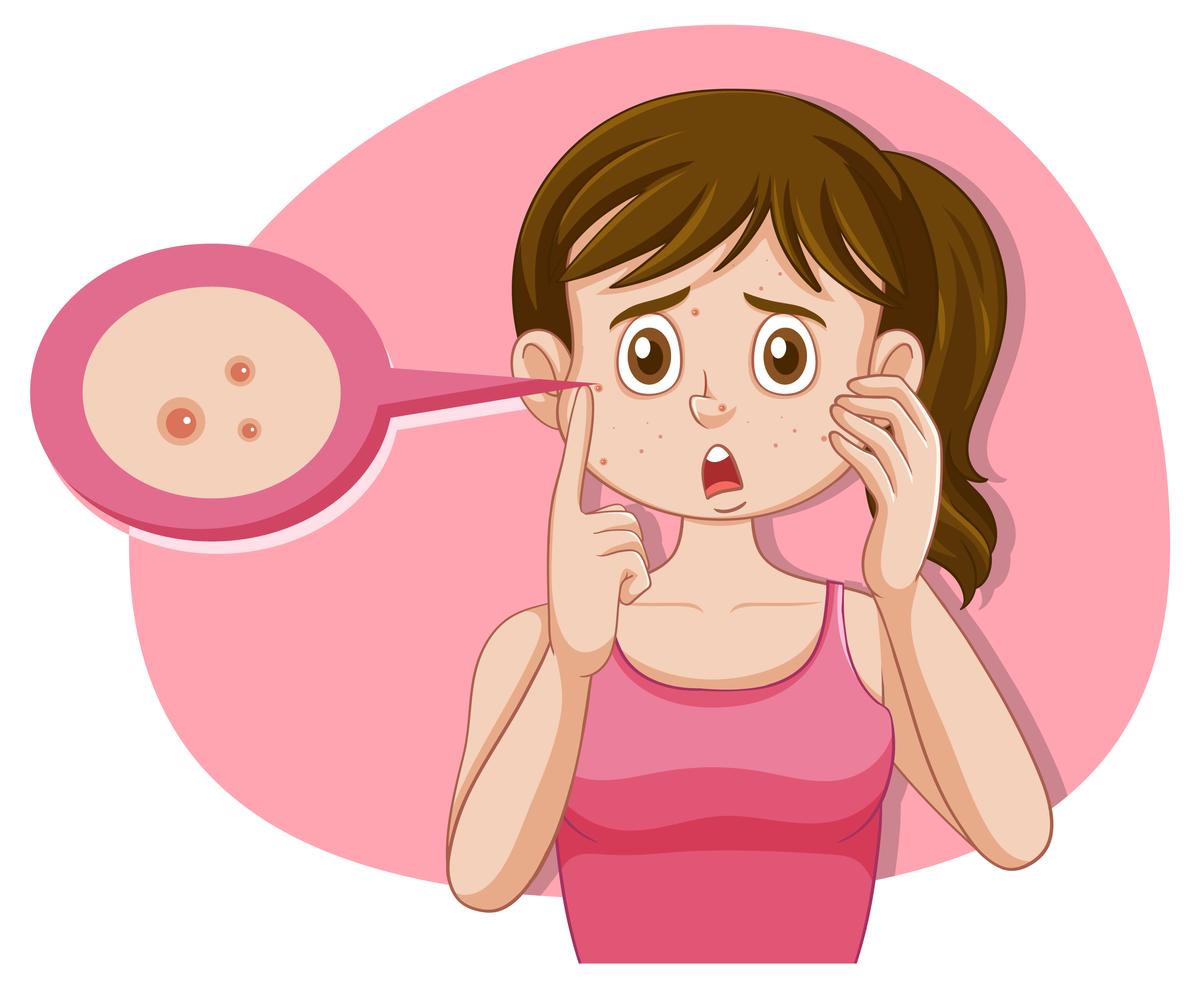
ACNE
What are pimples, and what causes them?
Pimples are small bumps on your skin. They happen when tiny holes in the skin called ‘pores’ get blocked by oil or dead skin cells. You can get pimples anywhere on your body with oil glands, but the face, chest and back are the most common areas. If you have lots of pimples, you might have a common skin condition called acne. Acne causes pimples and other blemishes on the face and body. Lots of people get acne at some point in their lives – usually when they are teens. It's not a sign of dirtiness, and it doesn’t spread from person to person.
Why do teens get more pimples?
During puberty, your body starts making more hormones. These hormones grow your skin's oil glands. The larger glands can make more oil, which might block your pores and trap dead skin cells and bacteria. Your face, neck, chest and back are most likely to get pimples because they have the most oil glands. If dead skin cells and bacteria get stuck inside your pores, it can create:
- Inflammation = your body’s reaction to sickness or injury
- Whiteheads = small white bumps – often raised
- Blackheads = small, blocked pores that look like black spots
- Papules = small red bumps
- Pustules = small bumps filled with pus – often white or yellow in the middle
- Nodules = large, round bumps under the skin
Cysts = large bumps filled with fluid and pus.
The occasional pimple or blackhead is not acne. Acne can run in families. If your parents had acne, there is a higher chance that you will too.
Cystic acne
Cystic acne is a type of acne where the blemishes are often deep and painful. They might not have a white or yellow centre. Cystic acne is more likely to leave scars. If you think you might have cystic acne, see your local doctor (general practitioner or GP).
Tips to help your skin health
Wash your face
- Try to wash your face in the morning, at night, and after any sports.
- It’s best to use water and a soap-free cleanser.
Don't use hand soap to clean your face. It can wash away the natural oils your skin needs to stay healthy and hydrated.
Be gentle
- Scrubbing your skin can make it red and irritated.
- Use your fingers to apply a gentle cleanser to your face. Then, wash it off with water and gently pat your skin dry with a clean towel.
Stay away from skin scrubs and peels; these can cause itching and redness and make acne worse.
Choose makeup wisely and always take it off at night
- If you wear makeup, choose oil-free or matte-finish products so they won't clog your pores. These are sometimes labelled 'non-comedogenic' or 'non-acnegenic.'
- Taking off your makeup every day is important so your skin can breathe, and your pores are clear.
Use a soap-free cleanser or micellar water to remove your makeup. Makeup remover wipes often have alcohol and other harsh ingredients that can dry your skin.
Protect your skin from the sun
- UV or ultraviolet is a type of energy that the sun makes. The UV rating is higher in late spring and summer.
- The sun is very strong in Australia. It’s good to get some sun on your skin, but too much can cause damage and might lead to skin cancer later in life.
- You must protect your skin if the UV rating is three or above. Try to stay in the shade, put on a hat, and wear long clothing.
Use sunscreen with SPF50 or above to block the sun from absorbing into your skin. The higher the SPF rating, the more sun protection.
Eat a balanced diet
- What you eat can affect your skin, but many skin problems are not directly caused by food.
- A balanced diet can help your skin stay healthy. There is no perfect diet to stop pimples, though.
- Try to eat more ‘whole foods’ – foods that haven’t changed from their natural state, like fresh fruits and vegetables – and less processed and fried foods, like chocolate and hot chips.
- You don't have to cut out treats; just consider them 'sometimes foods' as part of a balanced diet.
- Make sure you drink enough water each day – usually six to eight cups or 1.5 to 2L (litres).
If you are sweating a lot because you are active or the weather is hot, you need to drink more water.
Avoid smoking and vaping
- You probably know smoking is bad for your health, but you might not know that it can harm your skin, too.
- Over time, smoking and vaping can dry out your skin, change its colour and cause early wrinkles.
Smoking and vaping also reduce blood flow, which makes it harder for the body to heal pimples.
I have acne. What should I do?
There are lots of different treatments for acne. Start by following a simple skincare routine, drinking lots of water, and eating a balanced diet. If this is not helping, speak to a pharmacist or your GP about over-the-counter acne treatments for your skin type.
Be careful choosing acne products, as some include harsh chemicals that might make your pimples worse. Just because something worked for a friend or influencer doesn’t mean it will work for you. Always follow the instructions and be patient – your skin will take time to get better.
You can speak to your GP if you feel like you have tried everything to help your acne. They might suggest prescription treatments or refer you to a specialist skin doctor called a dermatologist.
If you often worry about your skin and body image or struggle with your mental health, you can speak to a trusted adult, your GP or another health worker, like a psychologist.
Information provided by the Royal Children’s Hospital Melbourne. For more information visit: Teen Health Info : Pimples and skin health
-------------------------------------------------------------------------------------------------------------------------------------