Agriculture News
Sustainable Land Management
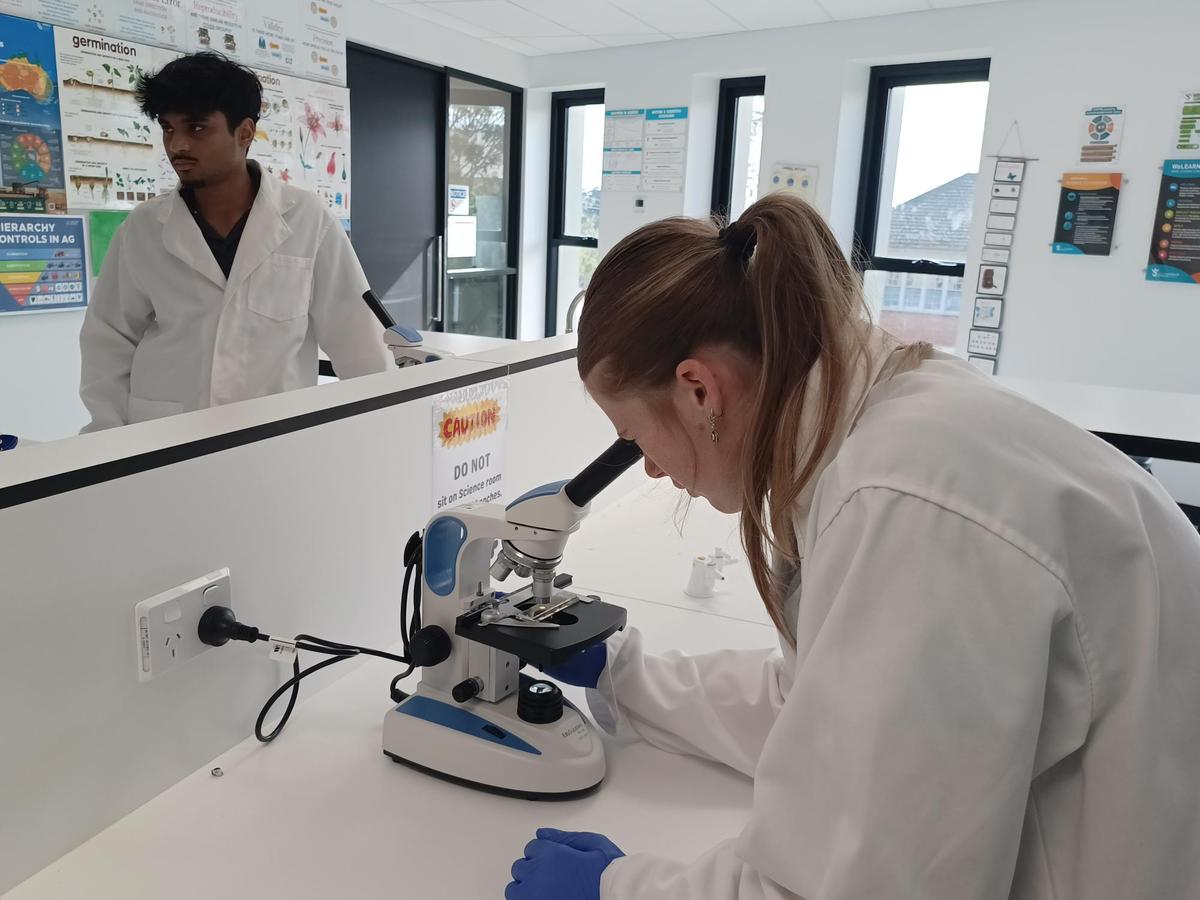
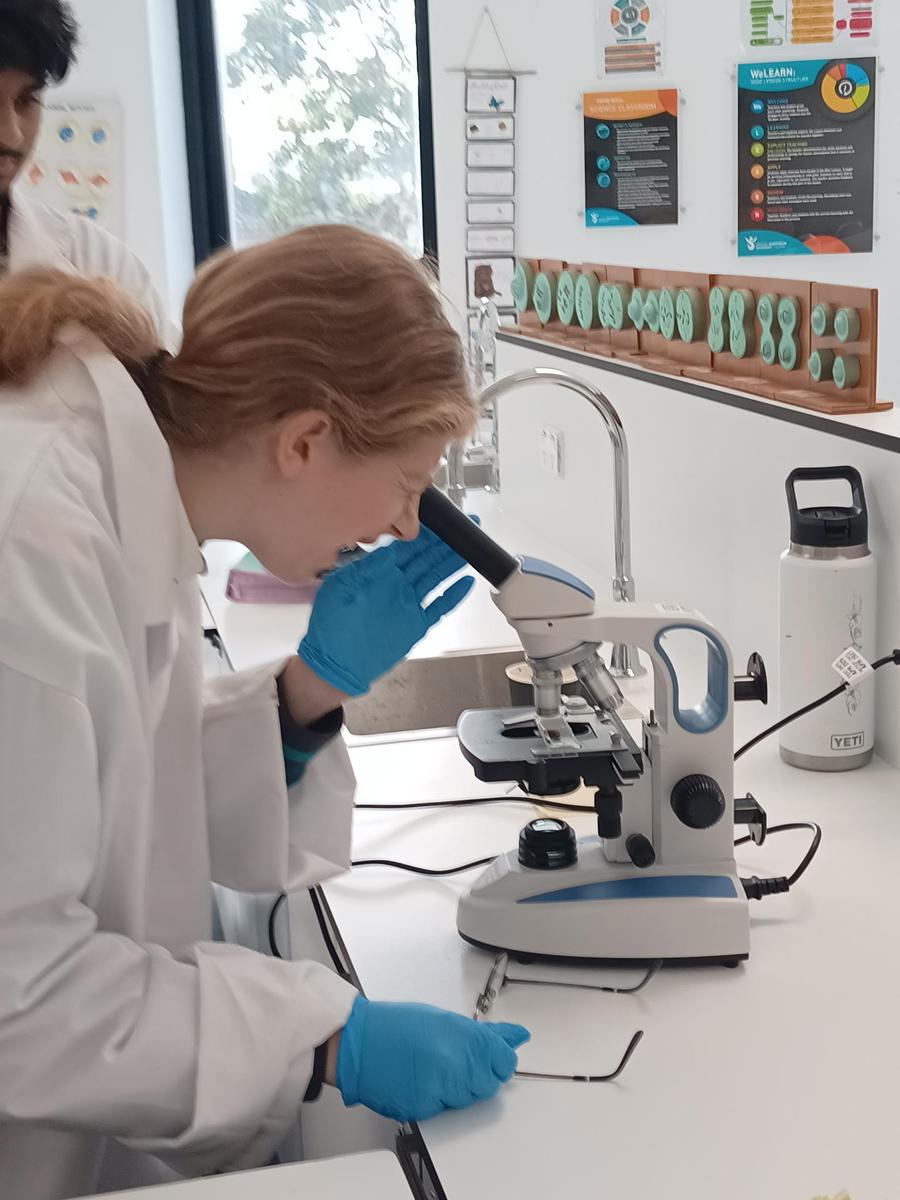
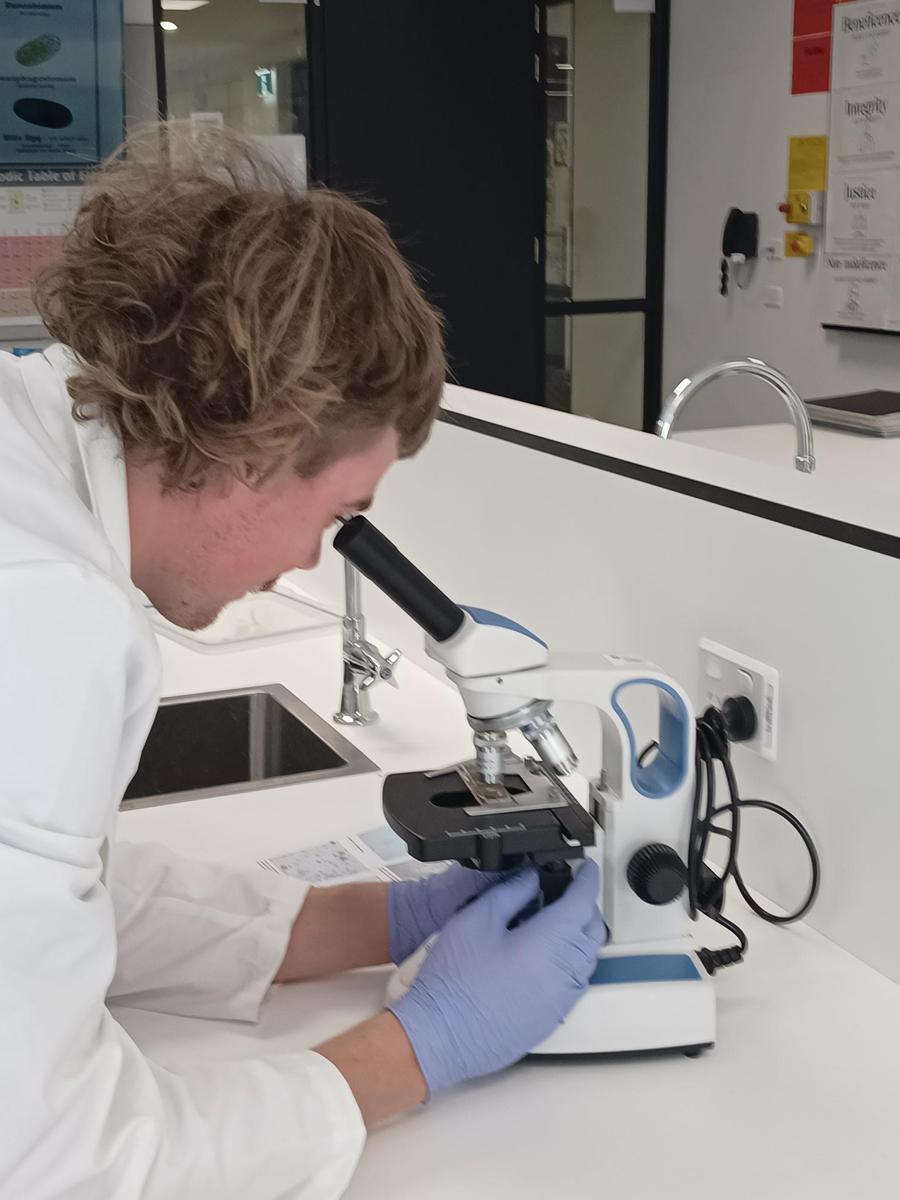
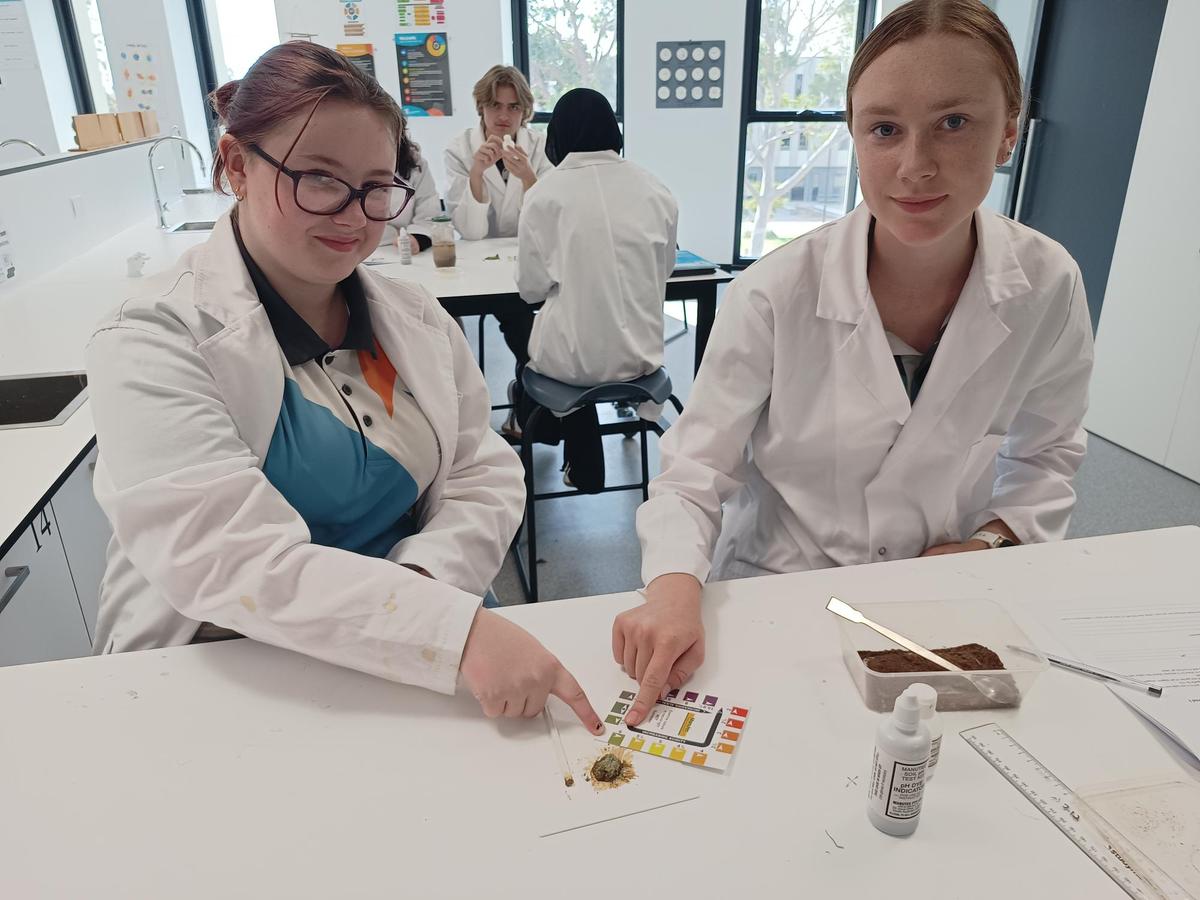
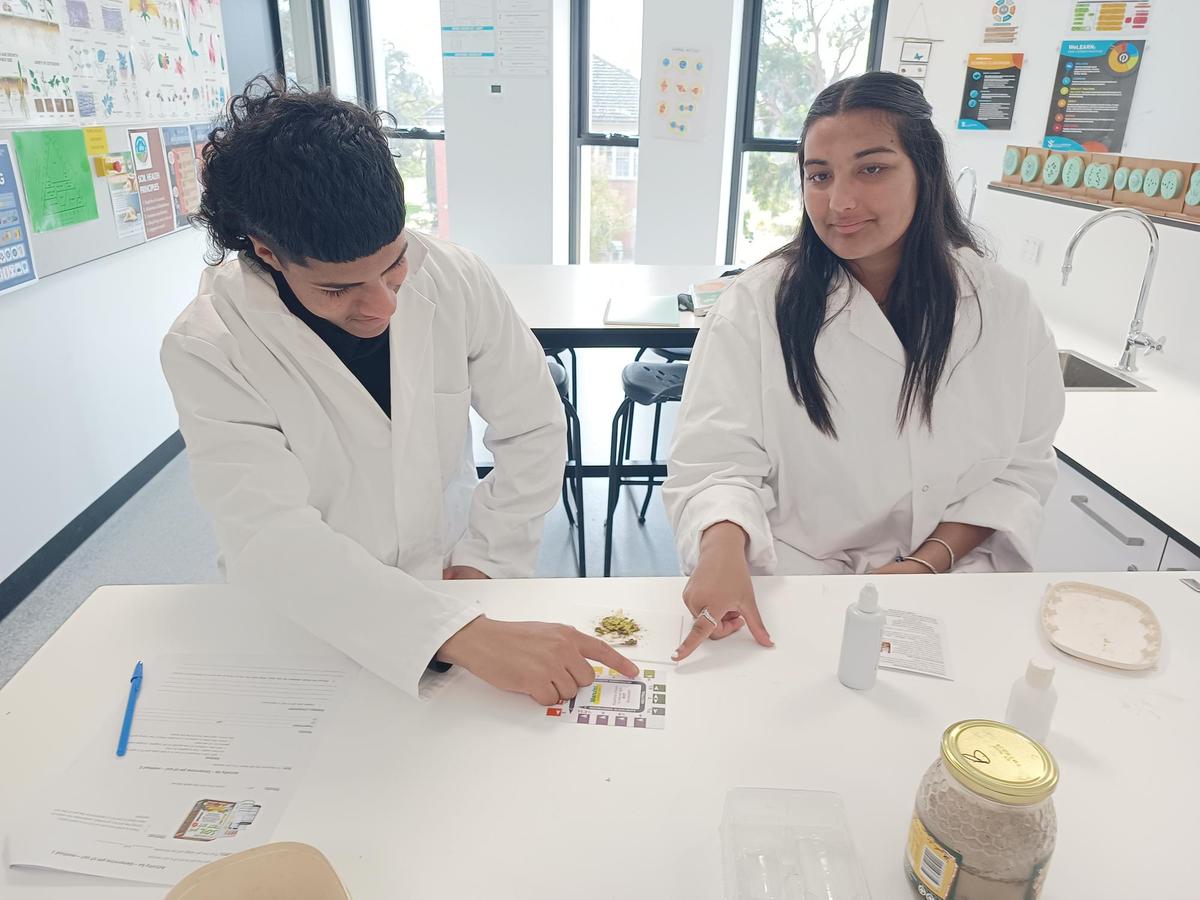
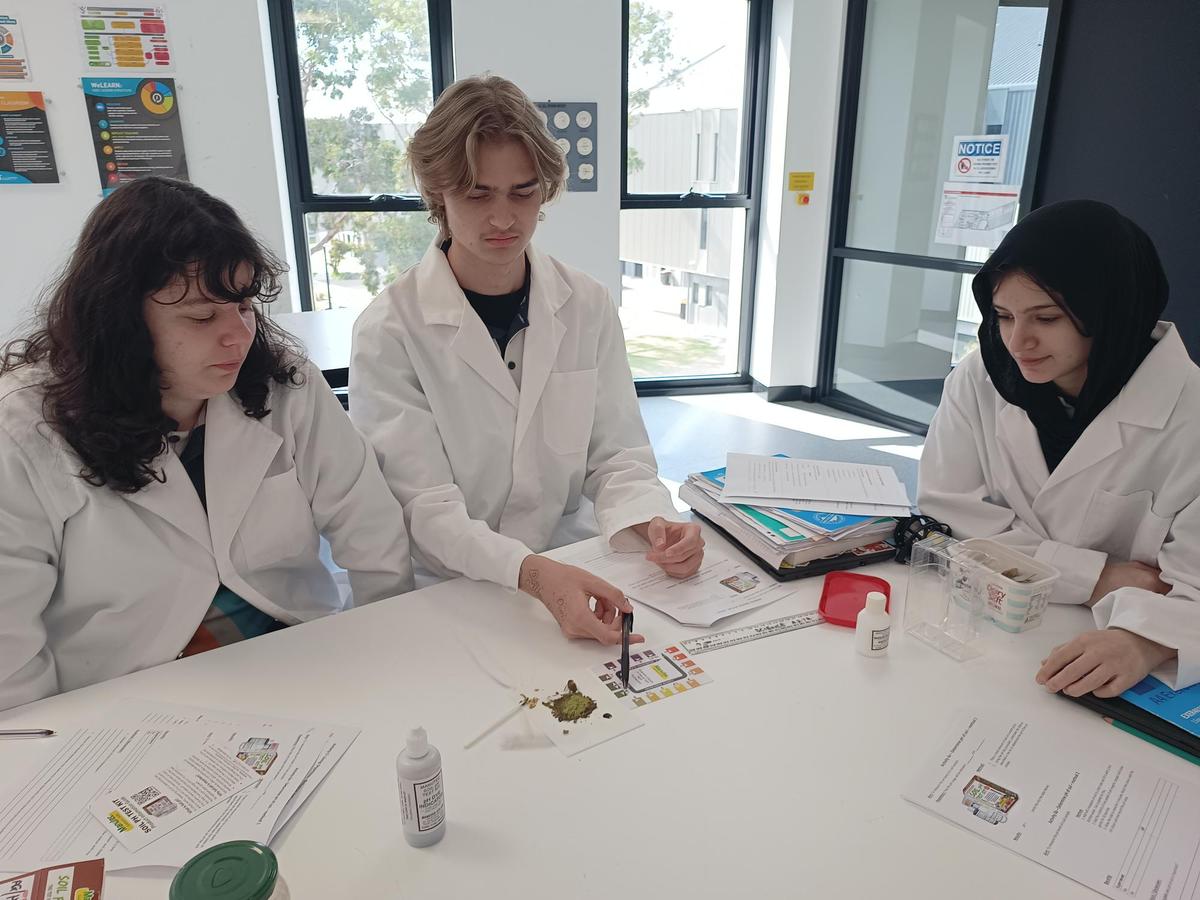
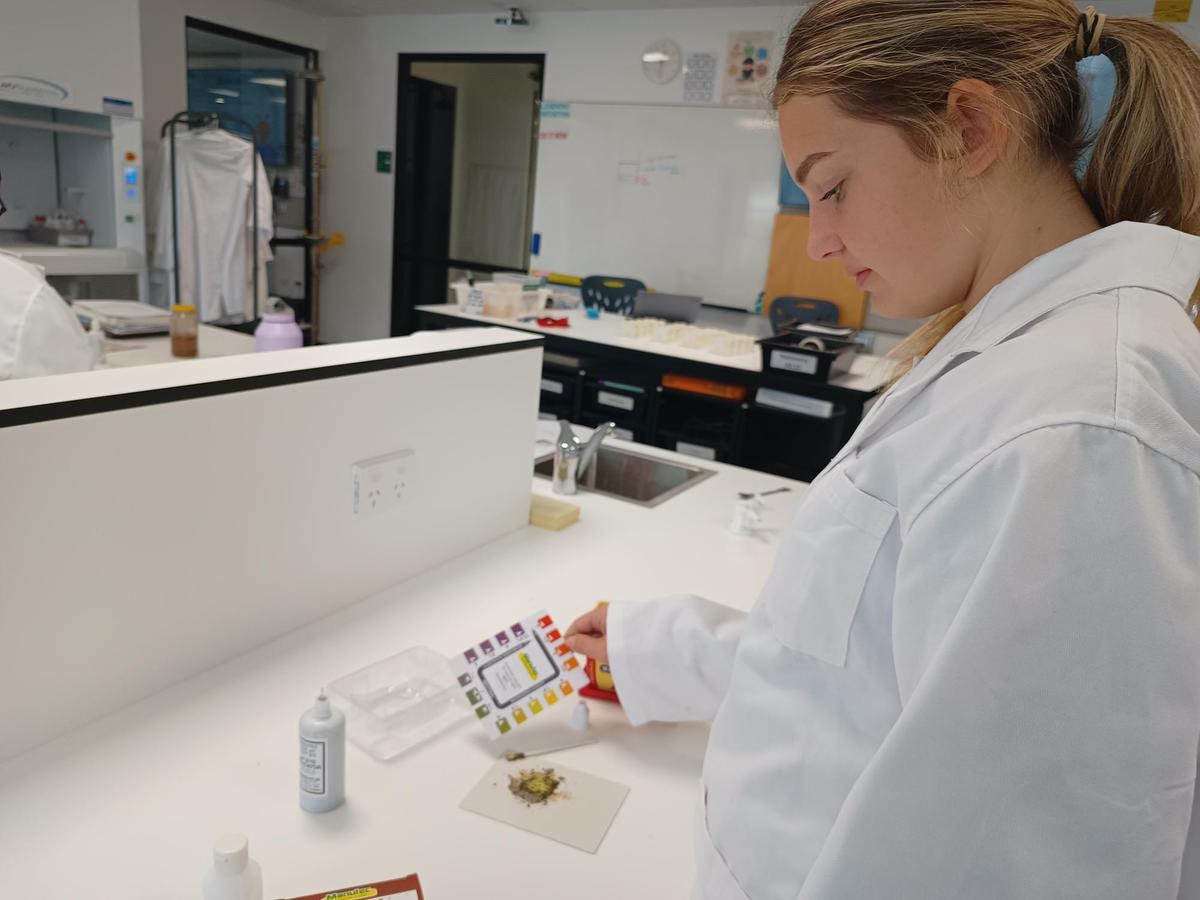
The VCE Ag Hort Unit students are now into Unit 4 Area of Study 1, Sustainable Land Management. They have been learning about soil degradations (erosion, salinity, acidity, water logging, compaction and nutrient depletion), what causes them, their impacts, how to prevent them occurring and how to repair degraded land. This week they studied water quality (pH, salinity, excess nutrients leaching into the water from agricultural fertilisers and manure), turbidity, hardness and oxygen levels. They tested water samples from Seven Creeks Kialla (which is perfectly healthy) and Muddy Creek Moorilim (which has medium salinity).
Earlier in the term, the students performed faecal egg counts on samples of sheep manure to determine the presence of and type of worm eggs that might be present. The level of worm eggs then determines if the sheep need treating with an oral drench, and if so, what active ingredient to use.
Year 11 VCE Ag Hort
The Year 11 VCE Ag Hort students have been very busy in recent weeks. Earlier in the term they tested soil samples from different farms for various qualities including pH, texture, slaking and dispersion, soil biology, colour, compaction, and nutrient levels.
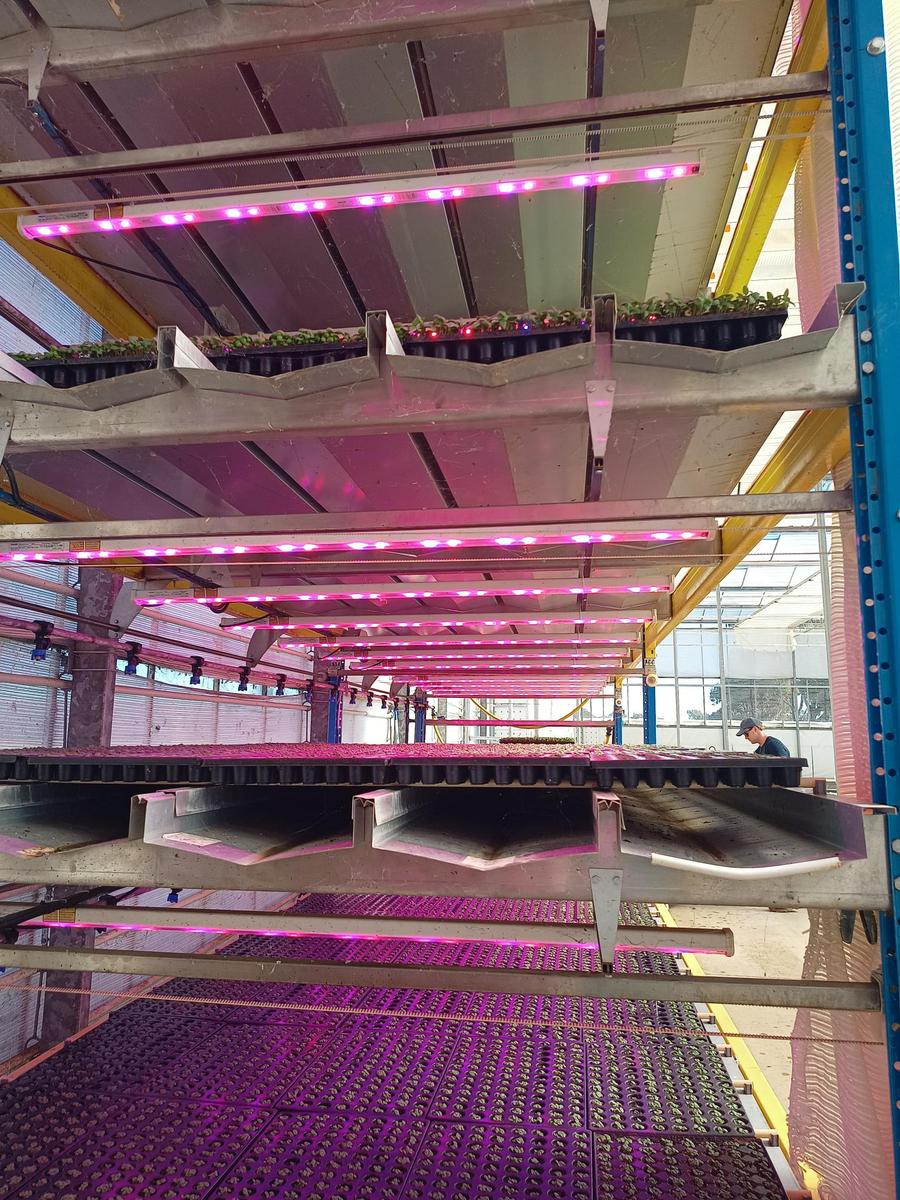
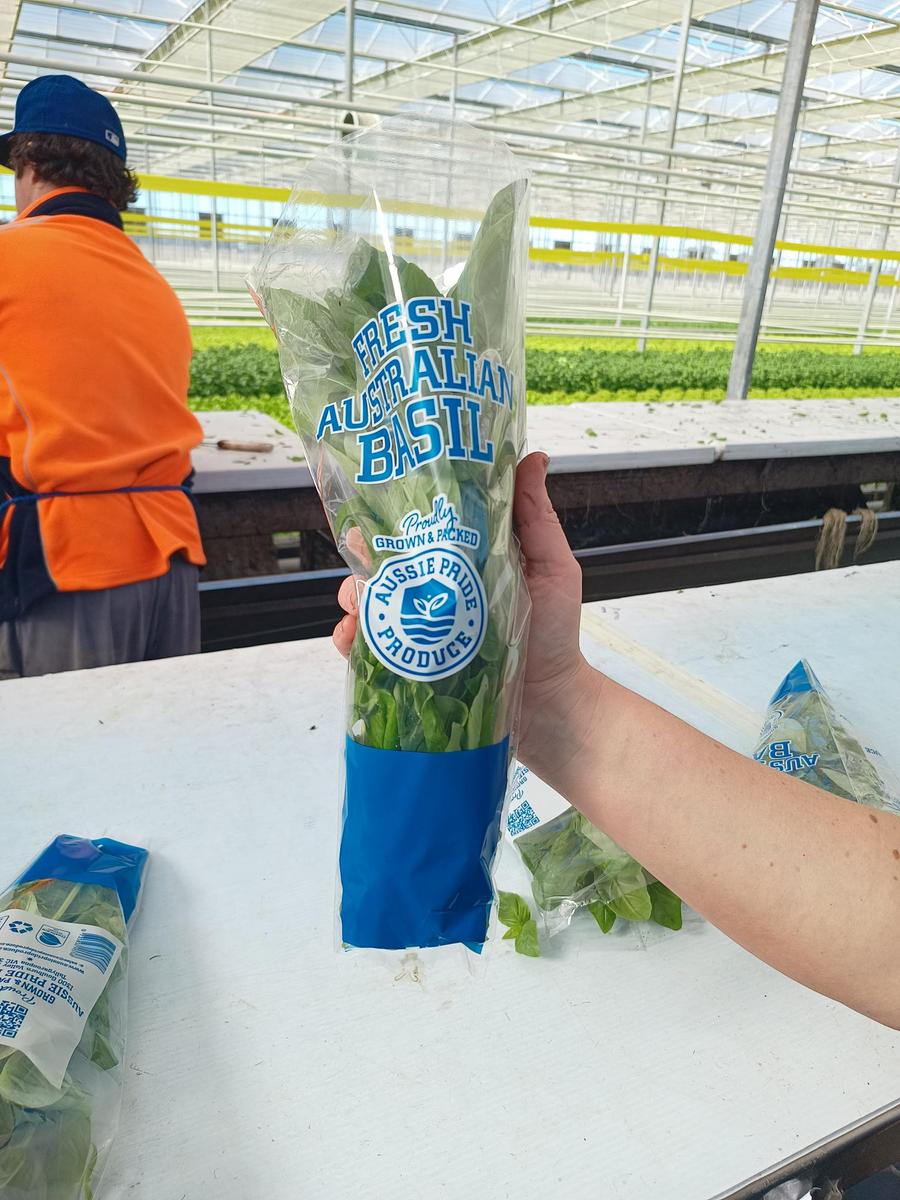
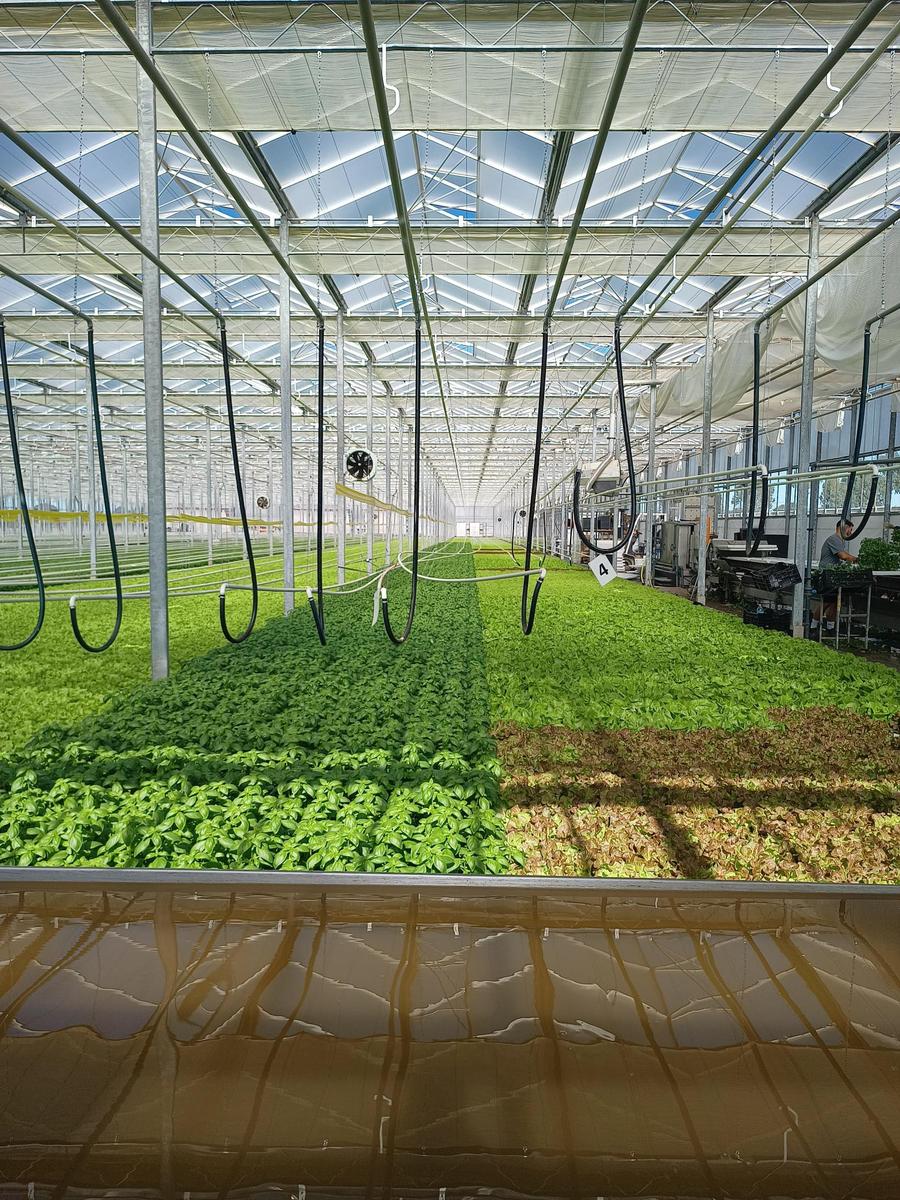
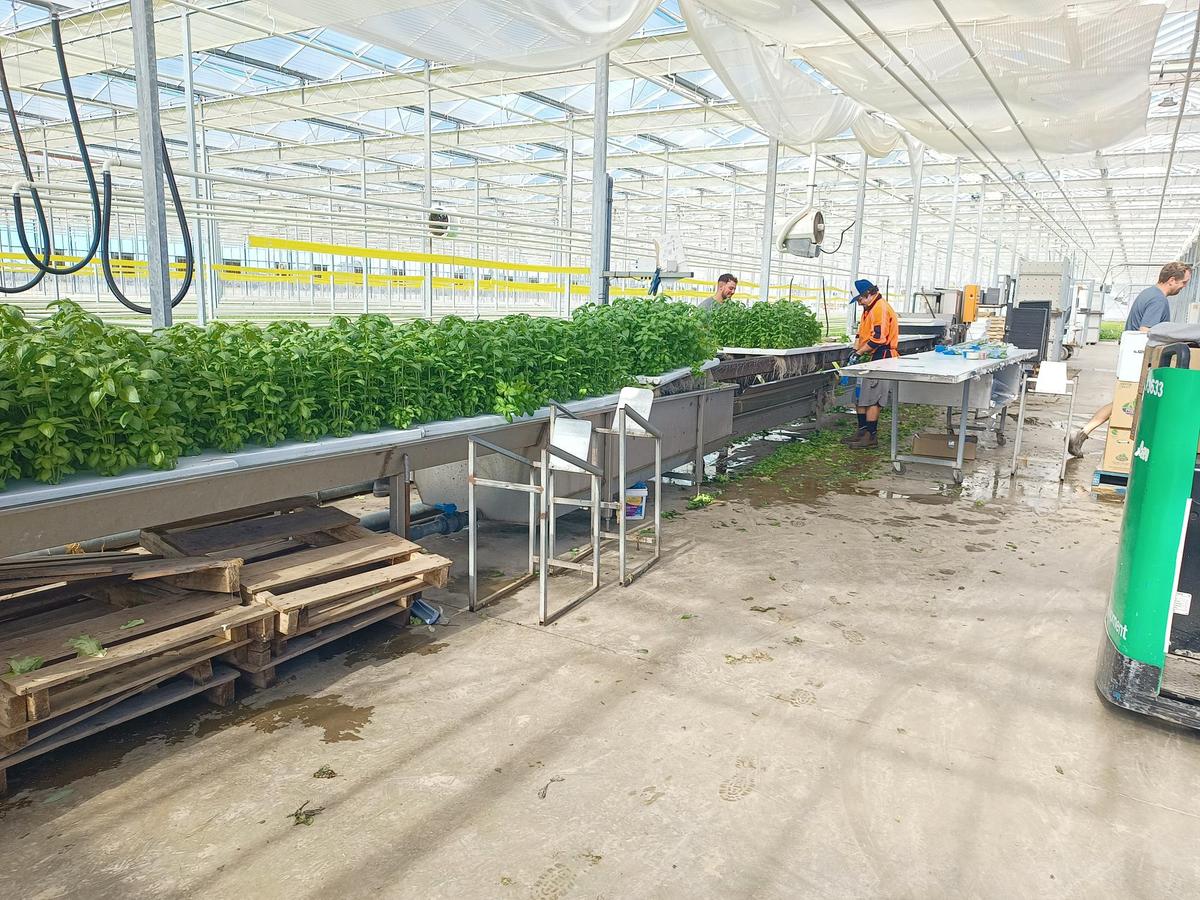
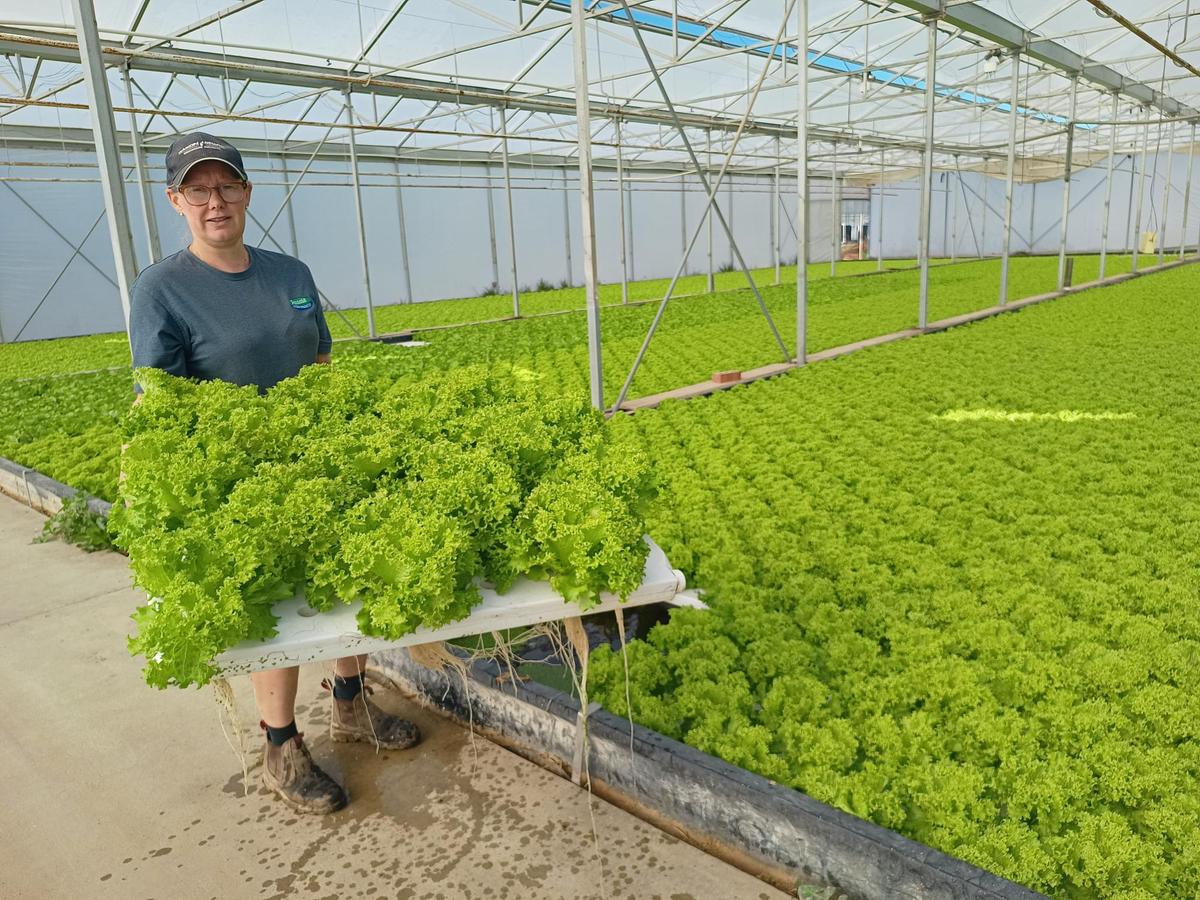
They visited Aussie Pride Produce where they learnt about the production of lettuce and basil in a hydroponic system. They have planted out the rooftop garden with winter vegetables and companion plants and tidied the herb garden.
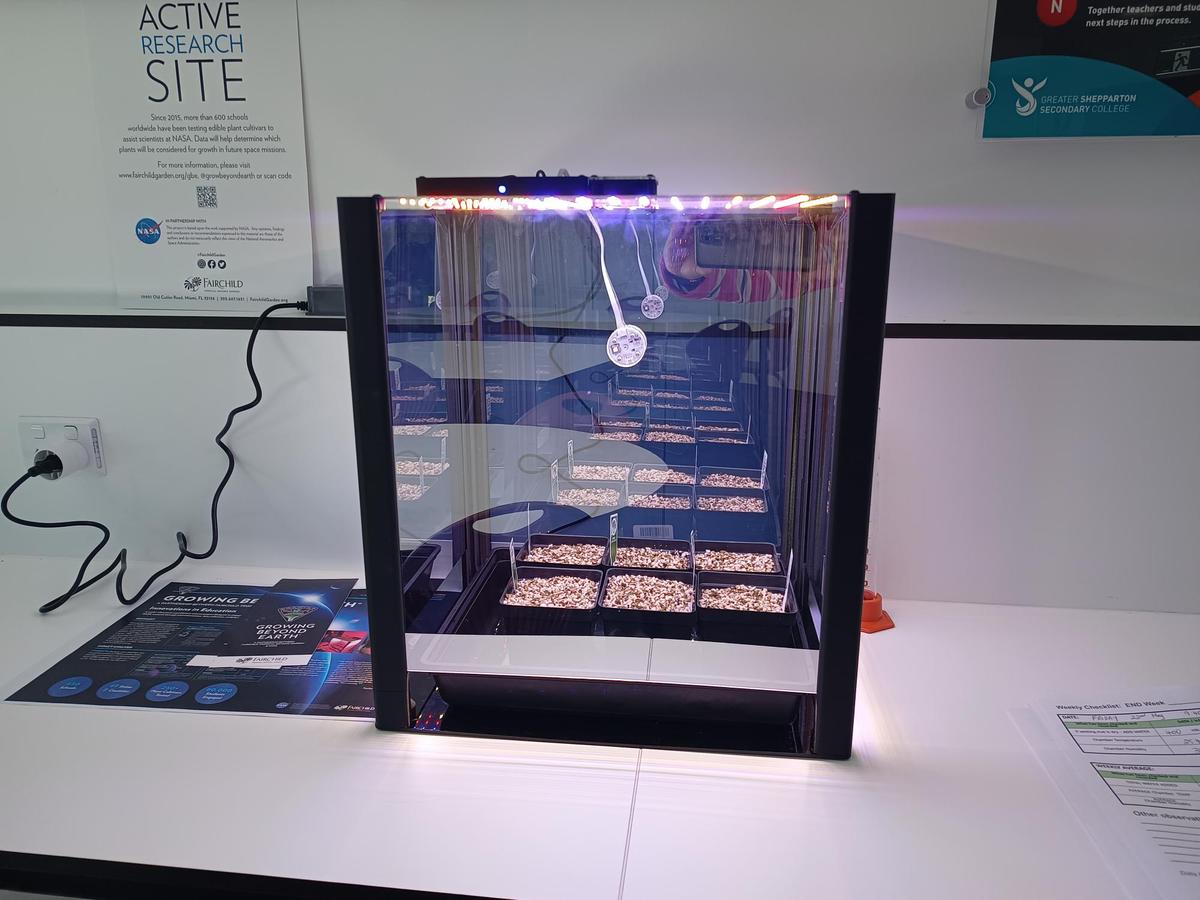
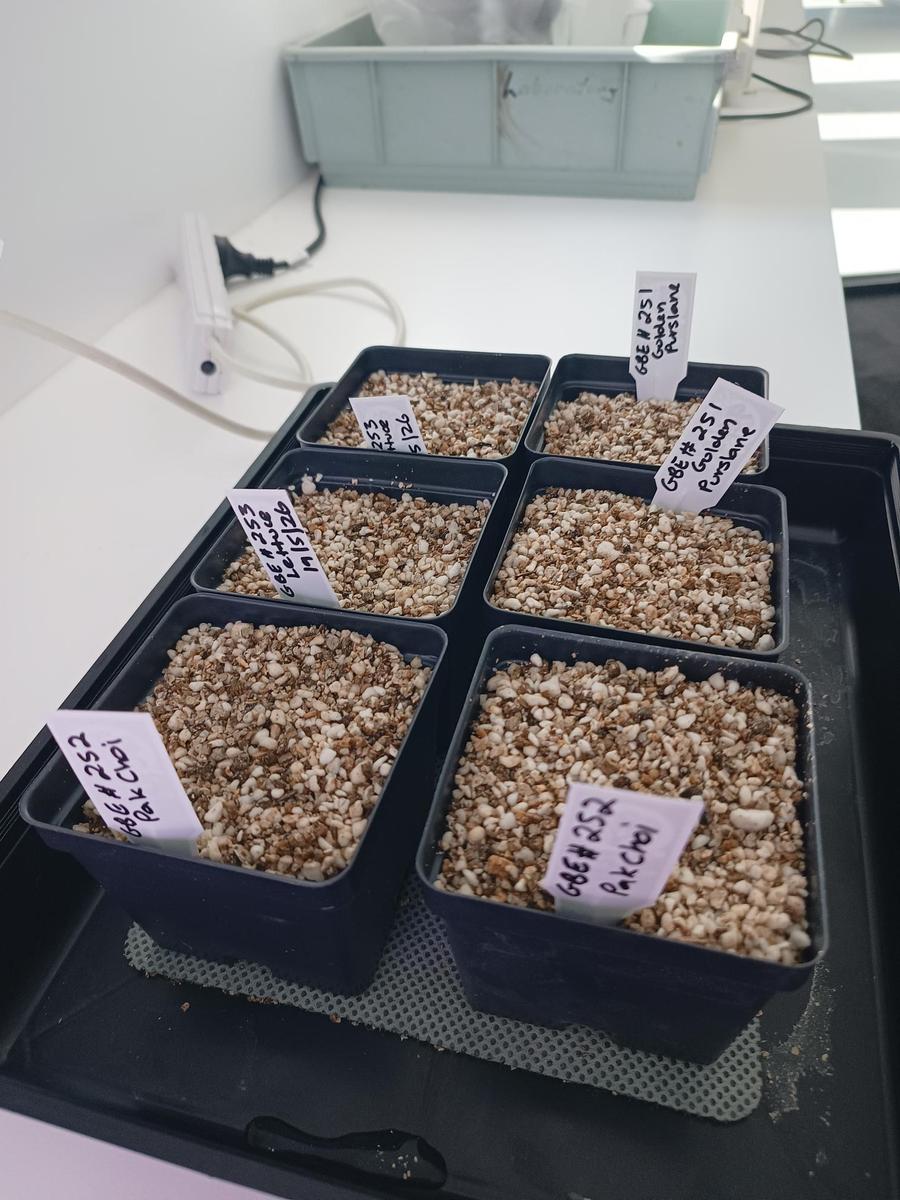
This year GSSC is participating in the Growing Beyond Earth program. This is a citizen science program between the Melbourne Botanical Gardens and NASA, where students around the world trial the growth of leafy greens in a growth chamber that simulates the chamber on the International Space Station. The first experiment was to trial pak choi and purslane against a control (lettuce). So far, the germination and growth rates have been underwhelming. The students have designed the second experiment which needs to be approved by NASA before being undertaken in Term 3. The students have chosen to alter the light conditions in the chamber to promote faster growth.
This week the students are planting out a crop trial in the Patch. The aim of the trial is to test the effect of various biological seed coatings on the germination rate, root growth and shoot growth against a control (no treatment). The crops will continue to be monitored over the coming months and will be tissue and sap tested over that time to monitor their health. The crops will then be made into a display for the 150th Shepparton Show in October, showcasing the various crops grown in the Shepparton region. We are growing wheat, barley, oats, canola, faba beans, lupins and a multi-species cool season cover crop.
Year 10 Agriculture
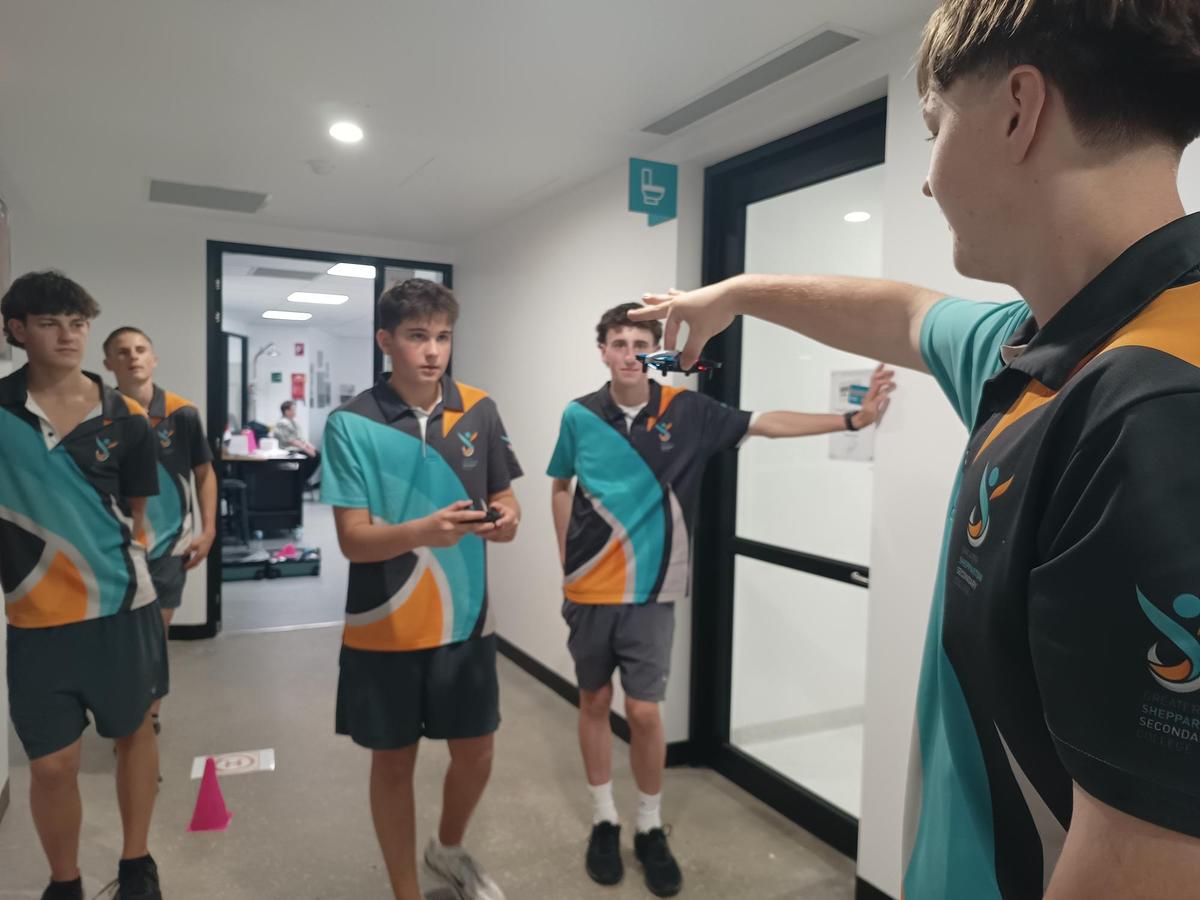
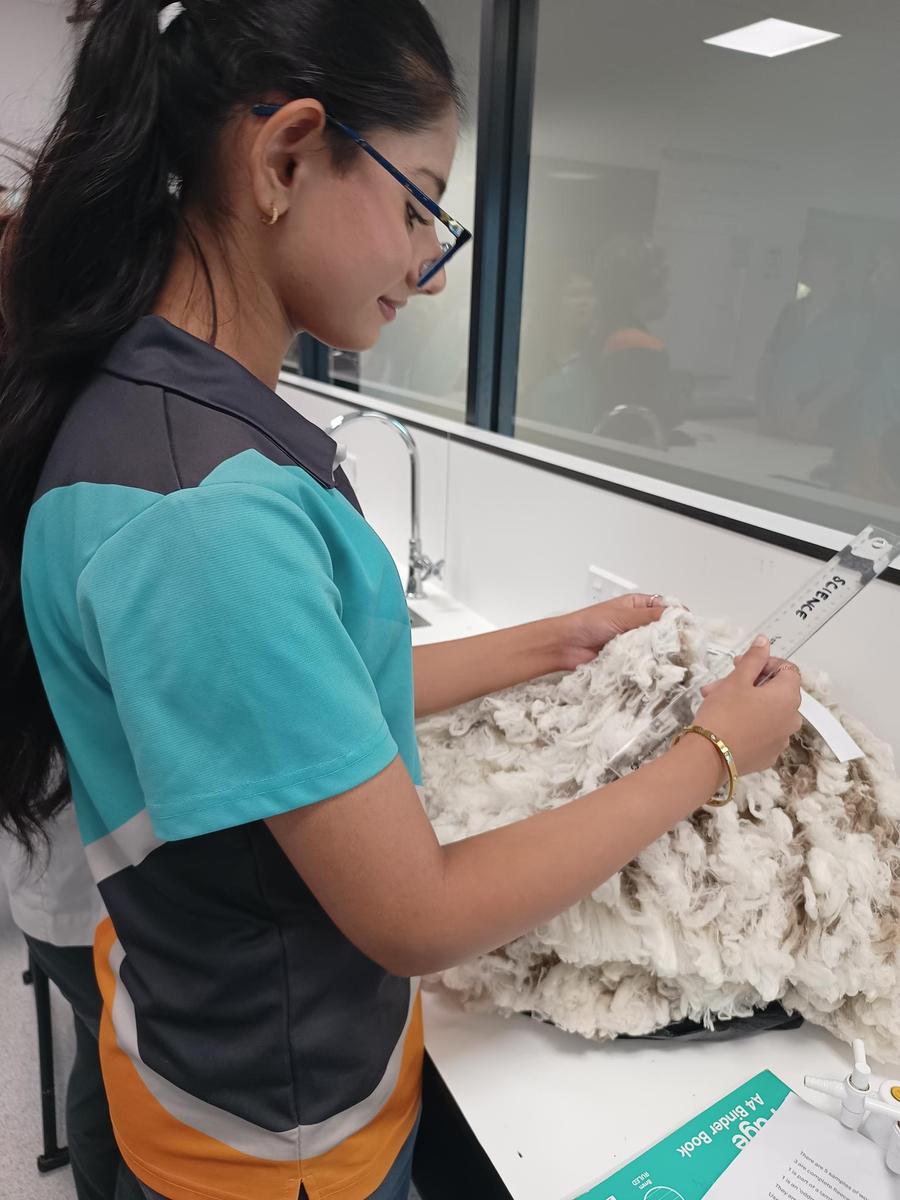
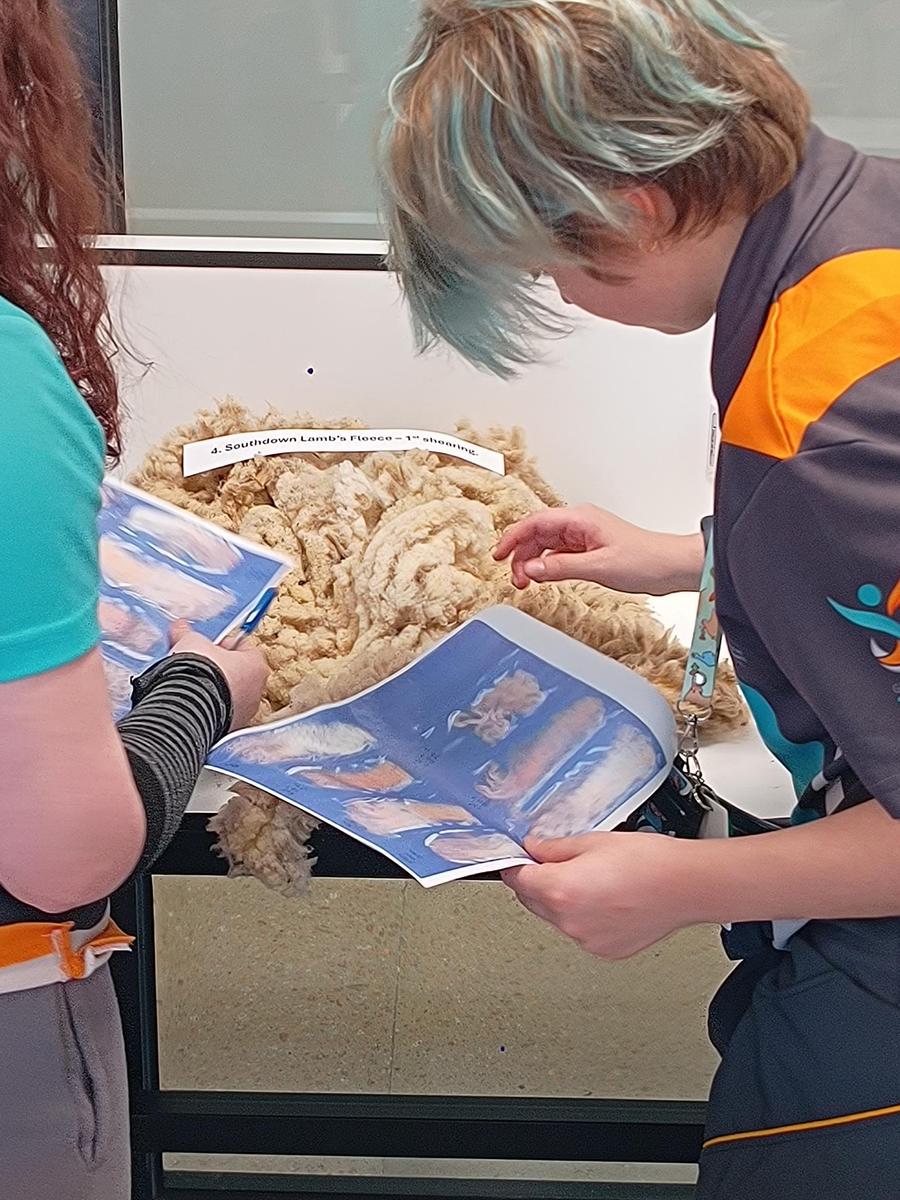
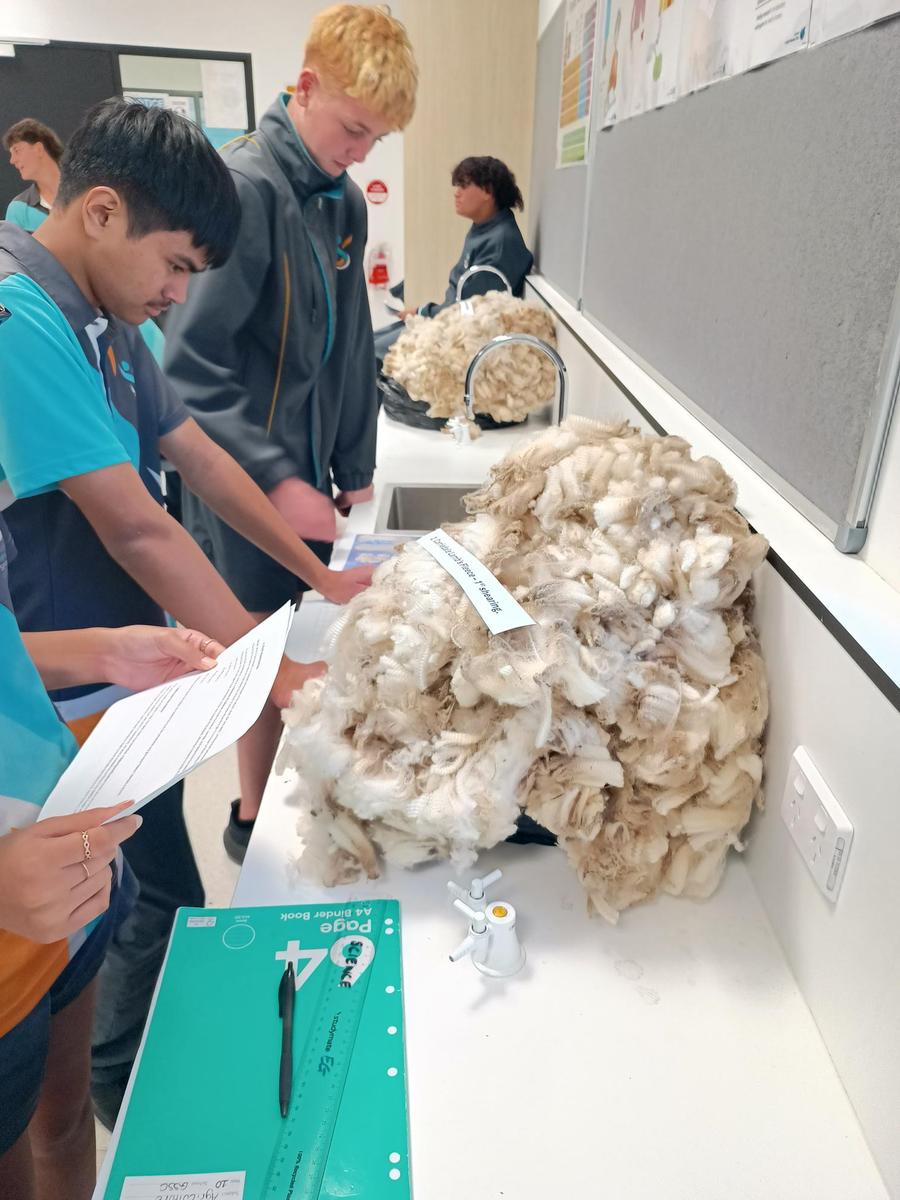
The semester 1 Year 10 Agriculture class has worked hard right up to the very end of the semester. After spending much of the semester learning about sheep and wool and handling sheep, the final few weeks consisted of a crash course in the dairy industry through the Cows Create Careers program, a final check of updates on their Invest Inya Farmer agribusiness investments, participation in CQU’s Agritech Check incursion program and weighing the sheep.
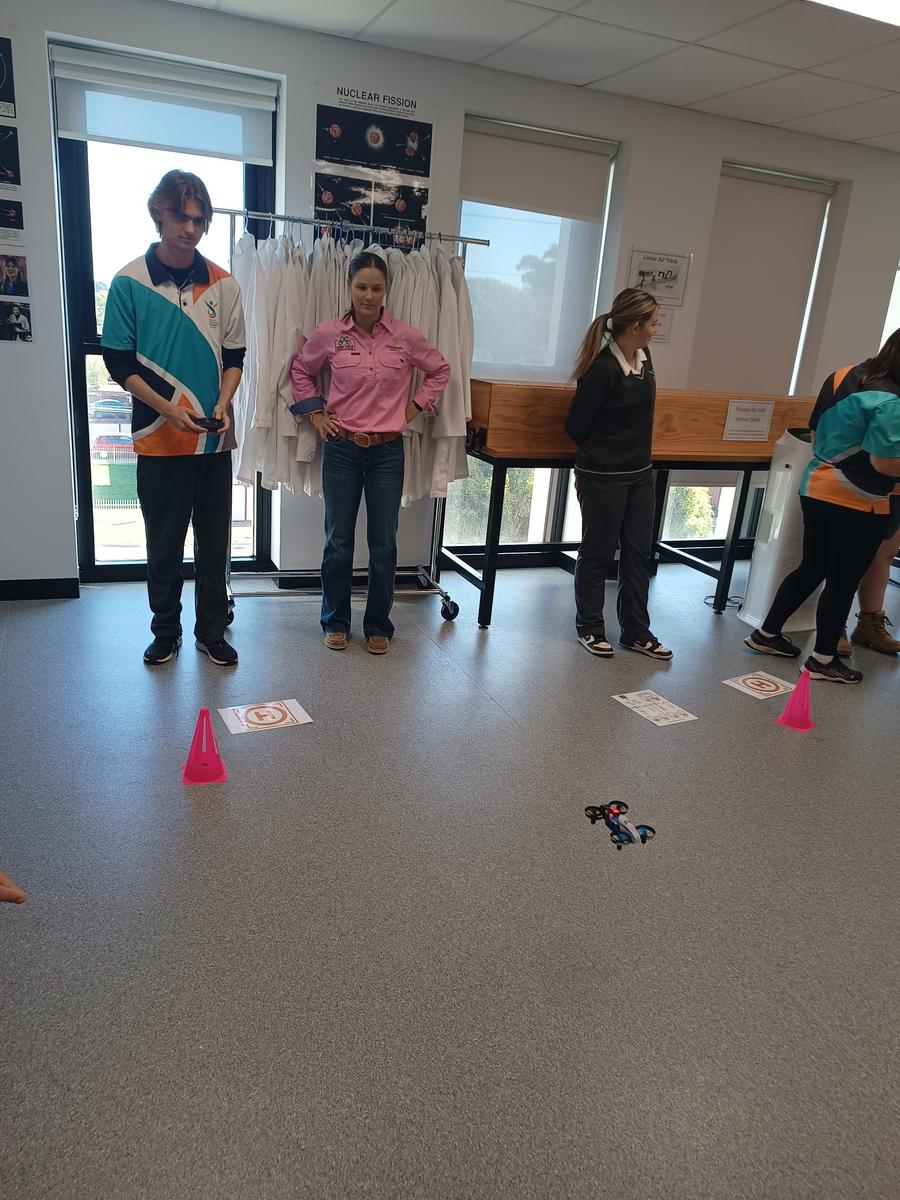
The Agritech program involved two workshops. The first involved flying mini drones around a course in the science labs, mimicking how farmers use drones for a multitude of jobs on farms from monitoring water troughs and livestock to spraying out beneficial insects and other amendments. The second workshop involved using infrared cameras to detect heat packs hidden on other students or around the room. The purpose of this was to illustrate how similar technology is used in the dairy industry to monitor cow health through the use of sensors on collars or ankle fit bits.
Earlier in the term, students learnt how to identify different wool samples from a selection of different breeds and classes. They measured the length, the wool count and micron, colour, and class of the various samples which ranged from a 12.3 micron ultrafine Saxon Merino to Corriedale and Southdown fleeces. Students also learnt how to build and deconstruct AWEX IDs.
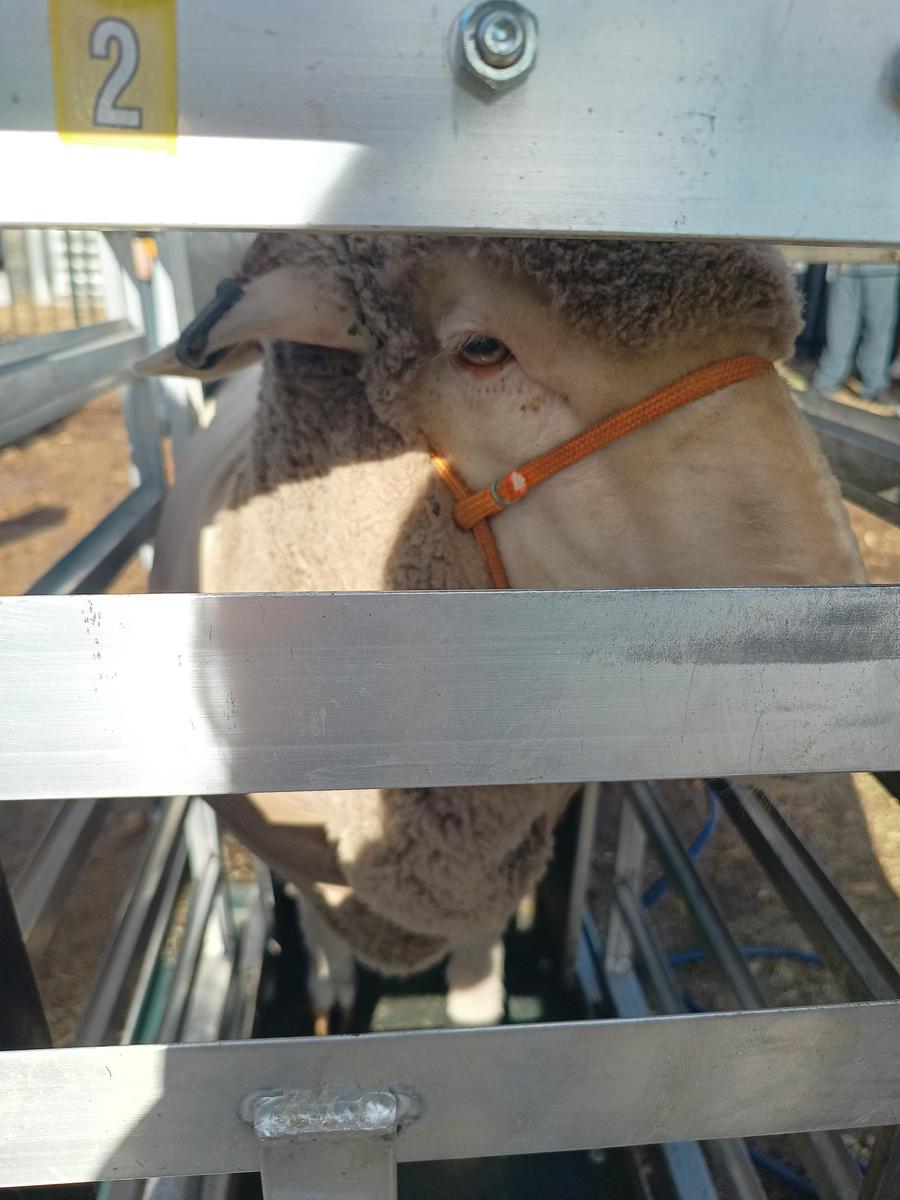
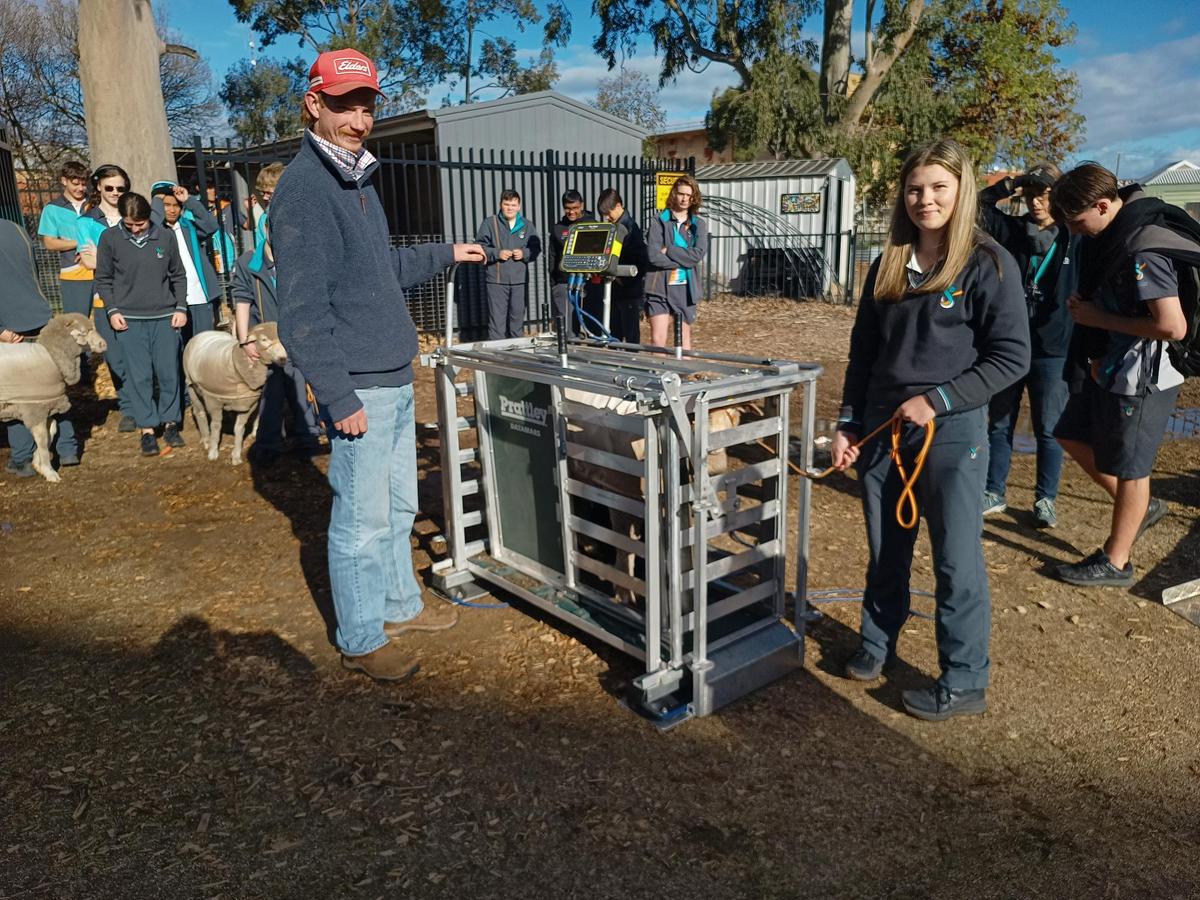
On the final day of class, Connor from Elders came to weigh the sheep at the half way mark of this year’s wether challenge.
Dookie Food and Fibre Day
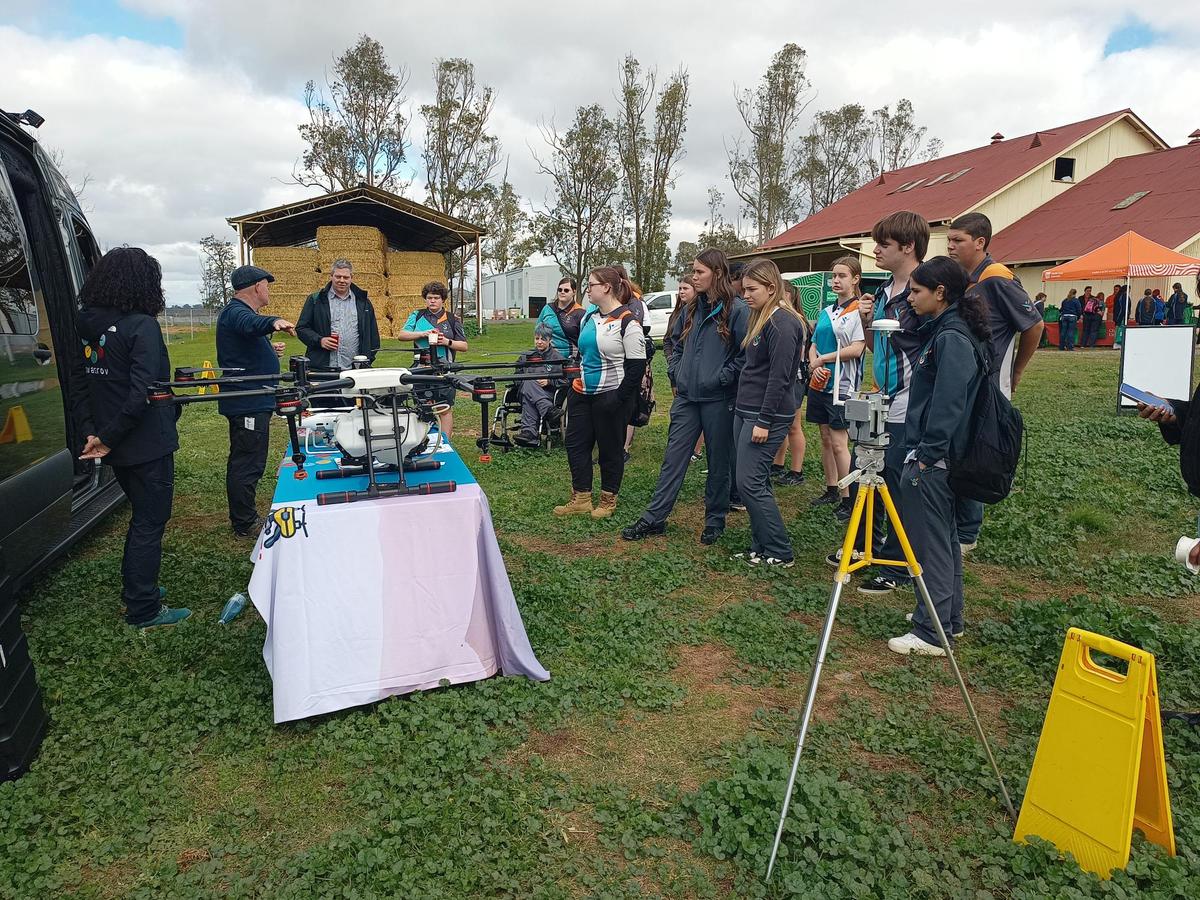
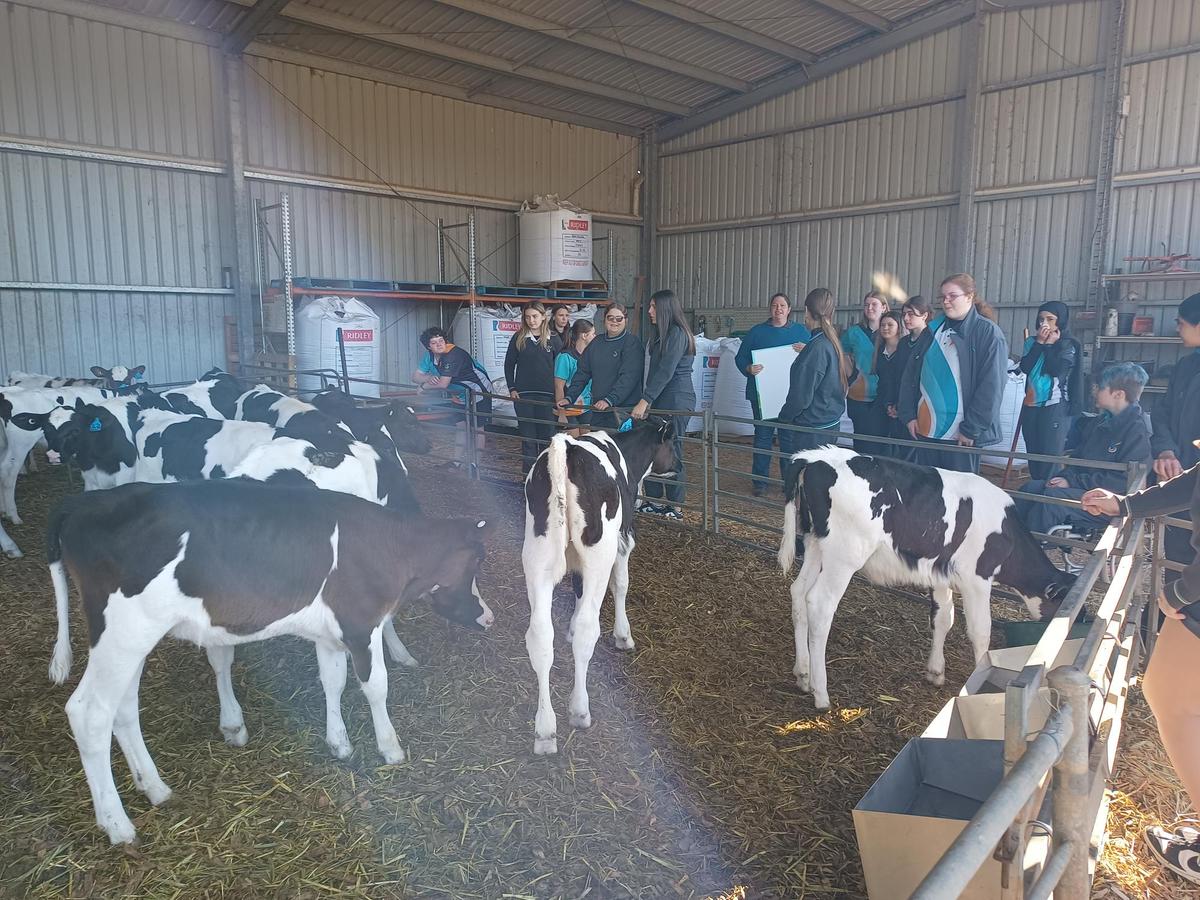
This year, 22 students from GSSC attended the dookie Food and Fibre day, Victoria’s largest agricultural careers day out. Students spent the day visiting two hubs, the Dairy hub and the Technology hub. At the dairy hub, students visited the calf shed and learnt about ruminant digestion, different feeds, smelt maize and grass silage, watched the cows go through the robotic dairy and learnt about a day in the life of a farmer using this type of dairy. They also inspected the pastures and learnt about rotational grazing.
At the Technology hub, students learnt what is involved in getting your drone licence and that it can be done whilst still at school! They watched a drone fly and saw various sized drones. They listened to a presentation from Charles Sturt University about ag tech and received a show bag full of goodies. They practised tying off fencing wire and learning a little about chainsaw maintenance from the Wodonga TAFE crew.
Thankyou to the GMLLEN and the team at Dookie for providing this experience for our students.