
English

The magic of morphology at MSC!
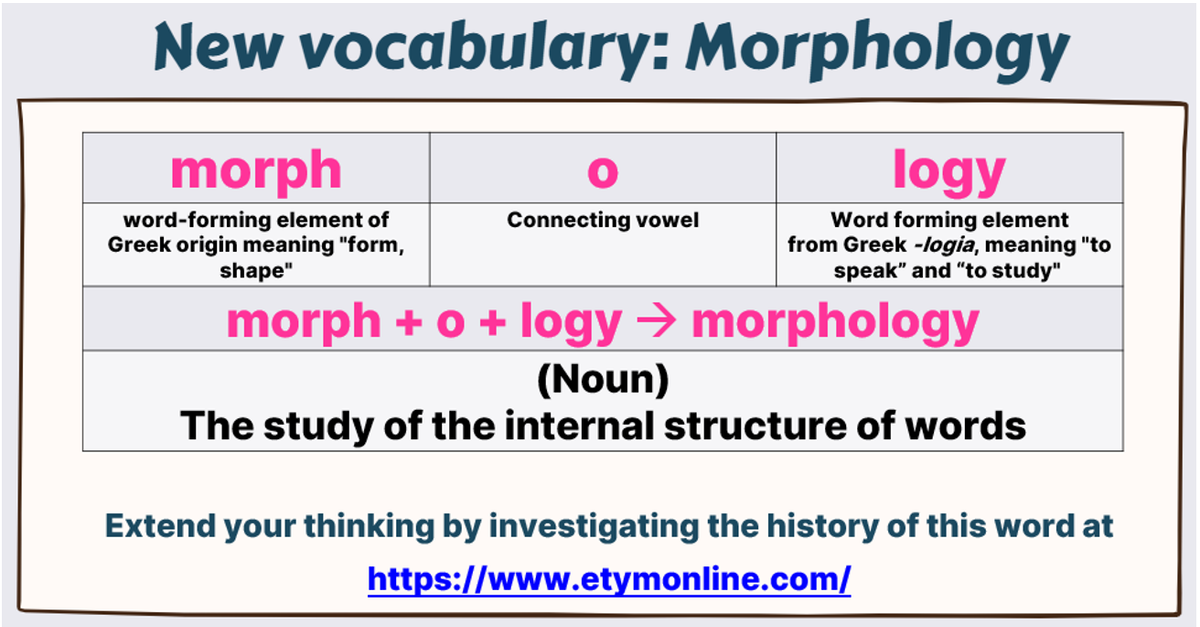
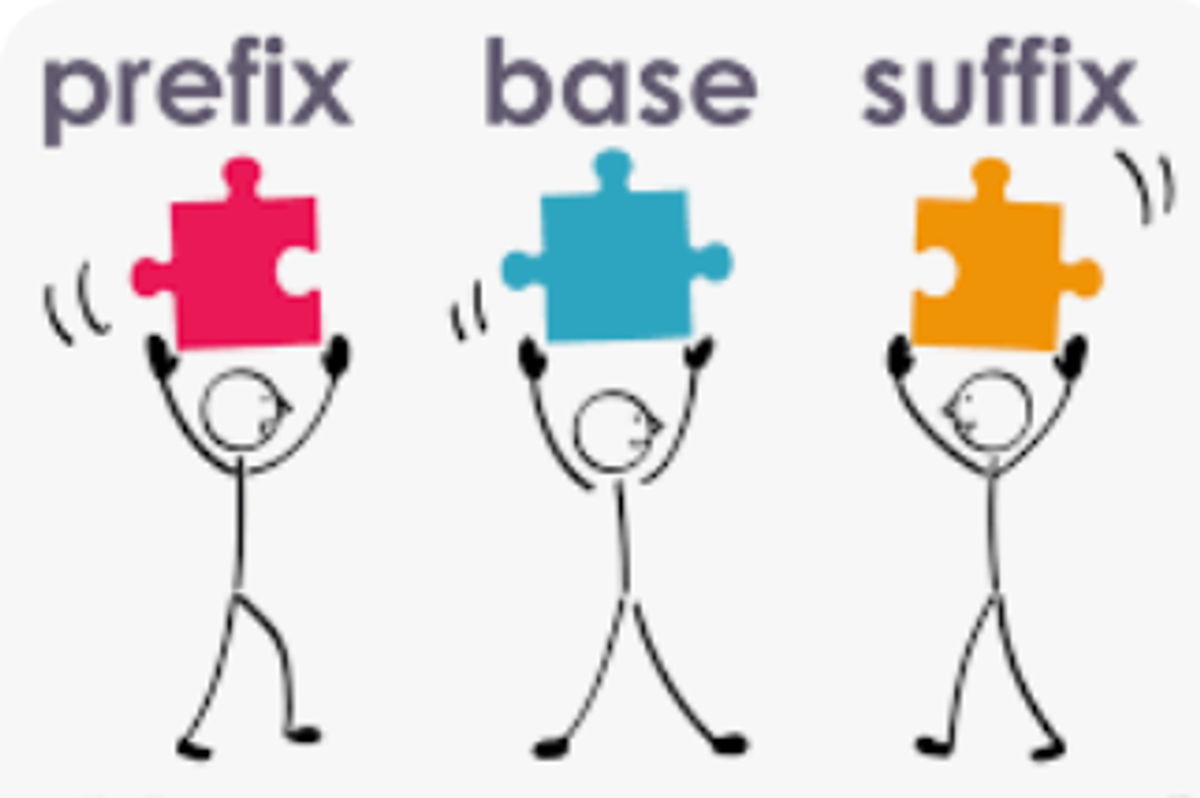
This year has seen the introduction of an explicit morphology program for our year 7 cohort. During timetabled English sessions in the library, year 7 students have been learning to recognize patterns and relationships between words, and how morphemes (the smallest meaningful units of language) combine to form words. Later into the year, students began delving into the fascinating world of etymology.
Students have enjoyed engaging in robust discussions about words parts, while enthusiastically participating in morphology sessions and applying new and prior knowledge, essentially becoming ‘word detectives’. Next year, students will build on what they have learnt and engage with more complex morphology and etymology content.
Students experiencing success in additional learning programs
Literacy and numeracy are the basis for learning in all other subjects, including science, technology, and the arts. They provide the foundation for developing more complex skills like critical thinking, problem-solving, and reasoning. Strong skills enable individuals to continue learning and refining their abilities throughout their lives.
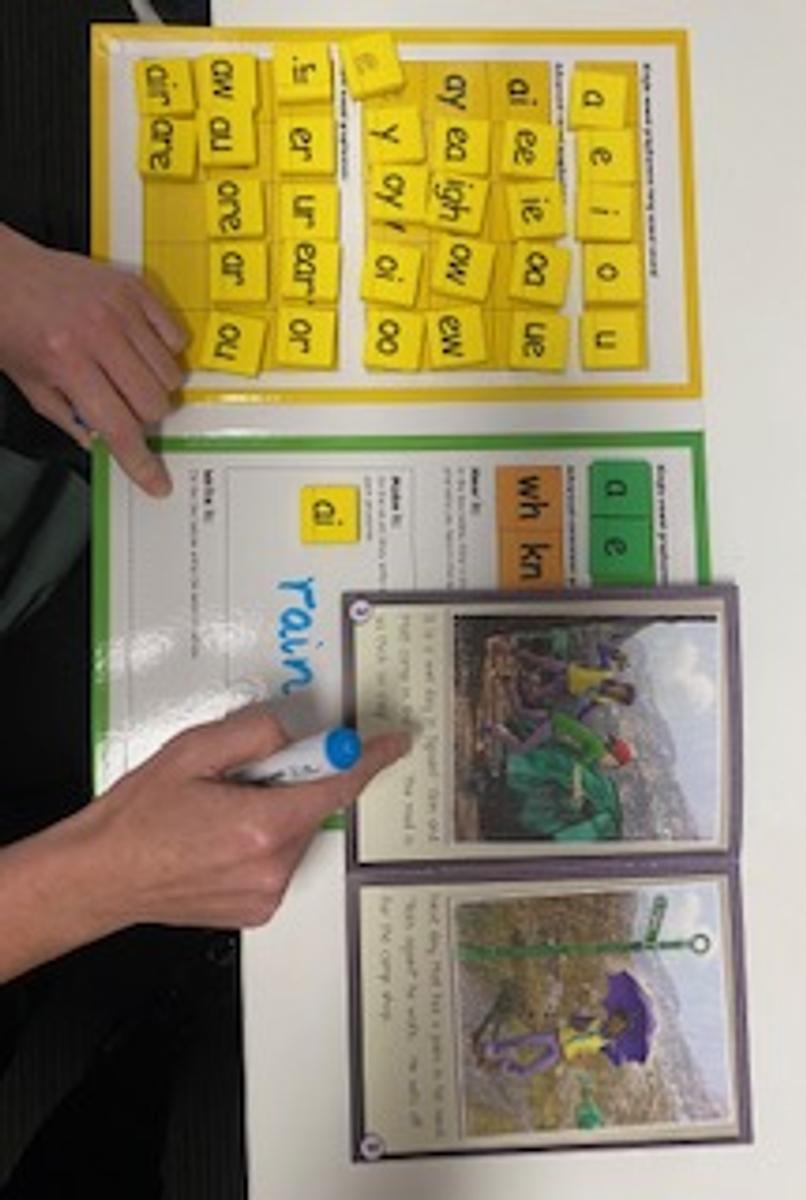
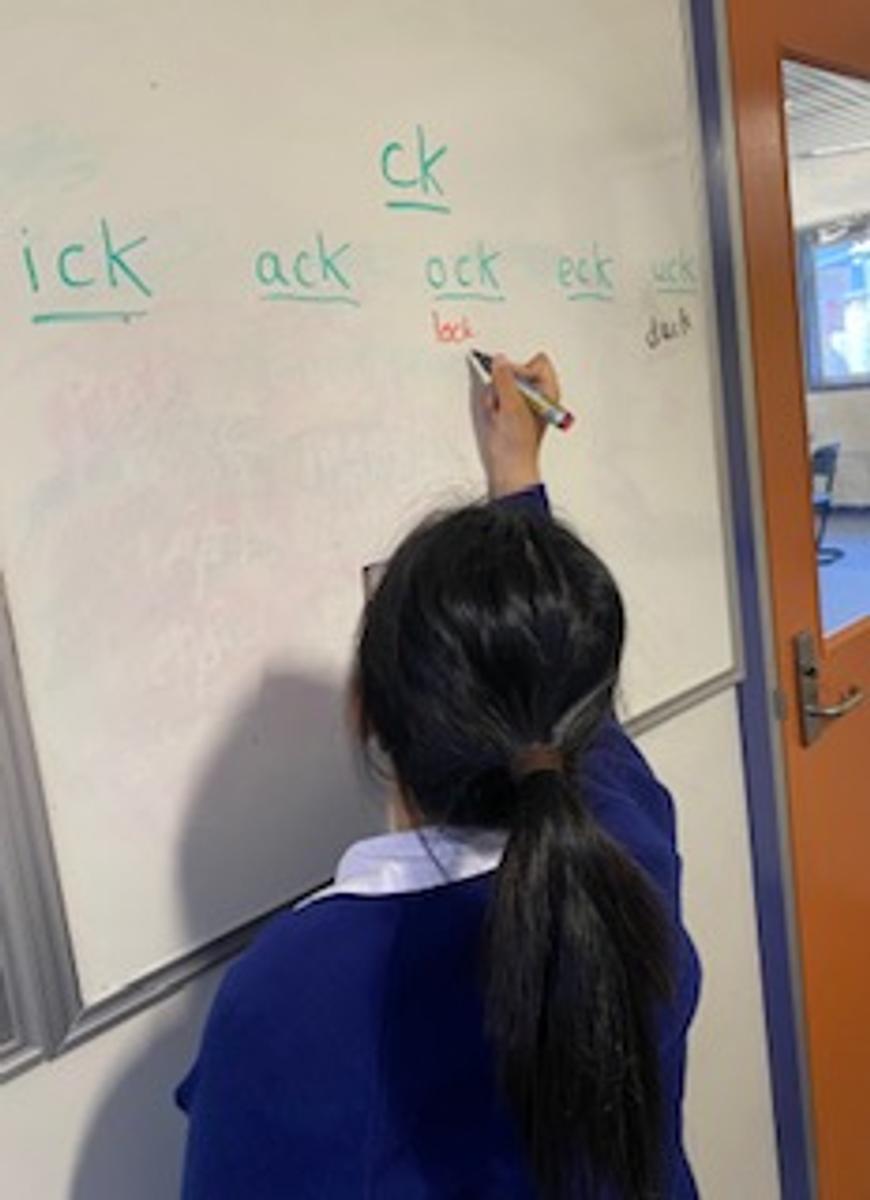
Melton Secondary College is committed to ensuring every student achieves success in their learning and our students have an opportunity to participate in additional support programs such as Sounds-Write phonics and Maths Mastery. Both programs are evidence-based, designed for effective instruction and enhancing learning experiences that meet diverse needs. Students have not only been gaining skills, but their confidence has also increased as they eagerly await their next session and celebrate many successes along the way.
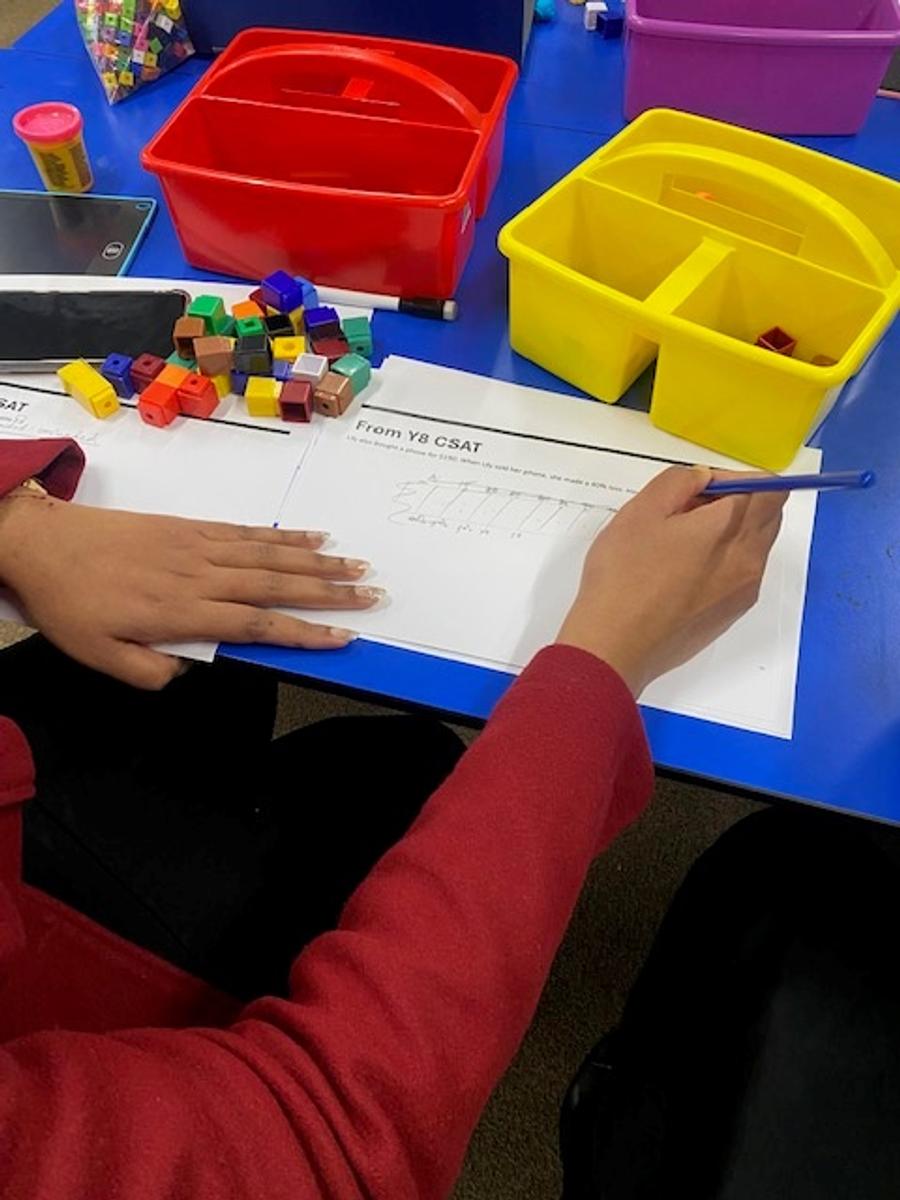
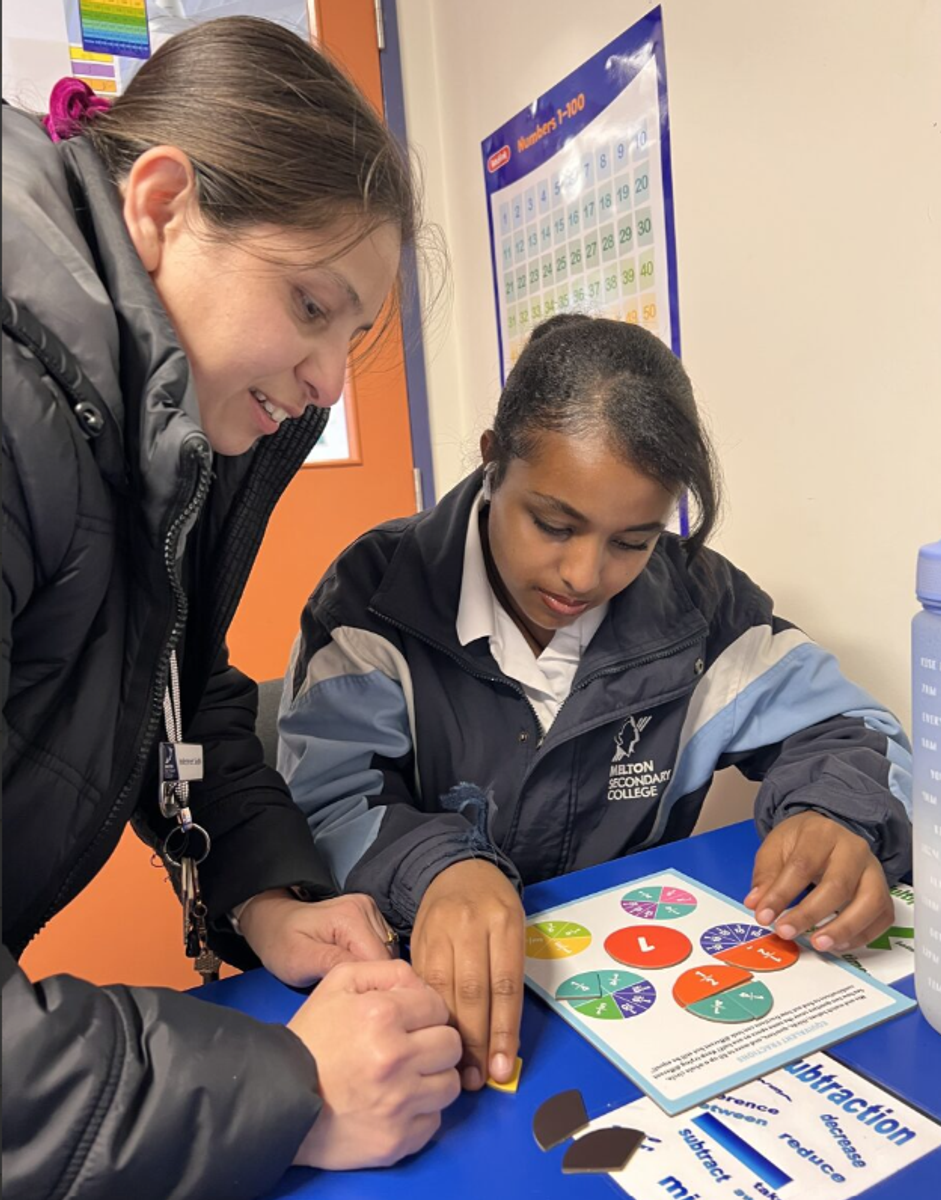
Dedicated members of our Intervention team also run the Numeracy Acceleration Program that aims to identify and address misconceptions that students may hold, while equipping them with the skills, knowledge and confidence they need to become autonomous learners. These students are empowered to take charge of their learning by setting goals, identifying strengths and areas for improvement, choosing increasingly efficient problem-solving strategies and evaluating their progress.