Teaching and Learning
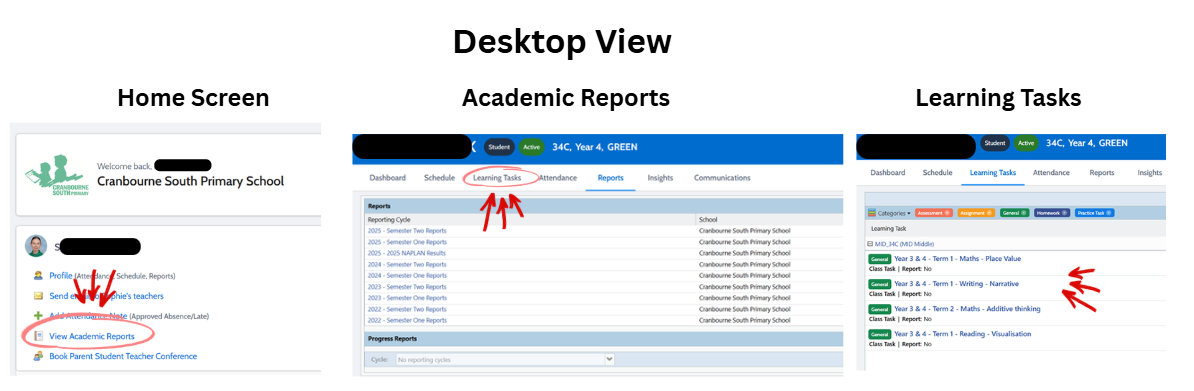
Are you viewing your child's Learning Tasks?
Learning Tasks are published on Compass during Weeks 3, 5 and 9 each term, providing families with a snapshot of their child’s learning, progress and level of achievement across key areas of the curriculum.
These updates are a valuable way to stay informed about what your child is learning in the classroom and celebrate their growth throughout the term. We encourage families to regularly check Compass and discuss Learning Tasks with their child to help support engagement, organisation and ongoing learning at home.
Nights of Reading 📖
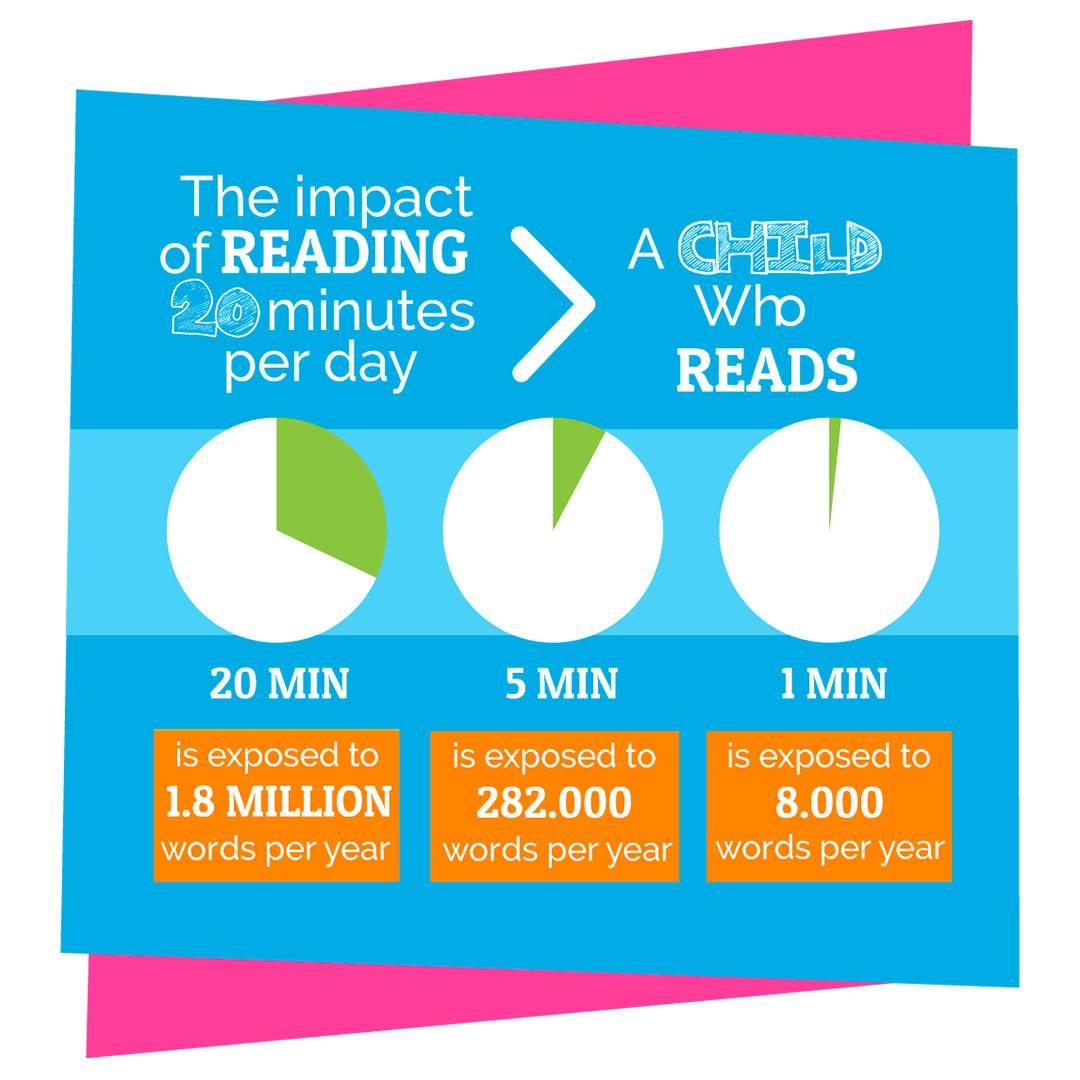
Reading continues to be a major focus at CSPS this year, with classes tracking student “Nights of Reading” throughout the term. As every child is at a different stage in their reading journey, the focus remains on individual growth, progress, and building positive reading habits.
Research shows that reading at home 4–5 times per week has a significant impact on reading fluency, comprehension, vocabulary, and confidence. We greatly value your support in helping make reading a regular and enjoyable part of your child’s routine.
Families can support their child by:
- Setting aside regular reading time
- Listening to and discussing books with their child
- Reading together as a family
- Encouraging books that interest and engage them
- Celebrating effort and progress
Keeping reading positive and enjoyable
Check out all our student who have achieved significant milestones in our Awardspage.
Students who achieve 100+ nights of reading by Week 8 will be recognised at assembly and receive a special reward, with a possible class reward also being explored for high participation as we move into Term 3.
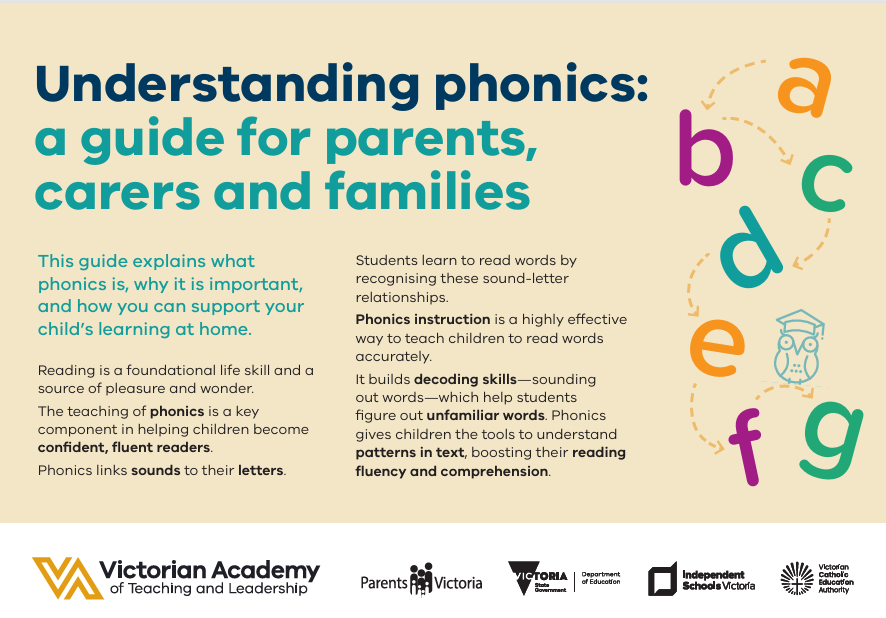
Phonics - The Building Blocks of Reading
Phonics teaches children how sounds connect to letters and letter groups to support reading and writing. Through systematic synthetic phonics, students learn letter sounds in a clear sequence and practise blending sounds together to read words (decoding) and breaking words into individual sounds to spell and write them (encoding). This evidence-based approach builds confidence, fluency and enjoyment in reading and writing.
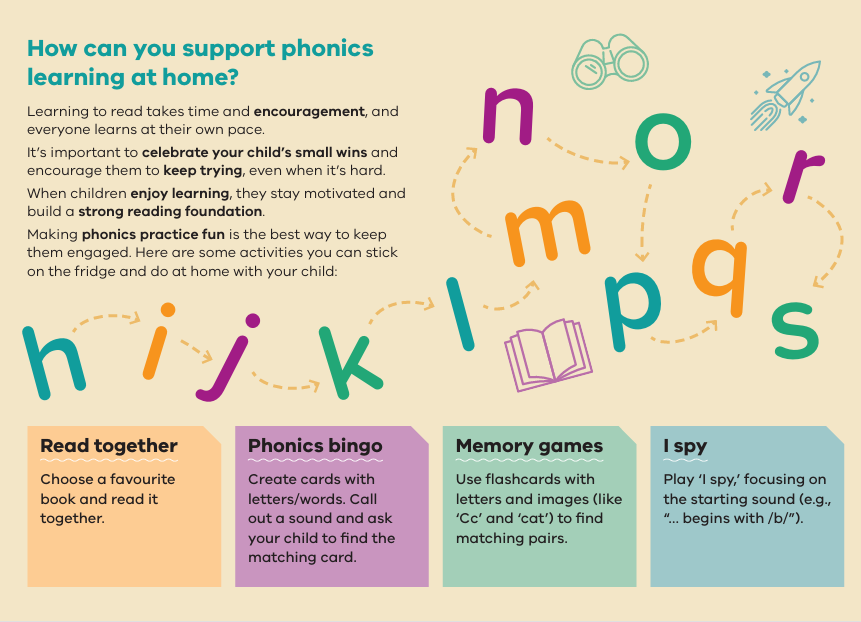
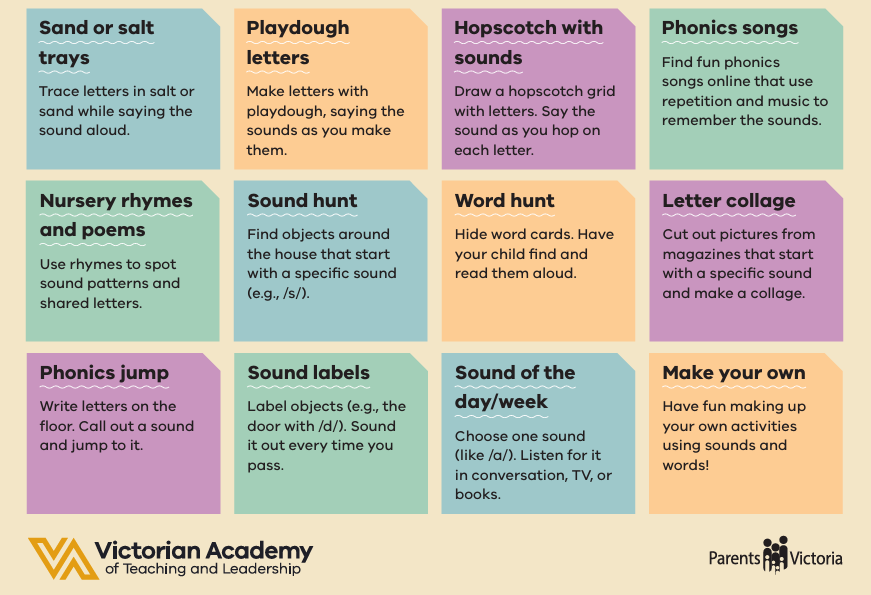
Below is information for families, including practical and family-friendly ideas, to help support the development of phonological awareness in the early years.