Mental Health and Wellbeing:
Supporting Inclusion and Respectful Curiosity at School
Mental Health and Wellbeing:
Supporting Inclusion and Respectful Curiosity at School

The lessons in the Resilience, Rights and Respectful Relationships program (RRRR) are aligned with the Victorian Curriculum and address the achievement standards in Physical Education and the Personal and Social Capability.
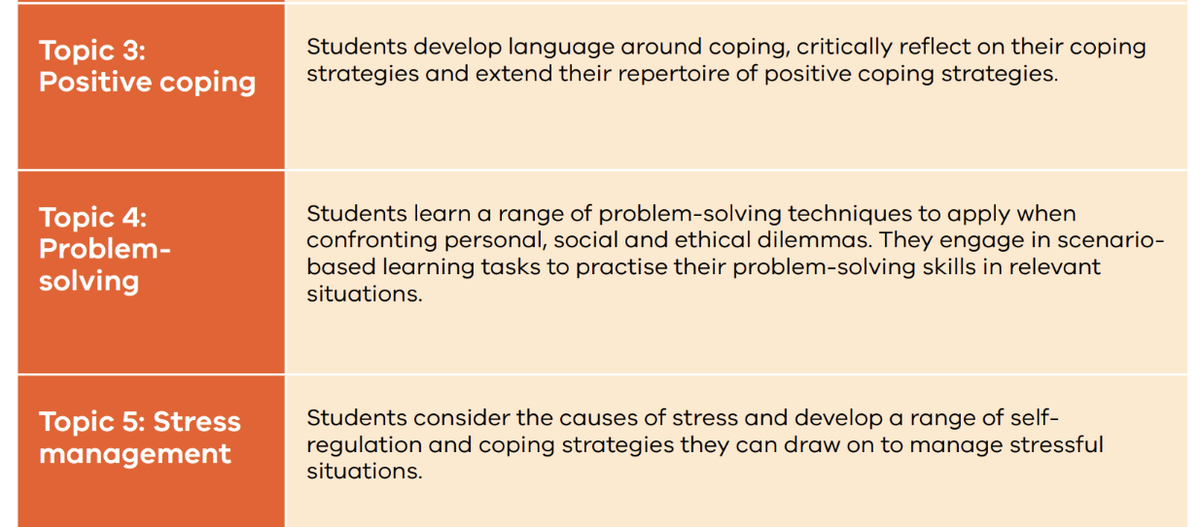
This term classes will cover the following topics: Positive coping, Problem solving and Stress management.
Last week we concluded our unit on Positive coping. In the previous newsletter, we included some things you can do at home to promote positive coping:
What did you try? We are looking for some feedback. I would love to share your ideas in the newsletter. If you'd like to take part, please email me at frobinson@sjeuroa.catholic.edu.au. Your responses can be anonymous.
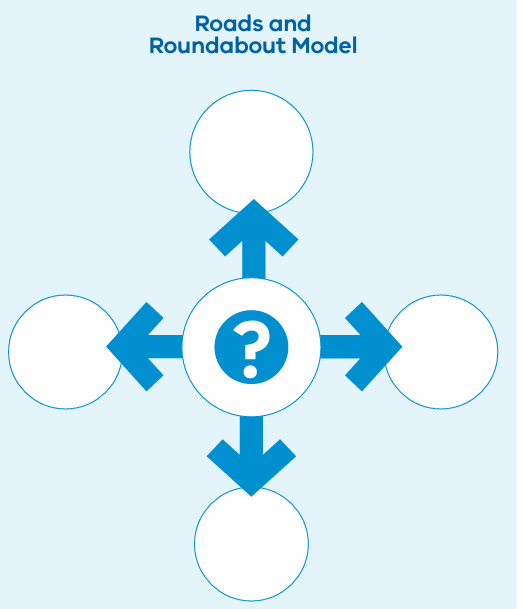
This topic commences this week. Students learn about recognising the needs and interests of others during social interactions. They are encouraged to listen to the ideas of others and explore a variety of ways to approach and solve situations and challenges. Problem solving is considered individually and in groups, building a culture of cooperative behaviours inside the classroom and out.
Things you can do at home.

If there are any topics in the Mental Health and Wellbeing sphere that you would like more information about, please do not hesitate to contact me.

Stand up Project: Friday 15th of May, 10 students from Year 6
Congratulations to the students who will be representing St John's: Queenie, Clare, Ted, Georgia, Ollie, Bradley, Eligh, Jocelyn, Ava and Maggie.
We are looking forward to our day on Friday and sharing our learning with the school community.
Walk Safely to School Day: Friday 22nd May (change of date from the 15th of May)
Research indicates that children who are physically active before school are more focused and perform better academically.
Parents and carers are encouraged to actively participate by walking, even part of the way, to school with their children. Students under the age of ten should always hold an adult's hand when crossing the road.
Walk Safely to School Day Set for 22nd May 2026
Click to access past resources