Extension Education
Extension Education at St John’s Mitcham
In the last few weeks, the SOAR Extension group has been working on individual Neuron Expanding Projects (NEPs). The students were given the task to each ask and answer an essential question about a topic that they were particularly passionate about. Below are some of their reflections of their time spent on their projects. They will be presenting their projects at our Extension Education Showcase in Term 3.
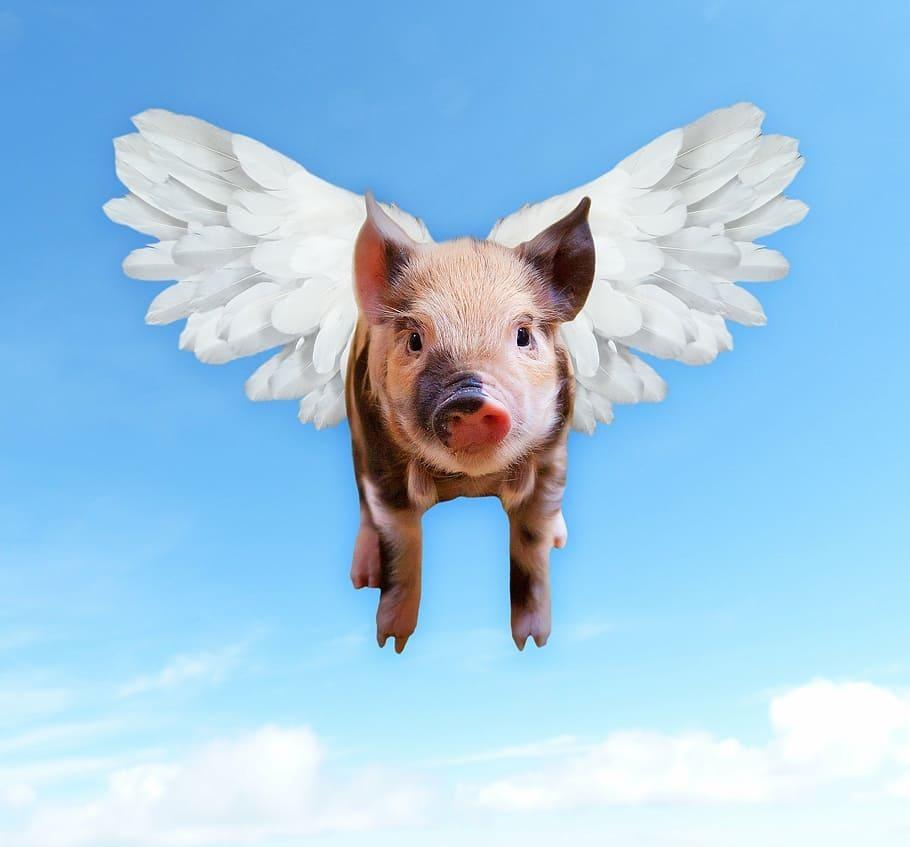
Maxine:
Essential question: Does the concept of a “teacup” pig truly exist, or is it a marketing myth that impacts animal welfare?
I wanted to answer this question because I love mini pigs and when I got the idea, I knew I had to see how mini pigs were really being treated and inform everyone about animal welfare.
I was extremely surprised that such an innocent creature could be so “un-safe”.
I created a video to present my findings.
On reflection, I would have added more punctuation in my presentation and used my voice instead of my friend’s. I found it hard to word all my information knowing that everyone here is probably going to presume that my video was written by AI!
Sienna:
My essential question was: How did real world animals and misinterpretations of nature shape the global myth of unicorns?
I wanted to answer this question because I found the topic of how the myth of the unicorn was created quite intriguing for me. During these lessons while working on my Neuron Expanding Project (NEP for short) I found out a lot of interesting facts and ways to improve my writing skills.
My answer to my essential question was: Relating back to my essential question, real world animals have created the myth of unicorns through deceiving humans for the many years we have thought they existed. In addition to this, the one horned illusion has helped the myth of the unicorn spread throughout the world by deceiving the world with its tricks and turns. This tactic has been used by animals all over the world which continues to trick others that the unicorn is real and not a myth from childhood fairy tales. A few things that surprised me along the way was: how many different views on unicorns there were: “the myth of a unicorn is actually just a goat with extra long horns” or “a unicorn is a fake animal that shouldn’t really exist”. While working on this project I kept all these thoughts in mind as I gradually completed my project I was surprised on how many animals could’ve been misinterpreted as a unicorn for example the animals that I found were: The narwhal, the saiga antelope, the asian unicorn or a saola, the aurochs, and the siberian unicorn.
If I could redo my project I would definitely check my spelling and punctuation, and maybe change the font so others wouldn’t have been more confused about the letters that were bigger than the others

Isaac:
For my NEP (Neuron Expanding Project) this term, I worked on the essential question “How does using different vocabulary in writing convey emotion without stating it directly?”. For this, I wrote some paragraphs on particular events in a story I was already working on, making sure to convey different emotions without stating the emotion directly. I wanted to see the effects of words, and how they make us feel certain ways, along with trying to improve my writing in the process. And after some research, the answer was stunningly simple - relation. When words are said based on our body language, we can relate to those actions and therefore notice what emotion is being expressed by a character. This leads to our empathy triggering, and we can almost feel the same emotions. I really enjoyed the overall process, and it was a great opportunity to buff my writing skills.
Lola:
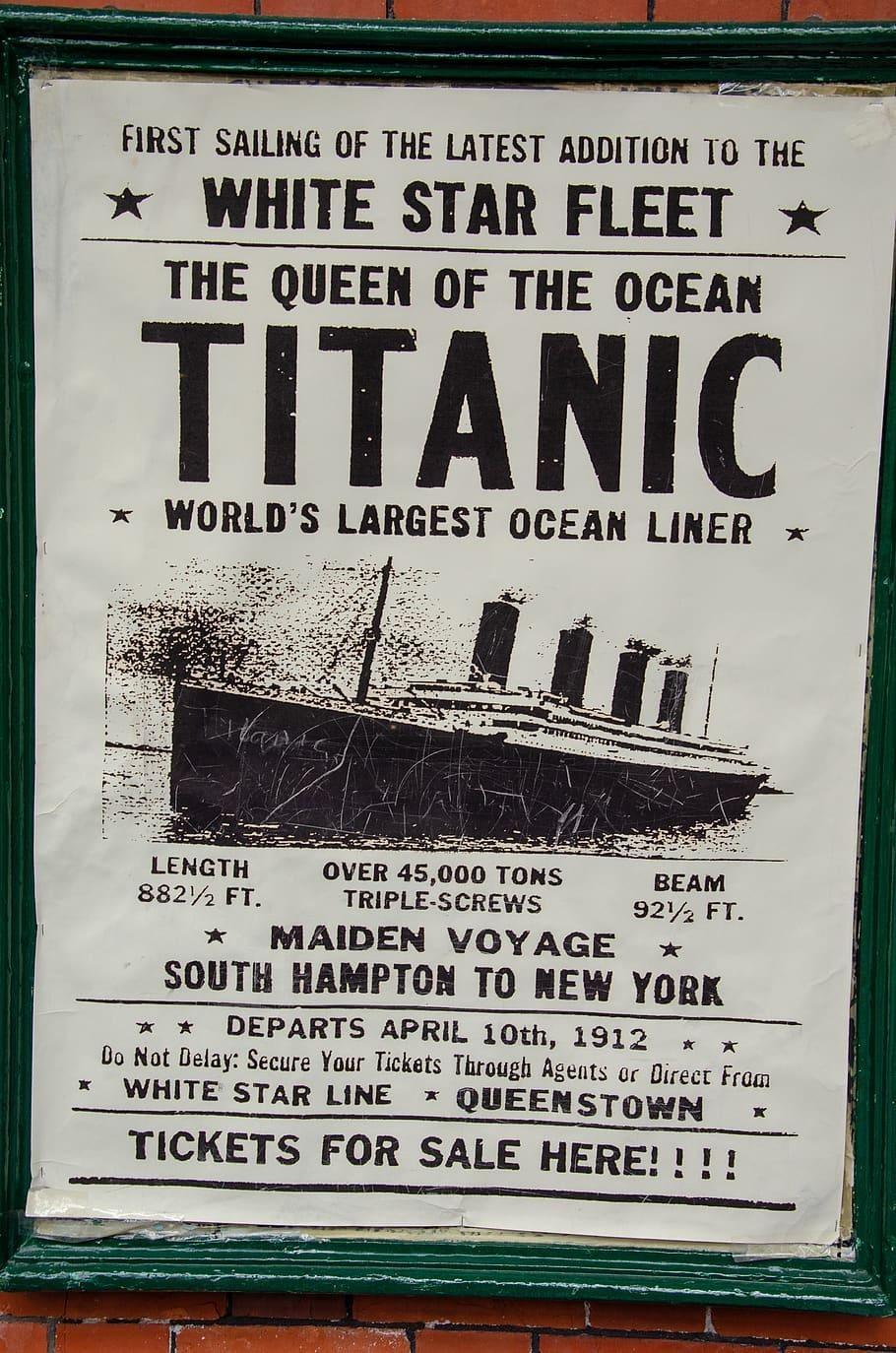
In Term 1 for Extension Group it has been really hectic. My original Essential Question was ‘How have different views from historical periods affected the popularity of cats?’ but from that it became ‘How has the sinking of the Titanic affected the construction of ships today?’ It was tricky to reserach so I ended up not having time to fully answer this in my presentation. Despite this, I learnt many things from that question.
The Titanic sank due to ignorance and misinterpretation. The fatalities rose due to bias, building flaws and not filling vacant seats. Now I realise that the lifeboat shortages weren’t the Titanic’s downfall, and future cruise liners now are more aware of safety protocols and making sure as many people as possible survive.
If I were to do this project again, I would have fixed my incorrect grammar (Shame, shame) and focused more on the passenger and Essential Question side of the project. And perhaps present my findings in a different form. I faced many challenges on my quest to find the perfect topic which affected the standard I carried out my work, but all in all, I think I did well, considering that I created the slideshow in two weeks. So, yes, you would say that I’m proud of myself.
Abbie
My Essential Question:
To what level has women’s rights changed, and how has fashion impacted it?
Why did I want to answer this question?
The reason I chose this question as my essential question is because I thought it was really silly how women weren’t allowed to do the same things as men, even though they had no reason to be treated differently.
My answer to the essential question was…
In the earlier years, women followed rules that were sexist and wrong. Some being: girls can’t wear pants, girls can’t play sports or run, girls are meant to be in the kitchen providing for the family instead of working.
All of those have been changed, but why? Over time women became more independant, especially during World War 1 and 2, as they had to work to provide while their husbands were most likely fighting. During that time, they then realised they deserved to be working as much as the men did, and they started standing up for themselves.
One way they decided to do this was through fashion, by wearing pants and cutting their hair short. Fashion helped women express who they were and who they wanted to be. Slowly and step by step things changed, like women being able to vote, to work and play sports. If fashion hadn’t been there, they would only be able to protest with words, having fashion gave them a chance to protest quietly and legally, eventually achieving the result they have today.
What surprised me about my answer was how long it was. This change for women happened over a long time so I couldn’t word my answer into a single sentence without missing key details.
What would I do differently?
I would start by doing dot points on my slides instead of big paragraphs, that way I can talk without people's attention drifting to my writing and reading ahead during my presentation.
I would also try not to include so much information in the presentation. I found that I was falling behind and ended up rushing to finish, and having to skip some of my project.
Any challenges I had?
The challenge I had was trying to stay focused, working for two hours, eventually my brain starts to go into “everything other than my project is more interesting right now" mode.
George:
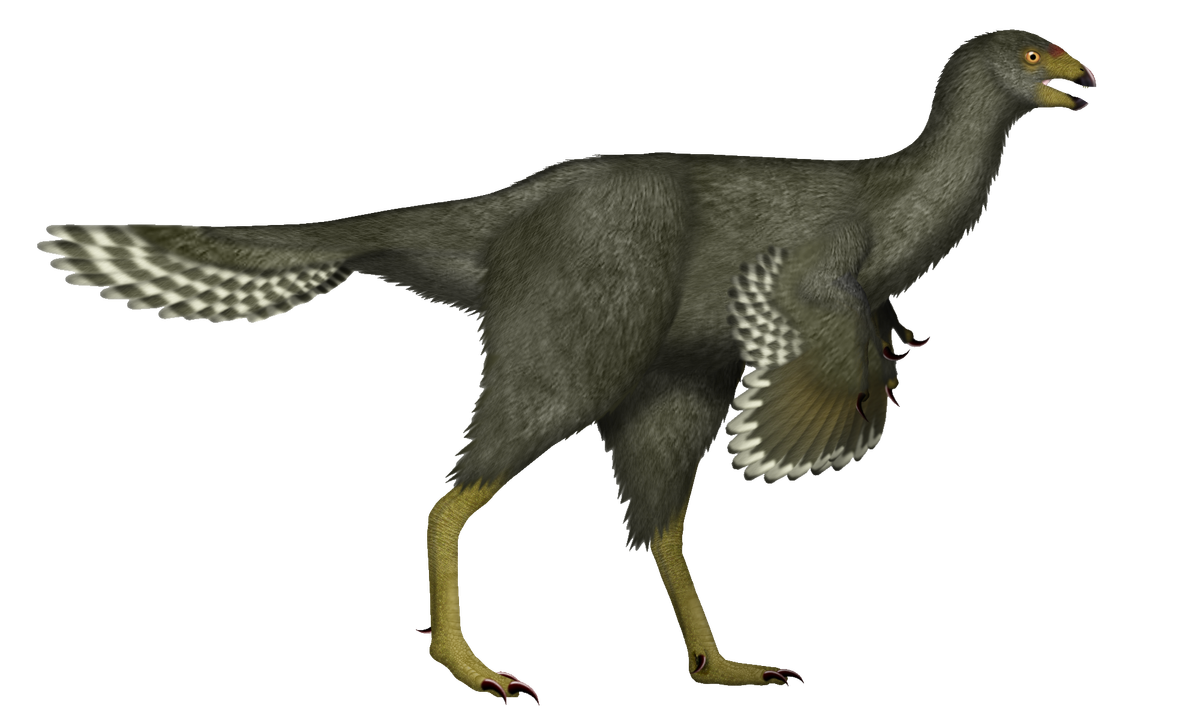
‘How does the evolutionary history of birds as “living dinosaurs” shape their modern day survival strategies?’ This was my essential question.
I wanted to answer this question because I did not know a lot about how birds and dinosaurs were related, as I usually would think dinosaurs are huge reptiles and birds are just small feathered creatures.
It surprised me when I realised that dinosaurs and birds actually had a lot of similarities. Even when I did realize that they were related, I thought it would be dinosaurs → birds. I never realized there was a stage in the middle – the Archaeopteryx.
There are many things I would do differently next time during my research, for instance:
- Make a presentation instead of a video.
- Don’t use a venn diagram for answering the essential question.
- Spread the information evenly – Everything was stacked into the second page and the other pages didn’t have a lot of information.
- Focus more on the essential question rather than gathering random information.
There were a few challenges when I made this project, including pondering whether I should use a written response or using a venn diagram to present my answer.
Tournament of Minds
Tournament of Minds is returning to St John’s as a part of our Extension Education opportunities in 2026. Tournament of Minds is a problem solving programme for teams of students from both primary and secondary years. Groups are required to solve demanding, open-ended challenges from one of the following disciplines:
- Science Technology Engineering Mathematics (STEM)
- The Arts
- Social Sciences
- Language and Literature
Tournament of Minds is an opportunity for students with a passion for learning and problem solving to demonstrate their skills and talents in an exciting, vibrant and public way.
Teams of 7 students (from Years 5 - 6) are required to work together on a Long Term Challenge for six weeks at school, without assistance from teachers, parents or peers. They are encouraged to explore possibilities and experiment with ideas as they endeavour to produce their best possible solution. They develop a creative and original way to communicate this solution to others, working within predefined parameters such as limited materials, complex challenge criteria and the deadline of Tournament Day.
Students present the product of their ideas - their challenge solution - to a panel of judges and an audience on Tournament Day. They have ten minutes in which to present and must do so within a 3 metre by 3 metre performance area.
The teams must also participate in an unseen Spontaneous Challenge on Tournament Day. This challenge requires rapid interchange of ideas, the ability to think creatively and well developed group cooperation skills. Tournament Day is either 15th or 16th August at Deakin University in Burwood.
In the coming weeks, we will meet with students to explain the programme and ask them to complete an application form if they are interested.
Please let us know if you have any questions or concerns. More information can be found at www.tom.edu.au
Ange Crowe - Learning Diversity/Learning Enhancement Leader acrowe@sjmitcham.catholic.edu.au
Mel Kerwin - Learning Enhancement Officer mkerwin@sjmitcham.catholic.edu.au