Student Wellbeing

Living and Growing Program
Relationships and sexuality education begins at home and is supported by schools as part of a broader Health curriculum that promotes student wellbeing, respectful relationships and personal safety.
Next term, students in Years 3–6 will participate in the Living and Growing program, delivered by Sex Education Australia. The program is age-appropriate and aligned with the Victorian Curriculum, providing students with accurate information and opportunities to develop skills that support healthy relationships and positive decision-making.
Parents are invited to attend an information evening to learn more about the program content and ask any questions they may have.
Online Information Evening for Parents
Date: Thursday 30th July
Time: 7.00pm – 8.00pm
Mindfulness
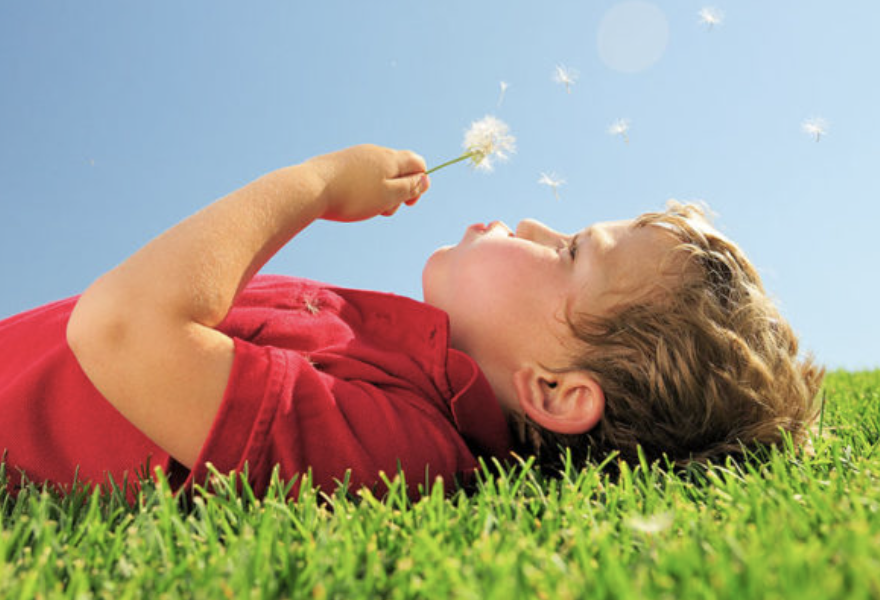
In an increasingly busy and stimulating world, mindfulness offers children a powerful tool for managing stress, regulating emotions, and developing self-awareness. At its core, mindfulness simply means paying attention to the present moment, on purpose and without judgement.
Despite common misconceptions, mindfulness does not require sitting still in silence for long periods. For primary-aged children especially, it can be woven into everyday moments in simple and accessible ways.
Why does it matter?
Research shows that regular mindfulness practice can reduce anxiety, improve focus and attention, strengthen emotional regulation, and improve sleep quality in children.
Simple ways to practise mindfulness at home:
Mindful breathing. Teach your child to take three slow, deep breaths when they feel overwhelmed. A helpful visual is "smell the flowers, blow out the candles."
Body scan. Before sleep, ask your child to notice how each part of their body feels, starting from their toes and moving upward. This promotes relaxation and body awareness.
Mindful moments. Encourage your child to fully notice one everyday activity: eating a meal, walking to school, smelling a flower in the garden, using all of their senses.
Gratitude check-in. At dinner or bedtime, share one thing each family member noticed or appreciated that day.
Mindfulness is most effective when it is modelled by the adults around children. Even a few minutes each day can make a meaningful difference over time.