Deputy Principal, Mrs Kadi Carr & Mrs Bec Baird
Attendance
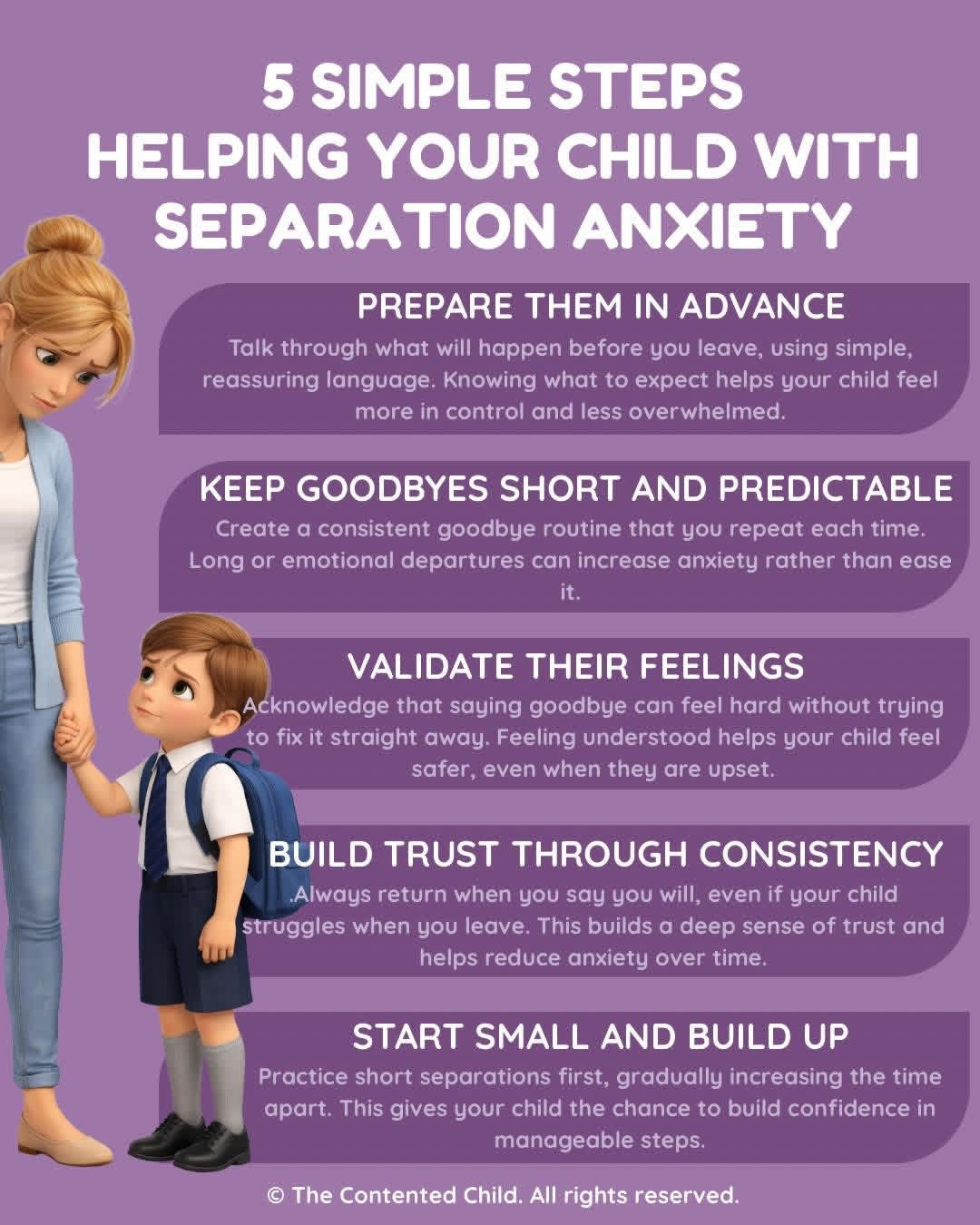
Starting school each day can feel exciting for many children, but for some students, separating from a parent or trusted caregiver can be overwhelming and distressing. Separation anxiety is a common and developmentally normal experience, particularly in the early years of primary school, however some students may experience anxiety that is more intense, persistent, or impacts their ability to engage successfully in learning and social situations at school.
Students experiencing separation anxiety may present in different ways. Some may become visibly upset at drop-off, while others may complain of headaches or stomach aches, avoid participating in classroom routines, or find it difficult to settle and regulate throughout the day. These behaviours are not acts of defiance; rather, they are signs that a child is experiencing genuine worry and emotional distress.
Schools play an important role in supporting students to feel safe, connected and confident in the learning environment. Positive relationships, predictable routines, calm transitions and strong partnerships with families can significantly reduce anxiety and help students develop coping strategies over time. By recognising the signs early and responding with empathy, consistency and appropriate support, educators can help students build resilience, strengthen their sense of belonging, and experience success at school.
Social and Emotional Learning - SEL
This term, students across the school have been continuing to engage in our Social and Emotional Learning (SEL) program, developing important skills to support their wellbeing, relationships and learning success. Through explicit lessons and classroom discussions, students are learning how emotions, thoughts and actions are connected, and how they can make positive choices when facing challenges.
Our next focus is on the concept of Total Behaviour, explored through the “Total Behaviour Car” model. Students have been learning that, just like a car has four wheels working together, our behaviour is made up of four connected parts: acting, thinking, feeling and physiology (what is happening in our bodies). The program teaches students that while we may not always be able to directly control our feelings or physical responses, we can make choices about our actions and thoughts, which can positively influence the other parts over time.
Using the Total Behaviour Car helps students build self-awareness and emotional vocabulary, while also encouraging reflection and problem-solving. Students have explored questions such as: What thoughts are driving my behaviour?, How does my body feel when I am worried or frustrated?, and What actions can help me feel calmer or more successful?
These lessons support students to develop resilience, emotional regulation and positive relationships with others. We encourage families to continue these conversations at home by asking children about the “four wheels” of their Total Behaviour Car and discussing strategies they can use when facing big emotions or difficult situations.
By working together, we can continue supporting our students to become confident, capable and emotionally aware learners.