Wellbeing
Fiona Dandie & Robert Pain
Wellbeing
Fiona Dandie & Robert Pain
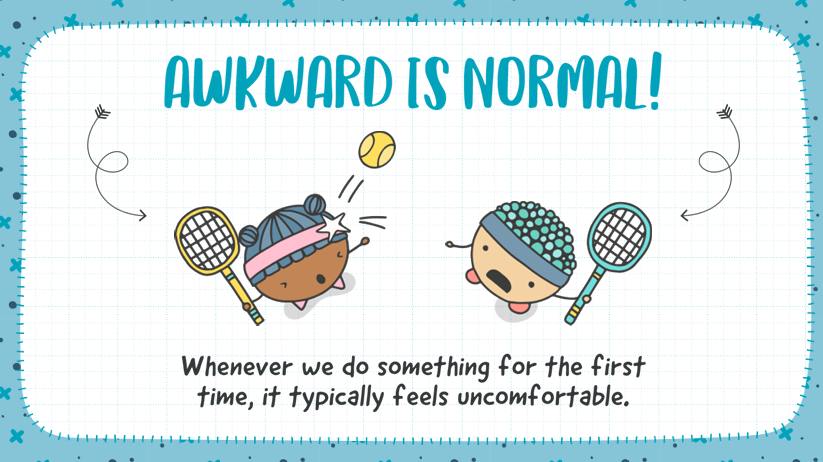
One of the big things to remember is that when you start making new freindships its normal for things to feel awkward and uncomfortable at first!
What are some ways to make and keep friends?
Here are 4 simple strategies to help kids make friends and get past the awkward stage. Role-playing at home can help kids feel confident in using these new skills
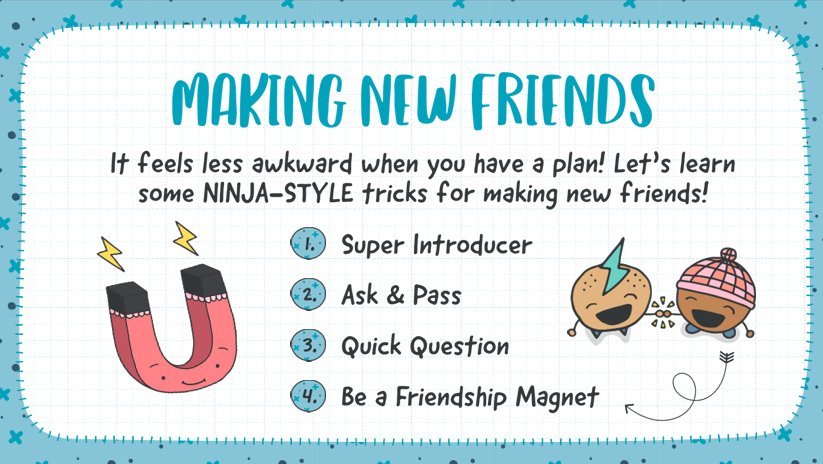
Learn to be a Super Introducer!
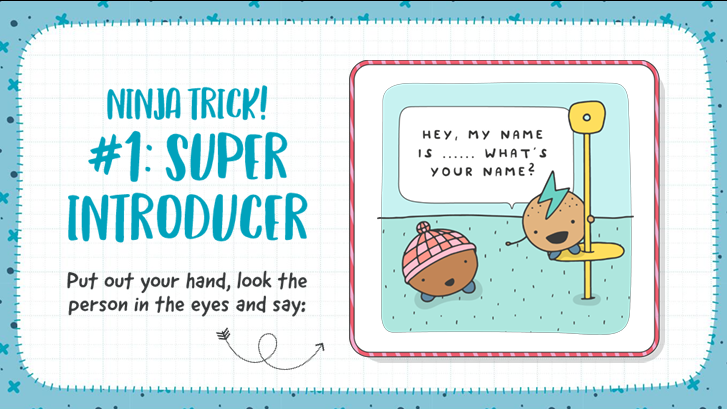
A Super Introducer doesn’t hesitate; they immediately put out their hand, look the person in the eyes, and say, "Hi, my name is [insert your name]." What’s your name?” If role-playing with your child, be sure to act it out with confidence. Practice giving a proper handshake or a germ-safe greeting (elbow tap). Then, discuss the importance of eye contact. Talk about why it is important to look the person in the eyes. Finally, explain that we ask for their name to get the conversation going.
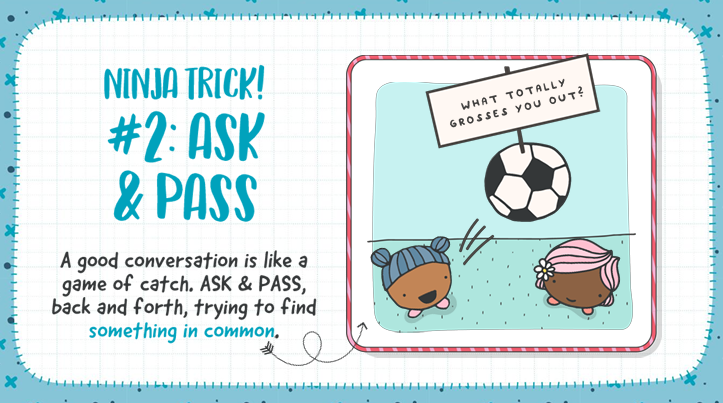
Now Ask and Pass
The "Ask and Pass" conversation strategy is a simple, effective method for teaching children to engage in two-way conversations, avoid interrupting, and maintain interest in others, often compared to playing a game of catch. It encourages children to be active listeners who contribute to discussions rather than dominating them or allowing conversations to die.
Tips to Teach "Ask and Pass"
Use "Wh-" Questions: Focus on teaching "What," "How," and "Why" questions, which are more engaging than "Do" or "Did" questions.
Managing Interruptions "The Pass": If a child wants to interrupt, teach them to:
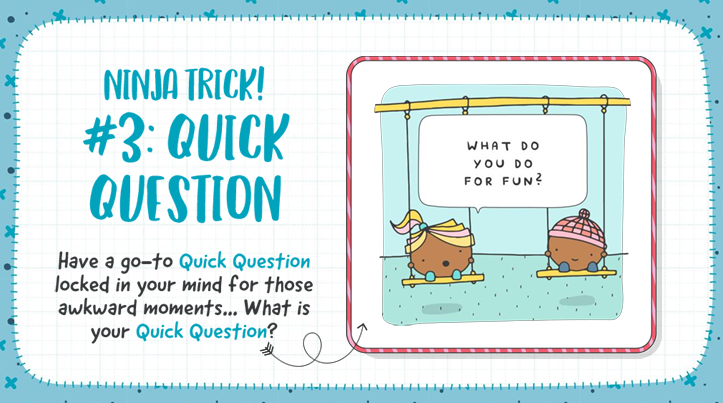
Be Ready with a Quick Question
Have a few questions preloaded, ready for when you are lost for words. Questions need to be open-ended and useful in lots of situations. These ready-to-go questions help conversations go.
Example Quick Questions:
About Their Day (Instead of "How was school?")
"Who made you smile or laugh today?"
Imaginative & Fun
"If you could fly anywhere on a magic carpet, where would you go?"
Feelings & Friendships
"What helps you calm down when you’re upset?"
Hobbies & Favorites
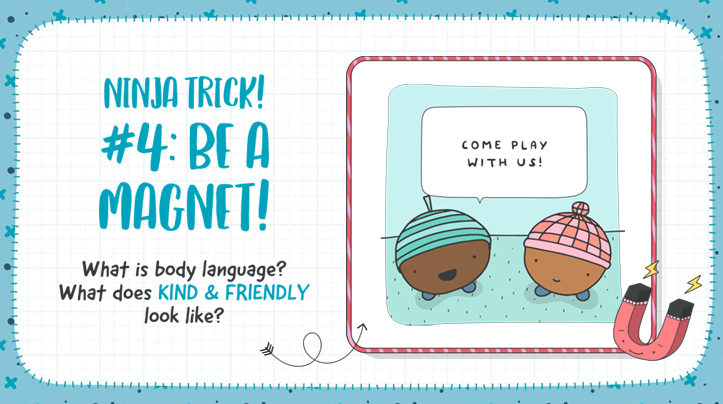
Be a Friend Magnet!
The best way to make and keep friends is to be kind and friendly. Together, you could practise what kind and friendly body language looks like, smiling, making eye contact, waving, and using a warm tone of voice. You might even turn it into a game by showing different types of body language and asking your child, “Would this attract or repel a friend?”
It’s also important to talk about feeling shy. Let your child know that it’s completely normal to feel shy sometimes, and reassure them that they can still show friendly body language even when they feel unsure inside.
A key message we explored is the importance of being yourself. Encourage your child to talk about what they enjoy and what makes them happy. When children feel confident being themselves, they are more likely to connect with others who share their interests, helping them form genuine, positive friendships.
By practising these small, everyday behaviours, you can support your child to build confidence, strengthen social skills, and develop respectful, meaningful friendships.
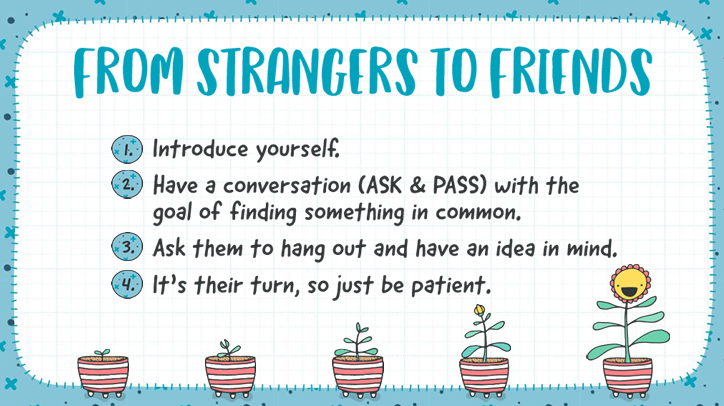
Ideas to Grow a Friendship
Introduce yourself: Say, “Who can remember the Super Introducer trick?”
Have a conversation: Tell them to find something in common with the person, by asking and passing. For example, “Do you have a brother? Me too!” or “Do you play Fortnite? So do I!” It is those simple connections that start a friendship.
Ask them to hang out: Explain that it’s easier to ask someone to hang out if they have a plan. Saying, “Wanna play with me?” feels much bigger than saying, “Hey, wanna go on the monkey bars?” Of course, if their new friend doesn’t want to go on the monkey bars, they can say, “No worries. What do you feel like doing?”
It’s their turn: Once they’ve asked their new friend to hang out once, wait and let the other kid reciprocate. Forming a friendship is a two-way street, so help them understand that they need to allow time for the friendship to grow.
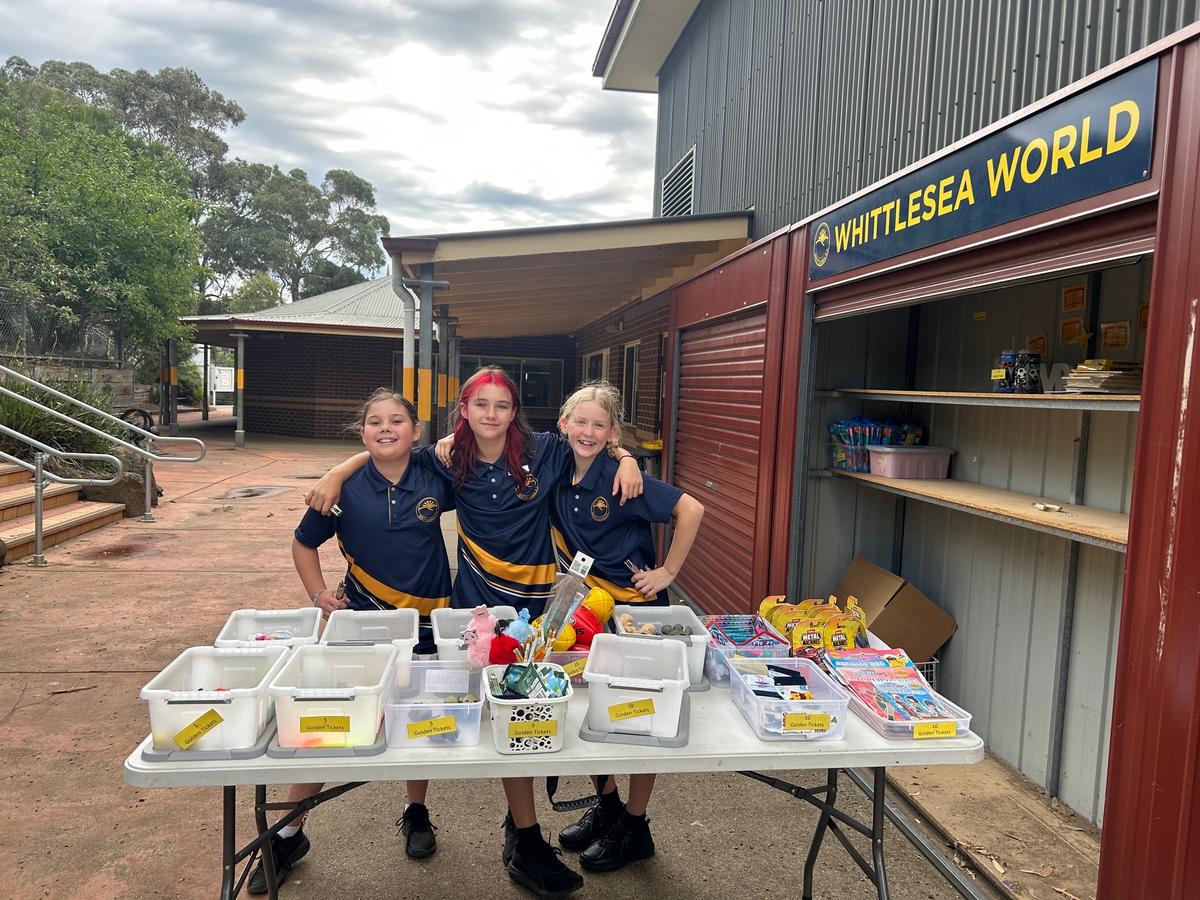
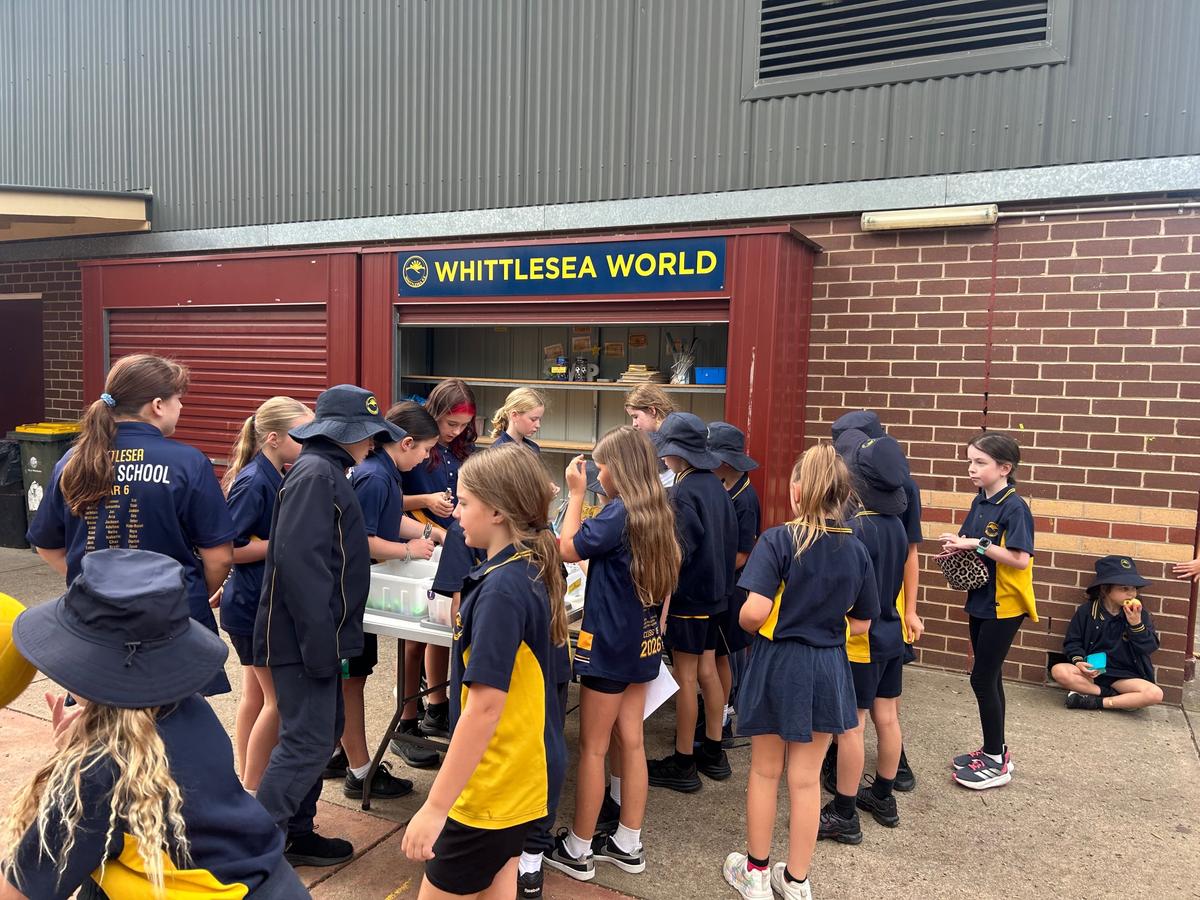
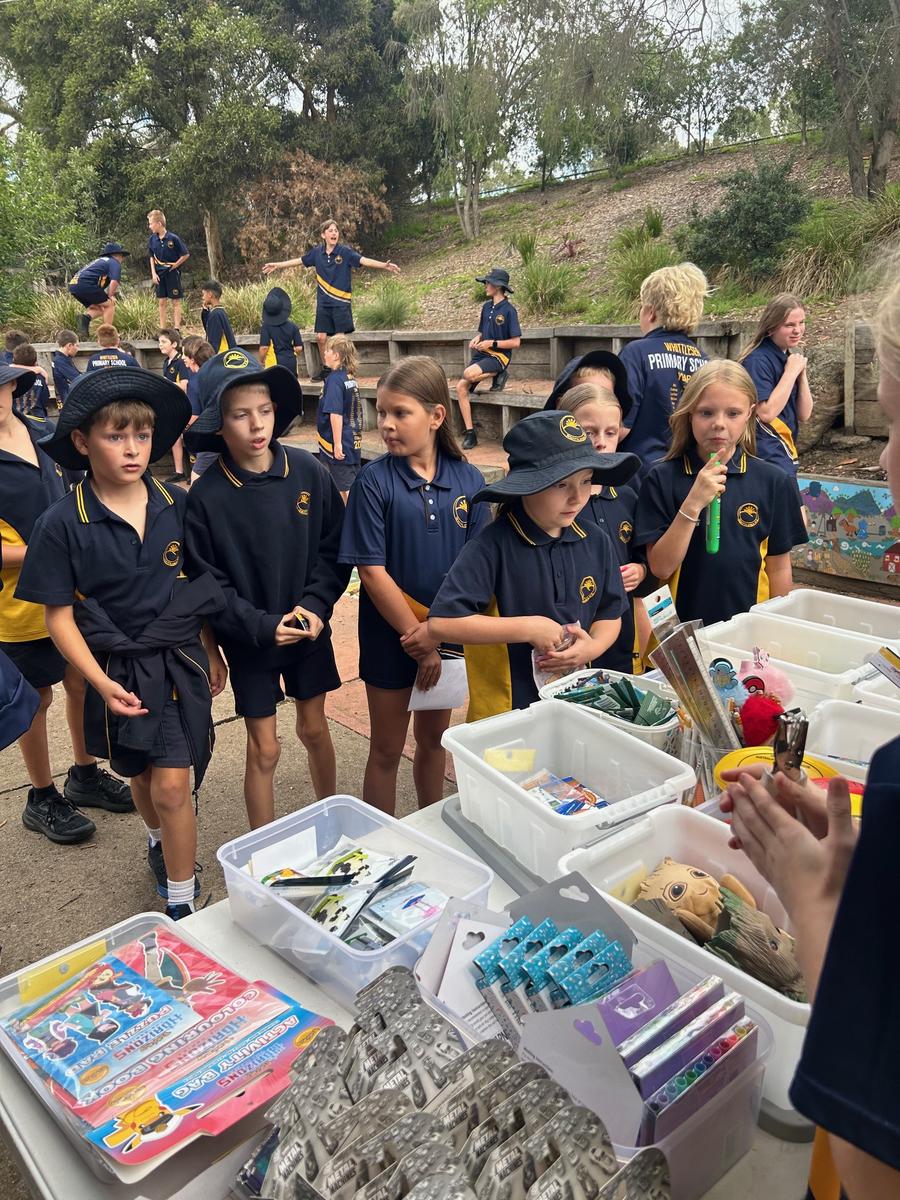
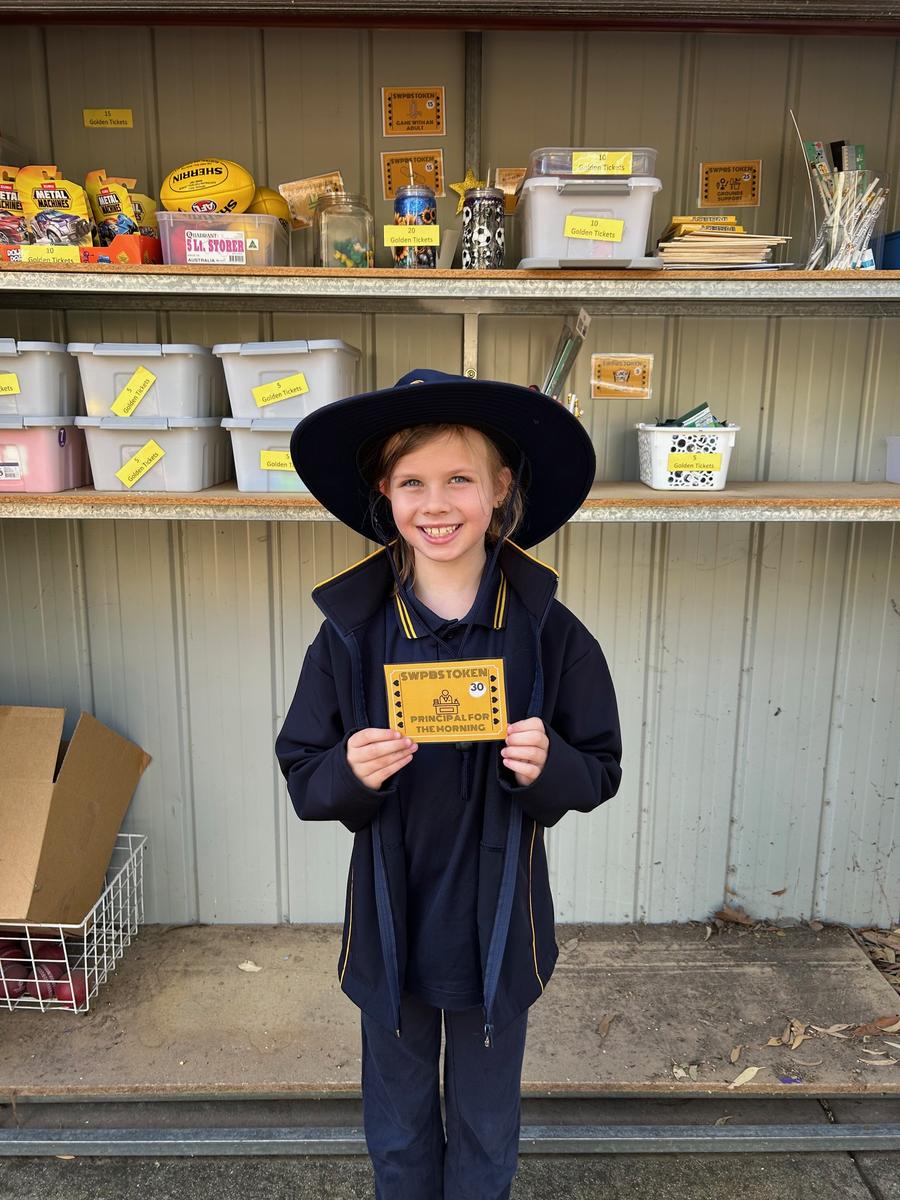
With the final week of Term 1 almost here, we celebrate the achievements of all students in what has been a highly successful term. This was evident in the massive turnout at Whittlesea World during Week 9. We want to congratulate all students who received a Golden Ticket this term for demonstrating our school values of 'Respect Your School', 'Help Others Succeed', and 'Do Your Best'. We want to make a special mention of our Foundation students, as most of them were trading their Golden Tickets for the first time. In total, more than 2,200 Golden Tickets were distributed throughout Term 1.
Here is a snapshot of Whittlesea World from Week 9.