Whole School Activities
Harmony Day
Last Wednesday, all small schools from the Thunderbolt Alliance—Kelly’s Plains, Kentucky, Kingstown, and Rocky—came together to celebrate Harmony Day. Our combined school community focused on the values that unite us—respect, inclusion, and a strong sense of belonging. Students from all schools participated in a variety of activities designed to encourage teamwork and appreciation for diversity.
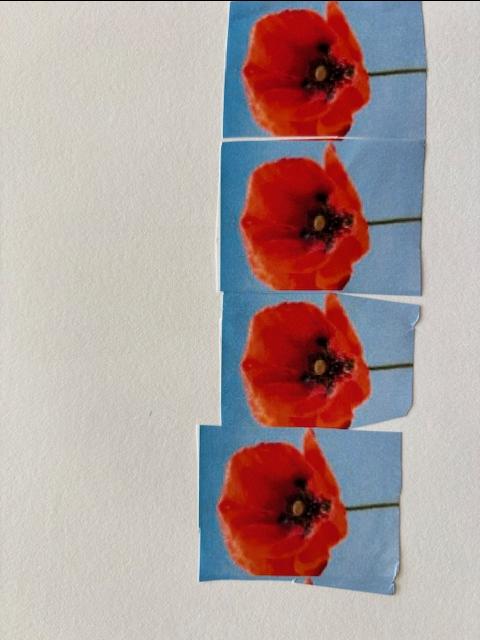
As part of the day, each student received seedlings that had been grown and carefully nurtured by Kelly’s Plains students, to take home and plant, fostering an ongoing connection to nature. Purple and red poppies were also distributed for our shared ANZAC garden, providing a meaningful way for us to honour and remember those who have served. We deeply appreciate everyone who helped make the day a success and the wonderful support from each school in our alliance community.
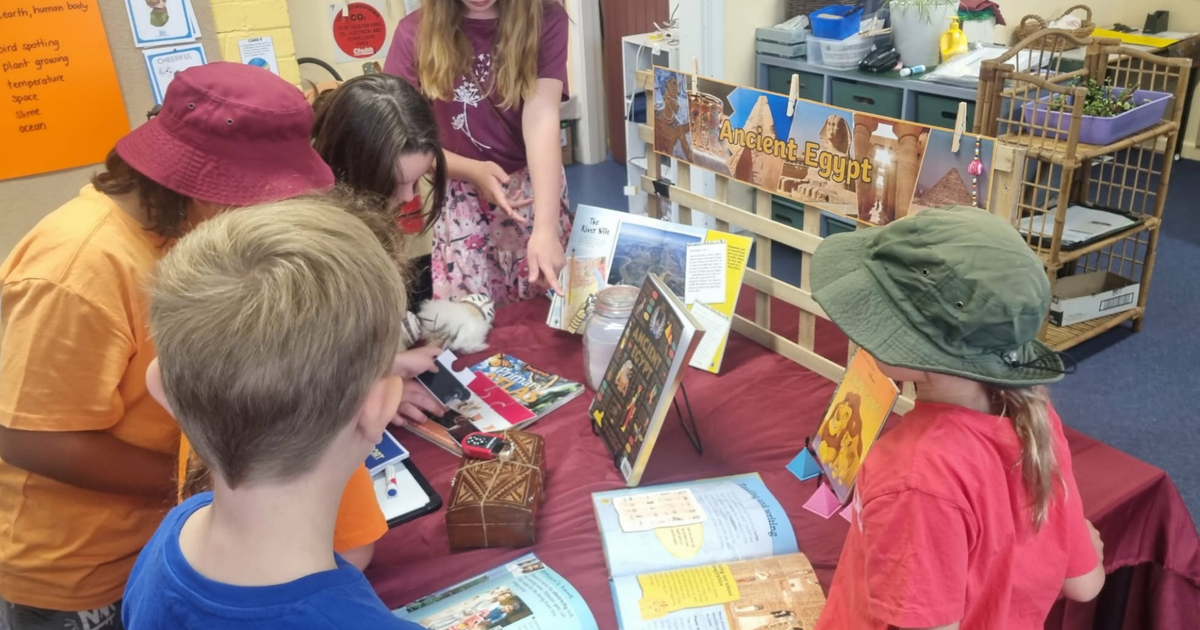
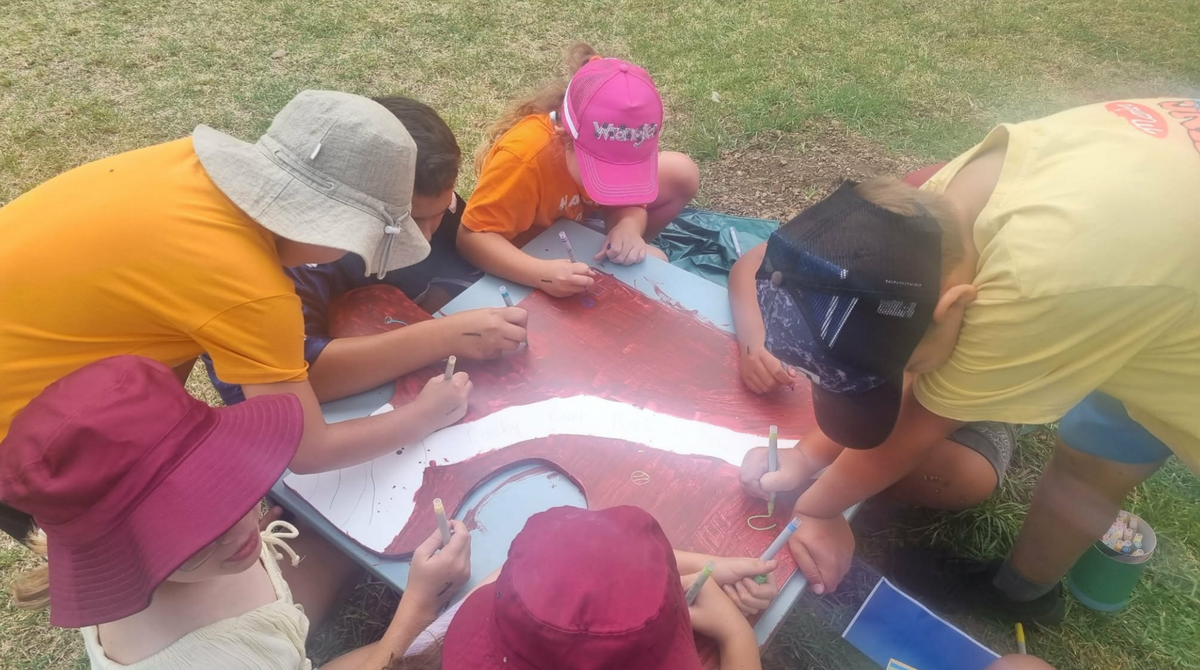
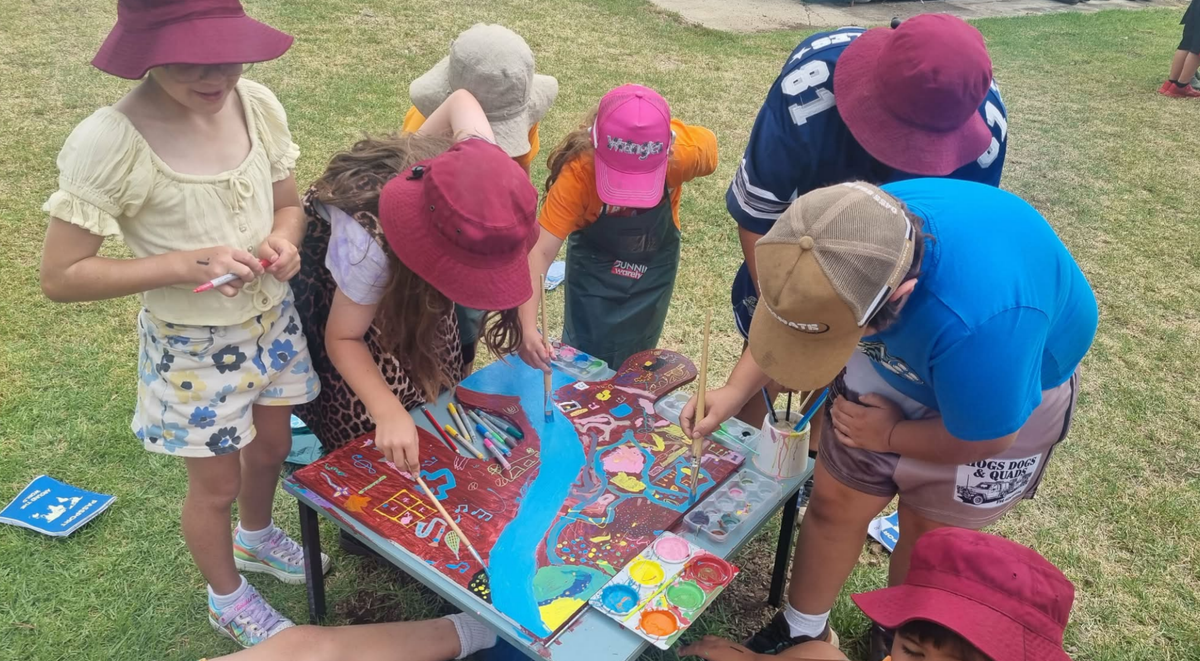
Anaiwan Language
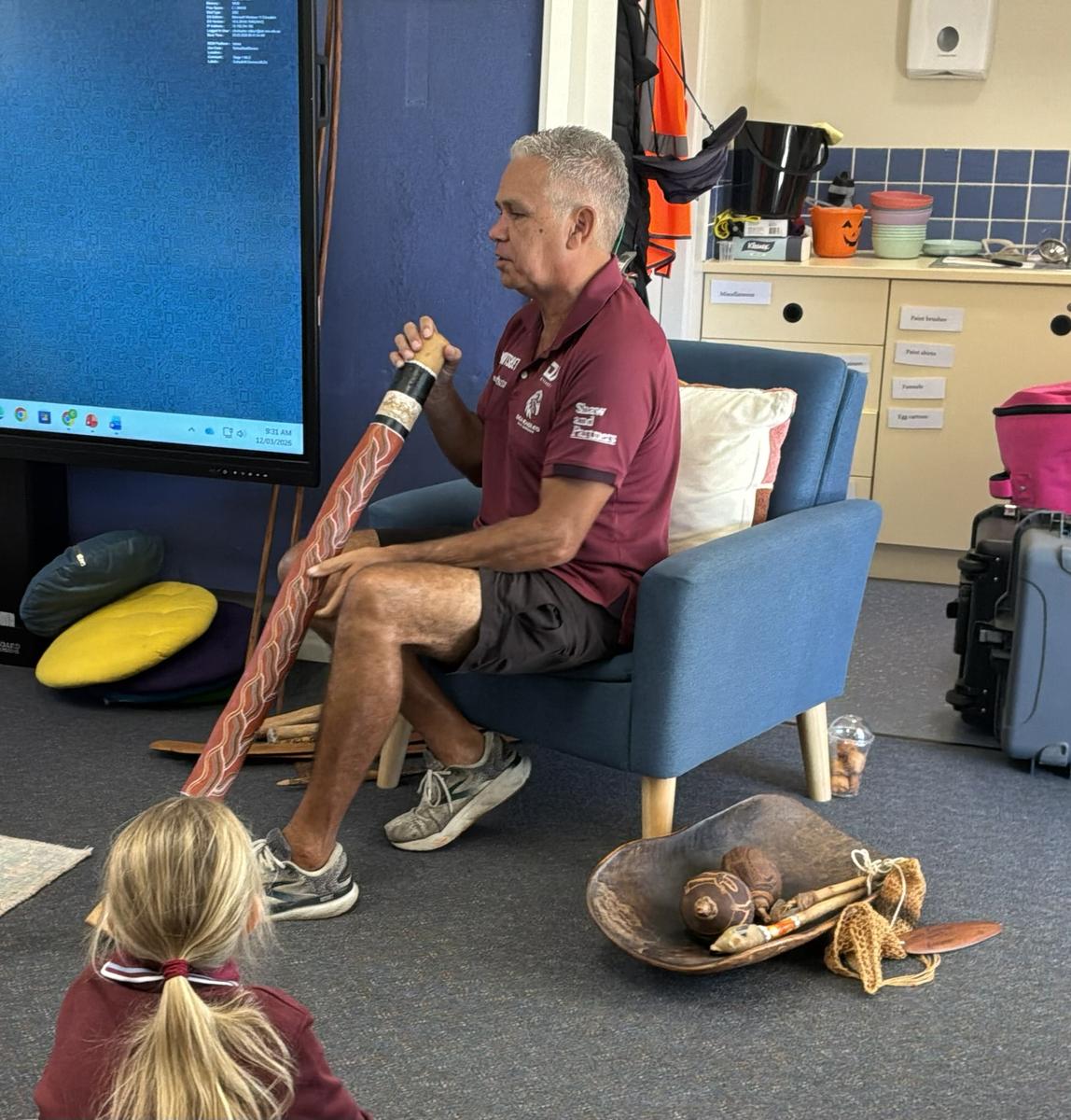
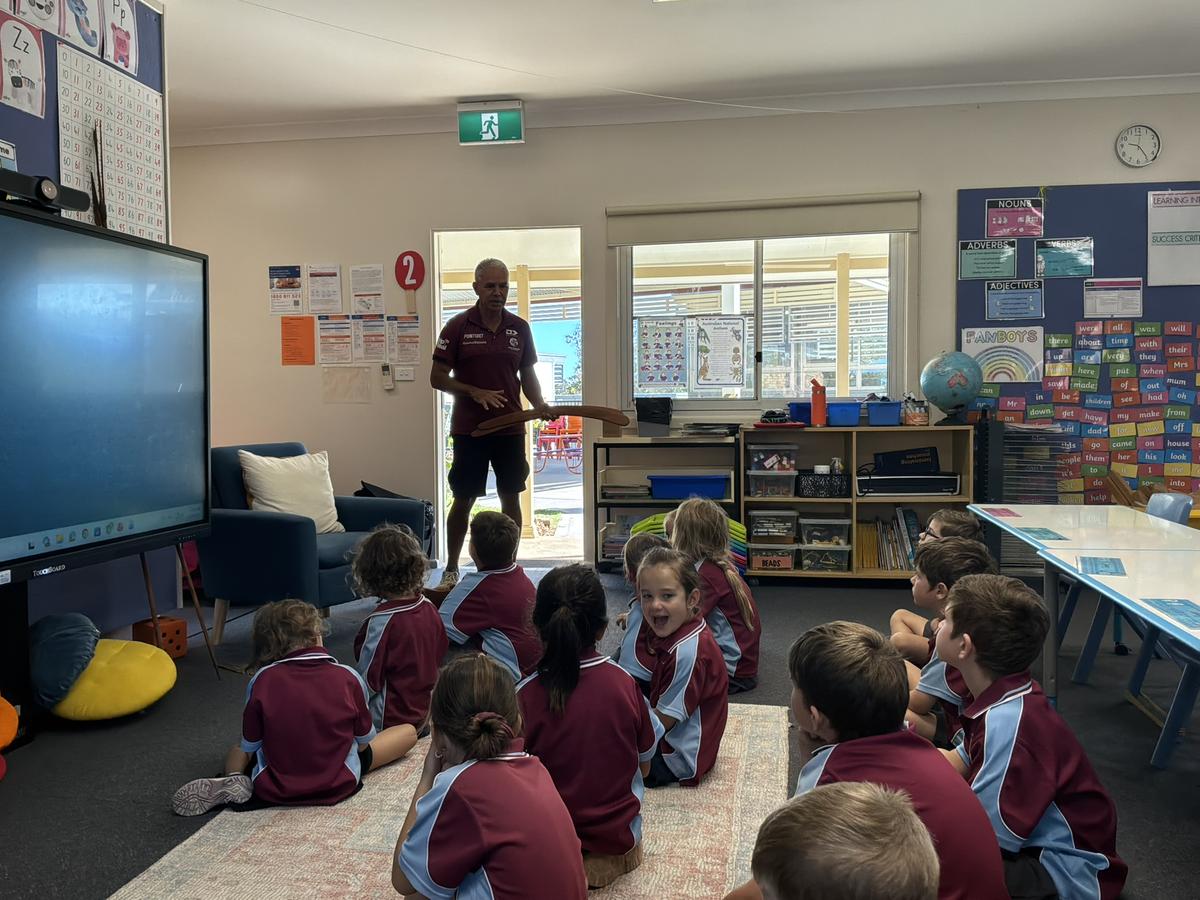
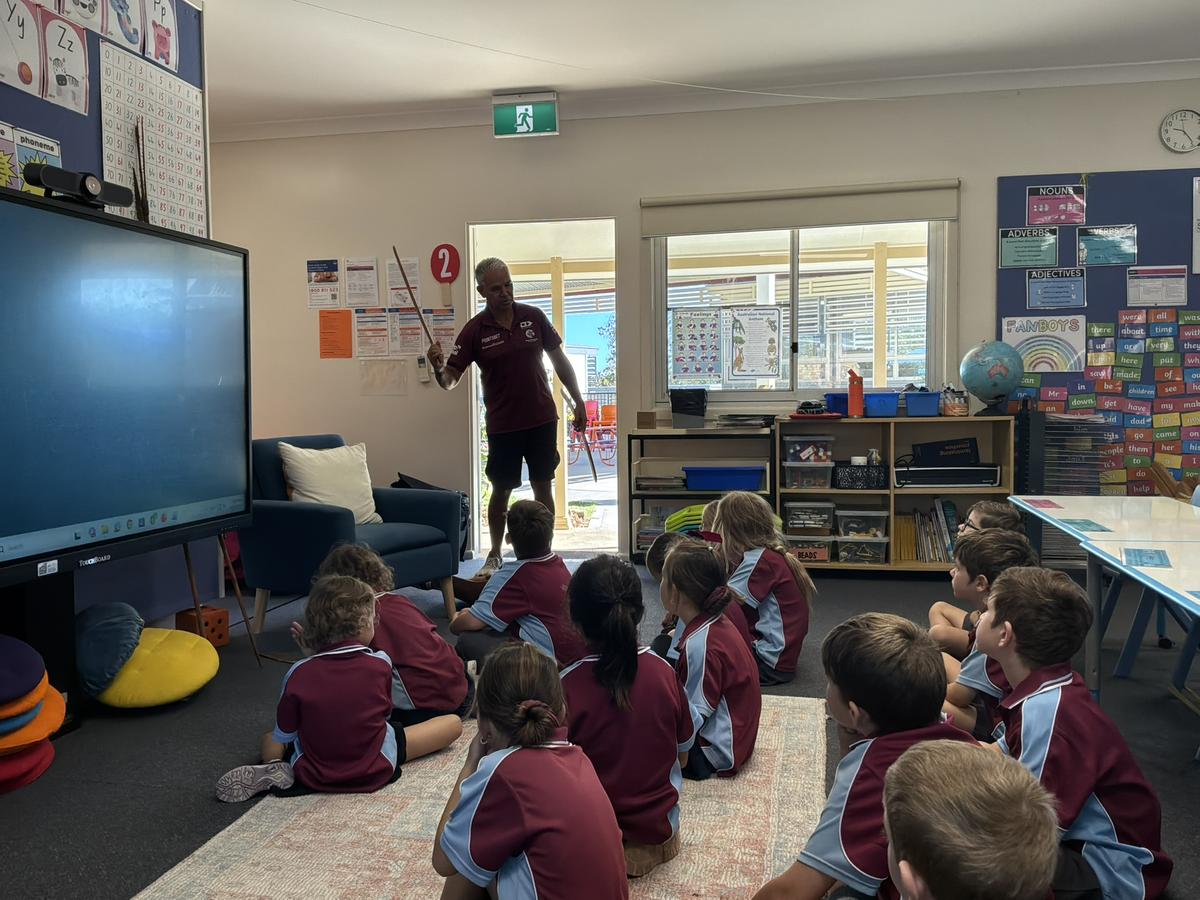
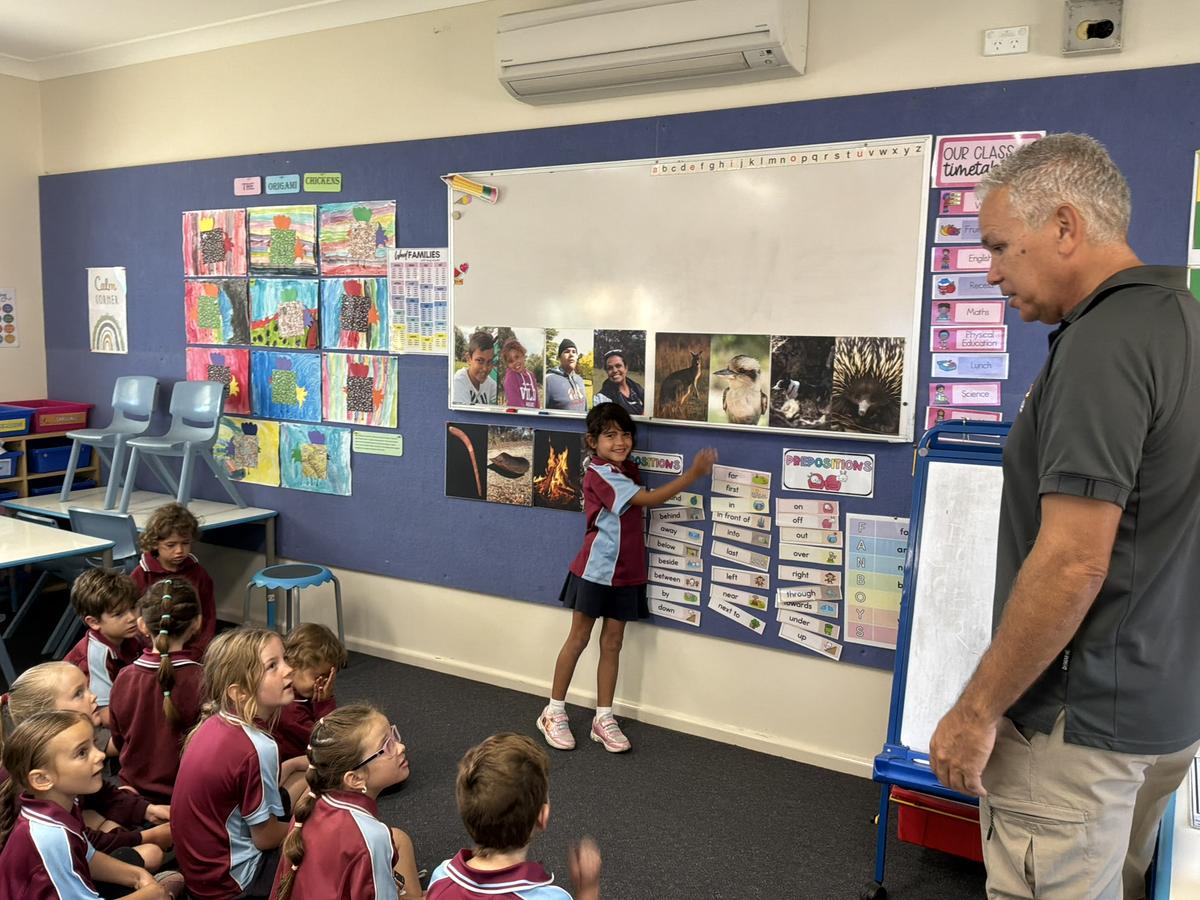
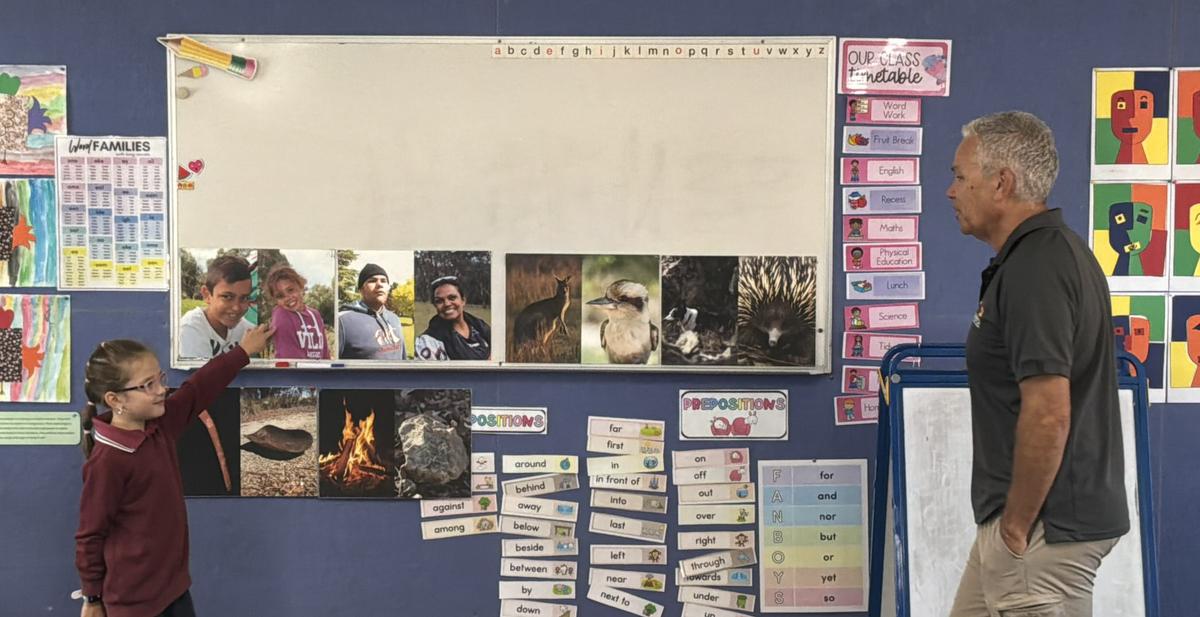
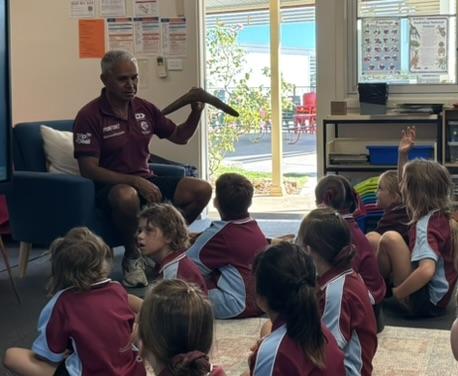
K-6 students are continuing with weekly Anaiwan Aboriginal Language lessons with Mima Dave. Students have now been exposed to over 50 words and are embedding this language in their day to day conversations. We have the utmost respect for the time and knowledge Mima Dave is sharing with our students, and we are truly enjoying authentic knowledge and culture sharing from Anaiwan perspectives.
Uralla Rotary Art Show & Uralla Shire Council Visit
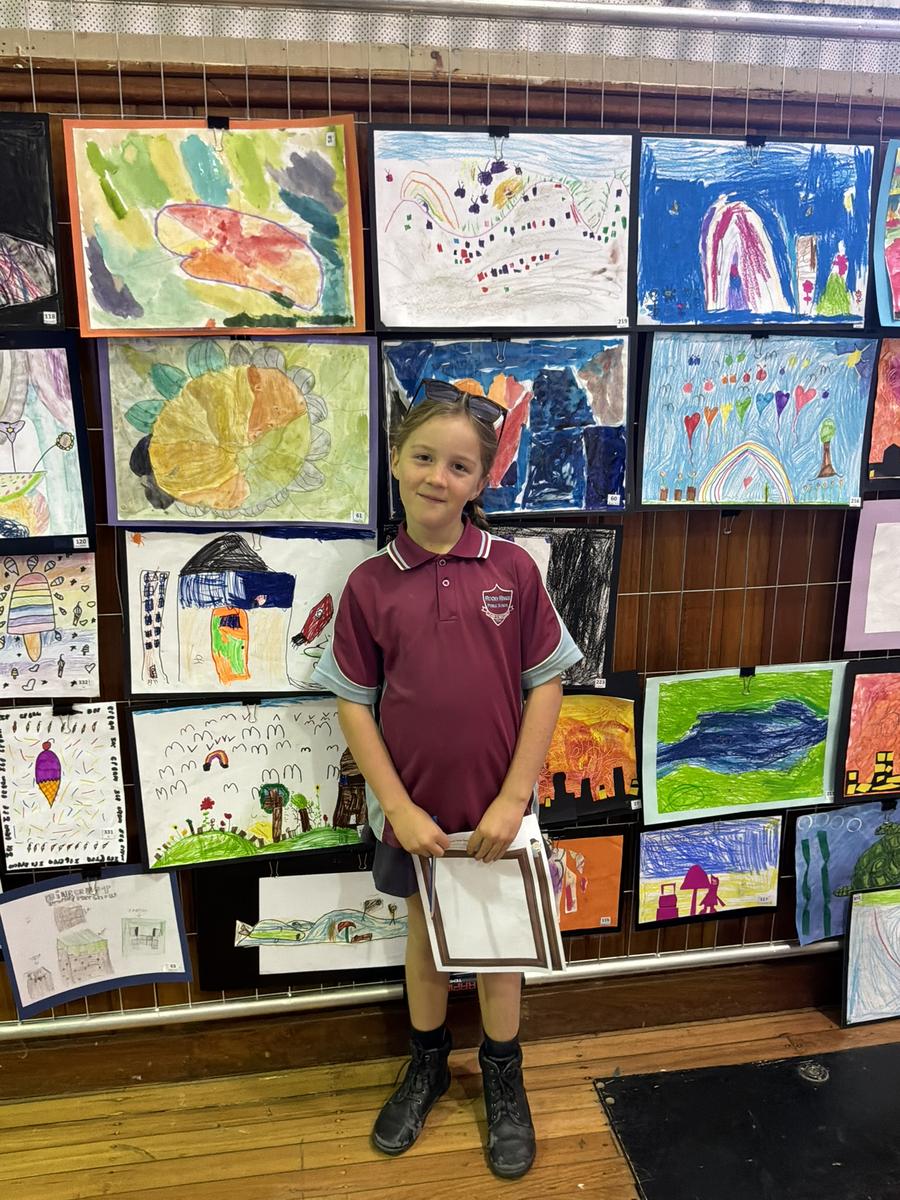
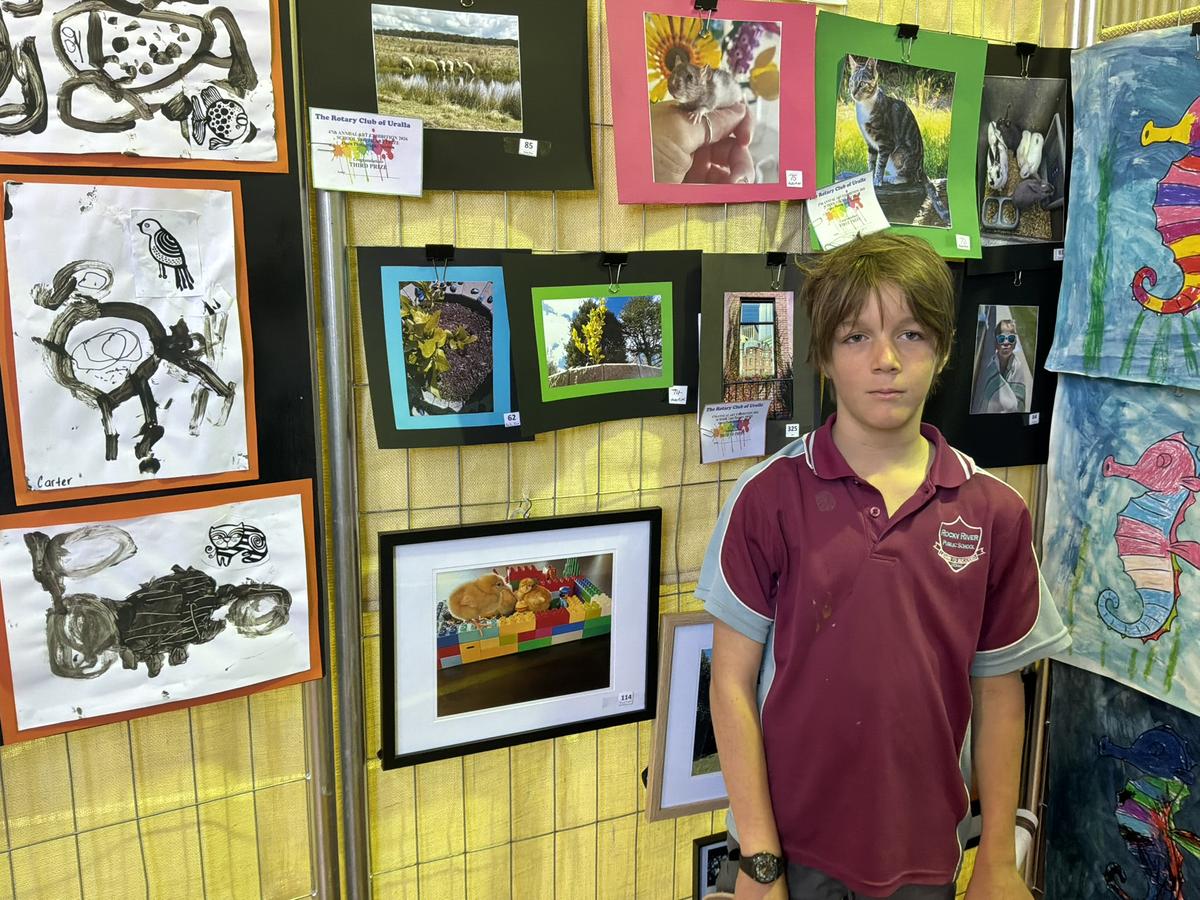
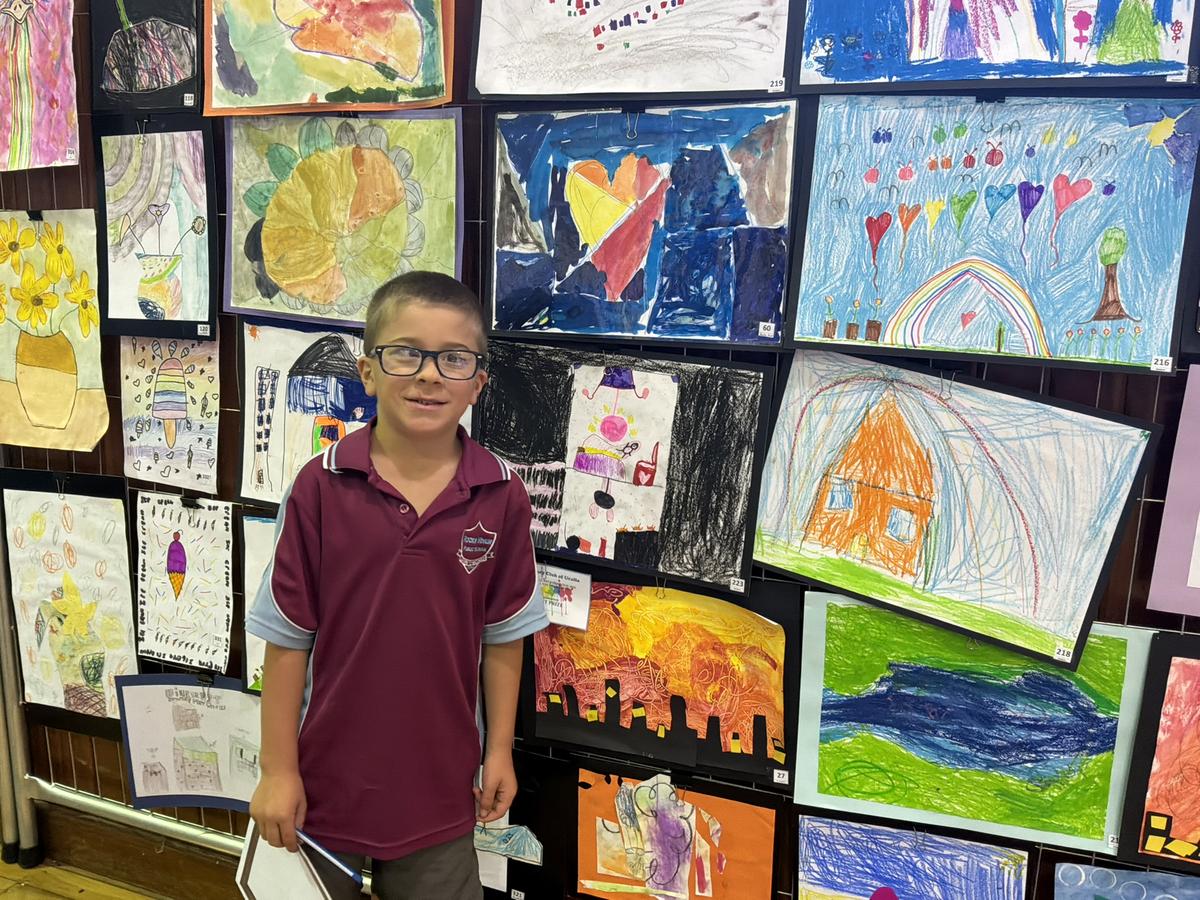
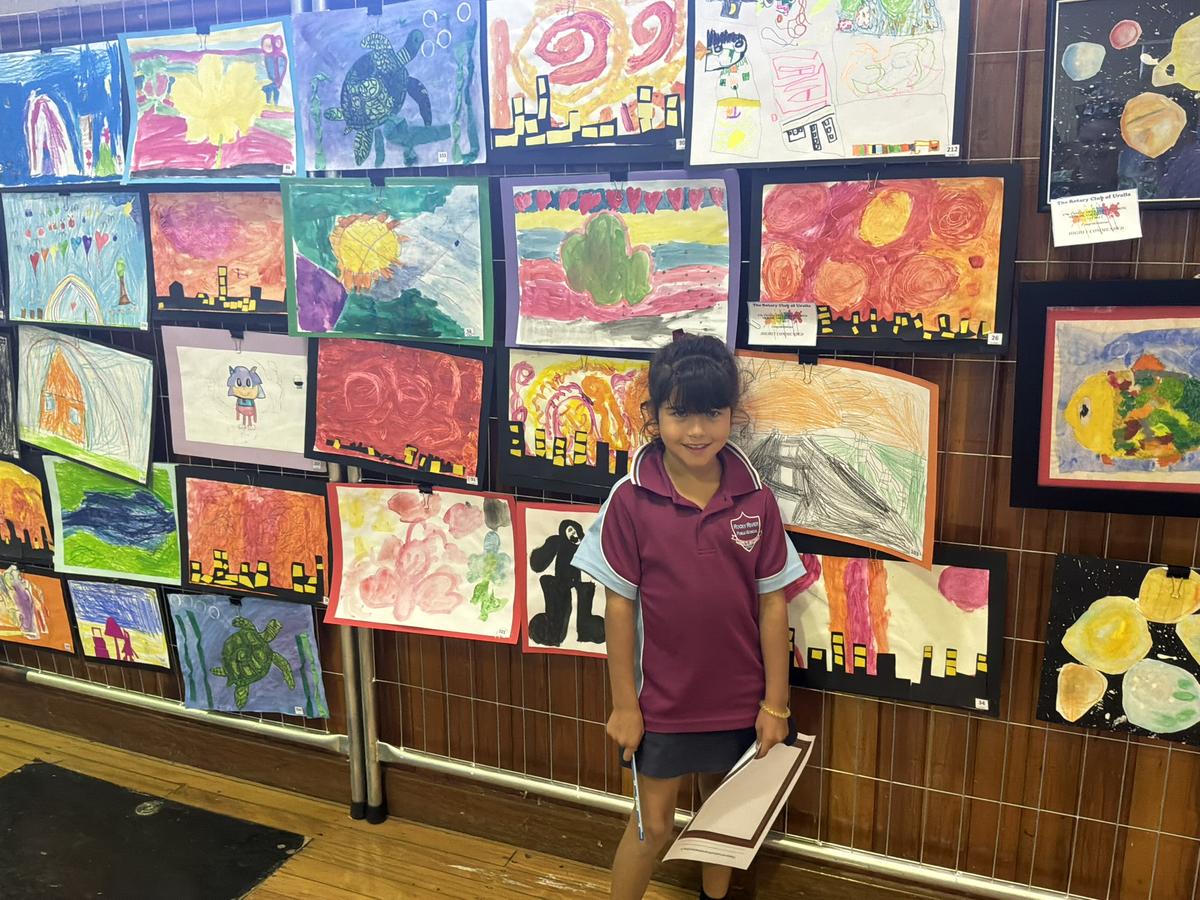
Today, our students enjoyed a wonderful opportunity to experience the Rotary Art Show, joining with Kentucky Public School for an inspiring excursion. Each student had a piece of their artwork submitted to the collection, and together they explored a diverse range of locally created art. Engaging in activities designed to deepen their observations, students reflected on the stories and emotion within each artwork. They discovered how art can make us feel happiness, evoke emotion, and even help cheer up those in hospital. By viewing and contributing to locally collated art, students appreciated how creativity is valued in our community and found inspiration in the abstract forms of nature—like clouds in the sky—that surround us every day.
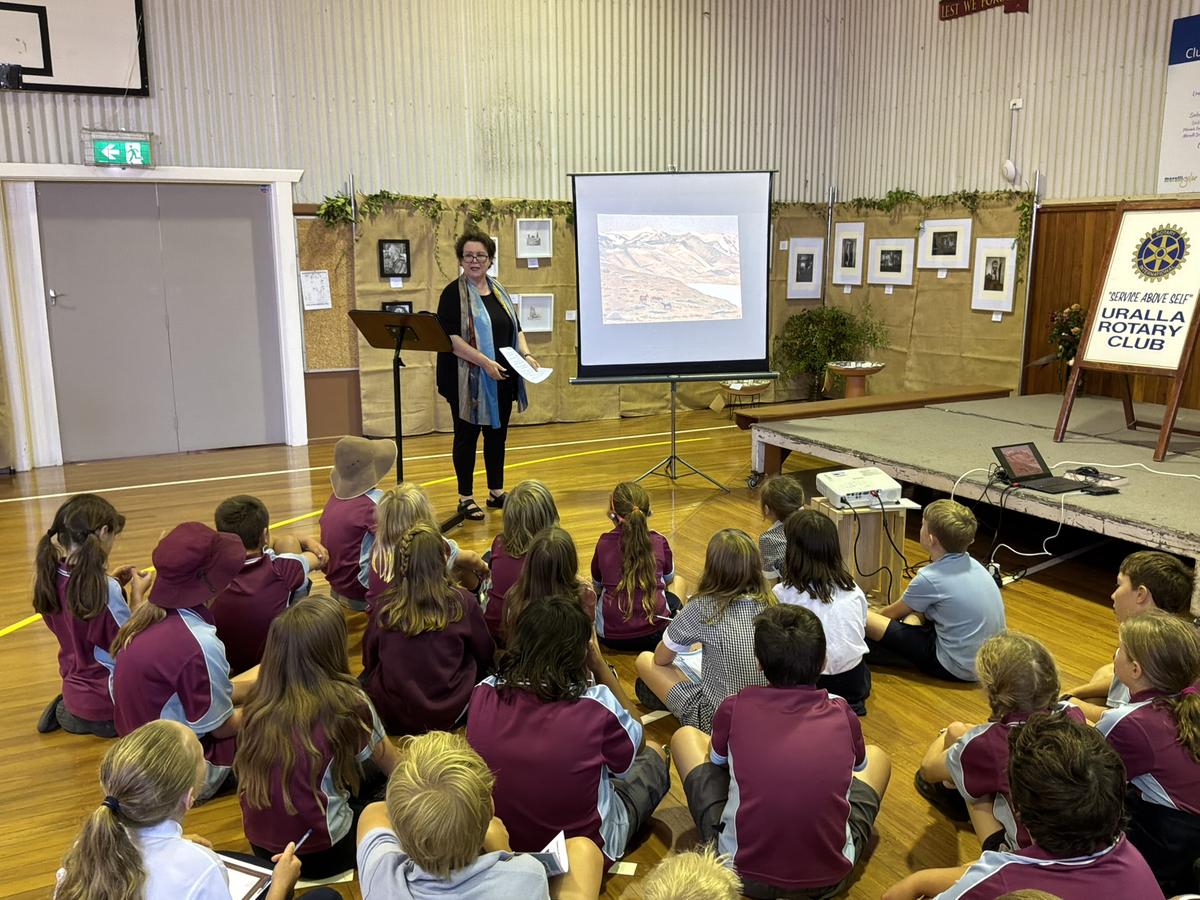
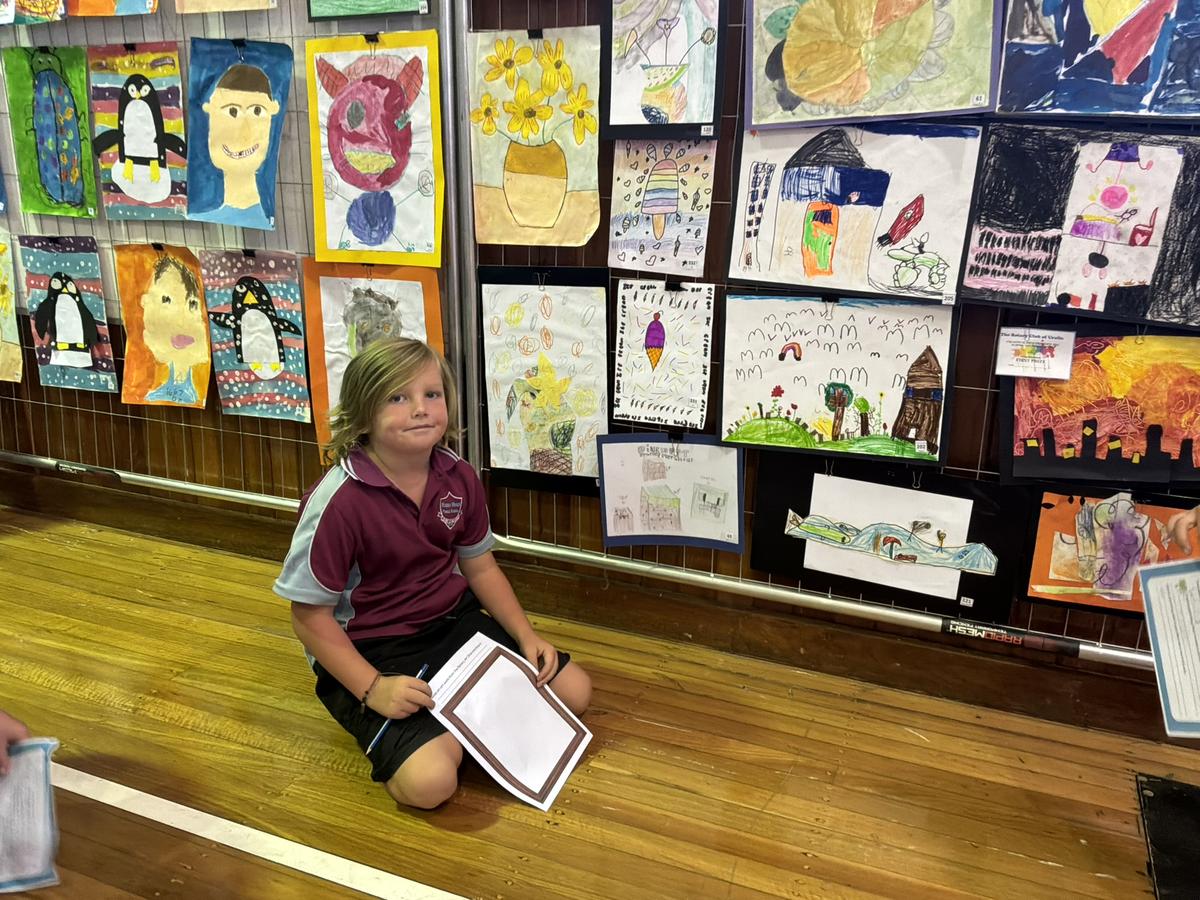
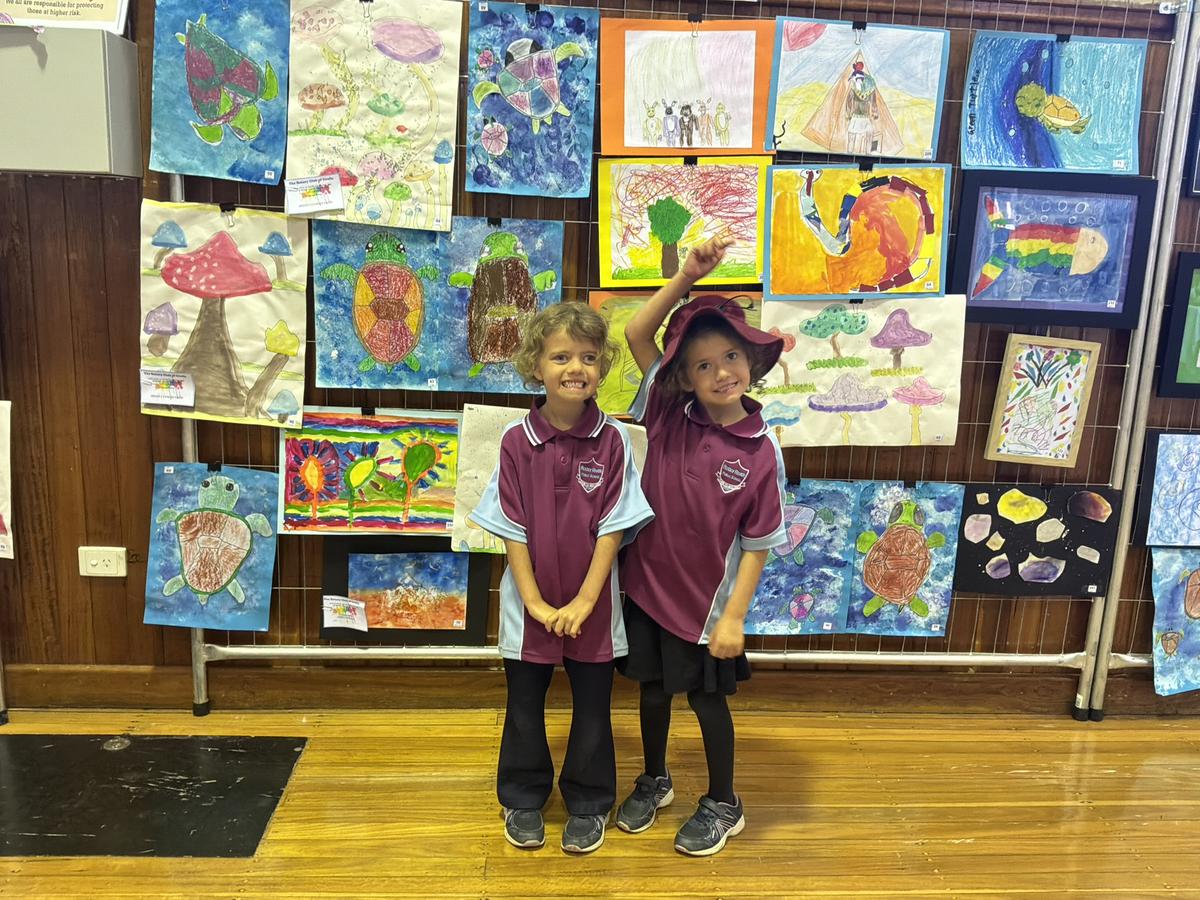
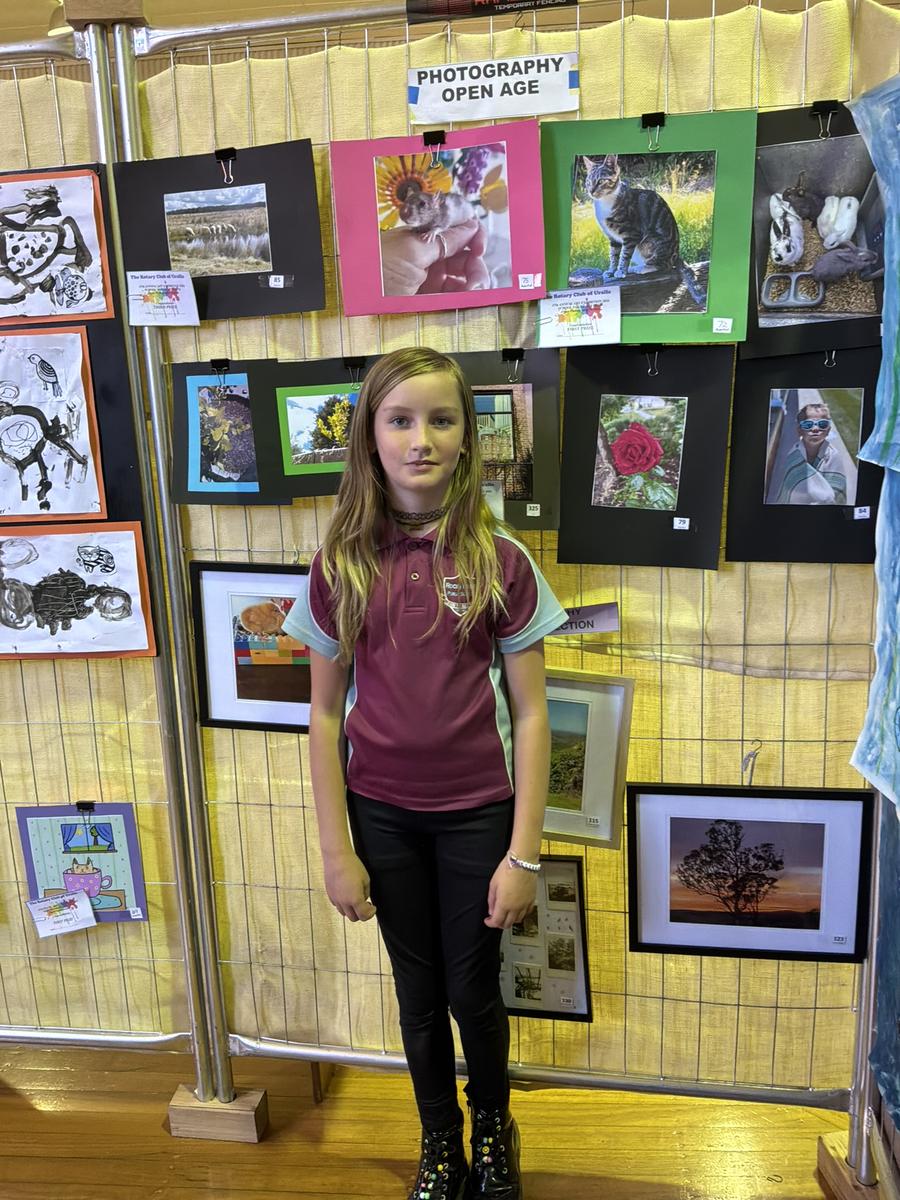
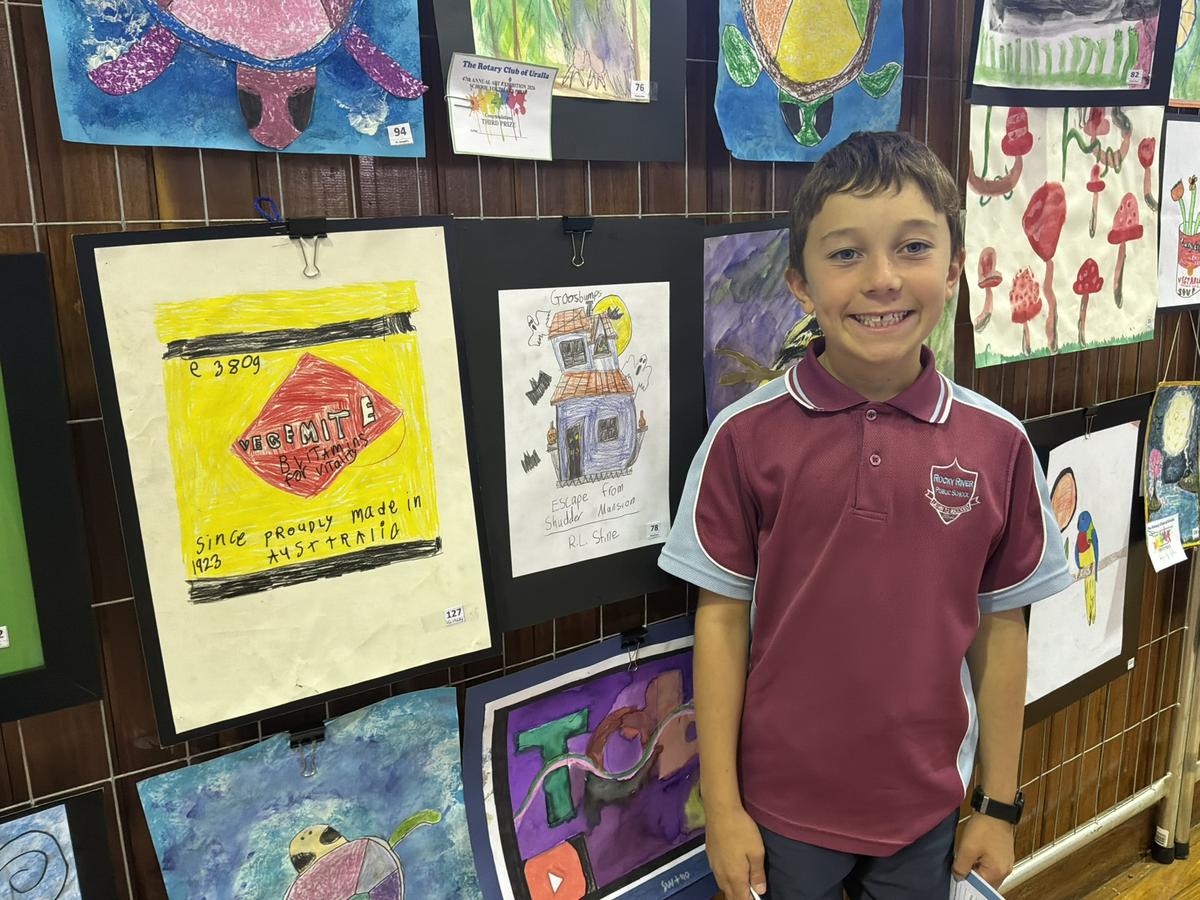
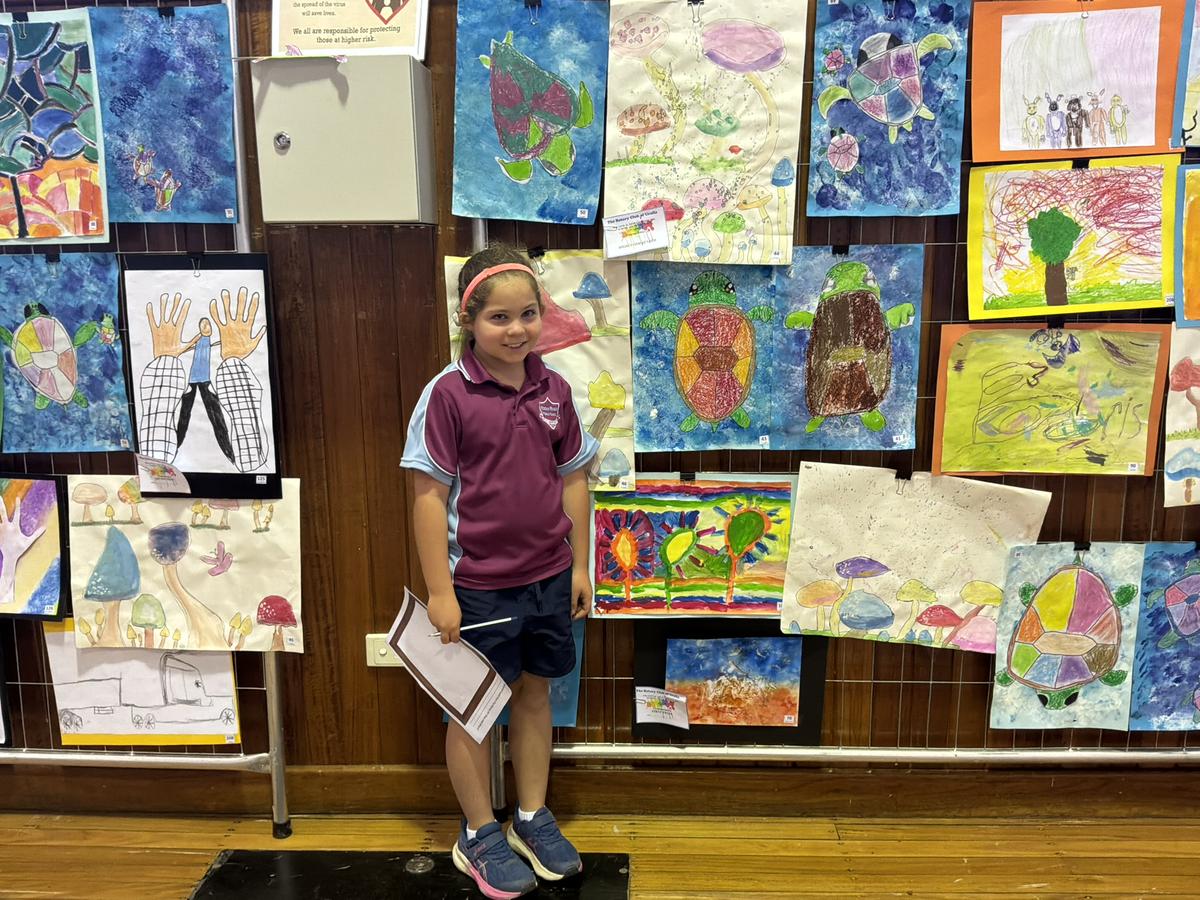
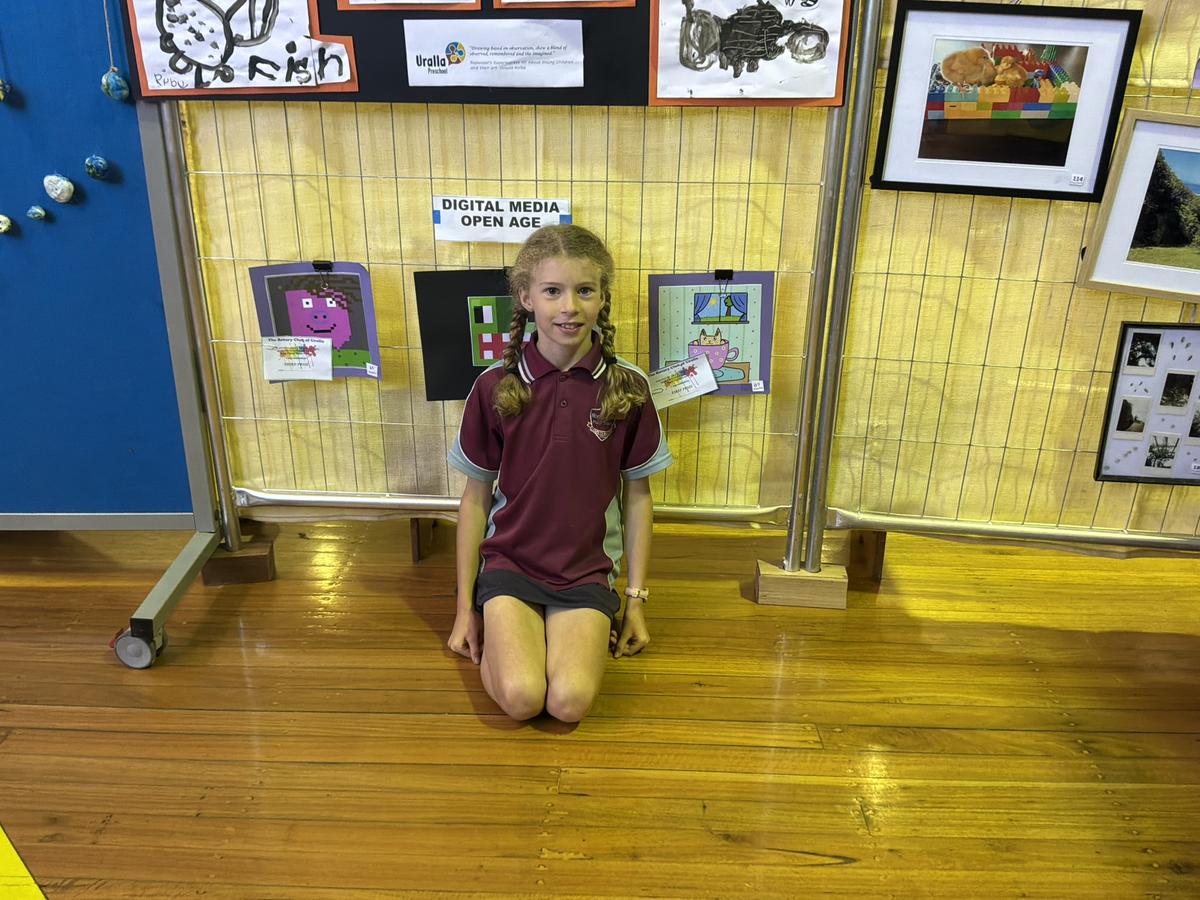
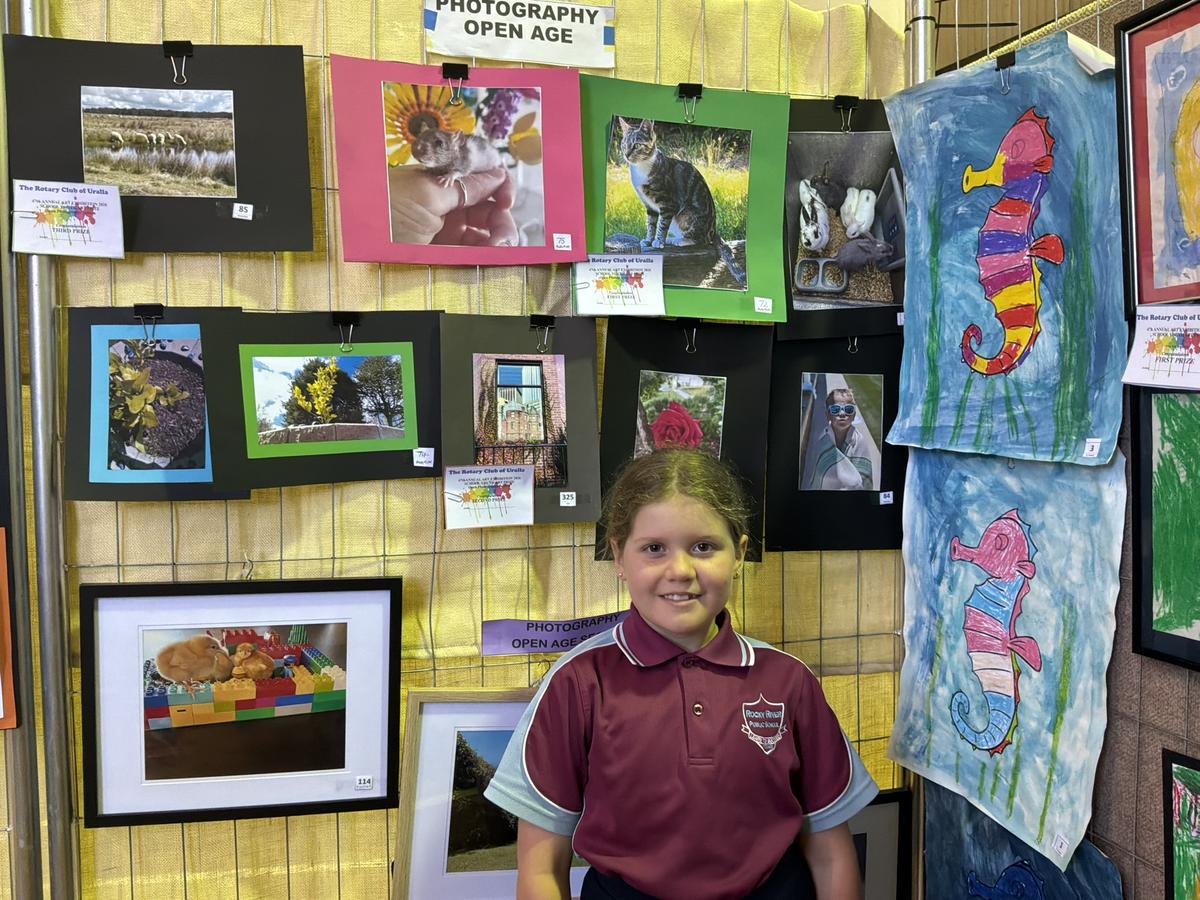
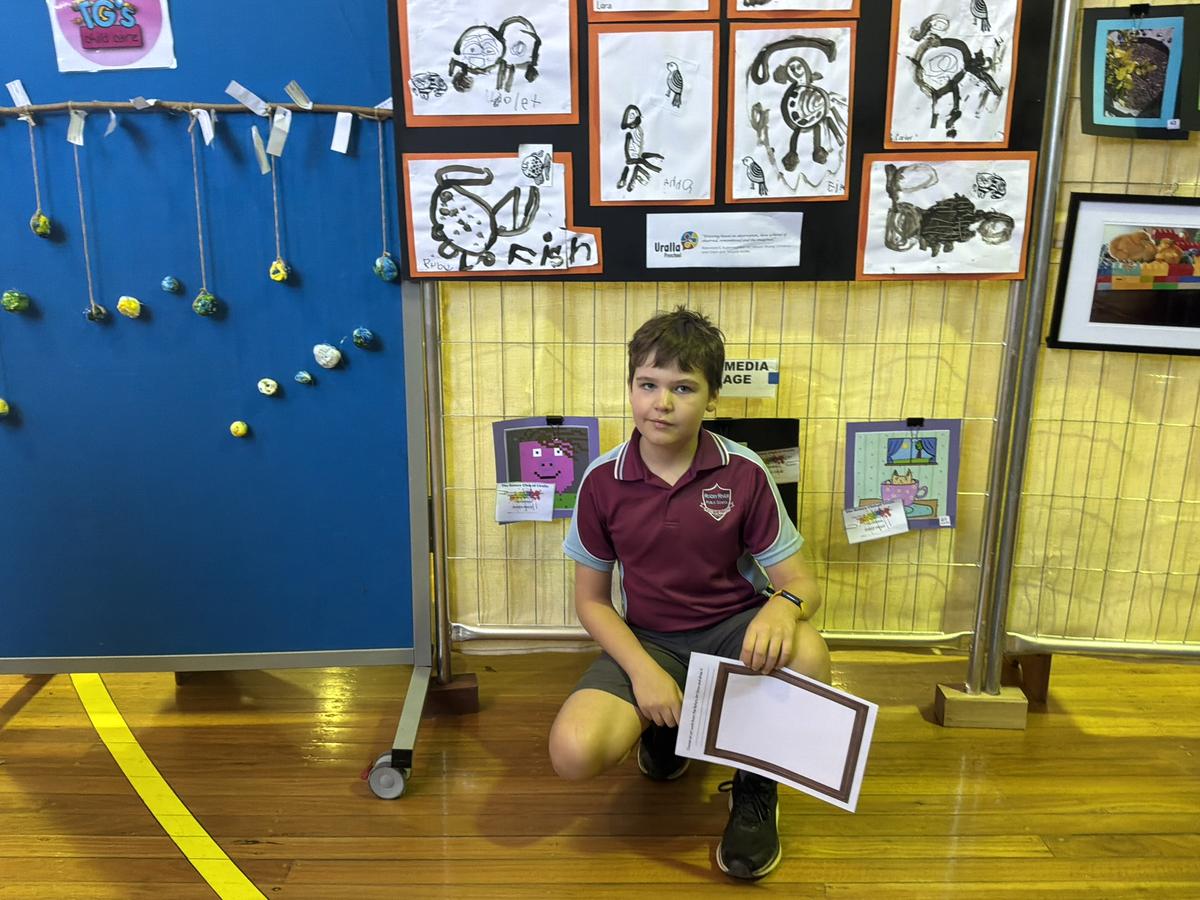
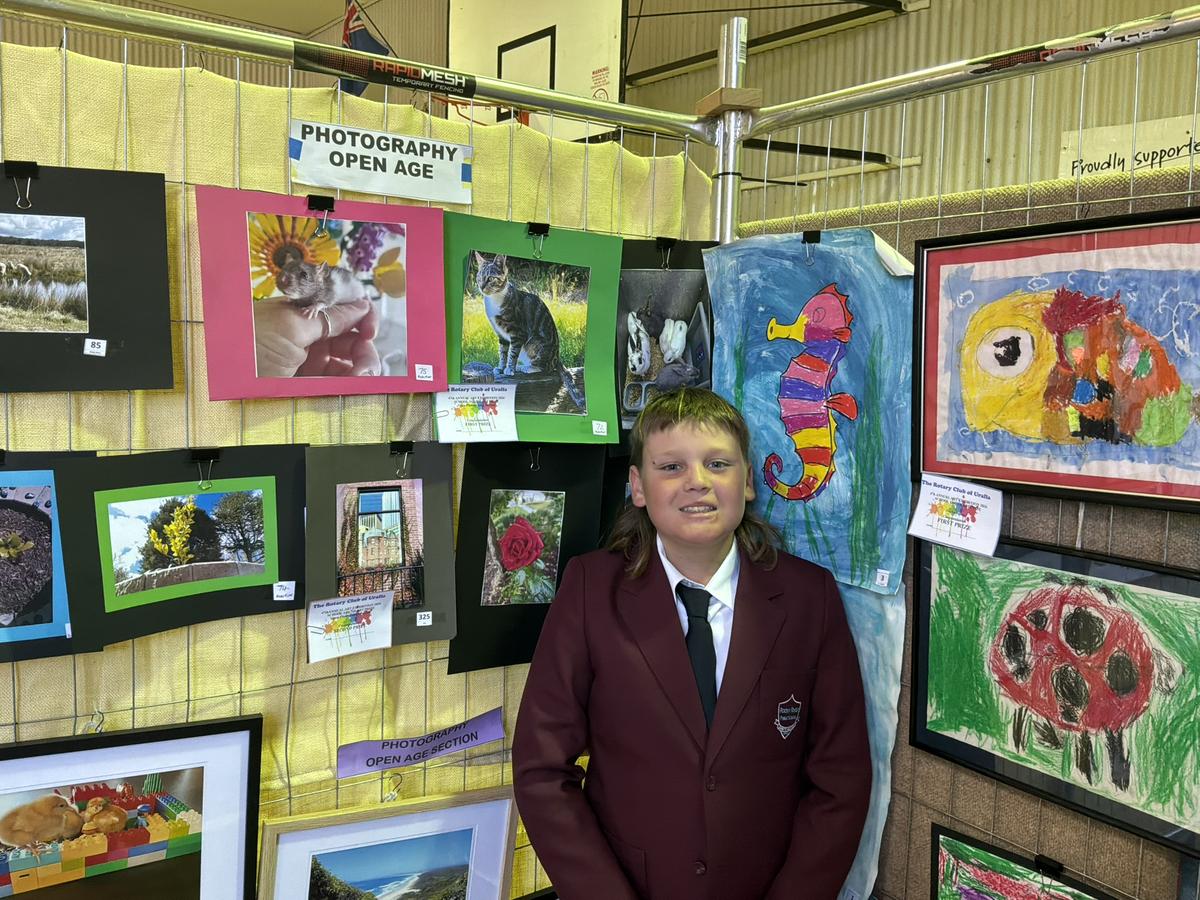
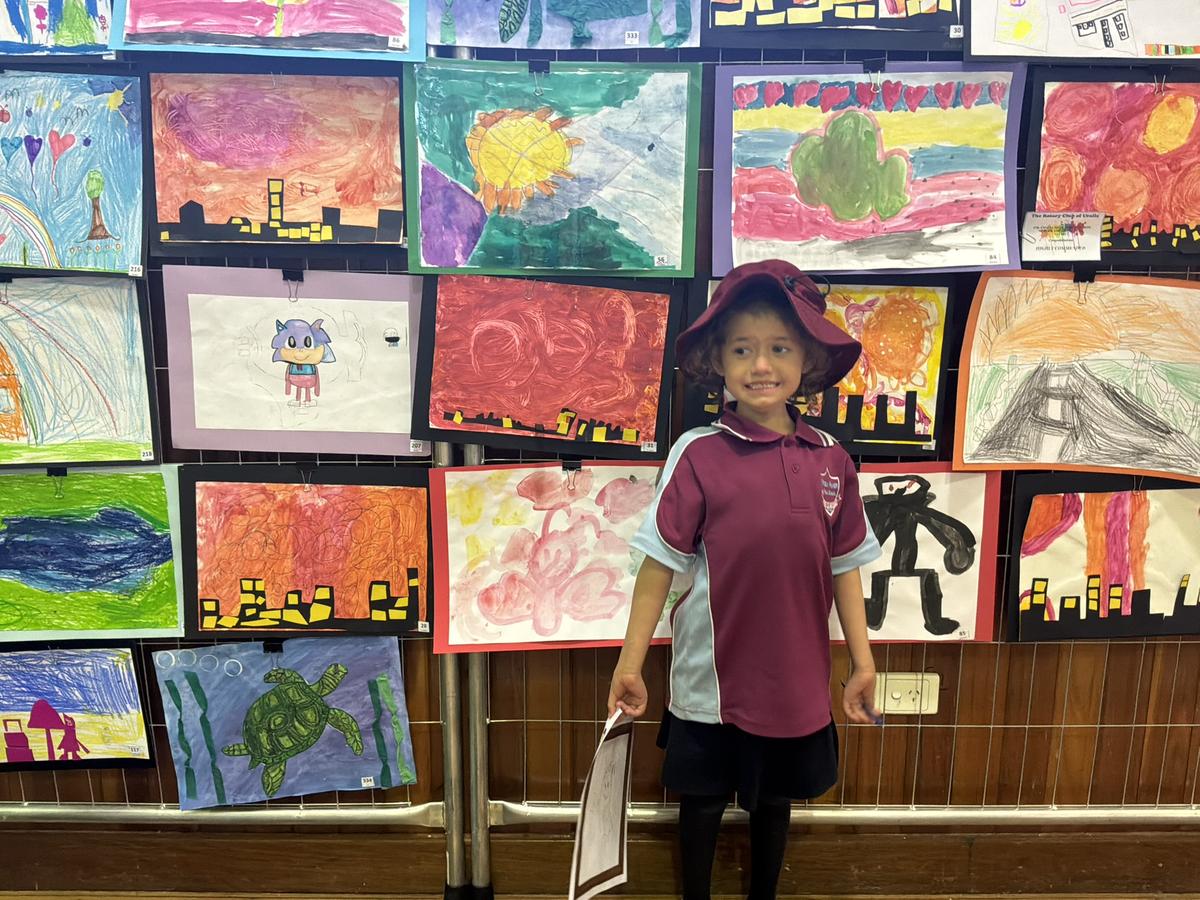
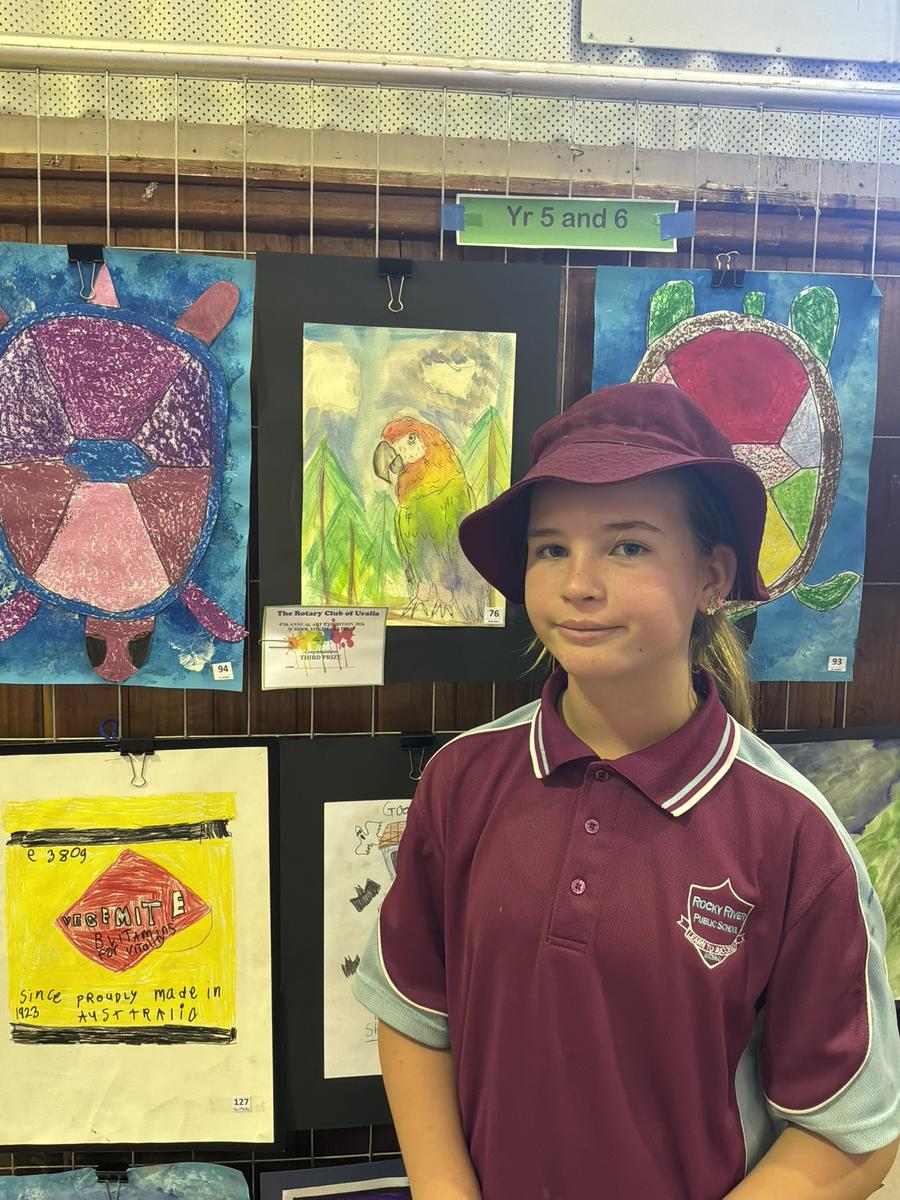
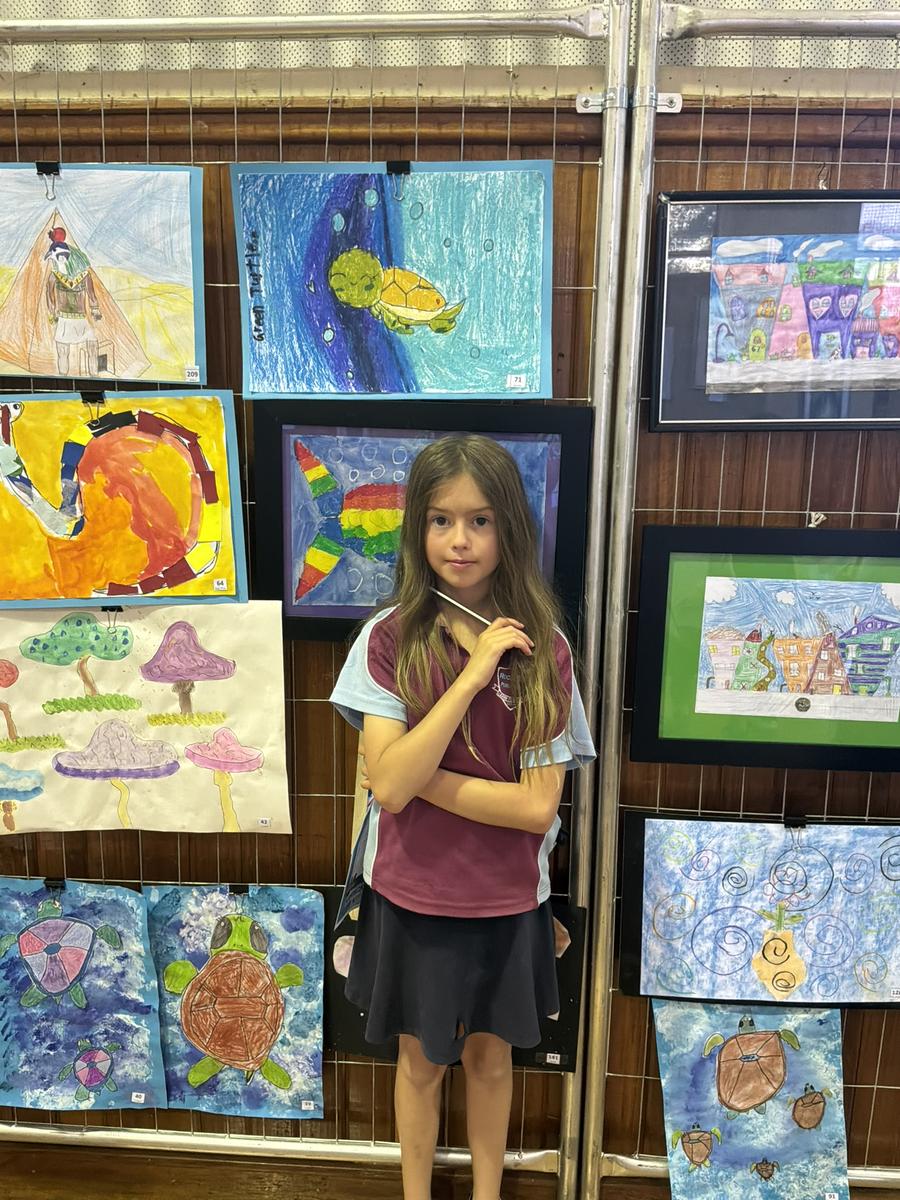
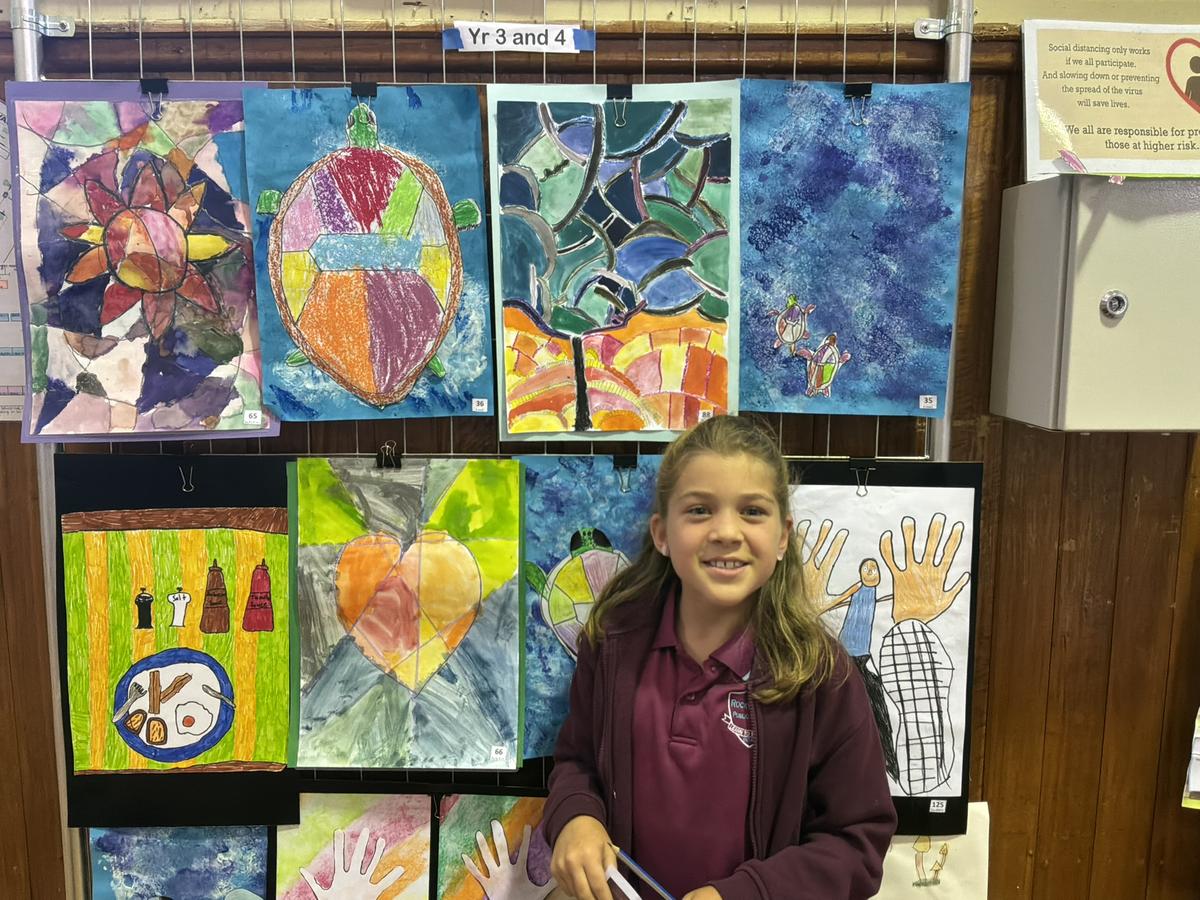
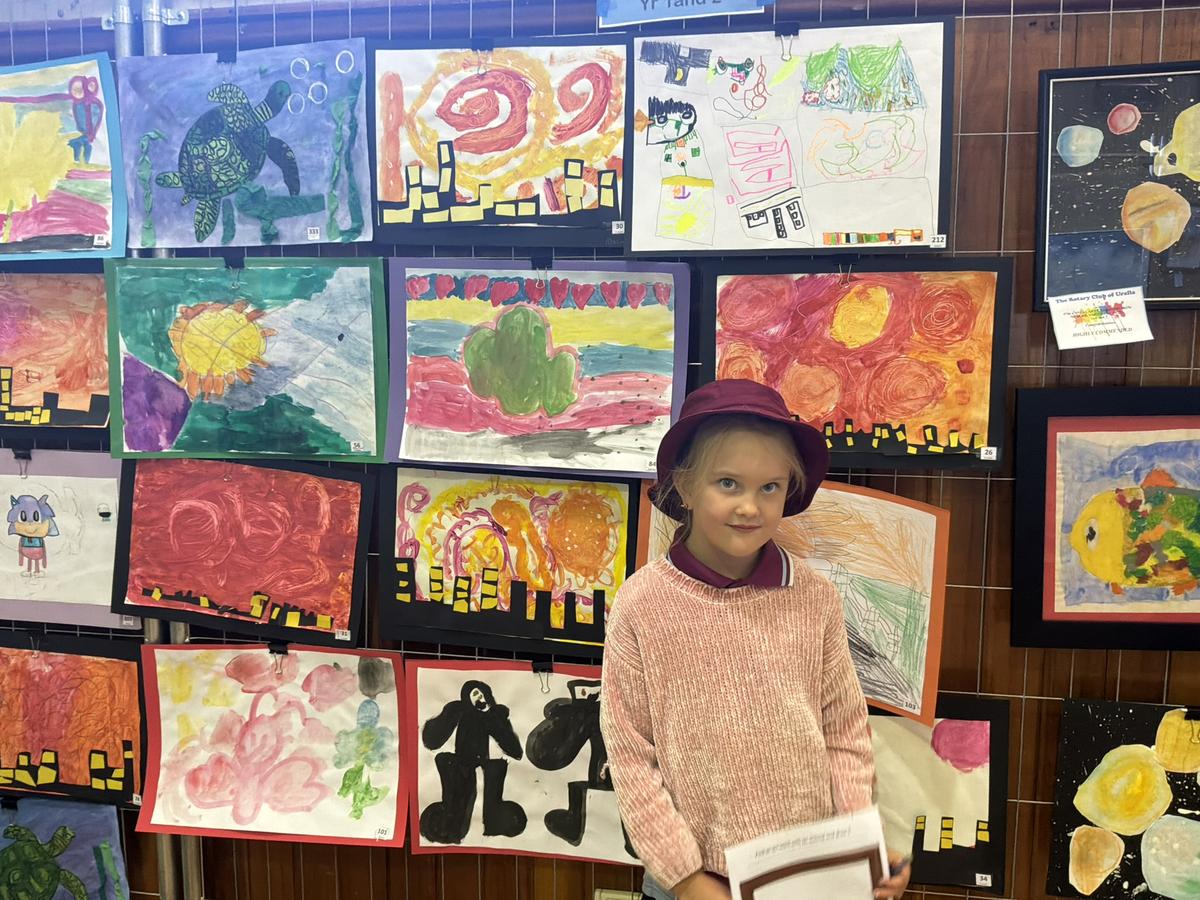
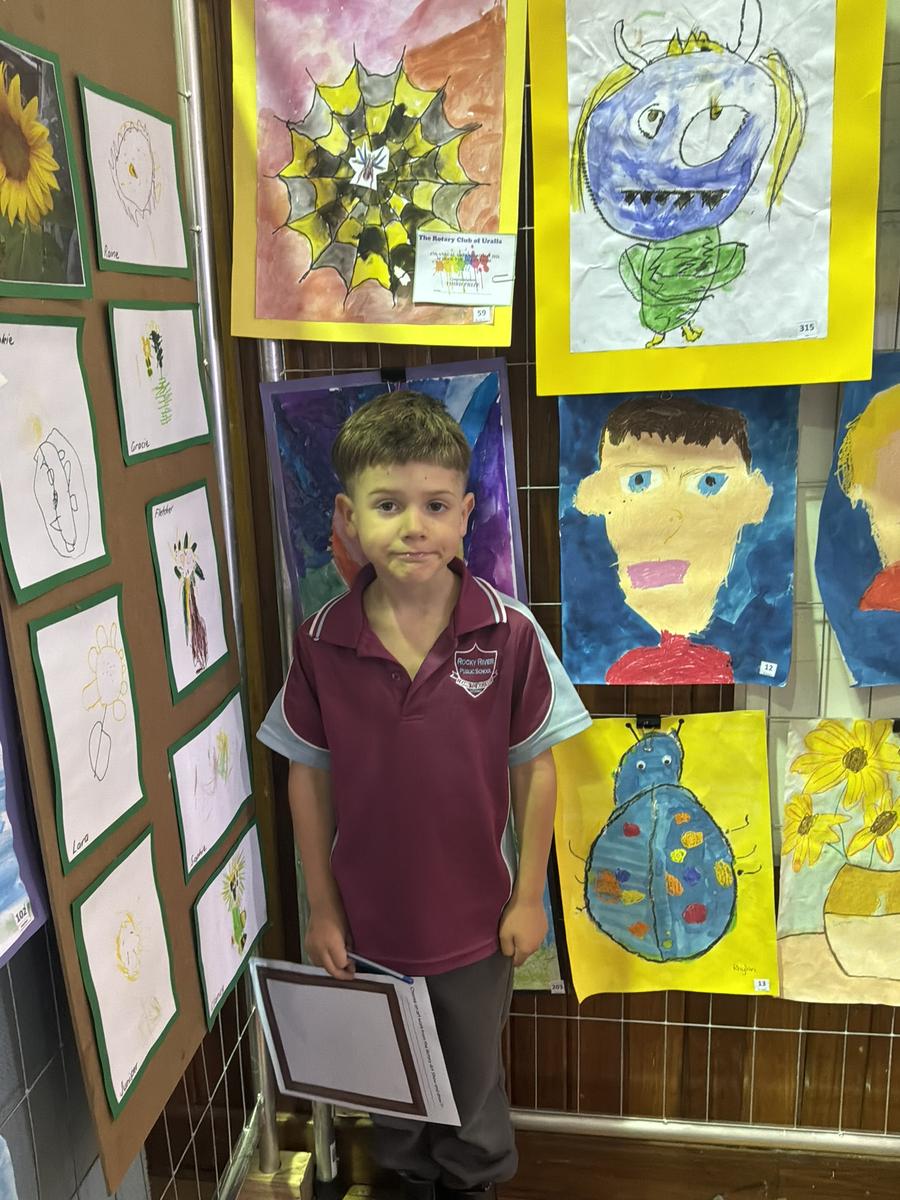
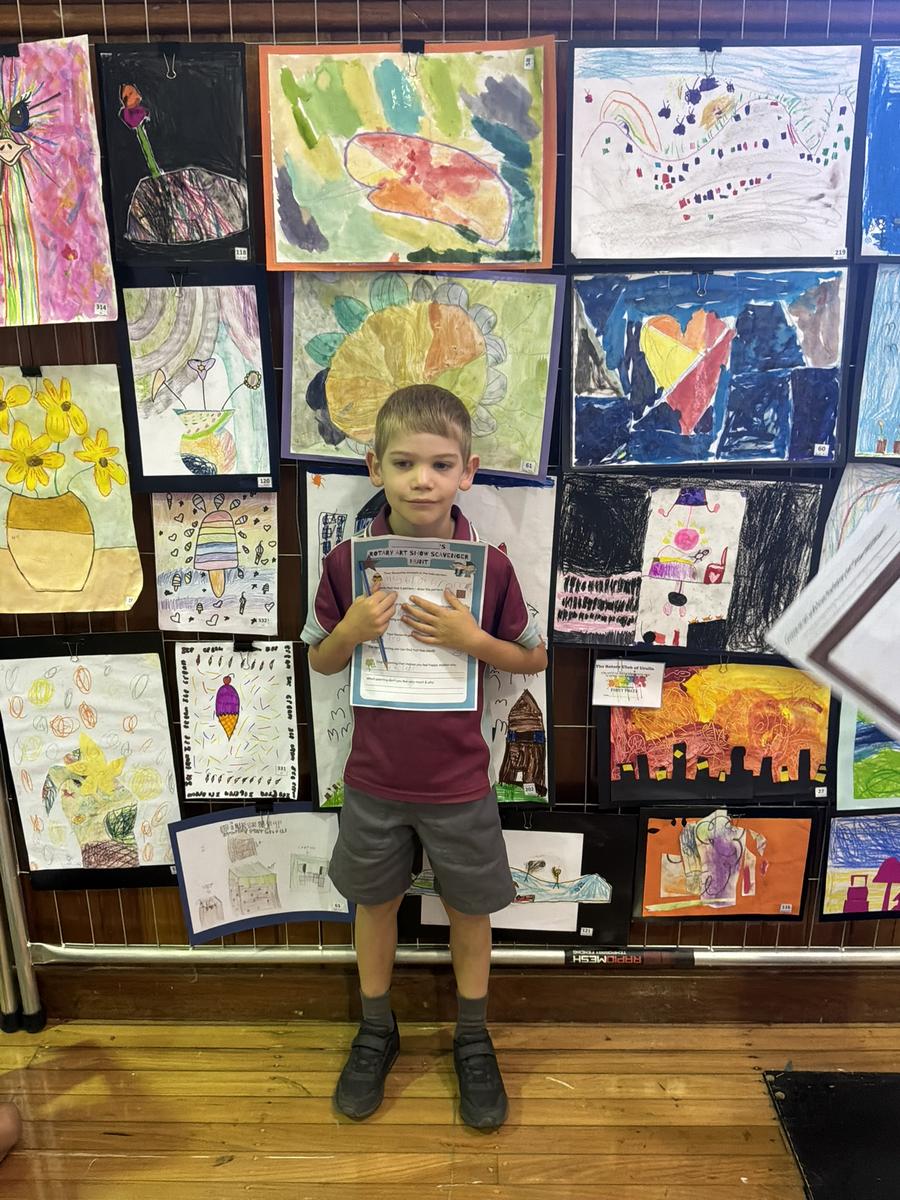
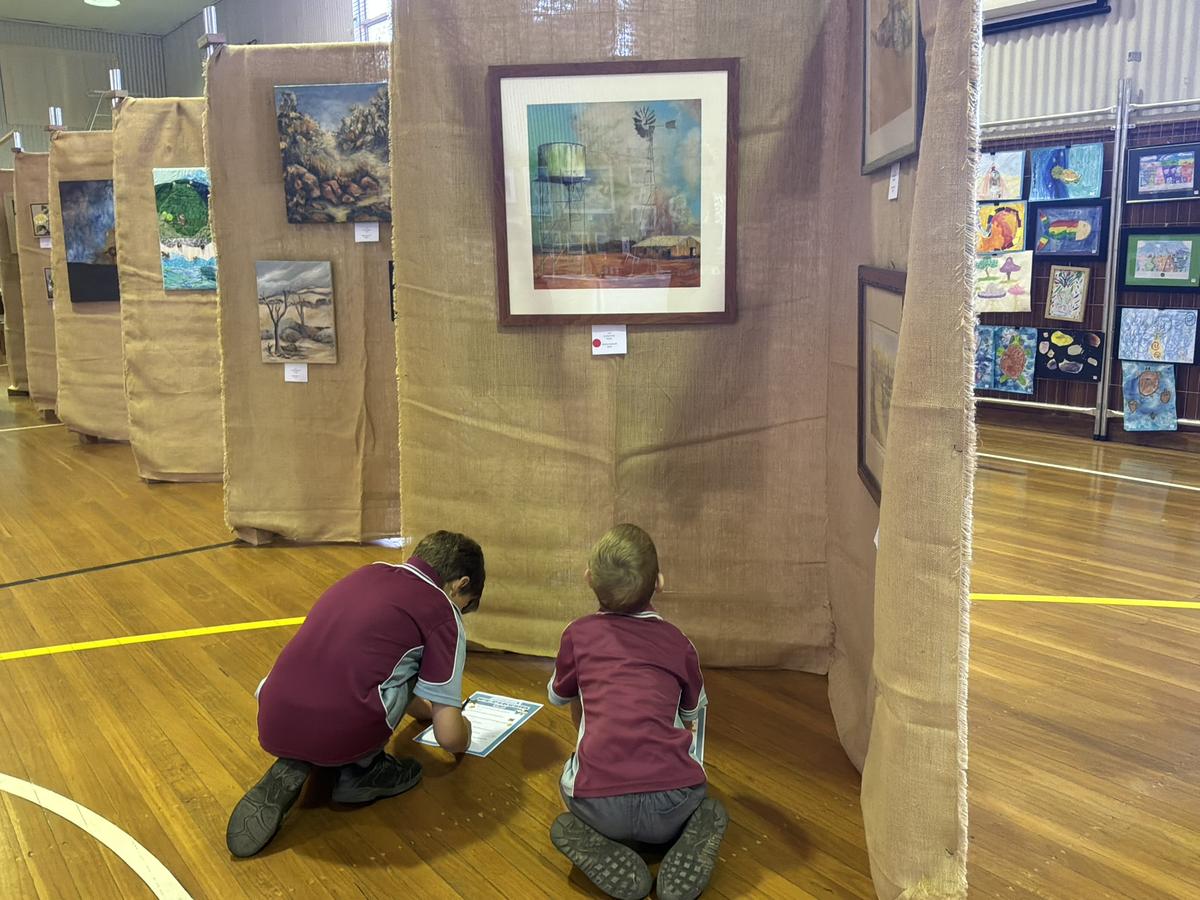
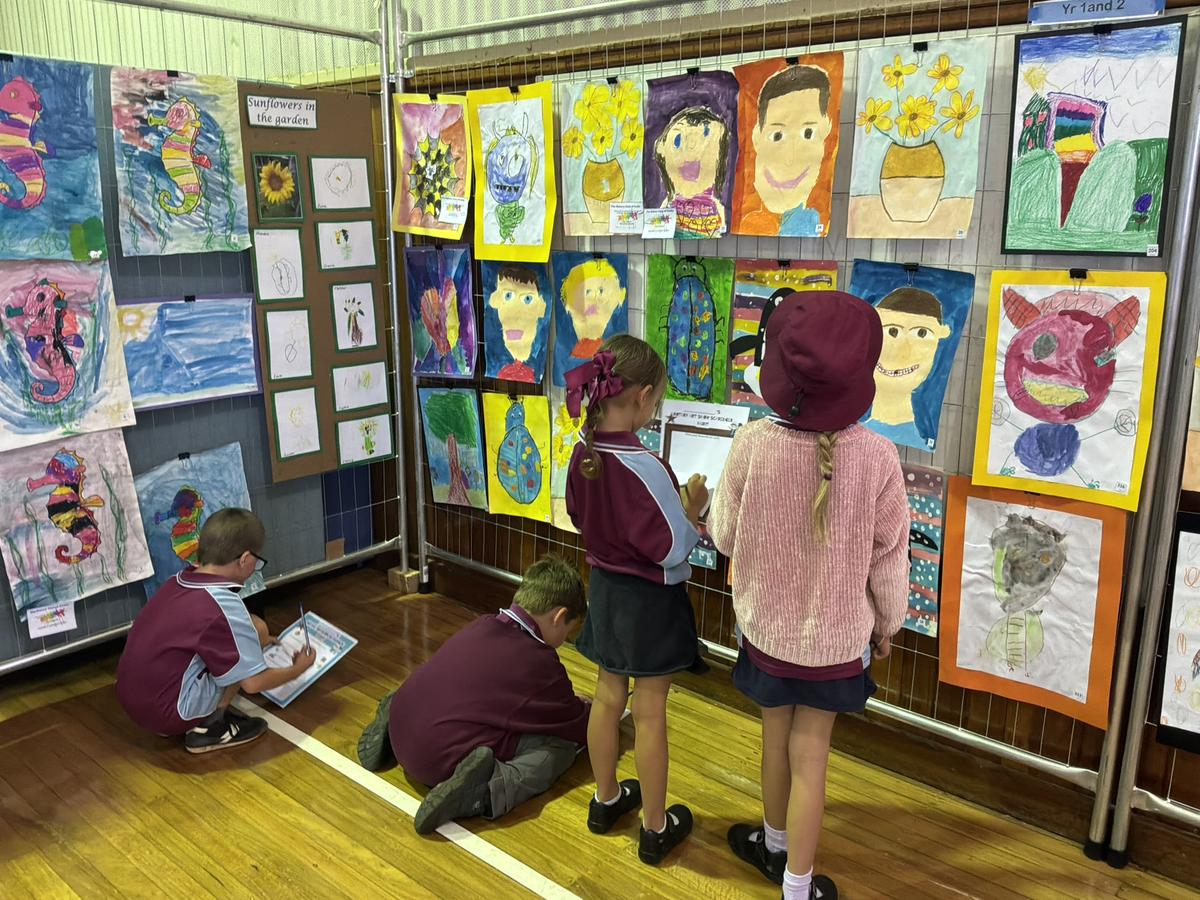
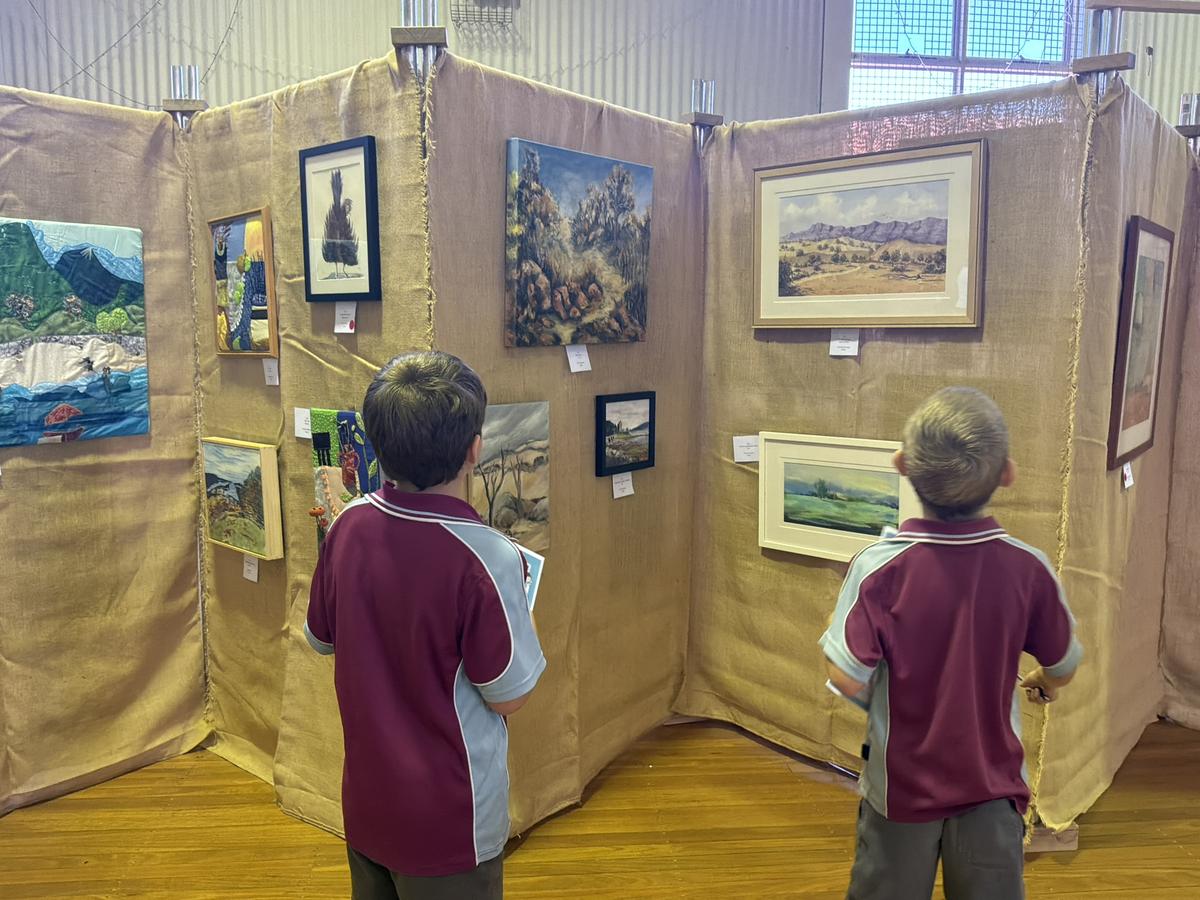
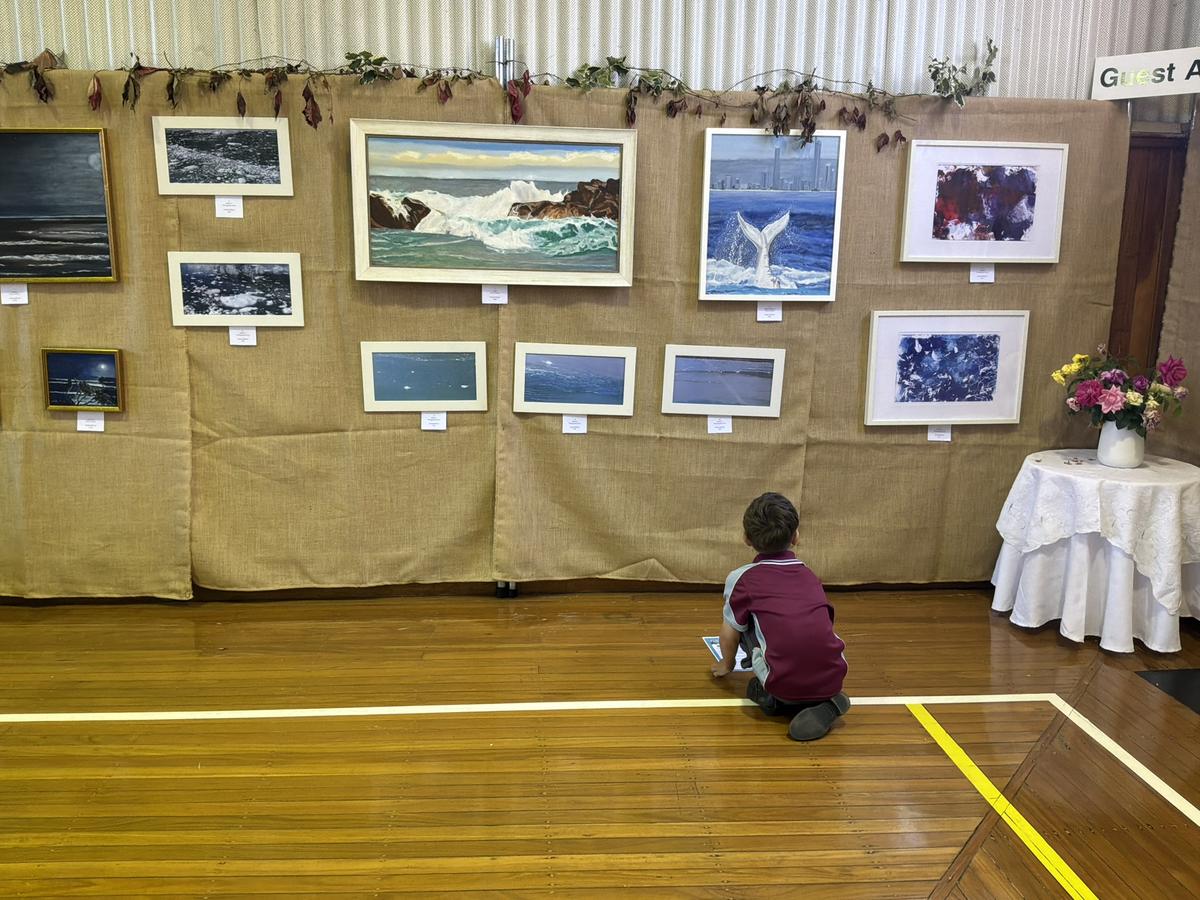
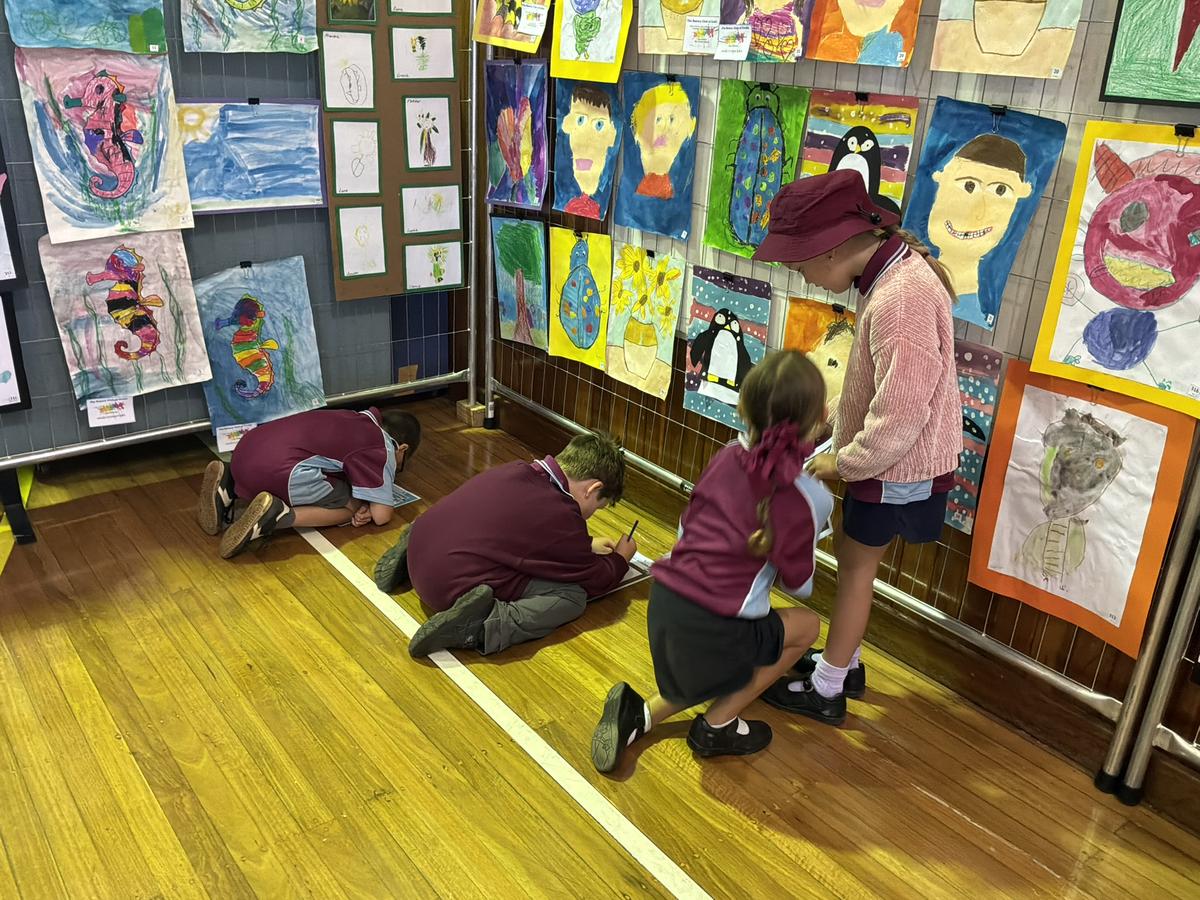
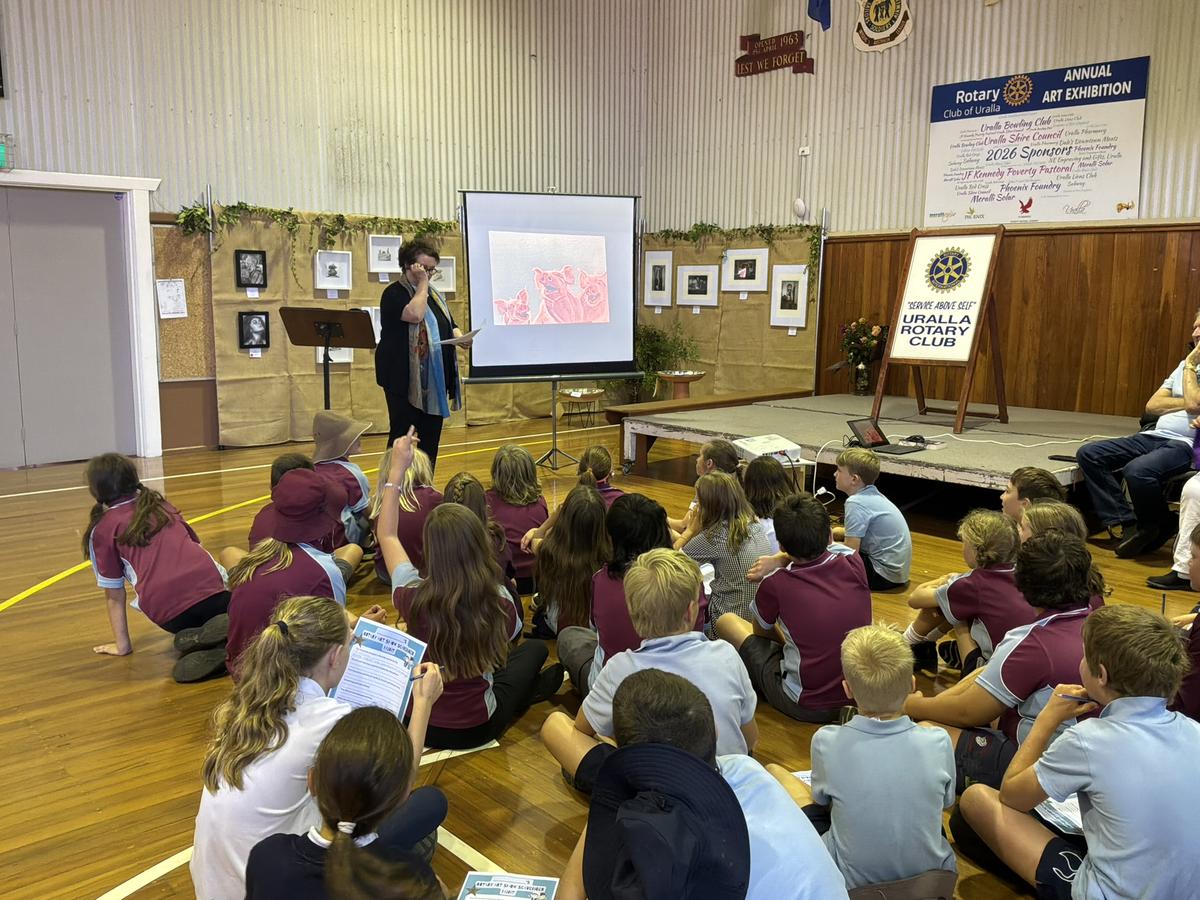
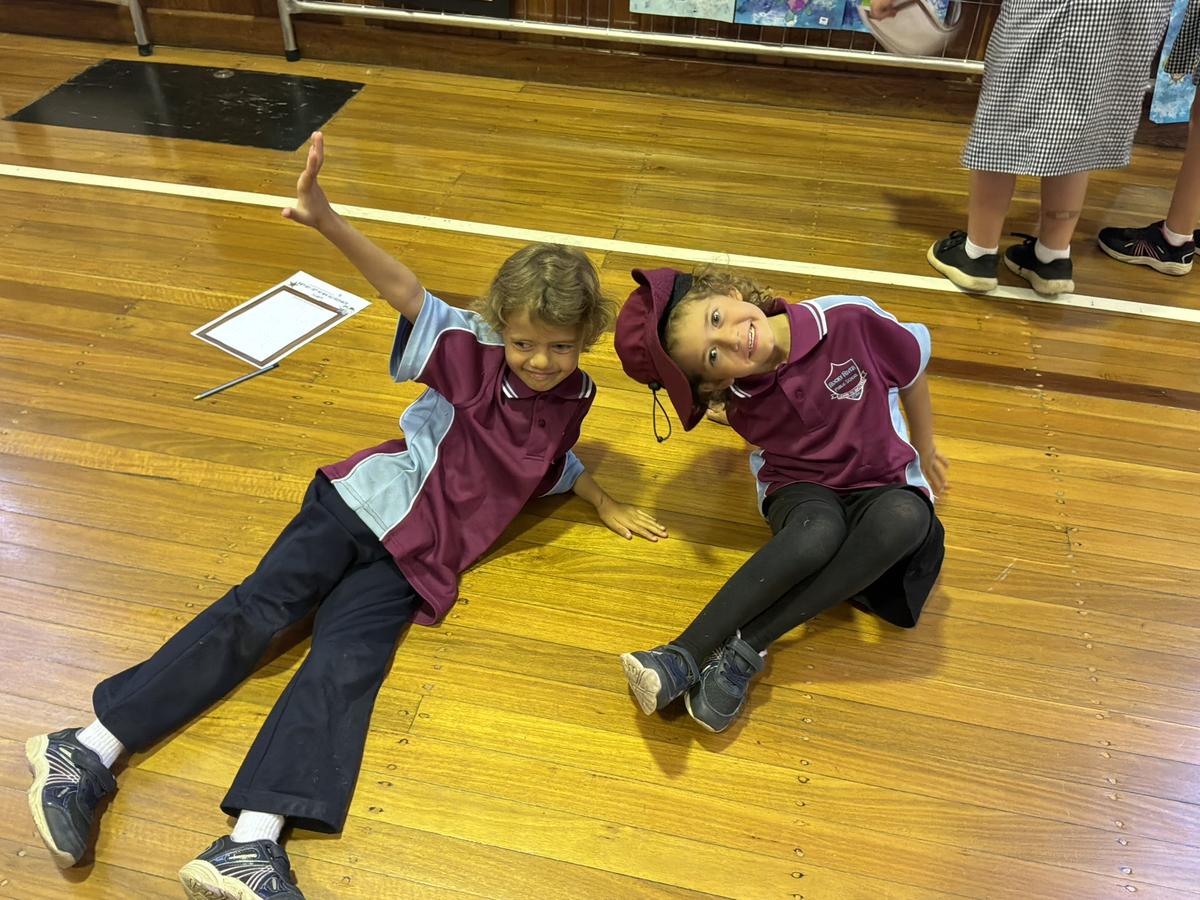
A highlight of the day was an artist talk, where students learned that creating some artworks can take up to 50 hours, and that it’s perfectly fine to make a mess in the process. The message was clear: you can’t be perfect straight away. Art requires patience, practice, and courage to keep trying. The experience encouraged our students to embrace their creativity, understand the importance of persistence, and recognise that art is everywhere—within ourselves and the world around us. We are proud of their participation and look forward to seeing how this day continues to inspire their artistic journeys.
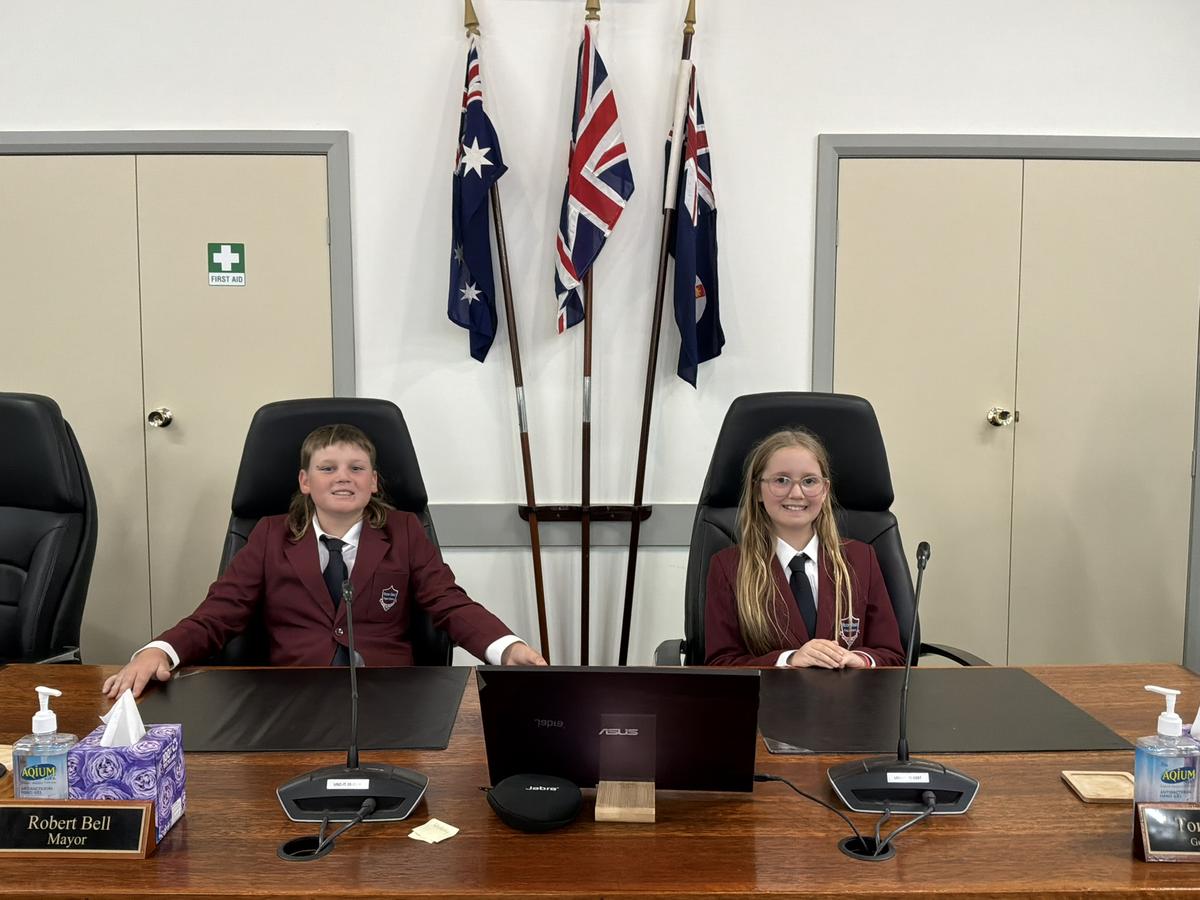
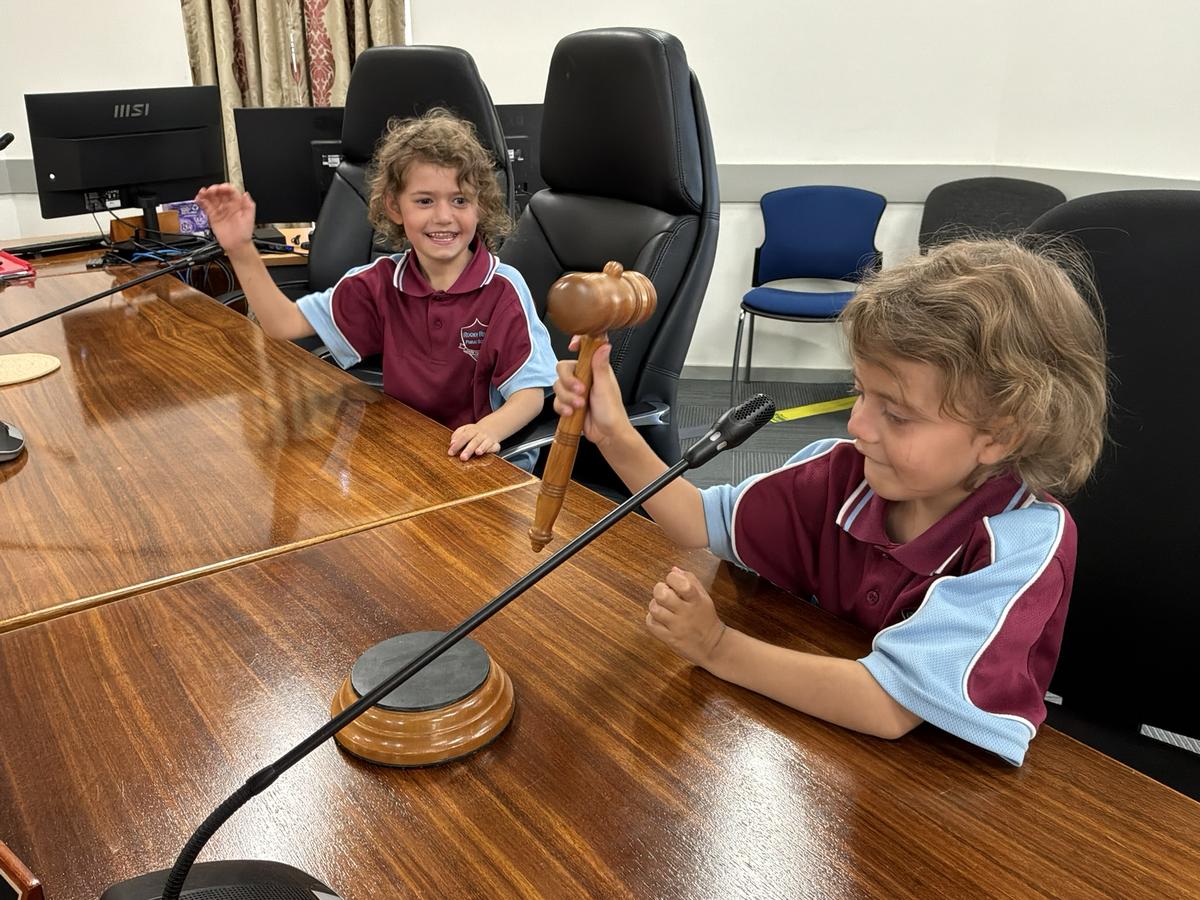
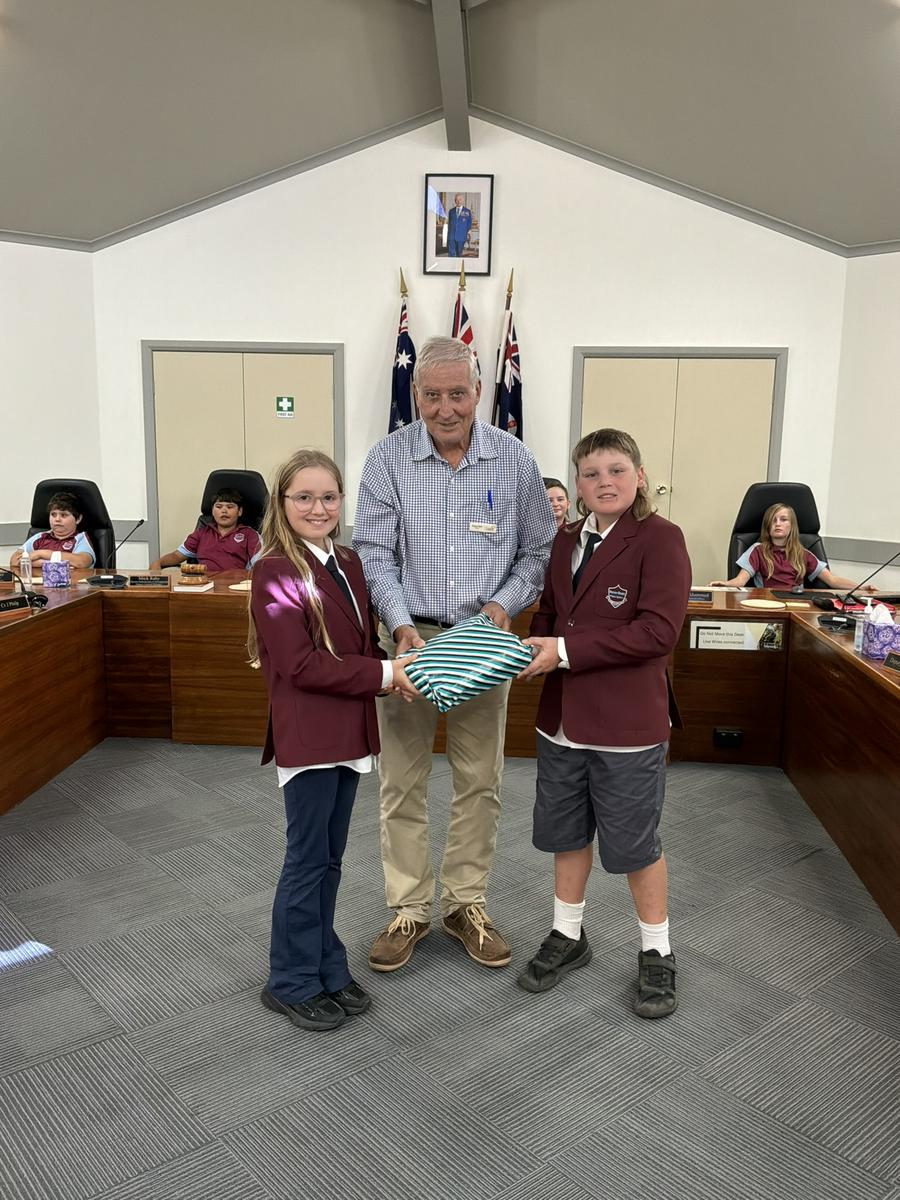
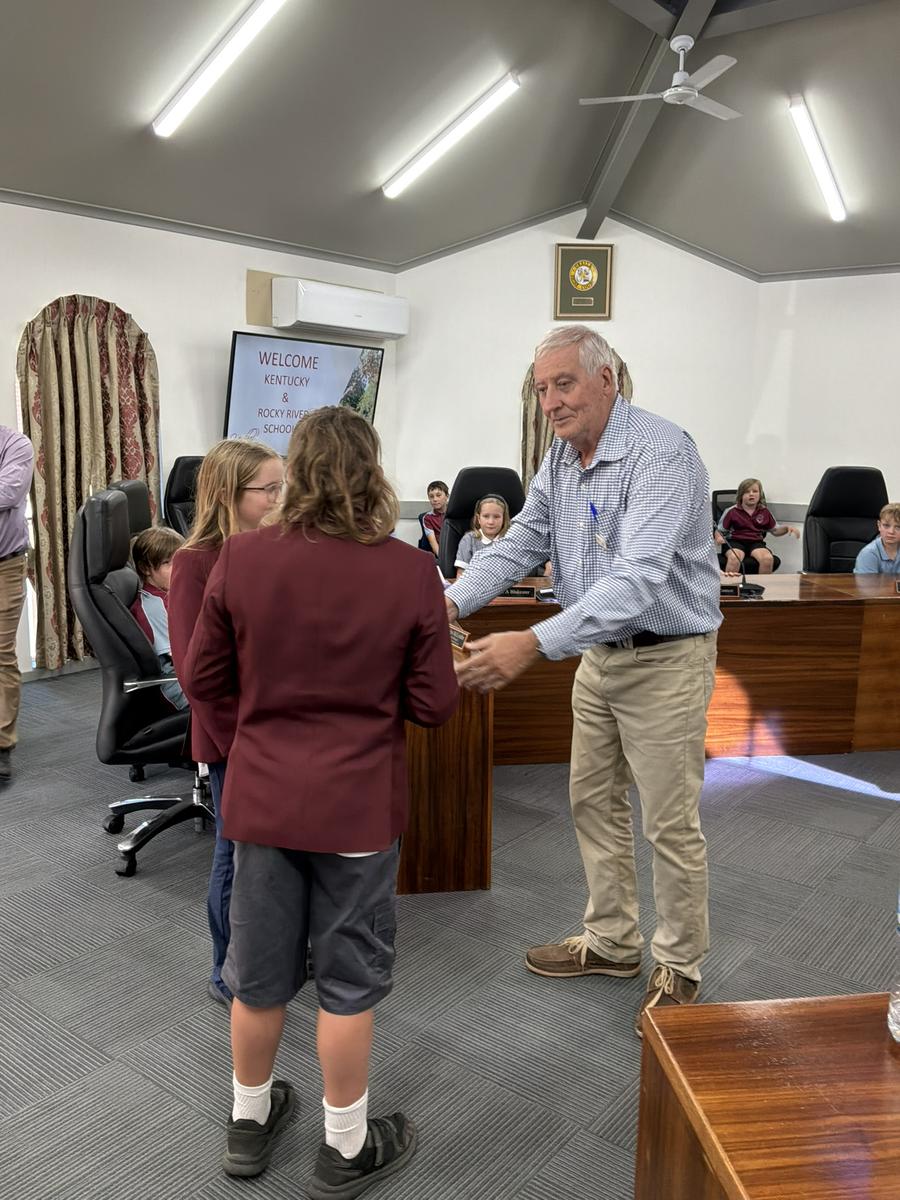
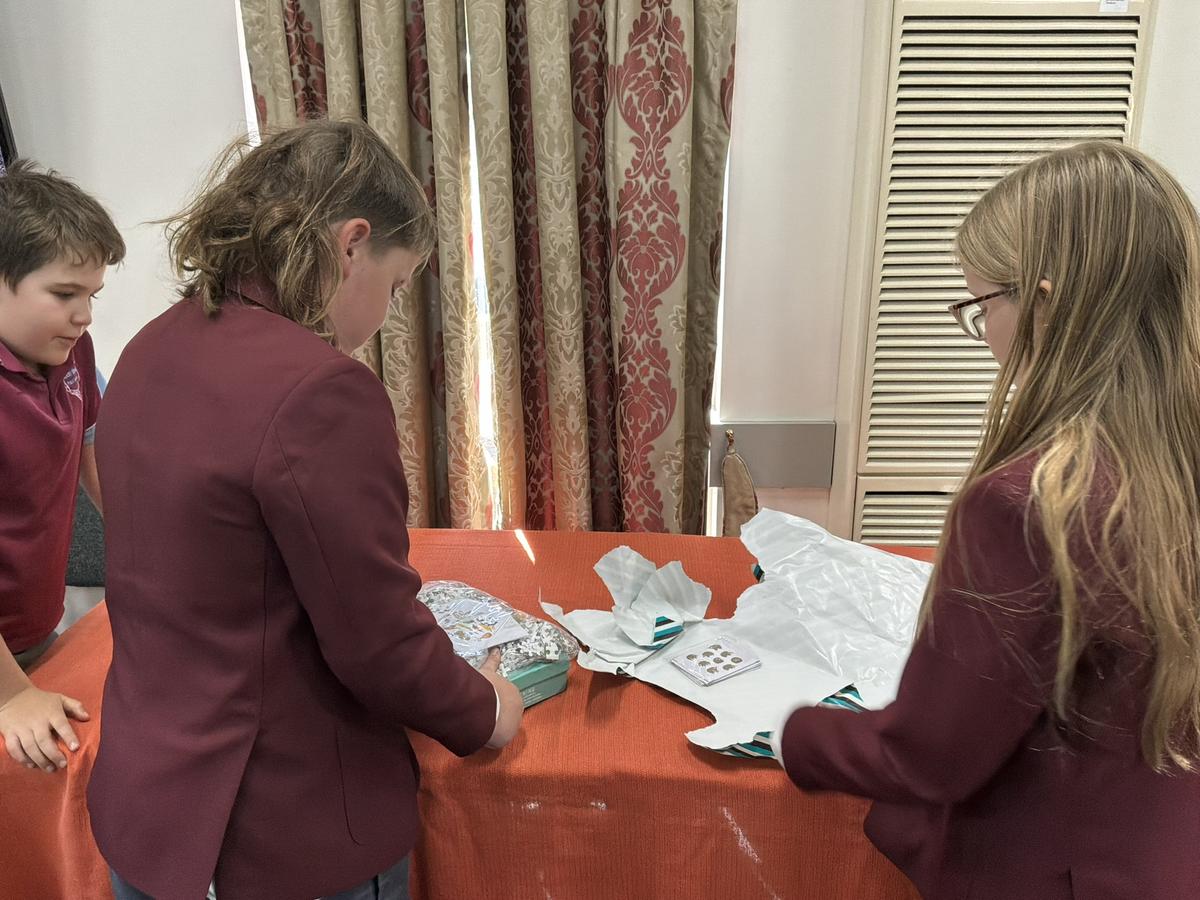
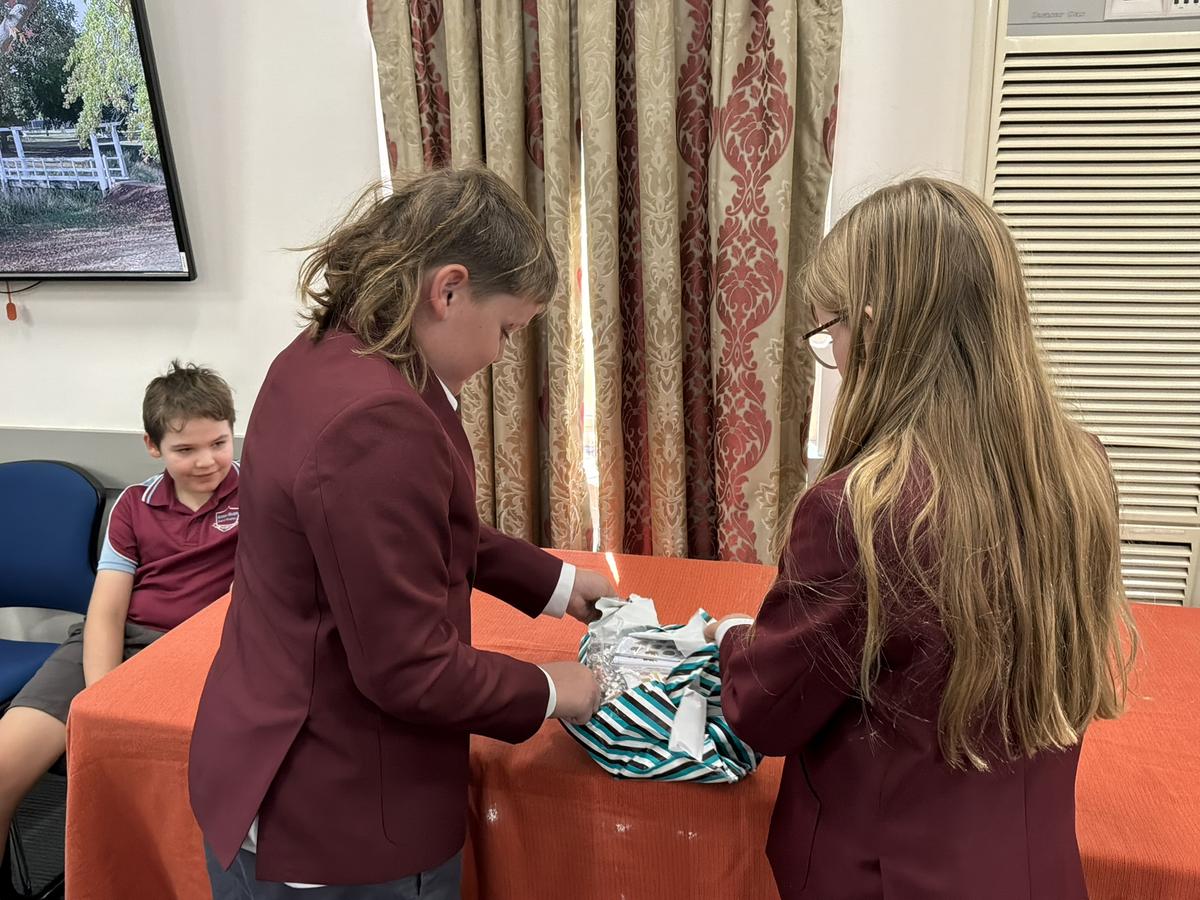
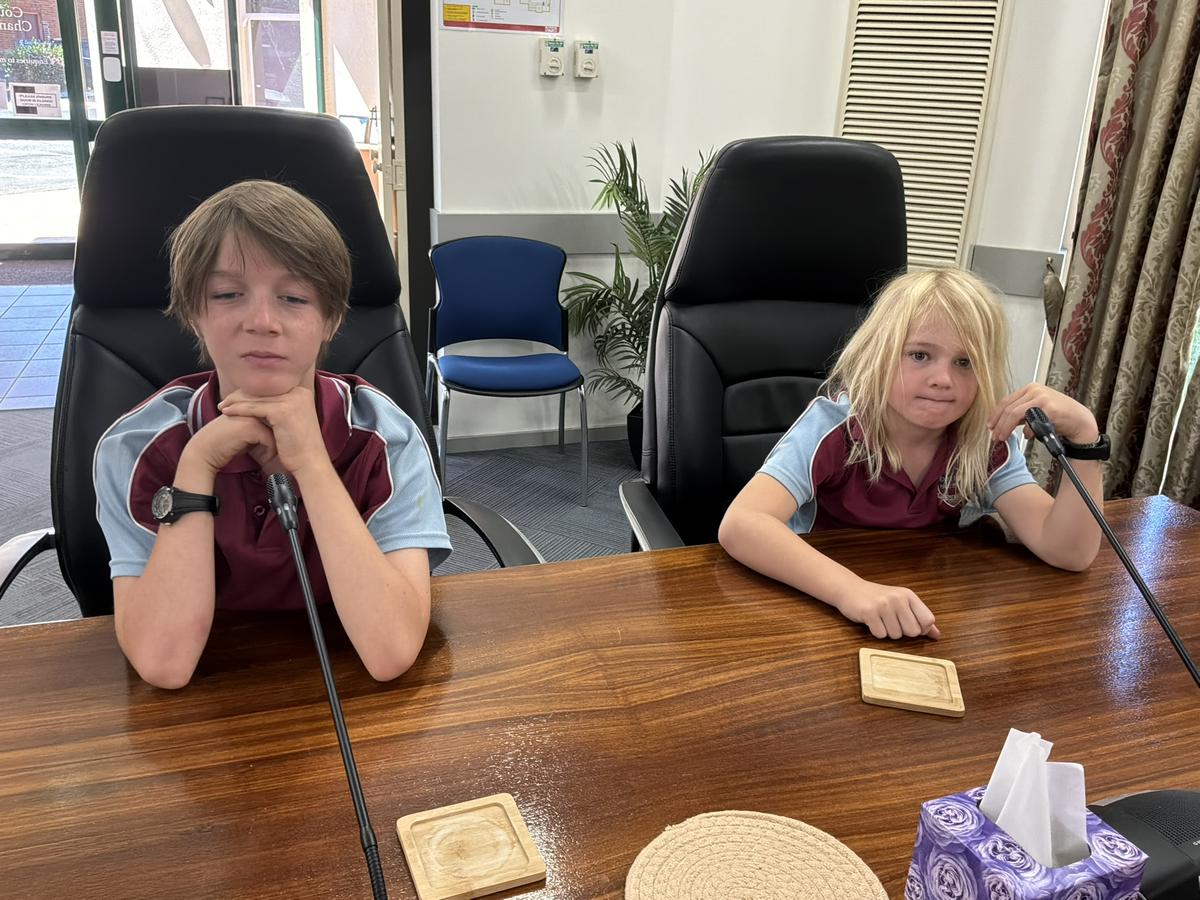
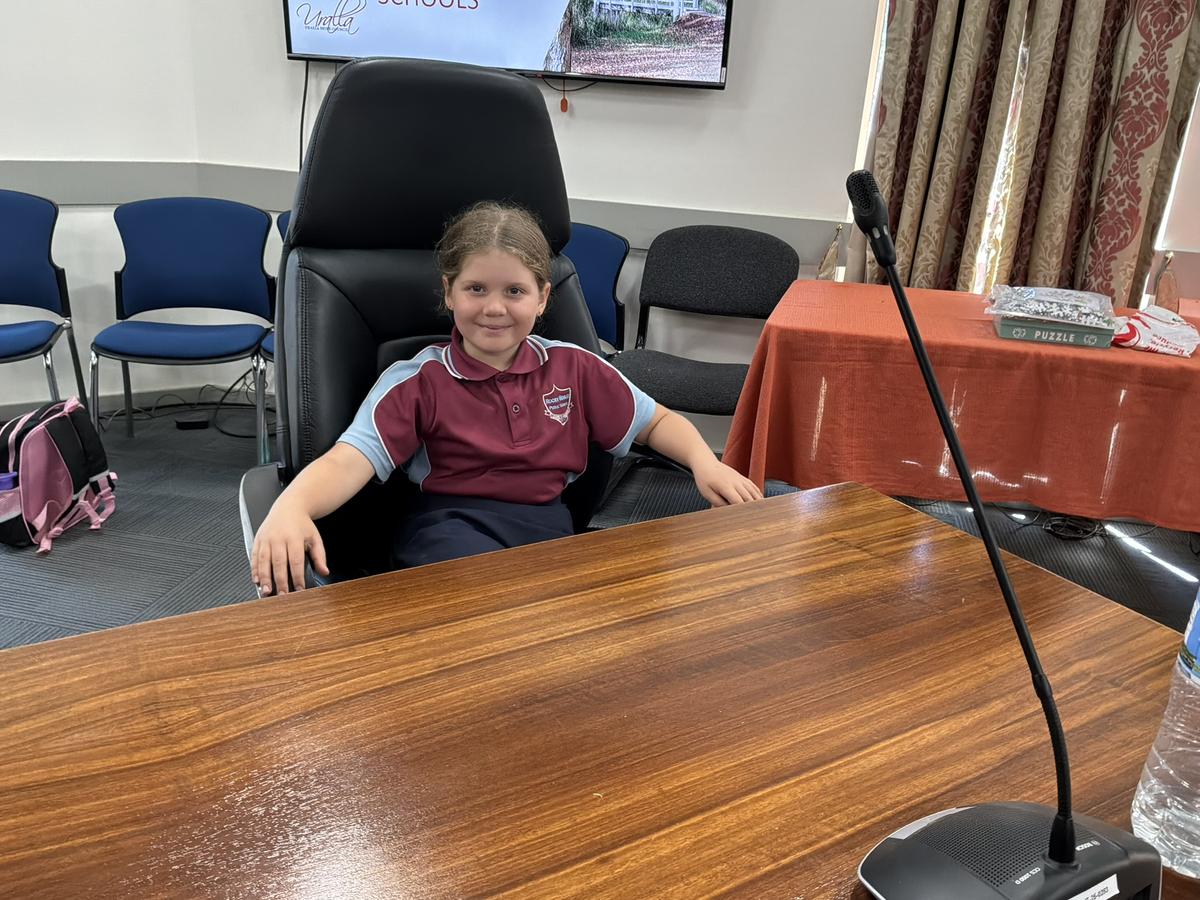
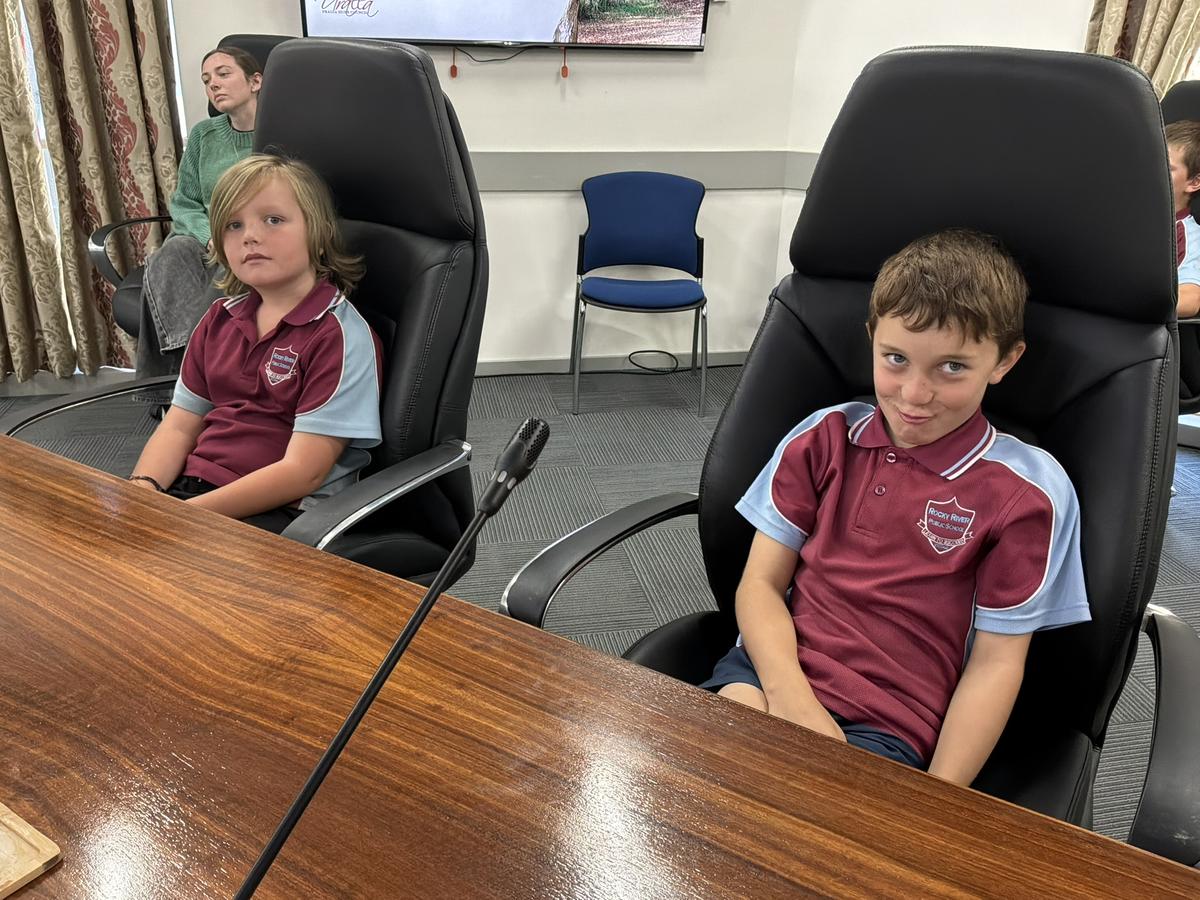
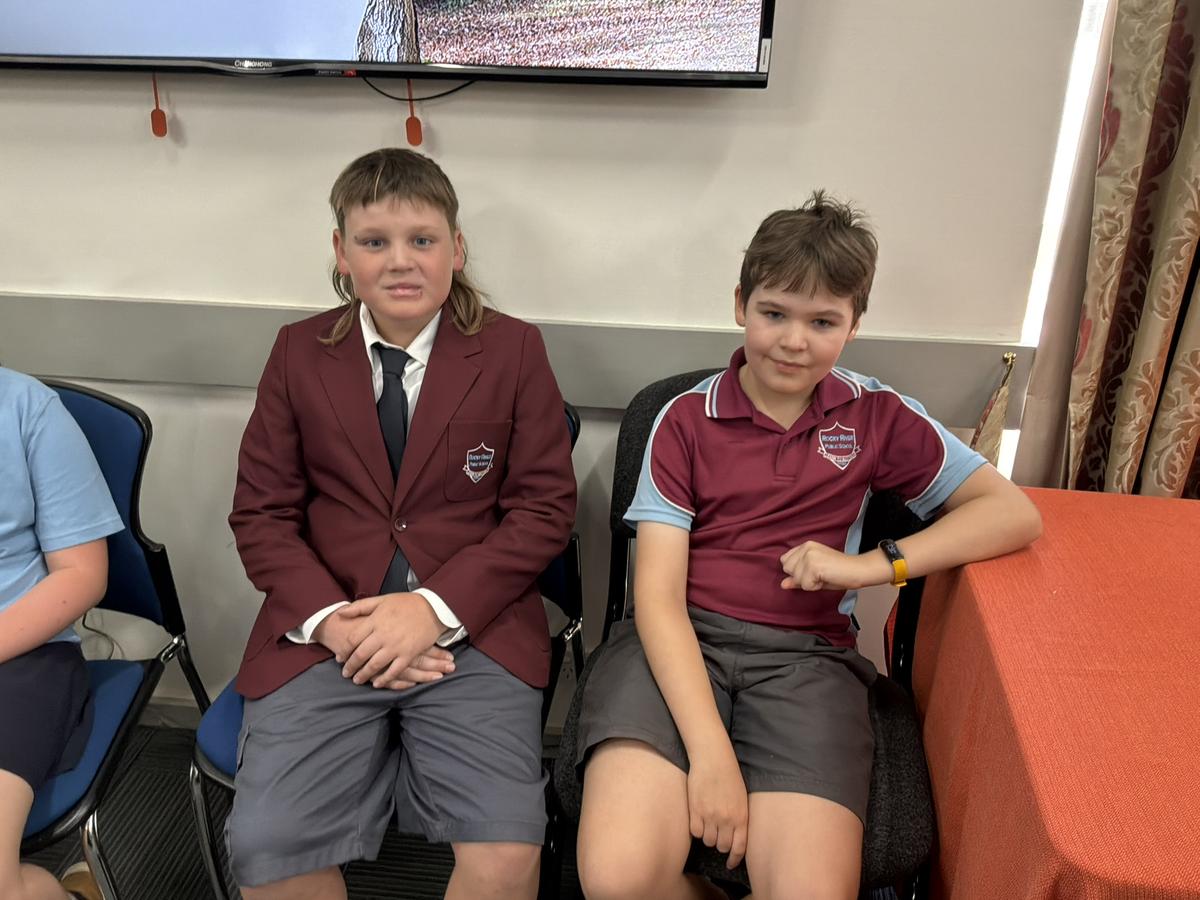
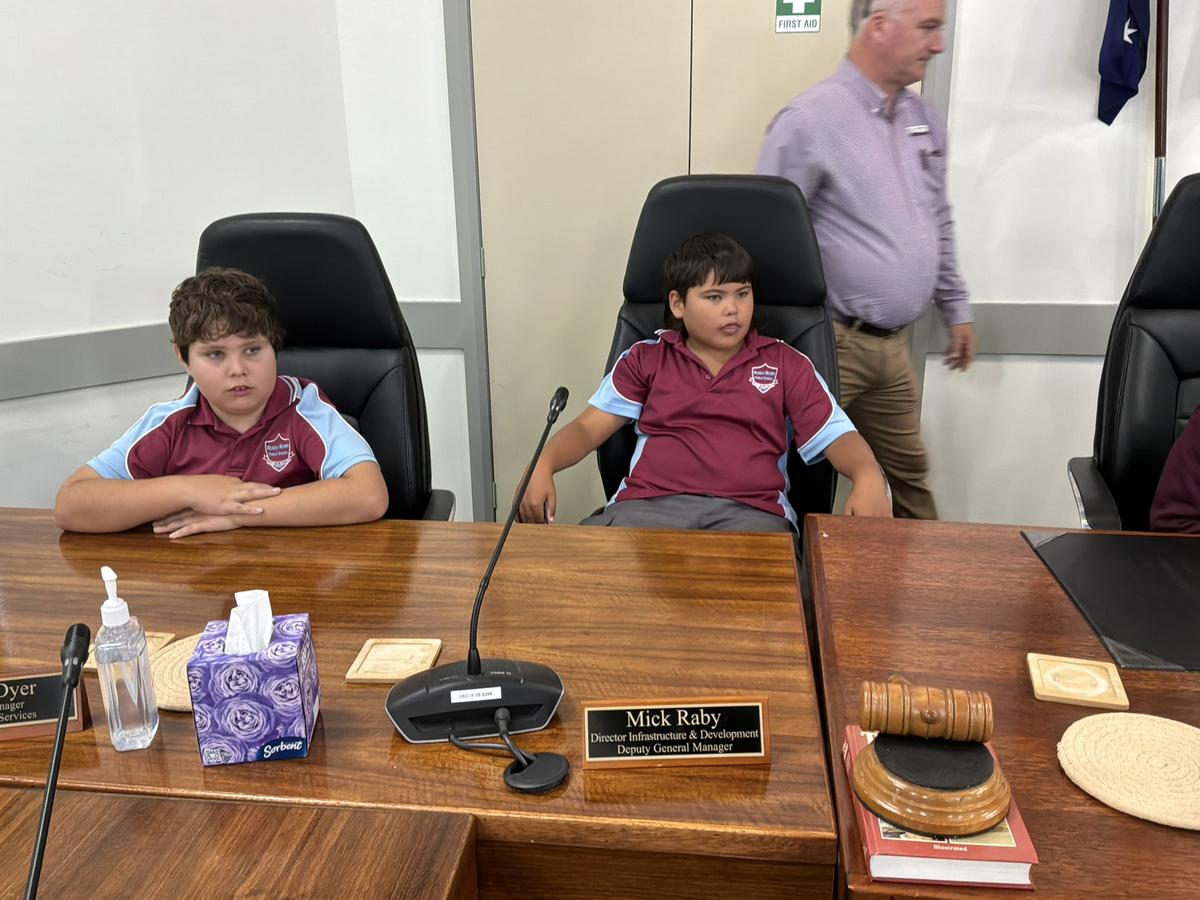
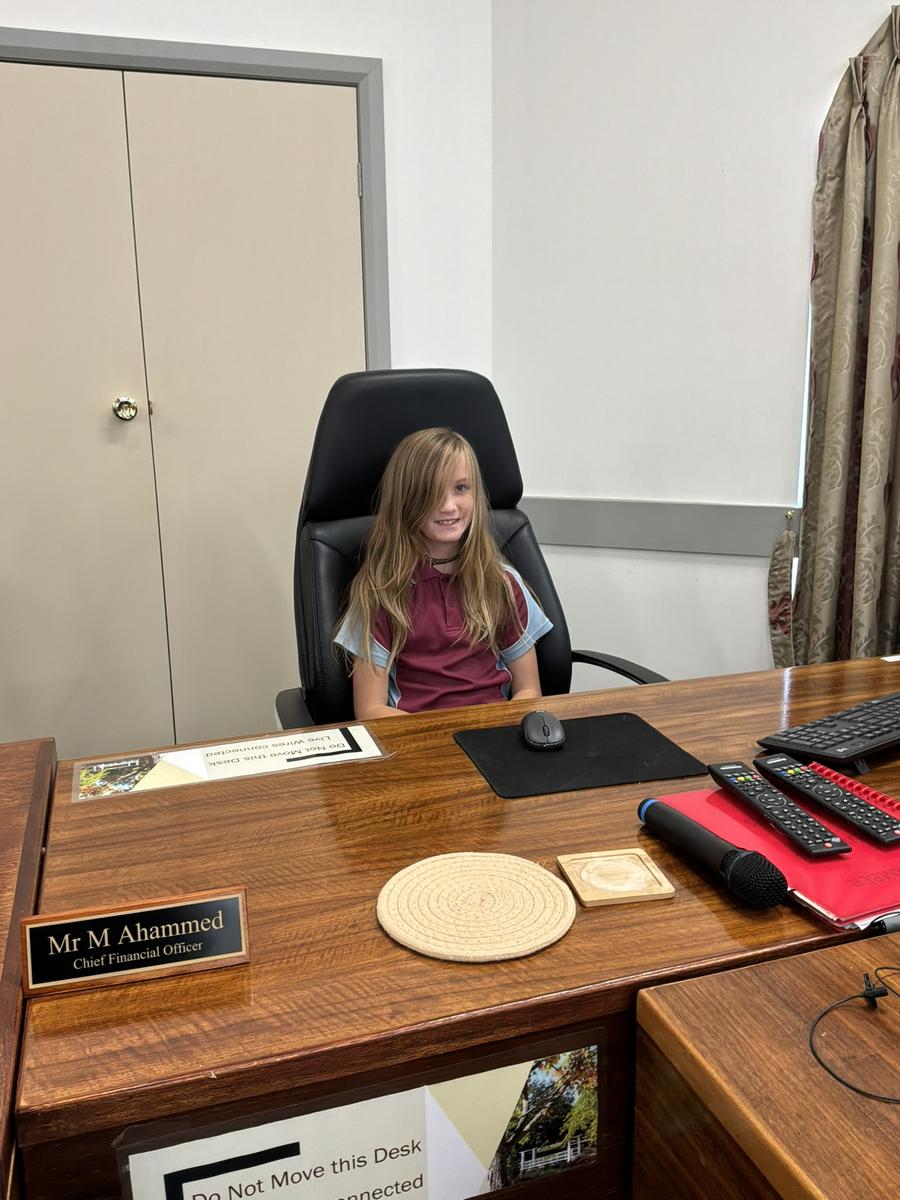
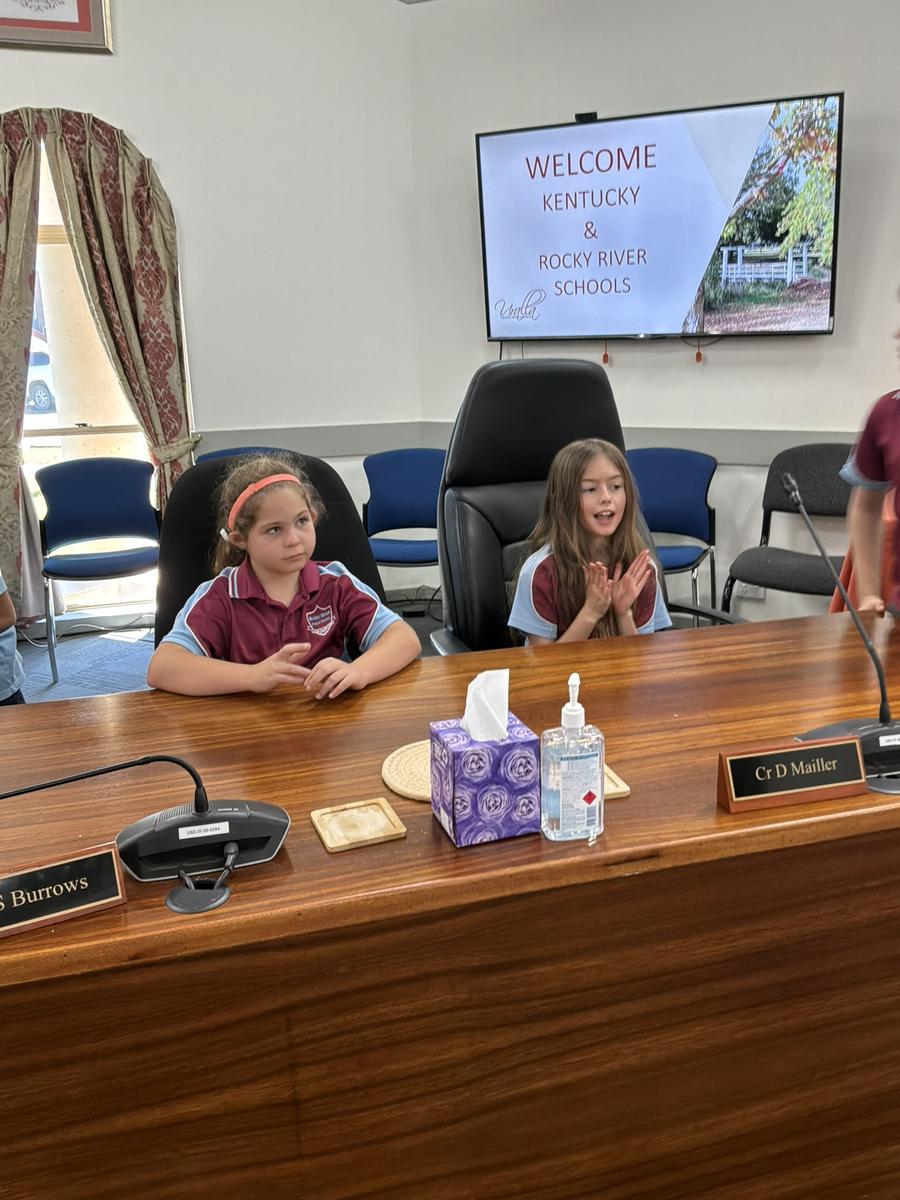
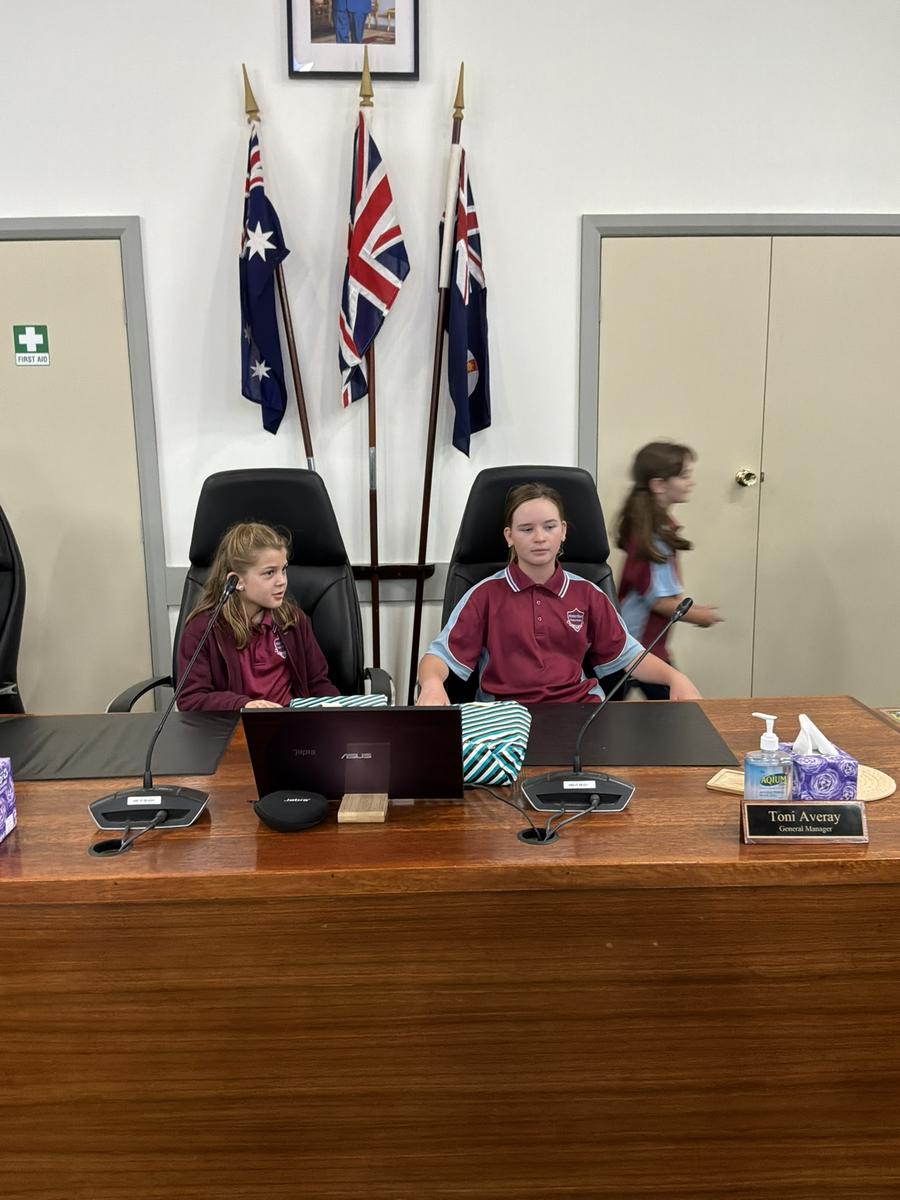
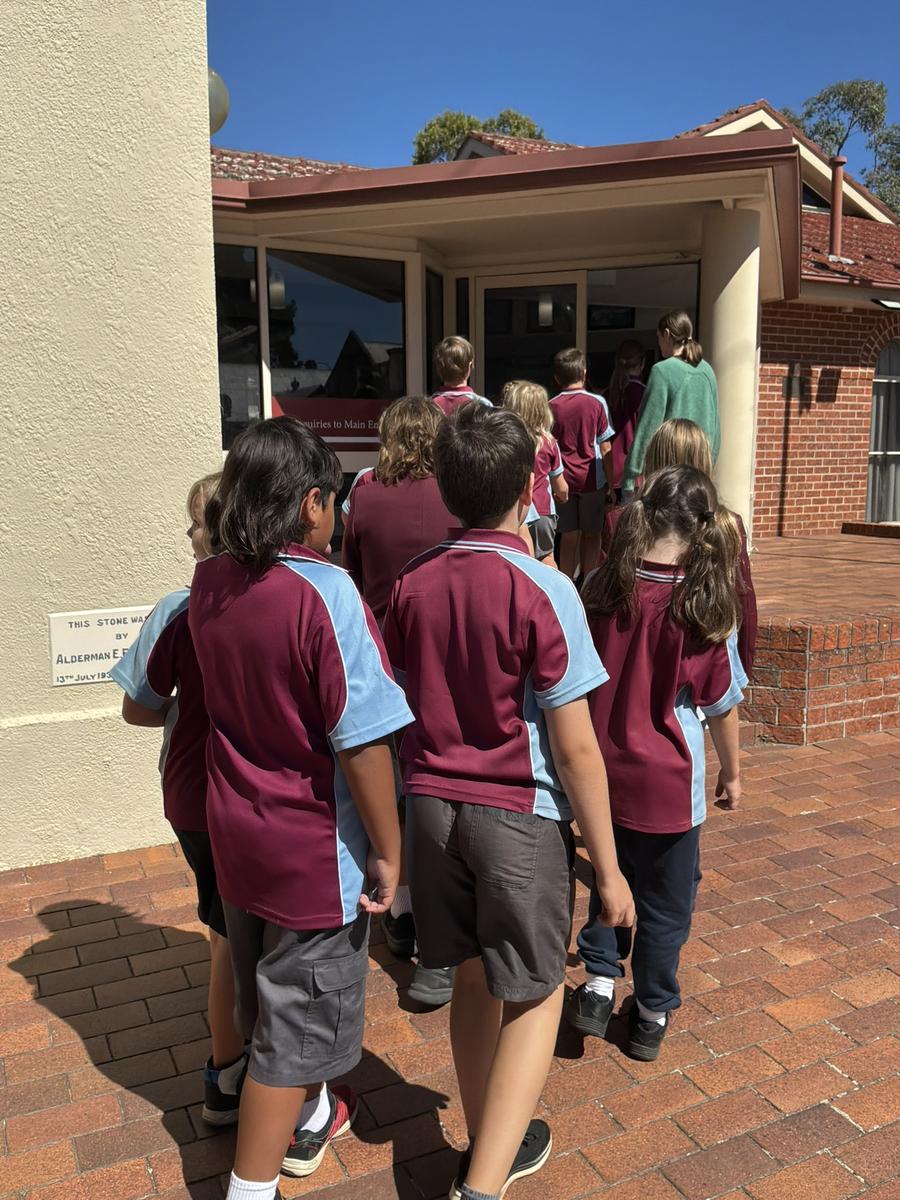
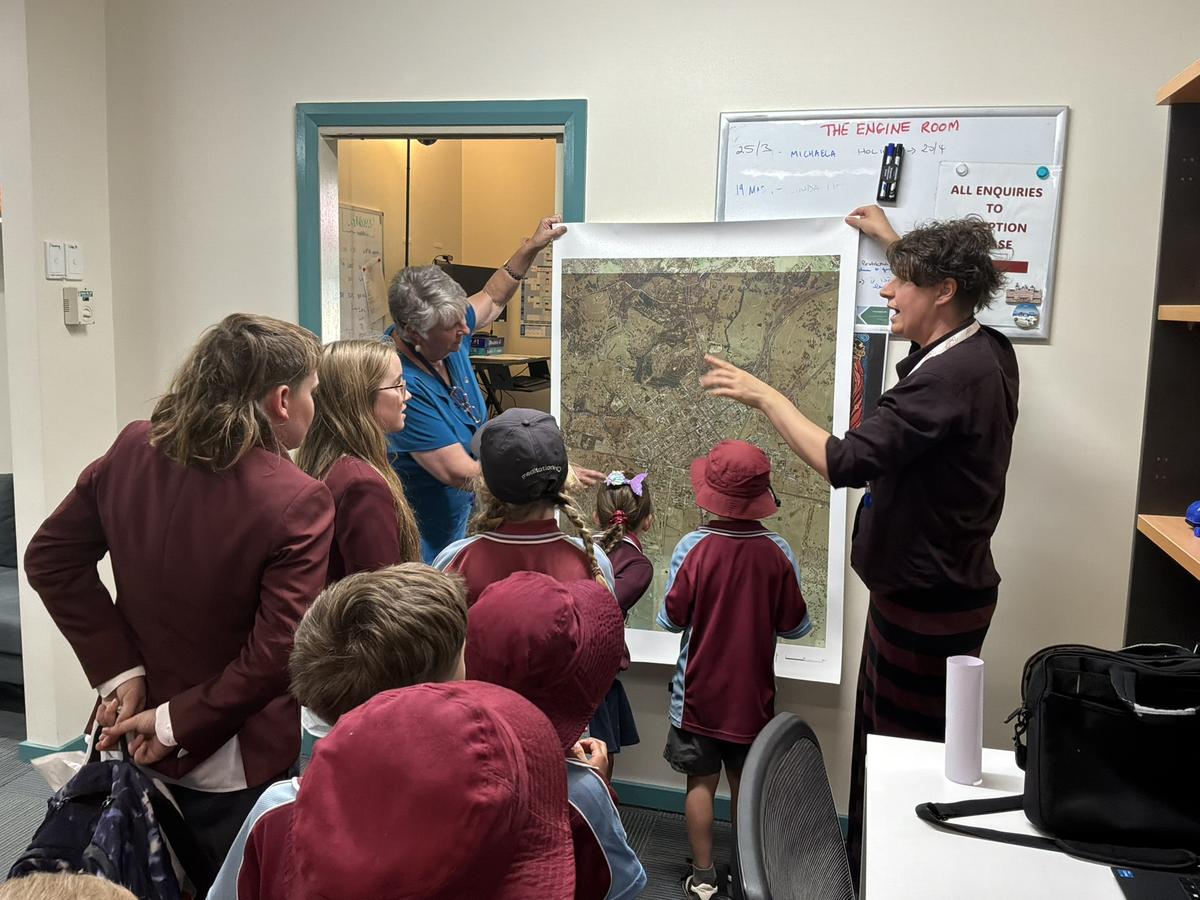
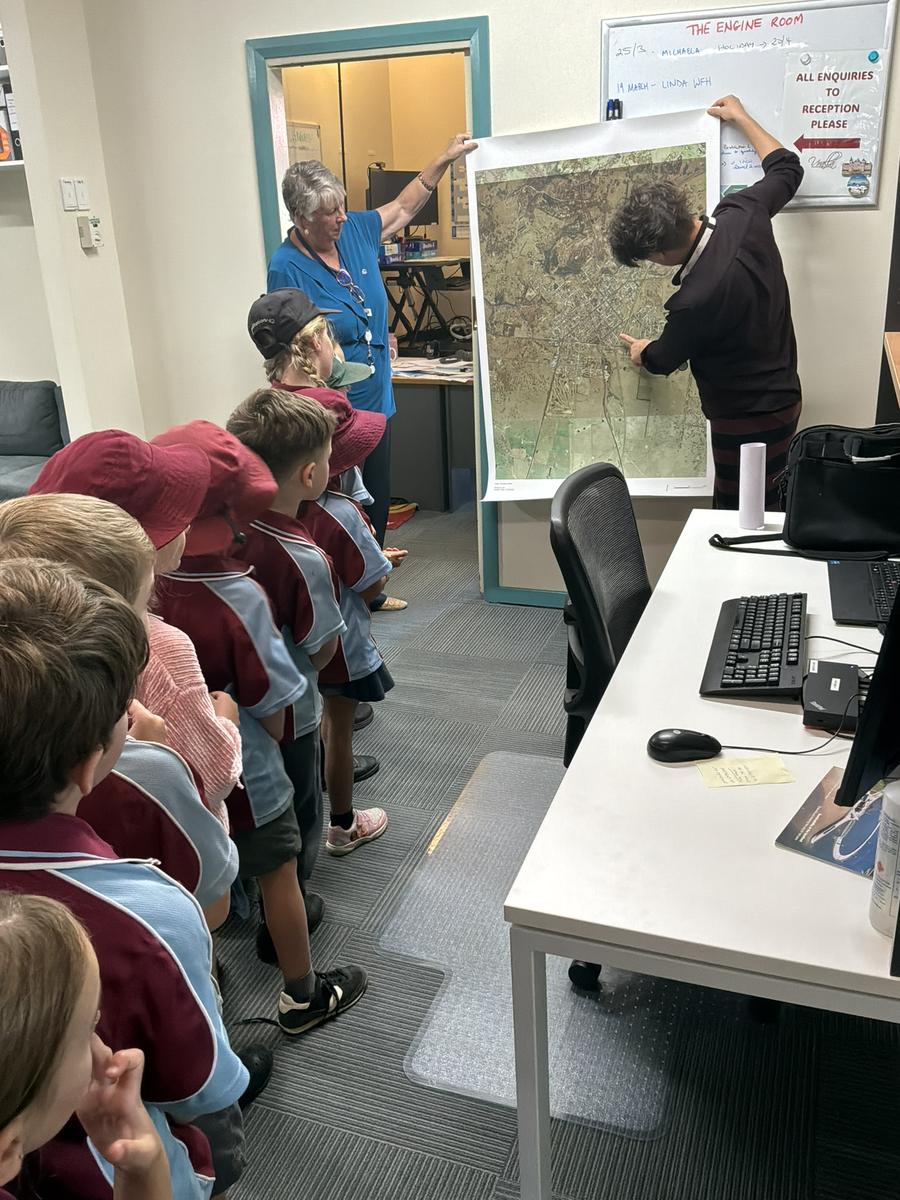
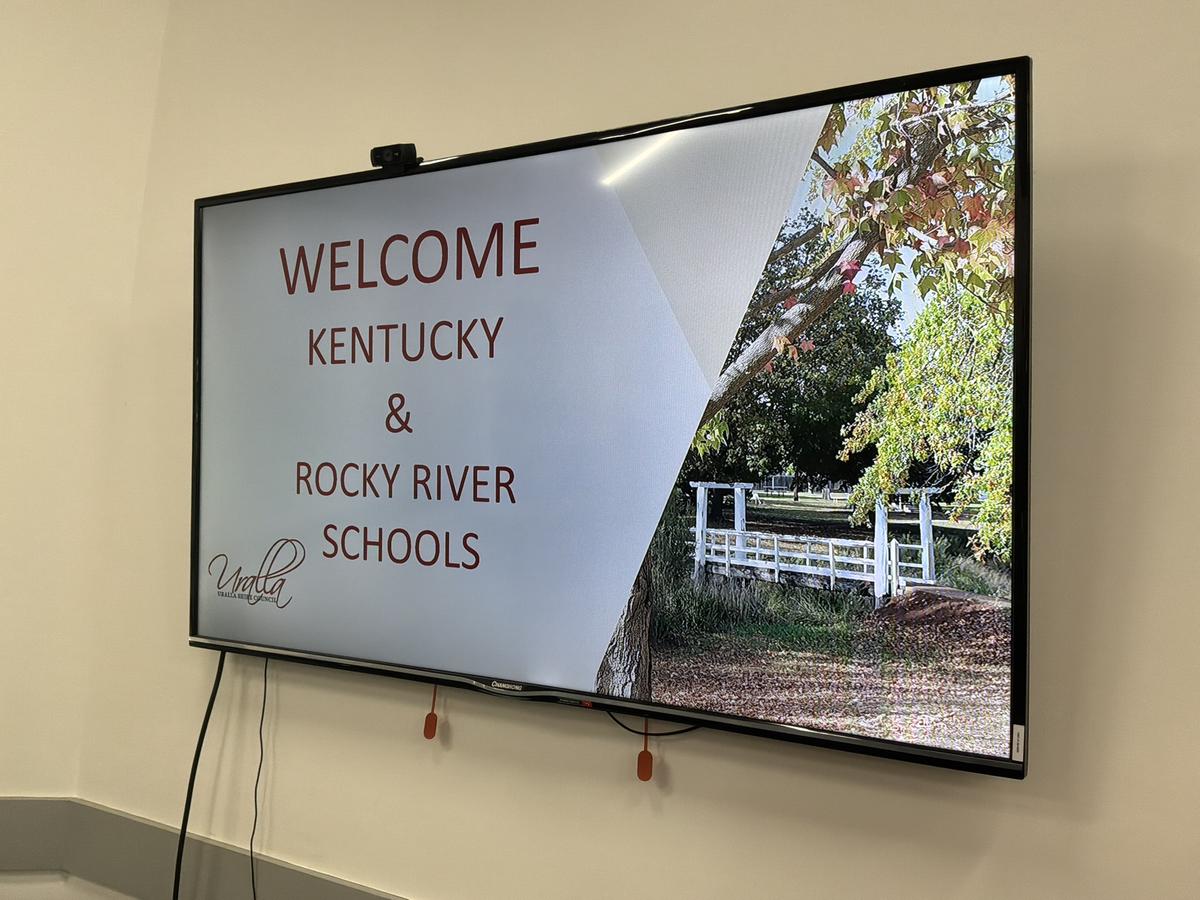
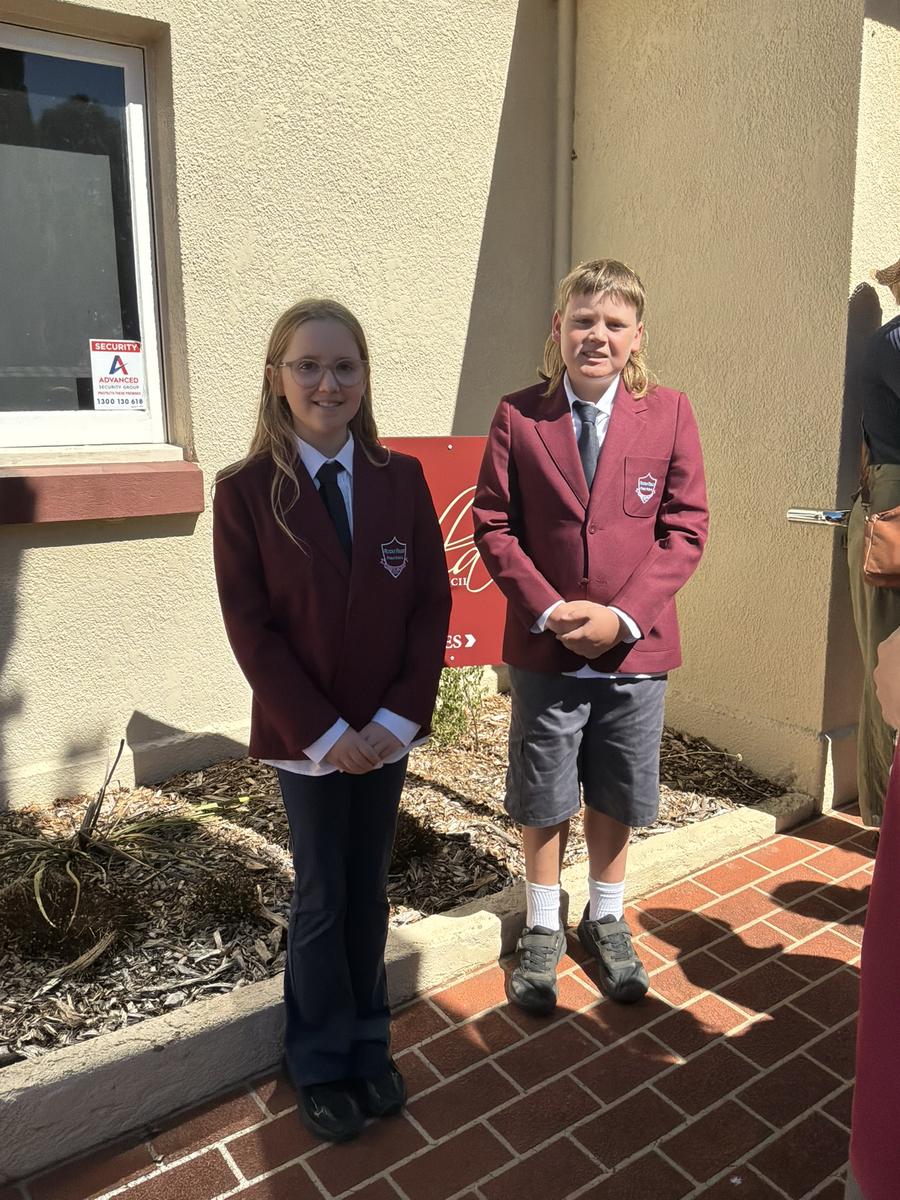
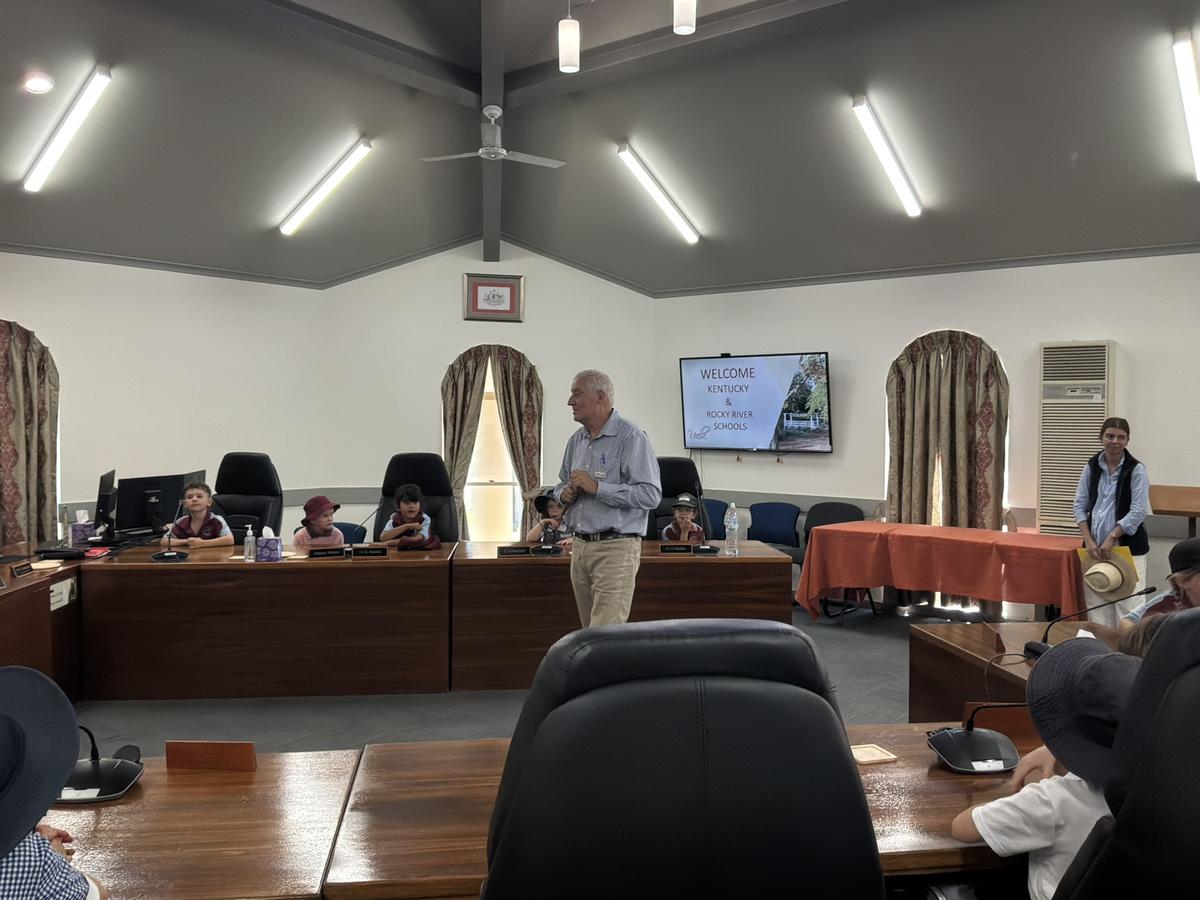
In addition to the art show visit, our students had the privilege of touring the Uralla Shire Council Chambers. We were warmly welcomed by Mayor Robert Bell, who shared insights about the important role the council plays in supporting and shaping our community. Mrs Westbrook guided us around the chambers, introducing us to council staff and giving a behind-the-scenes look at the daily work involved in managing local services and projects. This experience helped our students gain a deeper understanding of how local government operates and the many ways it contributes to the wellbeing and development of our town.
Lower Division
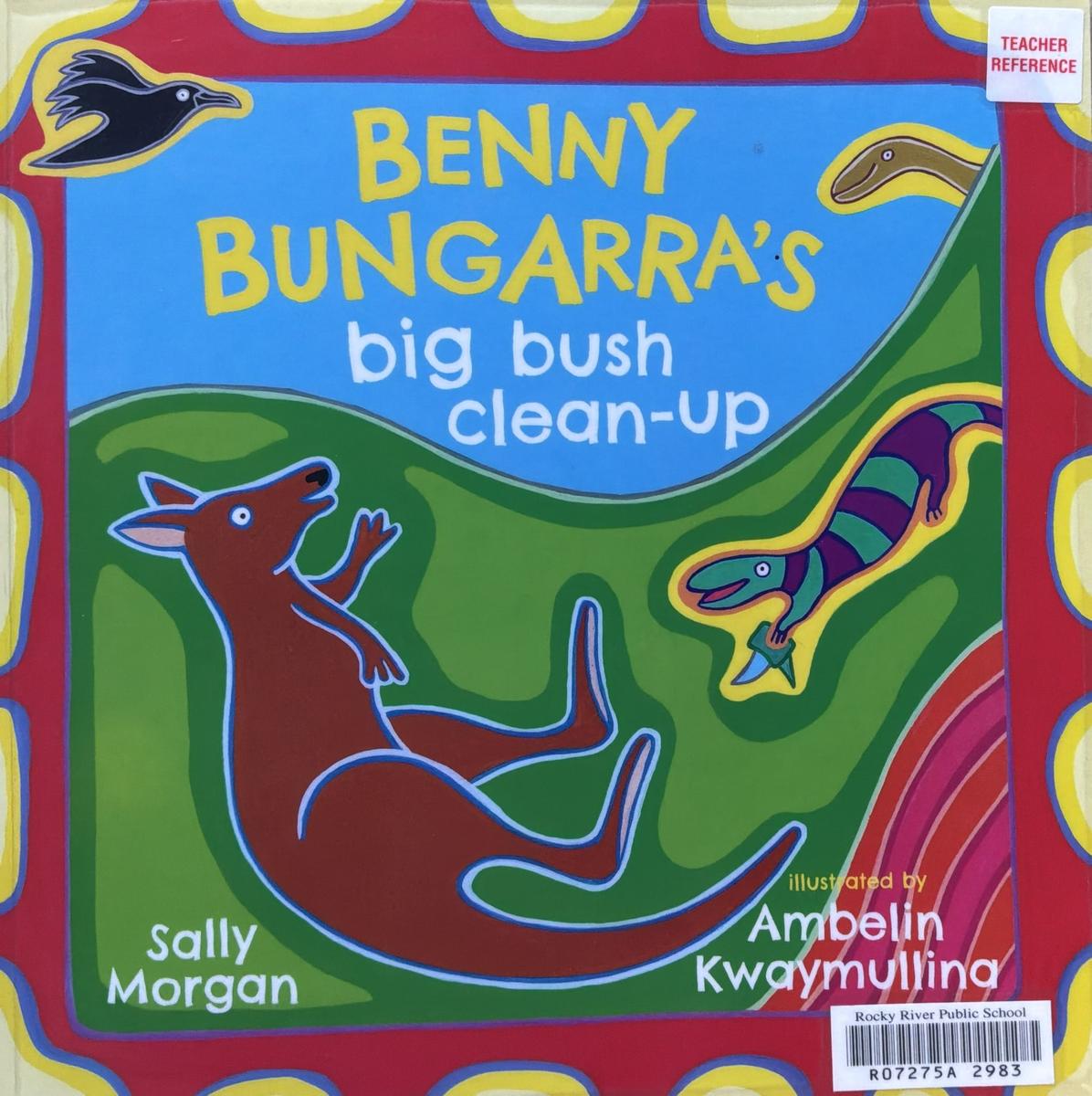
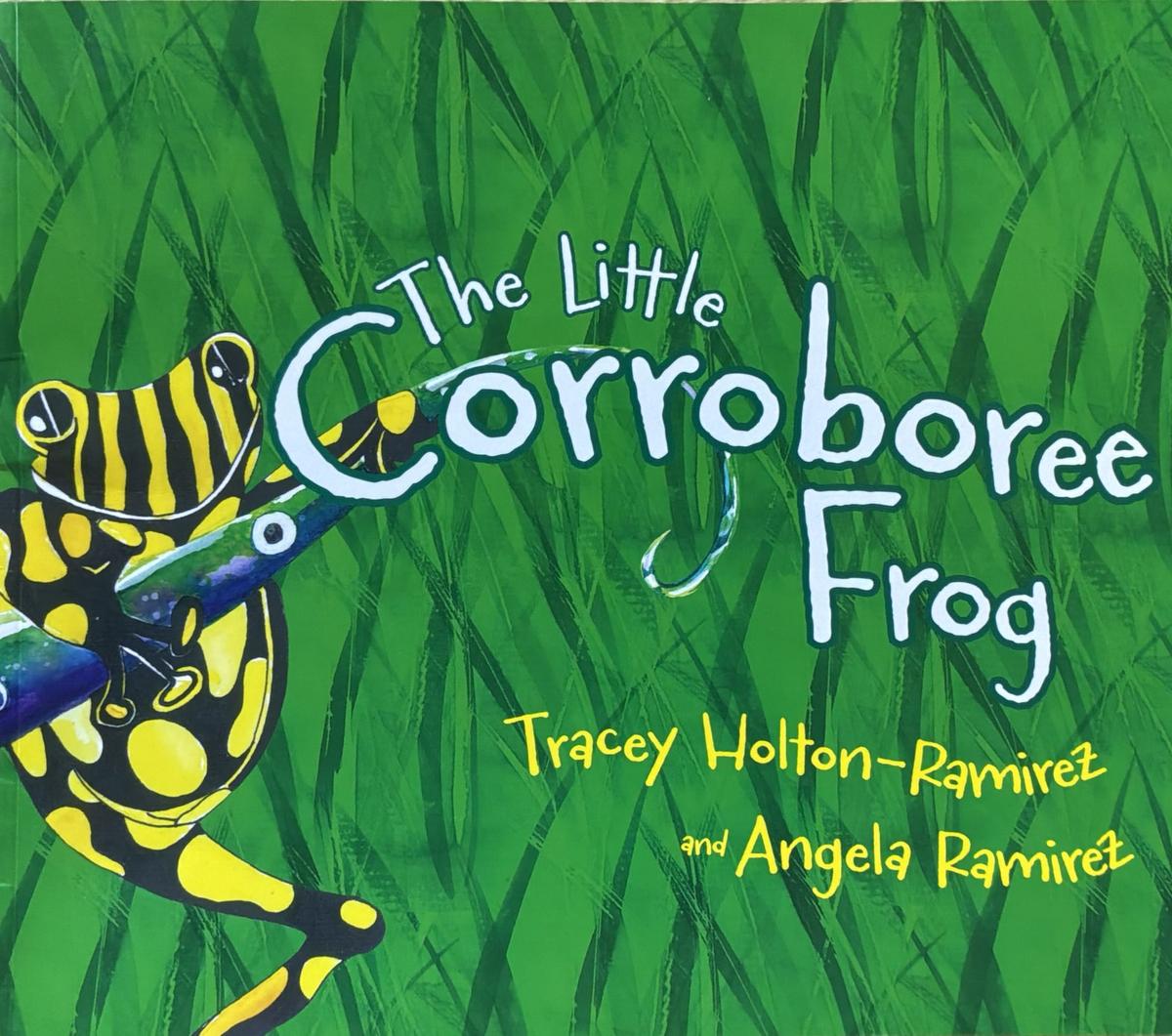
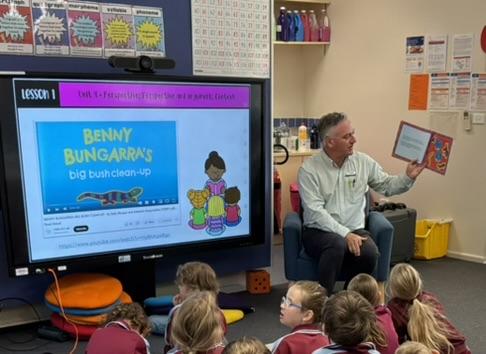
English: Our current Lower Division English unit is centred on developing students’ understanding of perspective and argument—important skills for reading, writing, and thinking critically. Students are immersing themselves in two engaging mentor texts: Benny Bungarra’s Big Bush Cleanup and The Little Corroberee Frog. These hybrid texts combine imaginative storytelling with informative content. Through these books, students are exploring how authors can inform and persuade by presenting issues from different viewpoints.
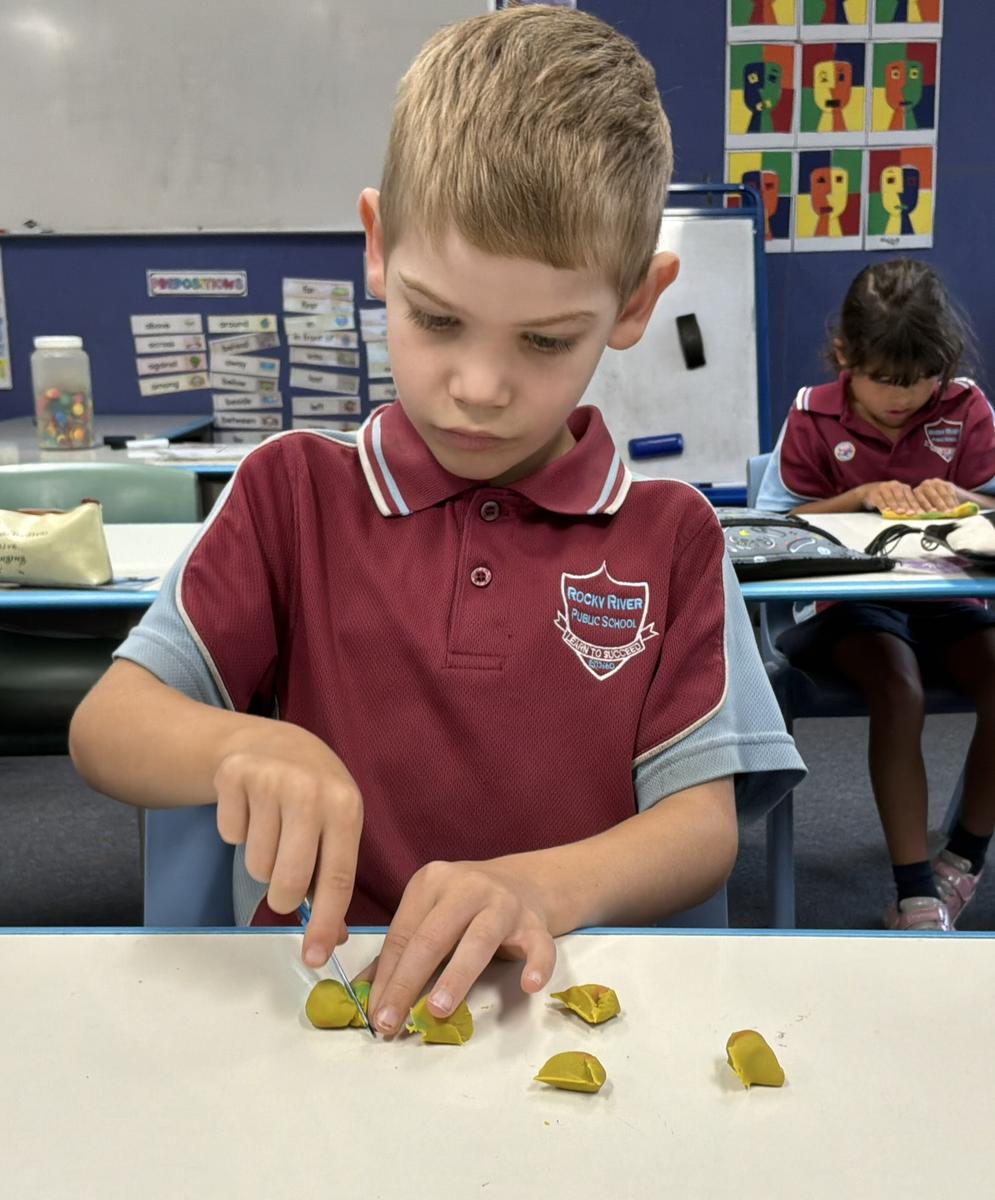
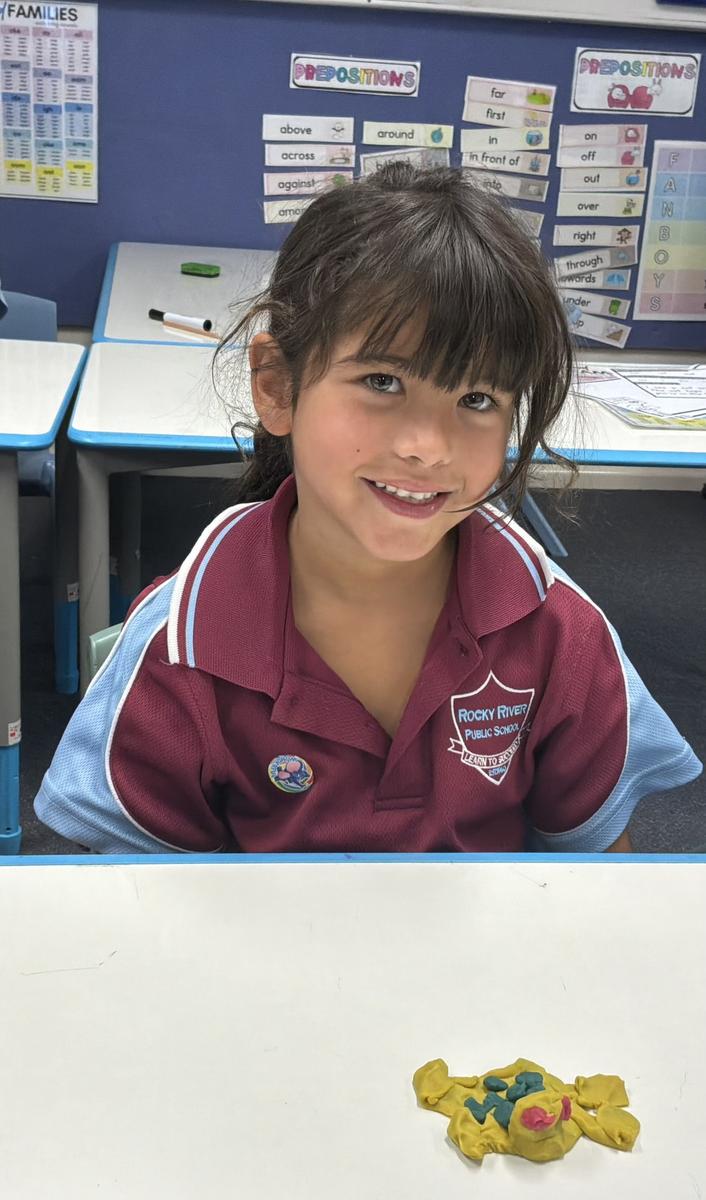
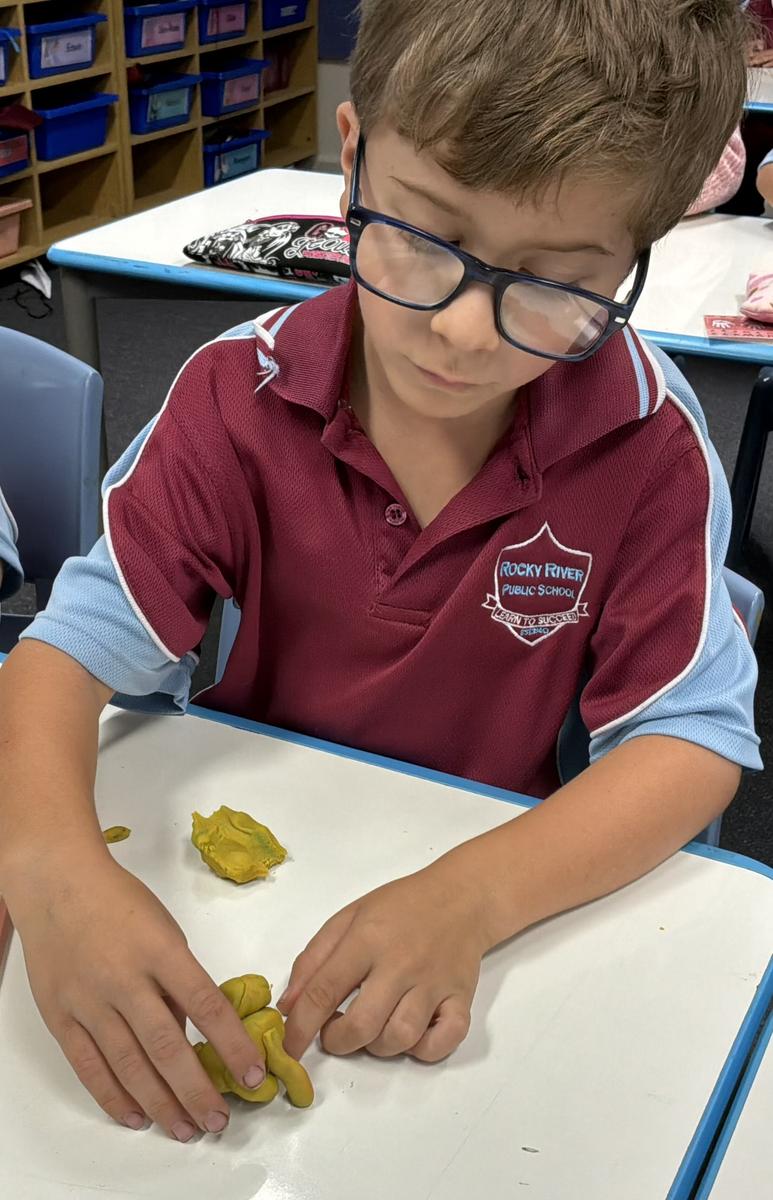
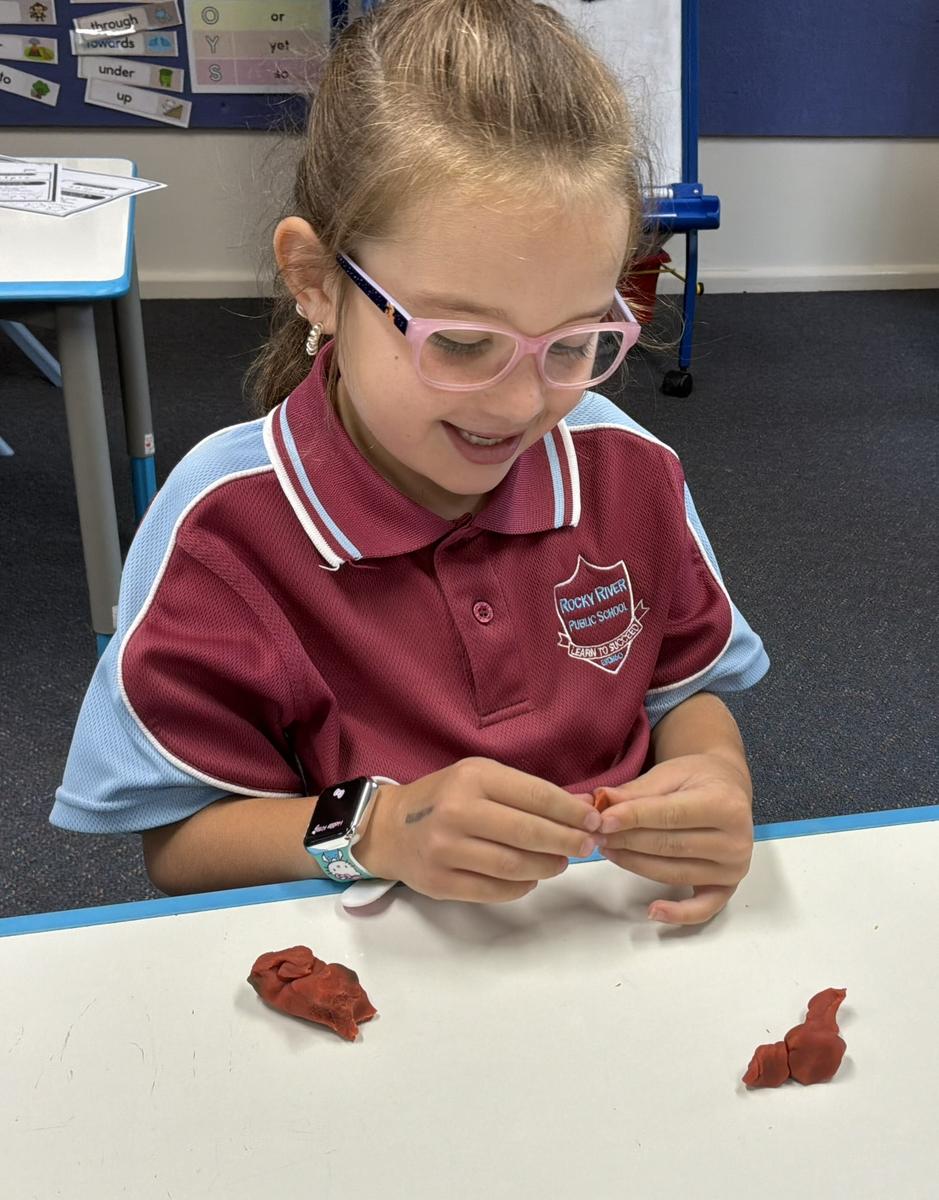
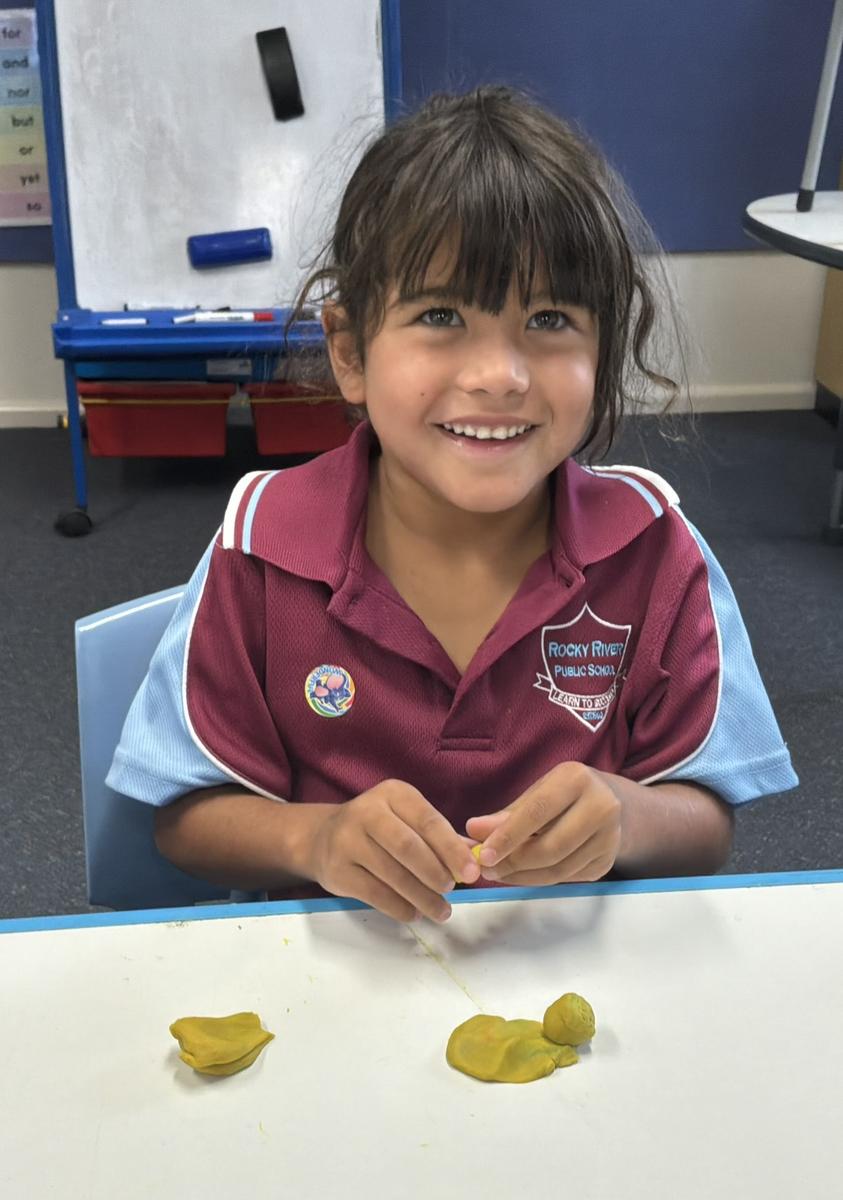
As part of their learning, students are identifying persuasive language, investigating how facts and opinions are used, and discussing the messages of environmental responsibility and community action found in both stories. Activities include debating the perspectives of characters, constructing their own arguments for protecting Australian wildlife, and writing imaginative pieces that incorporate persuasive techniques. We even got the chance to make our own frogs out of play dough which was lot of fun.
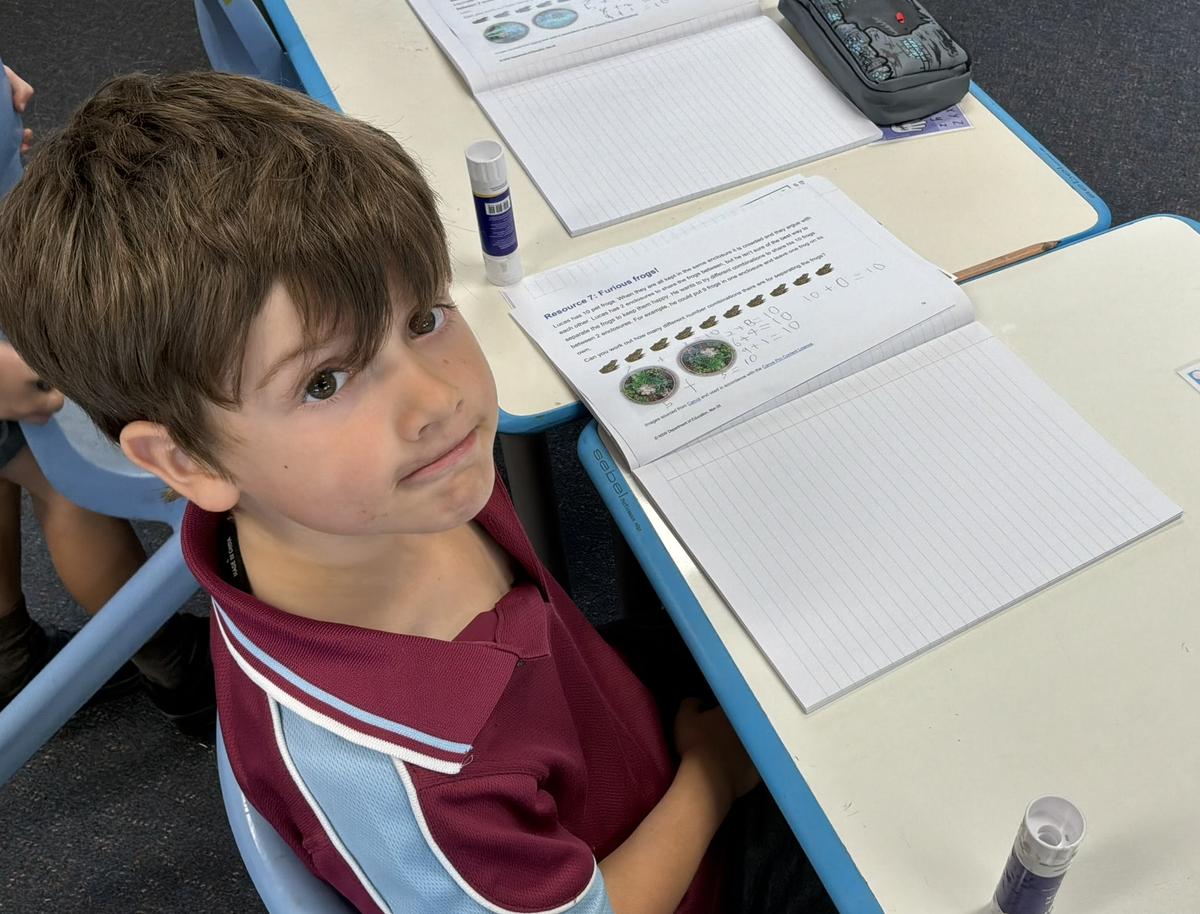
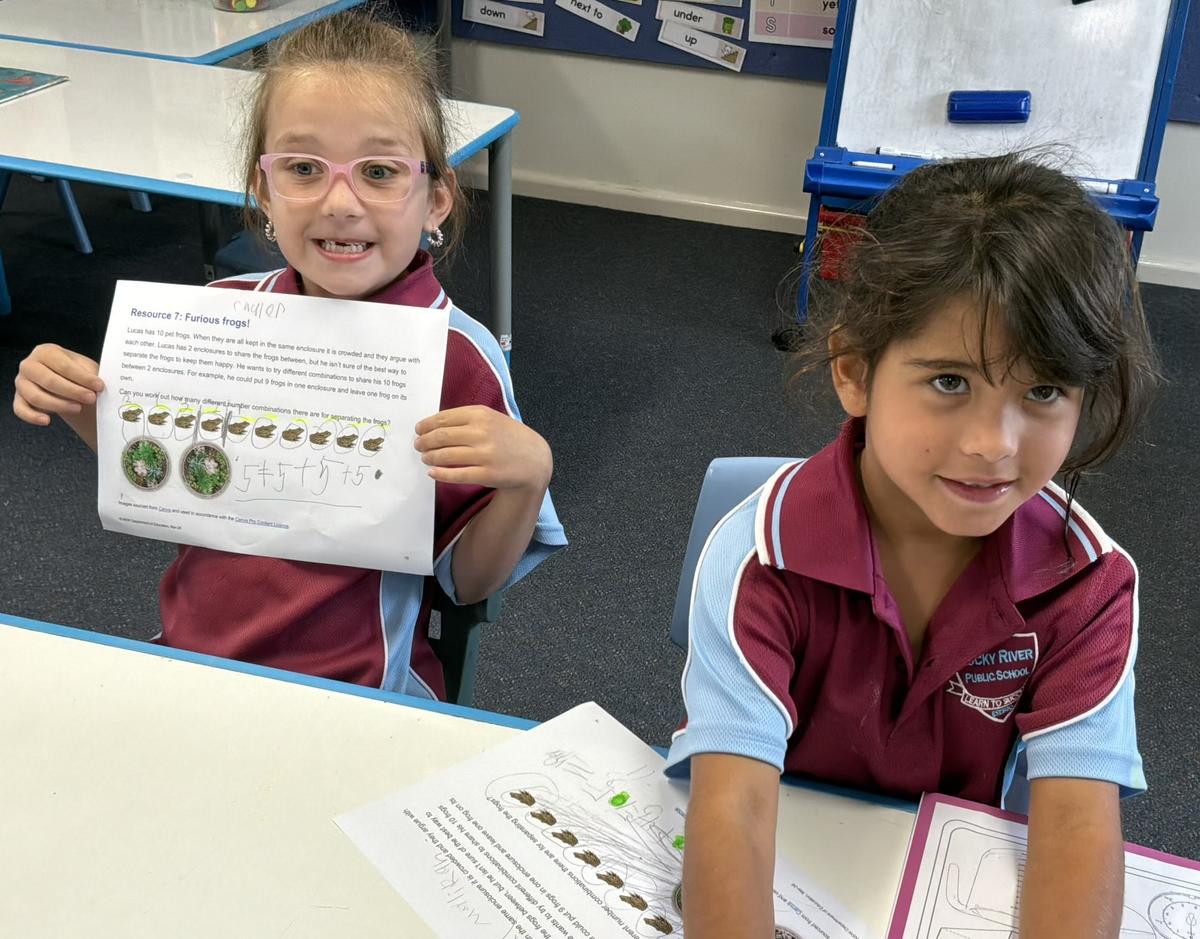
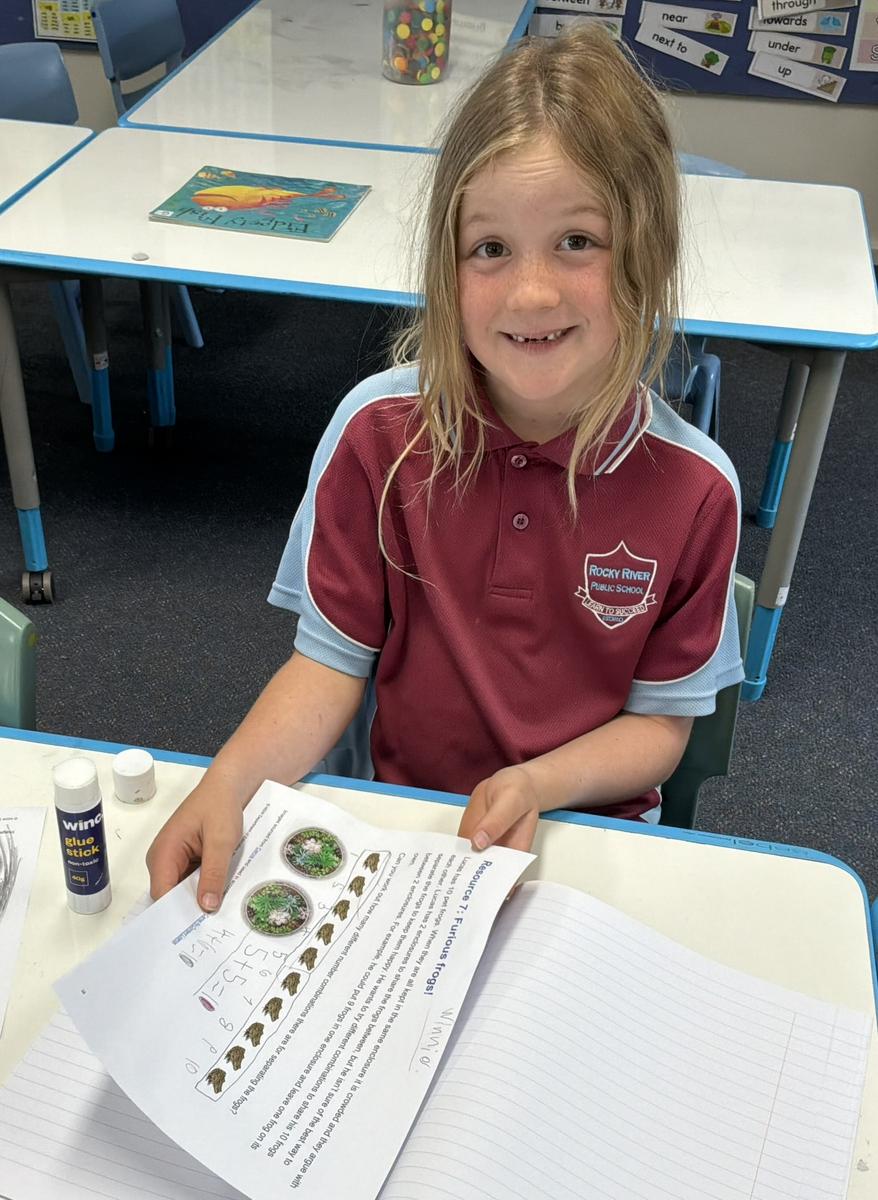
Mathematics: In Mathematics, our unit focus is on strengthening students’ number sense, particularly around organising collections, representing larger numbers, partitioning, and understanding place value. Students are engaging in hands-on activities that help make abstract concepts more concrete.
We’re using materials like 10 frames, counters, and chalk to build, group, and break apart numbers. These concrete tools allow students to visually and physically explore how numbers can be made up of parts and put together in different ways. For example, students practise grouping objects in sets of tens and ones, represent numbers in multiple formats, and solve problems related to counting, addition, and subtraction. By manipulating materials and recording their findings, students gain a deeper understanding of place value—a foundational skill for future learning.
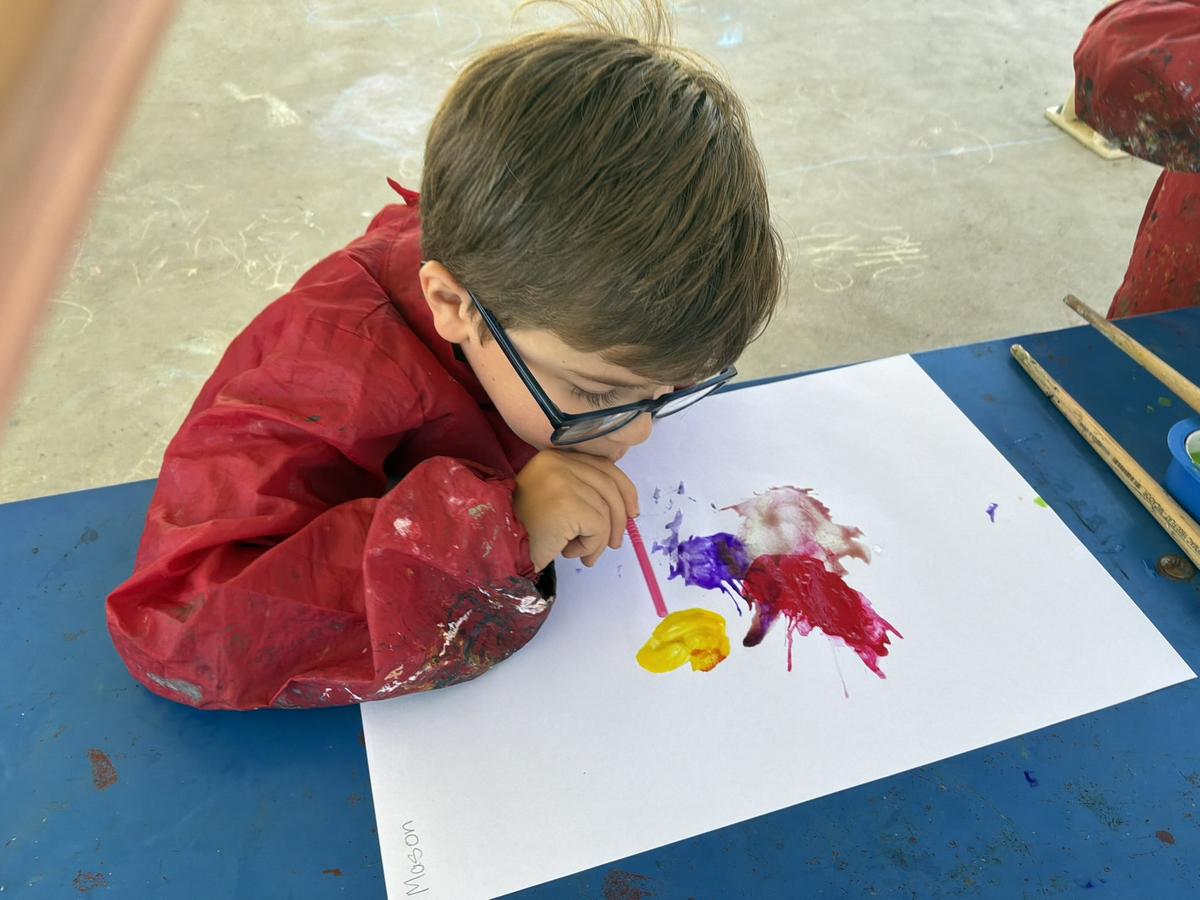
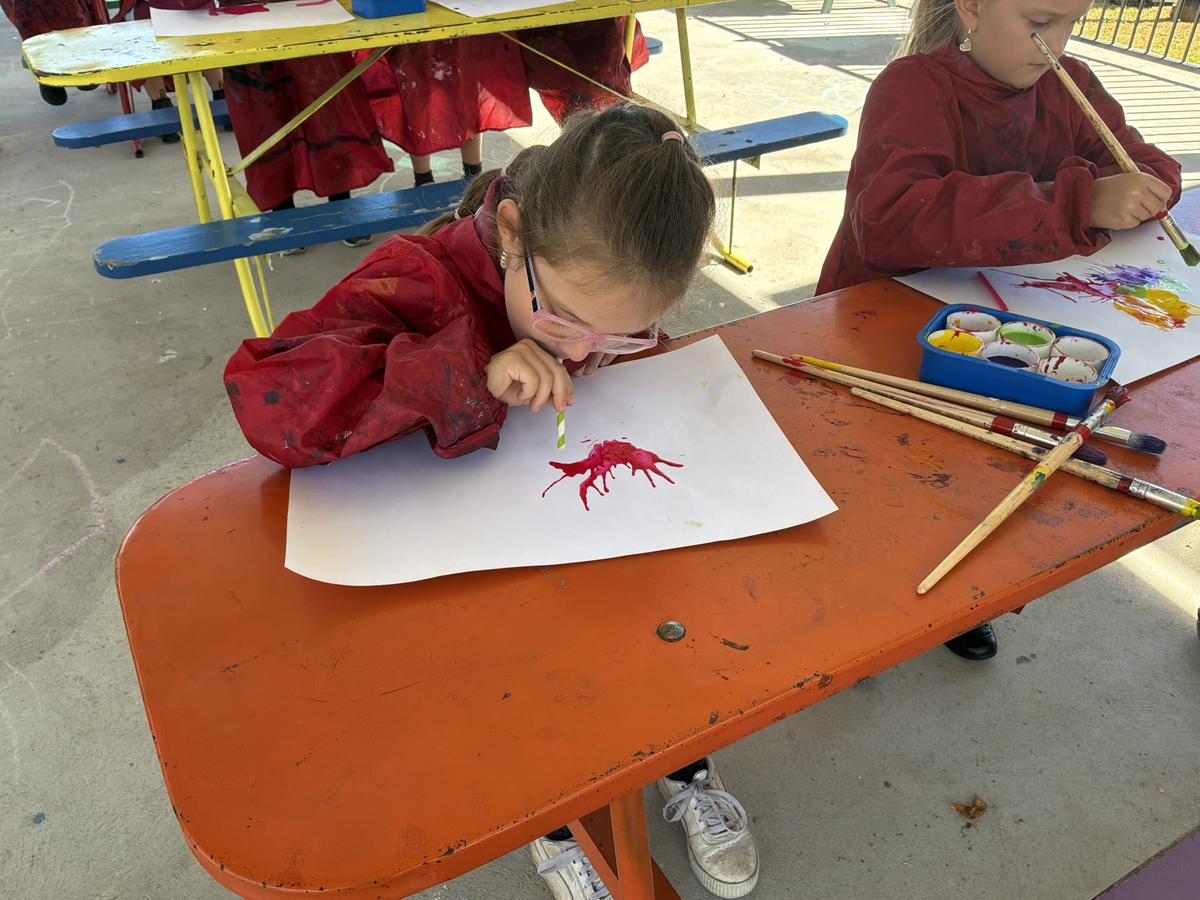
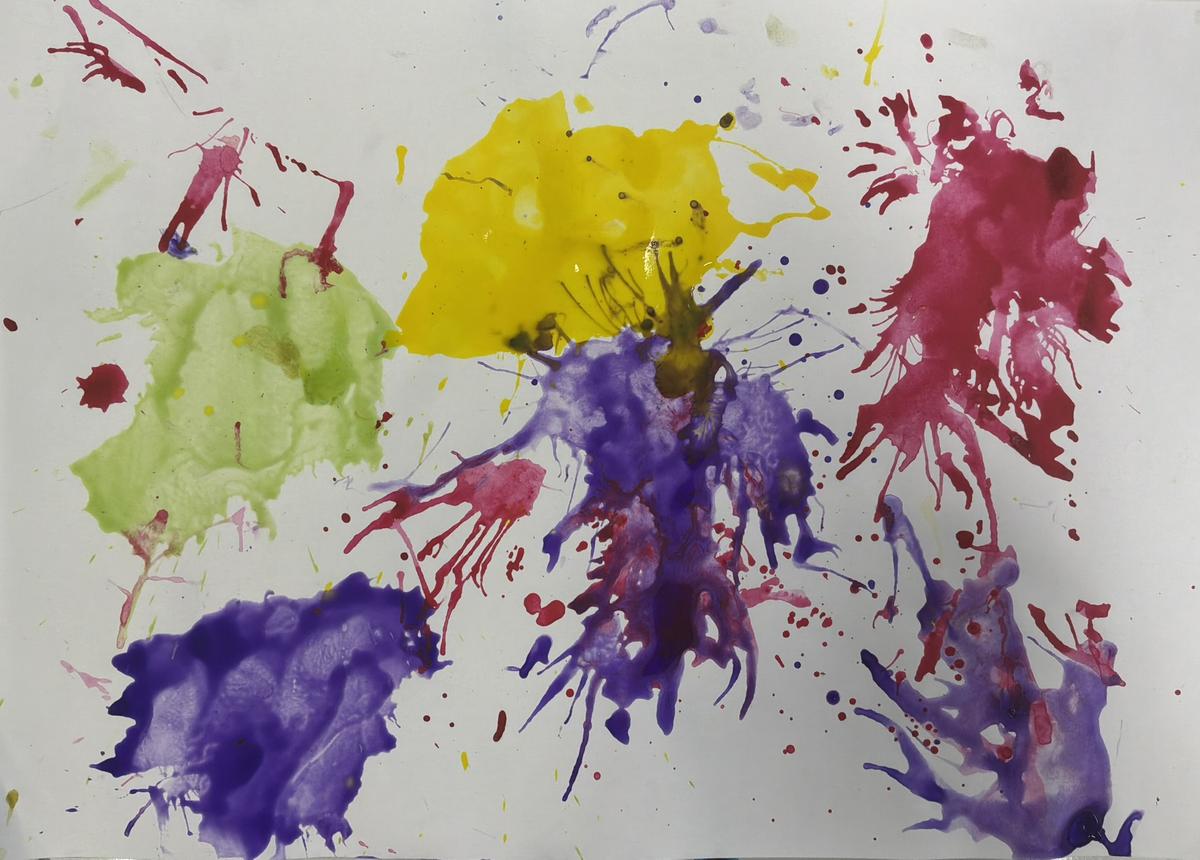
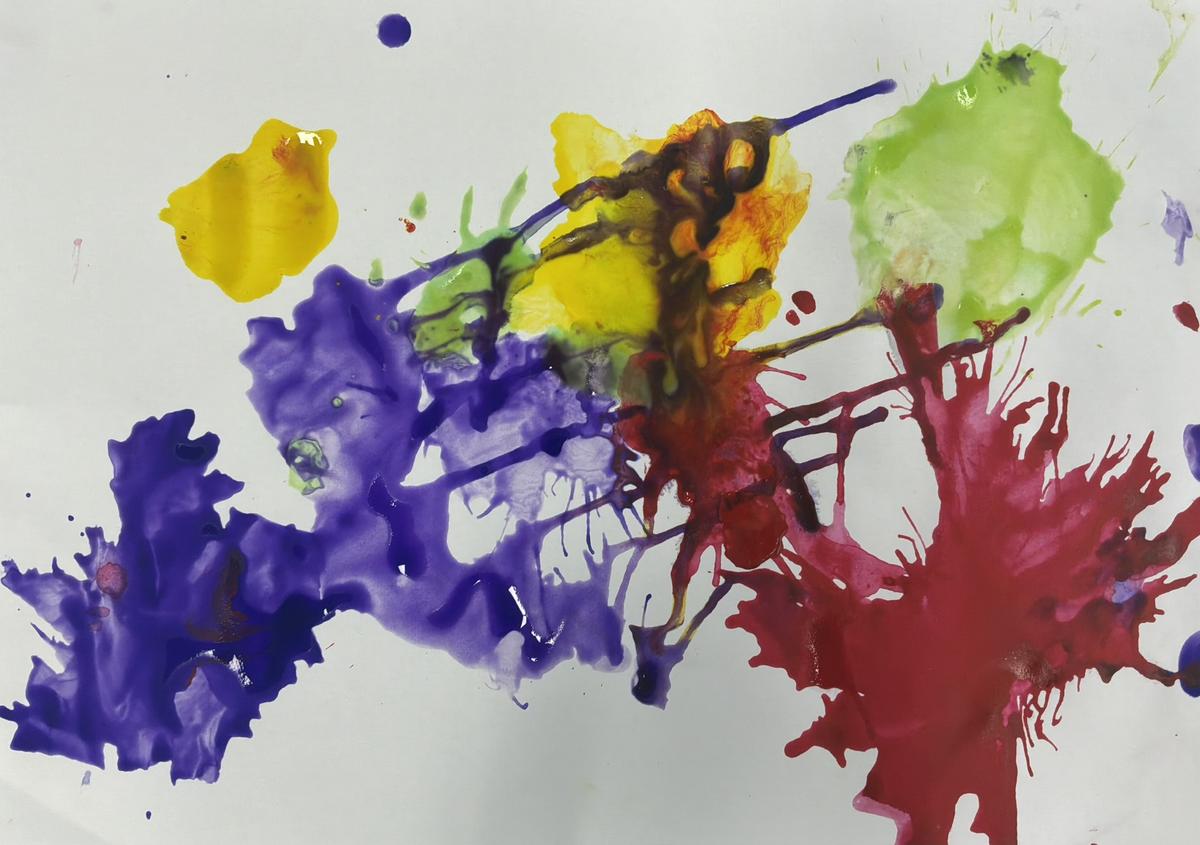
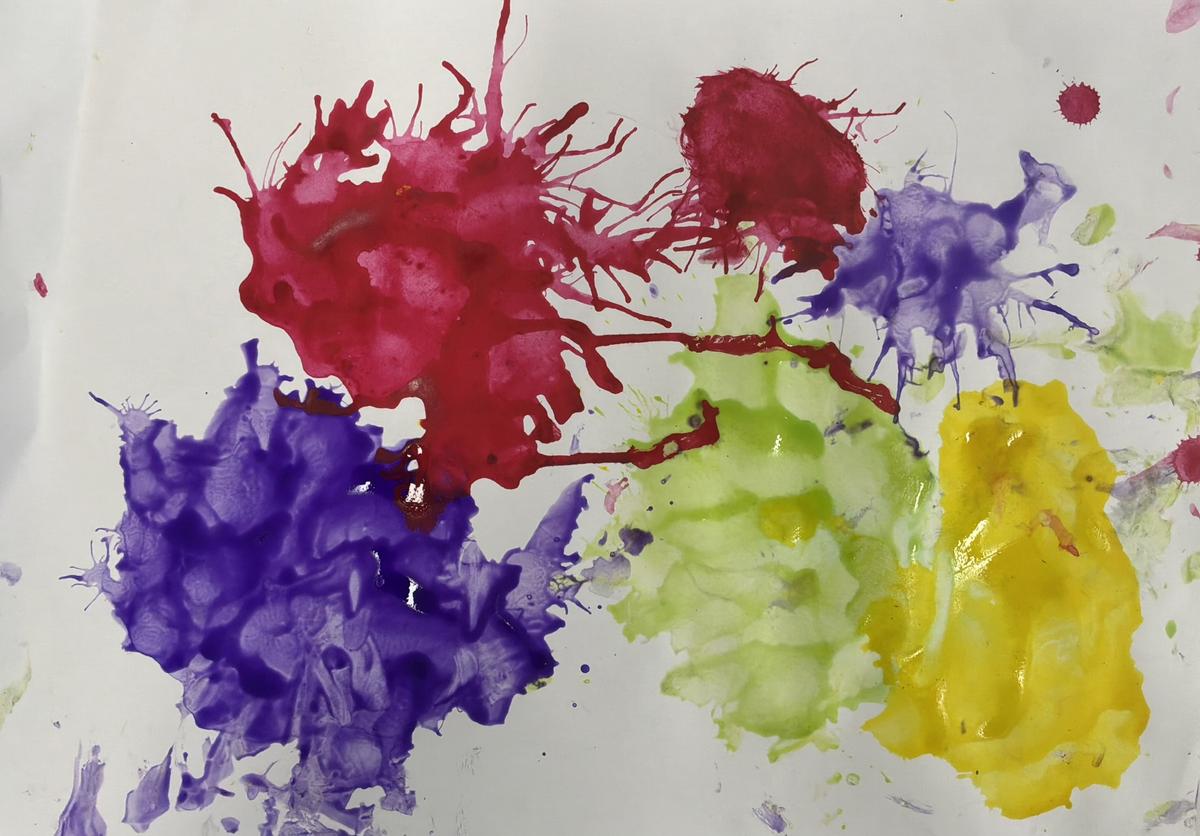
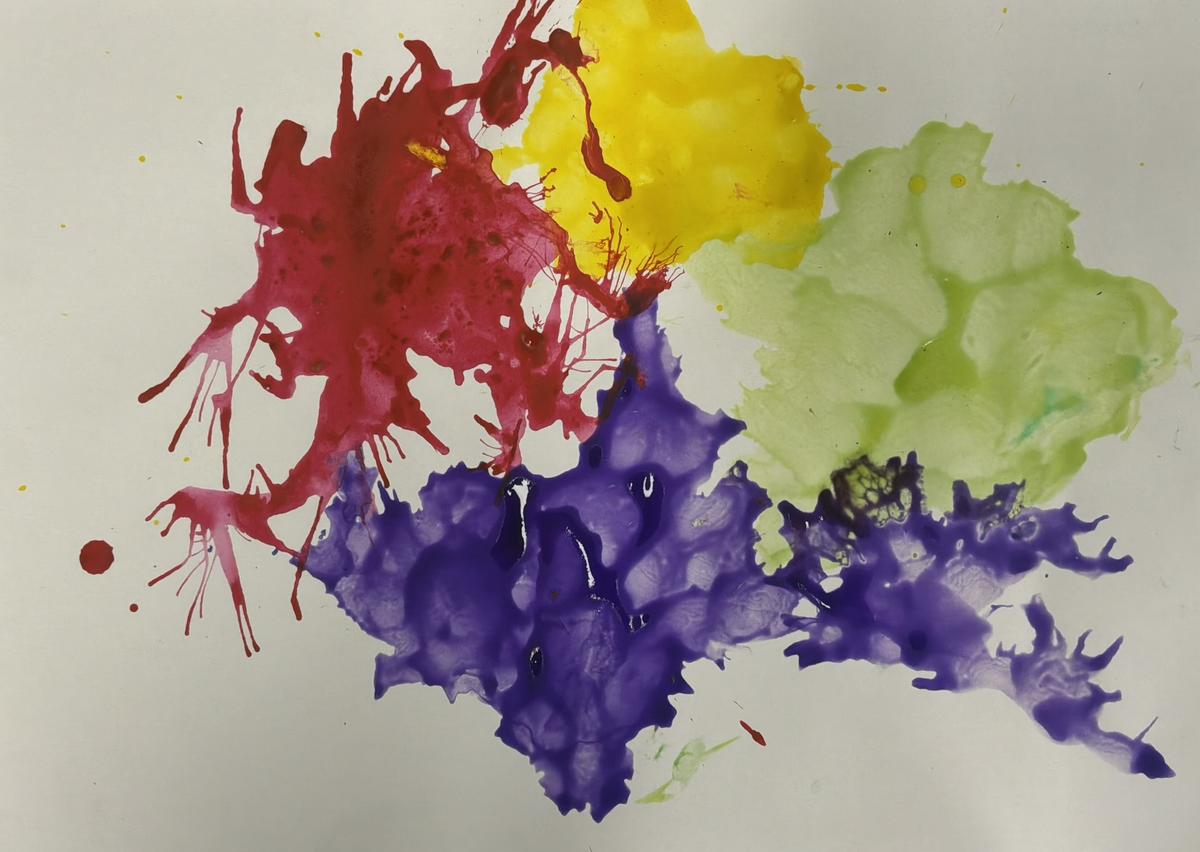
Art: In Art, students have embraced a creative challenge by experimenting with blowing paint across paper using straws. This technique encourages exploration of texture, colour mixing, and the movement of paint—leading to unique and unexpected results! Students learned about controlling air flow, how paint behaves on different surfaces, and how abstract art can be created using unconventional methods.
This activity builds both fine motor skills and confidence with new mediums. The collaborative nature of art lessons allows students to share their artwork, compare techniques, and reflect on their creative process. Everyone has thoroughly enjoyed the lively and imaginative atmosphere, with lots of laughter and excitement as their artworks take shape.
We are proud of the students’ enthusiasm and progress across all subjects. We look forward to seeing their creativity, problem-solving skills, and ability to express themselves continue to develop throughout the term!
Upper Division
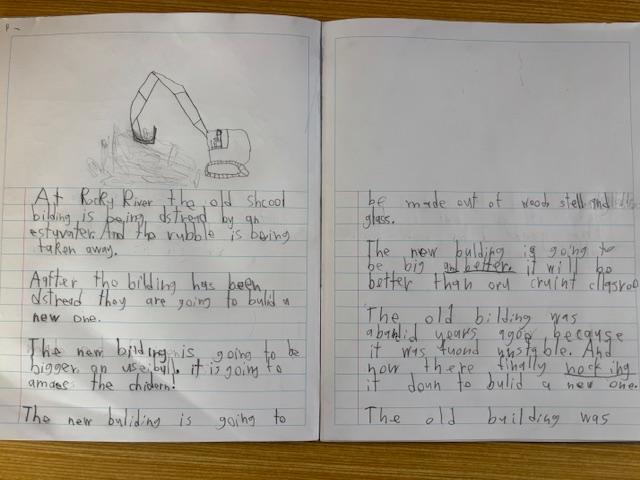
Stage 2 | Demolition Recount
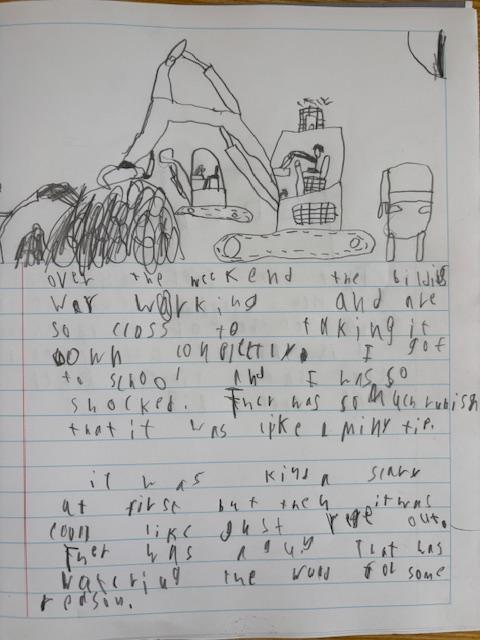
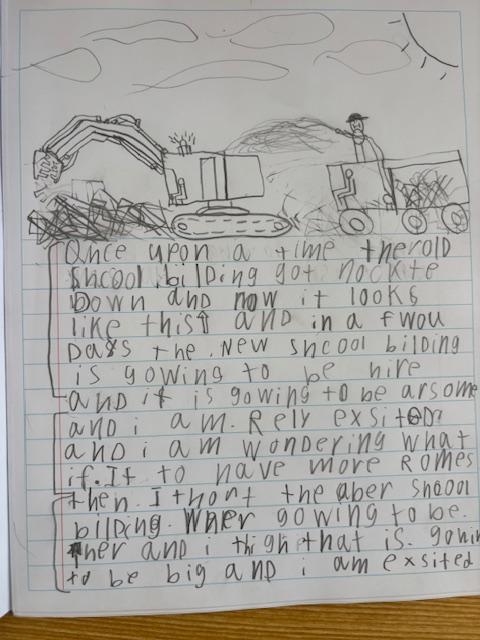
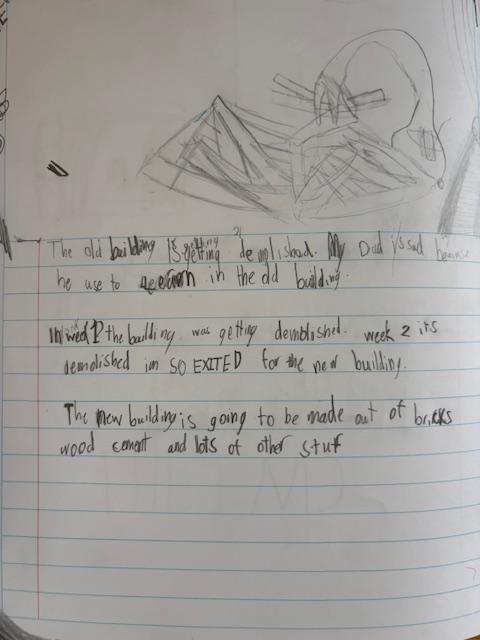
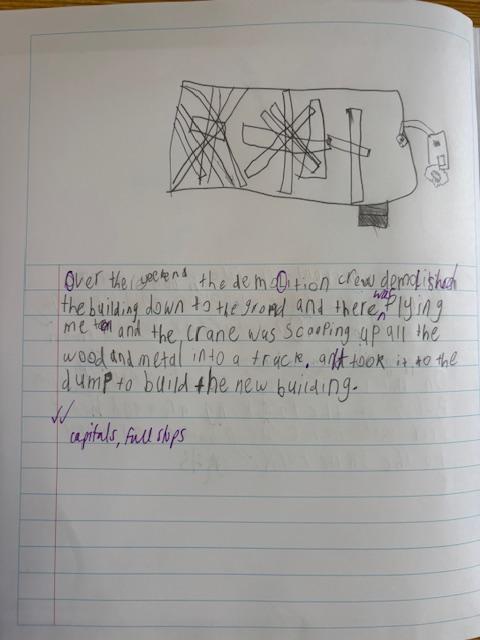
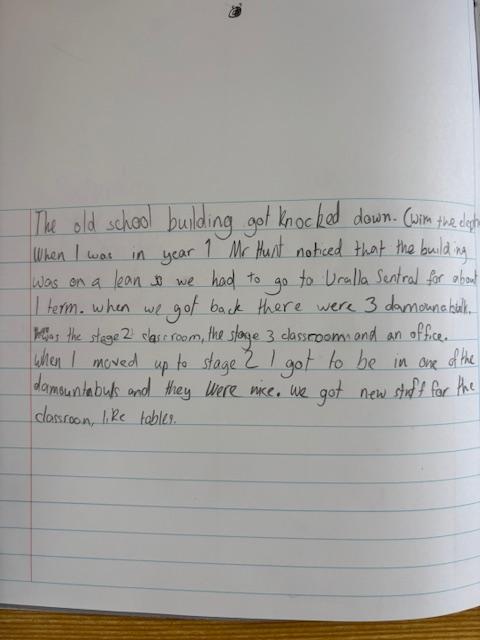
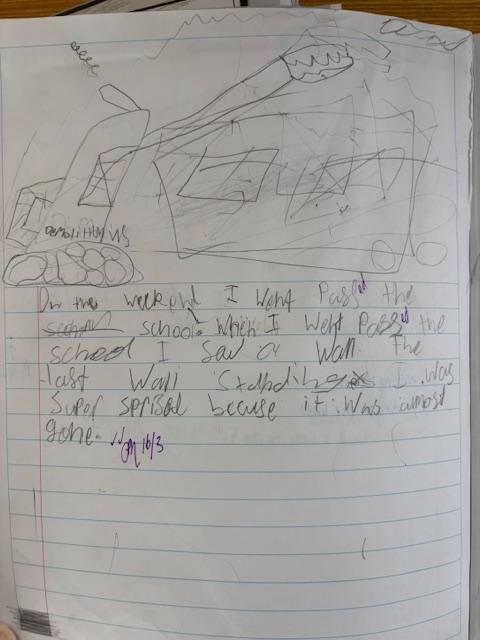
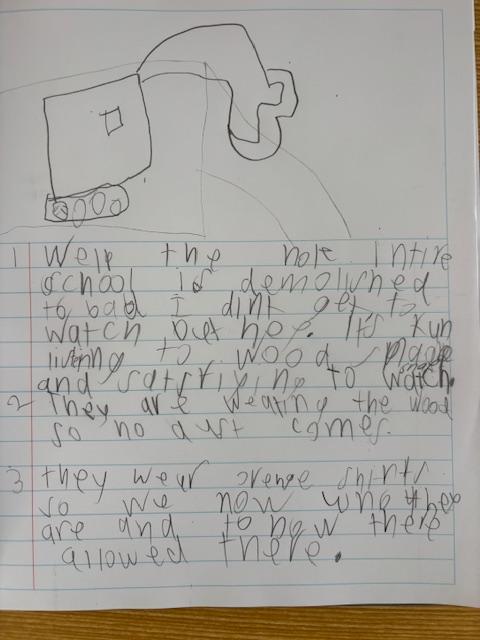
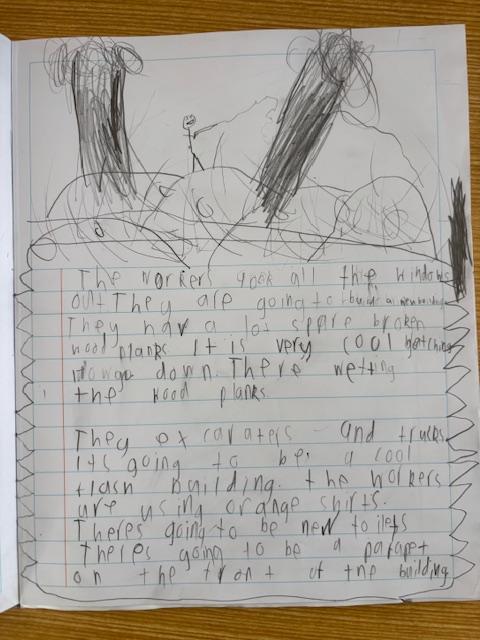
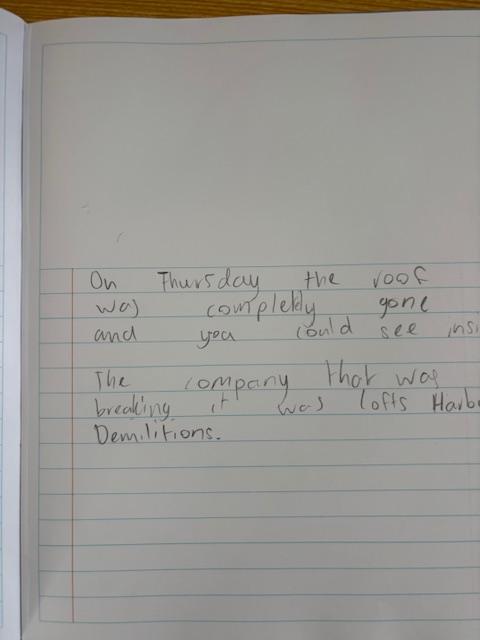
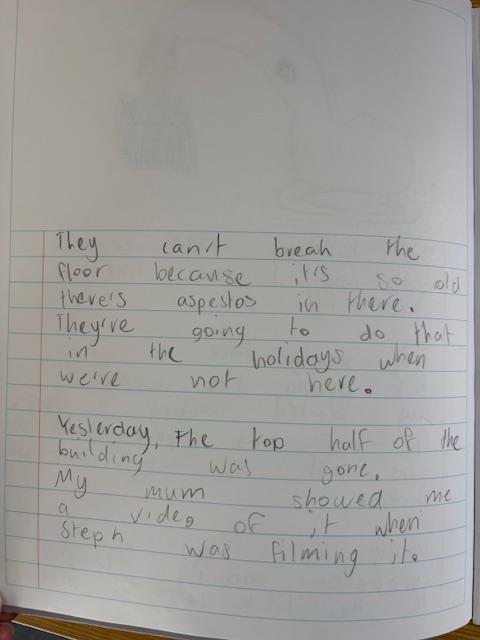
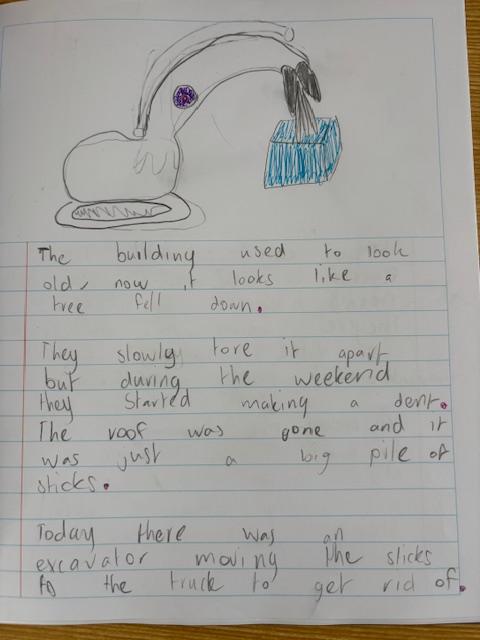
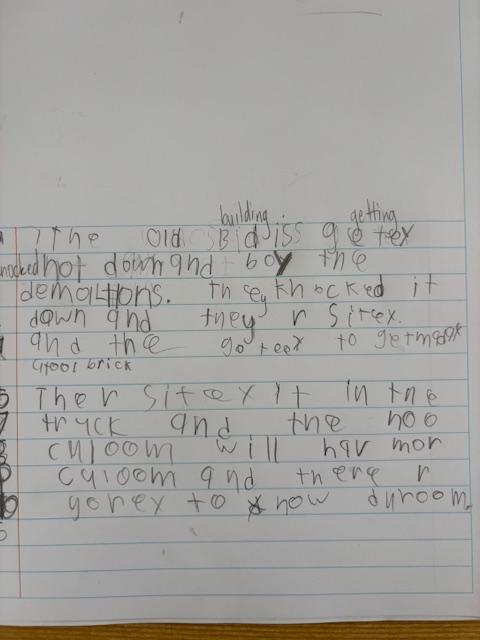
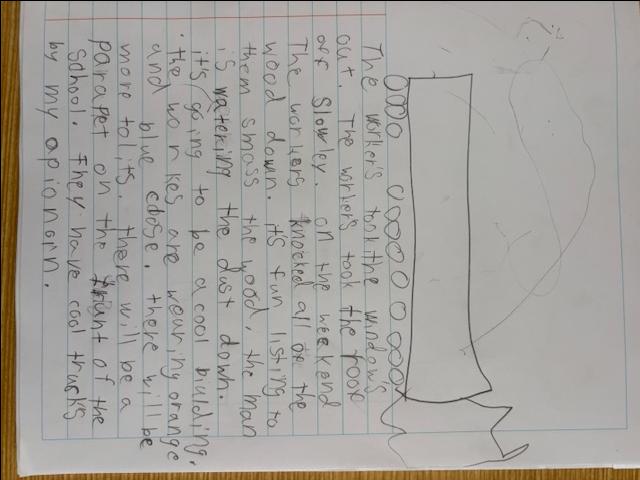
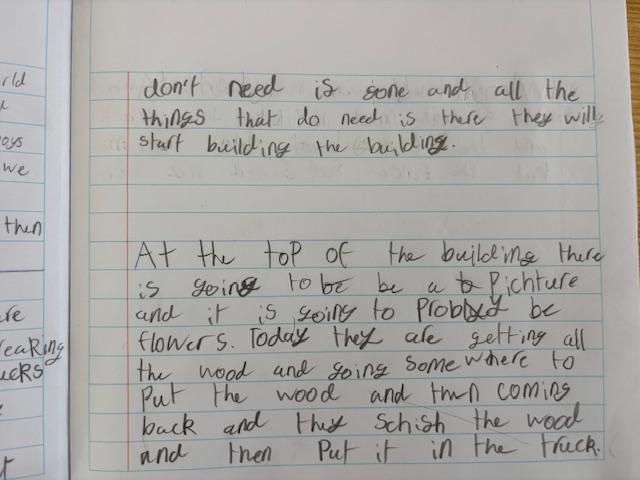
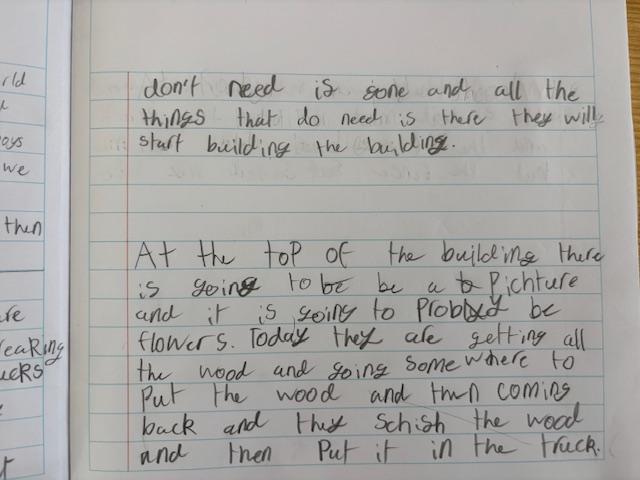
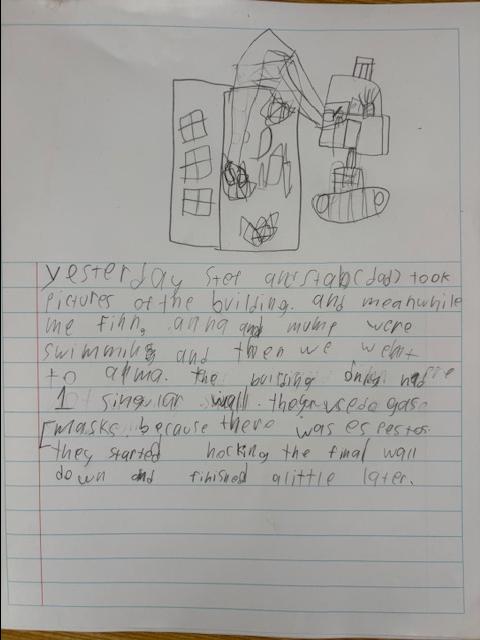
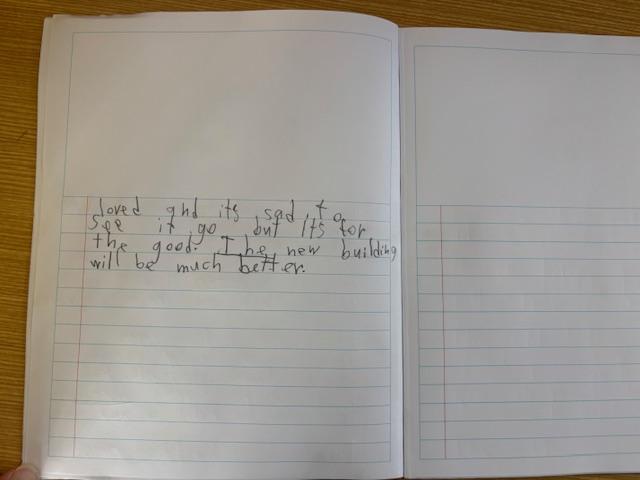
Recently, our students had a unique opportunity to witness the demolition of our school’s beloved old building—a structure that has served generations of learners. This extraordinary experience inspired students to construct detailed recounts, capturing the atmosphere and emotion of the event from a first-hand perspective.
Throughout the morning, students observed the process closely, taking notes and reflecting on the history of the building and what it meant for the school community. They concentrated on recounting the series of events, from the arrival of the demolition crew to the moment the final walls came down.
This experience not only provided students with a chance to relate firsthand accounts but also helped to develop their skills in recount writing—focusing on clear sequencing, descriptive language, and expressing personal reactions.
Stage 2 Mathematics | Units of Length
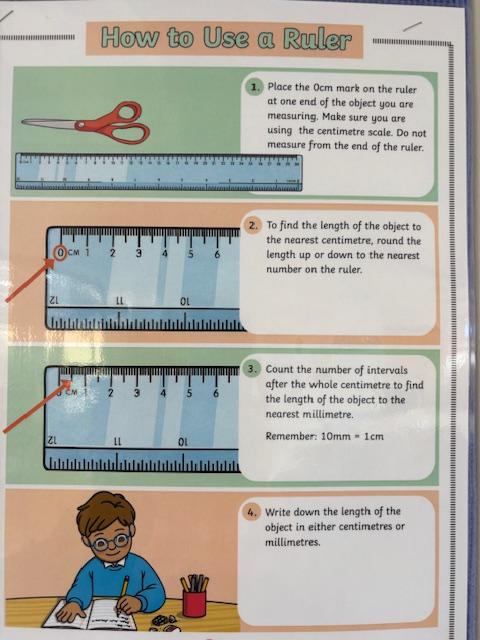
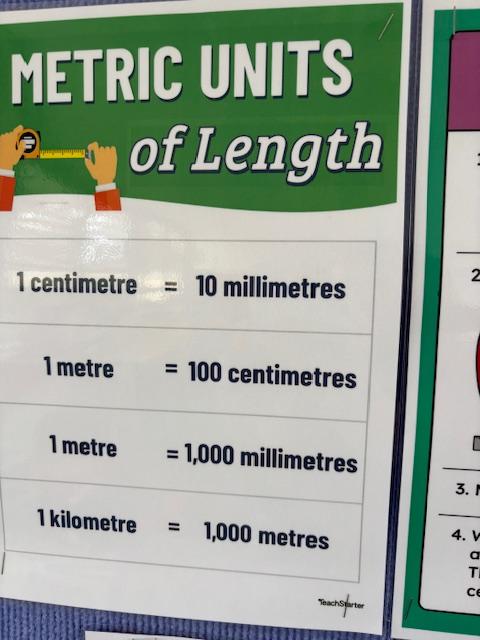
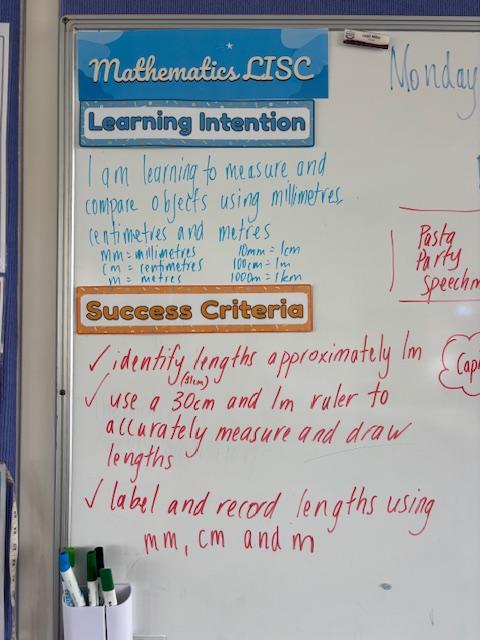
Our students have been learning about the world of measurement, exploring the concept of length. This unit has encouraged hands-on learning, helping students understand and apply units such as millimetres (mm), centimetres (cm), and metres (m).
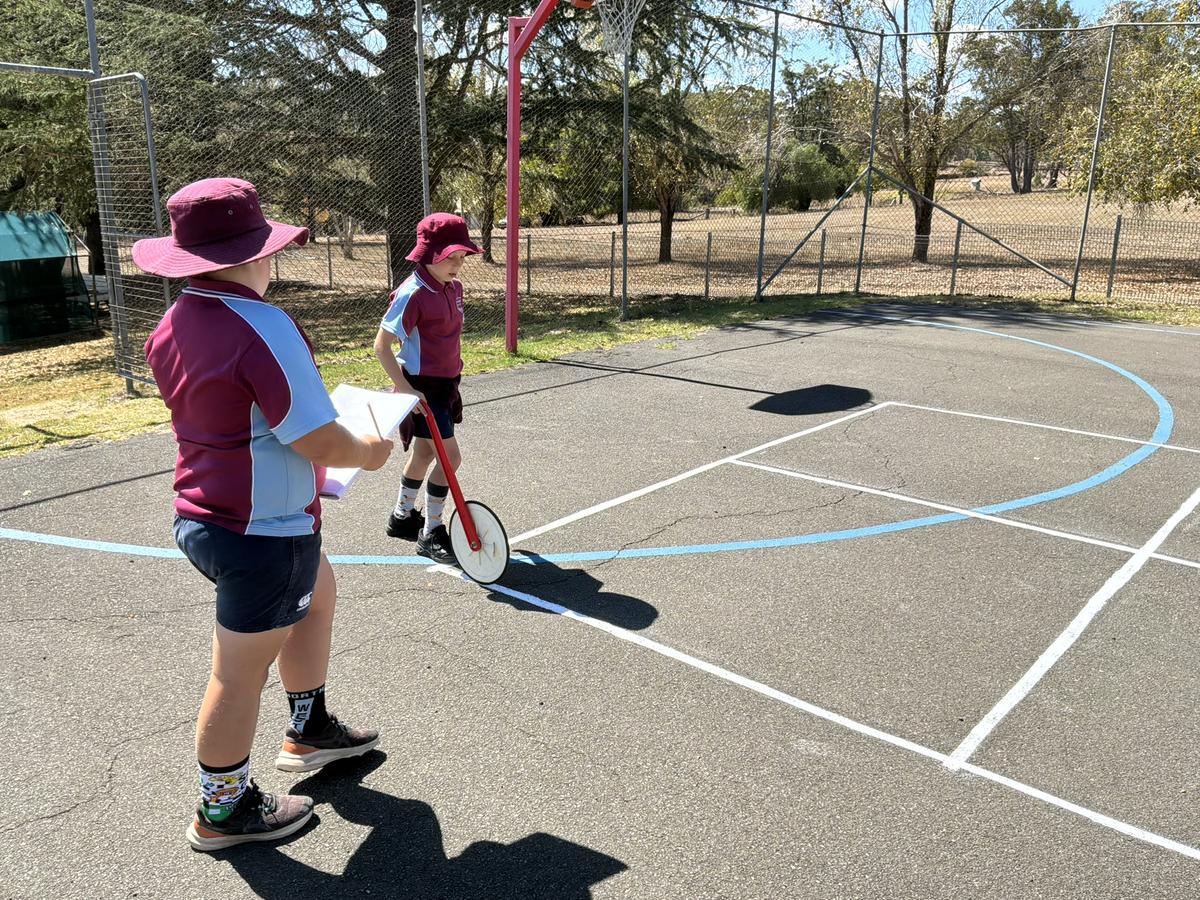
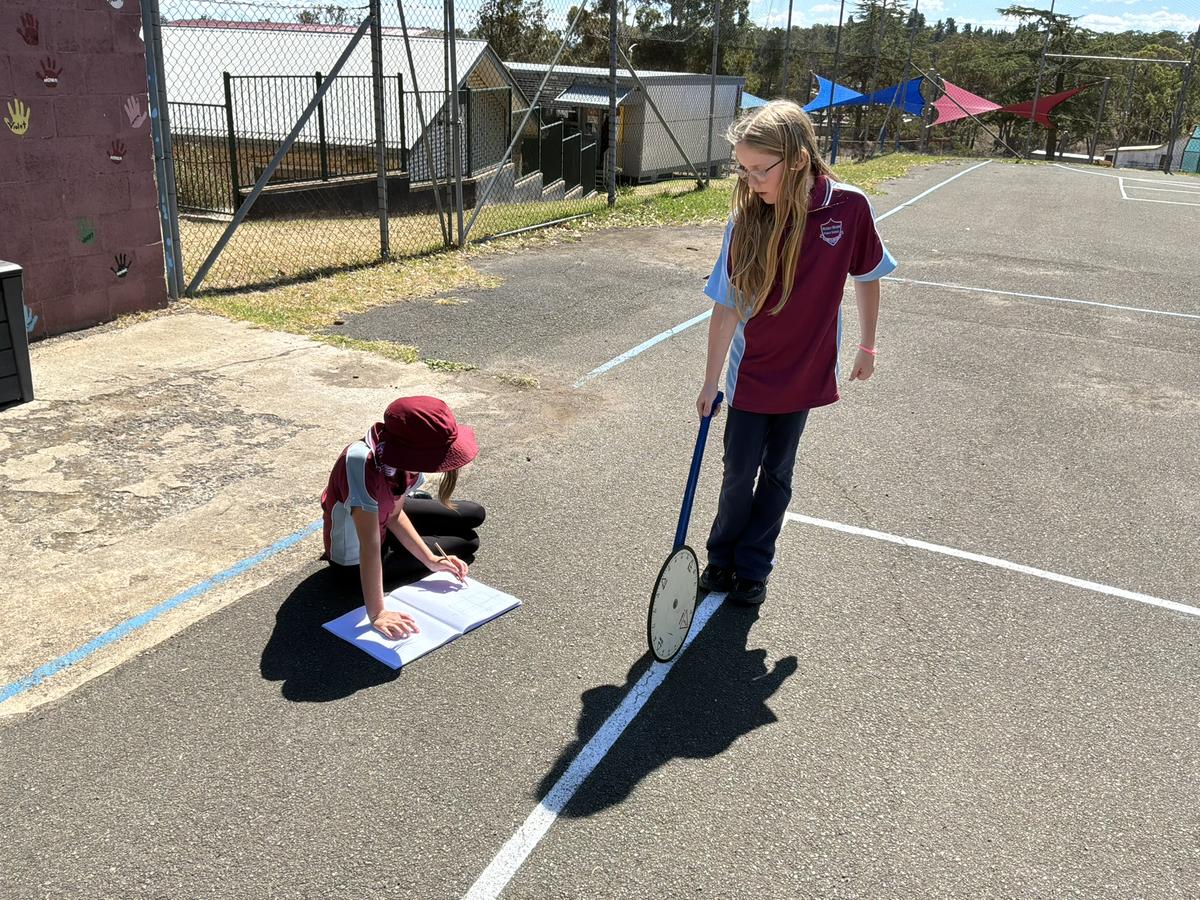
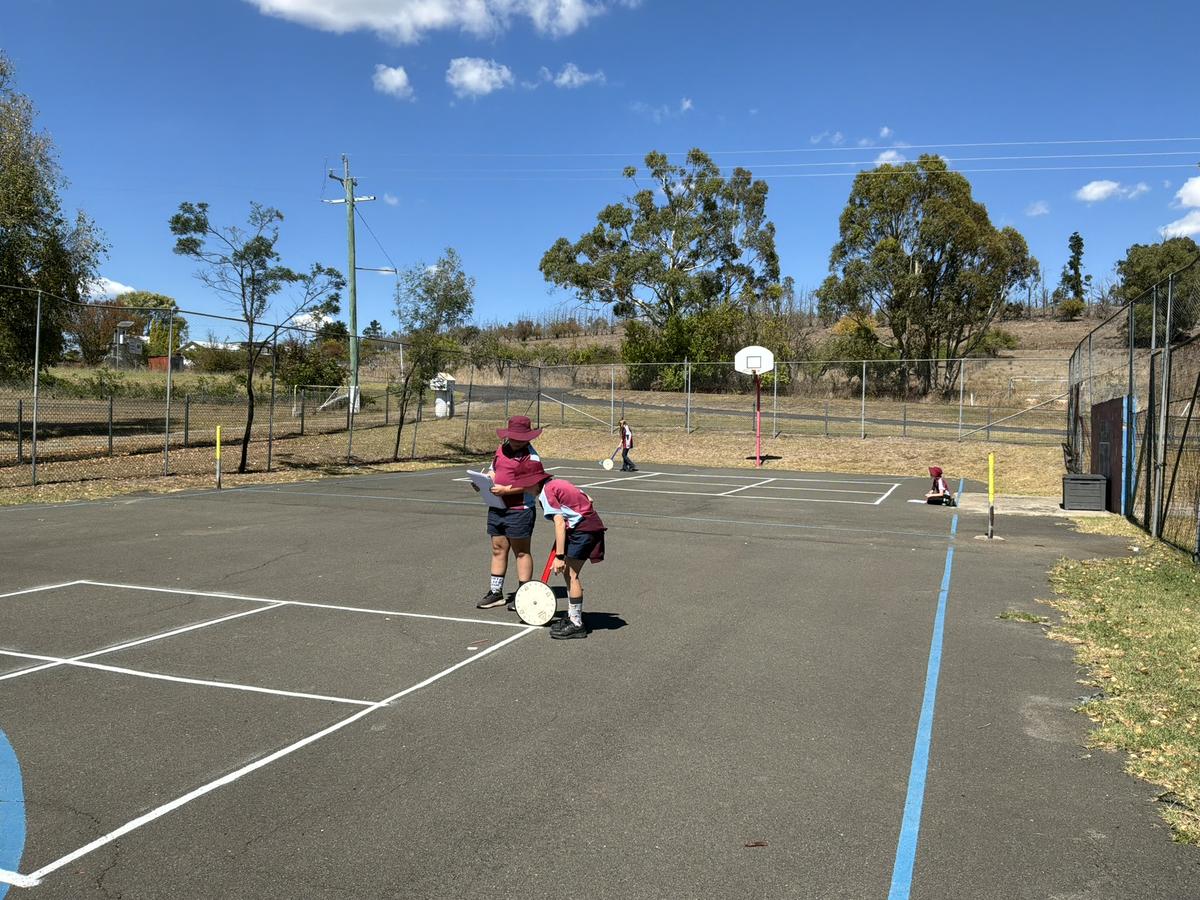
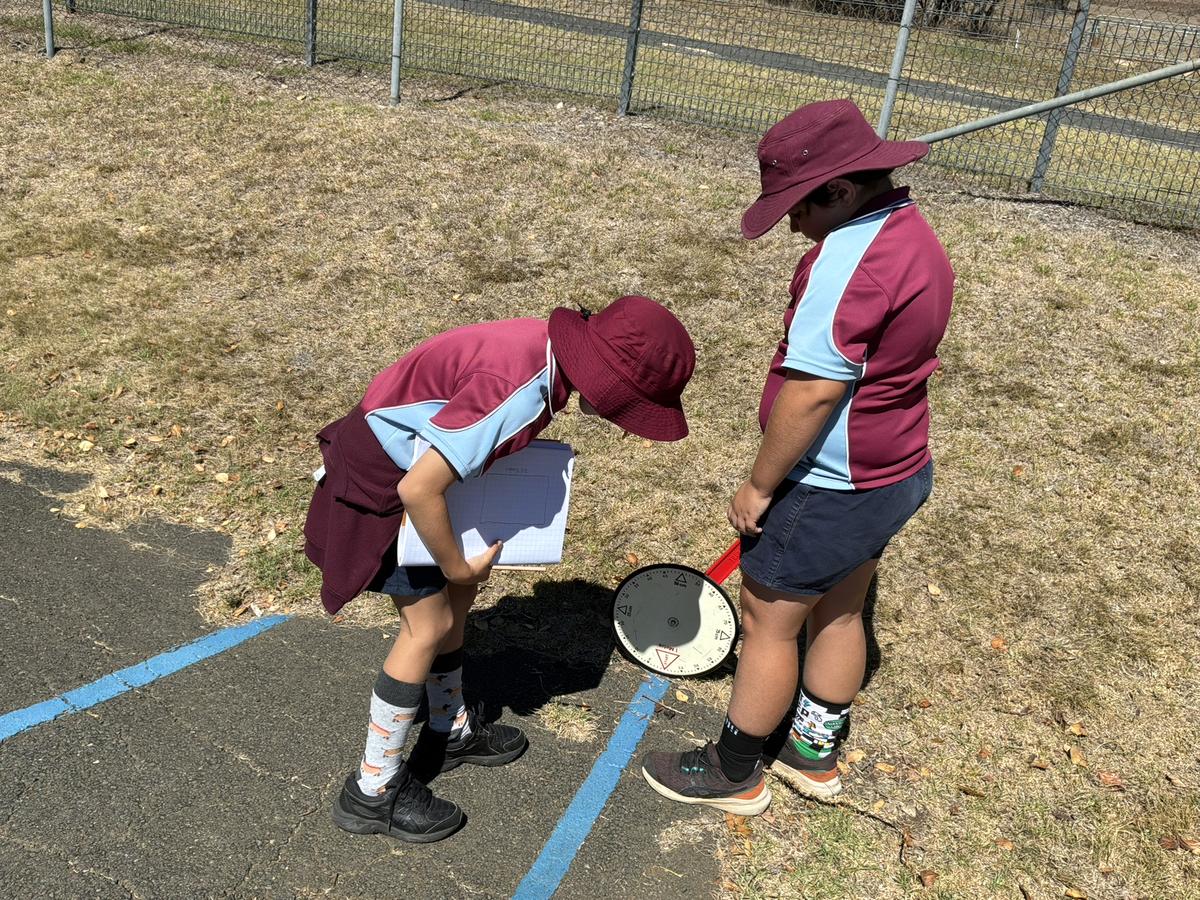
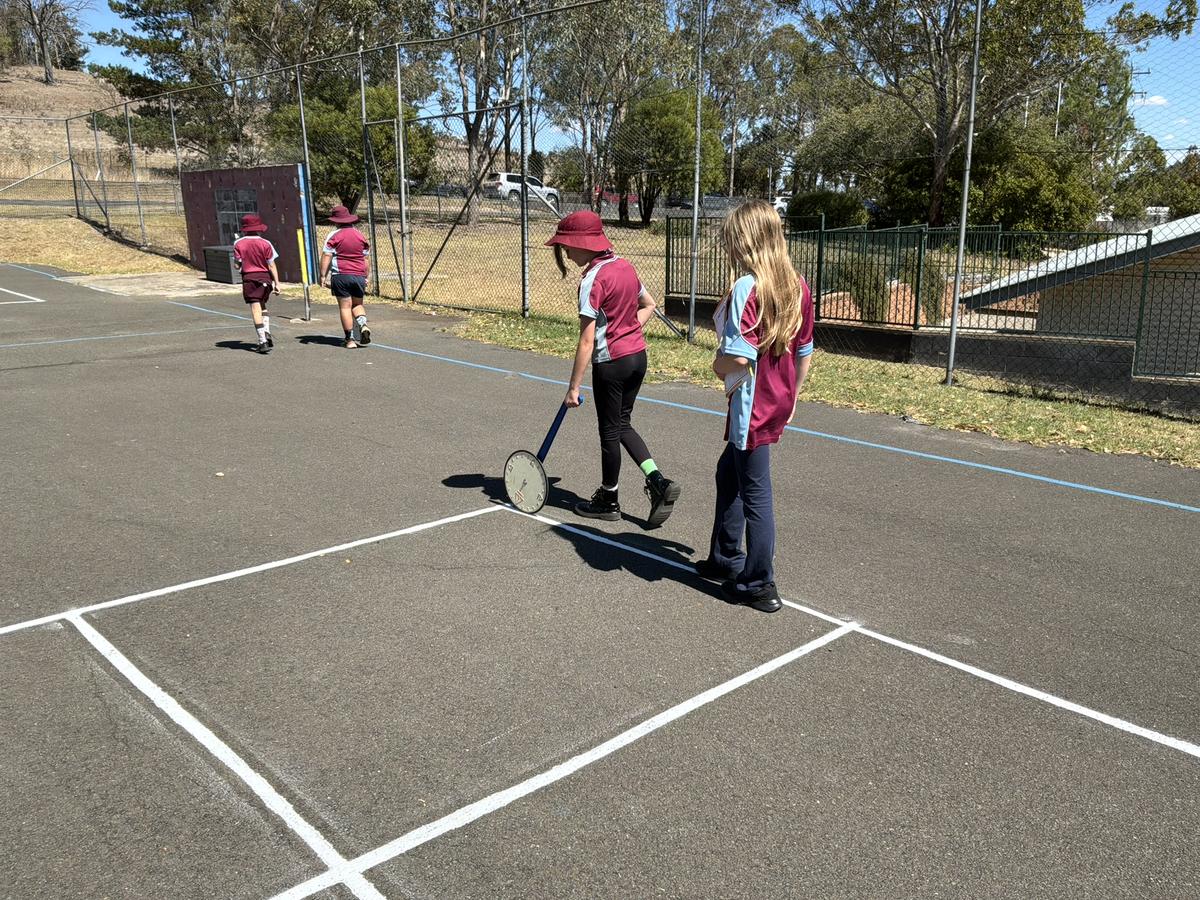
To build their knowledge, students engaged with acronyms and practical methods for measuring length. They experimented with different measuring tools including 30cm rulers, metre rulers, tape measures, and trundle wheels. This variety of instruments allowed students to experience firsthand how measurements can be made accurately and efficiently, which emphasises understanding the relationship between units and selecting appropriate tools for different tasks.
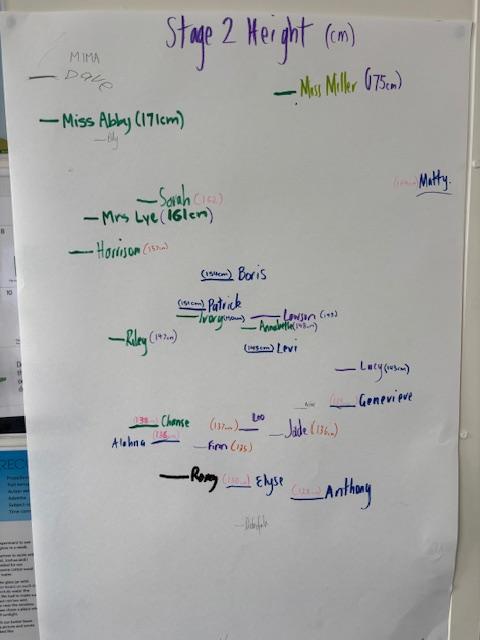
For a fun and interactive twist, students recorded their own heights using centimetres. This simple activity became a springboard for discussion about converting between units: from centimetres to millimetres, and/or centimetres to metres. Students captured their height data and are now working on presenting it in both millimetres and centimetres.
With all the data collected, students will soon analyse the results and place our class members from shortest to tallest. This activity not only reinforces their measurement skills but also links mathematical concepts with real life, helping students see the practical value of their learning.
PDHPE | Road Safety
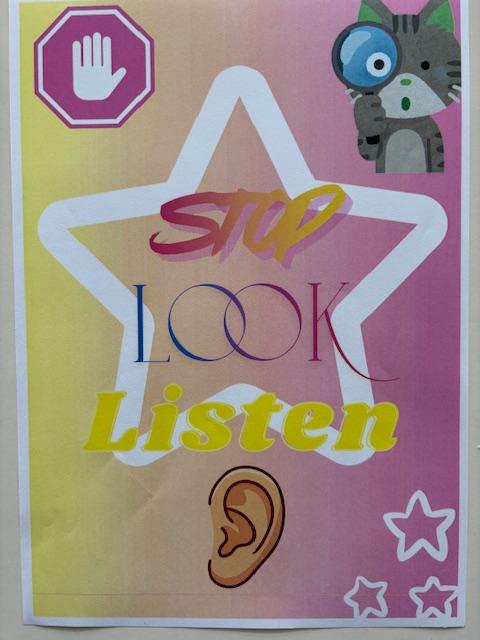
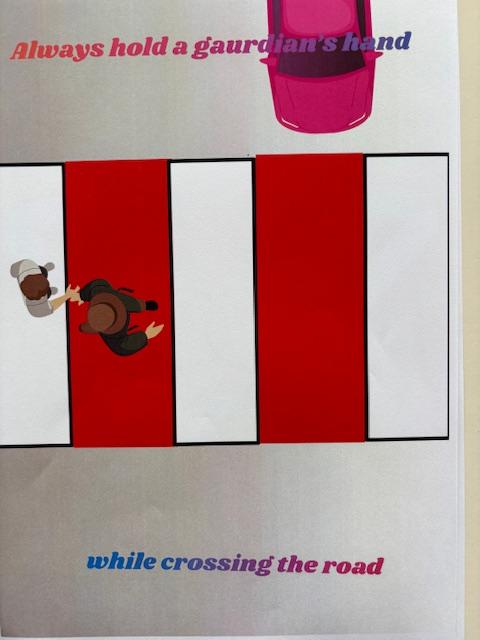
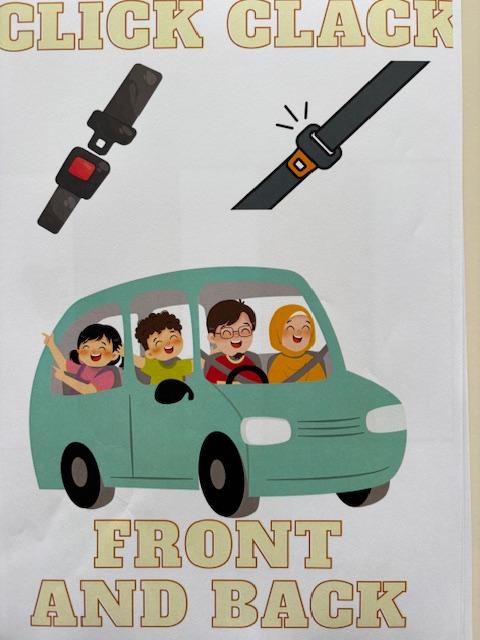
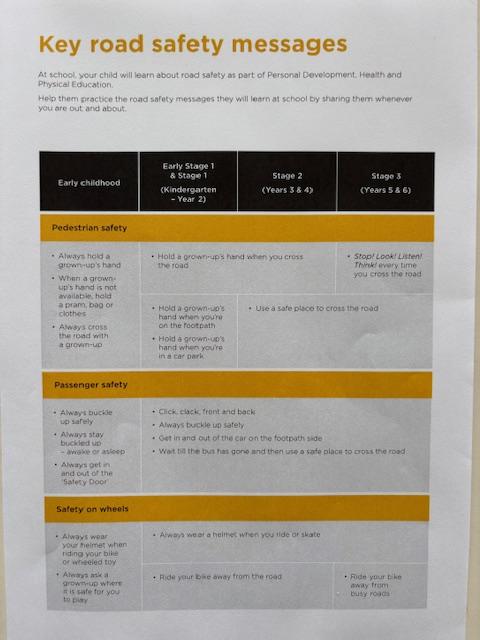
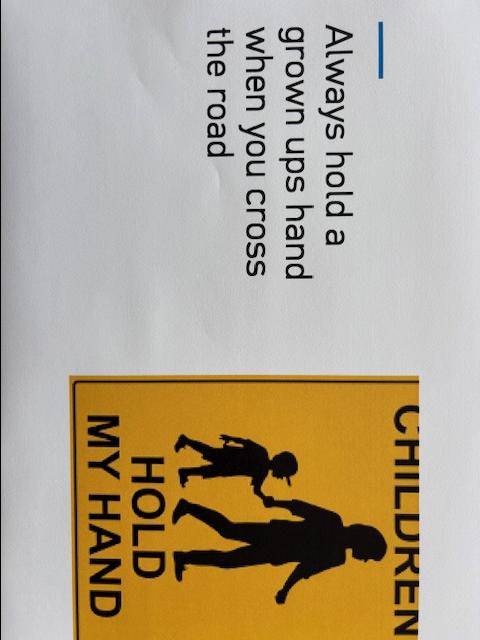
In our recent PDHPE lessons, students have been learning important road safety messages aimed at keeping themselves and others safe in our community. Through engaging discussions and activities, they gained valuable knowledge about how to navigate roads safely, understand traffic signals, and be aware of pedestrian rules.
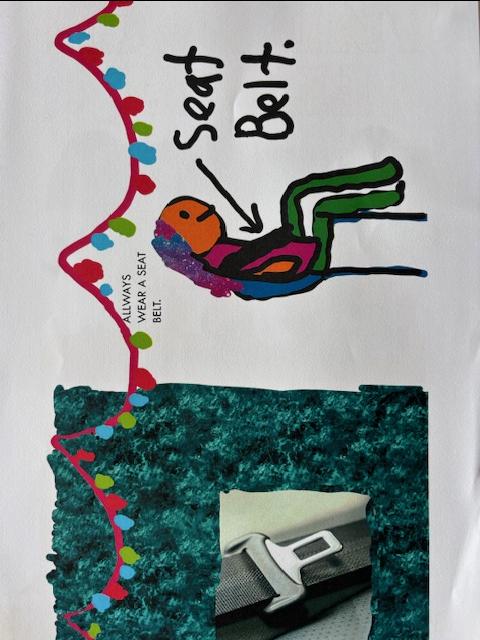
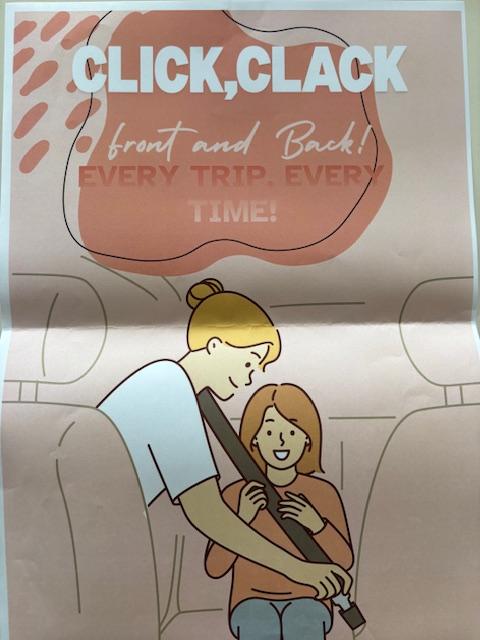
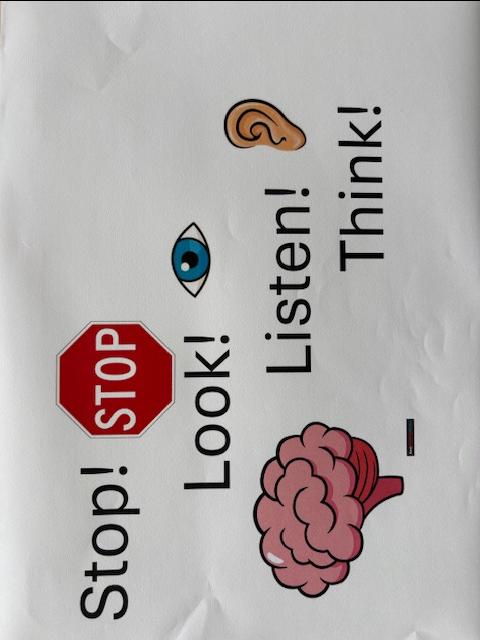
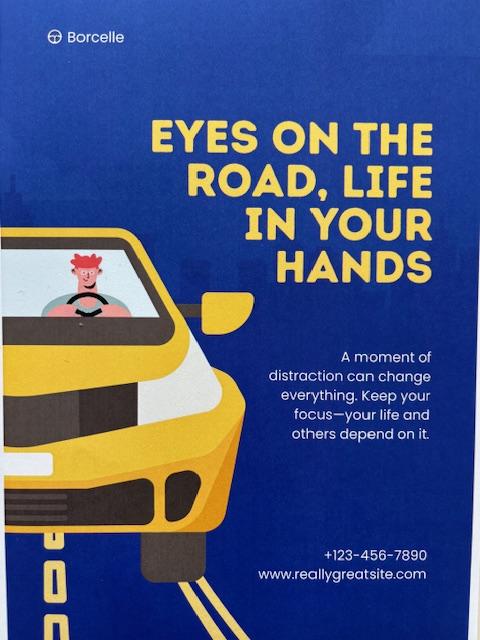
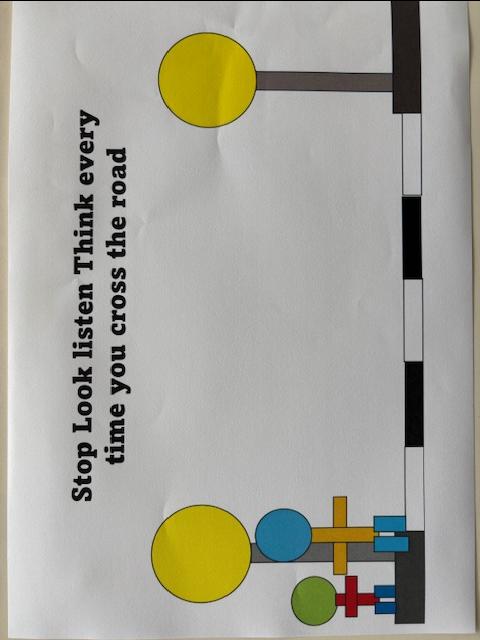
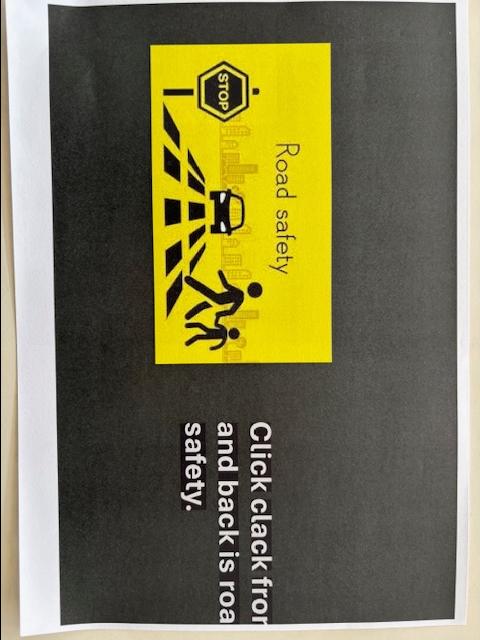
Building on this foundation, students put their learning into action by creating informative posters that outline key road safety messages. Using bright colours, clear wording, and eye-catching designs, these posters were crafted to communicate essential tips such as “Look both ways before crossing,” “Wear a helmet when cycling,” and “Always use pedestrian crossings.”
This project allowed students to reinforce their understanding of road safety while developing their creative and communication skills. The posters will be proudly displayed around the school to help spread these important messages and encourage everyone to stay alert and safe.
Visual Arts | Australian Army's 125th Birthday
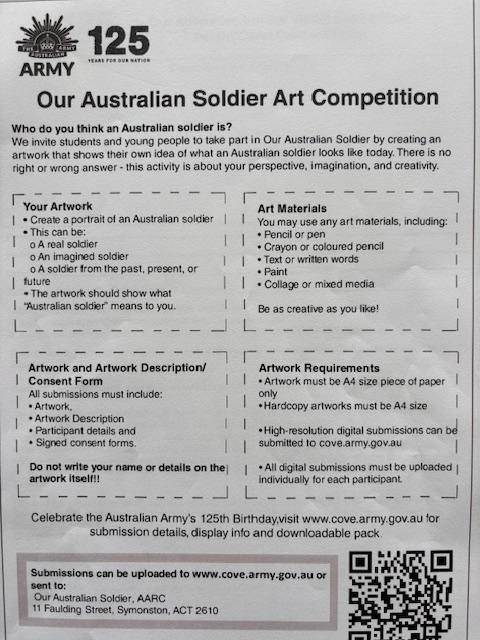
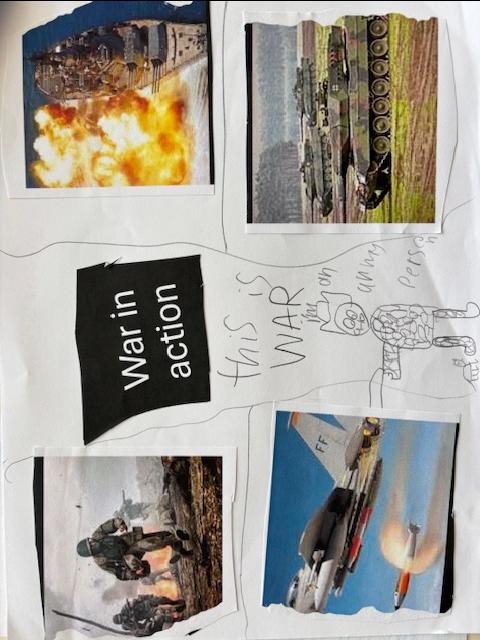
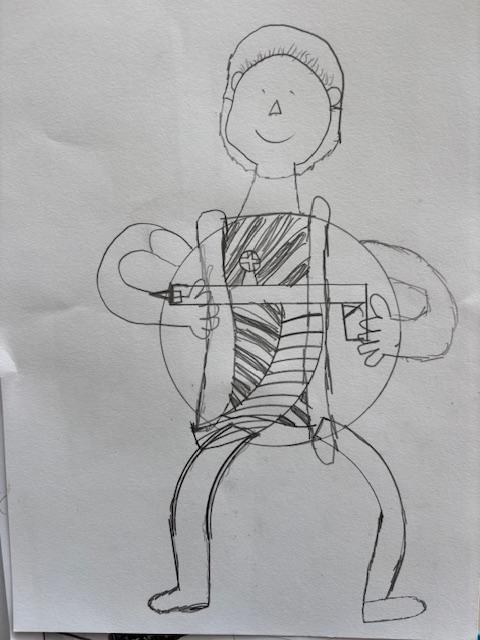
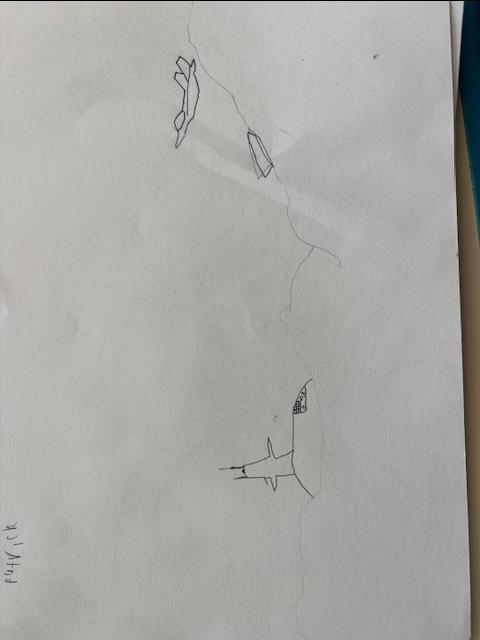
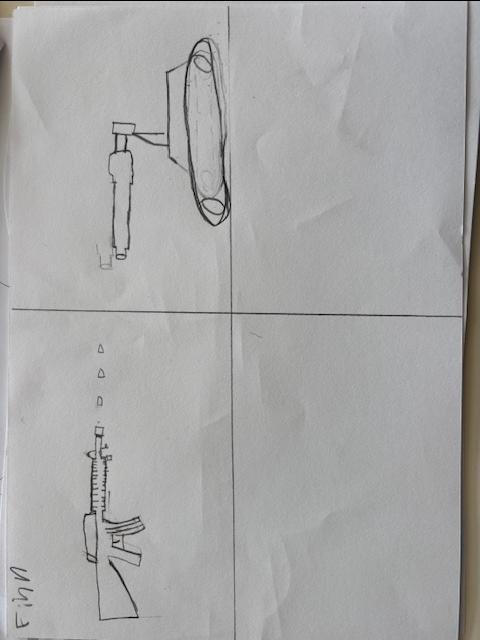
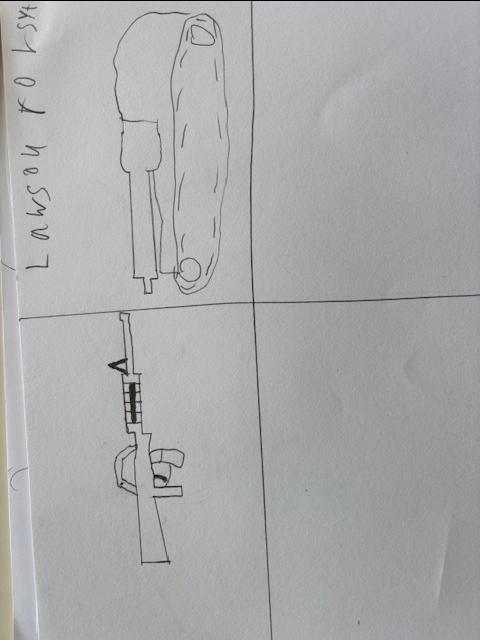
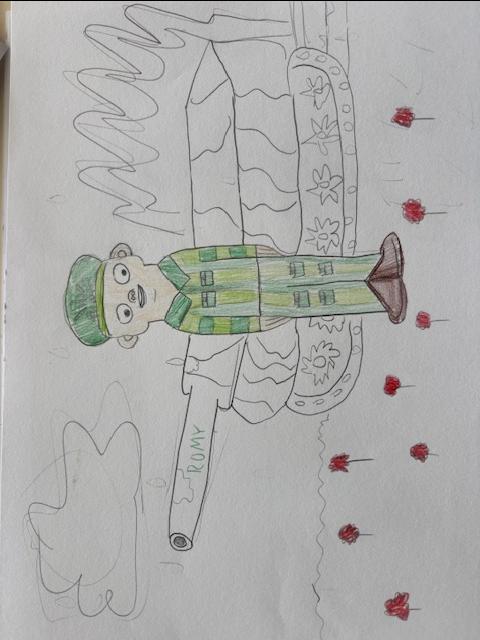
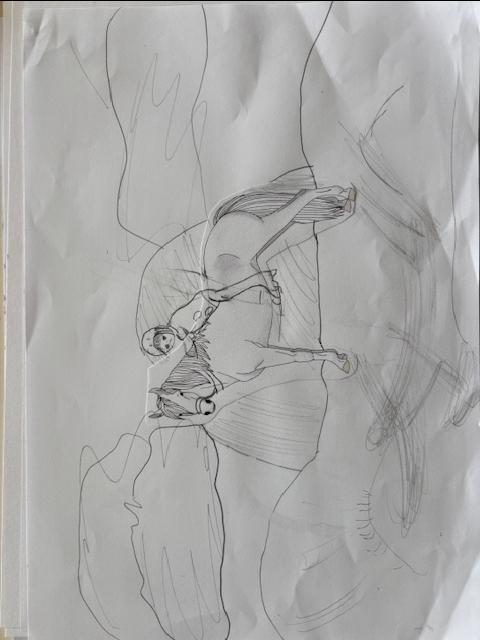
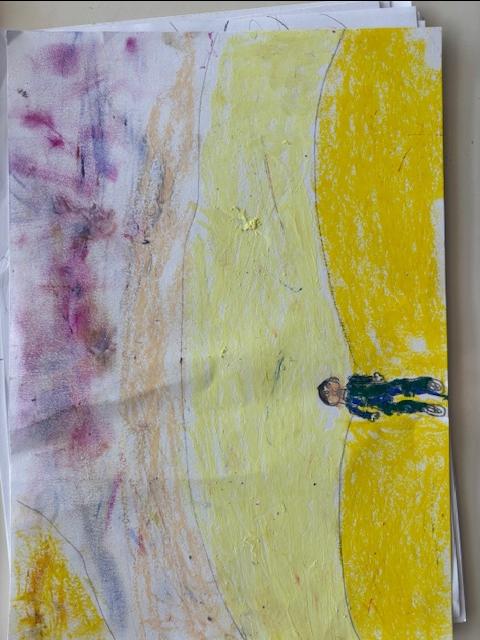
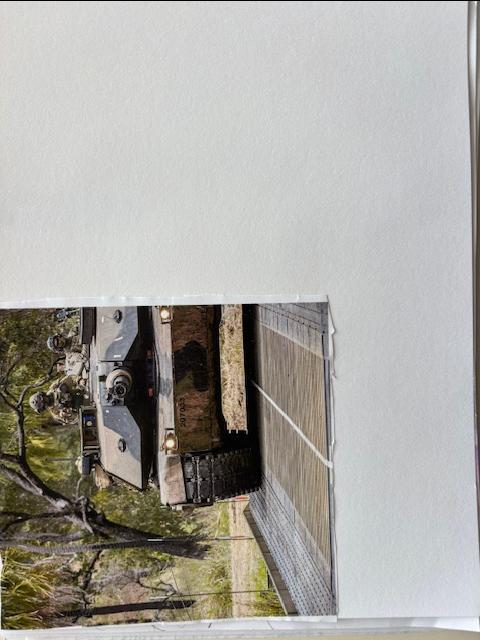
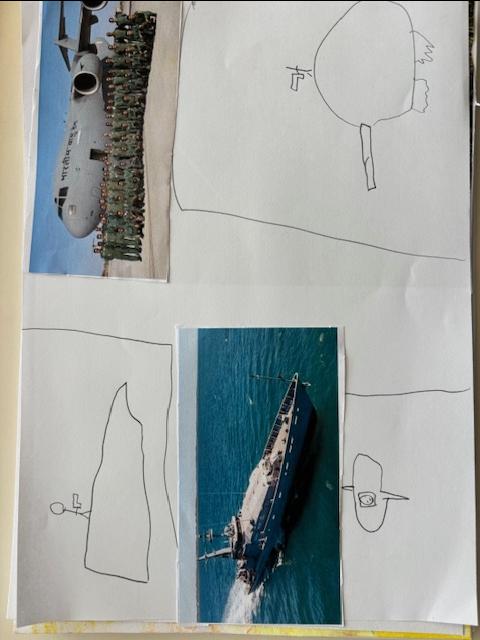
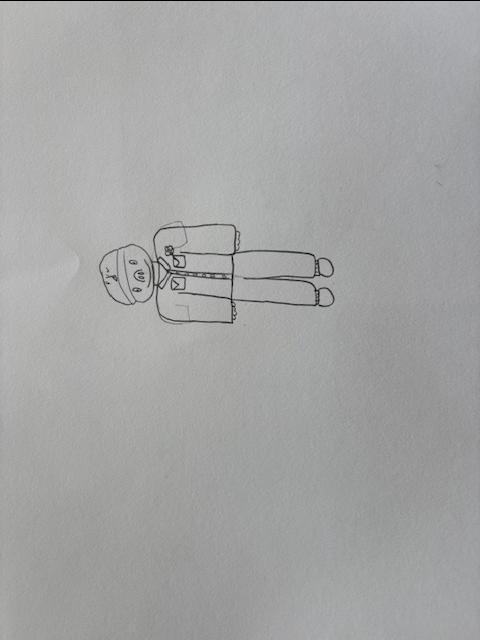
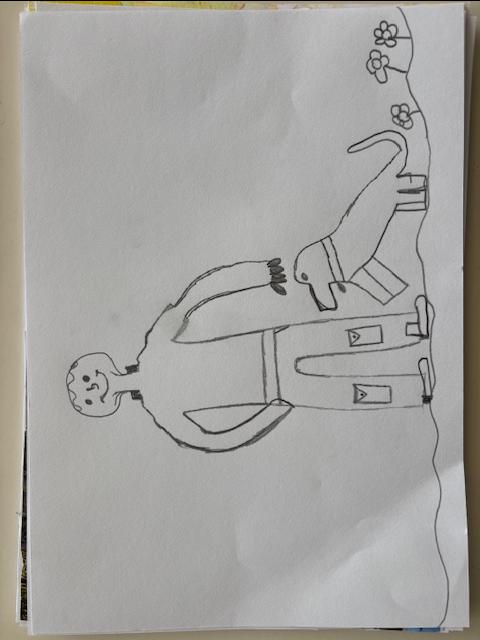
This term, our Visual Arts students are taking part in a very special commemorative activity in honour of the Australian Army’s 125th Birthday: the “Our Australian Soldier” creative art competition. This national initiative encourages young people to reflect on the significance of Australian soldiers—past, present, and future—and to express their personal ideas through portraiture.
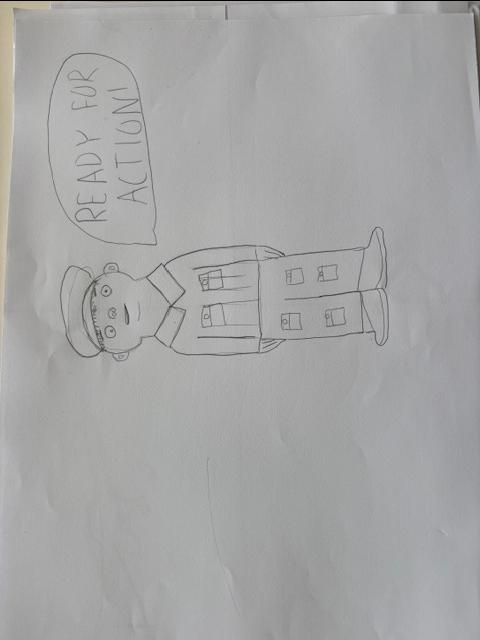
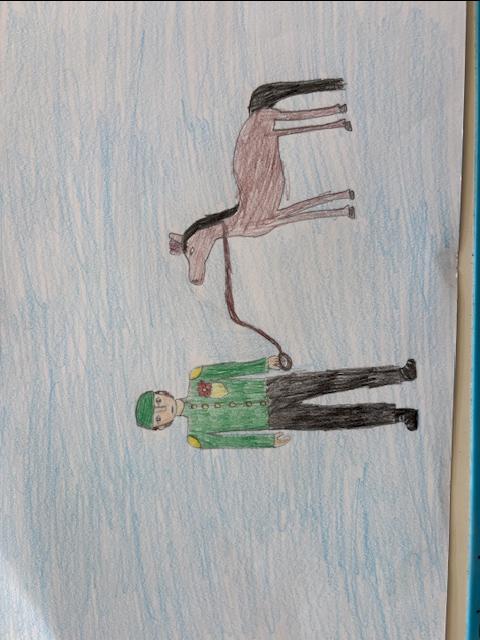
Students began their artistic journey by considering the question: “What is a soldier to you?” From here, they developed sketches, collages, digital art, and mixed media compositions. While most are still in the planning stage, the process has been a valuable opportunity for research, reflection, and creative experimentation.
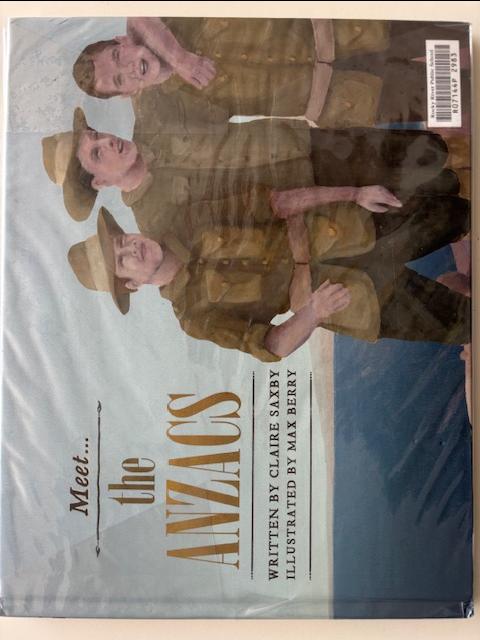
To deepen their understanding, students viewed a BTN special edition on the ANZAC Soldier and explored Claire Saxby’s ‘Meet the ANZACS’, sparking thoughtful discussions around service, identity, and community. They reflected on key qualities such as bravery, sacrifice, and resilience—considering how soldiers are important not just as individuals, but as members of families, communities, and the nation.
The project encourages creative expression, commemorates ANZAC Day, and promotes thoughtful participation in a pivotal national anniversary. Students will soon complete their artwork and share their artist statements, expressing what their portraits mean and how they honour Australia’s military history.
Stage 3 English | Exploring Science Fiction Narratives Inspired by The Wild Robot
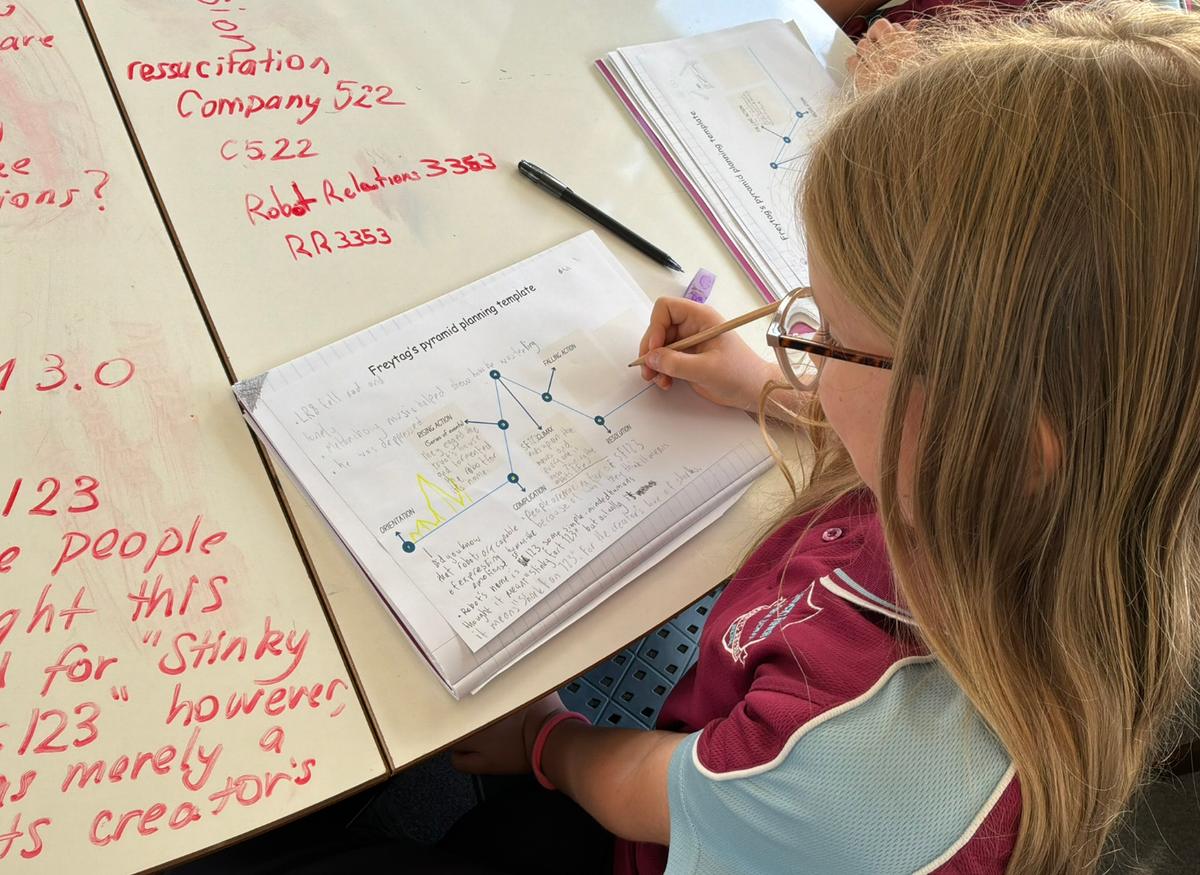
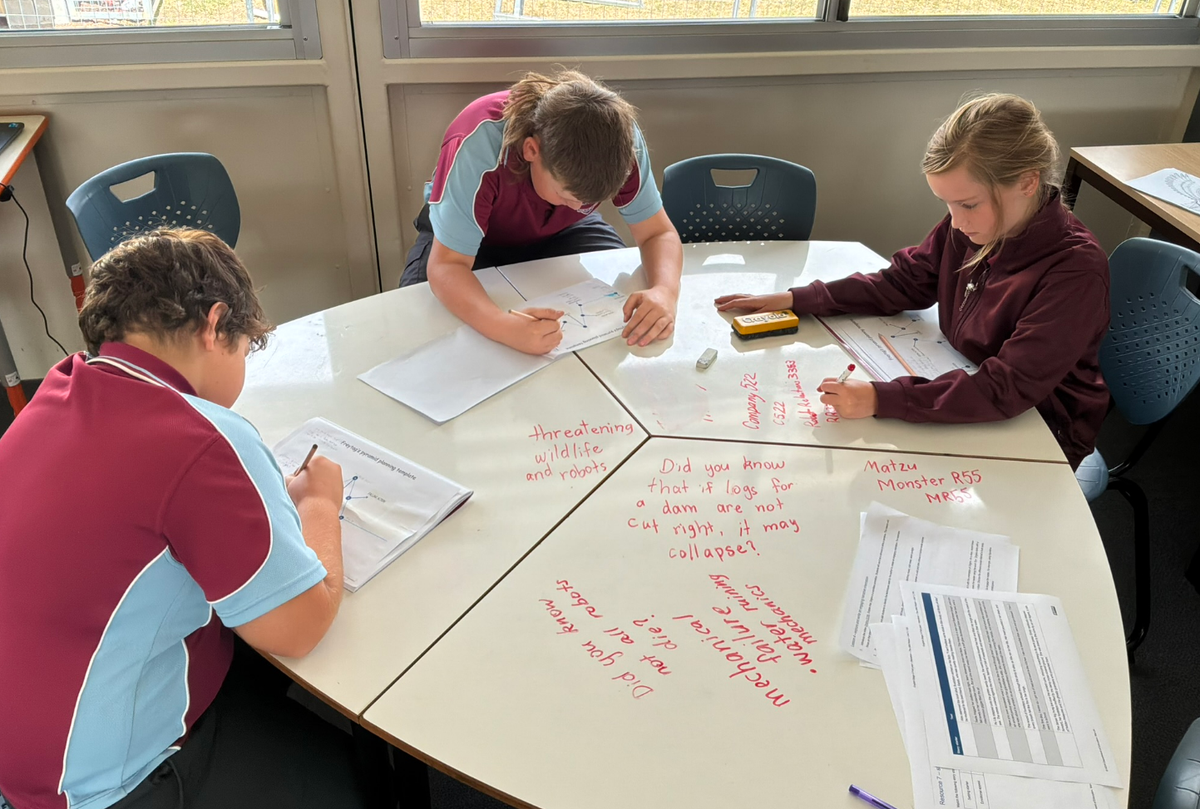
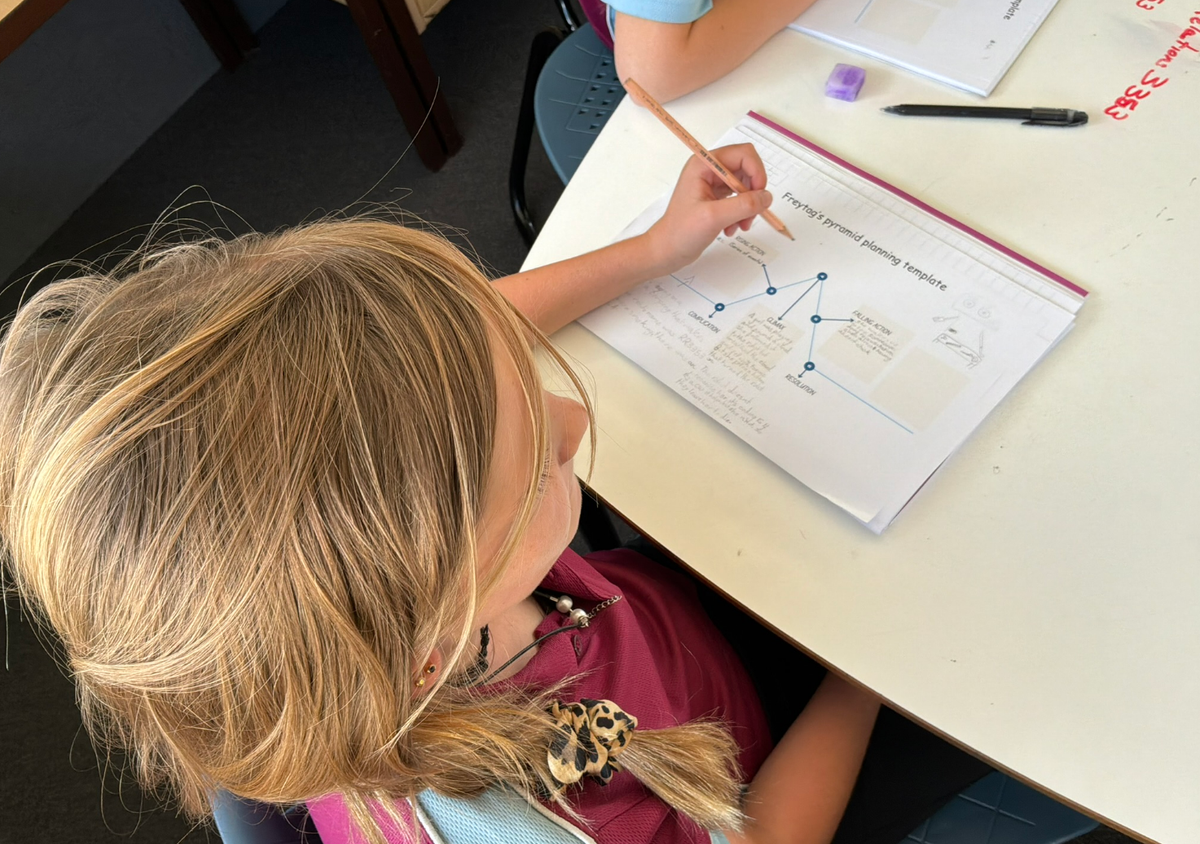
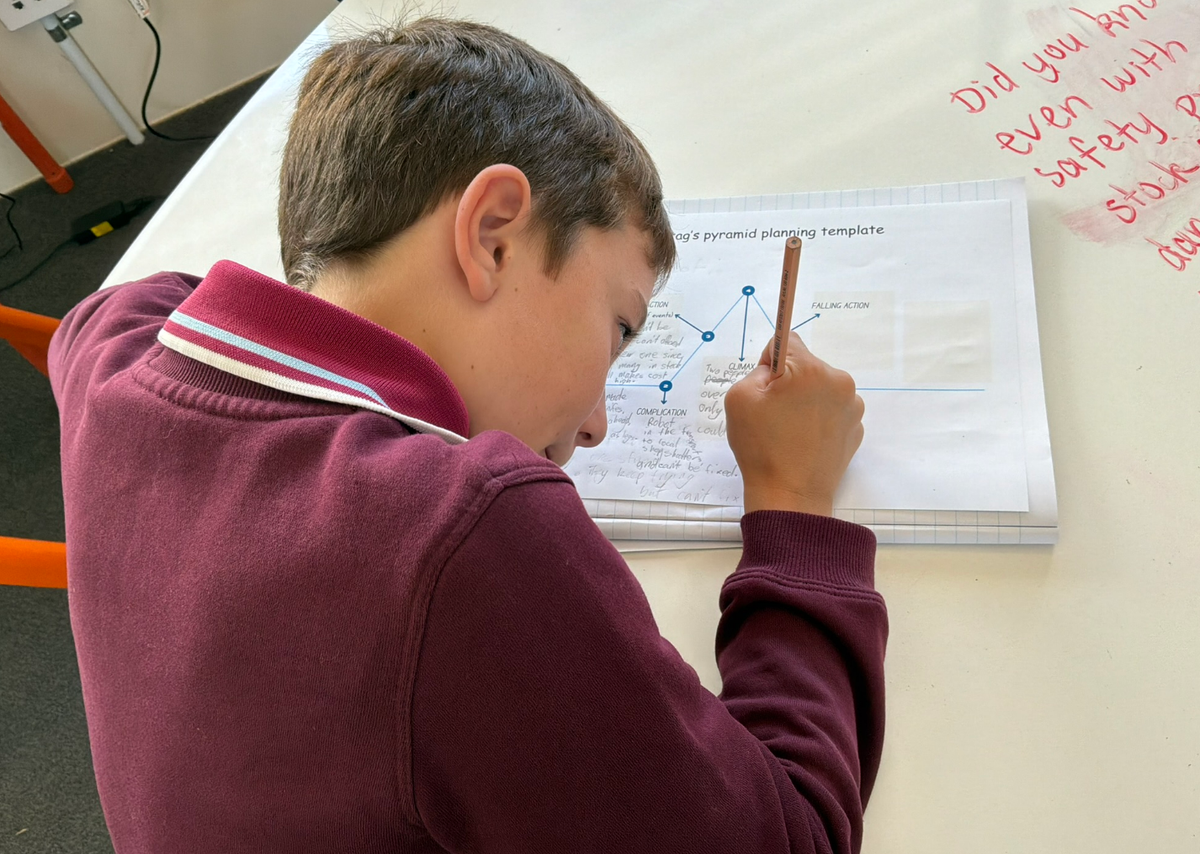
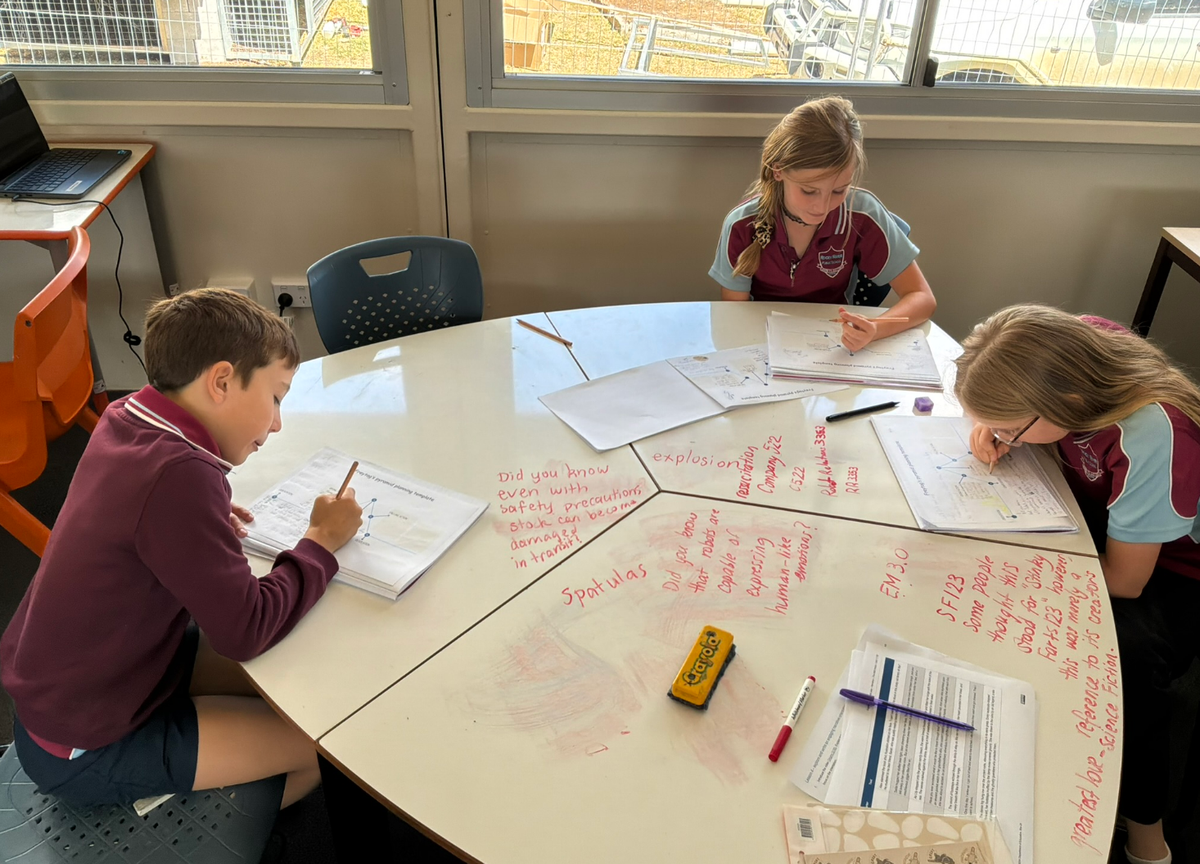
Our Stage 3 students have been enthusiastically engaged in planning their own science fiction narratives, drawing inspiration from our mentor text The Wild Robot by Peter Brown and the thought-provoking short film Origins. Central to this process is our use of Freytag’s Pyramid planning model, a dynamic tool that helps students structure their narratives effectively by mapping key elements such as orientation, complication, rising action, climax, and resolution. This framework encourages them to build tension systematically, crafting stories that captivate readers from start to finish.
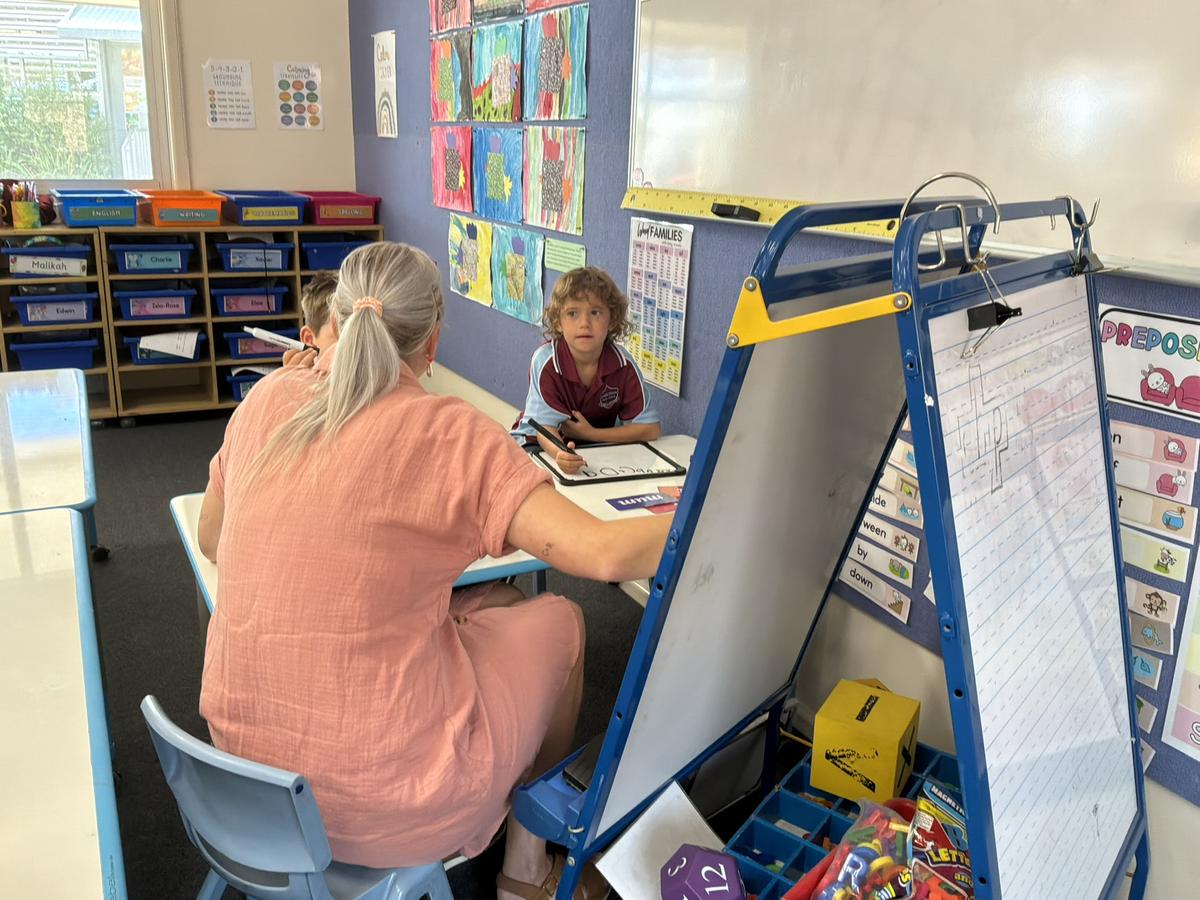
In our close-knit writing groups, students work collaboratively with the teacher to dive deep into narrative planning.
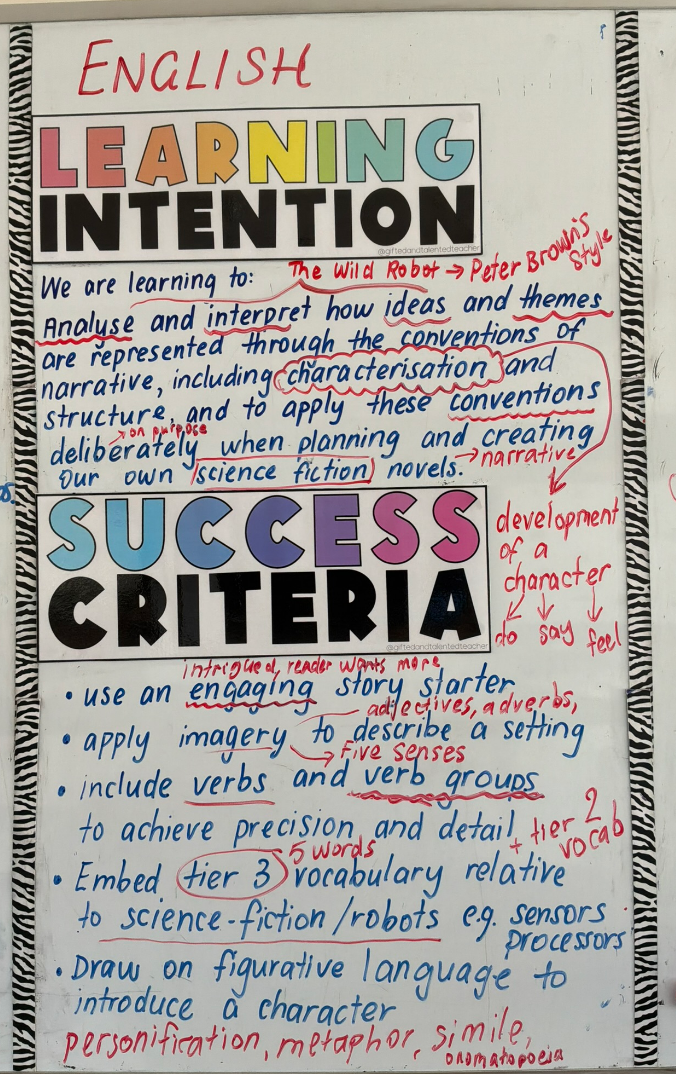
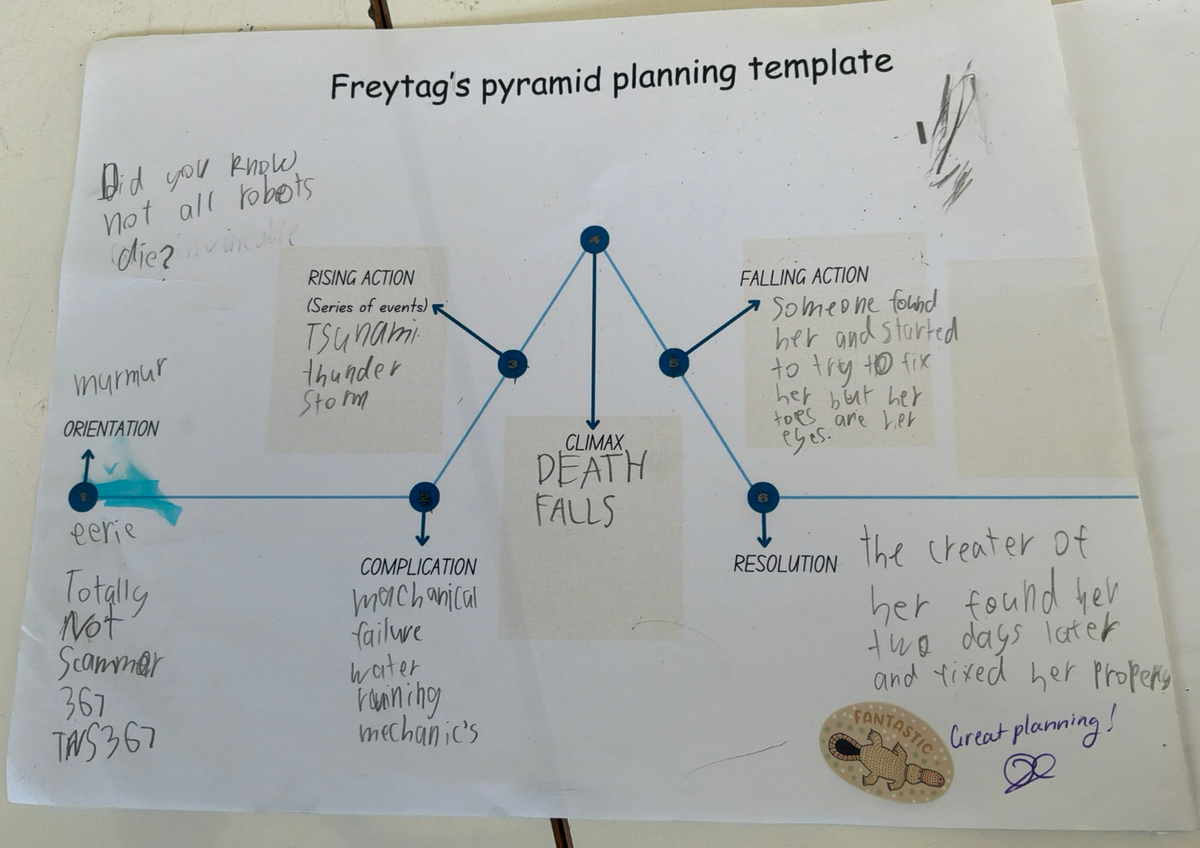
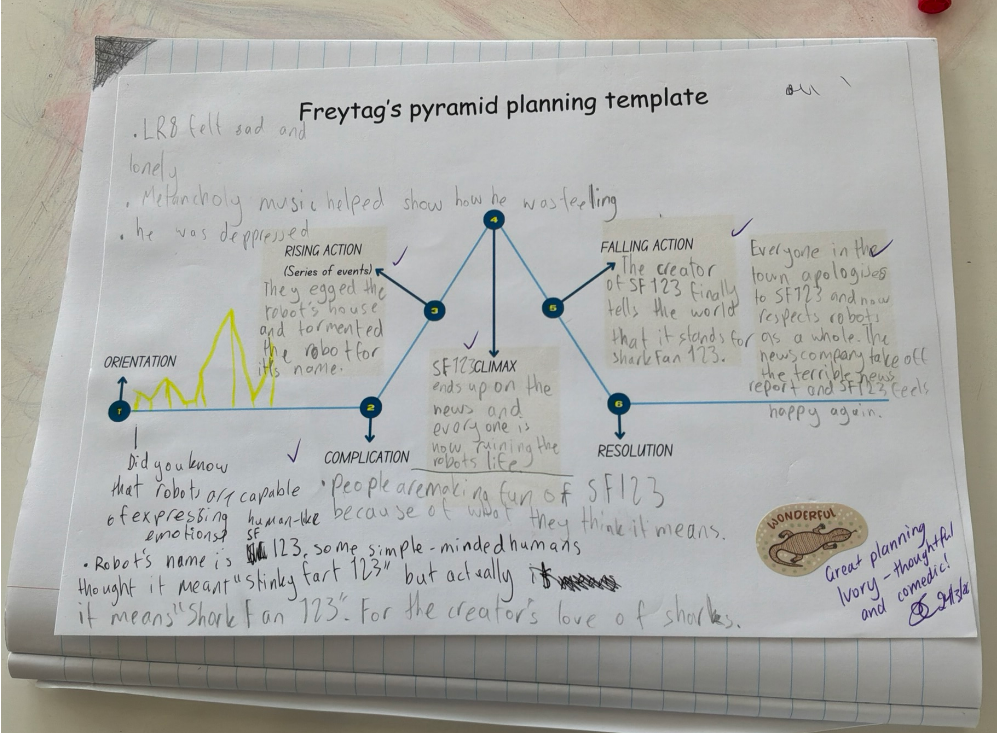
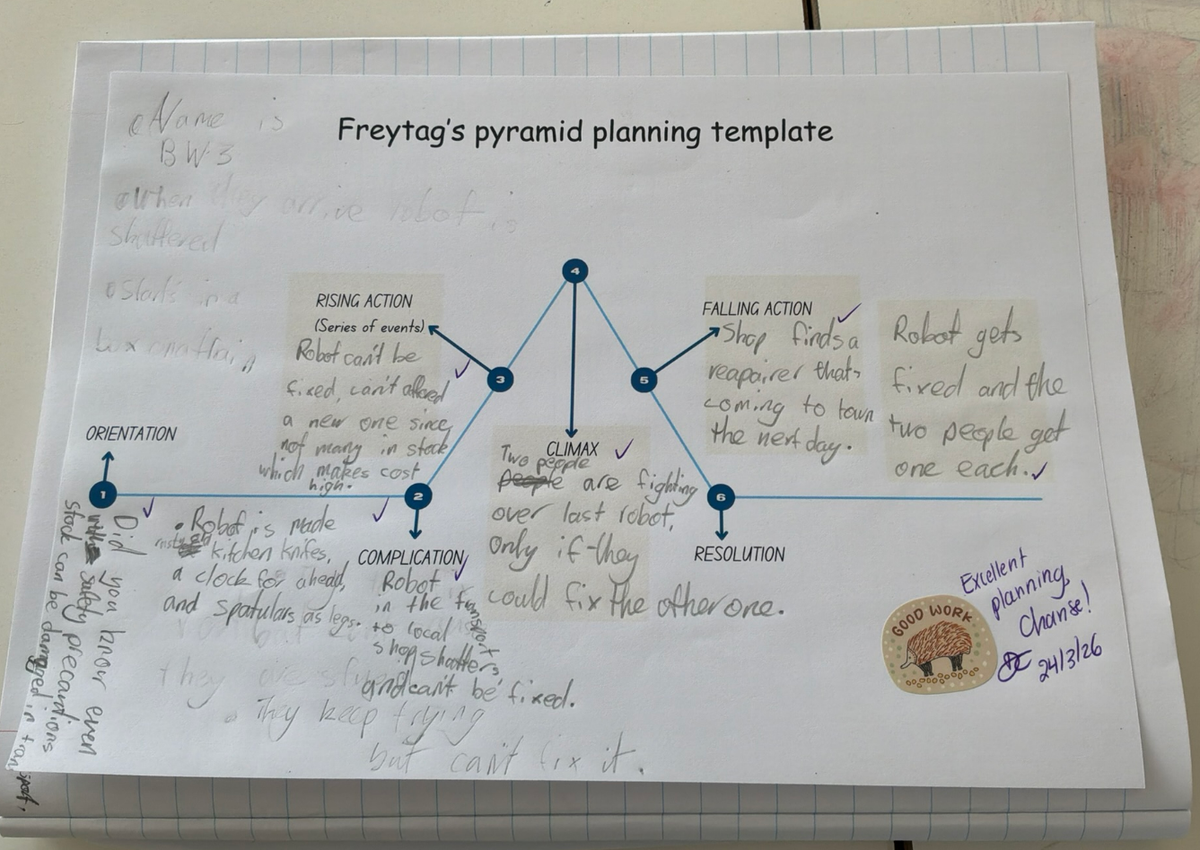
This focused guidance supports them in thoughtfully developing their ideas and applying specific grammar features that elevate their writing. We have been teaching the use of verb groups and adverbial clauses to add precision and detail, alongside exploring narrative voice variations and the correct use of dialogue punctuation with quotation marks. These grammatical tools strengthen their ability to create vivid settings, compelling characters, and engaging storylines, laying a solid foundation for producing high-quality narratives through the writing process.
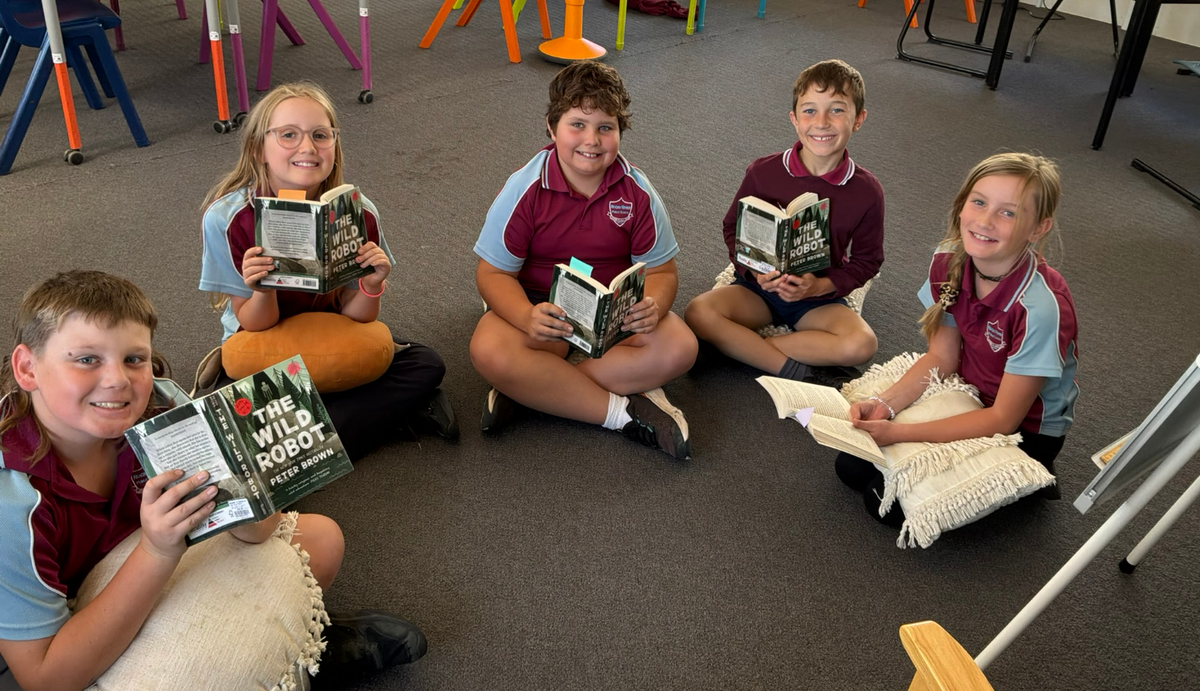
In addition to writing, students have greatly benefited from choral reading sessions of The Wild Robot class novel. Since the beginning of the year, there has been a remarkable improvement in their reading fluency, expression, and confidence. By focusing on punctuation cues such as commas and full stops, students have enhanced their prosody and intonation, bringing the text to life with expressive voices. This growing love for reading has naturally deepened their understanding of language patterns, contributing to stronger spelling skills and richer writing outcomes. The connections they are making between reading and writing continue to inspire a vibrant classroom culture where literacy thrives.
Maths in Action | Exploring Area and Perimeter
Stage 3 students have been actively involved in maths lessons focused on calculating the area and perimeter of 2D shapes, with a strong emphasis on real-world applications. To make learning meaningful, students have undertaken practical tasks such as working out the amount of fencing needed for farms and estimating the area of paddocks for sewing seeds or calculating area and perimeter at school up at the basketball court. These activities help students see the value and relevance of their maths skills beyond the classroom.
Through hands-on investigations, students have learnt and applied key formulas—such as perimeter = sum of all sides and area = length × width (for rectangles and squares)—and are beginning to confidently extend their skills to irregular shapes. They are using strategies like breaking complex figures into smaller, familiar shapes and adding their areas, or subtracting sections, to solve multi-step problems. This not only strengthens their number knowledge but also builds their resilience and persistence in tackling tricky challenges.
As students progress, they are learning to plan their calculations, check their answers, and communicate their reasoning clearly. The growth in their mathematical thinking and problem-solving skills is evident, and we are proud of their ability to transfer classroom learning to authentic, practical scenarios. The Stage 3 cohort is fostering a positive attitude towards maths, developing confidence through collaboration and engaging, purposeful tasks.