
Careers Corner

Year 9 Morrisby Profiling
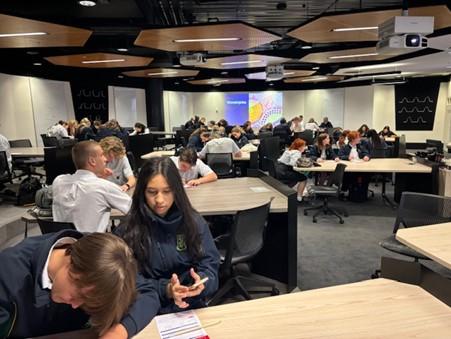
Year 9 students have actively participated in completing their Morrisby Profiling over the past week.
The Parkdale Secondary College Pathways Team utilise this platform regularly with students and their Morrisby Report as a very important part of their Pathway planning at Parkdale.
The next step is for students to receive their individual Morrisby reports when finalised and then they will be participating in group debrief sessions later in Term 2. During these sessions, students will work with Morrisby Consultants. Students will go through their results and interpret the meaning of the results as well as learn more about how to use the Morrisby online platform and will be encouraged to start coming up with ideas about pathways of interest in preparation for their subject selections and ultimately, life beyond school.
Students have life long access to the portal and are able to access and take the Profiling again as they wish and this is something we very much encourage.
Should you wish to speak with us further about Morrisby, please contact Di Firth in the Pathways office: pathways@parkdalesc.vic.edu.au
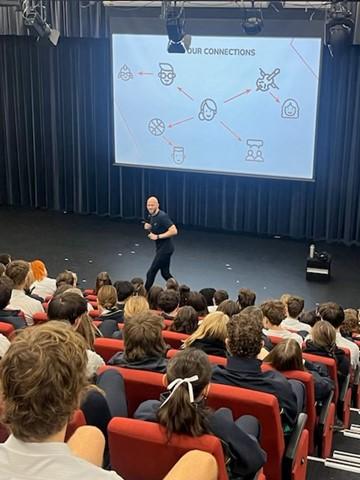
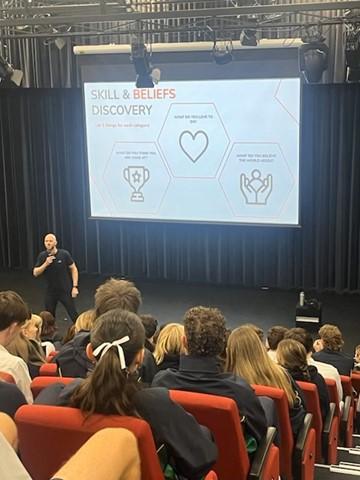
Students also participated in ‘Crazy Ideas College’ which was delivered by IBM as a follow up. Year 11s explored the future world of work, clarified their talents, considered career options and identified the contribution they want to make through their careers. As part of the session, students established a ‘Future Ready Plan’ that sets out the actions they will undertake to set themselves up for success.
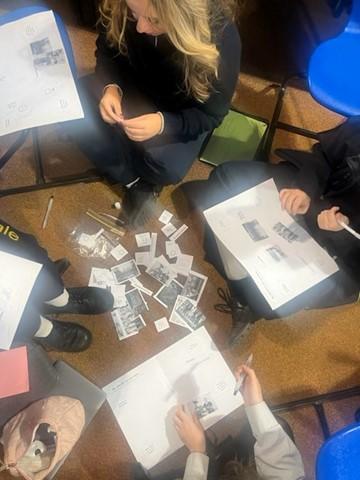
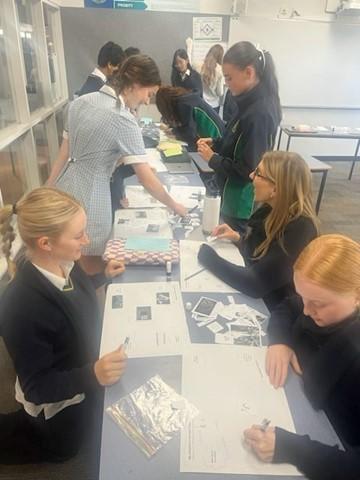
Students were also able to opt into University Visits and enjoyed Deakin University, ACU and RMIT. Students gained valuable insight into each institution via guided tours, presentations and activities on site.
Thanks to the staff for their support in running events and activities across the week!
Pathways Team
Tertiary April school holiday events
See the attachment on Compass for a range of school holiday events hosted by tertiary institutions including Campus tours, Discover Monash events, University of Melbourne Engineering and Design workshops and Carlton College open days at IKON park.
Job Spotlight – Speech Pathologist
Speech pathologists assess, diagnose, and treat people with communication and swallowing disorders, such as problems with speech, language, fluency, or eating. They work with people of all ages, from young children with developmental delays to adults recovering from strokes or managing neurological conditions, helping to improve their quality of life.
If you have a passion for helping people and are seeking a rewarding and challenging career, speech pathology could be ideal for you.
What skills do I need as a speech pathologist?
Caring and empathetic
Excellent communicator
Adaptable and creative thinker
Emotionally resilient
Great problem-solver
What does the job involve?
Identifying the cause and extent of communication and swallowing issues
Developing individualised treatment plans based on patient needs
Providing therapy sessions to improve speech or swallowing function
Helping patients overcome stutters and other fluency issues
Teaching strategies and exercises to patients
Giving advice and support to family, friends, and carers of patients
Relaying relevant information to other medical and health professionals
Keeping detailed clinical records and monitoring patient progress
What industries do speech pathologists typically work in?
Health Care and Social Assistance
Education and Training
What Career Cluster do speech pathologists belong to?
Most speech pathologists are Guardians, using their expertise to support and care for people. The role also involves some skills from the Informer Cluster, such as educating patients and family members.
What kind of lifestyle can I expect?
Speech pathologists typically work full-time, though part-time positions are common and the field offers good flexibility for work-life balance. A majority of the work is done indoors, but often requires you to be face-to-face with patients, so there is little opportunity to work remotely or from home.
Speech pathologists tend to earn above average salaries throughout their career, particularly experienced practitioners.
You can expect to find work in hospitals, rehabilitation centres, schools, private practices, aged care facilities, or community health centres. Some speech pathologists even run their own private practices or work as independent contractors. Regional areas often have strong demand for speech pathologists and may offer additional benefits or incentives.
How to become a speech pathologist
To become a speech pathologist, you must complete an accredited university degree in speech pathology, where you’ll combine theoretical study with practical clinical placements. Your studies typically take anywhere between 4-6 years to complete.
After completing your studies, you’ll need to register with your state or country’s relevant association or board (such as Speech Pathology Australia) to practise professionally. Some positions, particularly ones involving work with children, may also require additional clearances or certifications.
You’ll also need to commit to keeping your skills and knowledge up to date by engaging in continuous learning and training throughout your career.
What can I do right now to work towards this career?
If you’re in high school and you’d like to find out if a career as a speech pathologist is right for you, here are a few things you could do:
Seek work experience or volunteer opportunities with health practitioners in hospitals, schools, or private practices
Research university courses in speech pathology to understand entry requirements and pathways
Talk to a local speech pathologist about their work, or watch online interviews and videos about the profession
A Day in the Life of a Swinburne Student
Want to know what Swinburne is really like? Experience a day in a student’s shoes and find out for yourself!
You’ll chat with current Swinburne students and academics, explore the Hawthorn campus, and work with other students in hands-on workshops. There’s no better way to explore different study areas and feel prepared for your future studies.
Tuesday 14 April: Health, Sport & Psychology
Wednesday 15 April: Science, Engineering & IT
Thursday 16 April: Design, Media & Social Impact
Program details
Who: Students in Years 10 - 12
Where: Swinburne Hawthorn
When: 14 to 16 April 2026
Cost: Free
Register: A Day in the Life of a Swinburne Student | Swinburne
For more information for parents and students, contact schoolprograms@swinburne.edu.au