
Science

This term we are studying biology - the study of living things and once-living things.
Grade 5/6
Students did an intro to fossils this week. They touched on science's current understanding of the beginning of Earth and the evolution of living things over millions of years. They learned how fossils are formed and the insights they give to life on Earth millions of years ago.
Grade 3/4
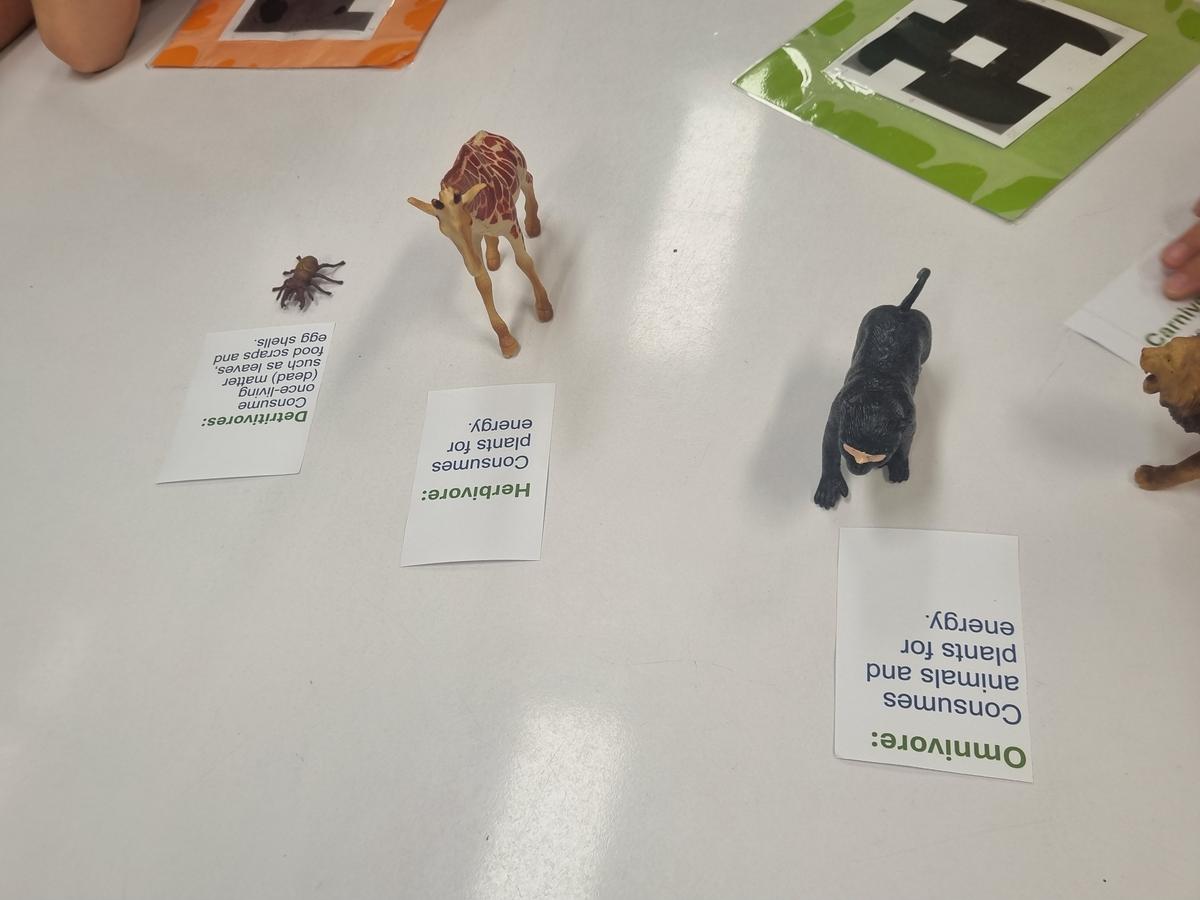
Students reviewed prior knowledge of the basic needs of all living things. They learnt that living things need energy to survive and how plants and animals obtain energy in different ways (like carnivores, herbivores, detritivores and omnivores).
Students learnt that food chains represent feeding relationships in habitats and identified producers, consumers and decomposers in a food chain. They then used arrows to show the direction of energy flow in a food chain.
Grade 2
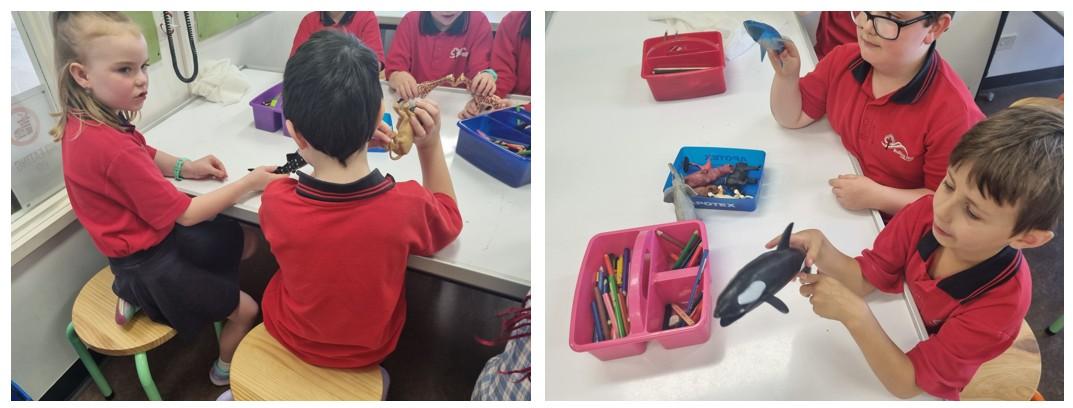
Students are exploring the features of animals that help them meet their basic needs to survive in their environment. They learnt how animal features assist animals in accessing air, water, food, or shelter.
Grade 1
Students have been reviewing the four basic needs of plants and animals.
They have described the types of environments where a plant or animal lives and how these places help living things to meet its basic needs. This involved observing a variety of animals, identifying their features, then linking these features to the ways they are used to get their basic needs met. Students were very surprised to learn that frogs can get their oxygen by absorbing it directly through their skin, whether they are in water or on land!
Preps
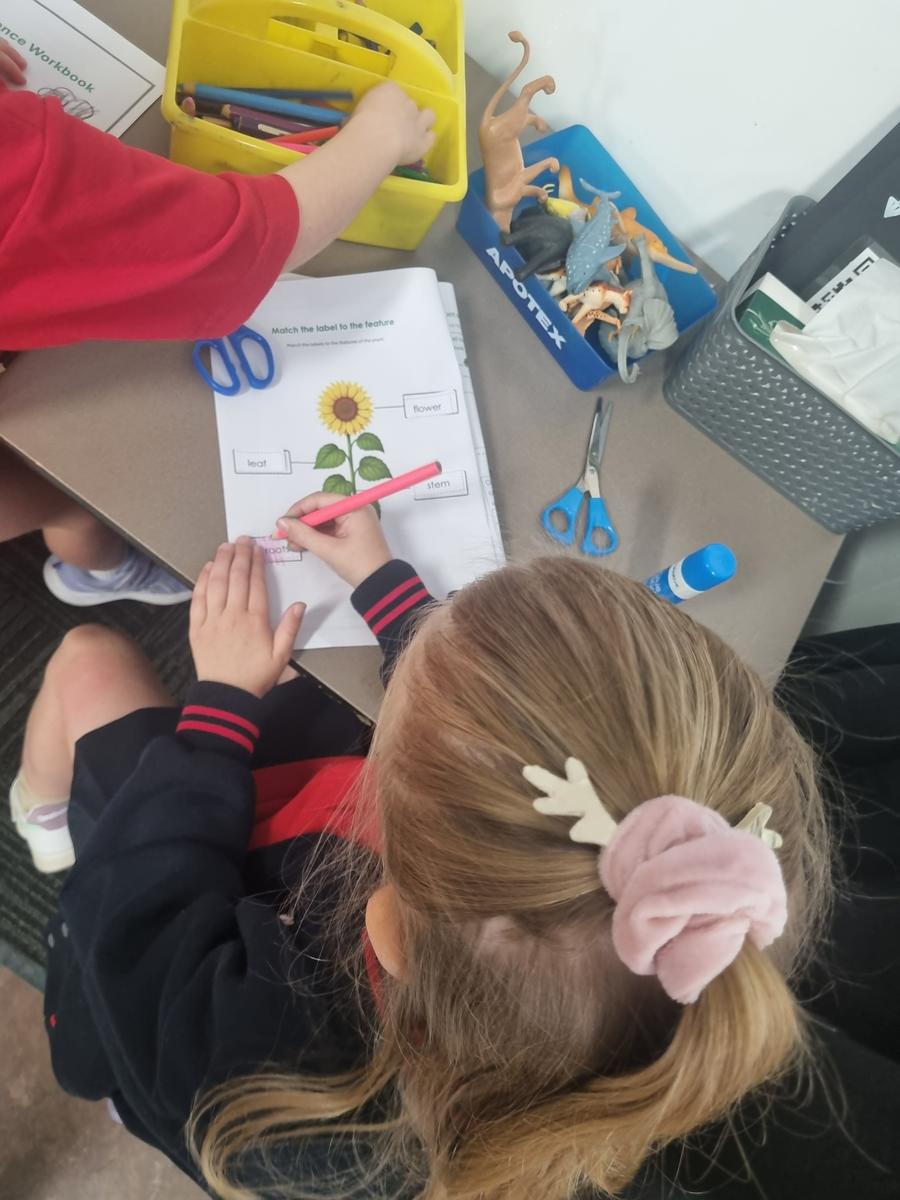
Students learned about the difference between living and non-living things. We studied the features of plants then ventured out into the Garden Club raised beds to observe a variety of plants and group them based on their features.
Students demonstrated their knowledge by returning to the science room and completing an annotated drawing of a sunflower, like the one they observed in our garden. Students also learnt what similarities and differences means, and how to use these descriptions to group living things.
In the Garden
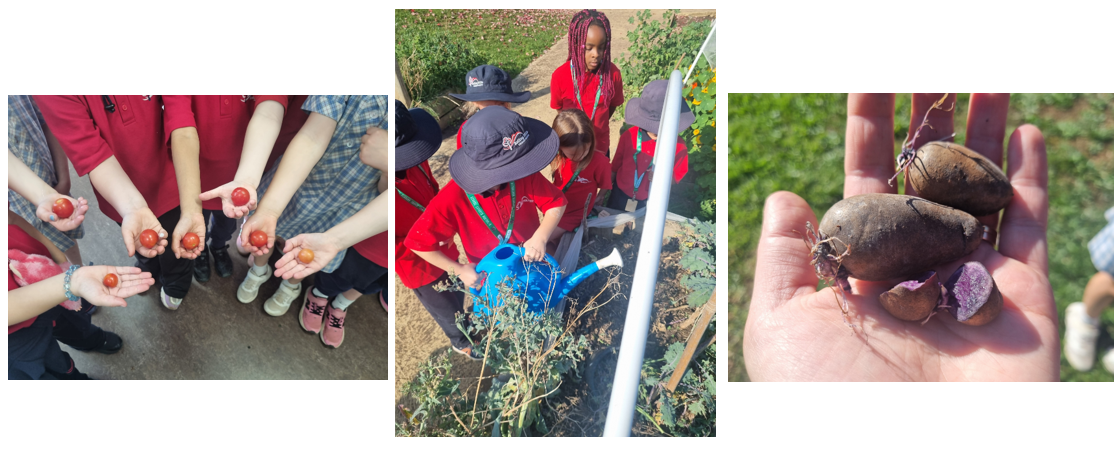
Last week, Garden Club members were able to pick fresh cherry tomatoes and taste them for the first time. Although many decided they did not like the taste, all of them tried it and composted any uneaten fruit. We also planted some purple potatoes in our potato boxes. Students were amazed to see that the potatoes were not just purple on the outside but on the inside too.
This week the sun was shining as we planted some new seeds in preparation of winter. We selected beans, chives, and lettuce to grow in our middle-raised garden bed. Students had fun removing old dead plants and safely relocating cheeky snails to other gardens around the school.
And remember mighty scientists; look closely, ask freely, and seek answers to Earth's cool and crazy wonders!
Mrs Taylor