
Careers Update

Trade & Tech Fit Career Expo
2-3 June 2026 Melbourne Convention and Exhibition Centre

CAREERS IN THE FOOD, FIBRE AND TIMBER INDUSTRIES

Did you know the food, fibre, and timber industries include careers in racing, fashion design, and ecosystem conservation? Here's what's on offer.
Quick question: what do a stable hand, a furniture maker, a master fisher, and a park ranger all have in common?
The answer is that they all work in industries covered by the Food, Fibre & Timber Industries Training Council (FFTITC). Chances are, you hadn’t connected all of those dots before. That’s because this group of industries is so broad that almost any interest you have could find a home somewhere within it, and the free career resources from the FFTITC are a fantastic place to start exploring.
It’s bigger than you think
Most people hear food, fibre, and timber and picture a wheat farm or a sawmill. Those are part of it, but they’re just two cogs in a very large machine. The FFTITC covers more than a dozen distinct industries including “agriculture, animal care, horticulture and landscape horticulture, meat and seafood processing, conservation and ecosystem management, forestry, furnishing, horse racing and breeding, and the textile trades including fashion and creation of innovative natural fibre products”.
Think about fibre, for example. Fibre comes from plants, animals, and even synthetic sources. The industries built around it stretch from sheep stations producing wool all the way to manufactured textiles and fashion. Someone who loves design and sustainability could find themselves working in sustainable furnishings or the fashion supply chain and trace the origins of their materials right back to a paddock or a forest.
Or consider timber. It’s not just about cutting down trees, it’s about managing forests responsibly, processing wood into products, designing furniture, and building the supply chains that connect raw materials to finished goods. Forestry and wood products is a whole career ecosystem of its own, from harvesting crews to structural engineers to interior designers.
Sectors that might surprise you
The FFTITC’s Career Booklet covers pathways across all of these sectors, which makes for some interesting reading.
Racing and horse breeding sits comfortably alongside dairy, livestock, and horticulture. If you love horses, careers in this sector go well beyond jockeying – think stud farm management, equine veterinary nursing, breeding technician roles, and stable management. It’s a skilled, specialised industry with clear vocational pathways.
With growing global demand for sustainable protein, Seafood and aquaculture is another standout. The farming of fish, shellfish, and seaweed are some of the fastest-growing sectors in food production. Roles range from hands-on hatchery work and boat operations to water quality management, food safety testing, and export logistics.
Conservation and ecosystem management might seem an unlikely inclusion, but the connection makes sense. Healthy land, water ways, and biodiversity underpin the entire food and fibre system. Careers here include animal control officers, land care specialists, and environmental field managers — roles that are increasingly in demand as industries work to meet sustainability targets.
The fibre-to-fashion connection
One of the least obvious but most interesting pathways is the thread that runs from raw fibre all the way to finished textiles and fashion. The Careers in the Agriculture Supply Chain resource illustrates just how many roles exist between the production of a raw material and the moment a consumer picks it up. In the fibre and textile space, that journey might pass through wool classing, fibre processing, quality assurance, textile manufacturing, product design, and retail. Each step requiring different workers with their own skills and qualifications.
If you’re drawn to fashion but also care about sustainability and where materials come from, this end of the industry offers a genuinely interesting intersection of creative and technical skills.
How to get started
Why not have a read of the booklet and explore the FFTITC’s detailed occupational profiles such as the AgTech Specialist profile illustrating roles and skills required and showing how pathways are structured. Many pathways into these industries are accessible through VET qualifications, which means you can often start building job-ready skills without a university degree — and in some cases, while you’re still in school through school-based apprenticeships or traineeships.
Start with what genuinely interests you, whether that’s animals, the environment, design, technology, or food science. Then work backwards to see which sector connects with you and your skills, strengths, and values.
HOW TO GET THROUGH FIRE SERVICE RECRUITMENT
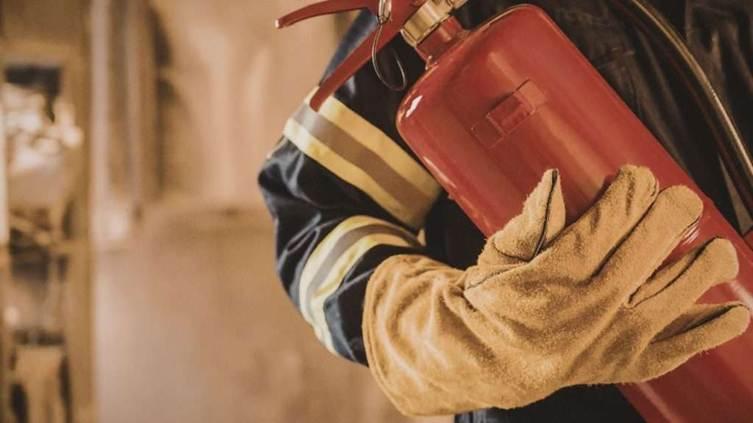
The path to becoming a firefighter in Australia and New Zealand is long and competitive. But with the right preparation and mindset, it's absolutely achievable.
Becoming a firefighter is a highly sought-after career in Australia and New Zealand. The role offers real purpose, physical challenge, community impact, and great camaraderie, so it’s no surprise that fire services across the country receive thousands of applications every time recruitment opens.
What surprises many people is just how long and involved the process actually is. The process can take anywhere from 6 to 12 months and involves multiple phases of testing. If you’re serious about getting in, it pays to know exactly what you’re walking into and be prepared.
What the process generally looks like
The recruitment process typically includes aptitude tests, psychological and personality assessments, physical ability tests, a panel interview, and a thorough medical examination. Most services also require a current First Aid certificate, a valid driver’s licence, and a clean criminal record before you can progress. Each stage is pass/fail, meaning you must succeed at one step before you’re invited to the next.
The aptitude test is designed to ensure that you’ll be able to handle the written component of the recruit training course, the last step before you become a firefighter. They usually include literacy (reading), numeracy (maths), abstract reasoning, and mechanical reasoning components, which measure your general abilities such as problem solving, critical thinking, deduction, and logical reasoning.
Physical testing comes in two parts at most services. The first is an aerobic fitness test, often a shuttle run or beep test. The second physical stage is usually a series of simulated task assessments, which are practical, timed, and designed to reflect real on-the-job demands. In South Australia, for example, the PAT 2 requires candidates to complete 11 simulated on-the-job tasks within 32 minutes, and all gender identities complete the same test to the same standard.
What’s different in each state and territory
Each fire service runs its own recruitment campaign on its own timeline, and the specific tests and providers vary. So, you should always check the official sites for each service for information about their recruitment process and dates, as well any specific eligibility criteria.
Thing can change frequently and recruitment windows are often short, so applying with outdated knowledge could cost you your place in the process.
Victoria
Fire Rescue Victoria (FRV) received many applications in its 2024 intake, which ran for just 7 days, and will not open for new applications until 2026, although the dates haven’t yet been confirmed. Entry requirements include:
- Being an Australian or New Zealand citizen or Australian permanent resident
- Holding a driver’s license for at least 2 years by the time of applying (green (P2) probationary licences are OK)
- Complying with the criminal history and driving history policies
- Undergoing a nationally coordinated criminal history check
- Obtaining a medical clearance from your doctor prior to undertaking the physical assessment
Their full recruitment process is 11 stages and you’ll need to pass them all. If your application is successful and you receive an offer of employment, you’ll then need to undertake a 20-week recruit training course at the FRV Training Academy in Melbourne, as well as obtain a Heavy Rigid licence.
New South Wales
Fire and Rescue NSW (FRNSW) have a 7-step recruitment process. They also have the Indigenous Fire and Rescue Employment Strategy (IFARES) to support First Nations applicants. To be eligible to apply, you’ll need:
- HSC or equivalent higher education qualification
- Australian or New Zealand citizenship or Australian permanent residency
- A current C class drivers’ licence (minimum Provisional P2)
- Willingness to obtain a Medium Rigid (MR) heavy vehicle licence at your own cost
Successfully progressing through the recruitment process means you’ll receive a formal employment letter, after which you’ll need to complete the 13-week FRNSW Recruit Course in Sydney.
Western Australia
The Department of Fire and Emergency Services (DFES) in Western Australia have a 5-stage recruitment process – women, Aboriginal and Torres Strait Islander people, and people from culturally and linguistically diverse backgrounds are encouraged to apply. You’ll need to:
- Be an Australian or New Zealand citizen
- Have a current First Aid Certificate
- Have a current unrestricted Manual C Class vehicle license
If you’re successful in the first stage, within 5 months of your application you’ll also need to obtain:
- WA or National Heavy Rigid (HR) vehicle license that allows you to operate manual HR vehicles with a synchromesh gearbox
- Advanced First Aid Certificate
- Advanced Resuscitation and Oxygen Therapy Certification
- Australian National Police Certificate
- Working with Children Check
If you’re selected to attend the Trainee Firefighter School, you’ll be offered a temporary contract to undertake a 15-week intensive training course at the Western Australia Fire and Emergency Services Academy in Perth.
Queensland
Queensland Fire and Rescue (QFR) have a 10-step recruitment process to complete, including a variety of physical, cognitive, and psychological tests, as well as a criminal history check and interview. You’ll need to meet the following mandatory requirements before you can apply:
- Manual C class driver licence held for at least 1 year, OR manual medium rigid (MR) driver licence
- Physically, mentally, and medically fit
- Australian or New Zealand citizenship or permanent residency
- Successful completion of Year 12 or equivalent
- Minimum 2 years full-time equivalent general paid work experience
- Eligible to hold a current valid Working with Children Blue Card
If you are a successful applicant and receive an offer of employment, you’ll then need to complete the intensive 16-week Recruit Course at the School of Fire and Emergency Services Training (SFEST) in Brisbane.
South Australia
SA’s Metropolitan Fire Service (MFS) has a 10-stage recruitment process for aspiring firefighters. To be eligible to apply, you must:
- Hold a current and valid C Class driver’s licence
- Be an Australian citizen or permanent resident
- Meet the Medical Standards
Importantly, you will need to submit images of any tattoos you have, as “visible tattoos must not be excessive or offensive to recognised standards of decency or reflect adversely on the professional image the community expects from employees serving in the MFS”.
If you successfully make it through the selection process, you’ll then need to complete the 16-week Recruit Course at the Angle Park Training Centre in Adelaide.
Australian Capital Territory
ACT Fire & Rescue (ACTF&R) applicants have to successfully pass each of the 7 stages of the recruitment process. Before you can apply, you’ll need to meet these mandatory requirements:
- Be an Australian citizen or have permanent residency
- Hold a current Australian C Class licence with no restrictions (no P plates) and confirmation of completion of a Heavy Vehicle Knowledge Assessment, OR hold a current Australian MR Class driving licence with no restrictions (no P plates)
- Provide medical consent to participate in physical abilities testing
- Hold current ACT Working with Vulnerable People registration
- Undergo a National Police Check
If you accept an offer of employment, you are then required to attend the 20-week Recruit Training Program at the ACT Emergency Services Agency (ESA) Hume Training Centre in Canberra.
Tasmania
To join the Tasmania Fire Service (TFS) you’ll need to pass the 9-stage recruitment journey. Before you apply, make sure you can fulfil their mandatory requirements:
- Meet the medical and fitness requirements of the TFS
- Able to work effectively at heights and in confined spaces
- Hold a current manual driver’s licence with no restrictions
- Satisfy a pre-employment criminal history check
Candidates who successfully complete the application process will become a member of the Firefighter Development Program, conducted over a period of 15 weeks predominantly at the Cambridge Training Complex in Hobart.
Northern Territory
The Northern Territory Fire and Rescue Service (NTFRS) have 5 steps in their recruitment process, including an hour long panel interview. Here are some of the essential criteria you’ll need to meet before applying:
- Successful completion of Year 12 or a recognised tertiary or trade qualification
- The ability to meet the health, fitness, and academic standards of the recruit selection program
- Must possess a manual Medium Rigid (MR) driver’s licence as recognised by the NT Government, a minimum of 1 week prior to the commencement of the Recruit Course
- Have a current First Aid Certificate or equivalent
- Have no significant criminal history
On appointment as a recruit firefighter, you will undertake a nominal 20-week recruit course at the NTFRS training complex in Darwin.
New Zealand
Fire and Emergency New Zealand (FENZ) recruitment process consists of 8 steps and includes an online application, aptitude testing, a practical assessment centre, and a panel interview. To be eligible to apply you’ll need to:
- Be a New Zealand or Australian citizen or have New Zealand permanent residency
- Be 18 years of age to apply
- Pass police checks
- Pass medical checks
New recruits then need to successfully complete the paid 12-week live-in Recruit Training Course at FENZ’s National Training Centre in Rotorua, after which you’ll graduate as an operational firefighter.
How to prepare
The candidates who progress tend to have one thing in common they prepared specifically, not generally. Here’s what that looks like in practice.
For the aptitude test
Find out which testing platform your target service uses and practise with materials from that specific provider. If your abstract reasoning is strong but your numerical skills are shaky, focus more of your preparation time on your weaker areas.
For the physical tests
The beep test/shuttle run standard required by fire services is achievable with consistent cardio training, but you need to start well before the recruitment window opens, not just the week before.
For the simulated task assessment, read about the tasks and watch any preparation videos published by the relevant fire service. They’re there to help you understand what’s expected and how to prepare.
For the interview
Be prepared for a behavioural interview format, which means questions like, “Tell me about a time you worked under pressure.” Prepare real examples from your own life that demonstrate teamwork, problem-solving, communication, and composure. Practise saying them out loud, not just thinking through them in your head.
Read up about the interviews online and see what other tips you can find before you head in.
For the recruitment process
Make sure you’re committed to the time involved in all the training. Including before the recruitment period begins, during recruitment, and the duration of the recruit training course, the entire process can take anywhere between 6 to 12 months, so it requires a significant investment of your time and energy.
If for any reason your situation changes and you can no longer participate in or continue your training, keep in mind you might need to withdraw and re-apply in the following year.
Don’t give up after a setback
Many candidates sit the process more than once, for various reasons. That’s not a sign of failure – it’s a normal part of how competitive this field is.
If you don’t progress in one intake, treat it as a training run. Find out where you fell short, address it specifically, and come back better prepared. The people who eventually get through are often those who refused to treat a single rejection as a full stop.
Start building your profile now
If you’re still at high school, you don’t have to wait until recruitment opens to get started.
Fitness is the most obvious area you can easily work on. Building a strong aerobic base and general strength now means you won’t be scrambling to get fit under pressure when applications open. Some services even have dedicated fitness training guides and preparation resources, like FRNSW’s Fire Fit or FENZ’s Practice Days.
Beyond the physical side, fire services look for people who are calm under pressure, communicate clearly, and work well in a team. You can develop all those qualities through team sports, school leadership roles, or community volunteering. Even casual work in customer-facing roles builds communication skills and resilience.
St John Ambulance youth programs, State Emergency Service (SES) volunteering (available from age 16 in most states), and local surf lifesaving clubs could all help you gain relevant experience that will give you real stories to draw on in a behavioural interview, as well as important skills. Some fire services also run cadet or youth programs, like the NSW Rural Fire Service and the NTPFES Cadets Program. If you can’t find information online, it’s worth checking directly with your local station.
A First Aid certificate is a practical requirement for most applications, so getting qualified early is a straightforward win.
Remember, recruitment panels aren’t just assessing what you can do on the day; they’re looking for evidence of who you are over time.
Ready to explore careers in emergency services?
If firefighting sounds like the career for you, start by visiting the official website for the fire service in your location and checking when recruitment is next expected to open.