Curriculum Corner

Times Tables!
Strong knowledge of times tables is one of the most important things to learn in mathematics. When children can recall multiplication facts quickly and confidently, they are better equipped to understand more complex ideas such as fractions, division, algebra, and problem‑solving. Automatic recall frees up their working memory, allowing them to focus on the strategy rather than getting stuck on basic calculations. This confidence often spills into all areas of maths, helping students feel more capable and willing to take on new challenges.
Helping children learn their times tables doesn’t need to be stressful or repetitive. Short, frequent practice is more effective than long, infrequent sessions.
Tips!
Start with the tables that follow clear patterns such as the twos, fives, and tens. This gives children a sense of success early on.
Many children benefit from learning through movement, rhythm, and play. Chanting, singing, clapping, or even creating a times‑table dance can make the learning process more memorable and enjoyable.
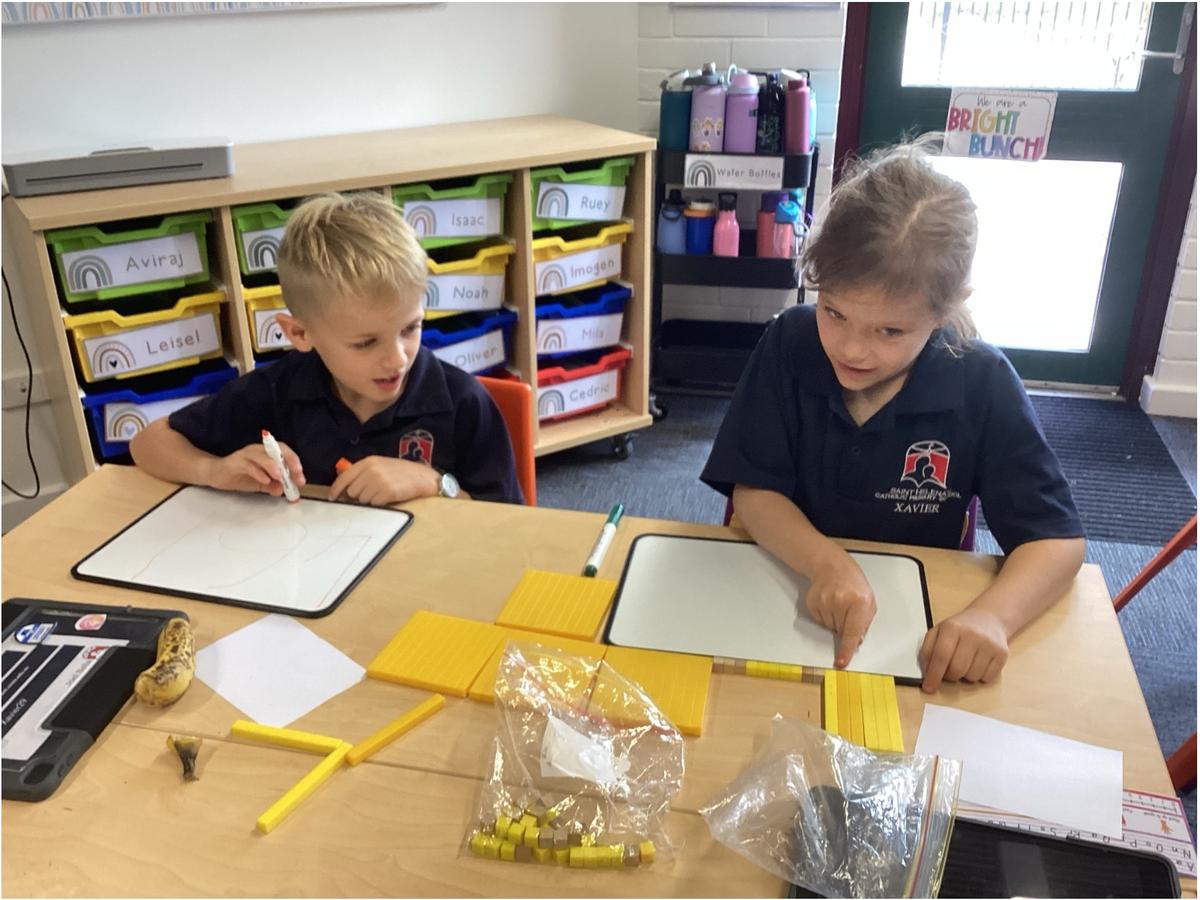
Real‑life examples make a big difference too. Everyday experiences like counting equal groups of snacks, steps, or Lego pieces help children understand that times tables are useful beyond the classroom.
Digital games and apps can also provide a fun way to practise, offering quick feedback and a sense of achievement.
However children choose to learn, the most important element is encouragement. Celebrating small steps and acknowledging progress helps build confidence and keeps their motivation to keep learning tables going.