
Wellbeing News
Lynda Hudson
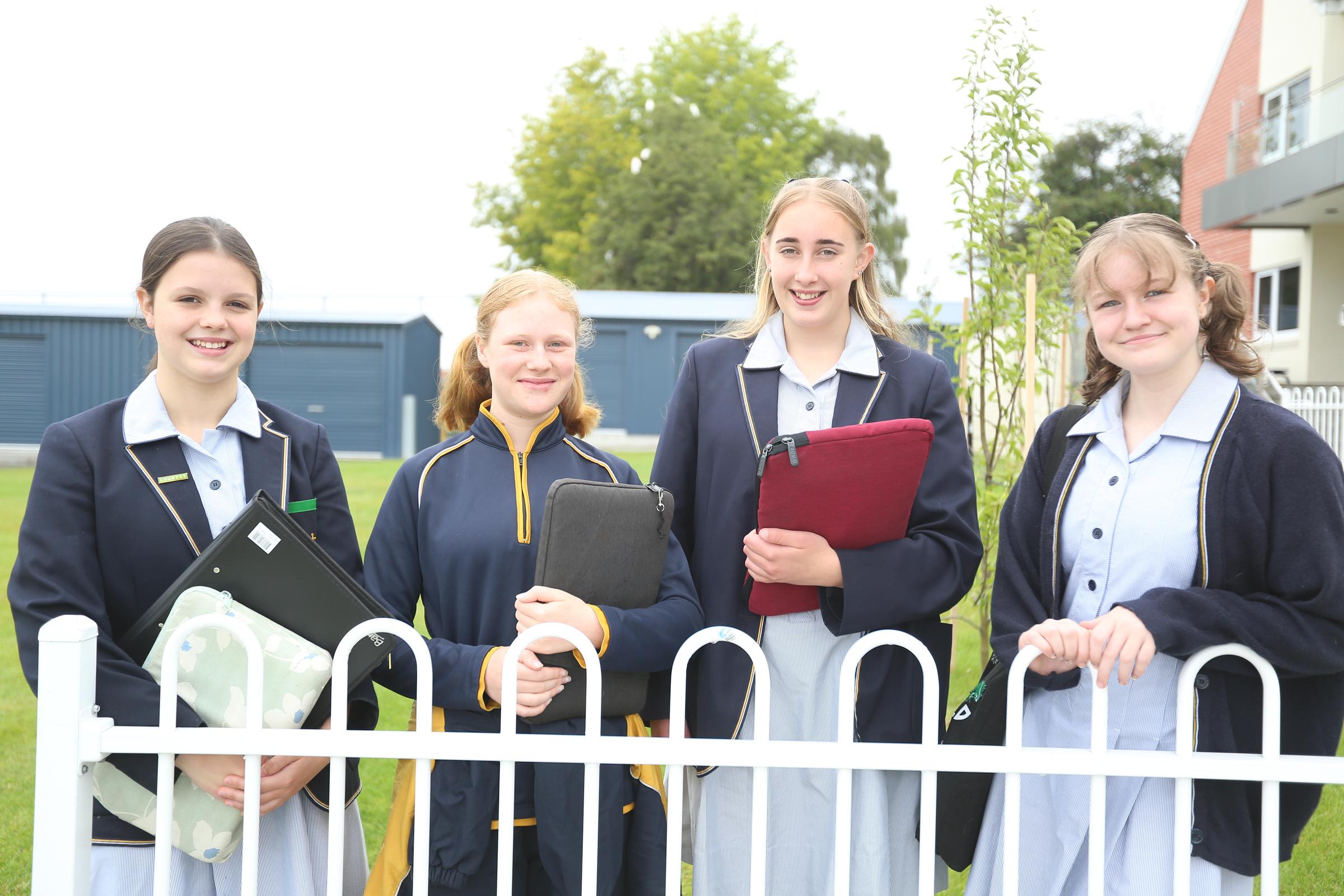
Wellbeing News
Lynda Hudson
Starting the Year Strong – Building Positive Routines
The start of a new school year is the perfect time to set up routines that support both learning and wellbeing. Positive routines help students feel secure, confident, and ready to engage each day, and they can make the school day run more smoothly for everyone.
Simple routines, like a consistent morning check-in, clear transitions between activities, and structured opportunities for reflection, can make a big difference. When students know what to expect, they can focus more on learning and less on uncertainty or stress. This has been the focus for staff as we return to the classroom this term, ensuring that every student feels safe, supported, and ready to engage from the very start.
By beginning the year with thoughtful routines and clear intentions, we are setting the stage for a year filled with positivity, growth, and meaningful accomplishments. It is about building habits that empower everyone to feel supported, confident, and inspired, ready not just to participate, but to truly shine.
As we look ahead, we do so with optimism, purpose, and excitement for all we will accomplish together. We look forward to the growth we will experience, the milestones we will celebrate, and the moments that will make this year both meaningful and memorable. Here’s to a year of progress, possibility, and everyone shining their brightest.
Wellbeing Leaders - Ruby Stokes-Little and Brooklynn Taylor
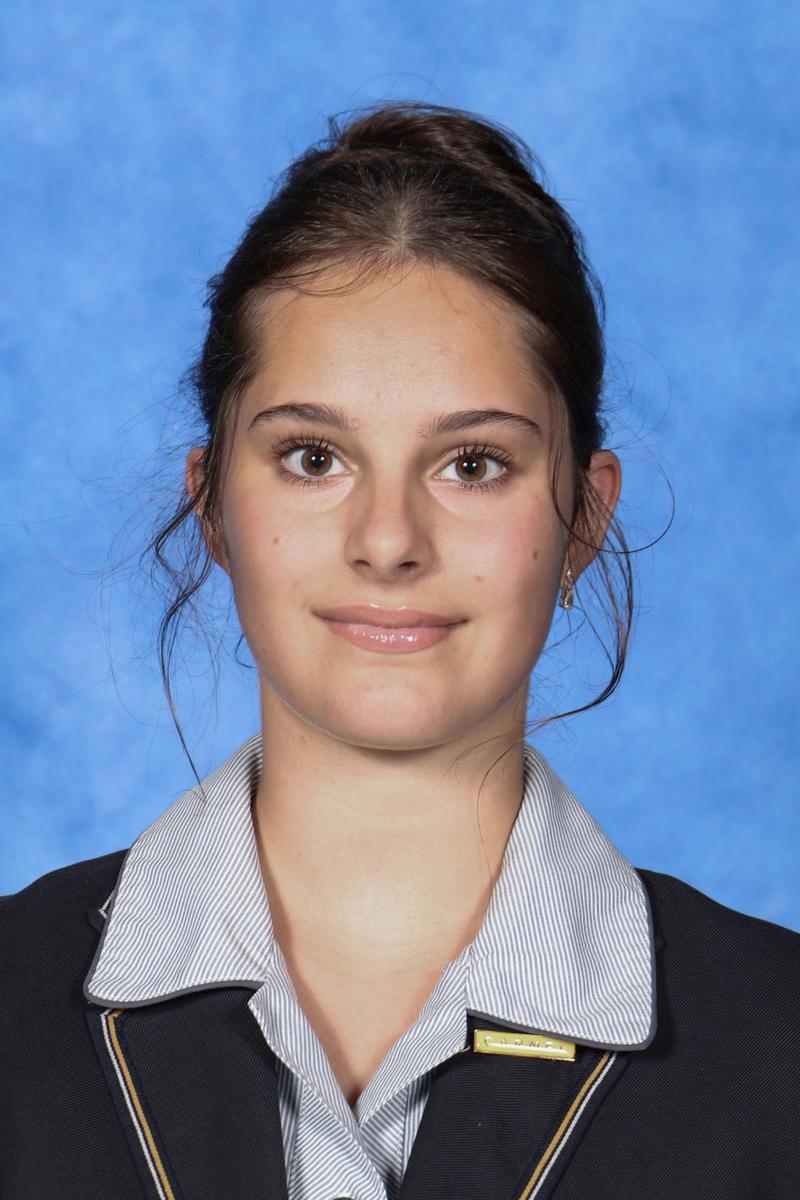
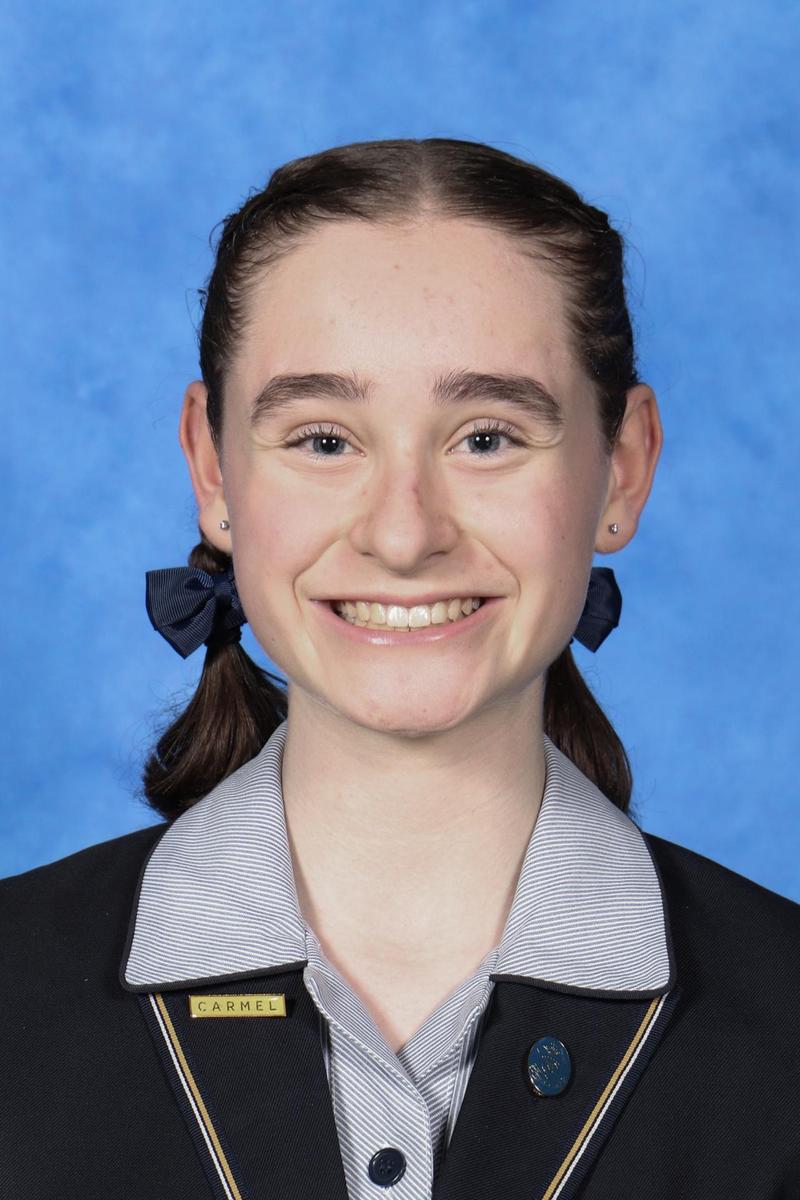
Welcome to Mount Carmel College for 2026! We are Ruby Stokes-Little and Brooklynn Taylor, your 2026 Year 10 Wellbeing Leaders. We are genuinely looking forward to meeting everyone and getting to know all students across the cohort, from ELC through Year 10. Wellbeing is a balance between your mental, emotional, social, and physical health. This includes having meaningful relationships, a sense of purpose, positive emotions, and the ability to bounce back after challenges.
For those who want to reach out or require some support, many staff members and teachers are available to you for any wellbeing needs or queries. Miss Hudson is Director of Wellbeing and is a teacher whom all students are able to talk to about concerns, both inside and outside of school. Her office can be located outside SB23, and she is always extremely compassionate and understanding.
In addition, our school counsellor, Daisy Parsell, is also a support for students who want consistent sessions to discuss wellbeing matters. Her office is located in Providence House (PH5) on the ground floor. She is very welcoming and positive, and will always be able to provide assistance to all students. As mentioned, we are your wellbeing leaders, who are also here for a chat when needed, but for more serious concerns, we encourage you to speak to a member of staff.
Again, we wish you all a wonderful year, and whenever you desire, there will always be a student or staff member available for you to talk to about any inquiries or concerns.
Introduction to the Zones- Understanding the Four Zones
Our first week back saw staff diving into the Zones of Regulation in a fun and creative way! With a “My Kitchen Rules” challenge, teams explored the four zones through interactive activities, laughs, and a little friendly competition. It was a great way to experience the Zones firsthand and reflect on how understanding emotions can support both teaching and learning.
Starting the school year with tools to support students’ emotional wellbeing is important, and the Zones of Regulation is a simple yet powerful framework to do just that. The Zones help students (and adults!) recognise how they are feeling, understand why, and choose strategies to manage their emotions effectively.
The framework divides feelings and states of alertness into four colour-coded zones:
Blue Zone: Low energy or sad feelings (e.g., tired, bored, or feeling down).
Green Zone: Calm, focused, and ready to learn, the “ideal” learning state.
Yellow Zone: Heightened alertness, but still in control, feelings like frustration, worry, or excitement.
Red Zone: Extremely heightened state where it is hard to think clearly, anger, panic, or overwhelm.
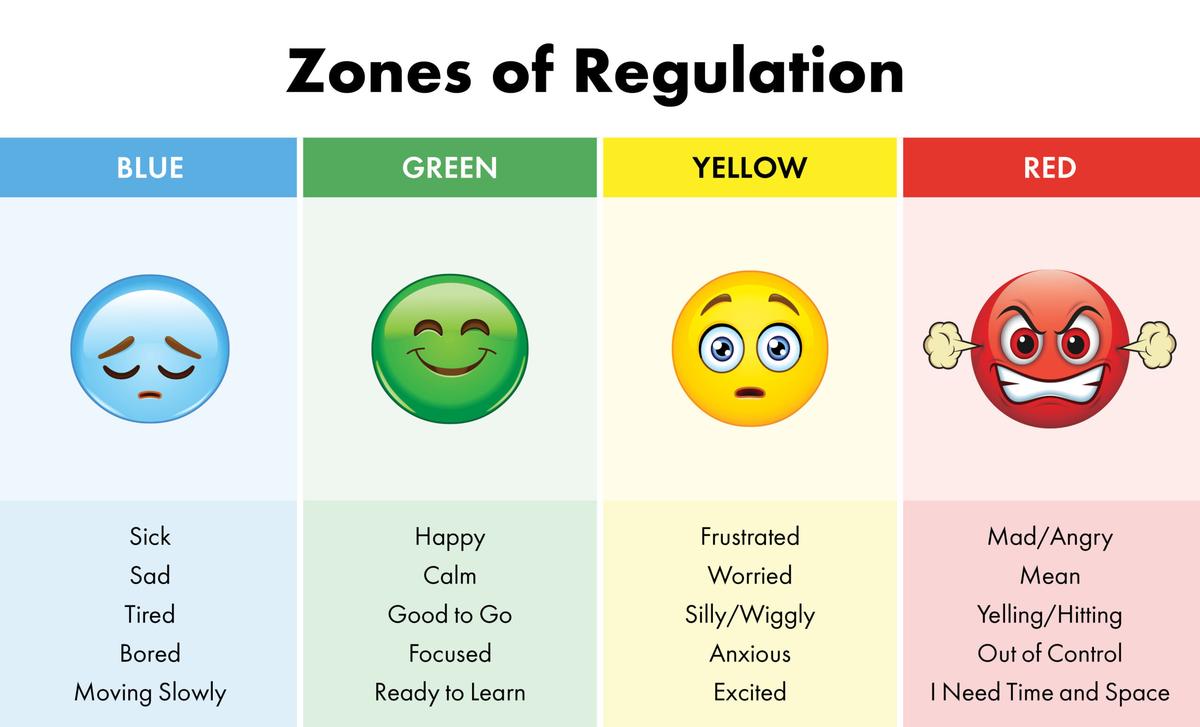
Understanding these zones gives students the language to express themselves and helps teachers respond with strategies that support self-regulation. For example, a student in the Yellow Zone might take a few deep breaths or use a fidget tool, while a student in the Red Zone might need a quiet space to regain control.
Using the Zones of Regulation in the classroom encourages self-awareness, empathy, and problem-solving, skills that last well beyond the school day. By helping students notice which zone they are in, we empower them to make choices that support learning and wellbeing.
We are excited to continue exploring the Zones throughout the year, not only within our classrooms but also with our wider school community. By sharing strategies, activities, and insights, we hope to make self-regulation a part of everyday learning for everyone.