STEM News
Dear fellow scientists,
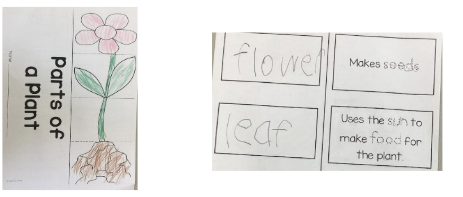
This week in Science, Prep students have been learning to name the different parts of a plant. We explored the flower, stem, leaves, and roots and discussed how each part helps the plant grow. Students practised writing the words flower, stem, leaf, and roots, and carefully traced the dotted words to build their letter formation and spelling skills.
Grade 1 students have been learning about the four basic needs of plants and animals: water, air, shelter, and food. As part of our learning, students made a prediction in their workbooks about what a redback spider might eat. They then drew and labelled the four basic needs of a redback spider, showing their understanding of how animals survive in their environment. We are proud of their thoughtful predictions and detailed drawings!

Grade 2 students have been investigating sound insulation by exploring how different materials can block or reduce sound. They tested materials such as foam, fabric, paper, and cotton wool to see which worked best. Students recorded their results in a table and carefully observed which material reduced the sound the most. They also completed their prediction sentence in their design booklets before testing.

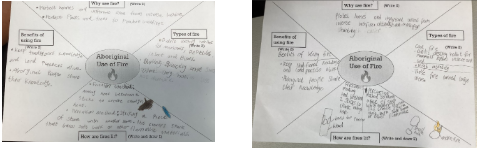
Grade 3 students have been using a graphic organiser to explain how Aboriginal peoples made and used fire. Students explored how fire was carefully created using traditional methods and discussed the many ways it was used in daily life, such as for cooking, warmth, tools, and caring for the land. They organised their ideas clearly in their graphic organisers, showing their understanding of how important fire was in Aboriginal culture and survival.
Grade 4 students are applying their Science Inquiry Skills in an investigation about buoyancy. Following teacher guidelines, they planned and conducted their investigation, made predictions, observed results, and recorded their findings carefully. Watch this video on buoyancy: https://www.clickview.net/primary/videos/51730891/what-is-buoyancy
Grade 5 students have been exploring the features and behaviours of different celestial objects. They have been learning to identify the differences between objects such as asteroids, meteors, meteoroids, meteorites and comets. Using this knowledge, students tallied the different celestial objects and represented their data in a column graph. With the support of a checklist, they ensured their graphs included a clear title, correctly labelled axes, accurate data, and an appropriate scale. Watch this video on what’s the difference between asteroids, meteors and comets? | Natural History Museum: https://www.youtube.com/watch?v=BiPp172TOvI
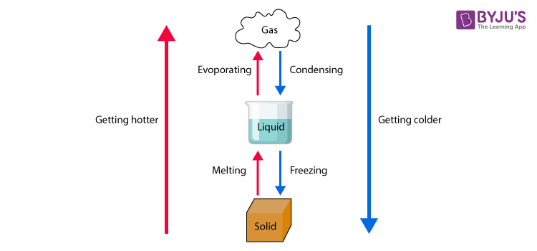
Grade 6 students are learning to identify reversible changes, with a focus on changes in water. Students explored how water can change state — such as melting, freezing, and evaporating — and discussed how these changes can be reversed. They also identified examples of reversible changes in everyday life, recognising that some materials can return to their original form.
STEM Team