Grade 5 News

English
Over the past few weeks, students have been exploring how words are formed and how authors use language to communicate ideas.
In Morphology, students have continued investigating how new words are built and how suffixes can change a word's meaning. The suffixes studied recently include:
- -ion (with base words ending in -ate). Students learned to drop the e and adjust the pronunciation. For example, motivate + -ion becomes motivation.
- -ous, which creates words meaning full of or possessing. For example, glory + -ous becomes glorious, meaning worthy of or full of admiration.
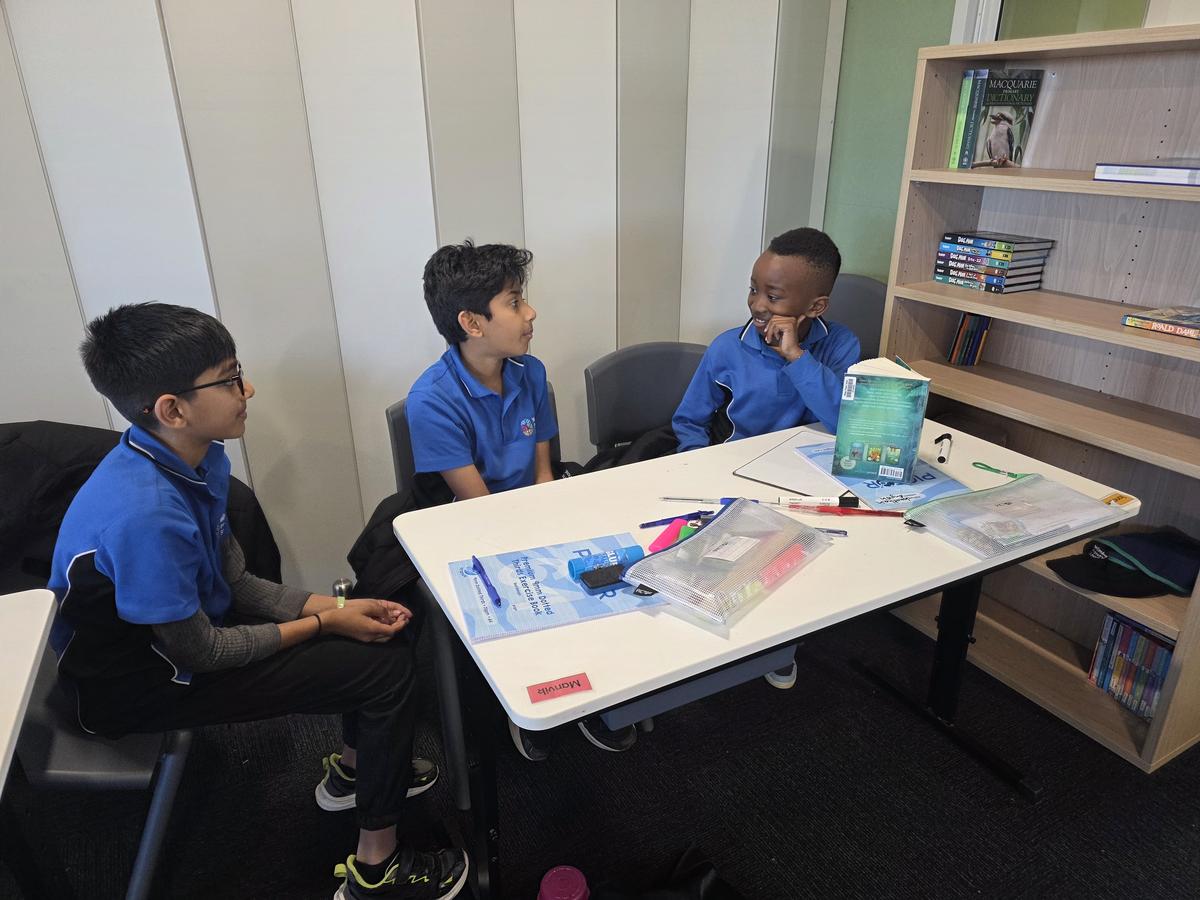
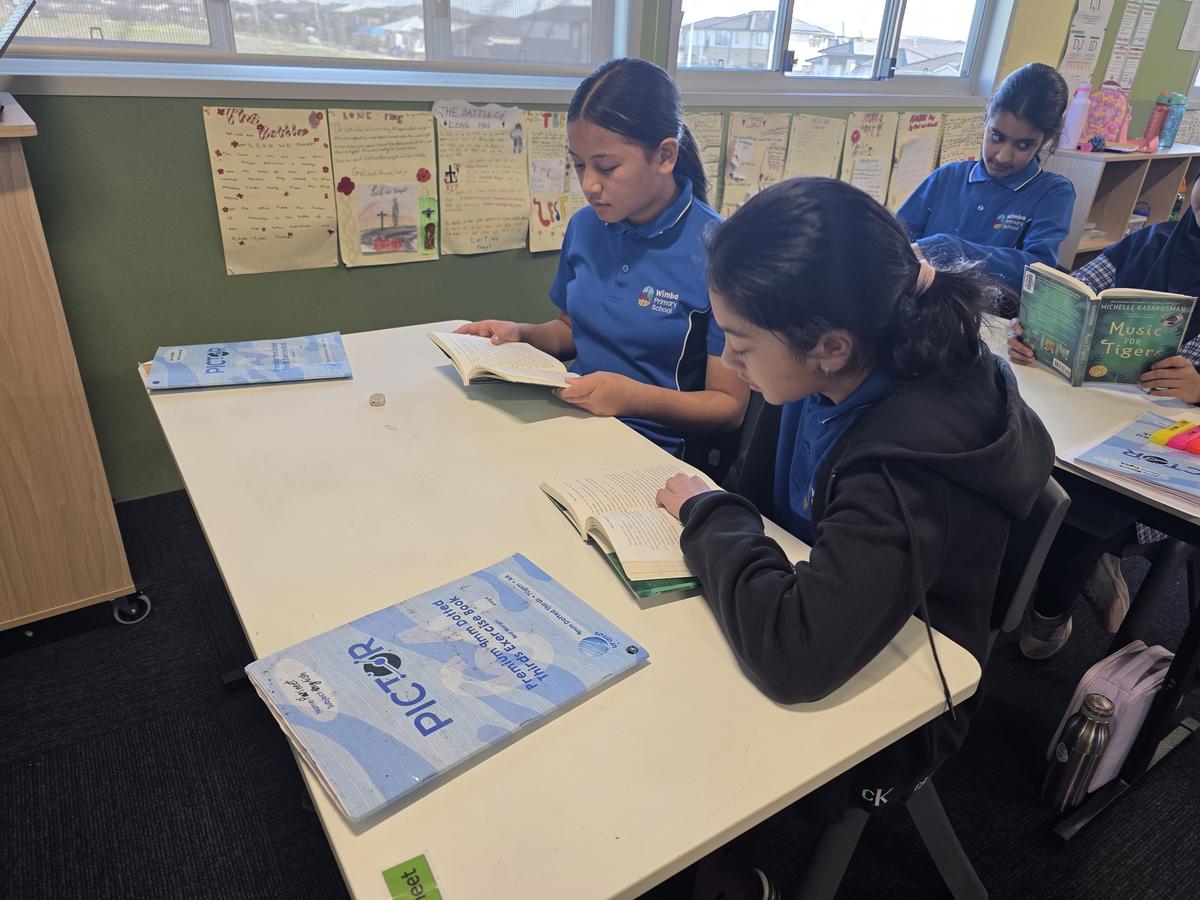
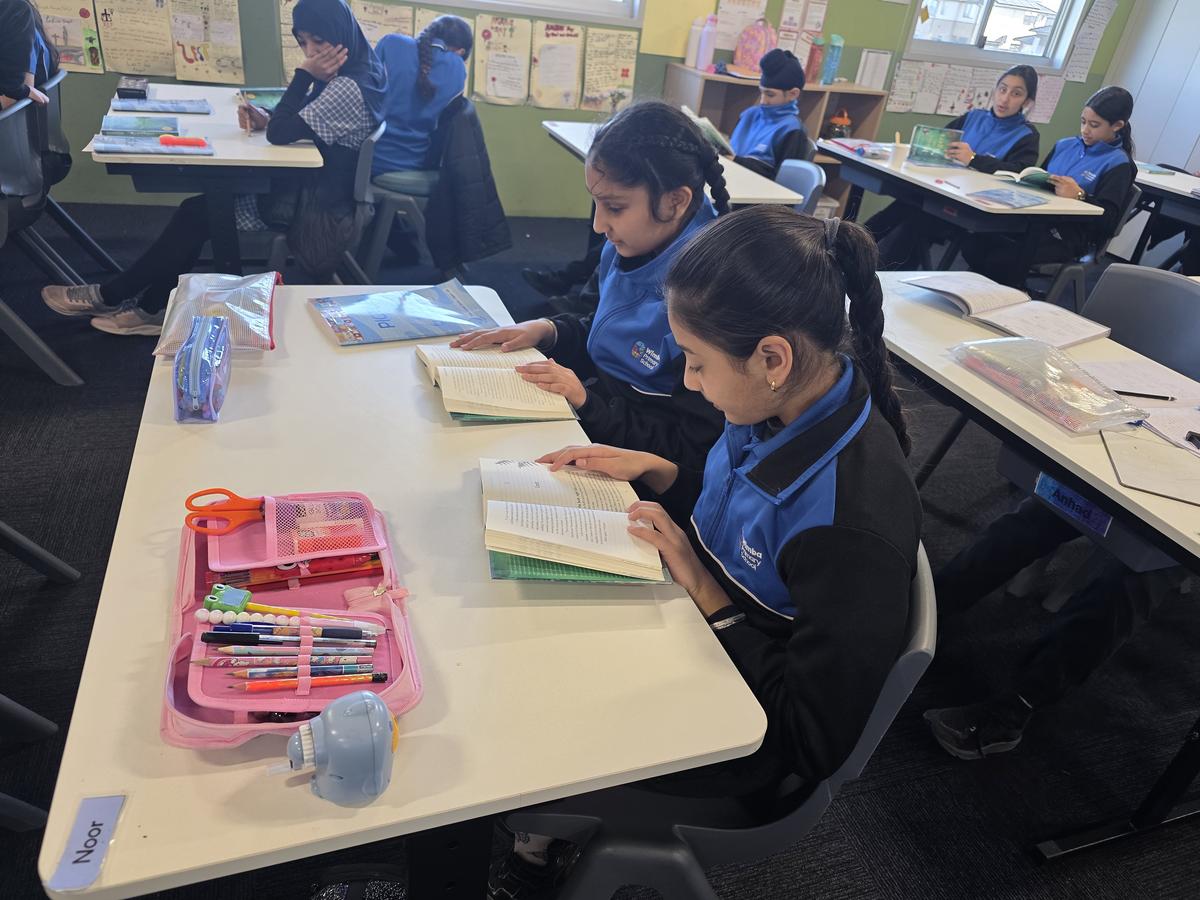
Students have also been developing their grammar skills by learning how to add relative clauses to sentences to provide additional information. They have been thinking carefully about whether the extra information is essential or non-essential, as this determines the punctuation required. Through whiteboard activities, sentence-building tasks and class discussions, students have been applying these skills in their own writing. Both students and teachers were excited to begin our first class novel study, Music for Tigers, during Literature lessons. Set in Tasmania, this engaging story explores themes of extinction, conservation and habitat change through the mystery of the Tasmanian tiger. Students have begun examining journal writing, exploring how authors communicate characters' emotions, both explicitly and through inference, while also investigating the use of idioms.
How you can help at home
Ask your child to tell you about Music for Tigers and discuss what has happened in the latest chapter. At Wimba Primary School, students have access to Epic, our digital reading platform, during the school day until 4.00 pm. If your child is absent, we encourage them to access Epic to keep up with our class novel. They know which chapter we are reading and should be able to continue independently. That way, they won't "miss the boat" (yes, that's an idiom!) and will be ready to fully participate in class discussions when they return.
Mathematics
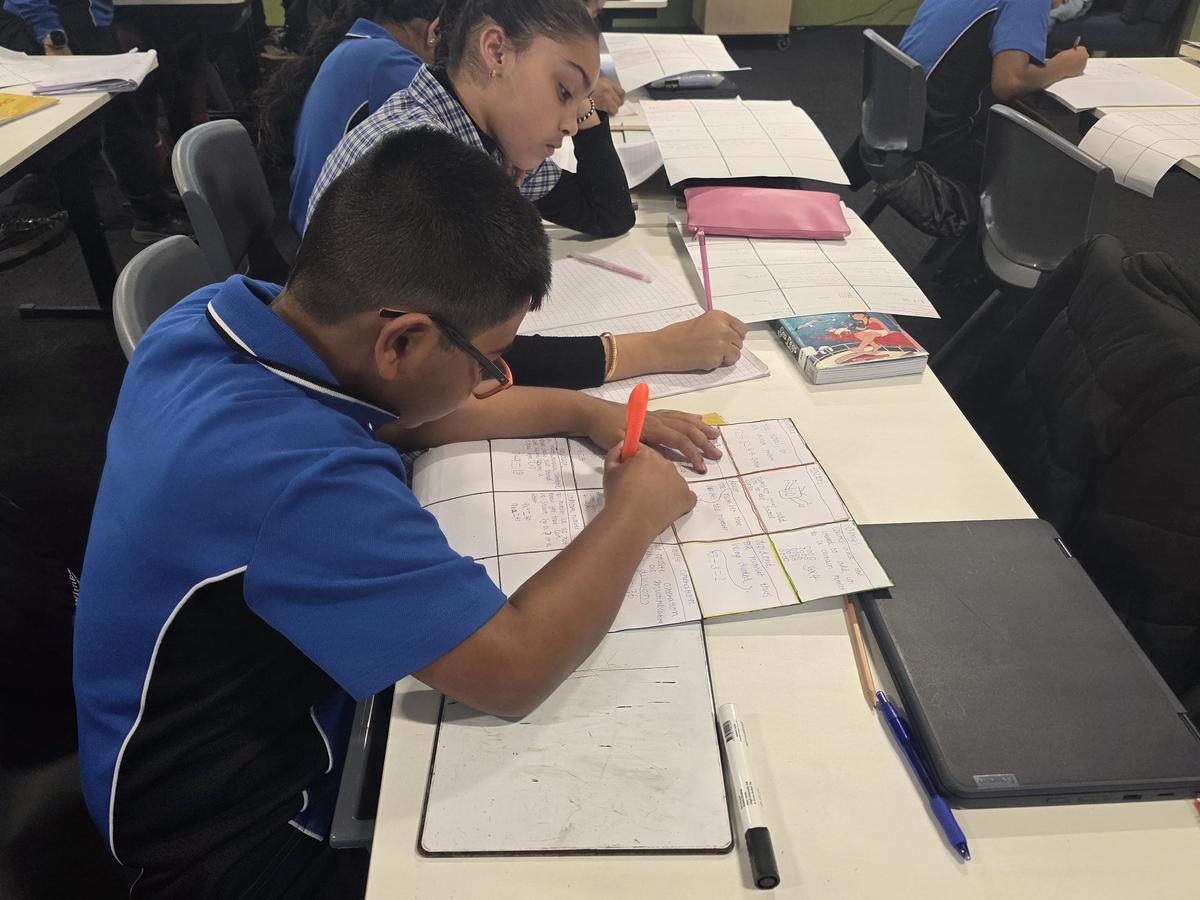
Students have recently completed their learning on Multiplicative Thinking, investigating the relationship between multiplication and division and how these concepts can be applied to solve everyday problems. This learning has extended into our Algebraic Thinking unit, where students have explored number relationships and mathematical rules, including the commutative and distributive properties, equivalence, and an introduction to written algorithms. Students are becoming increasingly confident using mathematical vocabulary, including dividend, divisor, quotient, factor and product, enabling them to explain their mathematical thinking with greater precision.
Another exciting area of learning has been divisibility rules, which allow students to quickly determine whether numbers are divisible using simple patterns. For example, did you know that a number is divisible by 3 if the sum of its digits is a multiple of 3?
As always, students are encouraged to explain their reasoning, compare different solution strategies and build confidence when tackling increasingly complex mathematical challenges. Their mathematical vocabulary and understanding continue to grow each week. Our next Mathematics unit will focus on Probability.
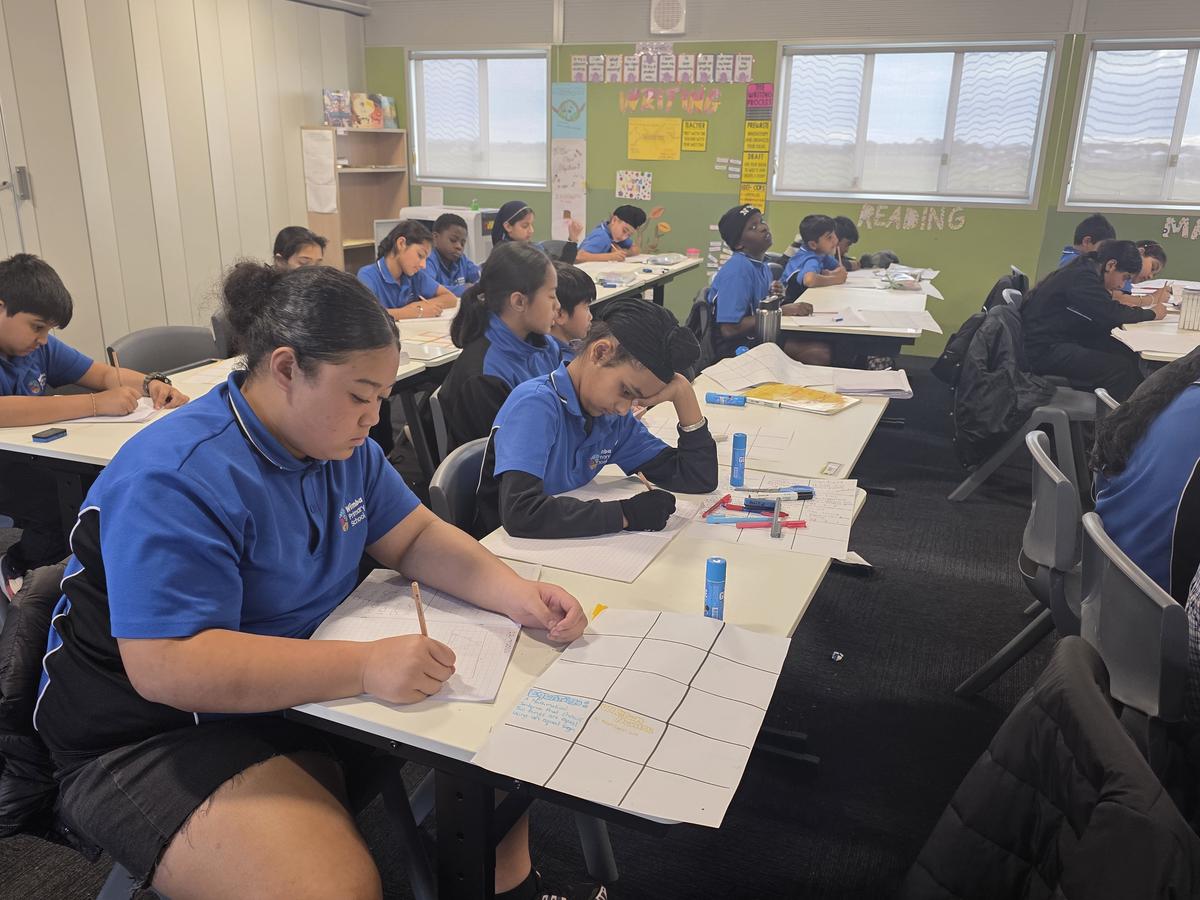
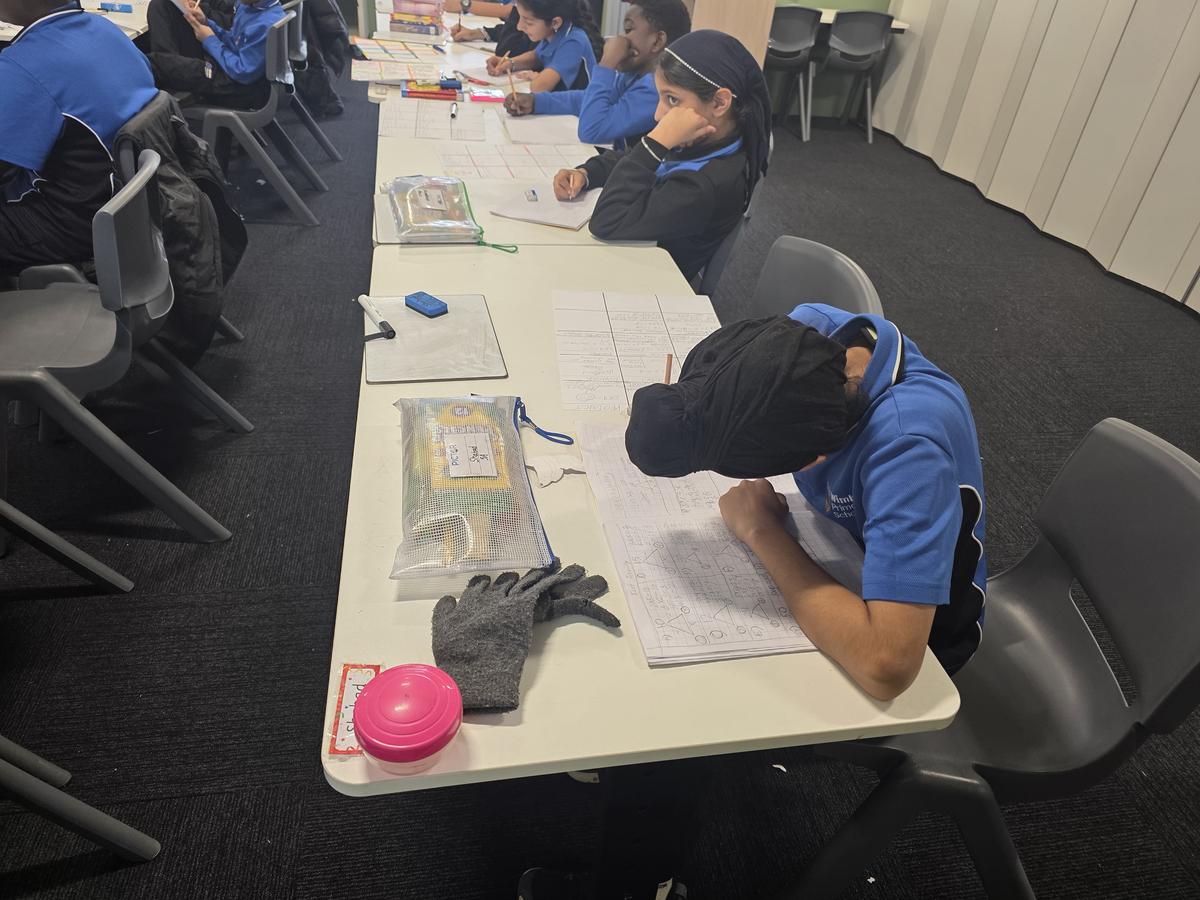
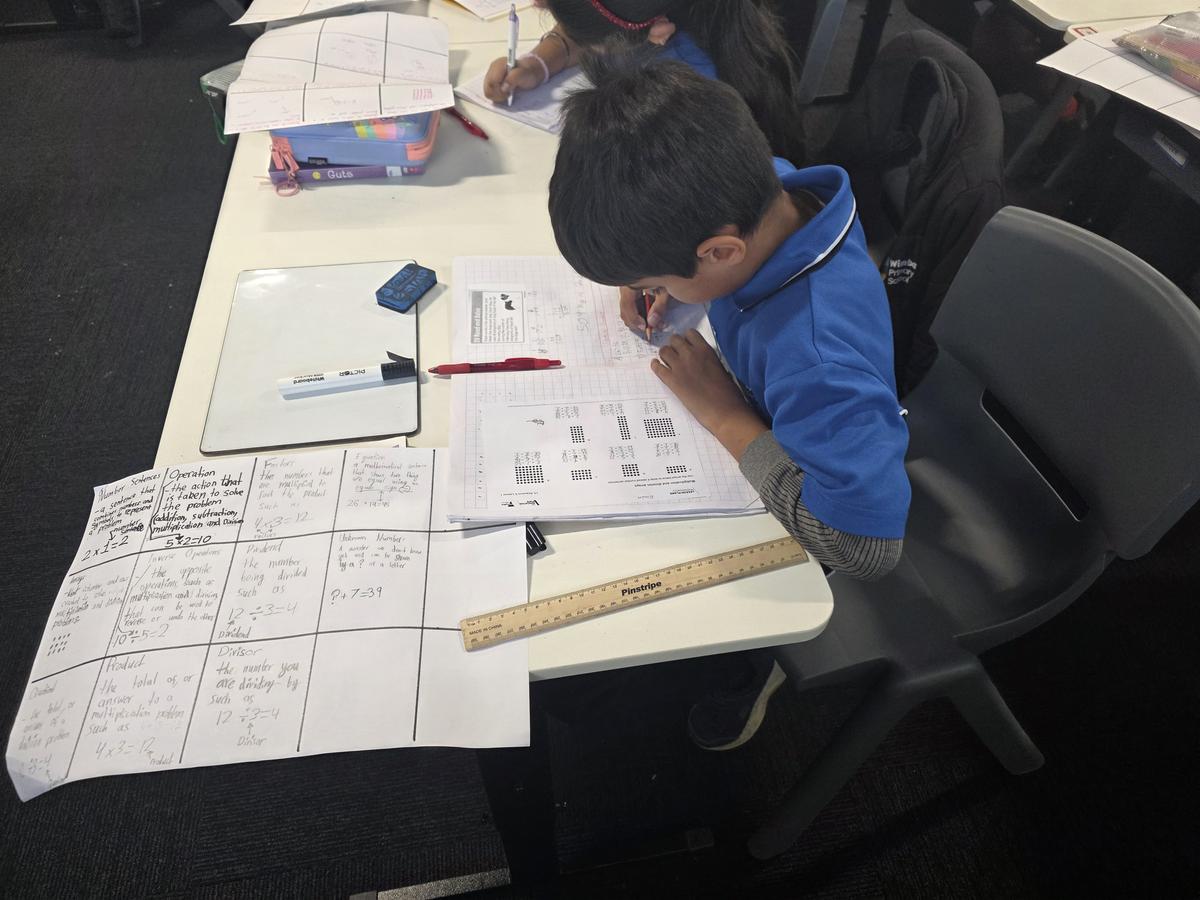
How you can help at home
Practising multiplication facts (up to the 12 times tables) is one of the best ways to support your child's mathematical development. This doesn't need to be formal, it can be a quick game in the car, while preparing dinner or during everyday conversations. Strong recall of multiplication facts supports success across many areas of mathematics.
Humanities
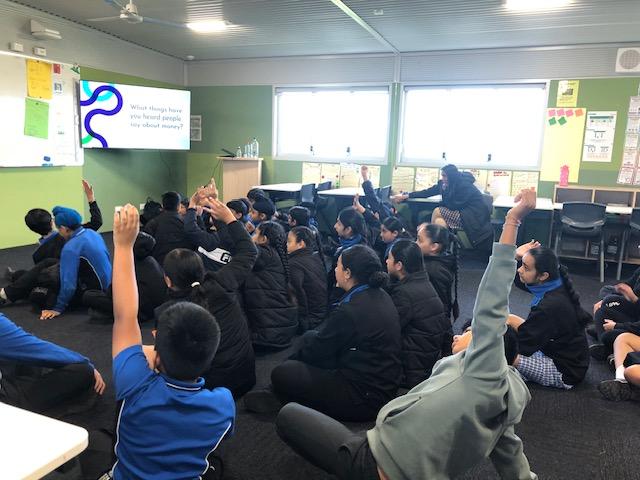
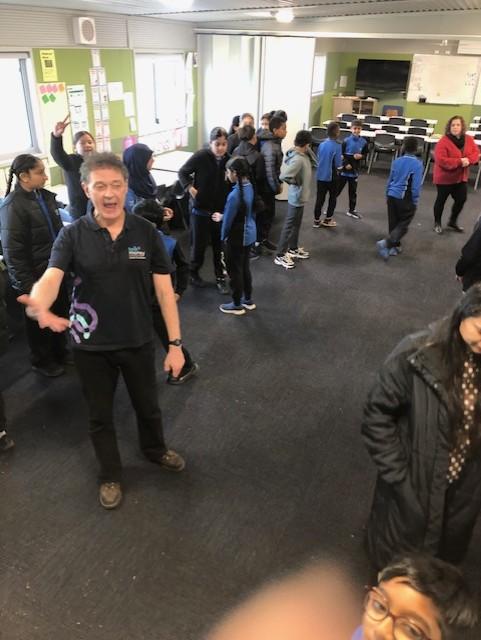
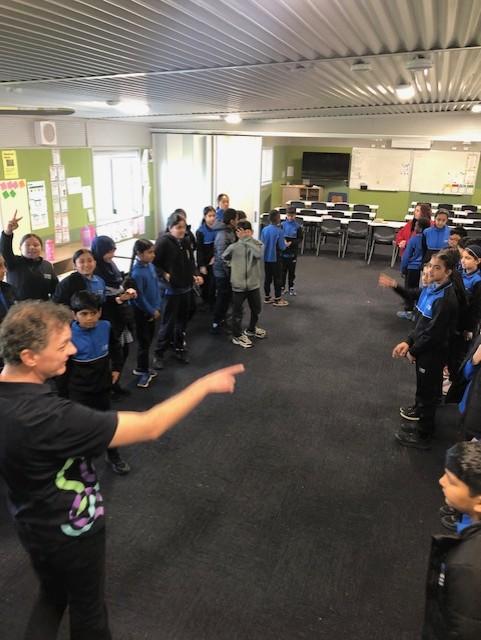
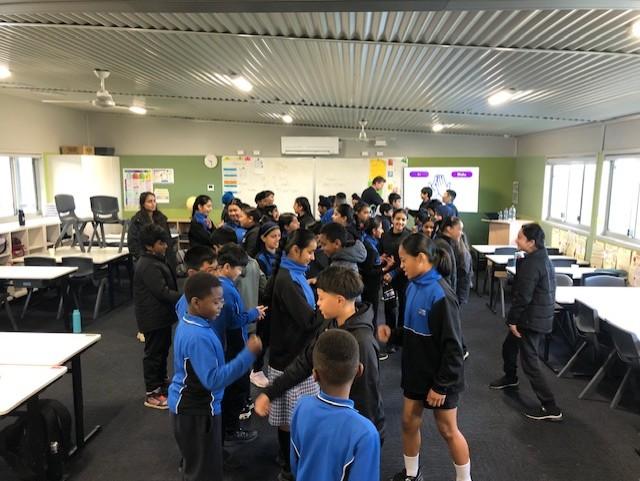
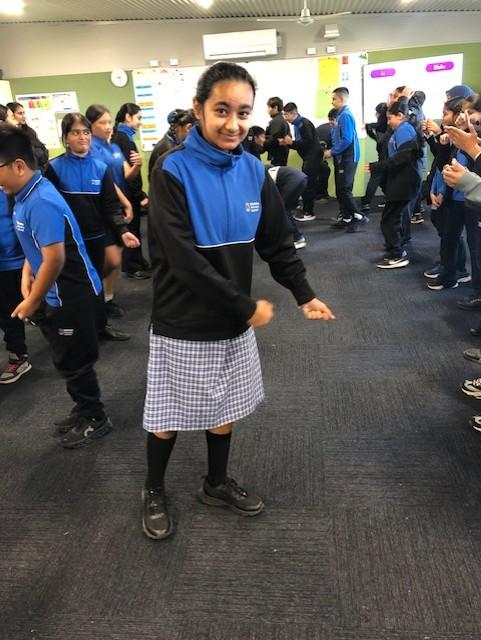
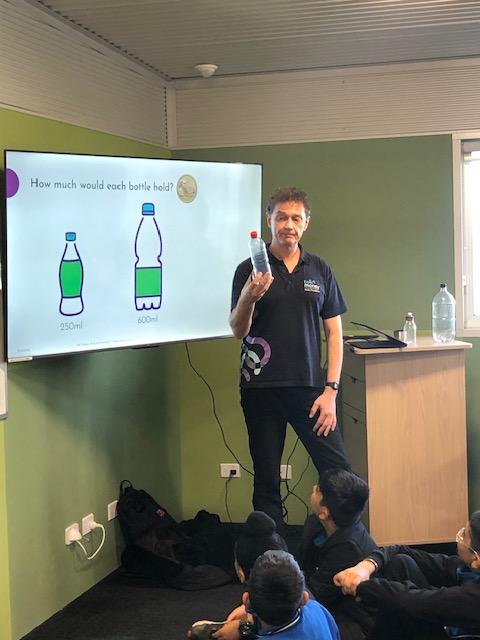
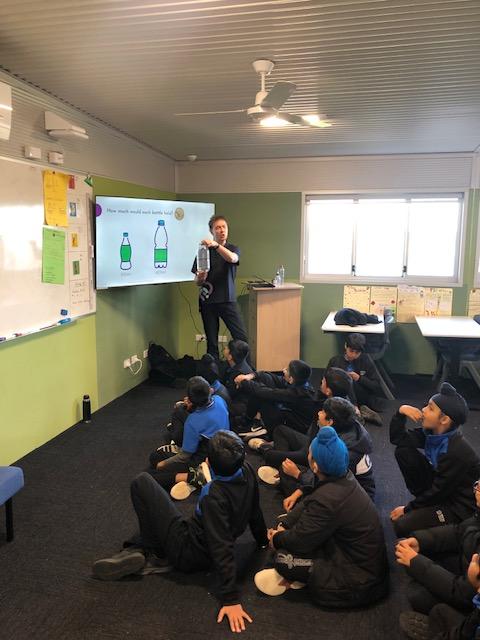
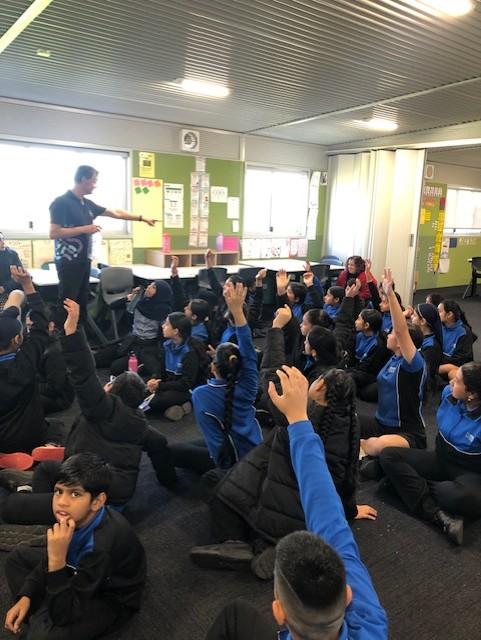
As part of our Economics and Business unit, students recently participated in the Talk Money incursion, which focused on developing financial literacy and responsible decision-making skills. The workshop encouraged students to build confidence discussing money and making informed financial decisions. Throughout the session, students explored how people's thoughts, feelings and values can influence financial choices. They were also introduced to the HEARD framework for discussing money respectfully:
- Hear – Listen to understand.
- Express – Share your wants and needs.
- Ask – Ask questions to learn more.
- Respect – Value different viewpoints.
- Disagree – Respectfully disagree when necessary.
Students also investigated advertising and marketing techniques designed to encourage spending and discussed ways to recognise common "spending traps". The session concluded with practical saving strategies, including setting savings goals, saving regularly and separating savings from spending money. Students were highly engaged throughout the incursion, contributing thoughtfully to discussions and making meaningful connections to real-life situations. The workshop provided valuable opportunities to develop lifelong financial skills. Our Economics and Business unit has now concluded. While we may not have a class full of entrepreneurs just yet, we certainly hope we have a group of financially aware young people who understand the importance of making informed financial decisions—and that money doesn't grow on trees! We have now begun our new Humanities unit, Changing Communities. Students are exploring how local communities have changed over time, including through the perspectives of First Nations Peoples. They will investigate the reasons for these changes, consider how they can contribute positively to their own community and learn how Australia is governed at the local, state and federal levels.
Social and Emotional Learning (SEL)- Understanding Stress and Healthy Coping Strategies
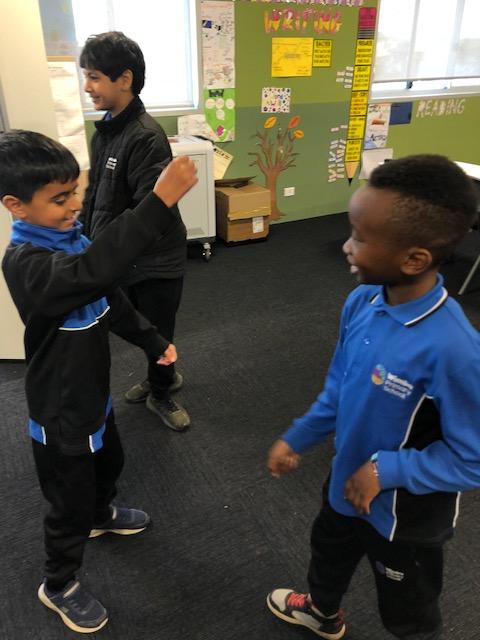
In recent weeks, students have been learning about stress, including common stressors, the different types of stress and the importance of using positive strategies to manage ongoing (chronic) stress. Working collaboratively, students have participated in role-play activities to explore everyday situations and identify healthy ways to respond. They have also investigated a range of stress-management strategies and reflected on which techniques work best for them. Popular strategies included movement breaks, breathing exercises, mindfulness, listening to calming music, spending quiet time and using healthy distractions. Life presents many challenges, and developing a range of coping strategies helps students build resilience and supports their overall wellbeing. If your child is experiencing any difficulties, please don't hesitate to contact the school. We are here to help, but we can only provide support if we know there is a concern.
Reminders
Reading Journals
Please remember to send your child's reading journal to school each day and sign it each evening after they have read. Regular home reading is an important part of your child's learning and is reflected in their semester reports. To make reading discussions more engaging, ask your child to:
- summarise what they have read in their own words
- explain why they think the author made certain choices
- discuss how the author creates emotion, tension or develops characters
- identify language features such as idioms or personification and explain their purpose.
Tissues
As we move through cold and flu season, our classrooms are getting through plenty of tissues. If you are able, we would greatly appreciate each family donating one box of tissues. Every contribution makes a real difference, thank you for your support.
Upcoming Events
- Week 6: Science Week – More details to come.
- Week 7: Book Week – More details to come.
Thank you for your ongoing support. We hope you have a wonderful weekend.
Kind regards, The Grade 5 Team
Mrs Henderson, Mr Broadbent & Ms Mamone