Whole School Activities
NERAM | Let's Hang It 2026
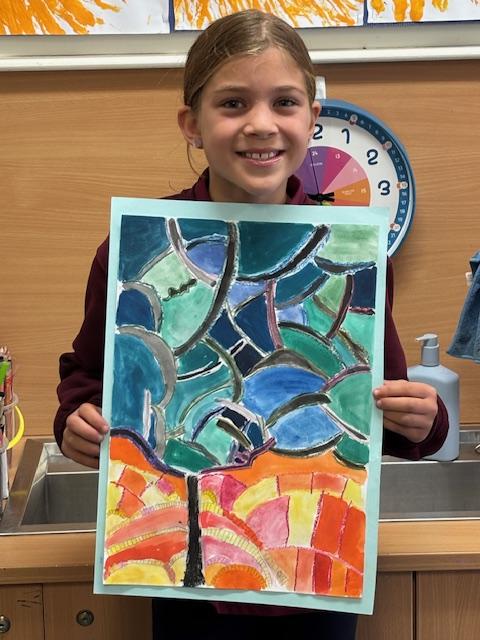
We are thrilled to announce that Jayde McRae has been selected as one of 60 finalists in the prestigious 2026 University of New England School Acquisitive Art Prize (UNESAP). This is an outstanding achievement, especially considering this year’s competition received a remarkable 716 entries from 65 schools.
The selection committee praised the incredible creativity and diverse artistic styles showcased throughout the entries, making their decision very challenging due to the consistently high standard across all submissions.
Jayde’s work will now be evaluated by esteemed Artist Rowen Matthews, who has been instrumental in initiating UNESAP 23 years ago, alongside Rachael Parsons, Director of the New England Regional Art Museum (NERAM). Rachael will also present the Director’s Choice Award.
Additionally, the People’s Choice Award will be decided through public voting over the course of the exhibition via the online exhibition page, with the winner announced at the close of the event.
Well done, Jayde!
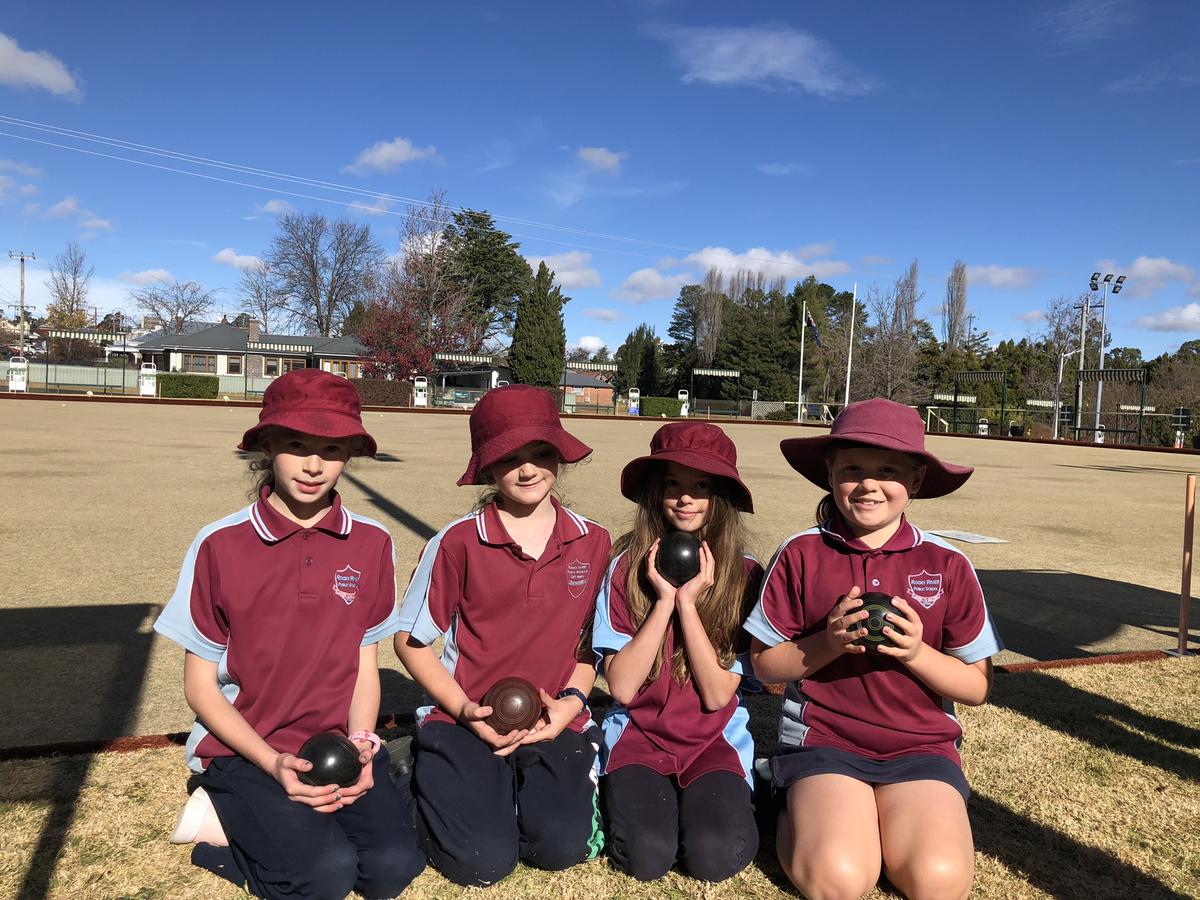
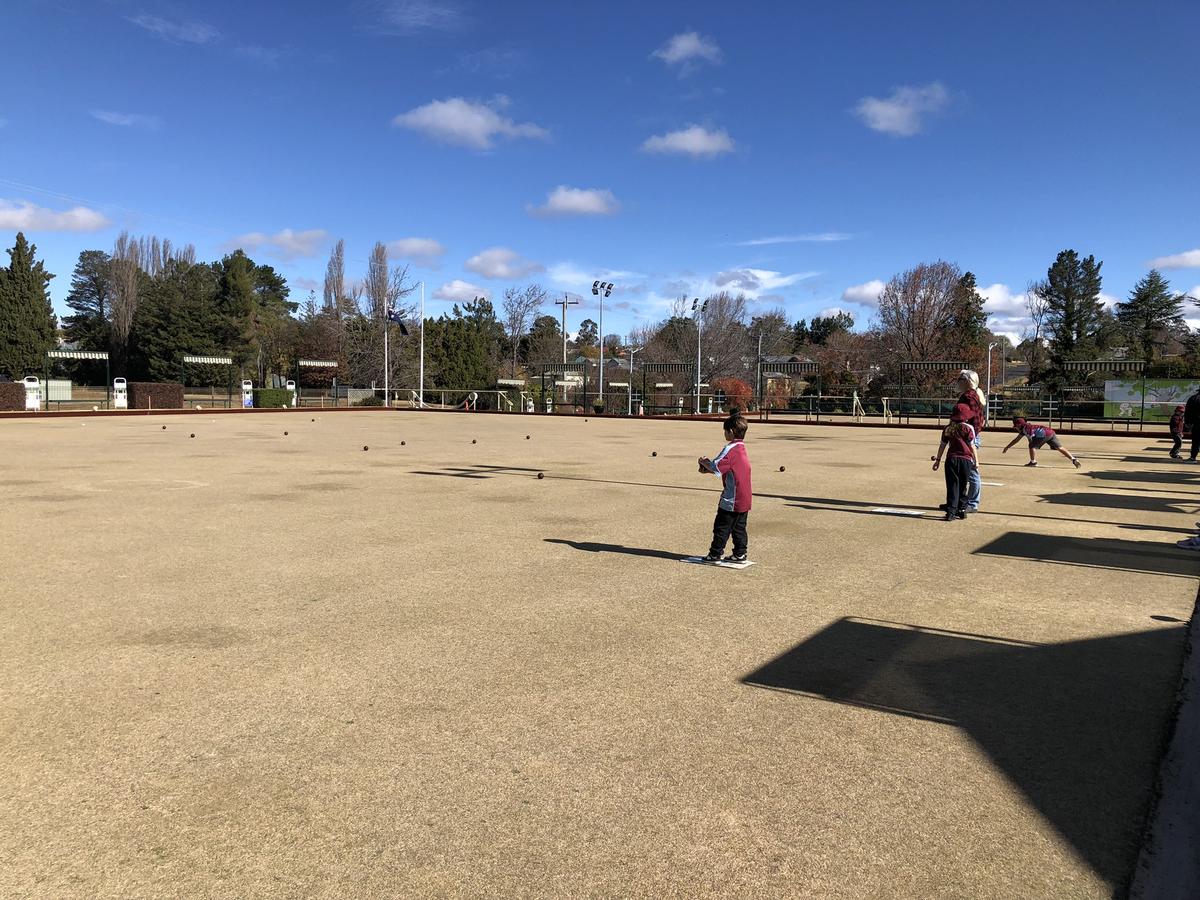
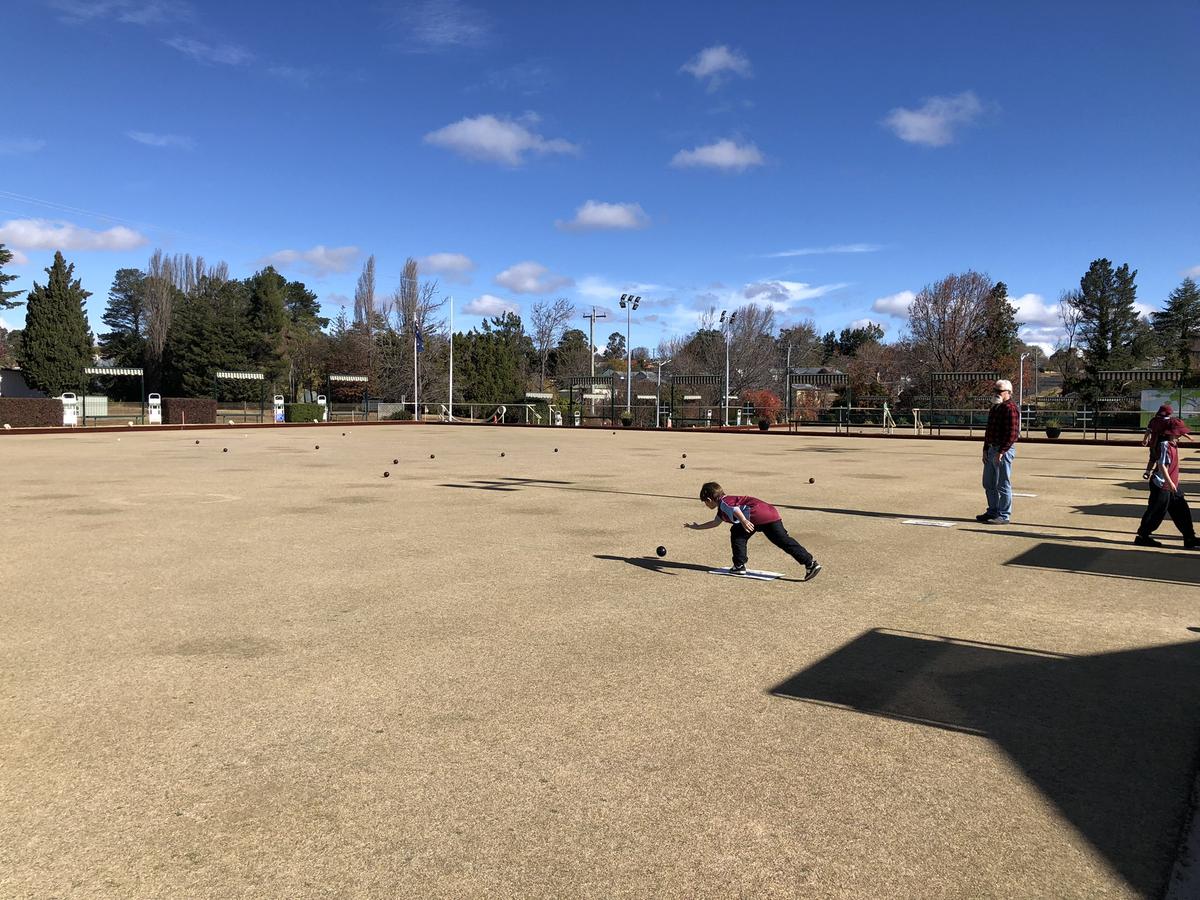
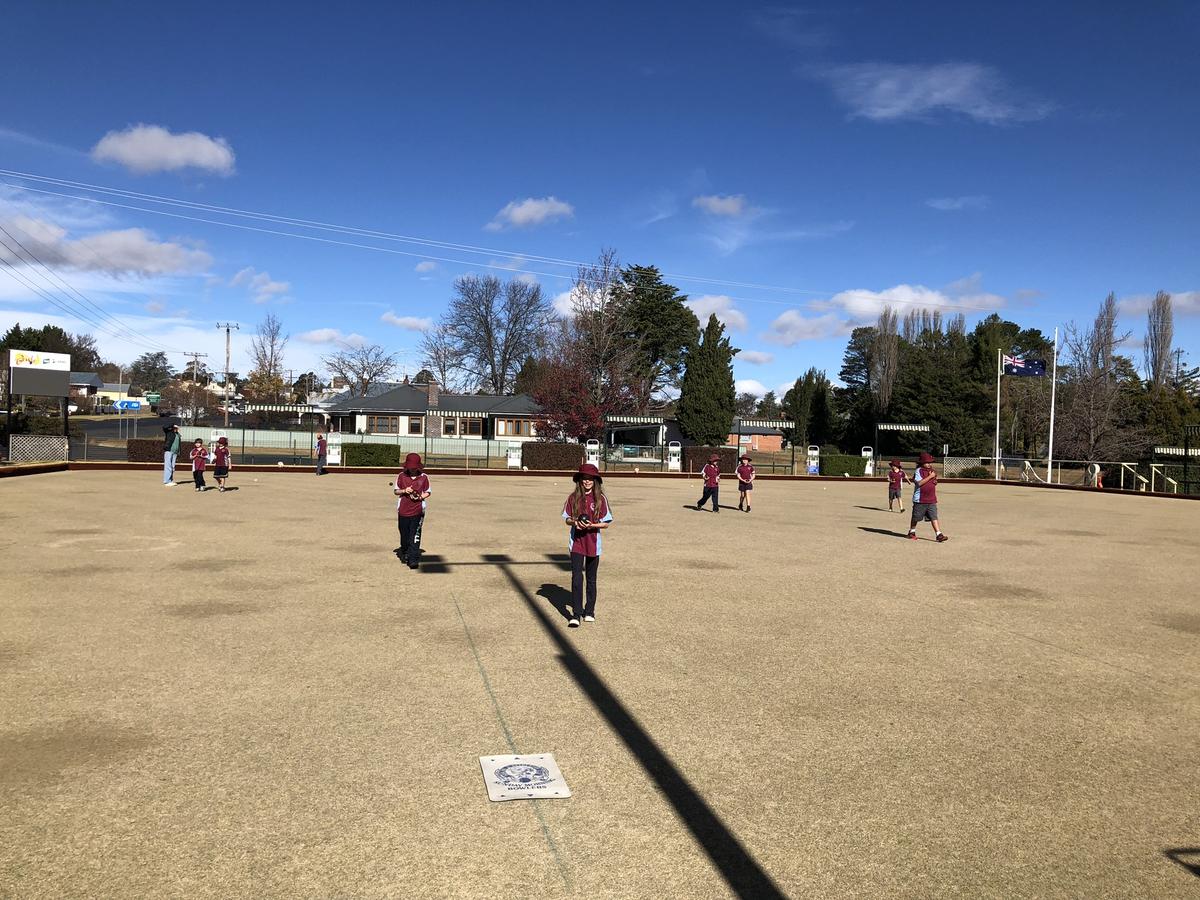
Sport School Sport - Lawn Bowls
This term, our students have been enjoying the opportunity to travel to the Uralla Bowlo each week as part of our school sport program. Over the five-week lawn bowls program in the first half of Term 2, students have developed a range of skills including precision, strategic thinking, and teamwork. We are incredibly grateful to the dedicated staff at the Uralla Bowlo who have generously volunteered their time to support our students and kindly allowed us to use their excellent facilities. A big thank you to the Bowlo's kind offering of icy poles last Friday as a special treat for our students. Lawn bowls is a wonderful sport that encourages concentration and sportsmanship, and its accessibility means it can be enjoyed well into later life, promoting long-term physical activity and social connection. We look forward to continuing this partnership and fostering a love for this classic sport among our students.
Premier's Spelling Bee 2026
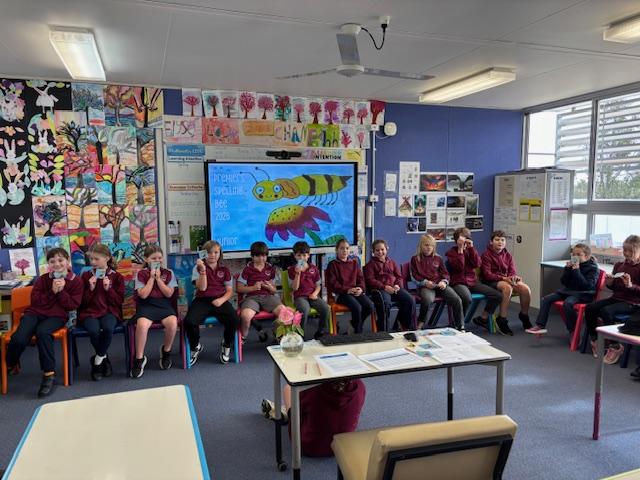
We are delighted to share the outstanding results from the Premier’s Spelling Bee 2026, an exciting competition that saw enthusiastic participation from students in Years 2 to 6 across the school. This year’s competition showcased the impressive spelling talents of our young learners, with tough challenges testing their vocabulary, concentration, and spelling skills.
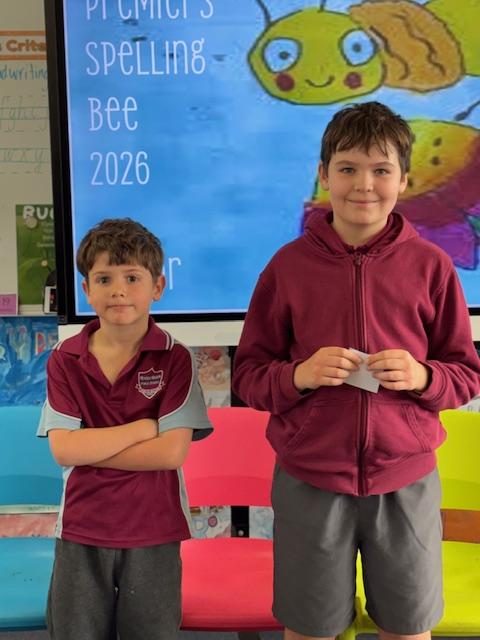
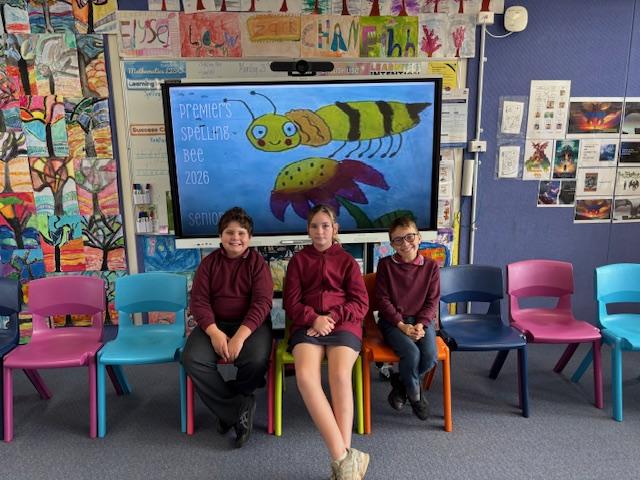
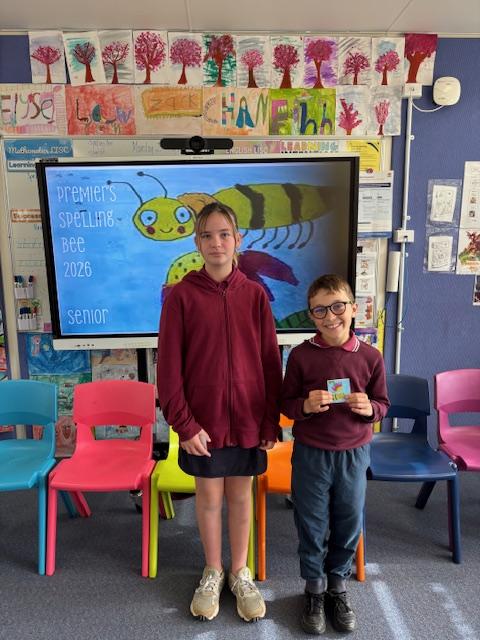
Congratulations to our champions and runners-up:
- Junior Champion: Patrick Gardiner
- Junior Runner-Up: Reagan Nathan
- Senior Champion: Chanse Gibson
- Senior Runner-Up: Sarah Schiffmann
We commend all participants for their hard work and determination. The Premier’s Spelling Bee continues to be a fantastic platform for encouraging literacy, confidence, and a love of language among our students.
Small Schools Health & Wellbeing Day
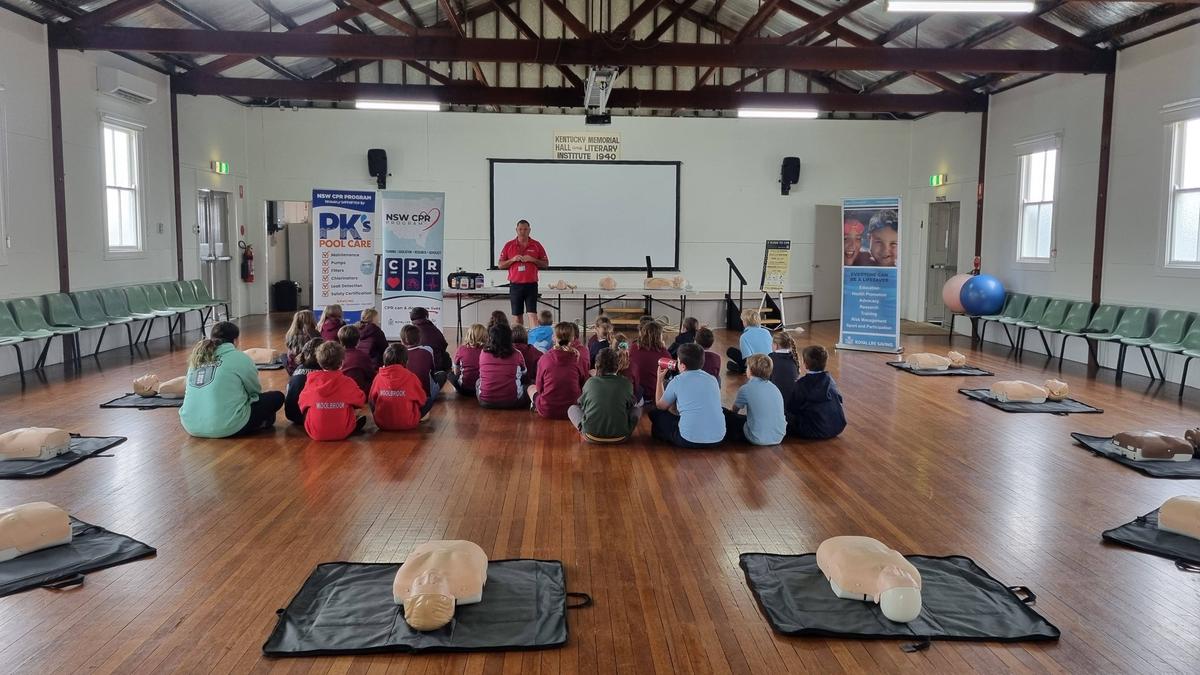
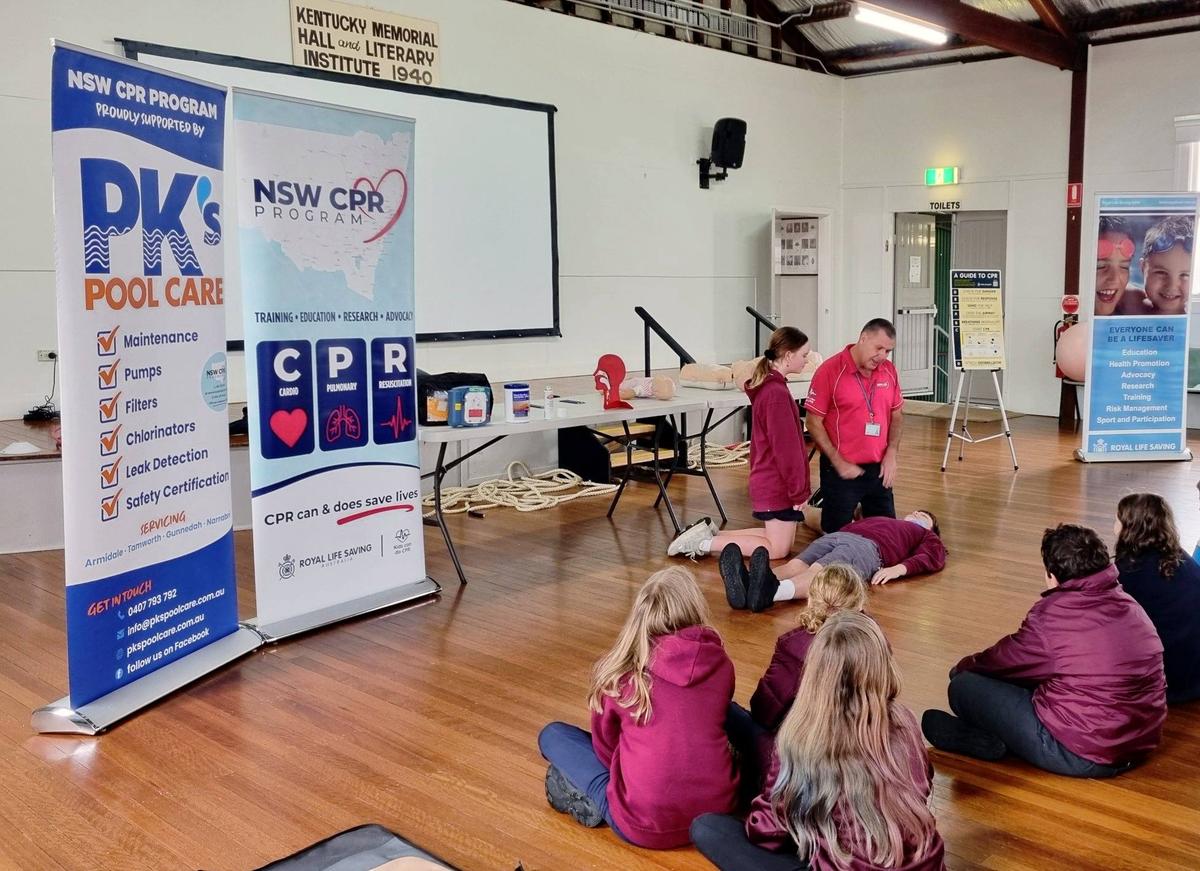
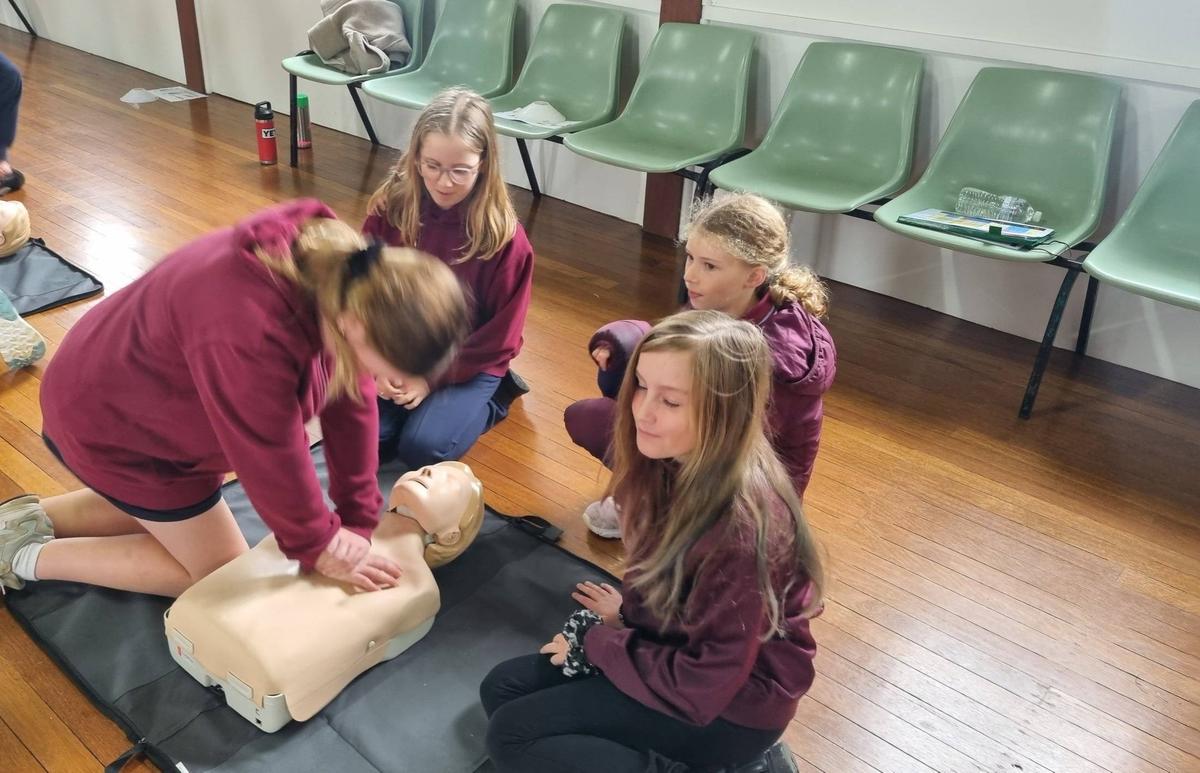
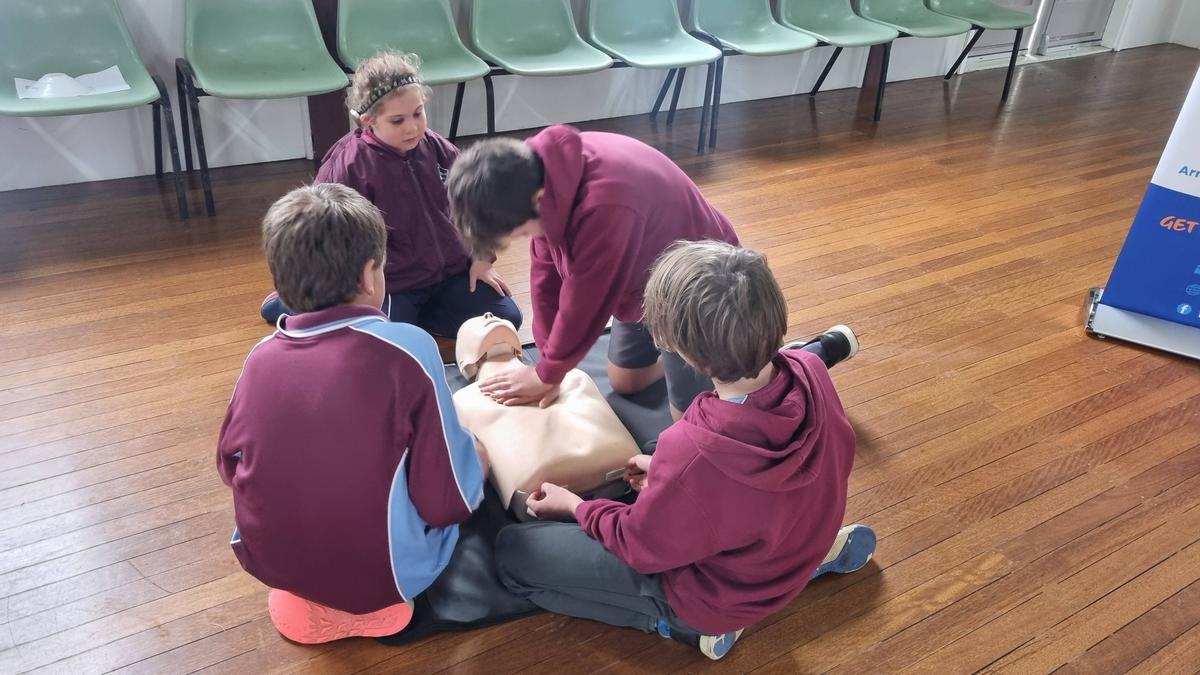
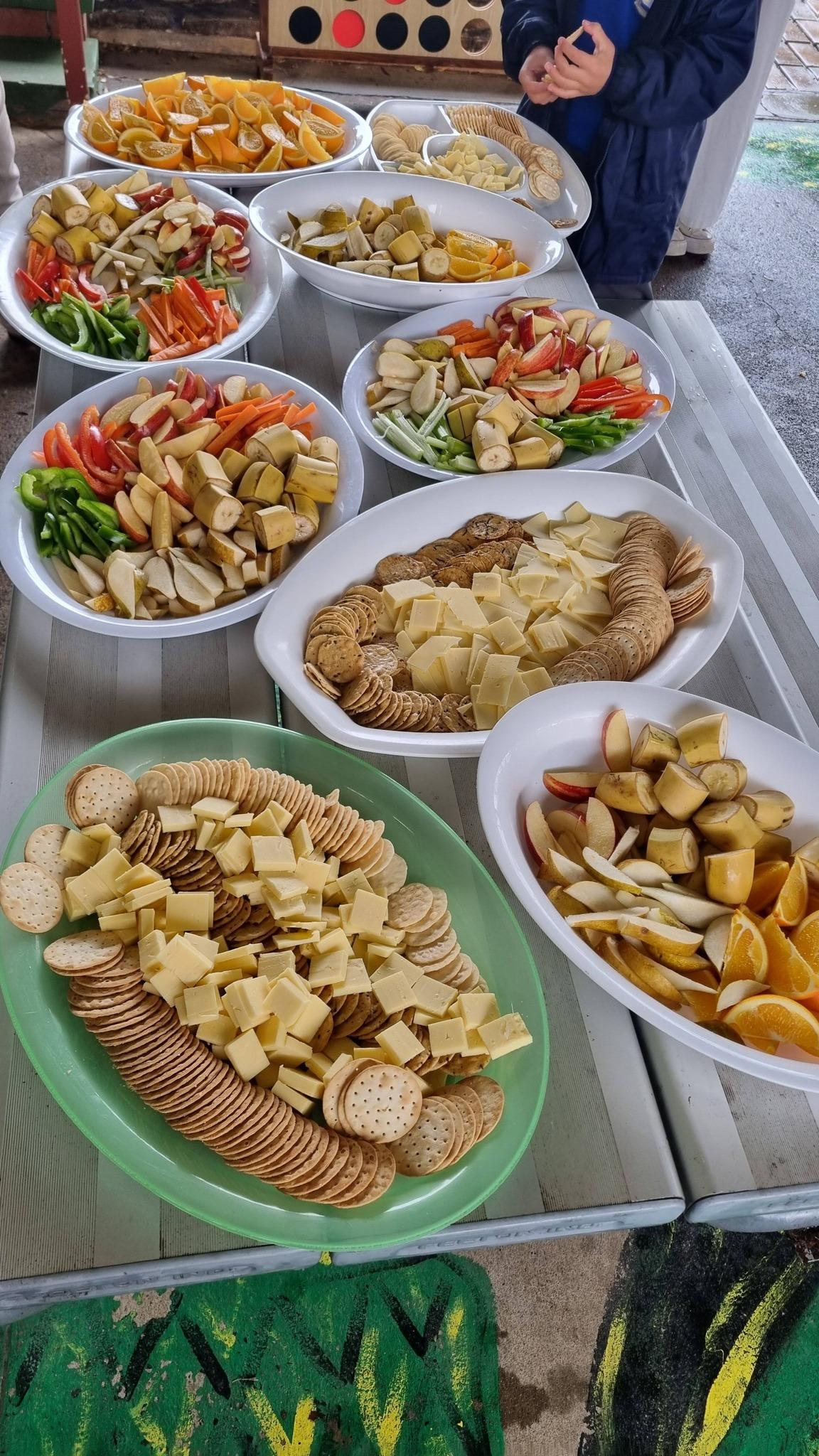
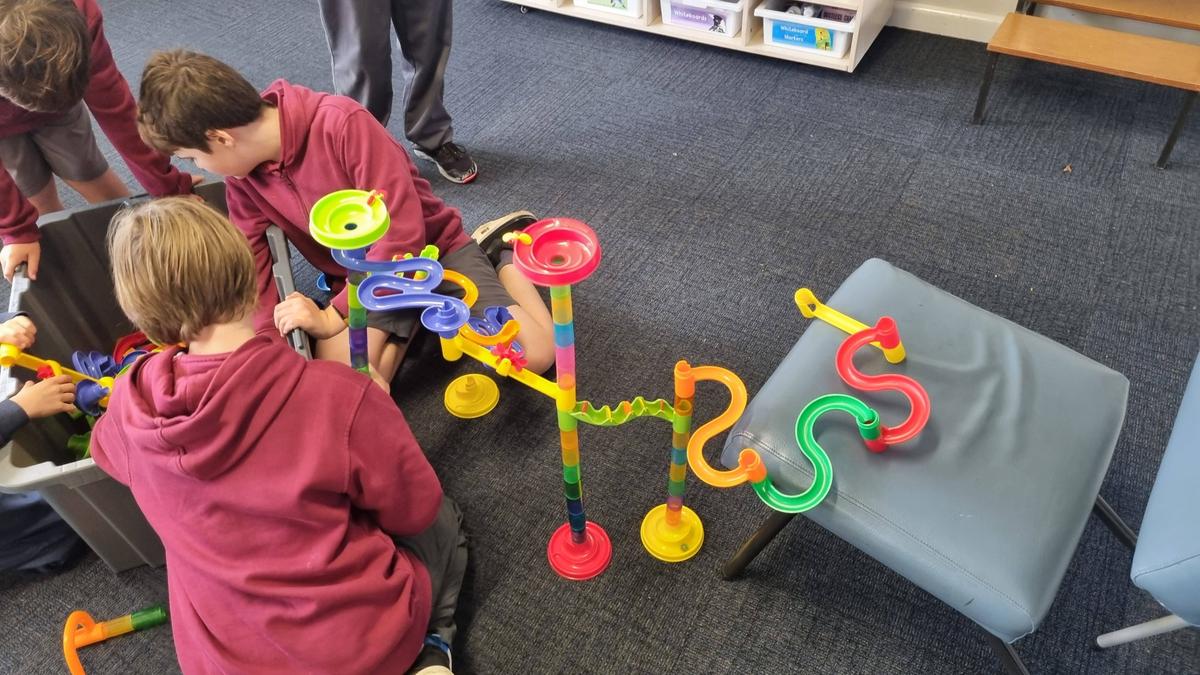
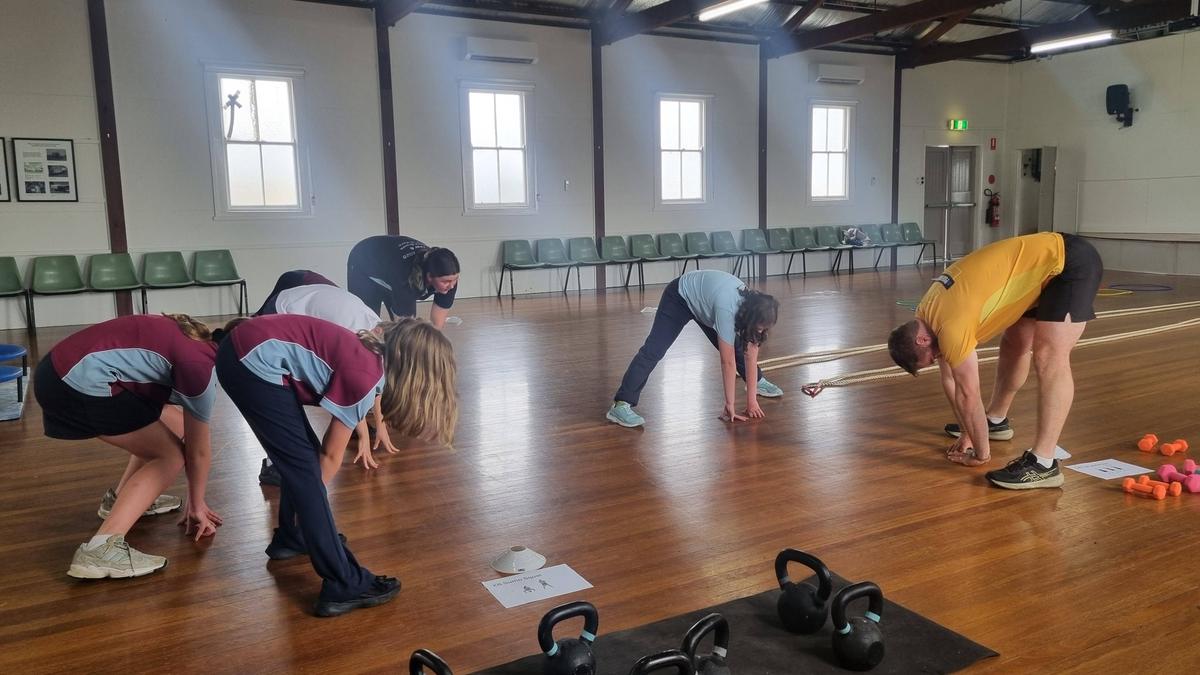
Last Wednesday we enjoyed our annual Health and Wellbeing Day, this year hosted by Kentucky Public School. Across the course of the day, students mixed with similar aged peers from Kentucky, Kingstown, Niangala, Woolbrook and Yarrowitch Public Schools. We completed CPR training, resilience workshops, active fitness sessions, positive self-talk work and personal hygiene workshops. With a force of external providers coming together to make today so valuable, we thank Kentucky school staff for their clever organisation in providing such an enriching and exciting day aimed to develop lifelong, healthy habits!
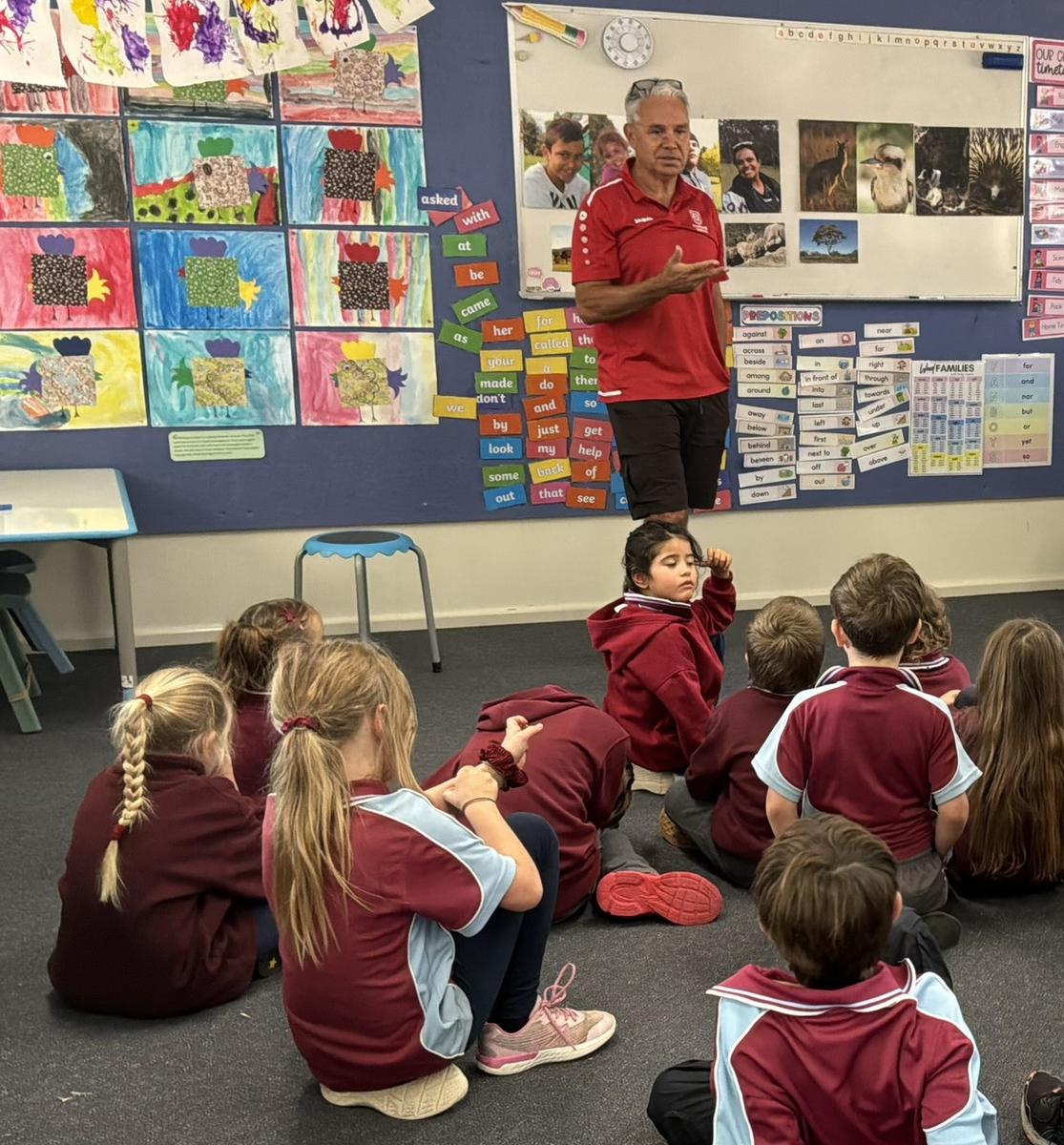
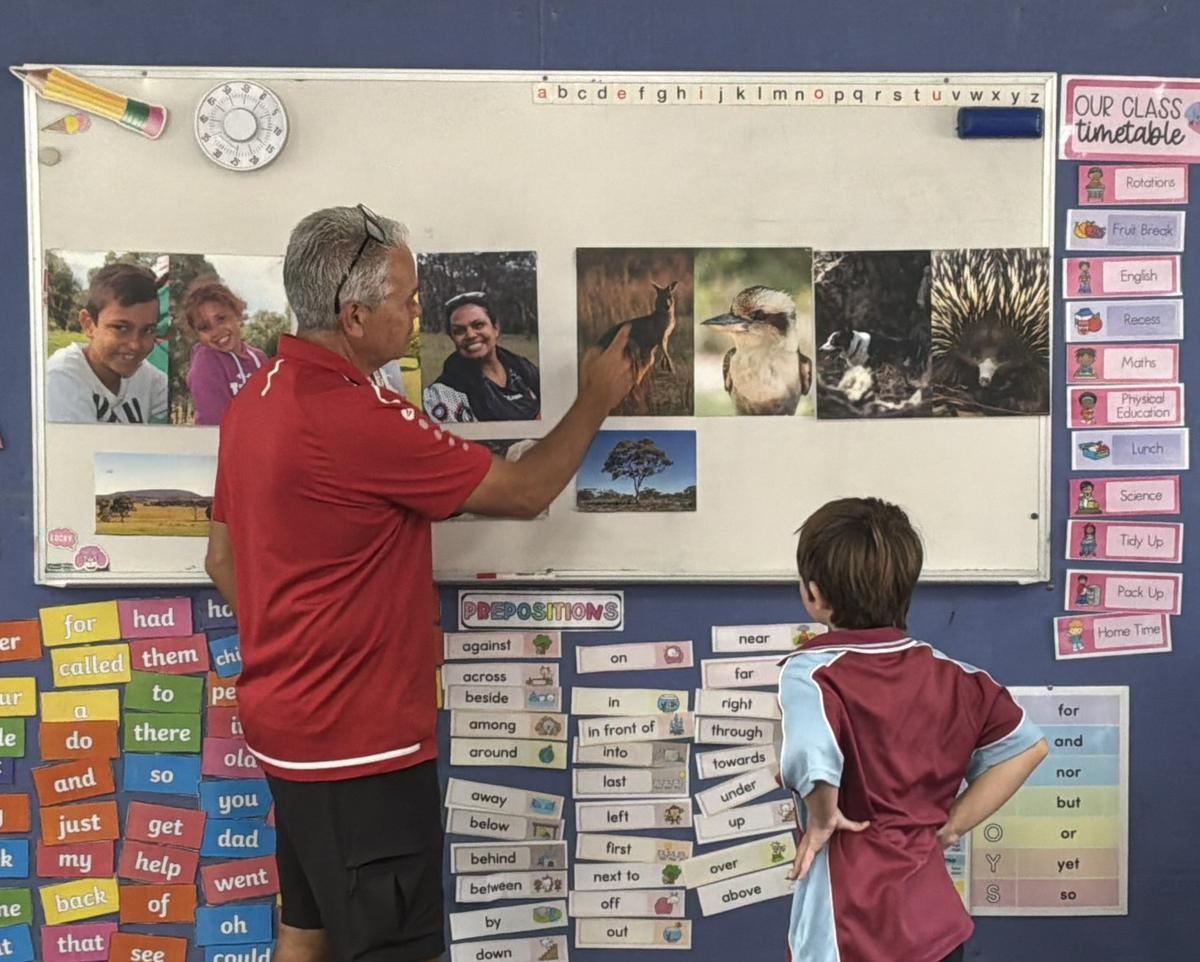
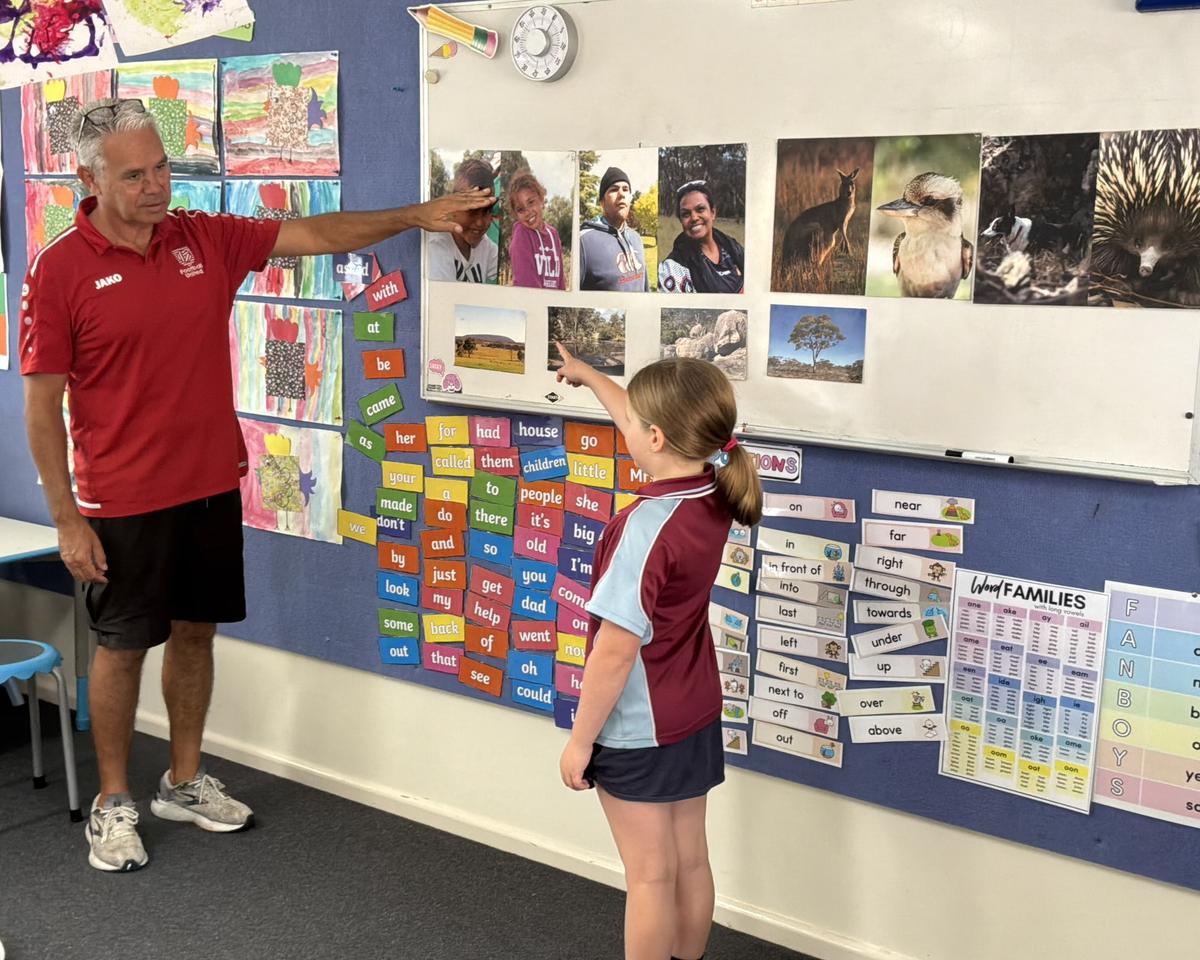
Anaiwan Language Program
Students really enjoy these lessons with Mima Dave on Fridays, they help us build a stronger connection and understanding of the Anaiwan Language, and we are excited to keep learning together.
Lower Division English
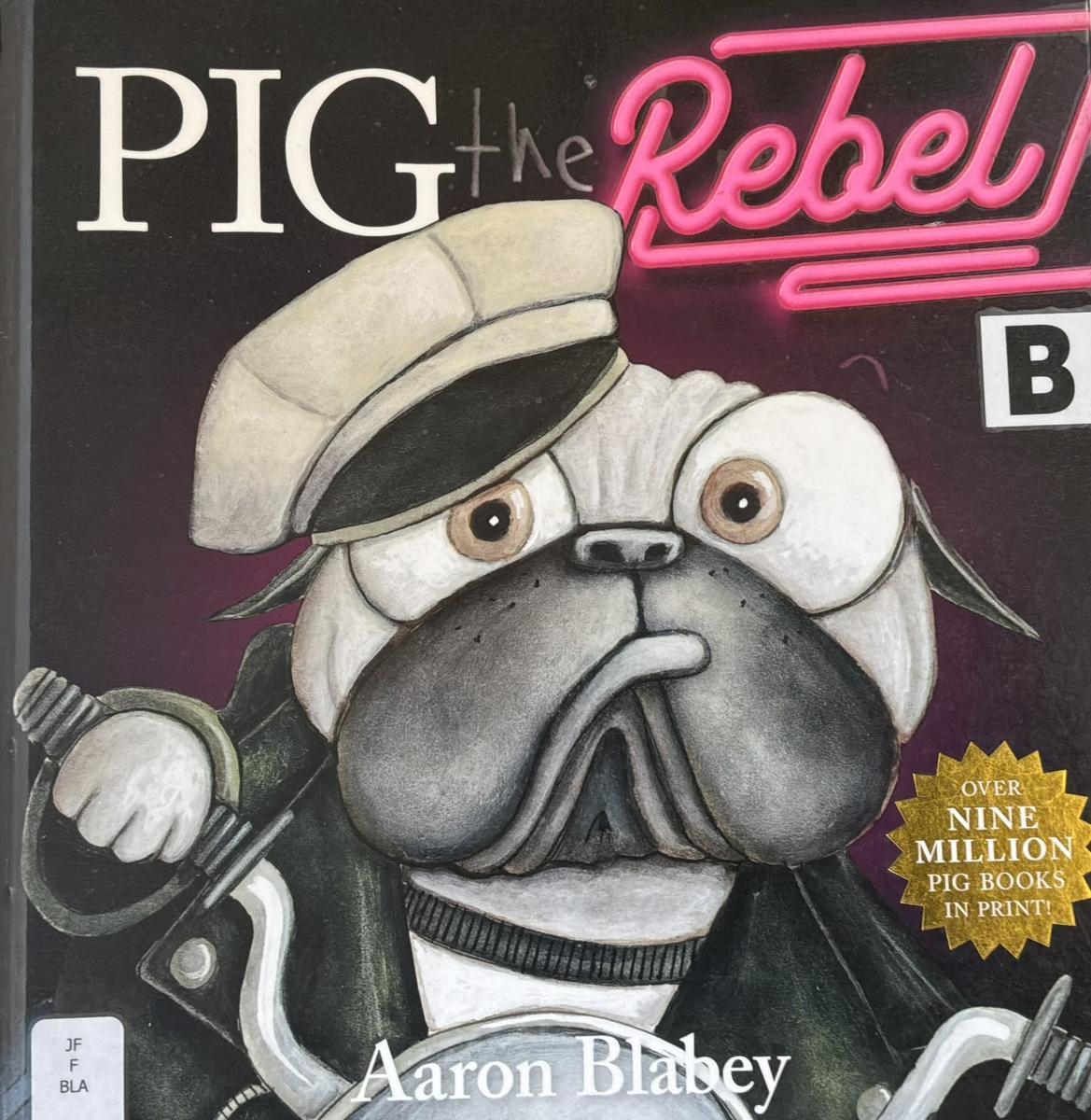
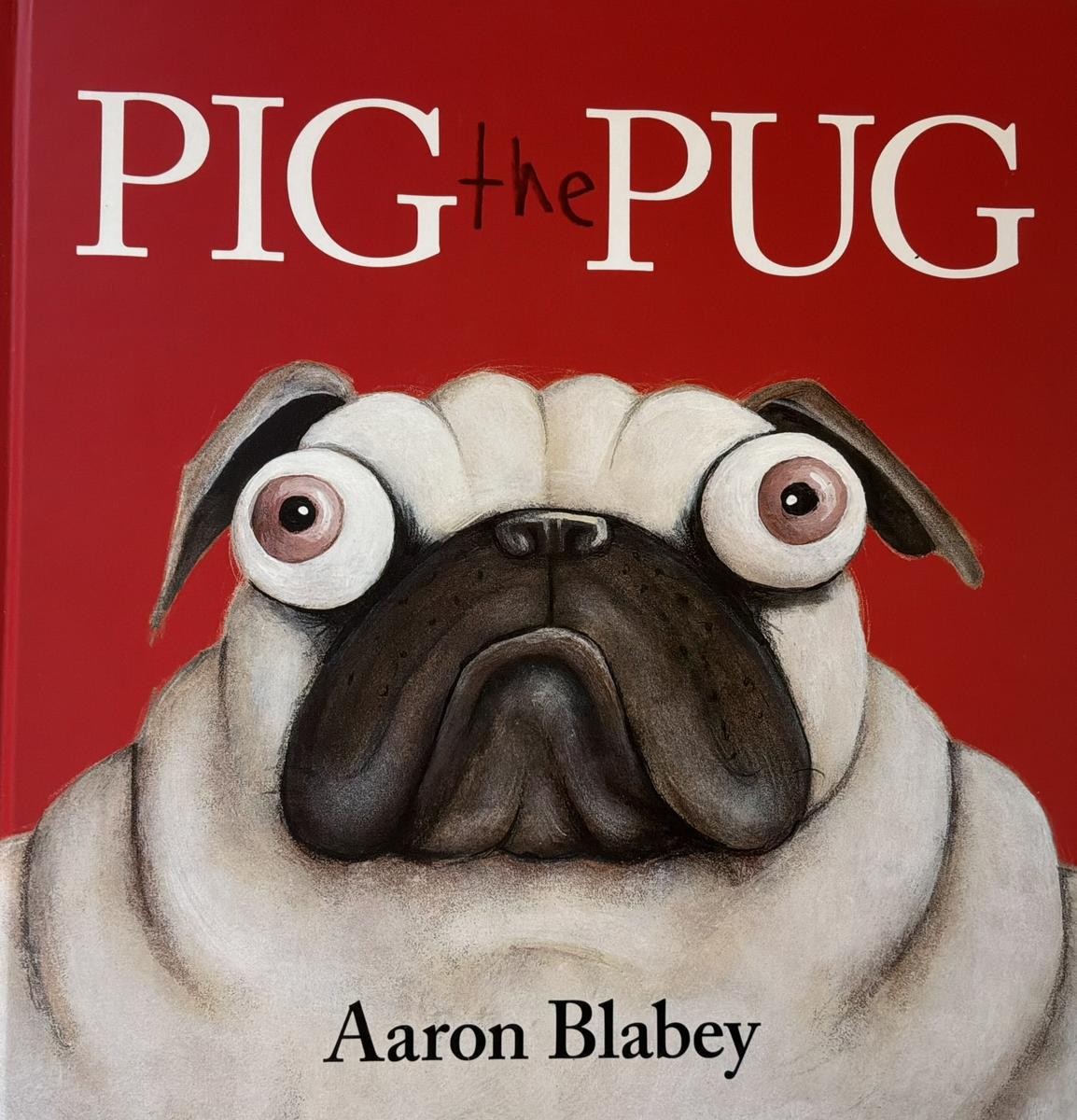
We have been enjoying our most recent English unit, focusing on character and representation. Using the colourful and entertaining texts Pig the Pug, Pig the Rebel and The Bad Guys by Aaron Blabey, students investigated how memorable characters are built and how stories engage readers.
Students began by examining the main characters in each book—Pig the Pug and the gang from The Bad Guys. They discussed the characters’ personalities, actions, and motivations, considering how these are portrayed through both words and pictures. Students explored questions such as: What makes Pig mischievous? How do the Bad Guys try to be good? This helped them understand how authors create character traits and use visual cues to reinforce characterisation.
Students discovered that language choices play an important role in engaging the reader. The Pig books use rhyme and expressive language to create humour and excitement, while The Bad Guys series employs dialogue and exaggerated descriptions for effect. Through reading, listening, and writing activities, students identified examples of rhyme and expressive phrases, and discussed how these made the stories more enjoyable and memorable.
Students learned to recognise simple sentences—containing a single idea—as well as compound sentences—where two ideas are joined, often with linking words such as ‘and’ or ‘but.’ By practising writing their own sentences, students discovered how authors use both types of sentences to build pace and shape stories. This developed both their reading comprehension and their own creative writing skills.
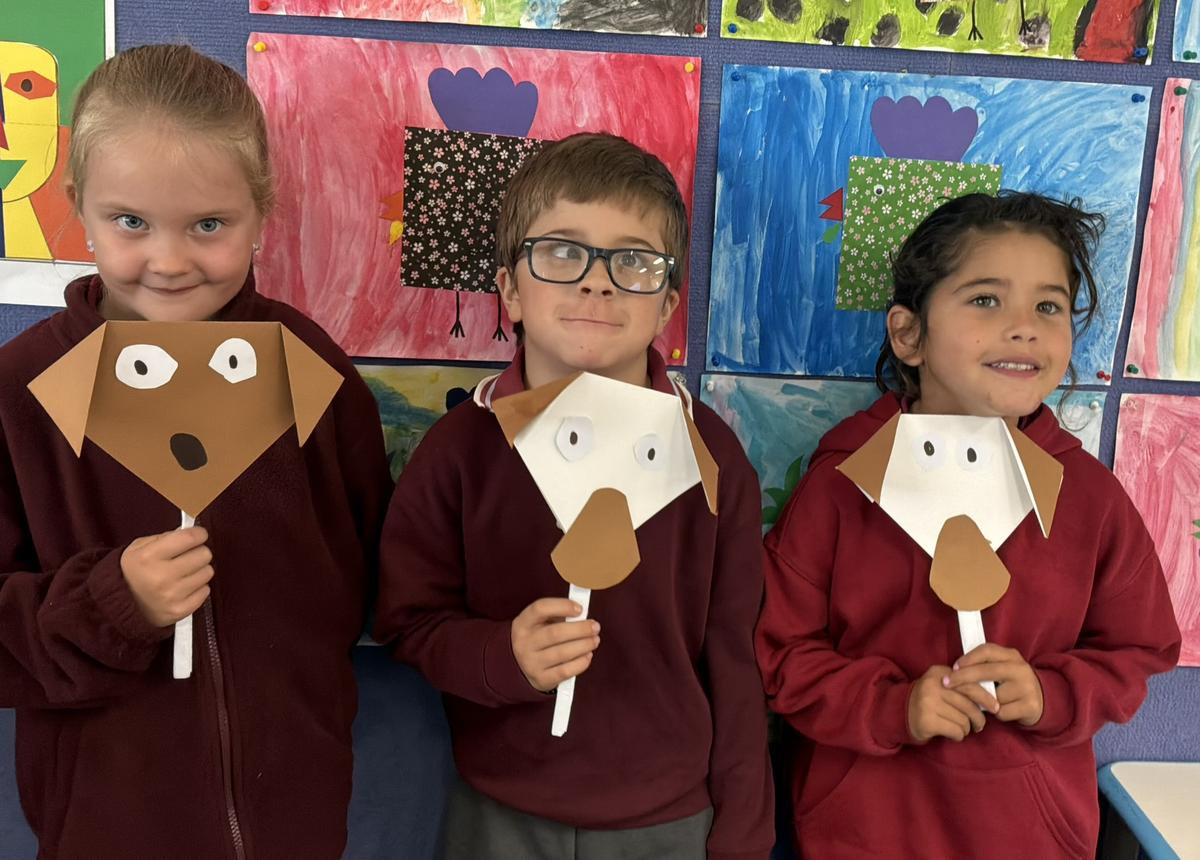
For some extra fun, we paired up and made a mask representing either Pig or Trevor. Students used these masks in drama activities, role-playing scenes from the books and acting out the stories. This hands-on approach encouraged students to step into their characters’ shoes and express their personalities through speech and action. We retold the story at our Assembly last Friday using these masks and enjoyed being able to share our learning.
Lower Division Mathematics
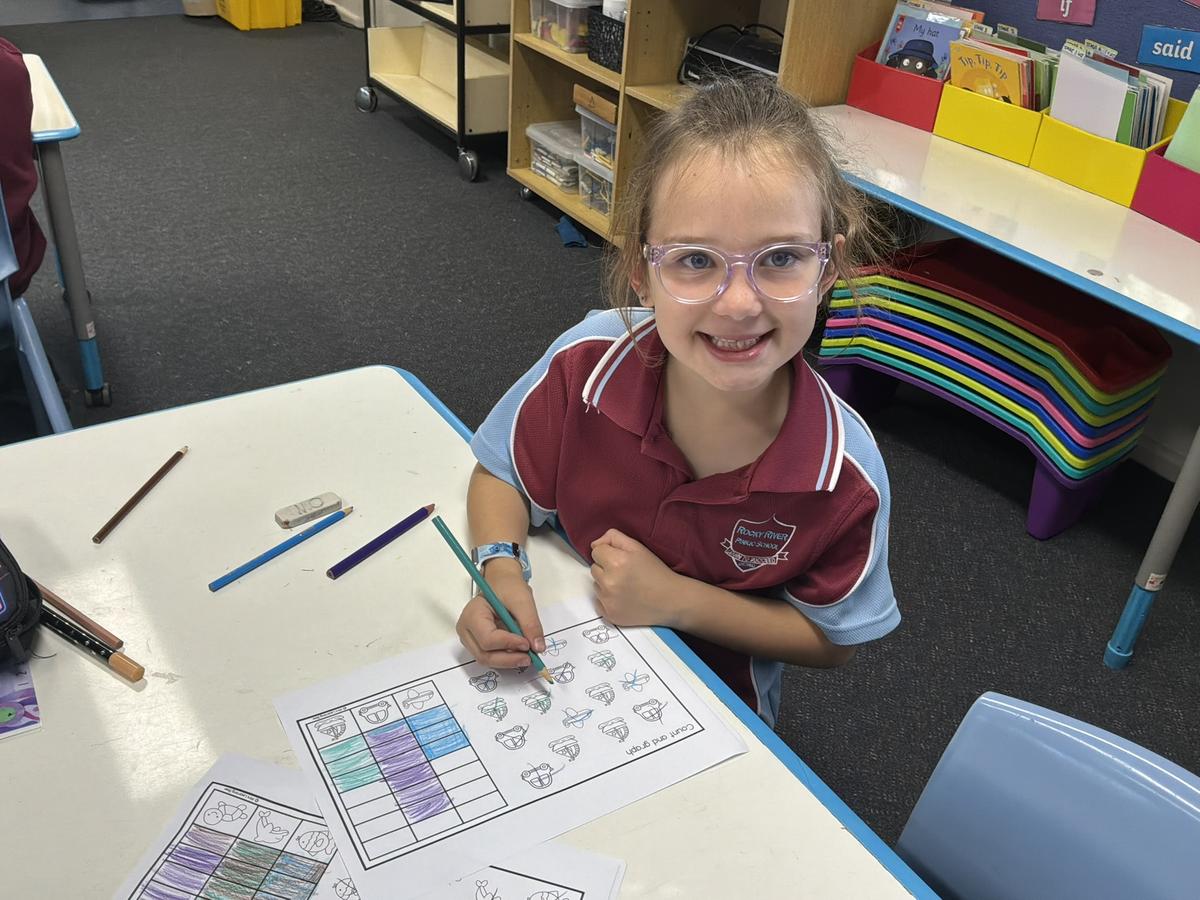
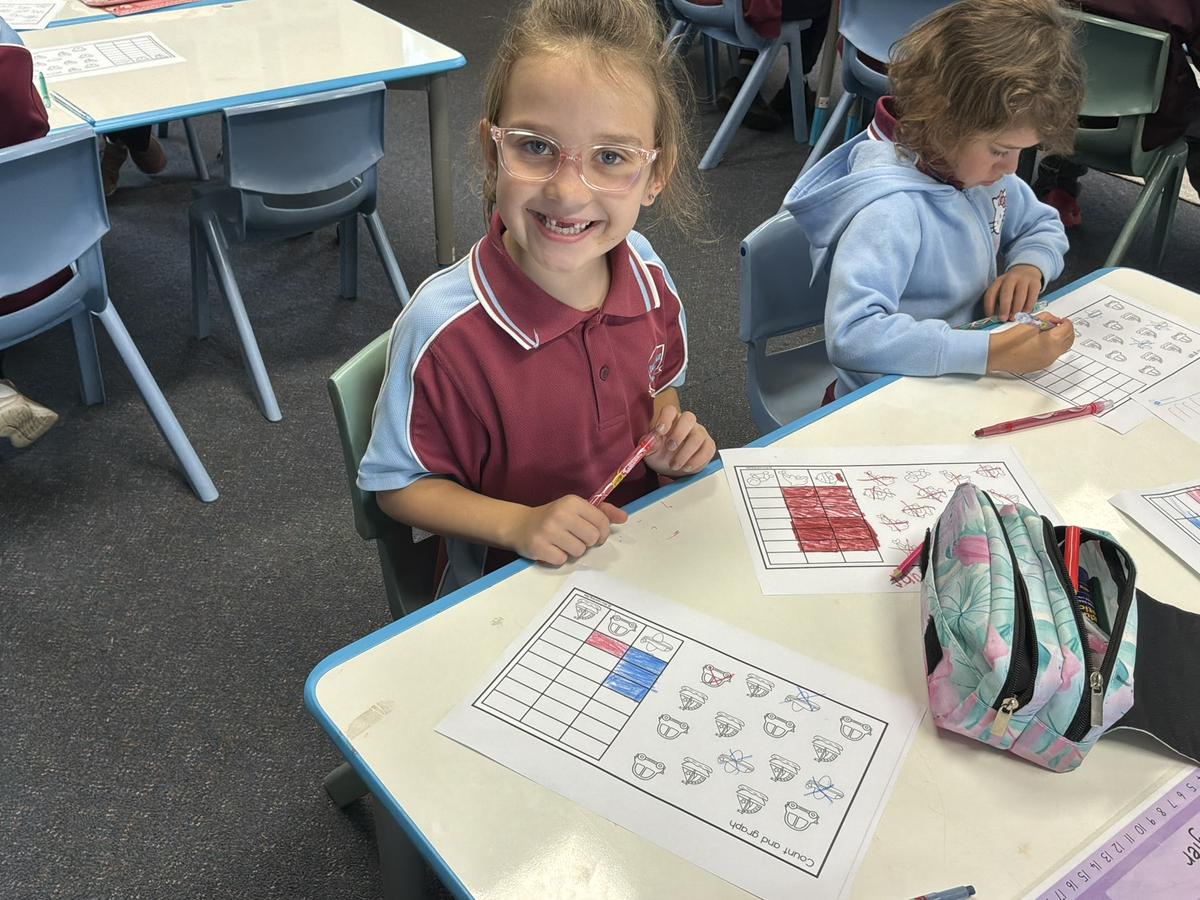
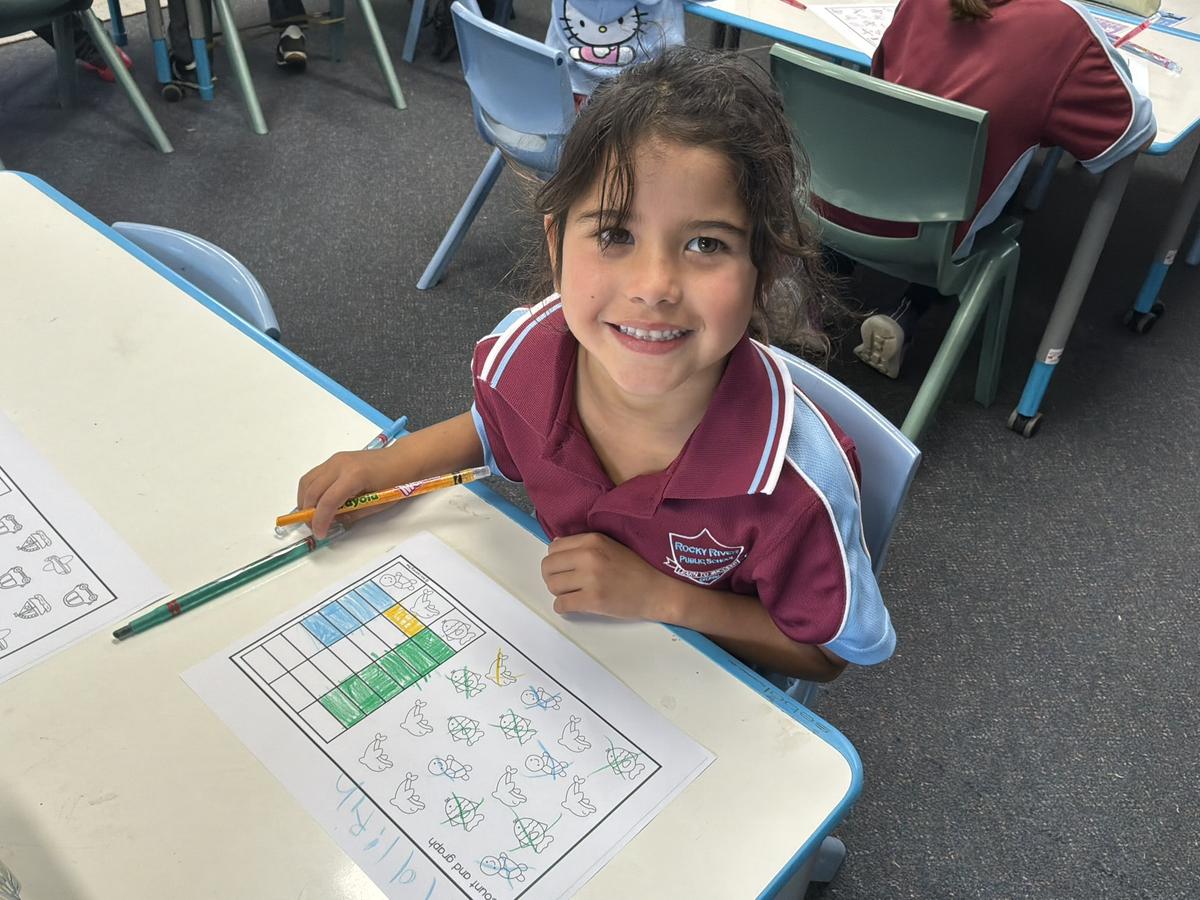
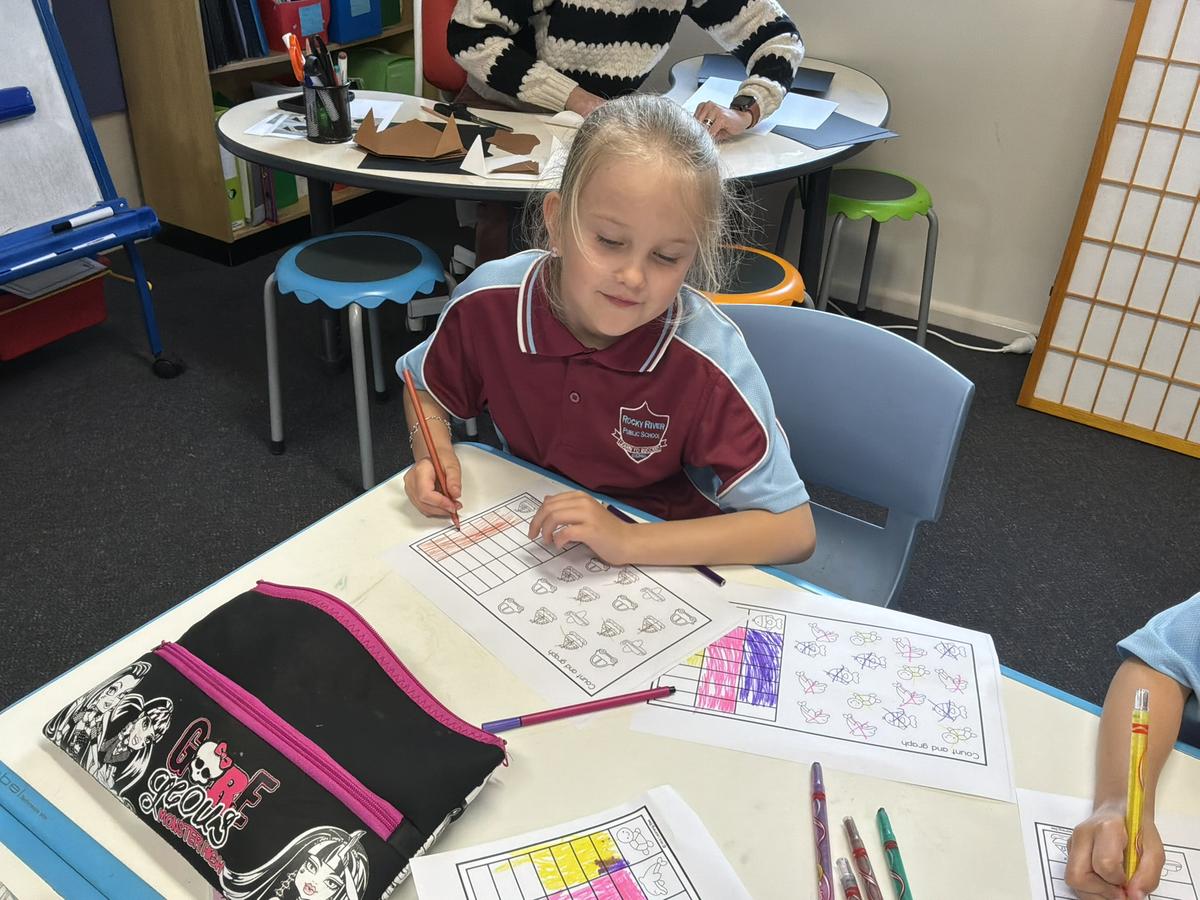
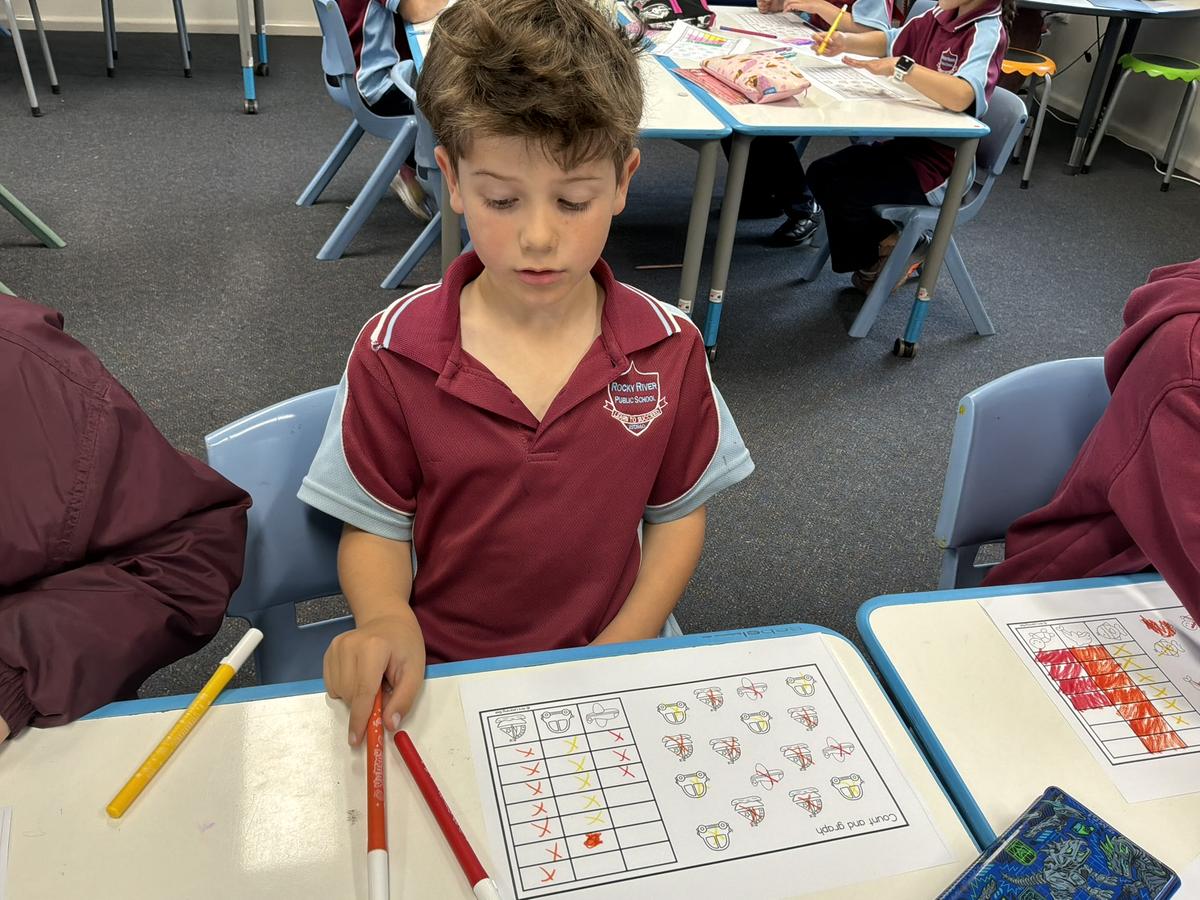
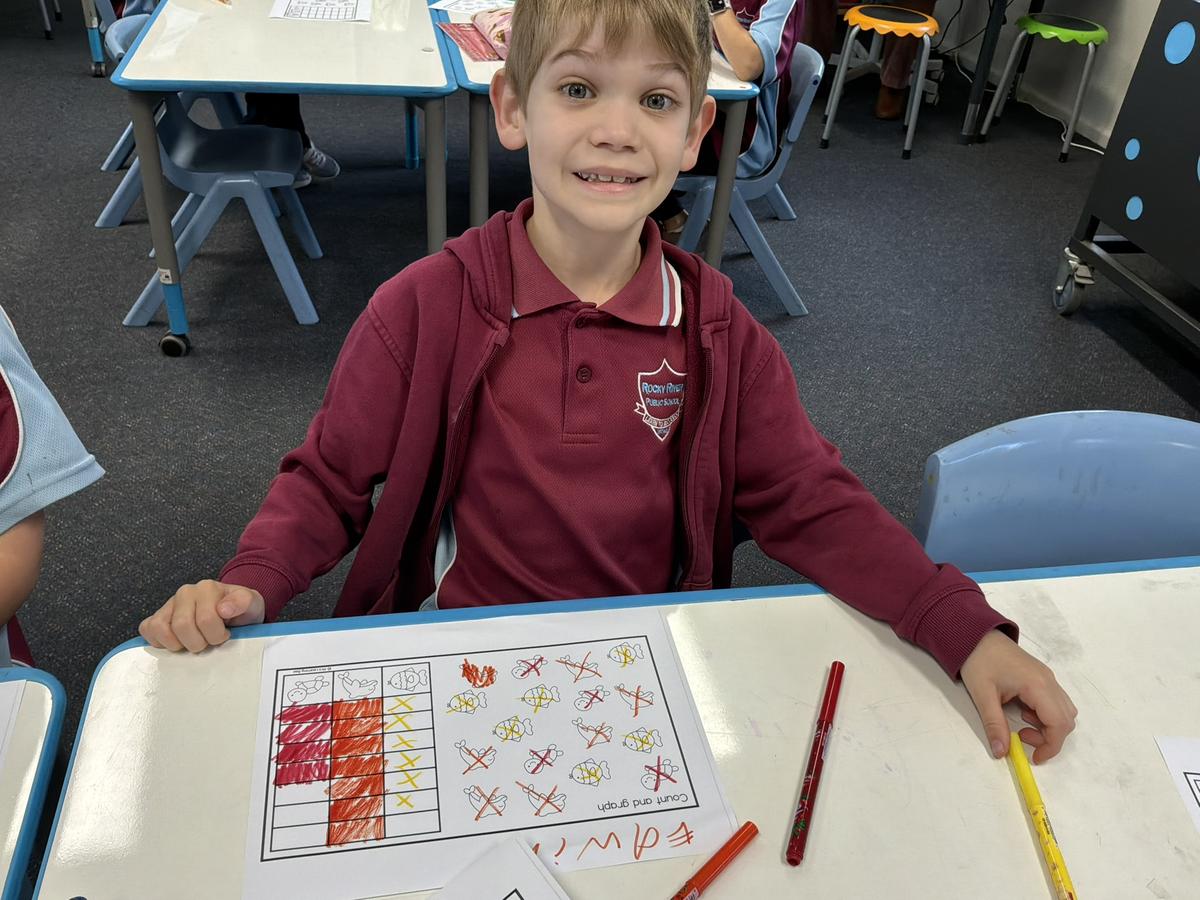
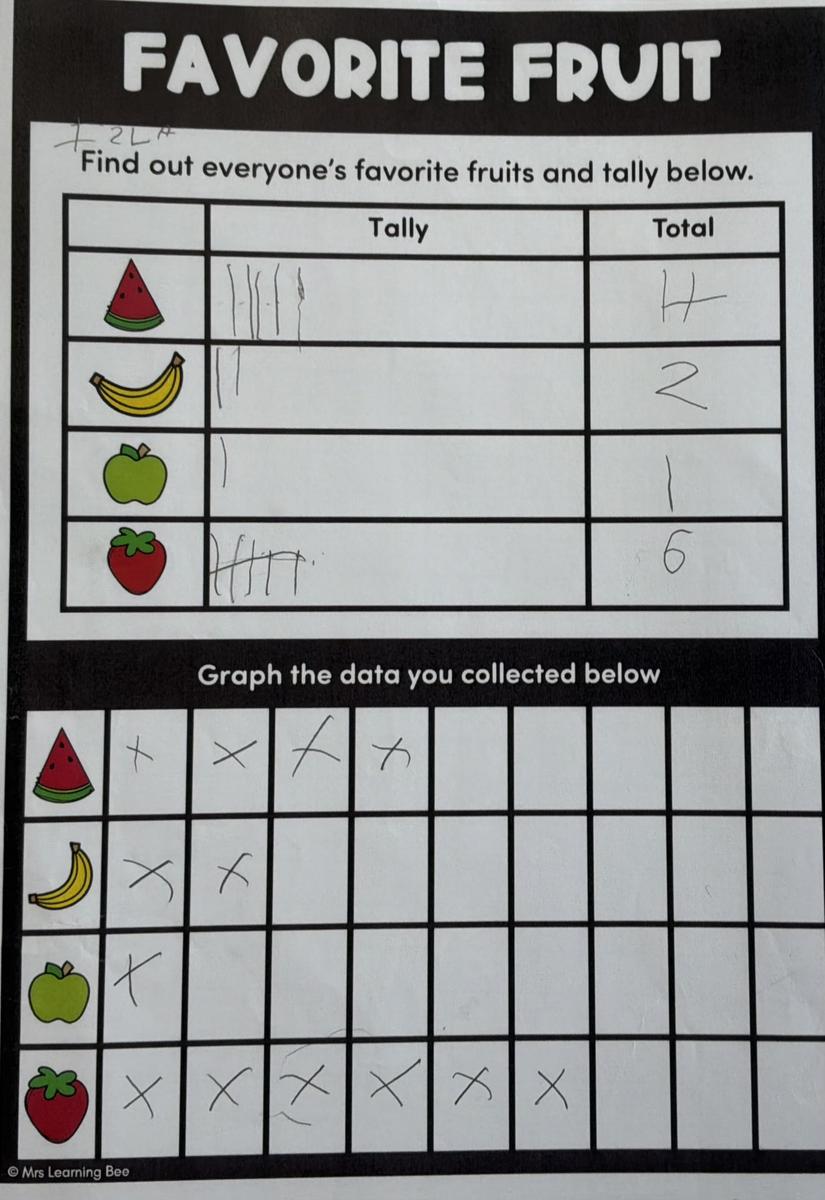
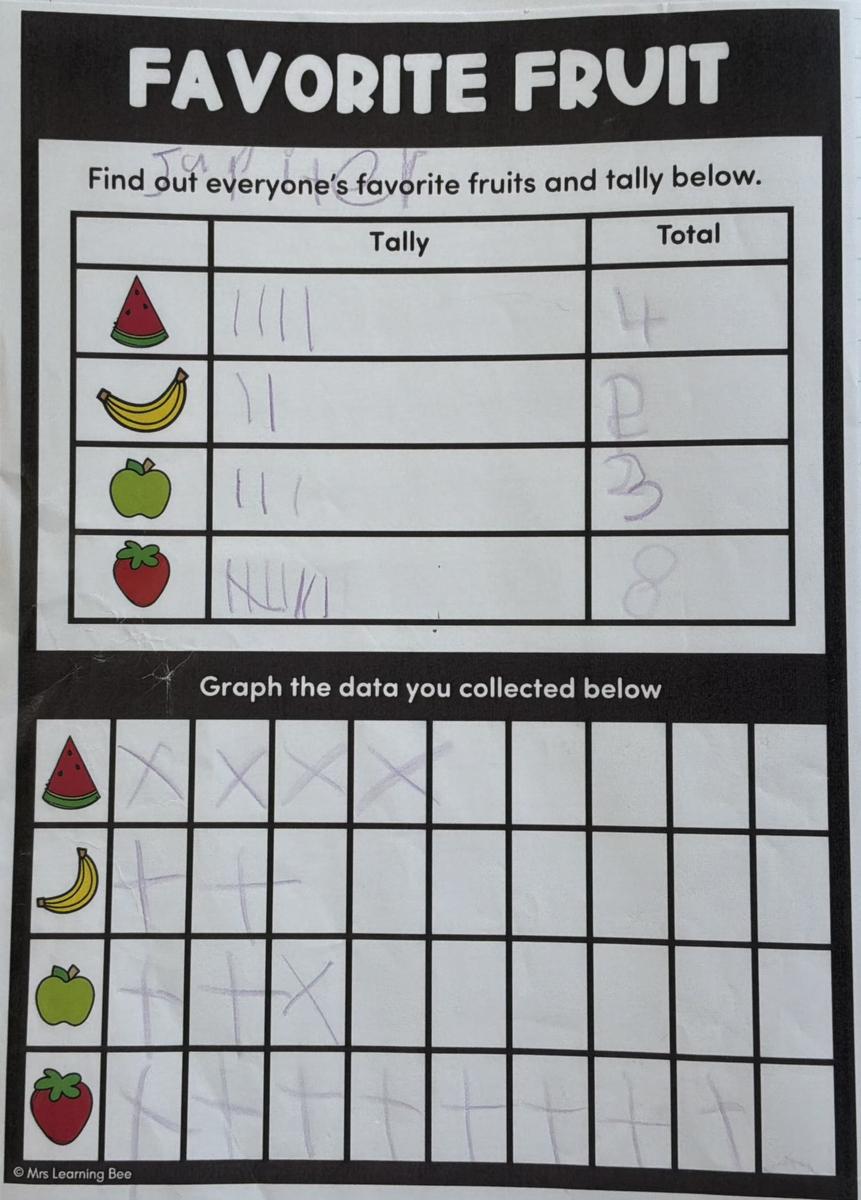
Lower Division students have been learning all about data and how it can be collected and used in different ways. We explored how to gather information, like asking classmates their favourite fruit or counting how many books we have read.
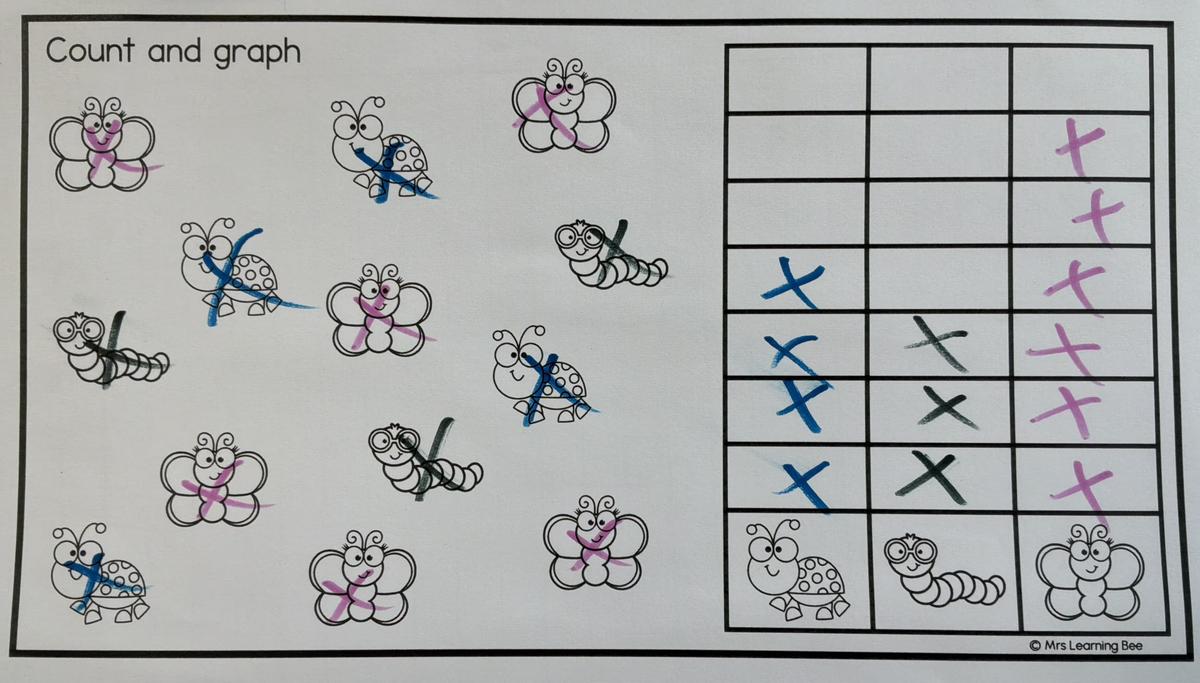
Students learned how to show their data using graphs. We drew bar graphs to show results, and also used blocks and counters to make the information easy to see. Making graphs with real objects helped us understand what the data means.
We also learned about Venn diagrams. Venn diagrams are special charts that show how things are similar or different. For example, students sorted shapes or numbers into circles, seeing which things belong in one group, both groups, or none.
Another focus has been odd and even numbers. We explored how to tell if a number is odd or even, and sorted numbers using different materials and diagrams.
Overall, students enjoyed collecting data, creating graphs, and investigating numbers in fun, hands-on ways!
Stage 3 Mathematics - Multiplication facts
Stage 3 students are on a multiplication blitz! As we explore more complex mathematical concepts, we are reviewing and rehearsing quick recall of our multiplication facts to assist in solving multi-step problems. We have extended our skillset to finding the lowest common multiple when adding or subtracting more than two fractions with like or unlike denominators. This is testing our maths brains and knowledge of factors and multiples. We are using games to make our maths learning fun such as "Arithmagic" which taps into all fans of gaming, exploring different worlds and battles through maths knowledge, maths challenge, where we individually or in teams, attempt to produce the quickest recall of a multiplication problem posed by the teacher, and our "maths" version of silent ball where we must answer the multiplication tables correctly to stay in the game! Having kinaesthetic learning opportunities in maths makes our learning a little extra fun and helps switch on our brains!
Stage 3 English - 'One Small Island' Writing Task
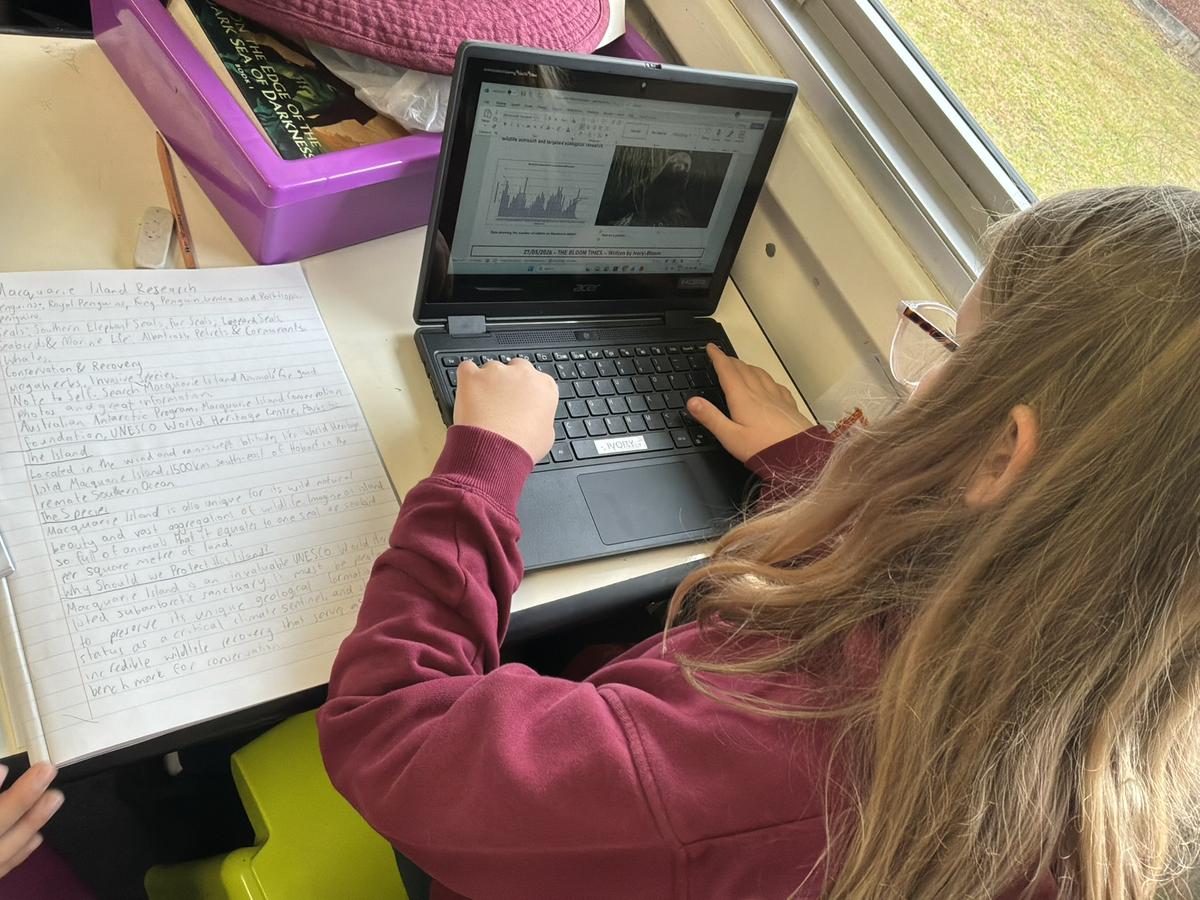
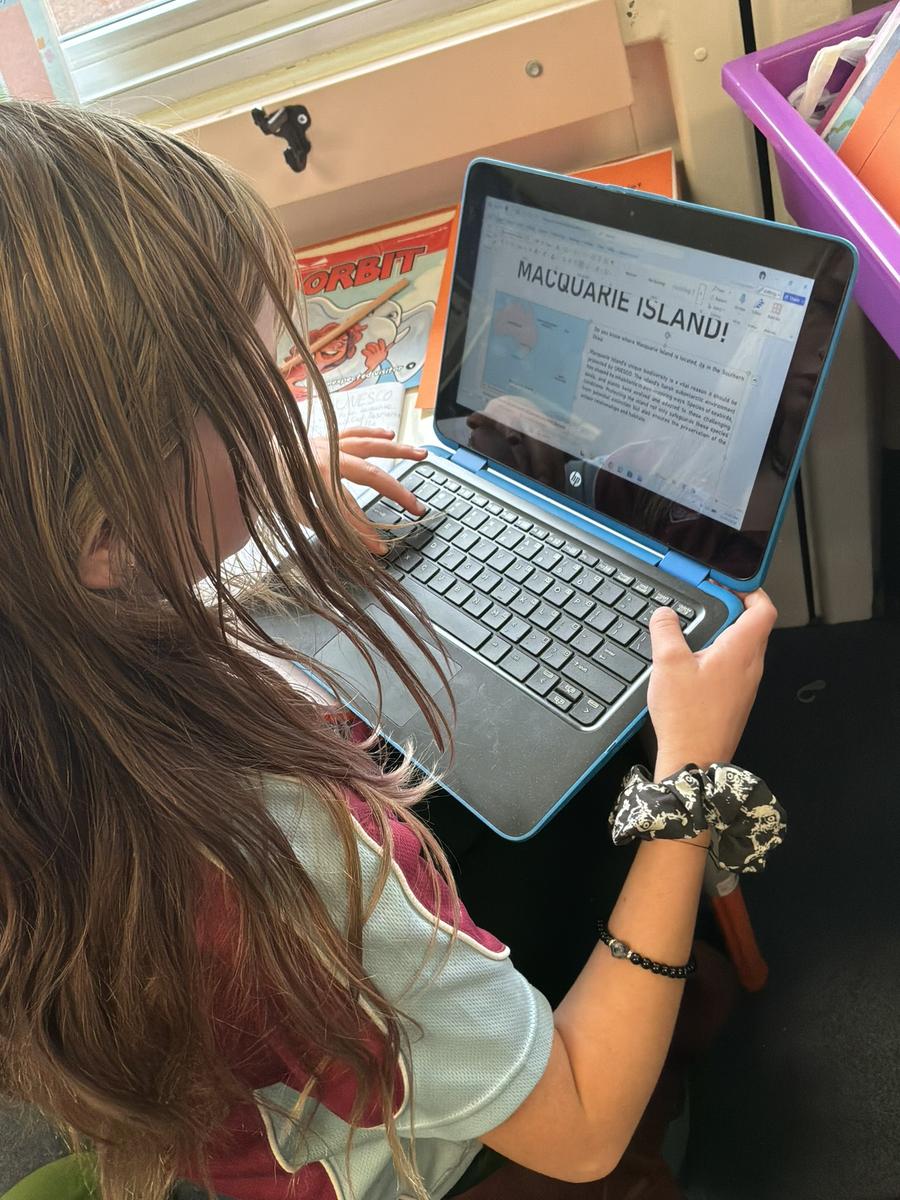
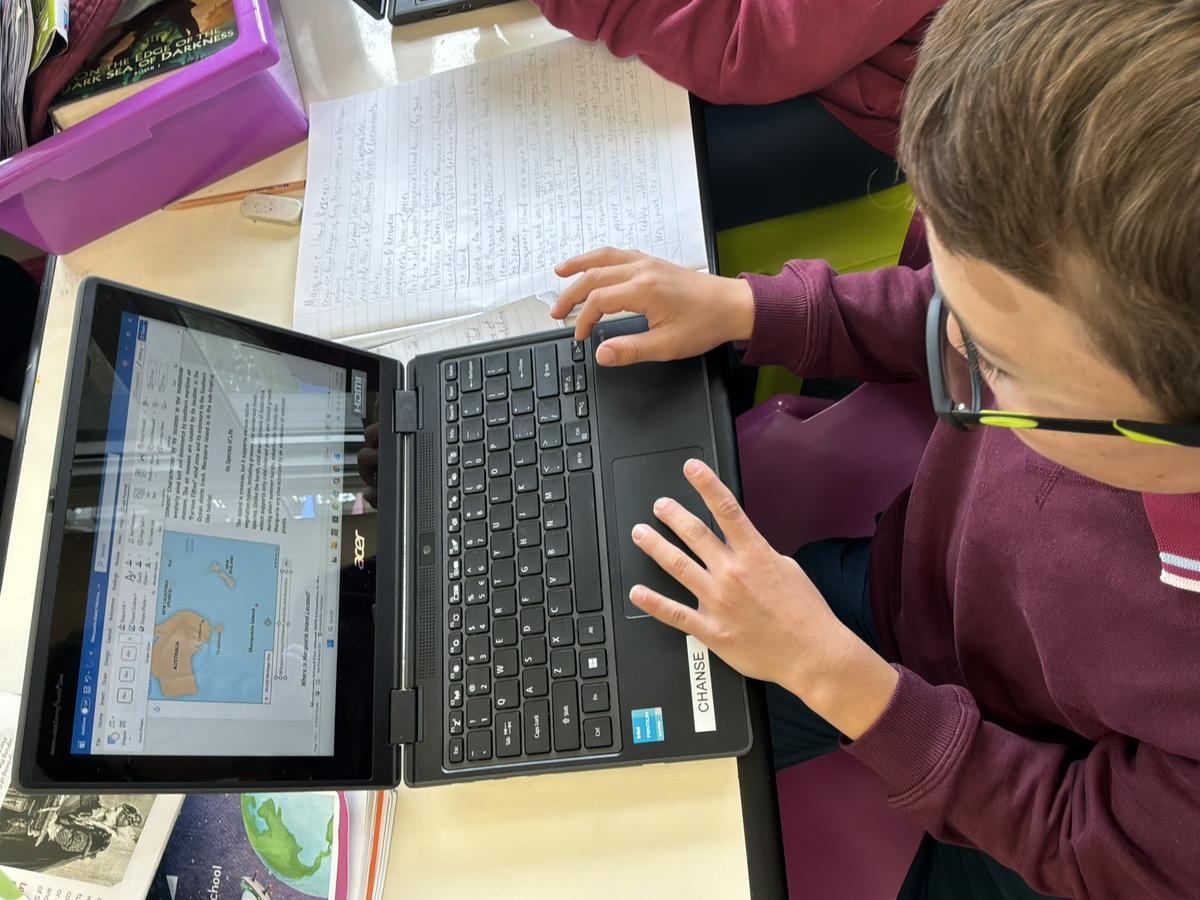
Our Stage 3 students are currently undertaking a creative and meaningful project, producing informative and persuasive posters about the preservation of Macquarie Island or one of its unique animal species. Using a newspaper-style template, students are organising their work with structural features such as clear headings, subheadings, engaging images, graphs, and descriptive captions. This format supports their ability to present information visually and effectively, making their message both accessible and compelling.
The posters are designed as hybrid texts, combining well-researched facts with persuasive language to inspire awareness and action in conservation. Alongside their research and design efforts, students are focusing on grammar and punctuation, particularly practising nominalisation to create formal, succinct statements, and using appositives to add clarity and depth to their explanations. This task allows students to develop valuable communication skills and encourages a sense of environmental responsibility, as they use their voices and creativity to highlight the importance of protecting Macquarie Island and its wildlife.
Stage 2 Mathematics - Data Collection
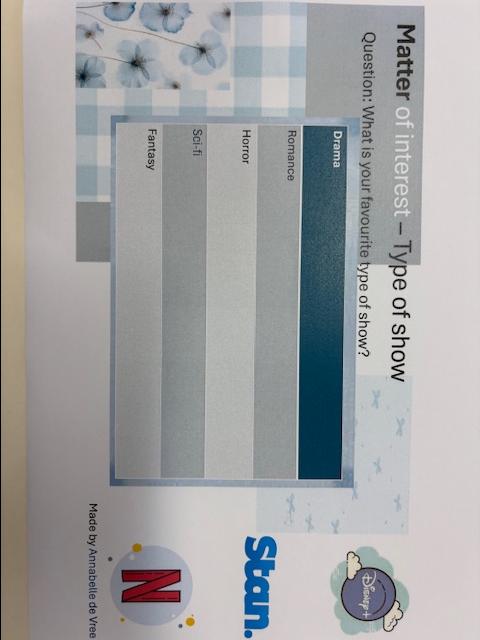
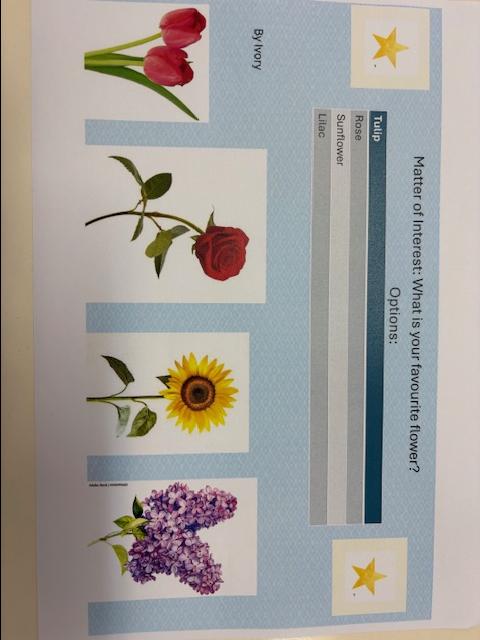
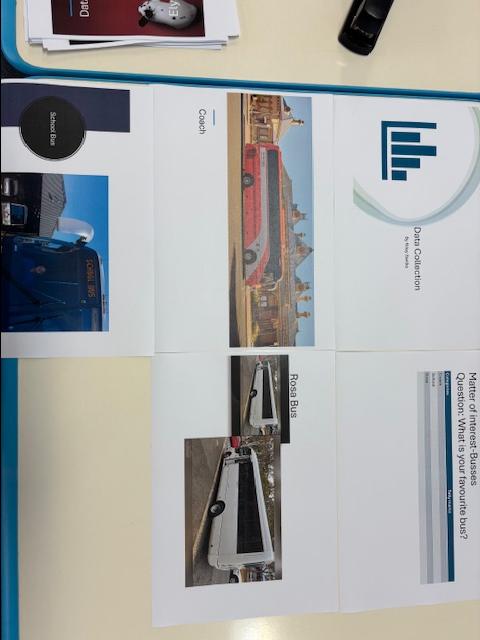
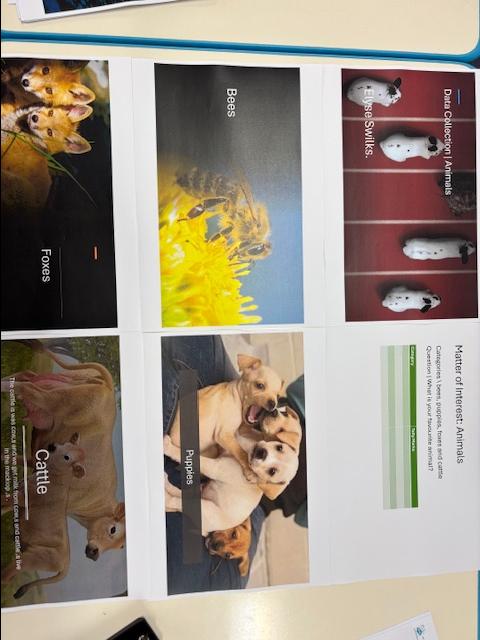
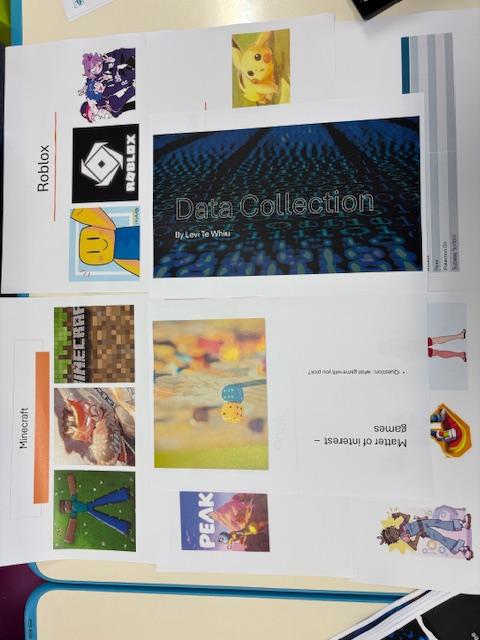
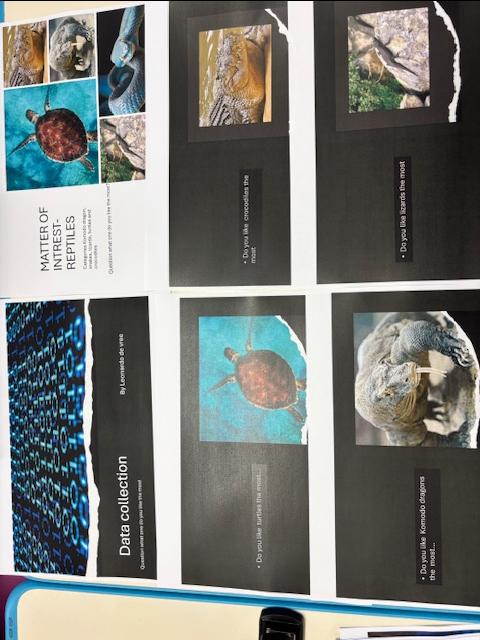
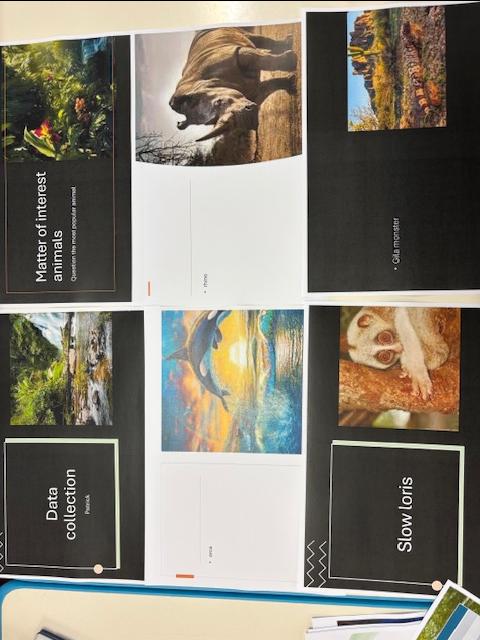
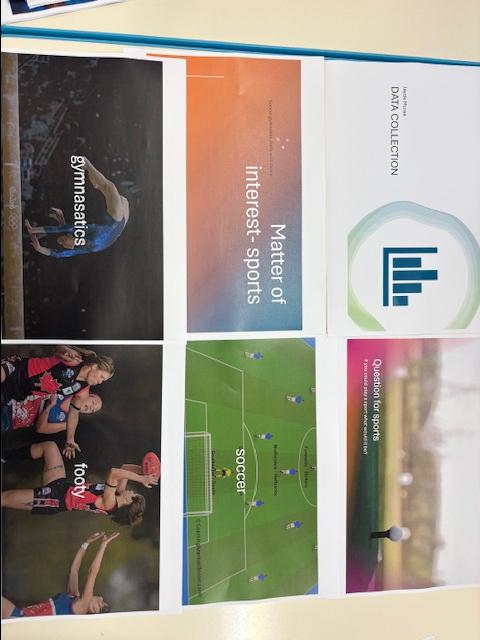
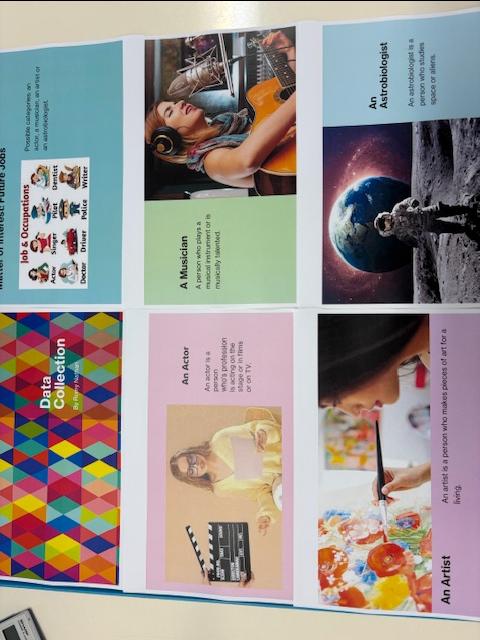
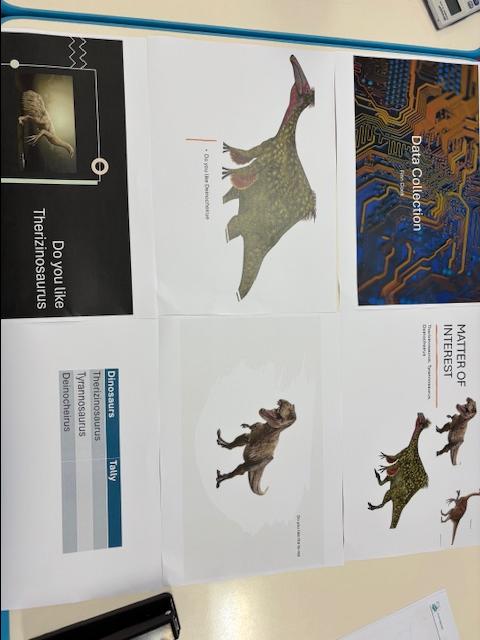
This week, our students have been busy developing their skills as data detectives! As part of our unit on data, children are learning that many questions can be investigated by collecting and interpreting information. From the playground to the classroom, students started by identifying topics and questions that sparked their curiosity.
Each student chose a matter of interest and crafted a survey question that included 3-5 categories or options. Together, they explored how to accurately collect data, using tally marks to keep count. From there, the students learned about different types of graphs, including bar graphs and column graphs. Discussions included the features of graphs, such as the y and x-axis, titles, categories, and numerical amounts.
Students used PowerPoint to create engaging presentations. They inserted tables to record their survey results and designed images and pictures to represent each category. This approach not only encouraged critical thinking, but also creativity in how information can be displayed and interpreted.
Through this process, students discovered the importance of clear categories and accurate graphing, while also enjoying the opportunity to investigate questions that mattered to them. We look forward to seeing these budding researchers continue their exploration of data in everyday life!
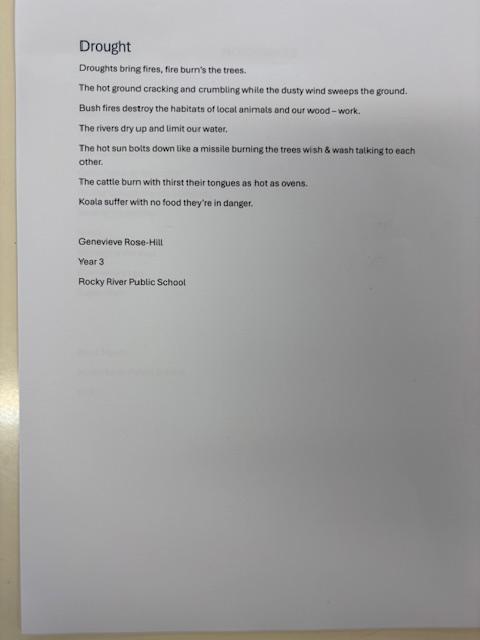
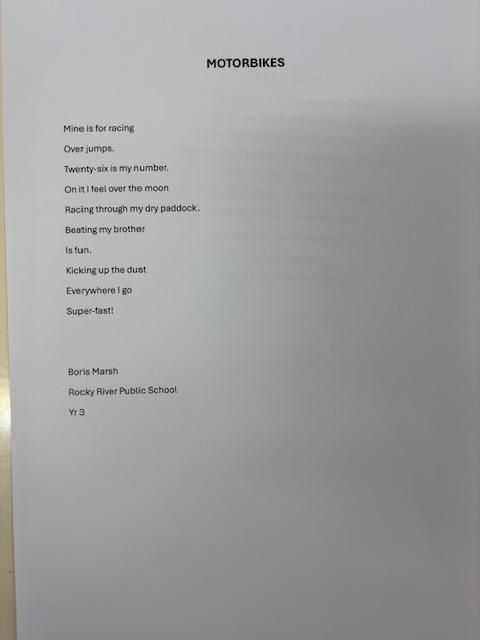
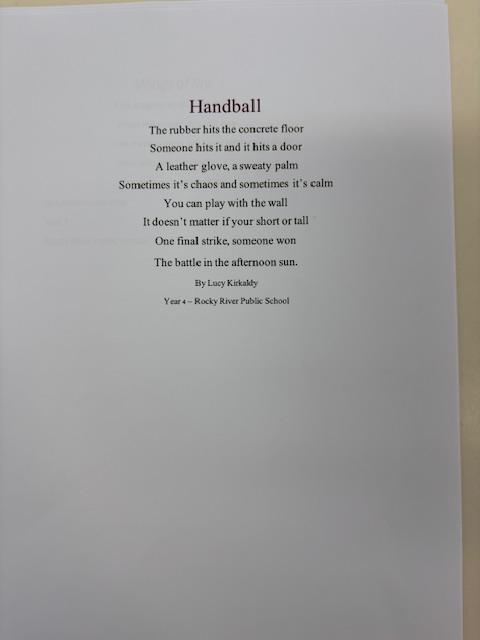
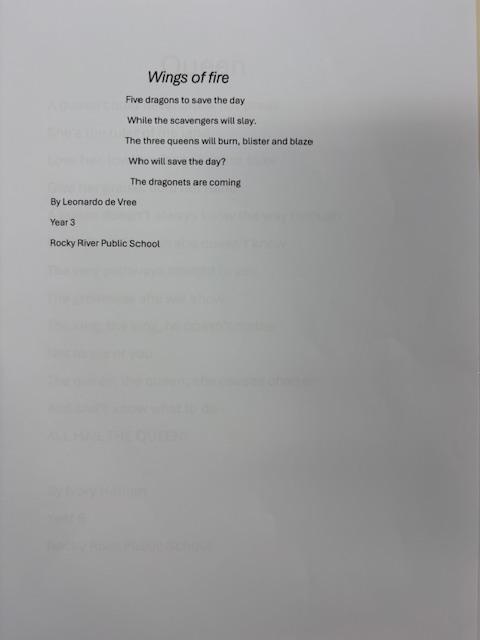
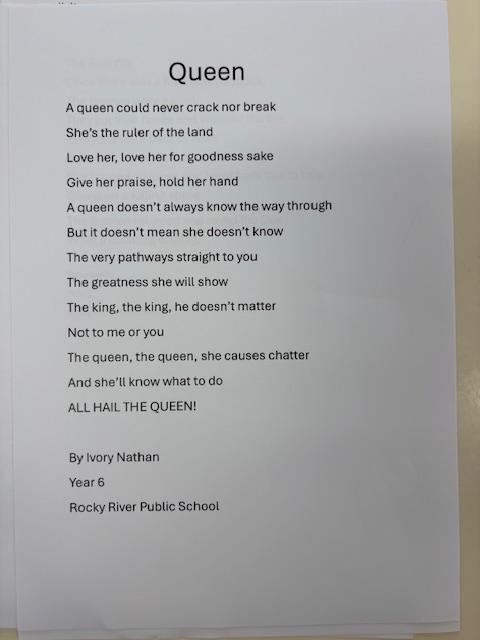
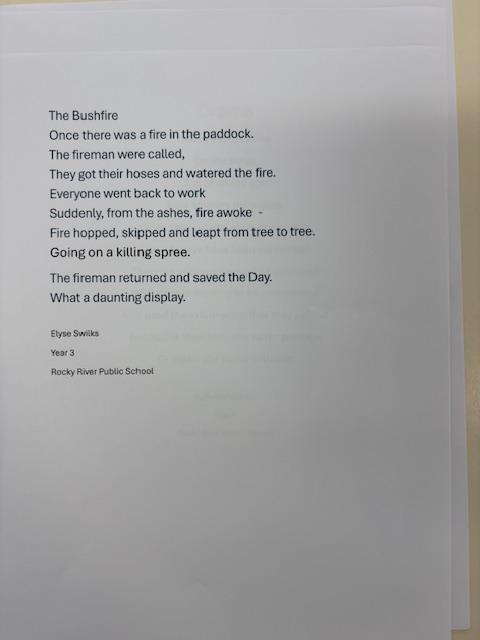
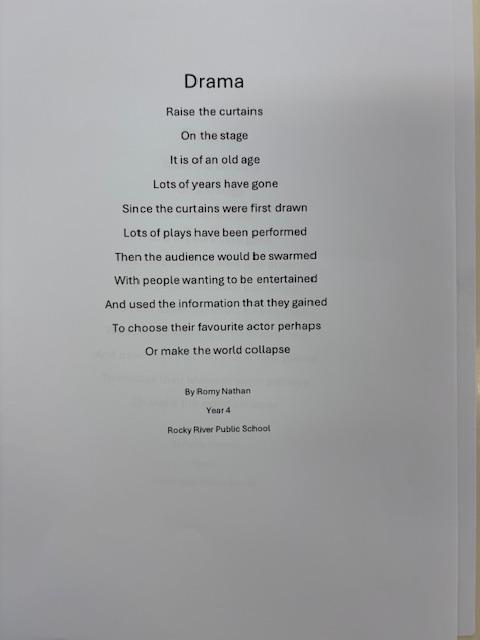
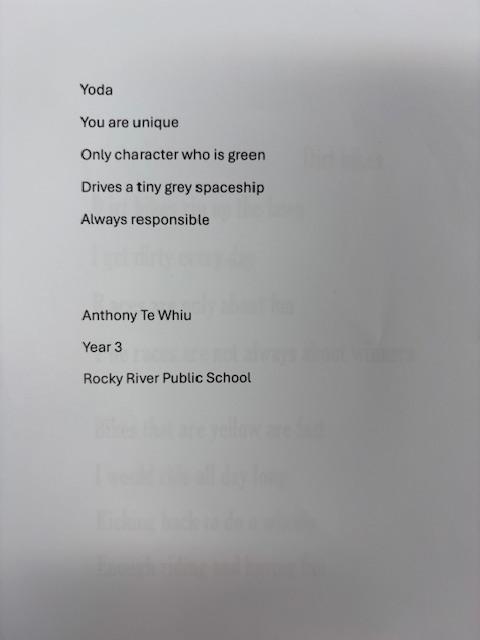
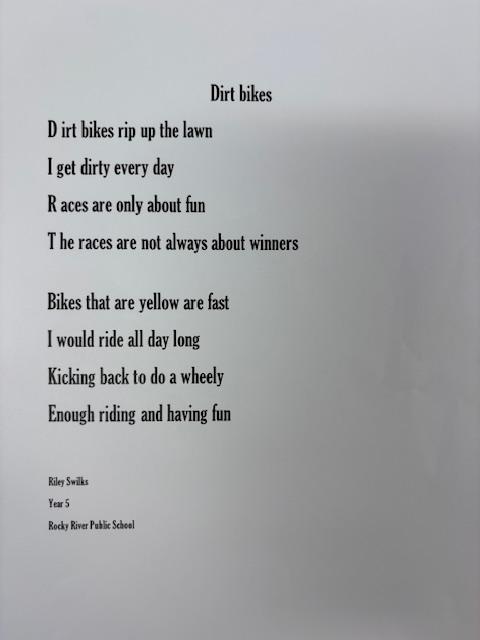
Dorothy Mackellar Poetry
We are excited to announce that our students will be participating in the Dorothy MacKellar Poetry Competition this year. This wonderful competition encourages young poets to express their creativity and imagination through the power of words.
Named after the celebrated Australian poet Dorothy MacKellar, known for her vivid imagery and connection to the natural world, the competition inspires students to craft poems that celebrate language, storytelling, and personal expression.
Students are invited to submit original poems that showcase their unique voice and creativity. We encourage all budding poets to take part and share their thoughts, feelings, and stories in poetic form.
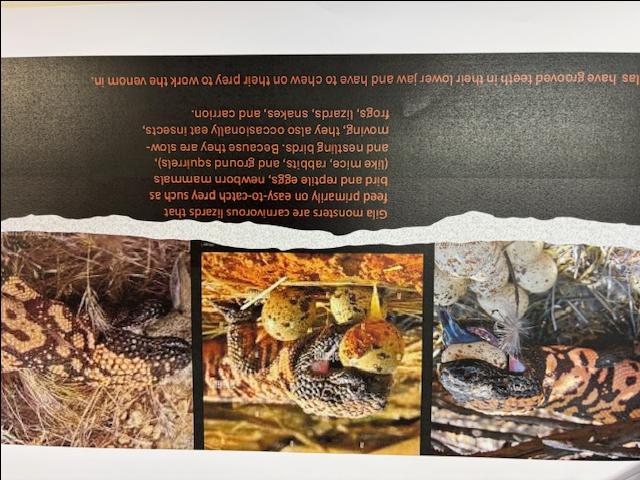
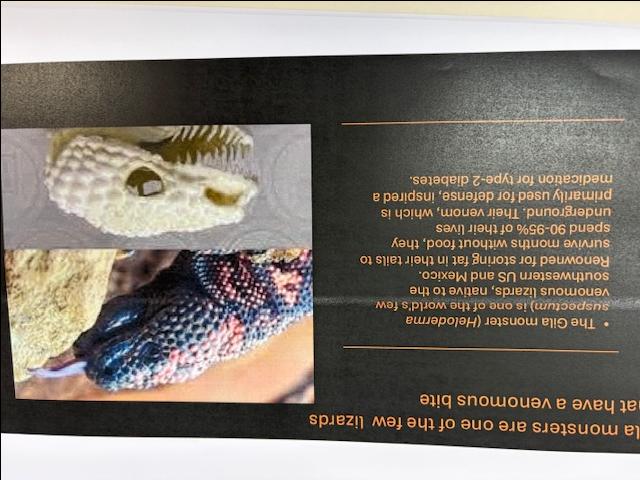
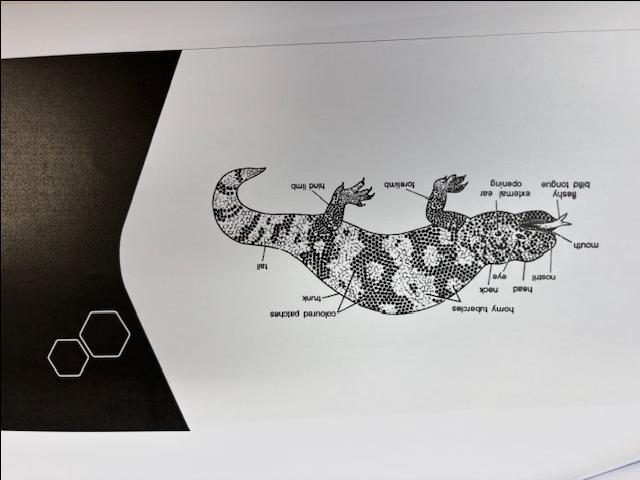
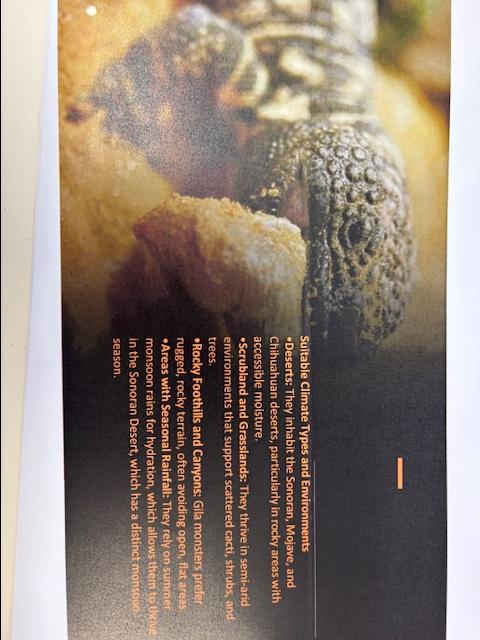
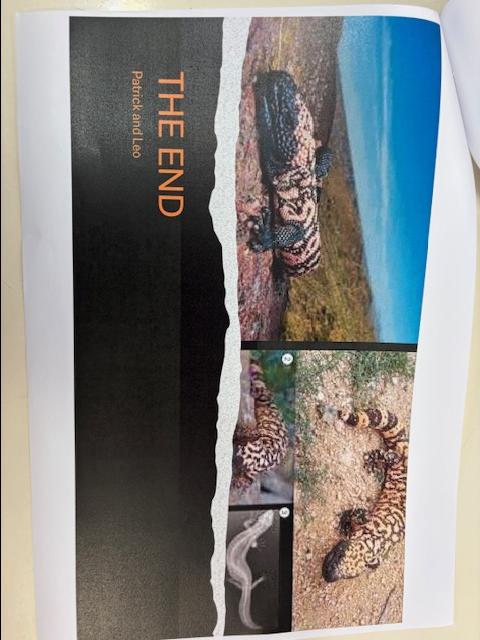
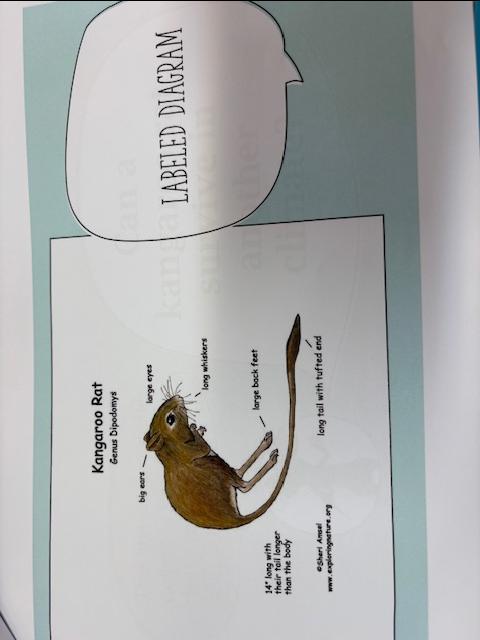
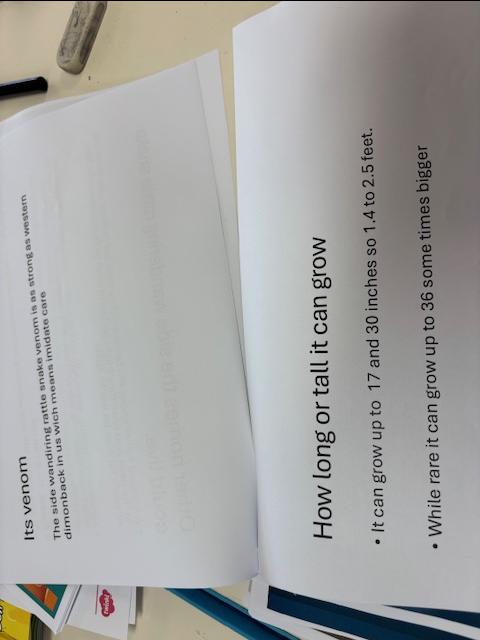
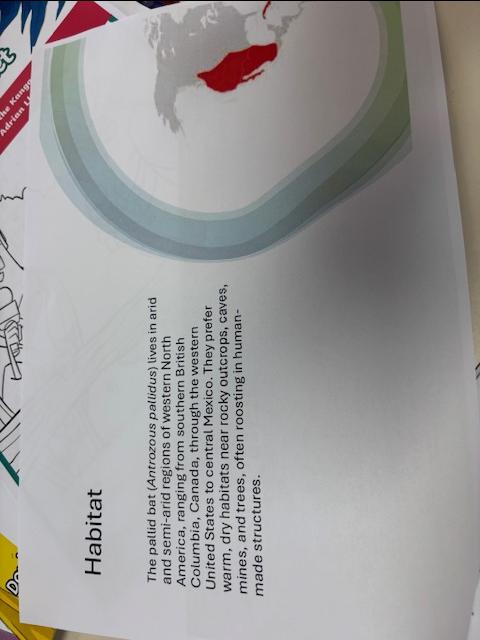
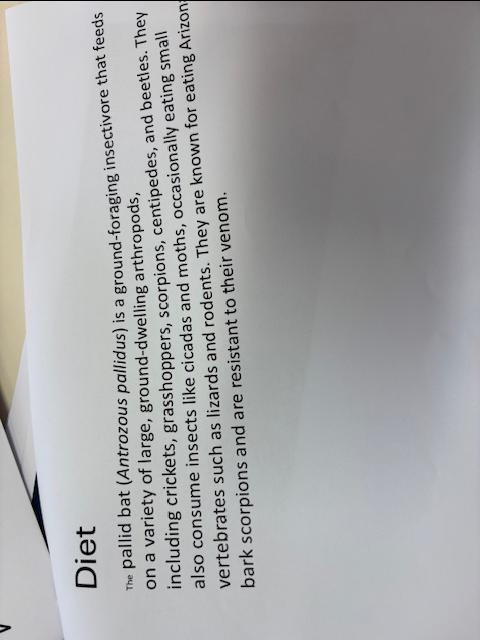
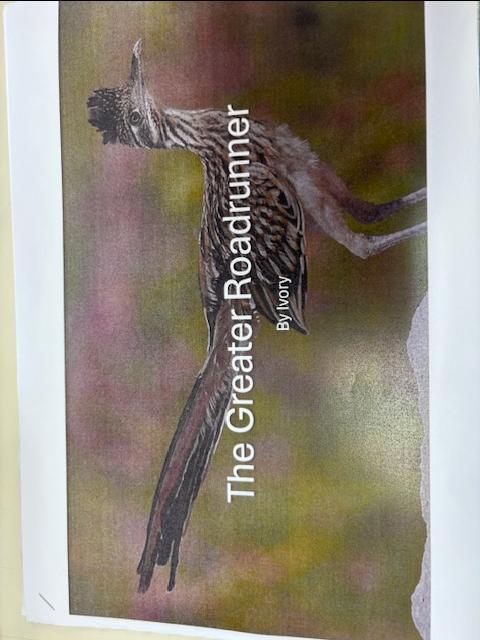
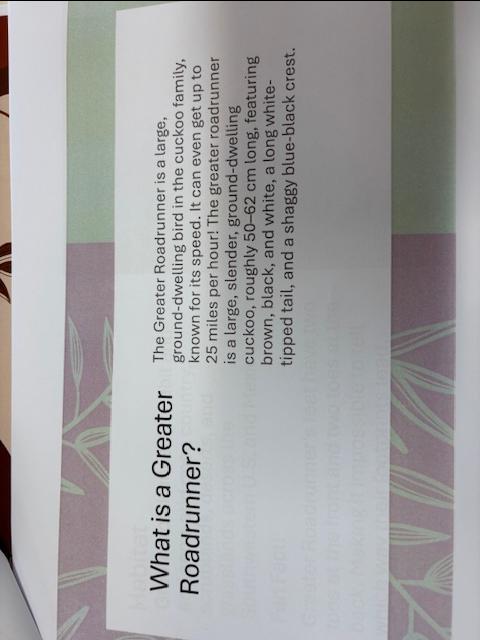
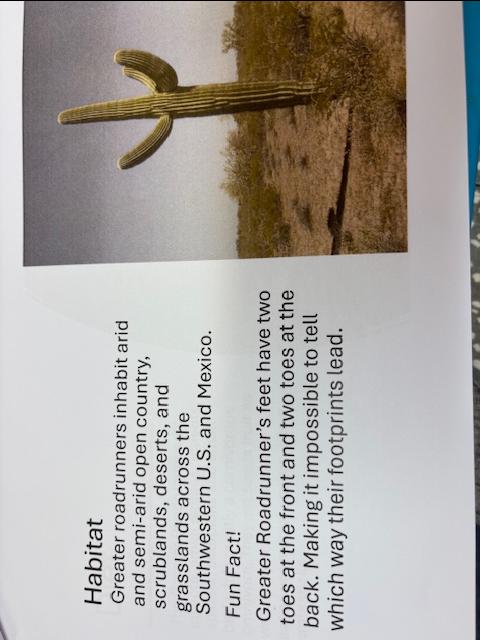
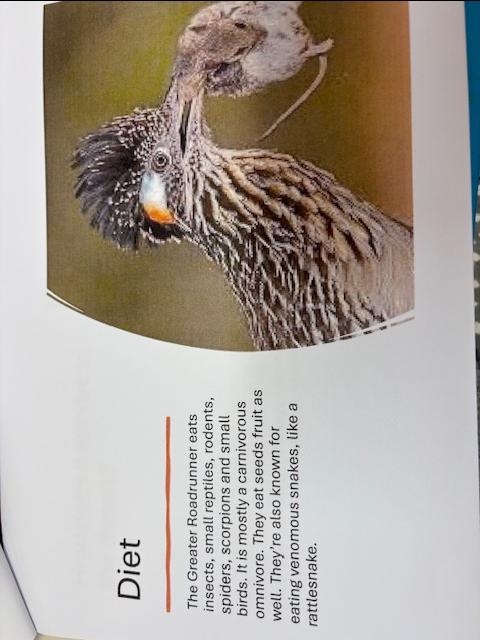
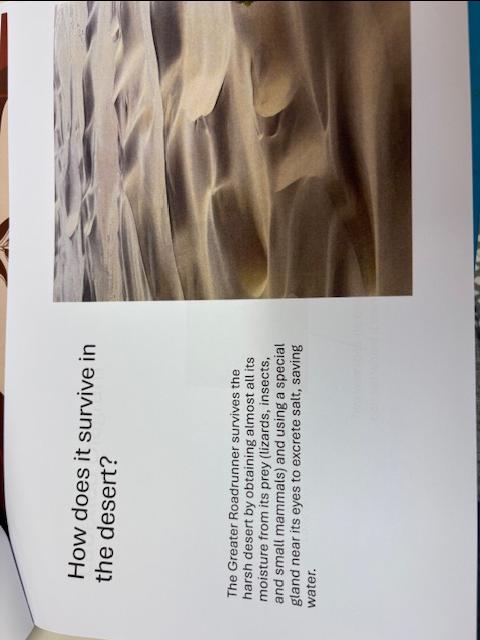
Geography | Desert Animal
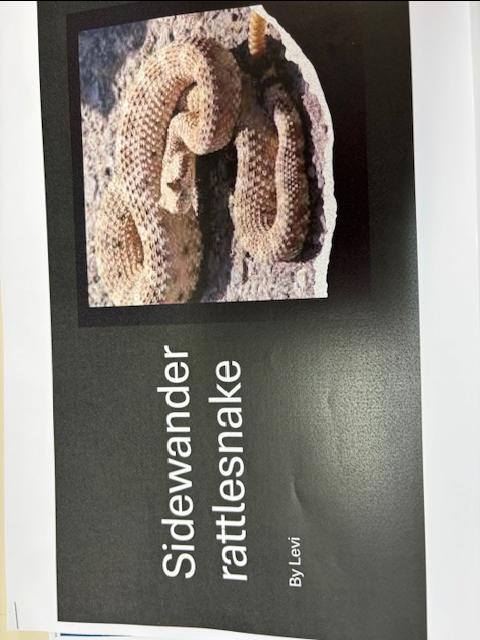
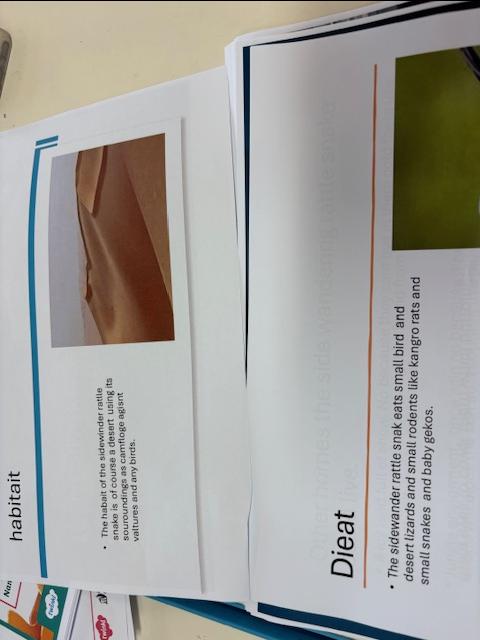
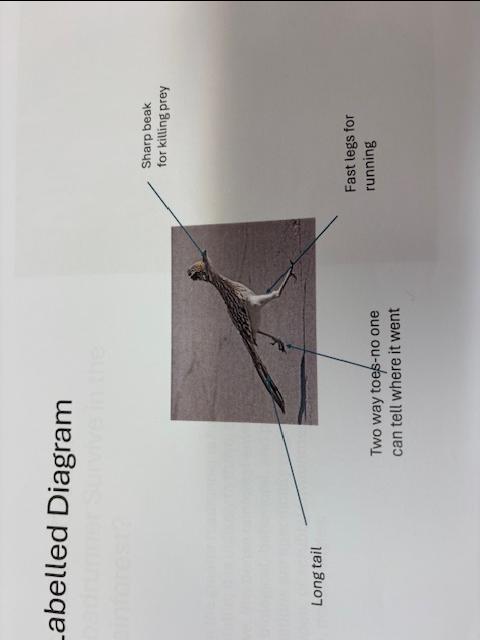
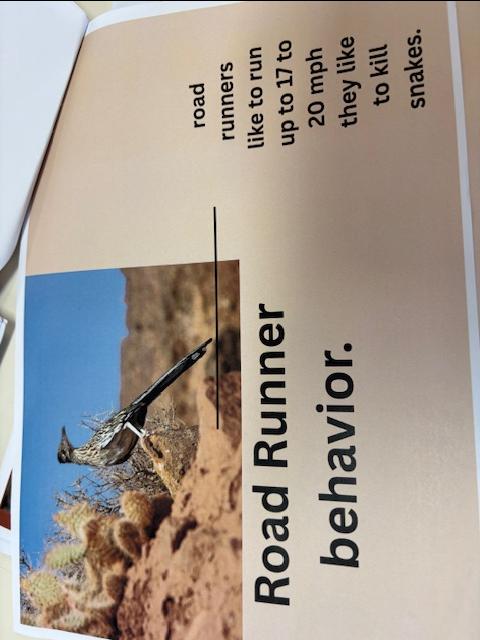
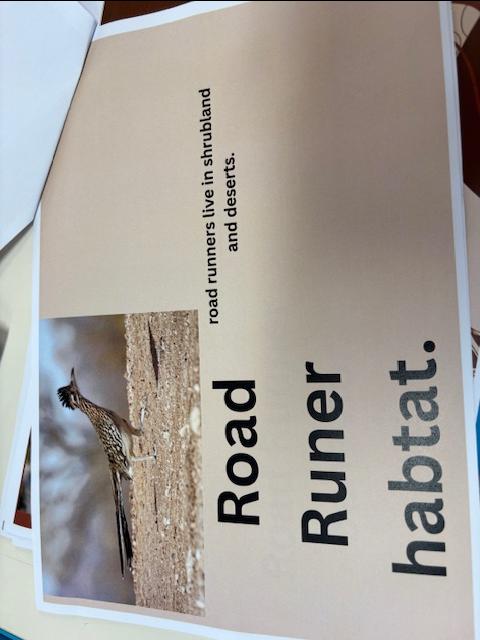
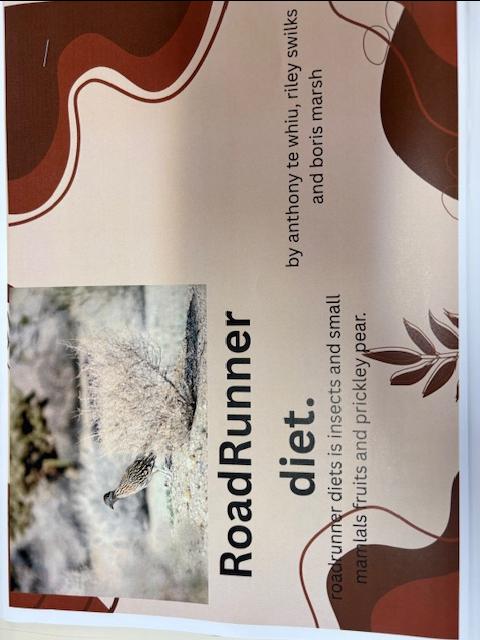
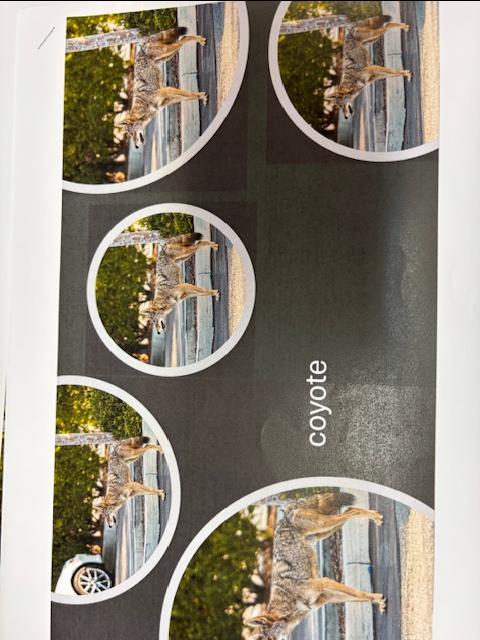
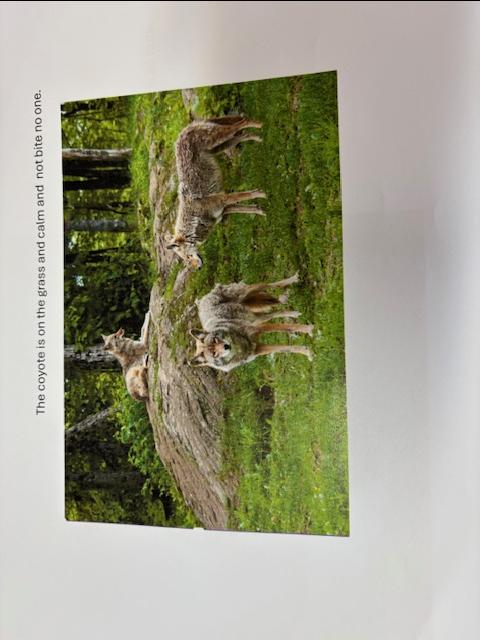
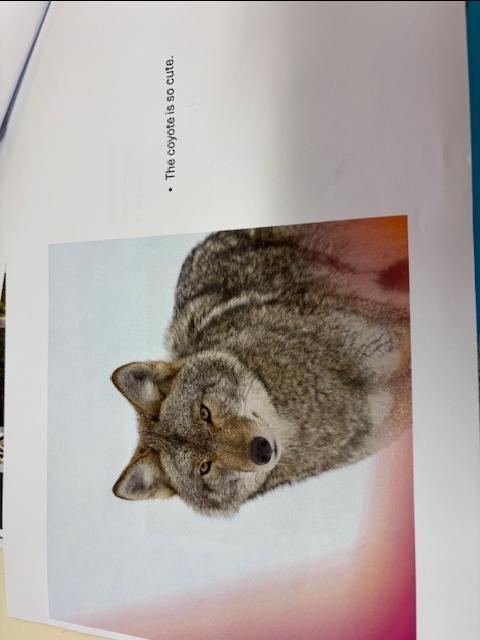
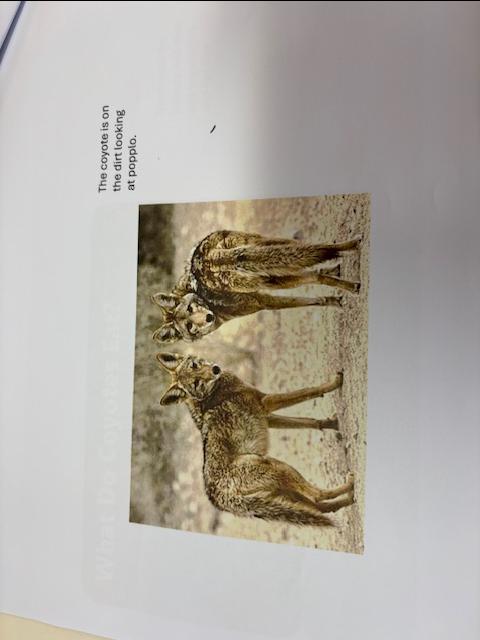
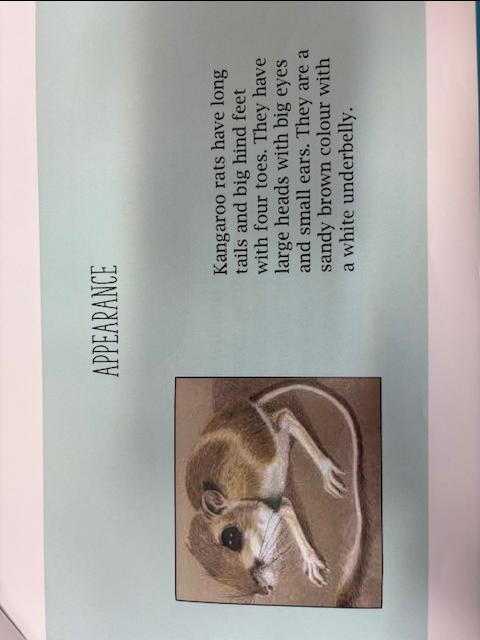
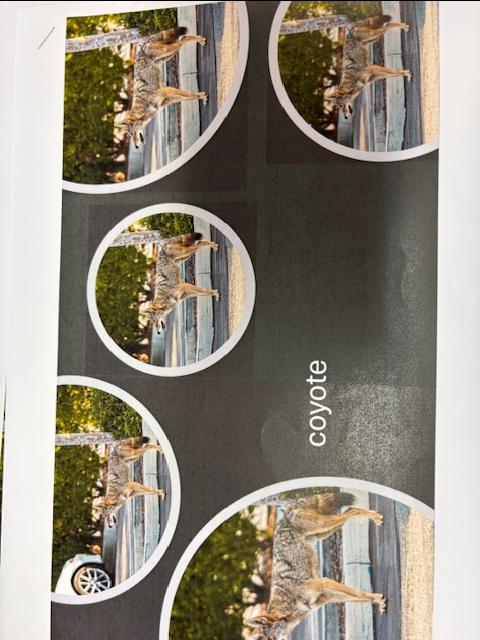
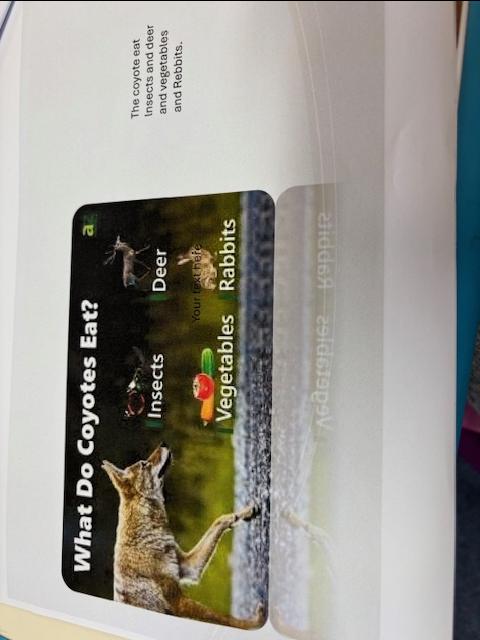
Students have been investigating the diverse climates found across our planet, with a particular focus on desert and dry zones. As part of their learning, each student selected an animal that thrives in these challenging environments and researched how it survives extreme heat and scarce water.
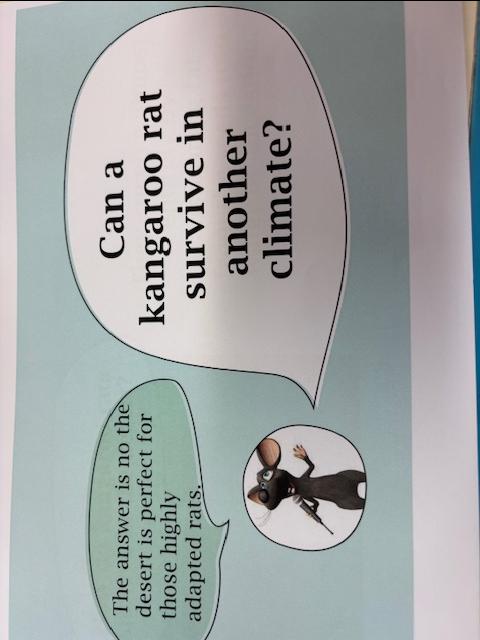
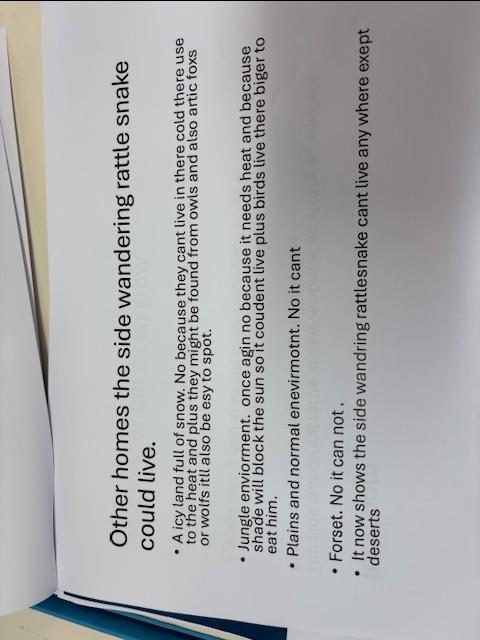
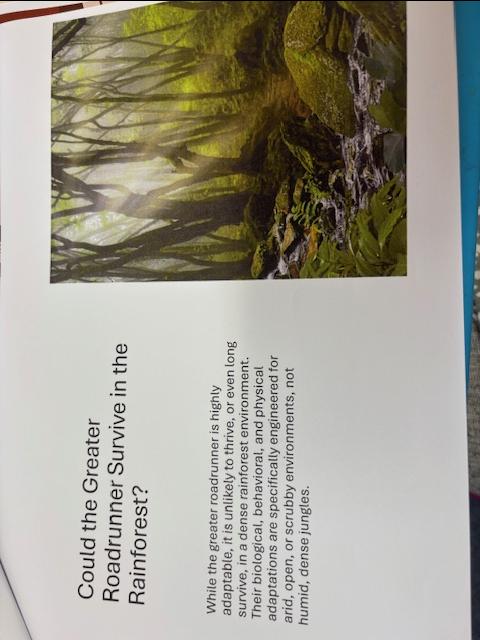
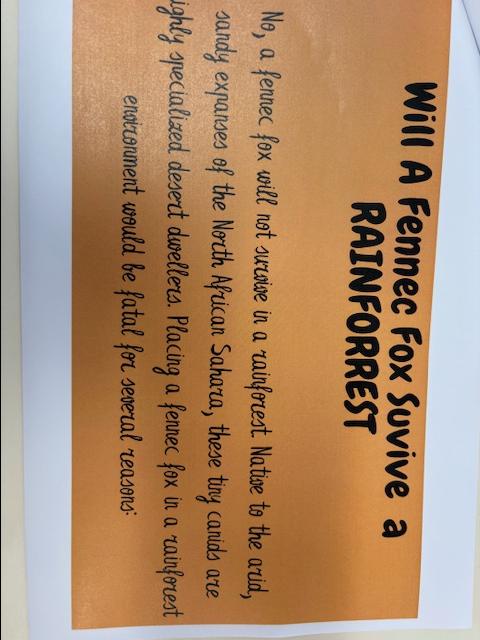
The students wrote informative reports detailing fascinating facts about their chosen animal’s adaptations—how they find water, regulate their body temperature, and cope with harsh conditions. As an extension to their research, students also considered whether these desert animals could survive in a different climate, such as a rainforest or polar region, and explored the reasons behind their conclusions.
This engaging unit has encouraged students to deepen their understanding of animal survival, climate differences, and the unique ways plants and animals adapt to their surroundings. We are proud of the detailed and thoughtful information reports our young geographers have produced, and look forward to sharing their work with the school community.