Science and Engineering News
Ms Wendy Macdonald - Curriculum Leader - Science and Engineering
Science and Engineering News
Ms Wendy Macdonald - Curriculum Leader - Science and Engineering
By Sid Dilli (Year 11 UQ Science Ambassador)
Queensland’s fig wasps are tiny insects most people never notice, but they’re part of a much bigger and busier world hidden inside our native figs. Because Queensland has so many different fig species, it also supports a huge variety of fig wasp species living inside them. Within these little communities, the wasps take on different roles to keep everything running smoothly and to protect themselves from predators. Some wasps pollinate the fig, while others lay their eggs and move on. It’s a small world, but an incredibly active one.
To figure out how many species exist and how they differ, researchers collect these wasps and study their DNA. Even when two wasps look almost identical, their genetics can reveal major differences. Some populations are spread widely across Queensland and share similar genes, while others are more isolated and have developed their own unique genetic patterns to suit their environment. This genetic diversity is important because it helps fig wasp populations survive environmental changes. It highlights just how much hidden biodiversity exists in places we wouldn’t even think about. For such tiny insects, Queensland’s fig wasps have a surprisingly perplexing story. They may play a quiet role, but they’re vital for keeping our native fig ecosystems healthy.
By Wendy Macdonald
RACI Titration Competition Shoutout. A big congratulations to the teams from Clayfield College, Cleveland District State High School, Marist College Ashgrove, Queensland Academy for Science, Mathematics and Technology, San Sisto College, and St Margaret’s Anglican Girls School who participated in the RACI Titration Competition held at UQ on the 23rd May. Well done to our students: Will Davis, Ruben Smythe, Caden Tucker, Jakub Falcnik, Ben Gilbert, and Jeremy Harvey.
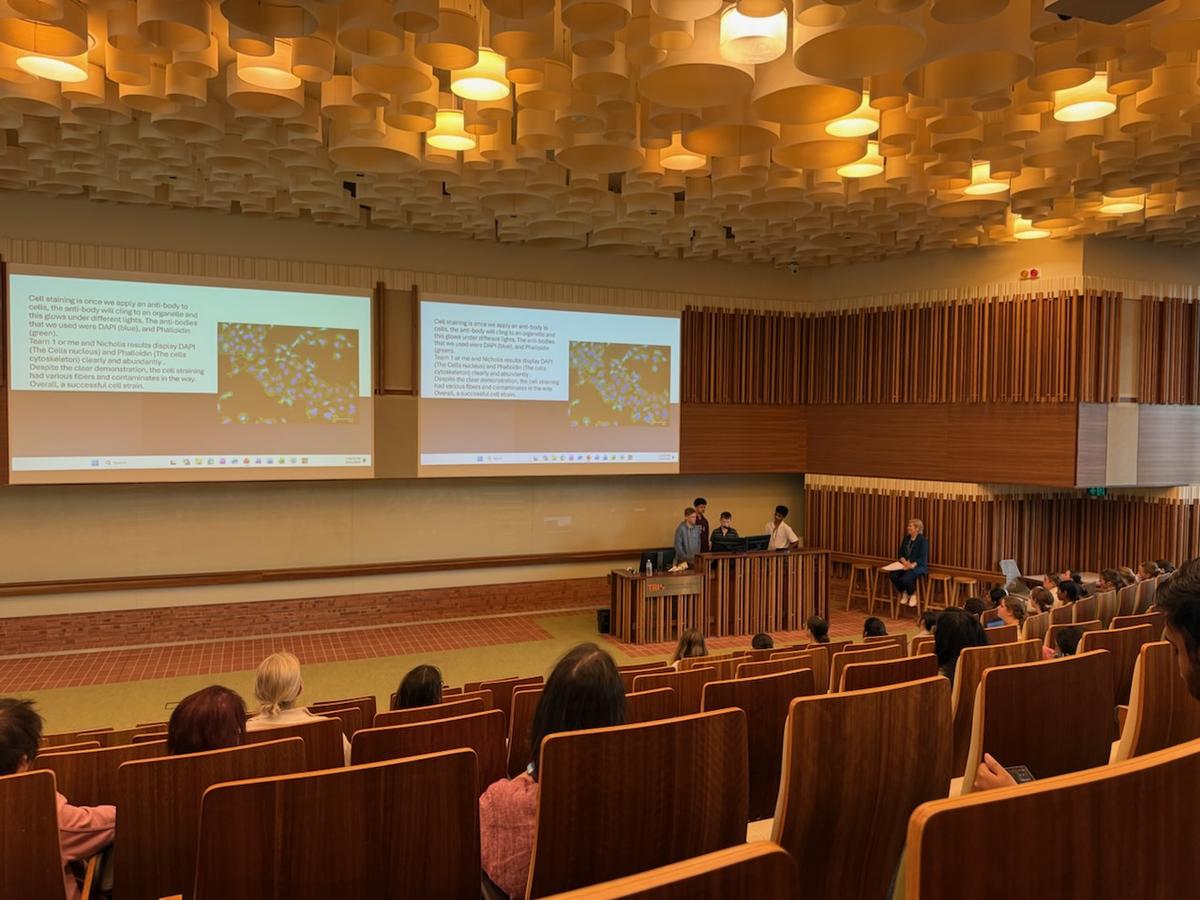
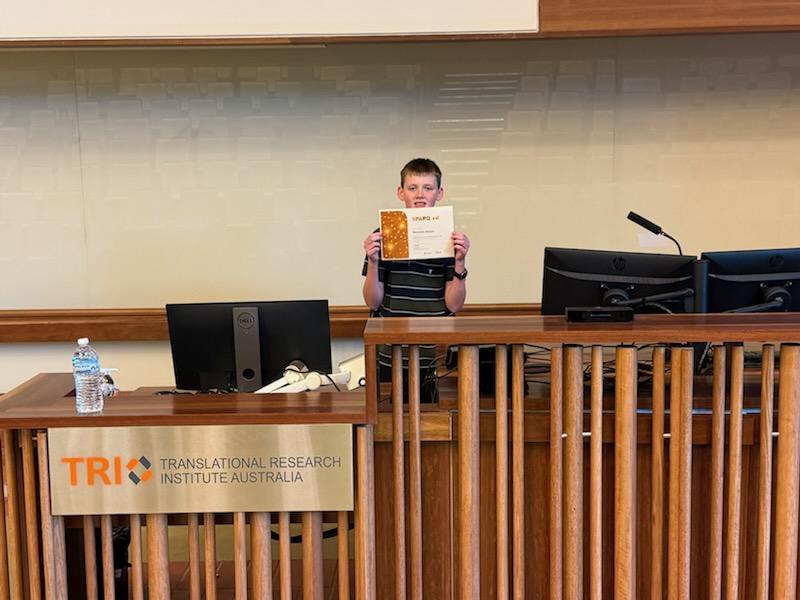
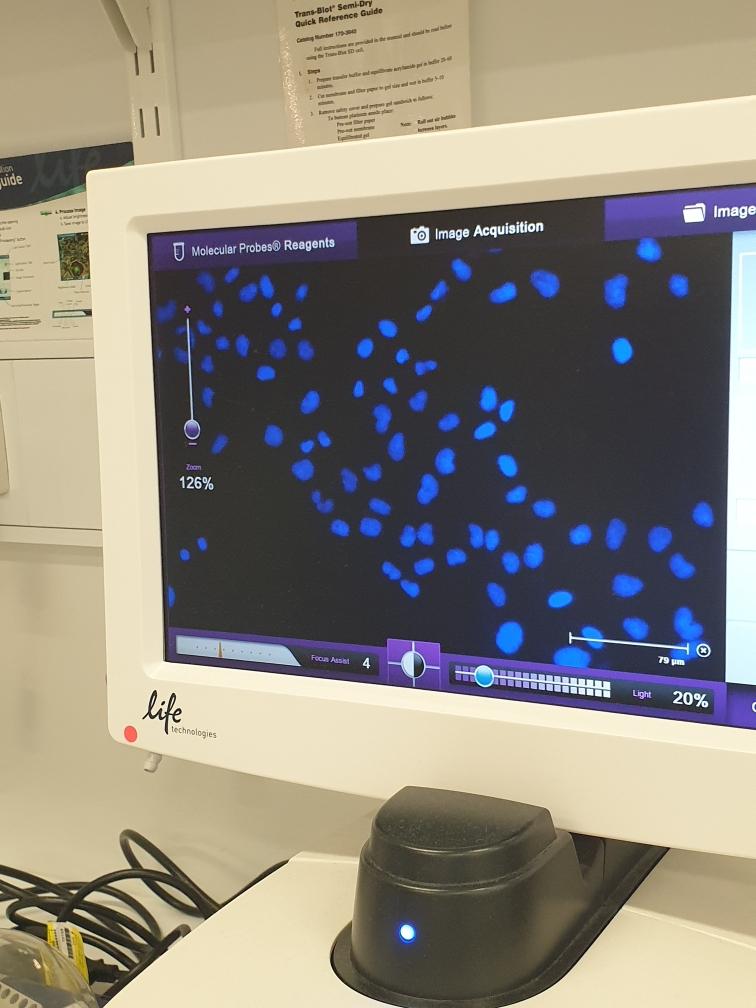
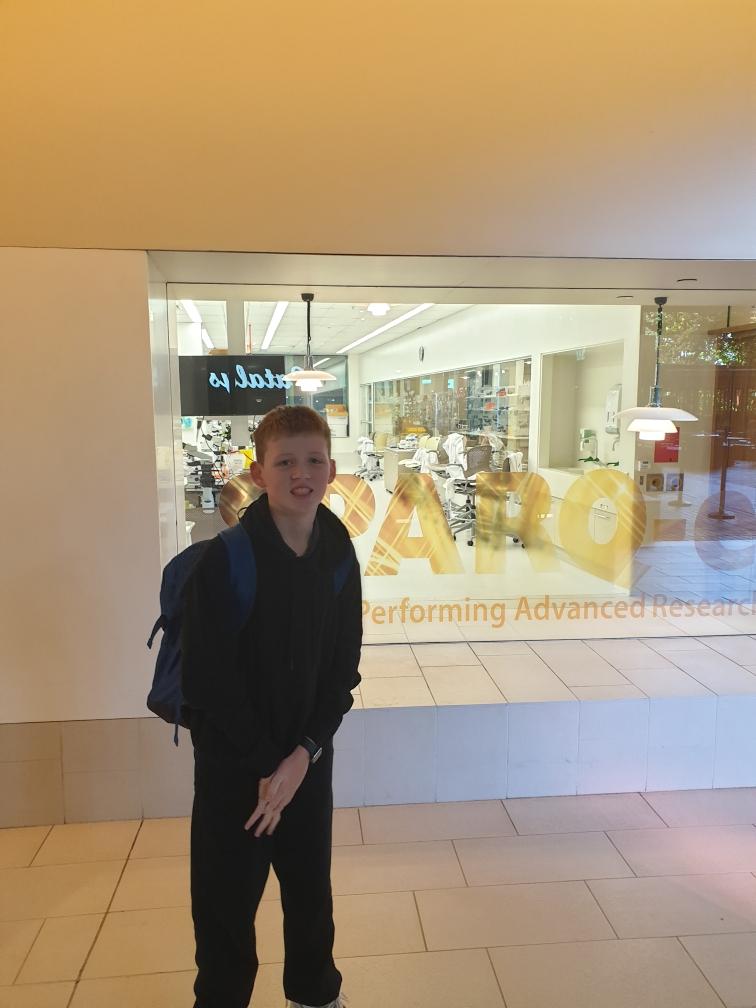
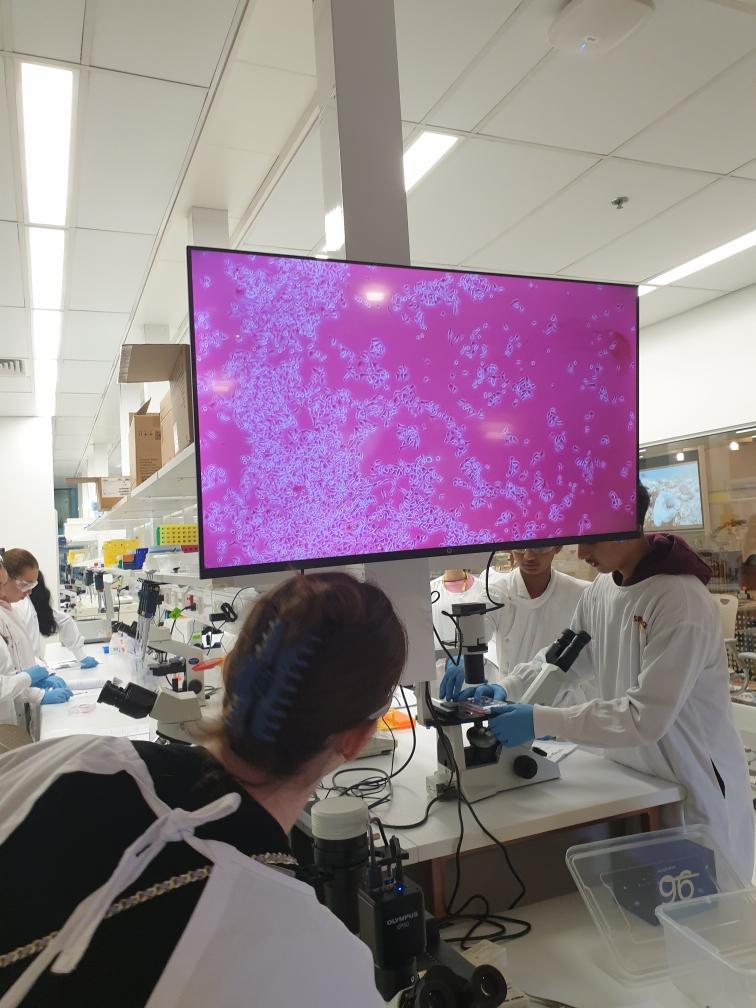
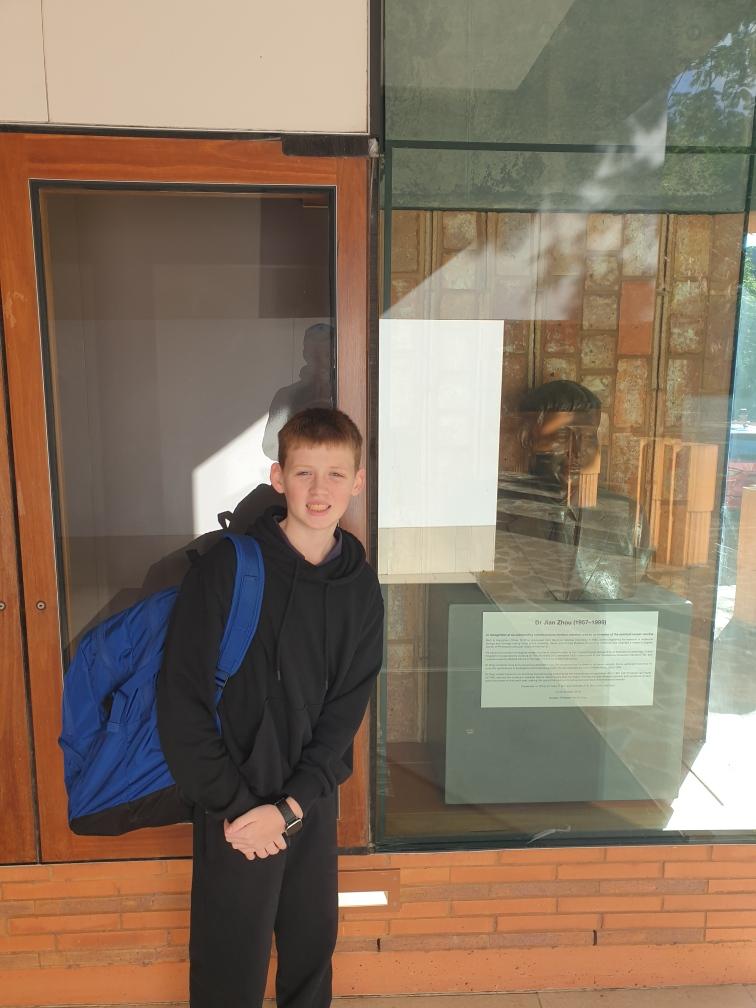
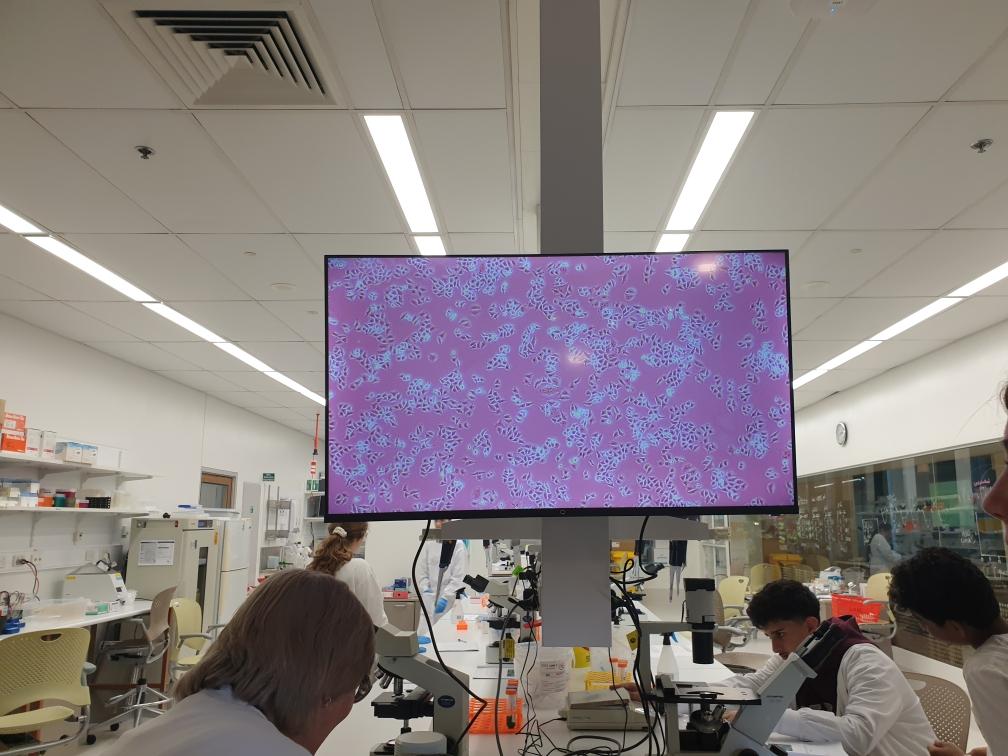
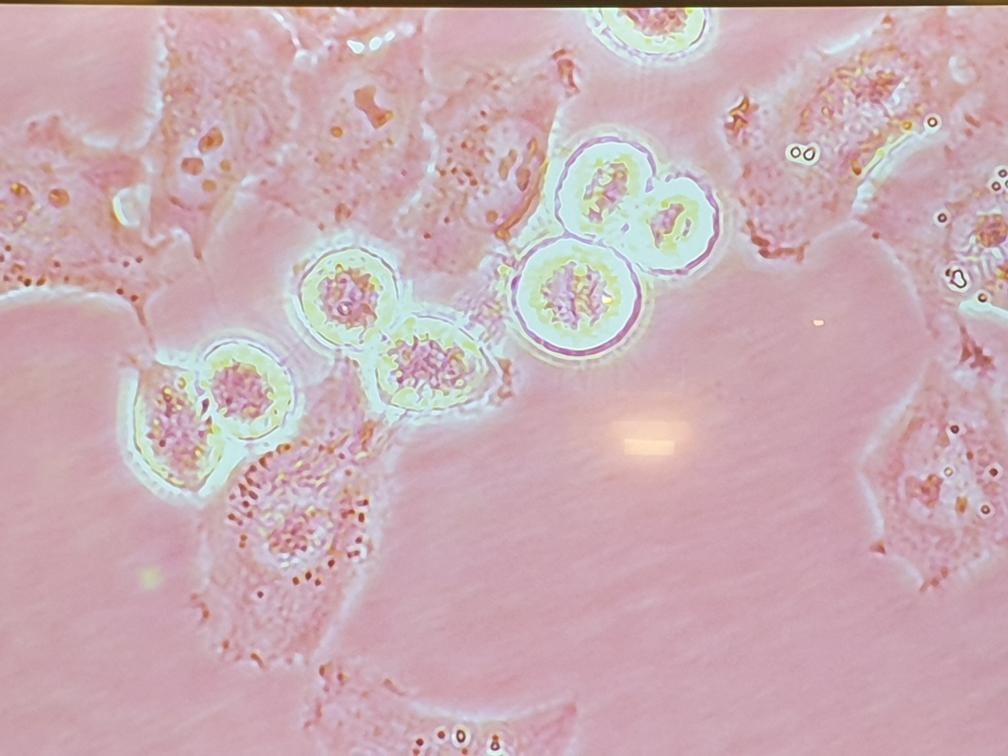
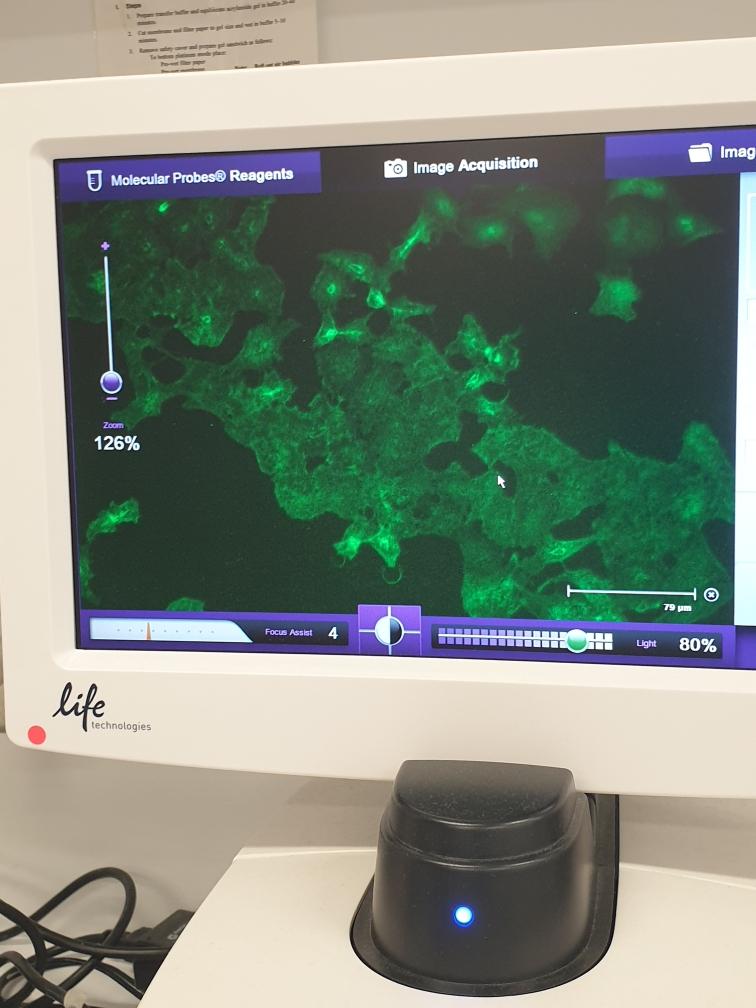
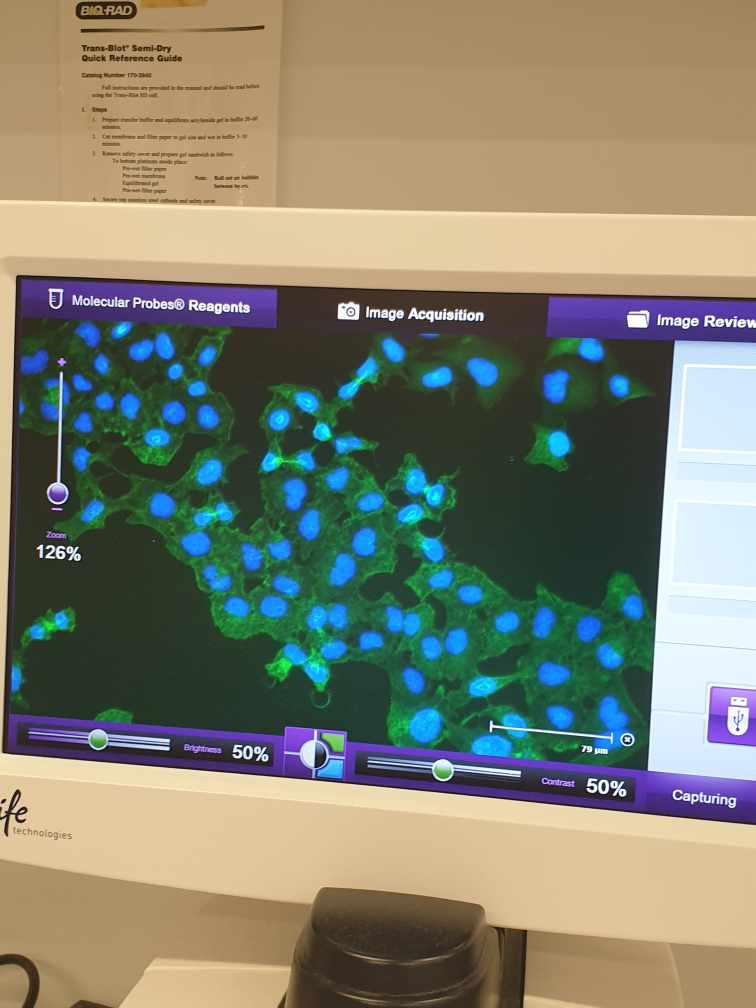
New Year 8 boarder, Nicholas Jensen, was thrilled to be selected to participate in the SPARQ‑ed Junior Research Immersion Program. During the program, he gained hands on experience with laboratory techniques used by cancer researchers, including micropipetting, cell staining, cell counting, and cell plating.
He conducted experiments in which he plated cancer cells, treated them with selected drugs, and left them overnight to observe how cells responded. He also explored how different drugs influence the cell cycle of cancer cells, analysing real experimental data.
The program concluded with a formal presentation of his findings. Nick thoroughly enjoyed the experience, describing it as an excellent opportunity to gain insight into medical research and meet new people.