
Message from the Principal
Message from the Principal
This week provided a powerful opportunity for me to share and reflect on the transformational work occurring at Balmoral State High School with other colleagues at the Queensland Secondary Principals’ Association at their yearly conference.
I was privileged to be invited by Tony Whybird, Principal of Trinity Bay State High School, to present alongside colleagues on the topic of Transforming School Culture Through Authentic Learner Agency. While Balmoral and Trinity Bay have followed similar narratives of transformation, our implementation journeys have reflected the unique needs and identity of each school community.
Across both schools, one message became clear: meaningful school improvement requires intentional shifts in practice, culture, and identity so that learner agency becomes not an initiative, but a way of being and learning for all connected to the school.
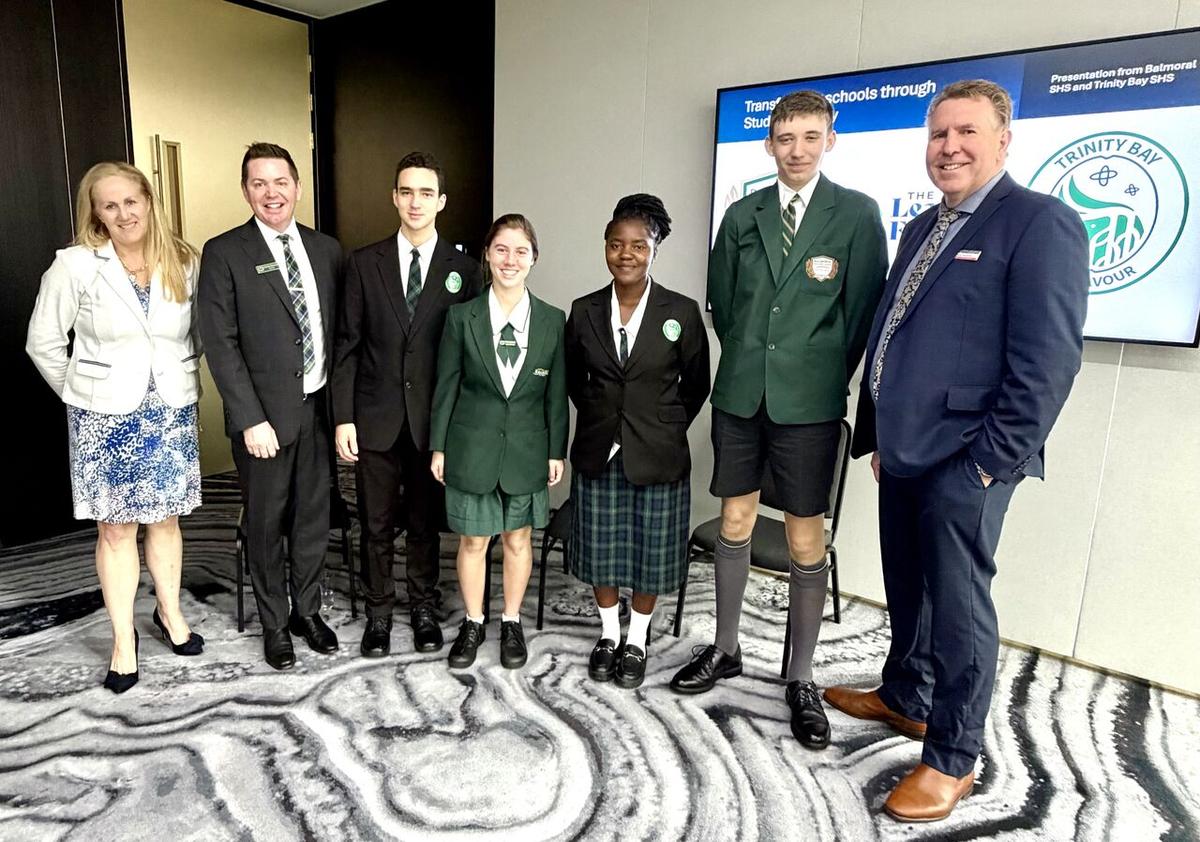
On Wednesday, I was incredibly proud to be joined by Cami Pellegrini and Oliver Blandford, who spoke with confidence, maturity, and authenticity about the shape and impact of school from the perspective of students. They articulated what learner agency looks and feels like in practice and highlighted something incredibly important from their point of view, leadership in schools is a collective responsibility, shared between staff and students and is essential to enable all learners to thrive at school.
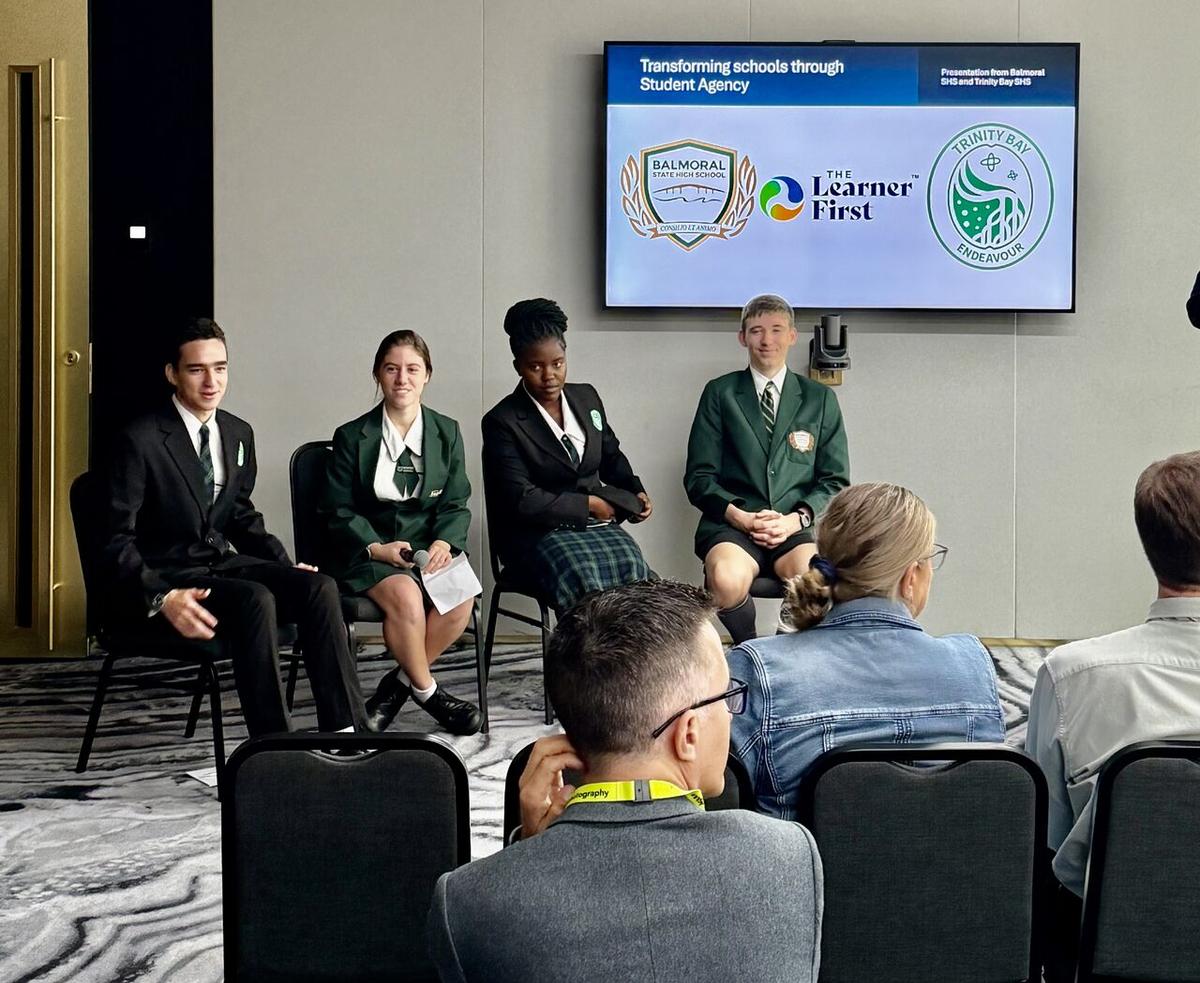
Their reflections reinforced a simple but powerful truth: when schools listen to students with curiosity and create genuine opportunities for partnership, young people rise to the challenge and make meaningful contributions to school culture.
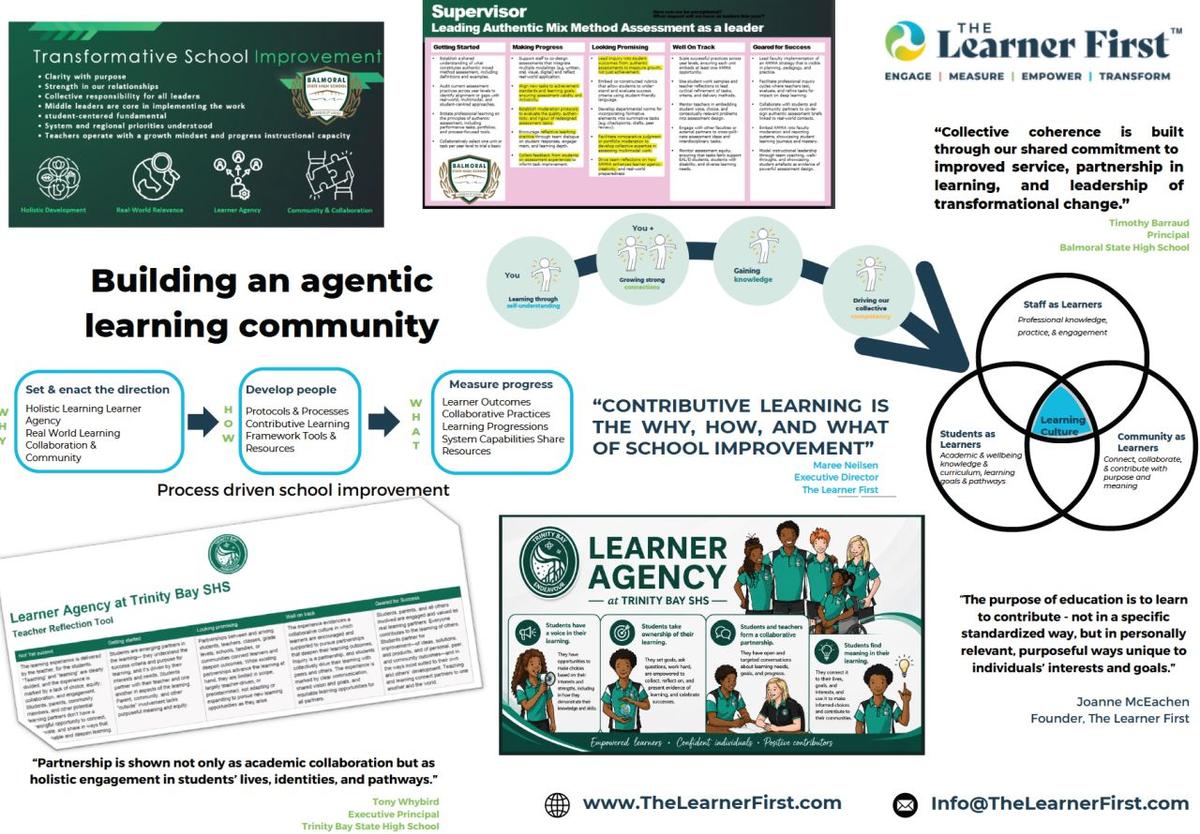
Throughout the presentation, we explored the intentional conditions required to create more agentic learning communities, including:
- Prioritising learner agency alongside curriculum rather than treating it as an “add on”
- Embedding reflection and metacognition so students better understand themselves as learners
- Adults modelling learner dispositions, growth, and vulnerability in learning
- Establishing the preconditions for engagement through shared language, routines, relationships, and strong social-emotional foundations
Importantly, this work is not about reducing rigour or lowering expectations. It is about strengthening engagement, ownership, and contribution so students become active participants in learning rather than passive recipients of it.
A significant part of the conversation challenged educational leaders to reflect on deliberate practice:
- What intentional shifts are we making to create the conditions for learner agency?
- How are students helping shape these shifts through authentic voice and partnership?
- What evidence matters when we evaluate impact?
Because progress cannot be measured through grades alone but growth for personal development.
We discussed broader indicators of student growth including reflection, self-assessment, contribution, engagement, agency, and the sense of belonging students experience as members of a thriving learning community.
Transformative school improvement requires more than structural change, fundamentally requires deliberate cultural shift where young people increasingly see themselves as capable, empowered learners who are willing to contribute.
For me personally, it was an incredibly proud moment to stand alongside Cami and Oliver and witness them inspire educational leaders through their confidence, insight, and honesty. They represented Balmoral with distinction and reminded all in the room of the extraordinary impact we can have when students are trusted as partners in learning. The work occurring in our classrooms matters, and it continues to influence and inspire conversations well beyond our school gates.
Balmoral continues to get statewide recognition for our work and support of enabling students to be active partners in learning.
Timothy Barraud
Principal